

Immune Health Supplement Chews
Verified Aug 29, 2026
These soft chew supplements are designed to support adult and senior dogs’ immune and digestive health. They use a blend of functional ingredients like turmeric, medicinal mushrooms, quercetin, and a 6-strain probiotic mix, along with gentle plant-based carriers like oat flour and vegetables. This type of product is meant as a daily add-on to a complete diet rather than a stand‑alone food.
Jump to ingredientsAffiliate link · may earn a commission at no extra cost to you
Solid Option
This is a functional supplement chew intended to support immune and gut health in dogs, not a complete diet. It combines anti-inflammatory botanicals, medicinal mushrooms, and several probiotic strains in an easy-to-feed soft chew format. It may suit adult and senior dogs whose owners want an extra immune and digestive health boost alongside a balanced dog food.
Computed from 3 of 3 applicable checks. Missing data is skipped, never counted against a food.
The KibbleLab Score (1–10) is assessed from publicly available product data. Our evaluation is science-based, not marketing-based.
KibbleLab may earn an affiliate commission when you buy through a link. No one can pay for a higher score, or to change what we recommend for your pet.
At a Glance
Where these benefits come from
Benefits the manufacturer highlights in its own product marketing. KibbleLab lists them for reference and does not verify these claims.KibbleLab Review
Strengths
- Includes a 6-strain probiotic blend, which can help support a healthy gut microbiome in many dogs.
- Uses turmeric, chaga, reishi, bromelain, and quercetin, all commonly used for their anti-inflammatory and antioxidant properties.
- Contains mixed tocopherols as a natural preservative, which helps keep the fats in the product stable.
- Soft chew format is generally easy for most adult and senior dogs to eat and can be used like a treat.
Considerations
- This is a supplement, so it must be fed together with a complete and balanced dog food, not as the main diet.
- Dogs with oat or coconut sensitivities should avoid this product, as both are included in the base.
- Herbal and mushroom ingredients can affect dogs differently, so introduce slowly and watch for any digestive upset.
Full Ingredient List
Ingredients and analysis reflect manufacturer data at the time of our last update and can change without notice. Always check the actual product packaging before feeding.
Ingredient filtering helps identify compatible options but is not a substitute for a veterinary elimination diet.
Top 5 Ingredients Explained
01
Turmeric
Turmeric is a spice used in pet foods and supplements primarily for its antioxidant and anti-inflammatory compound curcumin, and is included as a flavor/colorant or complementary joint and digestive support ingredient rather than a primary nutrient. It can offer potential benefits—particularly for dogs—when properly formulated with a bioavailability enhancer (e.g., black pepper or fat), but large amounts may cause gastrointestinal upset, cats can be more sensitive to concentrated spices, and turmeric/curcumin may interact with blood thinners or diabetes medications, so veterinary guidance is recommended before use.
View ingredient
02
Apple Cider Vinegar
Apple cider vinegar is typically used in pet foods or supplements as a flavoring, acidity regulator and mild preservative rather than a significant source of nutrients, and it is sometimes added in small amounts to treats or diet toppers for palatability or anecdotal digestive support for dogs and cats. Raw, unfiltered varieties contain the “mother” which some claim has beneficial microbes, but evidence is limited, and concentrated vinegar can irritate the mouth, throat or stomach and may be contraindicated for animals with GI, kidney, or metabolic conditions—consult your veterinarian before use.
03
Chaga
Chaga is a medicinal mushroom added to pet foods and supplements as a functional ingredient for its antioxidant compounds and immunomodulatory polysaccharides (e.g., beta‑glucans), rather than as a protein or caloric ingredient, and is promoted for potential immune‑support and anti‑inflammatory effects in dogs and cats. Because robust clinical data in pets are limited, chaga should be used cautiously—source quality can vary, it may interact with immunosuppressive or anticoagulant medications, and it is generally avoided in pregnant or nursing animals and those with bleeding disorders.
04
Reishi Mushroom
Reishi mushroom is used in pet foods and supplements as a functional ingredient rich in polysaccharides (notably beta-glucans) and antioxidants, primarily to support immune function and provide anti-inflammatory and adaptogenic effects rather than as a protein or vitamin source. While some studies and anecdotal reports suggest benefits for dogs and cats, evidence in pets is limited and quality/strength of extracts varies, so owners should consult their veterinarian—especially if their animal is on immunosuppressive drugs, has an autoimmune condition, or shows signs of allergy or digestive upset.
05
Bromelain
Bromelain is a proteolytic enzyme derived from pineapple that is used in pet foods and supplements as a digestive aid and anti-inflammatory adjunct to help break down proteins and potentially support gastrointestinal comfort and joint-related inflammation in dogs (it is less commonly used in cats). Because bromelain is heat-sensitive and typically added as a supplement rather than an essential nutrient, its effectiveness can vary; it may cause gastrointestinal upset or allergic reactions and can increase bleeding risk or interact with certain medications, so consult your veterinarian before use.
Product Details & Brand
Product Specs
Brand

Premium "ethically sourced, transparently made" dog and cat food brand offering kibble, freeze-dried raw, gently cooked fresh meals, wet stews, treats and supplements. Differentiators are ingredient-level traceability (trace every lot to source), Certified Humane meat and Ocean Wise/Seafood Watch seafood. Sold in neighborhood pet stores across the US and Canada and DTC online.
Manufacturer
Owns no plants; partners with specialized facilities in the US, Canada and Iceland holding GFSI-recognized food safety certifications, audited by Open Farm's team plus independent auditors including Certified Humane. Formulation is led by an in-house team including board-certified veterinary nutritionist Dr. Moran Tal-Gavriel, with third-party test-and-hold lab verification before release.

PSC is a nonprofit that Accredits pet companies on their environmental and social impact, through third-party verification. Open Farm Inc. is a PSC Accredited business. View profile
Manufacturing details are compiled from public sources and not independently verified; they may not reflect contract manufacturing or co-packing.
Recall History
No recall is listed for Open Farm Immune Health Supplement Chews.
Source: FDA animal food recall listings back to January 2019 · Checked daily, last on Oct 16, 2026
Sign up for the full picture
Ingredient Check
We'll check every ingredient against your pet's profile.
Feeding Calculator
Personalized portion sizes based on your pet's weight, age, and activity level.
Side-by-Side Comparison
Compare this food with alternatives to find the best fit.
Similar Foods
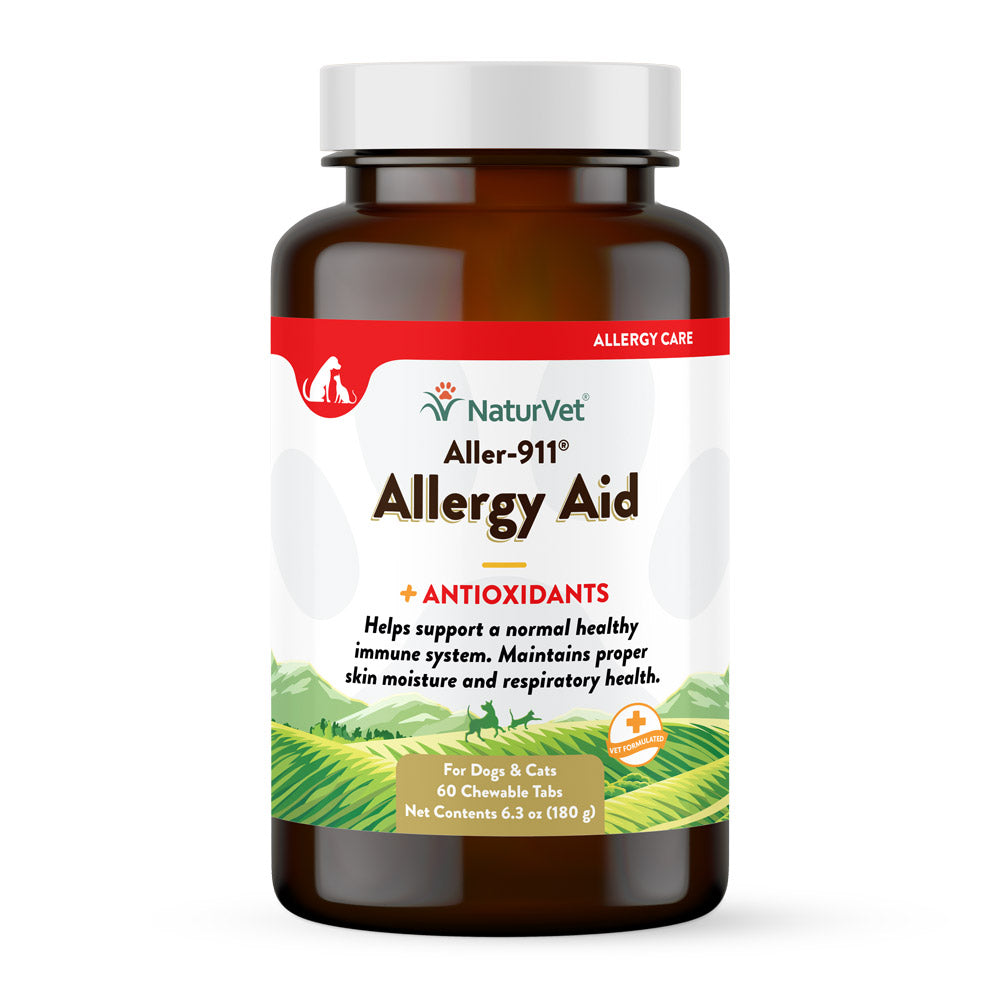

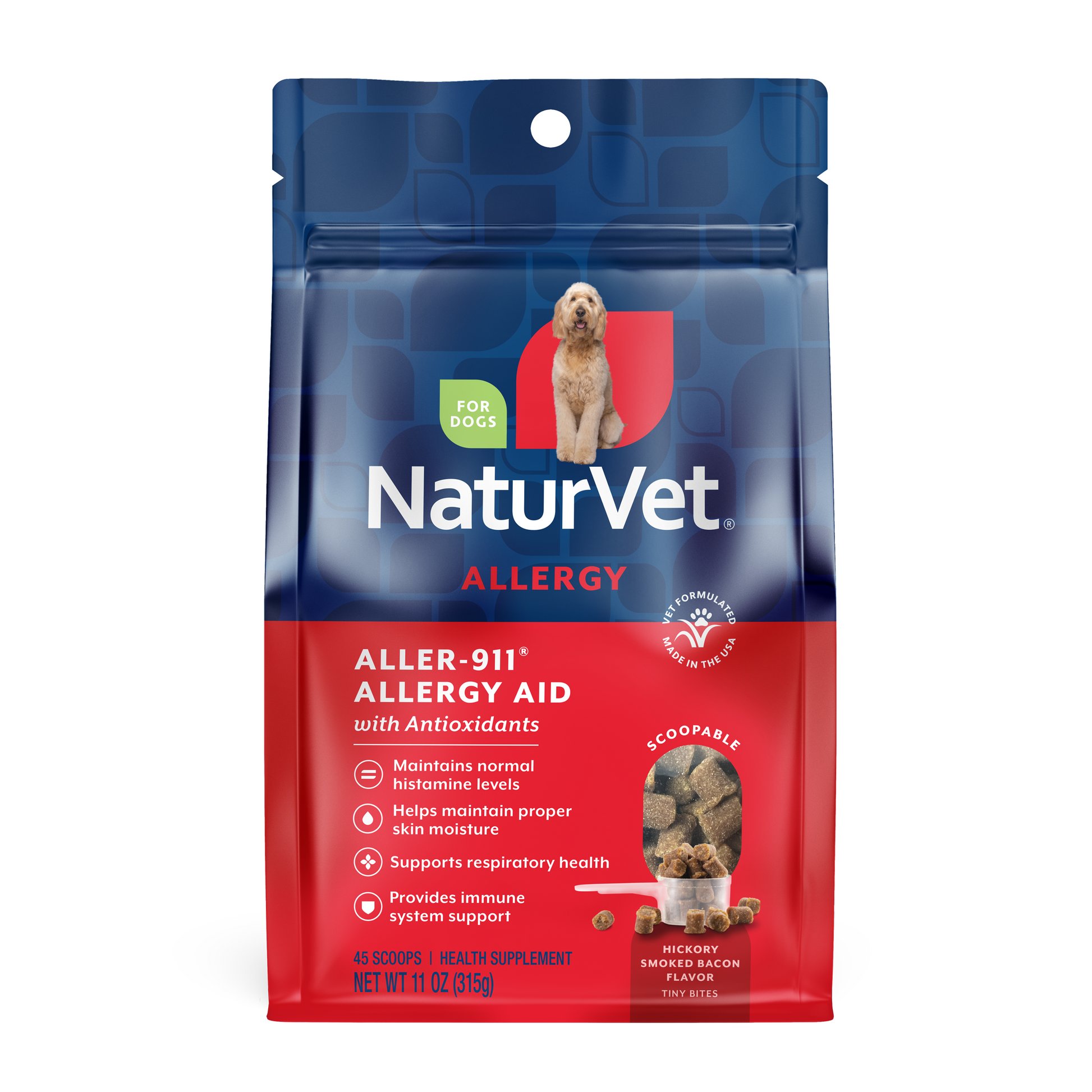
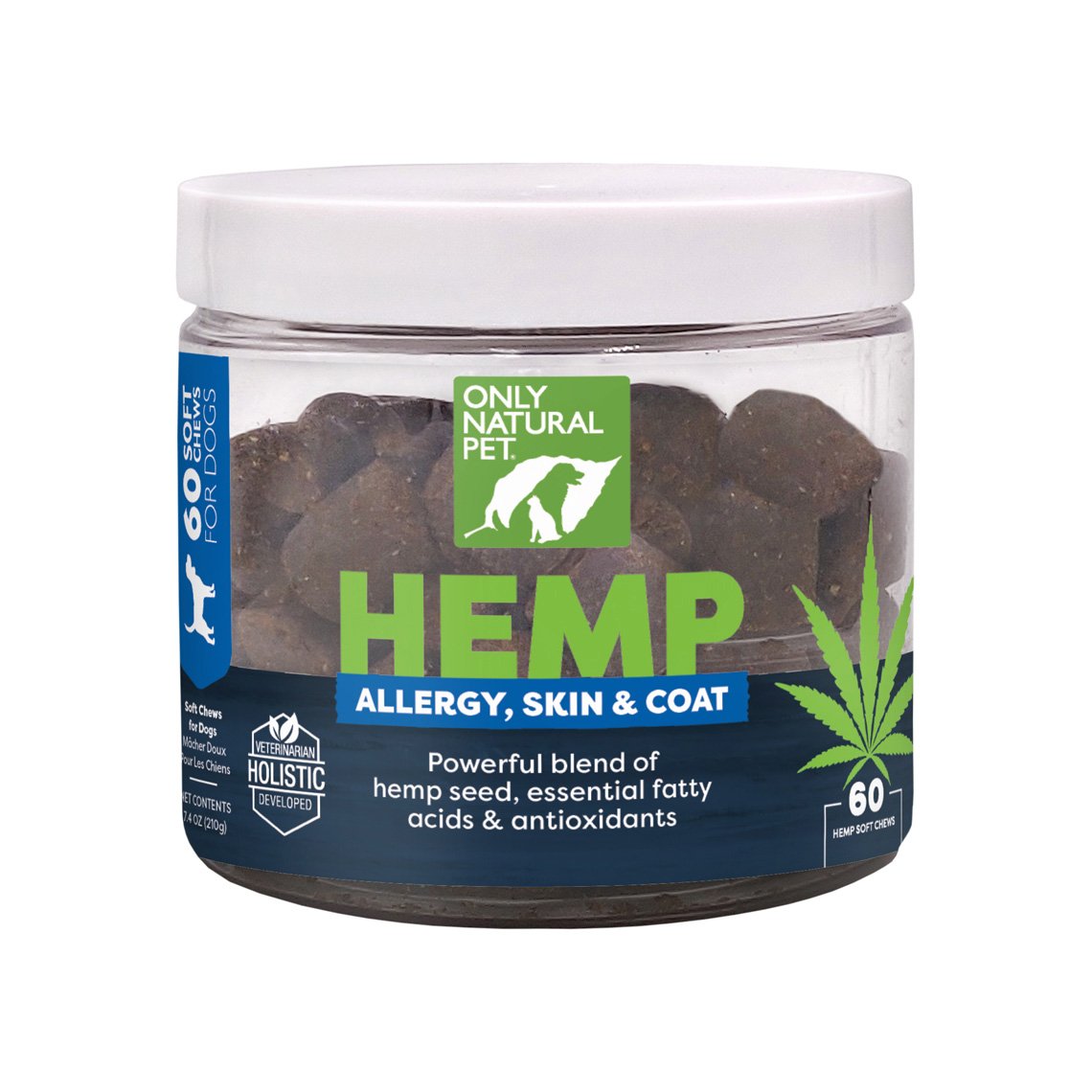
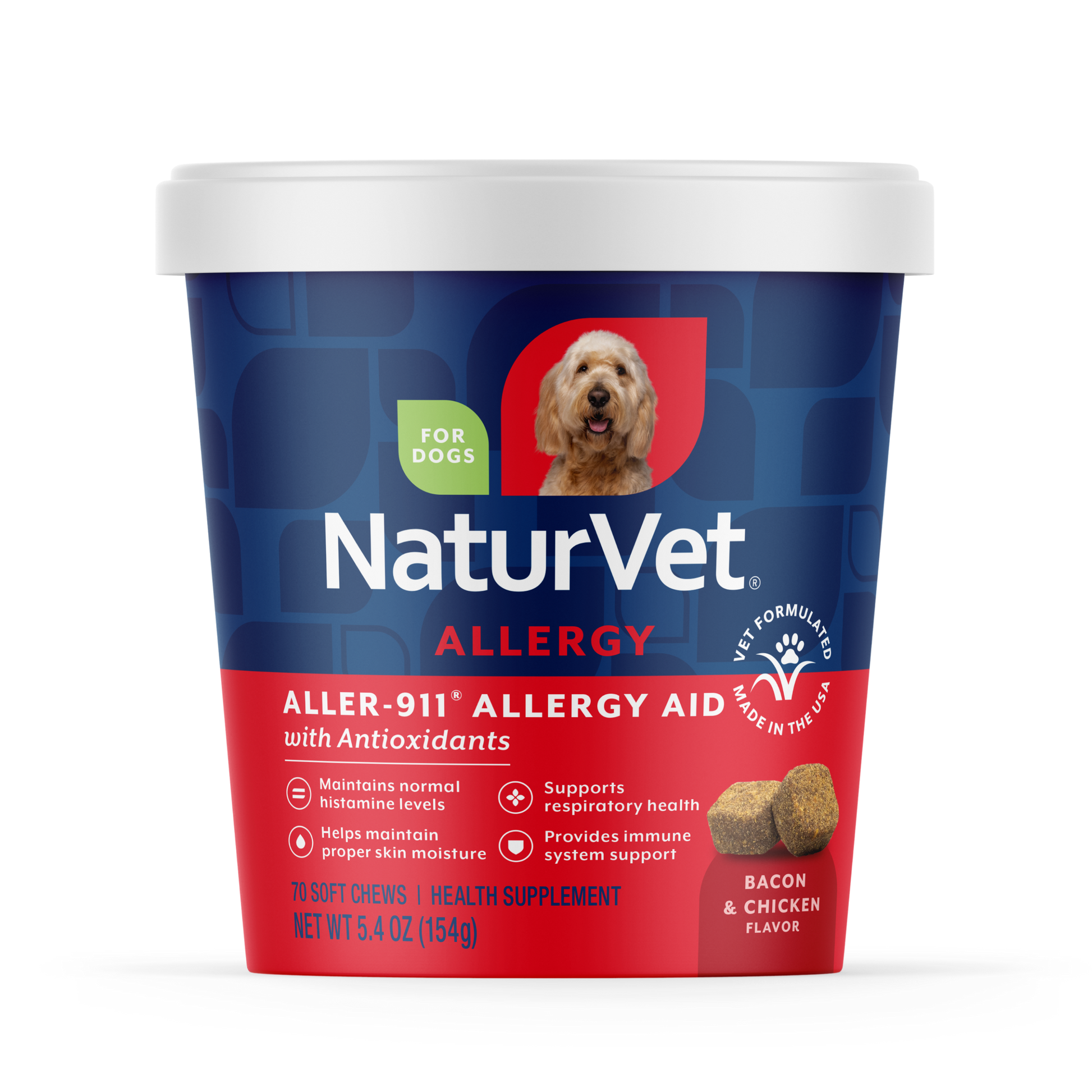


Post your dog's report card and challenge friends to check their food.
Frequently Asked Questions
Has Open Farm ever been recalled?
We have no recalls on record for Open Farm. We track the FDA's animal food recall listings back to January 2019 and publish every pet food recall automatically. A filing that isn't pet food may not appear here.
How does KibbleLab rate foods?
Our scores are based on ingredient composition, nutritional profile, AAFCO compliance, and health considerations. We don't penalize by-products, grains, or synthetic preservatives. Brands cannot pay for higher scores.
Is KibbleLab a substitute for veterinary advice?
No. KibbleLab provides data-driven food analysis, not medical advice. Always consult your veterinarian before making dietary changes, especially for pets with health conditions.
KibbleLab provides informational content only. This is not veterinary advice. Always consult a qualified veterinarian before changing your pet's diet.
KibbleLab may earn affiliate commissions through product links. No one can pay for a higher score, or to change what we recommend for your pet.
Product data sourced from manufacturer websites, AAFCO statements, and FDA recall listings. Last verified dates reflect our most recent data check. We track the FDA's animal food recall listings back to January 2019 and publish every pet food recall automatically. A filing that isn't pet food may not appear here.

 Continue with Google
 Continue with Facebook