
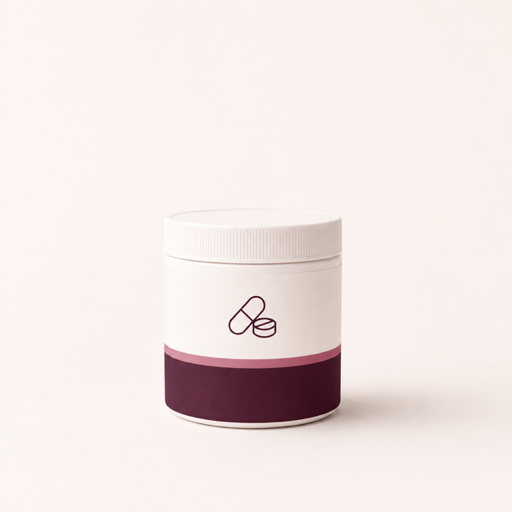
Grass Guardian Digestive Health Chews Supplement for Dogs
Verified Sep 23, 2026
These soft chew supplements are designed for dogs to support digestion and urinary tract health, with the added goal of helping reduce lawn burn spots from urine. They combine DL-methionine to influence urinary pH with cranberry, D-mannose, apple cider vinegar, digestive enzymes, and a Bacillus coagulans probiotic. Animal plasma and brewer’s yeast contribute extra nutrients and may help overall gut and immune support when used alongside a complete diet.
Jump to ingredientsAffiliate link · may earn a commission at no extra cost to you
Solid Option
This is a functional supplement rather than a complete diet, intended for dogs whose owners are concerned about grass burn spots and want added digestive and urinary support. It offers a blend of urinary-focused ingredients plus probiotics and enzymes. It’s best used in combination with a balanced dog food and regular veterinary care, especially if your dog has any urinary history.
Computed from 3 of 3 applicable checks. Missing data is skipped, never counted against a food.
The KibbleLab Score (1–10) is assessed from publicly available product data. Our evaluation is science-based, not marketing-based.
KibbleLab may earn an affiliate commission when you buy through a link. No one can pay for a higher score, or to change what we recommend for your pet.
At a Glance
Where these benefits come from
Benefits the manufacturer highlights in its own product marketing. KibbleLab lists them for reference and does not verify these claims.KibbleLab Review
Strengths
- Provides DL-methionine along with cranberry and D-mannose, which are commonly used in products targeting urinary support.
- Includes Bacillus coagulans probiotic and digestive enzymes that may help support a healthy gut environment.
- Contains animal plasma and brewer’s yeast, which can provide additional nutrients and immune-supporting compounds.
- Soft chew format with bacon flavor can make it easier to give to many dogs as a daily supplement.
Considerations
- This is a supplement, not a complete food, so it should only be given alongside a balanced dog diet.
- DL-methionine affects urinary pH, so dogs with a history of urinary stones or kidney issues should only use this under veterinary guidance.
- Dogs with sensitivities to yeast, coconut, or flavorings may not tolerate this formula well.
Full Ingredient List
Ingredients and analysis reflect manufacturer data at the time of our last update and can change without notice. Always check the actual product packaging before feeding.
Ingredient filtering helps identify compatible options but is not a substitute for a veterinary elimination diet.
Top 5 Ingredients Explained
01
DL-Methionine
DL‑methionine is a synthetic, racemic form of the essential sulfur‑containing amino acid commonly added to dog and cat foods to meet methionine requirements for protein synthesis, support skin and coat health, and to acidify urine when clinically indicated to help prevent struvite crystals. Only the L‑isomer is directly used by the body (the D‑isomer is converted), and while it can be a precursor to cysteine and indirectly to taurine, it does not replace dietary taurine for cats; excessive supplementation can upset amino acid balance or over‑acidify urine, so it should be used at recommended levels.
02
Cranberry
Cranberries are used in pet foods and supplements as a source of fiber and antioxidants (notably polyphenols/proanthocyanidins) and are commonly included for their potential urinary tract–supporting properties in dogs and cats. While these compounds may help inhibit bacterial adhesion in the urinary tract, scientific evidence in pets is limited, and owners should choose unsweetened, preservative-free preparations (avoiding products sweetened with xylitol), watch for gastrointestinal upset or effects on urine pH, and consult a veterinarian for pets with urinary stones or taking certain medications.
View ingredient
03
Apple Cider Vinegar
Apple cider vinegar is typically used in pet foods or supplements as a flavoring, acidity regulator and mild preservative rather than a significant source of nutrients, and it is sometimes added in small amounts to treats or diet toppers for palatability or anecdotal digestive support for dogs and cats. Raw, unfiltered varieties contain the “mother” which some claim has beneficial microbes, but evidence is limited, and concentrated vinegar can irritate the mouth, throat or stomach and may be contraindicated for animals with GI, kidney, or metabolic conditions—consult your veterinarian before use.
04
D-Mannose
D‑mannose is a simple sugar used in pet supplements and urinary‑support products that is excreted into the urine and helps prevent bacteria—particularly E. coli—from adhering to the bladder and urinary tract lining. It offers no meaningful nutritional value for dogs or cats, is generally well tolerated but can cause gastrointestinal upset at high doses, may be ineffective against non‑E. coli infections, and should not replace veterinary diagnosis or prescribed antibiotic treatment; consult your veterinarian before use, especially for diabetic pets.
05
Animal Plasma
Animal plasma is a highly digestible, protein-rich functional ingredient (commonly spray-dried porcine or bovine plasma) used in pet foods to boost protein content, improve palatability and binding, and enhance texture. It supplies bioavailable amino acids and circulating proteins such as immunoglobulins that can help support appetite and gut health—particularly in puppies, kittens or recovering animals—but it is an animal-derived blood product that may be a concern for pets with specific meat allergies or owners with dietary/ethical preferences; commercially processed plasma is generally considered safe when properly handled and spray-dried.
Product Details & Brand
Product Specs
Brand

Solid Gold is a holistic pet food brand offering premium natural nutrition for dogs and cats. The brand emphasizes gut health and the use of superfoods, providing grain-free and functional recipes targeting wellness and vitality.
Manufacturer
Solid Gold works with trusted manufacturing partners in the United States that adhere to FDA and AAFCO regulations for pet food safety and quality. The company focuses on quality control, ingredient traceability, and third-party testing to ensure nutritional adequacy.
Manufacturing details are compiled from public sources and not independently verified; they may not reflect contract manufacturing or co-packing.
Recall History
No recall is listed for Solid Gold Grass Guardian Digestive Health Chews Supplement for Dogs.
Source: FDA animal food recall listings back to January 2019 · Checked daily, last on Oct 18, 2026
Sign up for the full picture
Ingredient Check
We'll check every ingredient against your pet's profile.
Feeding Calculator
Personalized portion sizes based on your pet's weight, age, and activity level.
Side-by-Side Comparison
Compare this food with alternatives to find the best fit.
Similar Foods
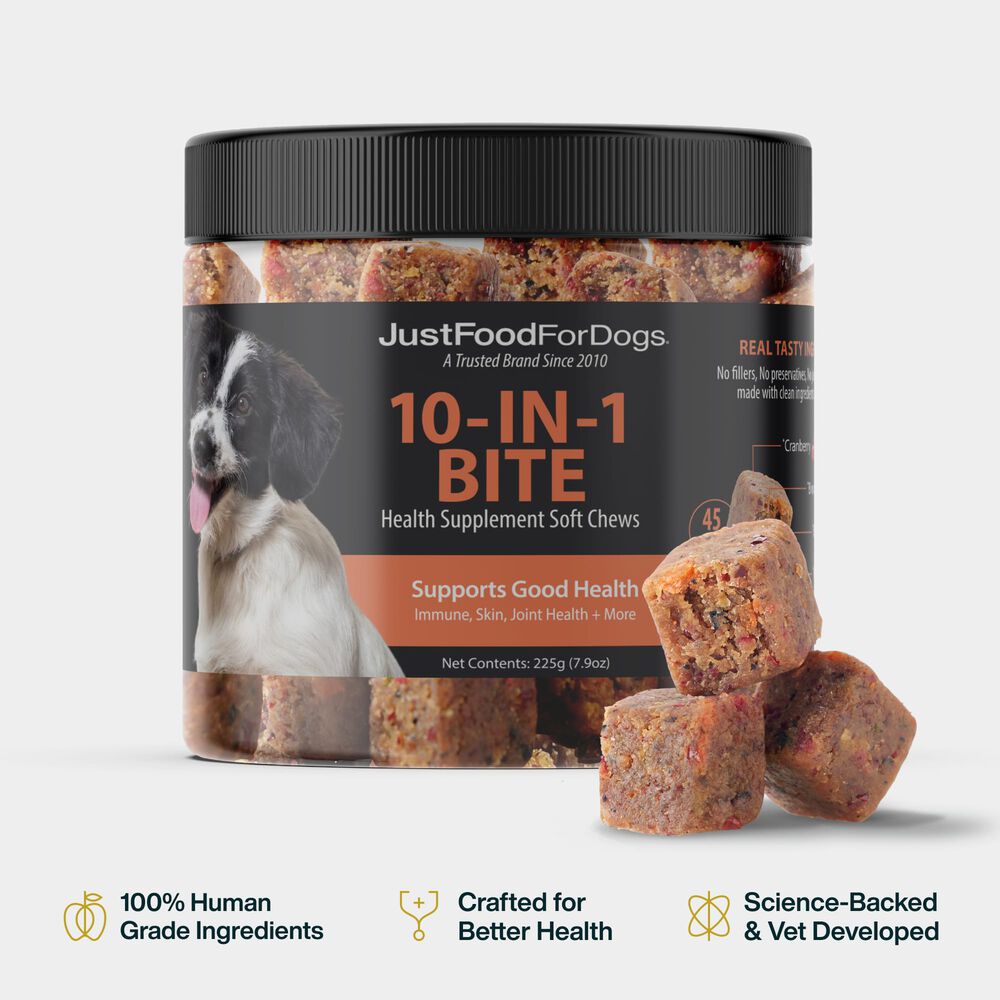

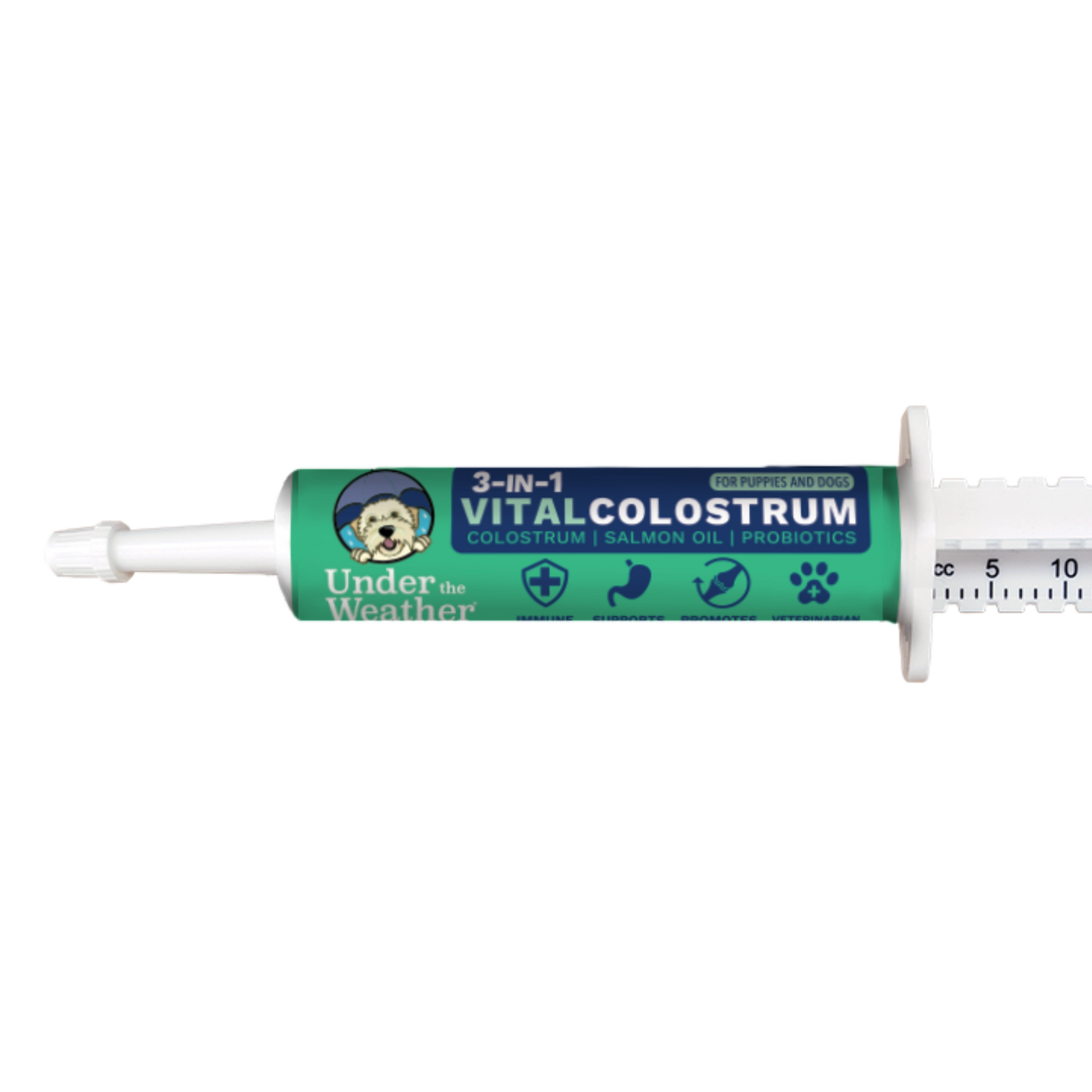
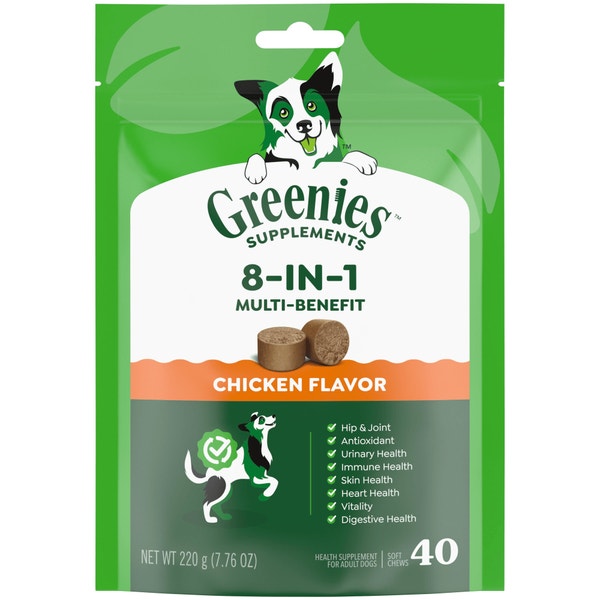


Post your dog's report card and challenge friends to check their food.
Frequently Asked Questions
Has Solid Gold ever been recalled?
We have no recalls on record for Solid Gold. We track the FDA's animal food recall listings back to January 2019 and publish every pet food recall automatically. A filing that isn't pet food may not appear here.
How does KibbleLab rate foods?
Our scores are based on ingredient composition, nutritional profile, AAFCO compliance, and health considerations. We don't penalize by-products, grains, or synthetic preservatives. Brands cannot pay for higher scores.
Is KibbleLab a substitute for veterinary advice?
No. KibbleLab provides data-driven food analysis, not medical advice. Always consult your veterinarian before making dietary changes, especially for pets with health conditions.
KibbleLab provides informational content only. This is not veterinary advice. Always consult a qualified veterinarian before changing your pet's diet.
KibbleLab may earn affiliate commissions through product links. No one can pay for a higher score, or to change what we recommend for your pet.
Product data sourced from manufacturer websites, AAFCO statements, and FDA recall listings. Last verified dates reflect our most recent data check. We track the FDA's animal food recall listings back to January 2019 and publish every pet food recall automatically. A filing that isn't pet food may not appear here.

 Continue with Google
 Continue with Facebook