
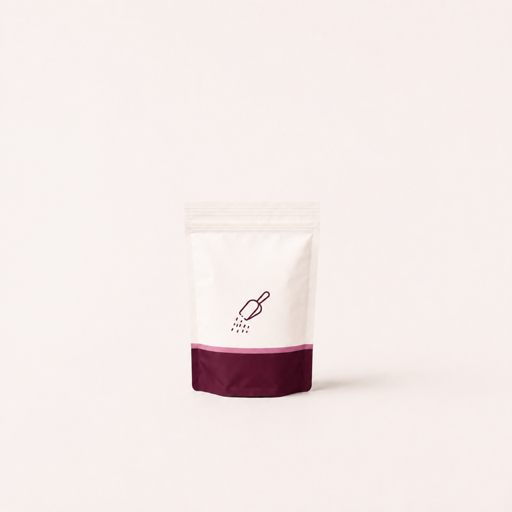
Super Green Petmix Topper
Verified Sep 16, 2026
This is a dehydrated plant-forward topper and base mix designed to be combined with your own lean meat or added to your dog’s existing food. It provides a blend of whole egg for animal protein plus fruits, vegetables, chickpeas, quinoa, and flax to boost fiber and phytonutrients. It’s meant to increase the variety of whole foods in an adult dog’s diet rather than serve as a complete food on its own.
Jump to ingredientsAffiliate link · may earn a commission at no extra cost to you
Solid Option
This is a nutrient-dense topper/base mix that can nicely complement a complete dog food or be used with added lean meat to build more of a home-prepared style diet. The mix offers a good protein level for a plant-heavy formula and brings in a wide range of vegetables, fruits, and seeds that can support digestive regularity and overall nutrient variety. Because it is labeled as supplemental, it should not be fed as the only food and does require careful pairing with a balanced diet or veterinary guidance if used as a major calorie source.
Computed from 3 of 3 applicable checks. Missing data is skipped, never counted against a food.
The KibbleLab Score (1–10) is assessed from publicly available product data. Our evaluation is science-based, not marketing-based.
KibbleLab may earn an affiliate commission when you buy through a link. No one can pay for a higher score, or to change what we recommend for your pet.
At a Glance
Where these benefits come from
Benefits the manufacturer highlights in its own product marketing. KibbleLab lists them for reference and does not verify these claims.KibbleLab Review
Strengths
- High protein content for a topper (27.2% as-fed) with whole egg as a very high-quality, highly digestible animal protein source.
- Rich variety of whole plant ingredients such as broccoli, spinach, kale, blueberries, chickpeas, quinoa, and flax, which can add fiber and natural phytonutrients to a dog’s diet.
- Dehydrated powder format is convenient for storage and allows you to adjust moisture content when preparing meals.
- Calorie-dense at 3,500 kcal/kg, so relatively small amounts can meaningfully boost calories and nutrients when used as a topper.
Considerations
- This is a supplemental product and not a complete and balanced diet on its own; it must be combined with a nutritionally complete dog food or carefully formulated home-prepared recipe.
- Garlic is included; while the amount in commercial products is typically low, dogs with a history of hemolytic anemia or very small dogs might be better served with toppers that do not contain garlic.
- Contains common protein allergens (egg and chickpeas/legumes); dogs with known egg or legume sensitivities should avoid this product.
- Because it is calorie-dense, portions should be measured carefully, especially for dogs prone to weight gain, when adding it on top of their regular food.
Full Ingredient List
Ingredients and analysis reflect manufacturer data at the time of our last update and can change without notice. Always check the actual product packaging before feeding.
Ingredient filtering helps identify compatible options but is not a substitute for a veterinary elimination diet.
Top 5 Ingredients Explained
01
Whole Egg
Whole egg is a highly digestible, nutrient-dense ingredient commonly used in dog and cat foods as a complete protein and source of healthy fats, essential amino acids, fat‑soluble vitamins (A, D), B vitamins including B12 and choline, and other micronutrients. It enhances palatability and supports muscle, skin and coat health, but should be cooked to reduce salmonella risk and deactivate avidin in raw egg white (which can impair biotin absorption if fed frequently), and may be allergenic or calorie-dense for some pets.
02
Broccoli
Broccoli is used as a low‑calorie vegetable additive or treat ingredient rather than a protein source, providing fiber, vitamins (A, K, folate), minerals and antioxidants like sulforaphane that can support digestion and cellular health in dogs and, to a lesser extent, cats. It should be offered in small, plain, cooked or finely chopped portions because raw or large amounts can cause gas, gastrointestinal upset, choking, and—if fed excessively—potential thyroid interference from cruciferous compounds; avoid added seasonings such as onion or garlic.
View ingredient
03
Carrot
Carrot is used in pet foods as a vegetable ingredient providing fiber, moisture, texture and antioxidant nutrients such as beta‑carotene (a provitamin A), vitamin K, vitamin C and potassium, contributing to palatability and digestive bulk. Cooked carrots are more digestible and release more beta‑carotene, but cats cannot efficiently convert beta‑carotene to active vitamin A so carrots are more nutritionally useful for dogs than as a primary vitamin A source for cats; they should be fed in moderation due to natural sugars and should be offered in appropriately sized pieces to avoid choking.
View ingredient
04
Apple
Apple is used in pet foods as a fruit ingredient that supplies soluble fiber (pectin), natural flavor, moisture, and small amounts of vitamins and antioxidants. It can support digestion and add low‑calorie sweetness, but seeds and cores should be avoided because of cyanogenic compounds, apples are relatively high in natural sugars so should be used in moderation (and washed to remove pesticides), and cats—being obligate carnivores—gain less nutritional benefit than dogs.
View ingredient
05
Chickpea Flour
Chickpea flour is a ground pulse used in pet foods as a plant‑based source of protein, digestible carbohydrates and both soluble and insoluble fiber, along with micronutrients such as folate and iron, and is often included in grain‑free or wheat‑free formulations. It can provide beneficial fiber and moderate protein for dogs but is less appropriate as a primary protein for obligate‑carnivore cats; pulses can cause digestive sensitivity in some pets, contain antinutrients that are reduced by processing, and high levels of legume ingredients have been investigated for a possible association with canine dilated cardiomyopathy, so choose balanced, veterinarian‑approved diets for pets with special needs.
Nutritional Breakdown
How to read As Fed versus Dry Matter
As fed shows the numbers straight off the label, water included. Dry matter removes the water so you can compare a wet food and a dry food fairly.What is calorie density
How many calories the food packs per unit. Denser foods mean smaller portions for the same calories.Not sure how much of this to feed?
The right daily portion depends on your dog's weight, age, and activity level. Create a free account, add your dog, and get their daily calories and portion sizes.
Product Details & Brand
Product Specs
AAFCO Nutritional Adequacy
What is AAFCO
Association of American Feed Control Officials. It sets the nutritional
adequacy standards US pet foods are measured against.
What is AAFCO
Association of American Feed Control Officials. It sets the nutritional adequacy standards US pet foods are measured against.Why this is not complete and balanced
This product is not labeled complete and balanced. It is intended for intermittent or supplemental feeding.Brand
Healthy Dogma is a natural pet food and supplement brand that provides holistic nutrition options for dogs and cats, including grain-free foods, supplements, treats, and health aids. The brand targets health-conscious pet owners seeking clean-label, minimally processed, U.S.-made products.
Manufacturer
Healthy Dogma manufactures its products in the United States with oversight on ingredient sourcing and in-house production quality control. The company emphasizes natural ingredients and avoids chemical preservatives or fillers, though formal third-party certifications are not publicly listed.
Manufacturing details are compiled from public sources and not independently verified; they may not reflect contract manufacturing or co-packing.
Recall History
No recall is listed for Healthy Dogma Super Green Petmix Topper.
Source: FDA animal food recall listings back to January 2019 · Checked daily, last on Oct 16, 2026
Sign up for the full picture
Ingredient Check
We'll check every ingredient against your pet's profile.
Feeding Calculator
Personalized portion sizes based on your pet's weight, age, and activity level.
Side-by-Side Comparison
Compare this food with alternatives to find the best fit.
Similar Foods




Post your dog's report card and challenge friends to check their food.
Frequently Asked Questions
Has Healthy Dogma ever been recalled?
We have no recalls on record for Healthy Dogma. We track the FDA's animal food recall listings back to January 2019 and publish every pet food recall automatically. A filing that isn't pet food may not appear here.
How does KibbleLab rate foods?
Our scores are based on ingredient composition, nutritional profile, AAFCO compliance, and health considerations. We don't penalize by-products, grains, or synthetic preservatives. Brands cannot pay for higher scores.
Is KibbleLab a substitute for veterinary advice?
No. KibbleLab provides data-driven food analysis, not medical advice. Always consult your veterinarian before making dietary changes, especially for pets with health conditions.
KibbleLab provides informational content only. This is not veterinary advice. Always consult a qualified veterinarian before changing your pet's diet.
KibbleLab may earn affiliate commissions through product links. No one can pay for a higher score, or to change what we recommend for your pet.
Product data sourced from manufacturer websites, AAFCO statements, and FDA recall listings. Last verified dates reflect our most recent data check. We track the FDA's animal food recall listings back to January 2019 and publish every pet food recall automatically. A filing that isn't pet food may not appear here.

 Continue with Google
 Continue with Facebook