
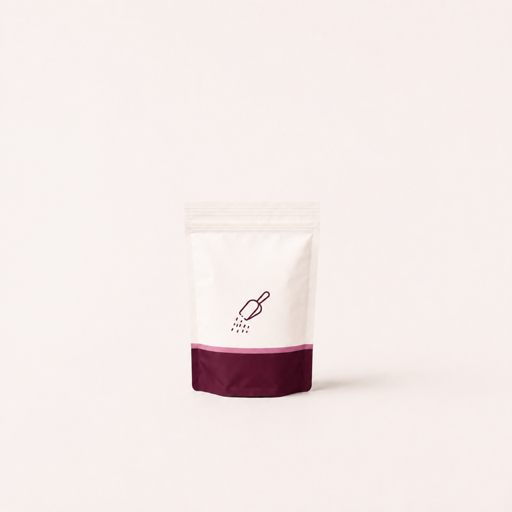
Perfect Digestion Topper
Verified Sep 15, 2026
This is a high-fiber digestive topper for dogs that combines psyllium, oat bran, chaga mushroom, fennel, slippery elm, and a broad blend of digestive enzymes. It’s designed to be sprinkled on top of your dog’s regular food to support stool quality and overall gut function rather than to serve as a complete diet.
Jump to ingredientsAffiliate link · may earn a commission at no extra cost to you
Top Pick
This product is best viewed as a functional digestive supplement to add to your dog’s existing complete diet. The very high fiber content and added enzyme blend can be helpful for some dogs that need extra stool or gut support. Because it’s not a complete and balanced food, it should only be used as a topper in the recommended amounts.
Computed from 3 of 3 applicable checks. Missing data is skipped, never counted against a food.
The KibbleLab Score (1–10) is assessed from publicly available product data. Our evaluation is science-based, not marketing-based.
KibbleLab may earn an affiliate commission when you buy through a link. No one can pay for a higher score, or to change what we recommend for your pet.
At a Glance
Where these benefits come from
Benefits the manufacturer highlights in its own product marketing. KibbleLab lists them for reference and does not verify these claims.KibbleLab Review
Strengths
- The formula is very high in fiber, which can help support stool quality and regularity for many dogs when used appropriately.
- It includes a broad mix of digestive enzymes that may aid in breaking down protein, fat, and carbohydrates in the main diet.
- Herbal and functional ingredients like chaga mushroom, fennel, and slippery elm are included to help support the gastrointestinal tract.
- Calorie density is low, so it adds digestive support without significantly increasing your dog’s daily calories.
Considerations
- This is not a complete and balanced food, so it should never replace your dog’s regular diet.
- The very high fiber content may cause gas or looser stools in some dogs, especially if introduced too quickly.
- Nutritional yeast can be an issue for dogs with yeast sensitivities, so those dogs may need a different option.
- Digestive supplements can interact with existing gut issues, so it’s a good idea to talk with your veterinarian before starting if your dog has chronic GI problems.
Full Ingredient List
Ingredients and analysis reflect manufacturer data at the time of our last update and can change without notice. Always check the actual product packaging before feeding.
Ingredient filtering helps identify compatible options but is not a substitute for a veterinary elimination diet.
Top 5 Ingredients Explained
01
Nutritional Yeast
Nutritional yeast is a deactivated yeast (usually Saccharomyces cerevisiae) used in pet foods and as a supplemental flavoring to add a savory taste along with B‑complex vitamins, some protein and fiber; fortified products may also supply vitamin B12 while unfortified forms do not reliably provide it. It can support skin, coat and general nutrient intake—especially in homemade or limited diets—but animals with yeast sensitivities, certain metabolic or urinary stone conditions, or those already receiving balanced supplements should use it cautiously and under veterinary guidance to avoid dietary imbalance or upset.
02
Psyllium Husk
Psyllium husk is a soluble, fermentable fiber commonly added to dog and cat diets as a bulking agent and stool regulator to support healthy intestinal transit, firm loose stools, relieve constipation, and help manage hairballs in cats and weight management through increased satiety. It must be hydrated and given with adequate water because it swells substantially, can alter absorption of some medications, and should be introduced gradually with veterinary guidance to avoid gastrointestinal upset or rare obstruction risks.
03
Oat Bran
Oat bran is the outer layer of the oat groat commonly used in pet foods as a source of soluble fiber (notably beta‑glucans), complex carbohydrates and a mild binder, while also contributing small amounts of protein, vitamins and minerals. It can support healthy digestion, improve stool quality and help moderate post‑meal blood sugar in dogs (with more limited benefit for obligate carnivores like cats), but it is not a complete protein, should be introduced gradually to avoid gastrointestinal upset, and must be properly stored/processed to avoid contamination.
04
Chaga
Chaga is a medicinal mushroom added to pet foods and supplements as a functional ingredient for its antioxidant compounds and immunomodulatory polysaccharides (e.g., beta‑glucans), rather than as a protein or caloric ingredient, and is promoted for potential immune‑support and anti‑inflammatory effects in dogs and cats. Because robust clinical data in pets are limited, chaga should be used cautiously—source quality can vary, it may interact with immunosuppressive or anticoagulant medications, and it is generally avoided in pregnant or nursing animals and those with bleeding disorders.
05
Fennel Seed
Fennel seed is typically added to pet foods and treats as a flavoring and mild digestive aid, contributing small amounts of fiber, antioxidants, and aromatic essential oils that can help reduce gas and support gastrointestinal comfort in some dogs and cats. While generally safe in small amounts, its concentrated essential oils and phytoestrogens mean large quantities can cause stomach upset or hormonal concerns, so it should be used sparingly and avoided or discussed with a veterinarian for pregnant, nursing, or hormonally sensitive pets.
Nutritional Breakdown
How to read As Fed versus Dry Matter
As fed shows the numbers straight off the label, water included. Dry matter removes the water so you can compare a wet food and a dry food fairly.What is calorie density
How many calories the food packs per unit. Denser foods mean smaller portions for the same calories.Not sure how much of this to feed?
The right daily portion depends on your dog's weight, age, and activity level. Create a free account, add your dog, and get their daily calories and portion sizes.
Product Details & Brand
Product Specs
Brand
YumWoof offers high-protein, air-dried, and gently baked dog food formulated with low-carbohydrate content and natural ingredients. The brand targets health-conscious pet owners seeking fresh or minimally processed alternatives to kibble.
Manufacturer
Products are manufactured in the United States under FDA and AAFCO standards. Yumwoof maintains quality control through small-batch production using human-grade facilities.
Manufacturing details are compiled from public sources and not independently verified; they may not reflect contract manufacturing or co-packing.
Recall History
No recall is listed for YumWoof Perfect Digestion Topper.
Source: FDA animal food recall listings back to January 2019 · Checked daily, last on Oct 15, 2026
Sign up for the full picture
Ingredient Check
We'll check every ingredient against your pet's profile.
Feeding Calculator
Personalized portion sizes based on your pet's weight, age, and activity level.
Side-by-Side Comparison
Compare this food with alternatives to find the best fit.
Similar Foods


Post your dog's report card and challenge friends to check their food.
Frequently Asked Questions
Has YumWoof ever been recalled?
We have no recalls on record for YumWoof. We track the FDA's animal food recall listings back to January 2019 and publish every pet food recall automatically. A filing that isn't pet food may not appear here.
How does KibbleLab rate foods?
Our scores are based on ingredient composition, nutritional profile, AAFCO compliance, and health considerations. We don't penalize by-products, grains, or synthetic preservatives. Brands cannot pay for higher scores.
Is KibbleLab a substitute for veterinary advice?
No. KibbleLab provides data-driven food analysis, not medical advice. Always consult your veterinarian before making dietary changes, especially for pets with health conditions.
KibbleLab provides informational content only. This is not veterinary advice. Always consult a qualified veterinarian before changing your pet's diet.
KibbleLab may earn affiliate commissions through product links. No one can pay for a higher score, or to change what we recommend for your pet.
Product data sourced from manufacturer websites, AAFCO statements, and FDA recall listings. Last verified dates reflect our most recent data check. We track the FDA's animal food recall listings back to January 2019 and publish every pet food recall automatically. A filing that isn't pet food may not appear here.

 Continue with Google
 Continue with Facebook