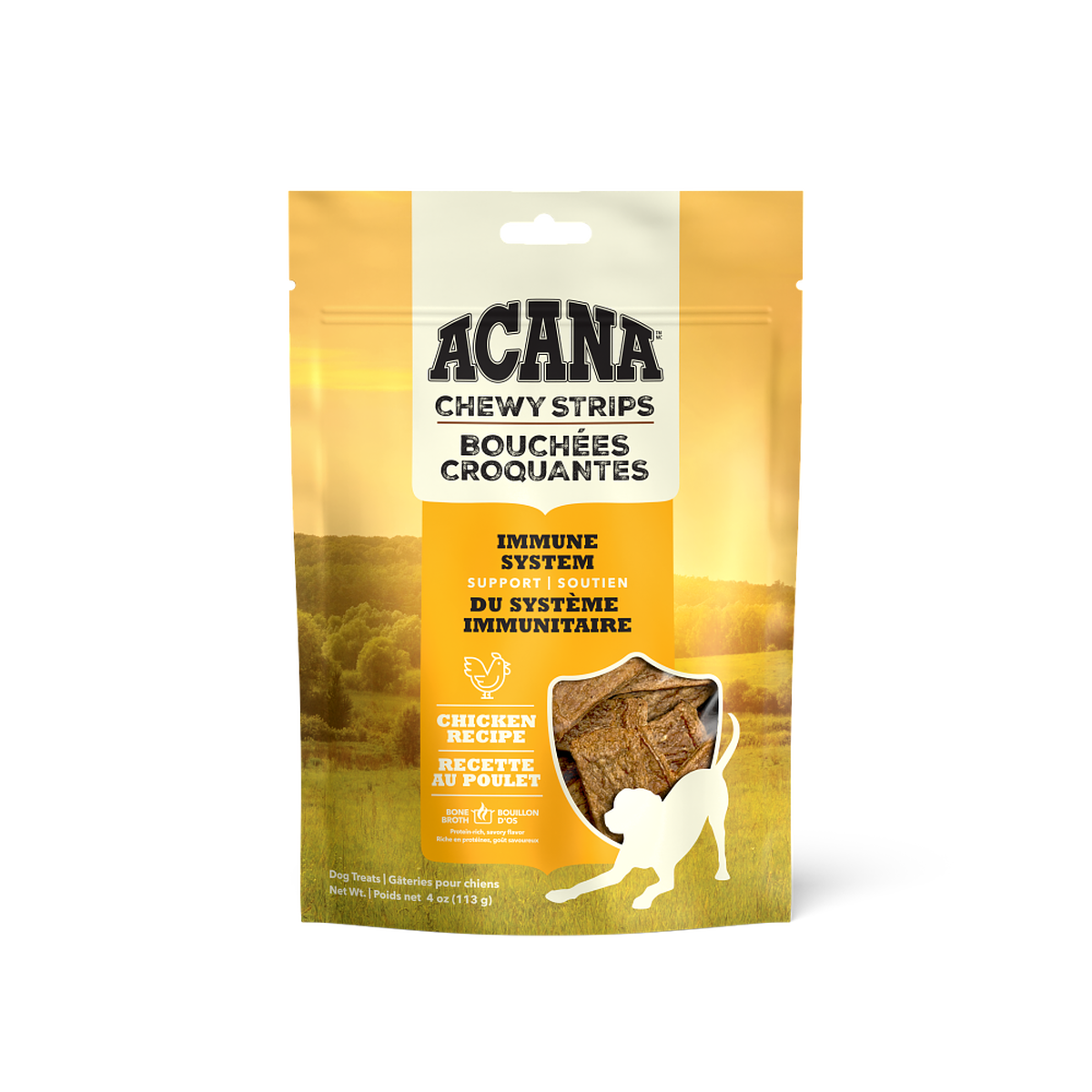
Chewy Strips Chicken Recipe Treat
Verified Sep 16, 2026
These soft, chewy chicken treats are high in animal protein and designed as an occasional snack for dogs of any age or size. They feature chicken as the main ingredient, with cranberries for added antioxidants, plus bone broth and honey for flavor and texture. Vitamin E and mixed tocopherols are included as preservatives and to help support normal immune function.
Jump to ingredientsAffiliate link · may earn a commission at no extra cost to you
Strong Choice
This is a high-protein, meat-focused treat with a very short and simple ingredient list, which is nice if you're looking for something straightforward to reward your dog with. Chicken is the primary ingredient, and the added cranberries and vitamin E provide some antioxidant support. It’s best suited as an occasional training reward or snack, especially for dogs who tolerate chicken well and don’t need a low-calorie treat option.
Computed from 3 of 3 applicable checks. Missing data is skipped, never counted against a food.
The KibbleLab Score (1–10) is assessed from publicly available product data. Our evaluation is science-based, not marketing-based.
KibbleLab may earn an affiliate commission when you buy through a link. No one can pay for a higher score, or to change what we recommend for your pet.
At a Glance
Where these benefits come from
Benefits the manufacturer highlights in its own product marketing. KibbleLab lists them for reference and does not verify these claims.KibbleLab Review
Strengths
- Chicken as the first ingredient provides a clearly identified, high-quality animal protein source.
- Very short, simple ingredient list with recognizable components and no artificial colors or flavors.
- High protein level for a treat, with relatively low fiber, which many dogs find palatable and easy to digest.
- Added vitamin E and cranberries supply antioxidant support beyond basic calories.
Considerations
- Formulated for intermittent or supplemental feeding only, so it should not replace a complete and balanced diet.
- Each treat is relatively calorie-dense at about 46 kcal, so portions should be limited, especially for small or less active dogs.
- Contains chicken, which is a common food allergen for some dogs and not suitable for those with known chicken sensitivities.
- Includes salt and honey, which are fine in small treat amounts but can add up if given too frequently.
Full Ingredient List
Ingredients and analysis reflect manufacturer data at the time of our last update and can change without notice. Always check the actual product packaging before feeding.
Ingredient filtering helps identify compatible options but is not a substitute for a veterinary elimination diet.
Top 5 Ingredients Explained
01
Chicken
Chicken is a common animal-based protein in dog and cat foods, supplying essential amino acids, B vitamins, and energy-dense fats that support muscle maintenance, growth, and overall health; for cats it also contributes toward dietary taurine but must be present in sufficient amounts or provided via supplementation. It is prized for its digestibility and palatability, though some pets develop sensitivities or allergies to chicken, and nutritional value and safety depend on ingredient quality and processing—raw chicken carries pathogen risks and whole bones can pose choking or GI hazards.
View ingredient
02
Cranberry
Cranberries are used in pet foods and supplements as a source of fiber and antioxidants (notably polyphenols/proanthocyanidins) and are commonly included for their potential urinary tract–supporting properties in dogs and cats. While these compounds may help inhibit bacterial adhesion in the urinary tract, scientific evidence in pets is limited, and owners should choose unsweetened, preservative-free preparations (avoiding products sweetened with xylitol), watch for gastrointestinal upset or effects on urine pH, and consult a veterinarian for pets with urinary stones or taking certain medications.
View ingredient
03
Chicken Bone Broth
Chicken bone broth is commonly used as a palatability enhancer and hydration topper in dog and cat diets, supplying gelatin, collagen-derived amino acids and trace minerals that may support joint comfort and gut health while making food more appealing. It is not a complete food, so choose low-sodium, additive-free products (avoid broths containing onion, garlic or excessive fat), and ensure no bone fragments are present—use caution with pets that have pancreatitis, sodium-sensitive conditions, or known food sensitivities.
04
Honey
Honey is used in pet foods and treats primarily as a natural sweetener and binder, supplying simple carbohydrates for quick energy but contributing negligible protein, fiber, or essential vitamins. Raw honey contains antioxidants and may have mild antimicrobial or prebiotic effects, but because it is high in sugar and can worsen obesity, dental disease, or diabetes—and may carry microbial contaminants—use should be limited (and avoided in very young or immunocompromised animals); consult your veterinarian before offering honey to pets, especially cats (which are obligate carnivores and gain little benefit) or diabetic animals.
View ingredient
05
Salt
Salt (sodium chloride) is used in pet foods as a flavor enhancer, mild preservative and a source of essential electrolytes (sodium and chloride), and is often provided in iodized form to help meet iodine requirements for thyroid function; these minerals support nerve and muscle function and fluid balance in dogs and cats. Small, controlled amounts are nutritionally important, but excessive salt can cause dehydration, worsen heart or kidney disease and, in extreme cases, lead to salt toxicity, so pet owners should avoid adding extra table salt or high‑sodium human foods and follow veterinary guidance for animals with medical conditions.
Nutritional Breakdown
How to read As Fed versus Dry Matter
As fed shows the numbers straight off the label, water included. Dry matter removes the water so you can compare a wet food and a dry food fairly.What is calorie density
How many calories the food packs per unit. Denser foods mean smaller portions for the same calories.Not sure how much of this to feed?
The right daily portion depends on your dog's weight, age, and activity level. Create a free account, add your dog, and get their daily calories and portion sizes.
Product Details & Brand
Product Specs
Brand
ACANA offers high-protein dog and cat foods made from fresh regional ingredients. The brand focuses on biologically appropriate nutrition with recipes inspired by nature, often containing various ratios of meat, fish, and poultry along with fruits and vegetables. Positioned as a premium choice, ACANA targets pet owners seeking high-quality, grain-free or limited-ingredient diets.
Manufacturer
Champion Petfoods maintains full control over its manufacturing through its own award-winning kitchens — NorthStar in Alberta, Canada, and DogStar in Kentucky, USA. The company implements strict quality control, adheres to HACCP and FDA manufacturing standards, and monitors safety through both internal testing and third-party audits.
Manufacturing details are compiled from public sources and not independently verified; they may not reflect contract manufacturing or co-packing.
Recall History
No recall is listed for Acana Chewy Strips Chicken Recipe Treat.
Source: FDA animal food recall listings back to January 2019 · Checked daily, last on Oct 15, 2026
Sign up for the full picture
Ingredient Check
We'll check every ingredient against your pet's profile.
Feeding Calculator
Personalized portion sizes based on your pet's weight, age, and activity level.
Side-by-Side Comparison
Compare this food with alternatives to find the best fit.
Similar Foods

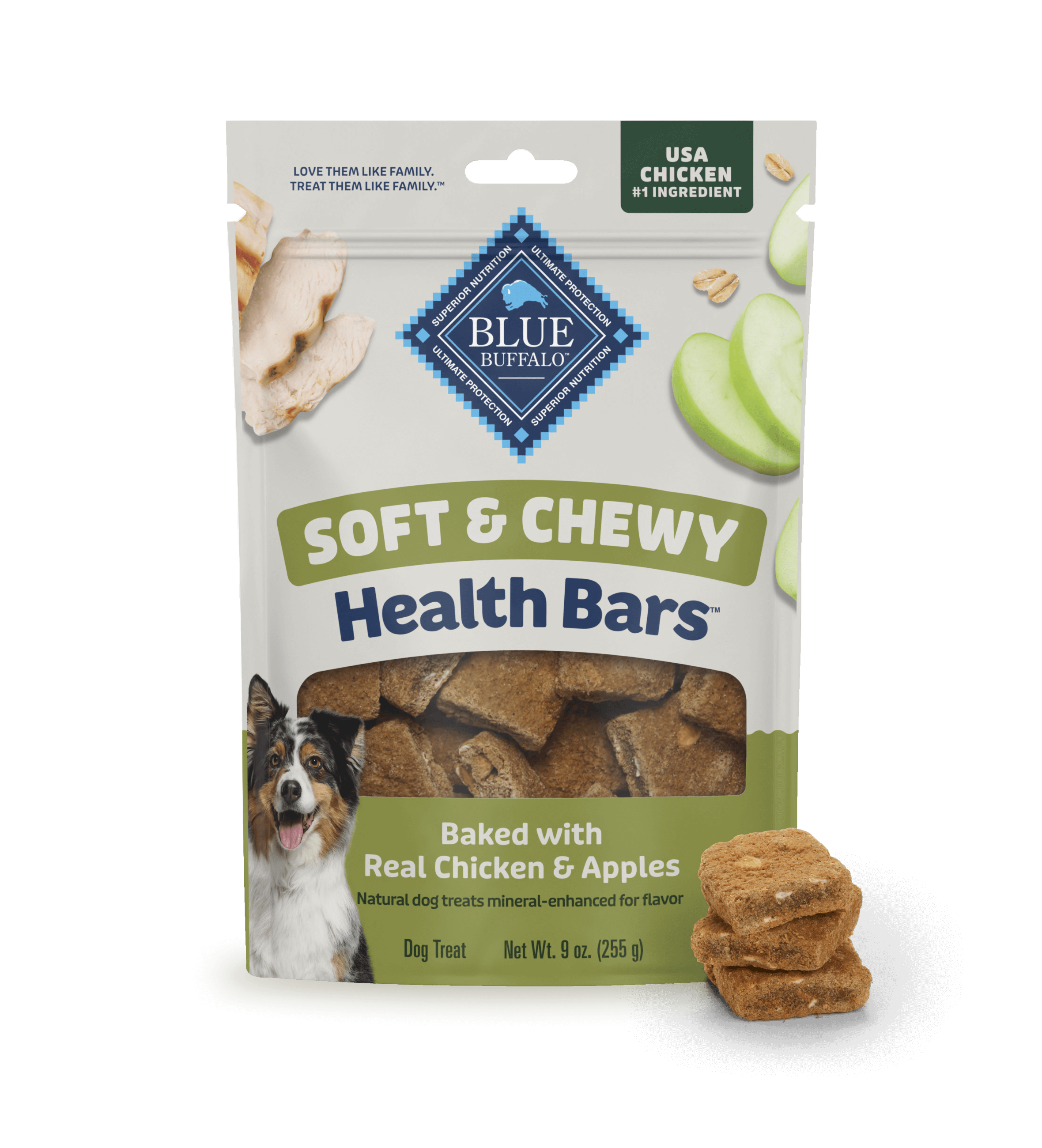
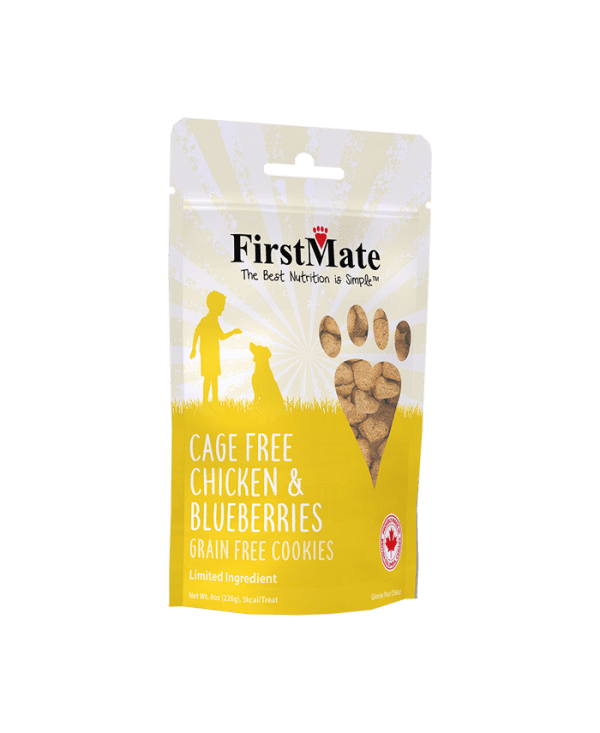
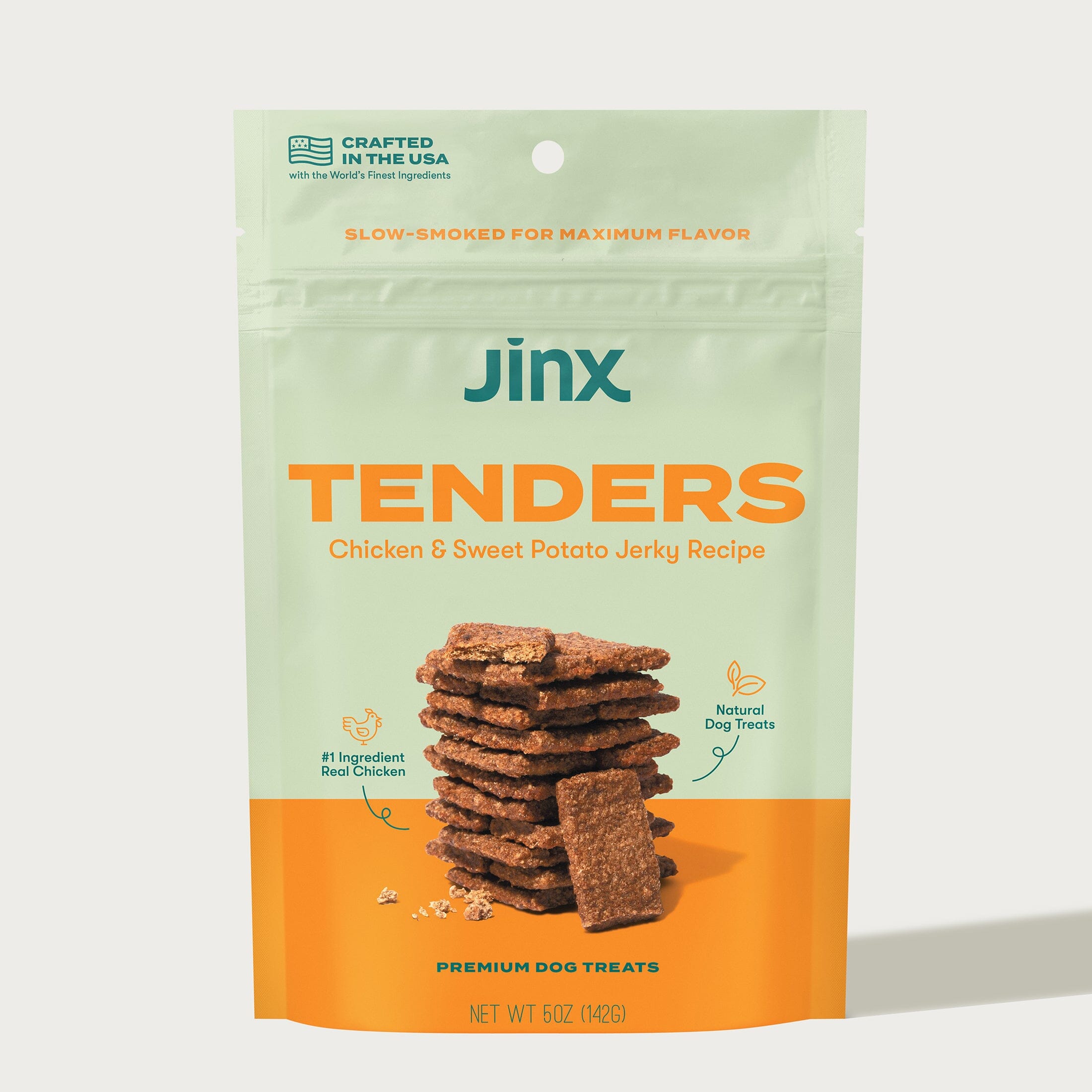
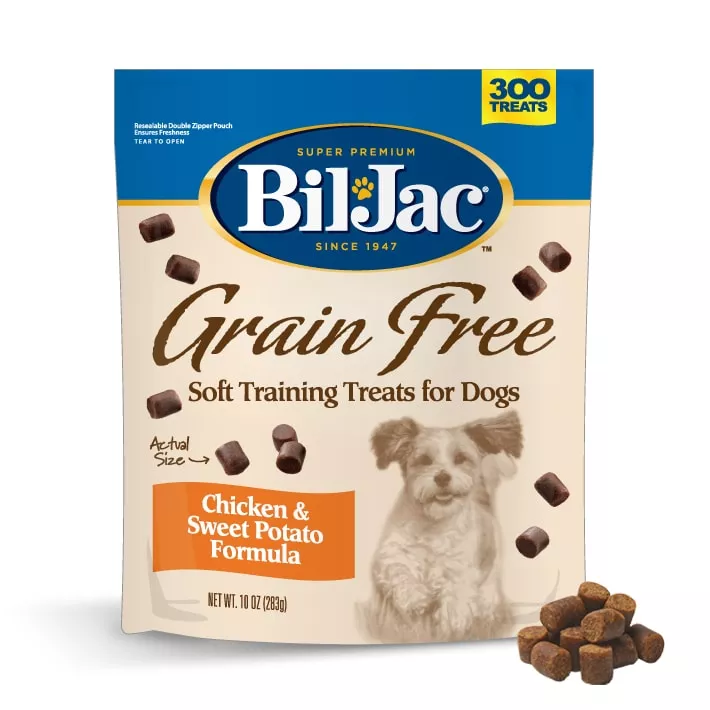


Post your dog's report card and challenge friends to check their food.
Frequently Asked Questions
Has Acana ever been recalled?
We have no recalls on record for Acana. We track the FDA's animal food recall listings back to January 2019 and publish every pet food recall automatically. A filing that isn't pet food may not appear here.
How does KibbleLab rate foods?
Our scores are based on ingredient composition, nutritional profile, AAFCO compliance, and health considerations. We don't penalize by-products, grains, or synthetic preservatives. Brands cannot pay for higher scores.
Is KibbleLab a substitute for veterinary advice?
No. KibbleLab provides data-driven food analysis, not medical advice. Always consult your veterinarian before making dietary changes, especially for pets with health conditions.
KibbleLab provides informational content only. This is not veterinary advice. Always consult a qualified veterinarian before changing your pet's diet.
KibbleLab may earn affiliate commissions through product links. No one can pay for a higher score, or to change what we recommend for your pet.
Product data sourced from manufacturer websites, AAFCO statements, and FDA recall listings. Last verified dates reflect our most recent data check. We track the FDA's animal food recall listings back to January 2019 and publish every pet food recall automatically. A filing that isn't pet food may not appear here.

 Continue with Google
 Continue with Facebook