
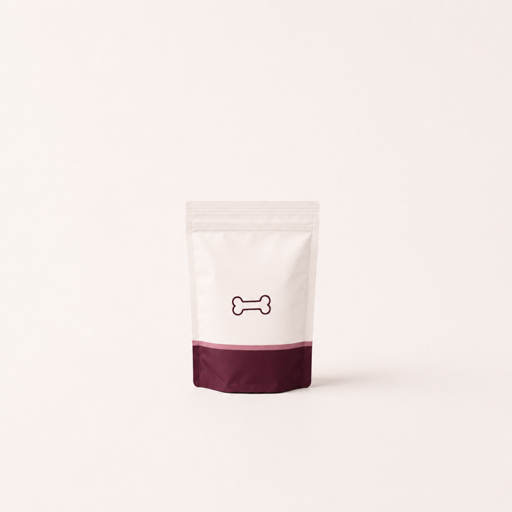
Blueberry Yak Chews Treat
Verified Oct 12, 2026
These are hard, long-lasting yak and cow milk chews with added organic blueberries, designed as a high-protein treat for dogs of all sizes. They’re grain-free, rawhide-free, and provide a tough chewing option for moderate to heavy chewers. With simple dairy-based ingredients, they work best as an occasional chew rather than a balanced food source.
Jump to ingredientsAffiliate link · may earn a commission at no extra cost to you
Top Pick
This is a high-protein, hard chew treat made mainly from yak and cow milk, with organic blueberries for added flavor. It’s intended as a long-lasting chew, not a complete diet, and can work well for dogs who enjoy firm, rawhide-style chews. As with any rich, dairy-based treat, it’s best introduced gradually and fed in moderation, especially for dogs with sensitive stomachs.
Computed from 2 of 3 applicable checks. Missing data is skipped, never counted against a food.
The KibbleLab Score (1–10) is assessed from publicly available product data. Our evaluation is science-based, not marketing-based.
KibbleLab may earn an affiliate commission when you buy through a link. No one can pay for a higher score, or to change what we recommend for your pet.
At a Glance
Where these benefits come from
Benefits the manufacturer highlights in its own product marketing. KibbleLab lists them for reference and does not verify these claims.KibbleLab Review
Strengths
- Very high protein content, which is typical of dense, long-lasting chews and can be satisfying for many dogs.
- Simple ingredient list with just cow milk, yak milk, blueberries, and lime juice, which makes it easy to know what you’re feeding.
- Completely grain-free and rawhide-free option for dogs who need or prefer those types of chews.
- Hard texture provides extended chewing time, which can help with mental enrichment and occupy strong chewers.
Considerations
- This is a treat, not a complete and balanced food, so it should only make up a small portion of your dog’s overall diet.
- The high protein and fat levels may be too rich for some dogs, especially those prone to pancreatitis or digestive upset.
- Because it is dairy-based, it may not suit dogs with milk sensitivities or a history of reacting to dairy products.
- The very hard texture could be a concern for dogs with dental disease or a tendency to crack teeth on hard chews.
Full Ingredient List
Ingredients and analysis reflect manufacturer data at the time of our last update and can change without notice. Always check the actual product packaging before feeding.
Ingredient filtering helps identify compatible options but is not a substitute for a veterinary elimination diet.
Top 5 Ingredients Explained
01
Cow's Milk
Cow's milk is sometimes included in pet foods and treats as a source of protein, fat, calcium and moisture, and can enhance palatability. Many adult dogs and most cats are lactose intolerant so milk can cause gastrointestinal upset and may add excess calories or fat (risking pancreatitis in susceptible pets); pasteurized, low‑fat or lactose‑free options are preferable and raw milk should be avoided due to pathogen risk and potential dairy allergies in sensitive animals.
02
Yak Milk
Yak milk is used in pet foods and treats as a rich source of protein, fat and minerals and is often found in powdered form, cheeses, or traditional hard chews. It provides concentrated energy, protein and calcium that can support growth and bone health, but because it is higher in fat and contains dairy proteins/lactose it can cause gastrointestinal upset, trigger milk allergies, or contribute to pancreatitis in sensitive dogs or cats, so introduce cautiously and consult your veterinarian for pets with dietary issues.
03
Blueberry
Blueberries are used in pet foods and treats as a low‑calorie source of dietary fiber, vitamins (notably vitamin C) and antioxidant phytochemicals (anthocyanins), providing natural color and mild flavor. They may support general antioxidant and digestive health in dogs and, to a lesser extent, cats (obligate carnivores), but should be offered in moderation due to natural sugars and possible gastrointestinal upset, and owners should avoid products with added sweeteners (especially xylitol) or harmful preservatives.
View ingredient
04
Lime Juice
Lime juice is used in pet foods primarily as a natural flavoring, acidulant and mild preservative (providing citric acid) to adjust pH, enhance palatability and help limit oxidation. While it contains vitamin C and antioxidants, dogs and cats generally synthesize their own vitamin C so lime juice is not nutritionally required, and concentrated amounts or citrus essential oils can cause gastrointestinal upset, skin irritation or photosensitivity, so it should be used sparingly and avoided in sensitive animals.
Nutritional Breakdown
How to read As Fed versus Dry Matter
As fed shows the numbers straight off the label, water included. Dry matter removes the water so you can compare a wet food and a dry food fairly.Product Details & Brand
Product Specs
Brand

Yak9 offers all-natural, long-lasting hard cheese chews for dogs made from Himalayan yak and cow milk, in sizes Small through Jumbo across four lines: classic Yak9 Chews, CrunCheese, Softeese and Cheweese. Its differentiator is roughly a dozen nutritional flavored varieties (turmeric, coconut, blueberry, pumpkin, strawberry, peanut butter banana and more) — a premium, sustainable, rawhide-free alternative with eco-friendly packaging and a bag-recycling program.
Manufacturer
Runs a "Farmed-to-Chew" model, collaborating directly with yak and cow farmers in Himalayan Nepal; states FDA compliance with strict quality-control guidelines and hand-inspection of every chew before packing. No staff nutritionists or third-party audit schemes disclosed.

PSC is a nonprofit that Accredits pet companies on their environmental and social impact, through third-party verification. Yak9 Chews is a PSC Accredited business. View profile
Manufacturing details are compiled from public sources and not independently verified; they may not reflect contract manufacturing or co-packing.
Recall History
No recall is listed for Yak9 Chews Blueberry Yak Chews Treat.
Source: FDA animal food recall listings back to January 2019 · Checked daily, last on Oct 15, 2026
Sign up for the full picture
Ingredient Check
We'll check every ingredient against your pet's profile.
Feeding Calculator
Personalized portion sizes based on your pet's weight, age, and activity level.
Side-by-Side Comparison
Compare this food with alternatives to find the best fit.
Similar Foods



Post your dog's report card and challenge friends to check their food.
Frequently Asked Questions
Has Yak9 Chews ever been recalled?
We have no recalls on record for Yak9 Chews. We track the FDA's animal food recall listings back to January 2019 and publish every pet food recall automatically. A filing that isn't pet food may not appear here.
How does KibbleLab rate foods?
Our scores are based on ingredient composition, nutritional profile, AAFCO compliance, and health considerations. We don't penalize by-products, grains, or synthetic preservatives. Brands cannot pay for higher scores.
Is KibbleLab a substitute for veterinary advice?
No. KibbleLab provides data-driven food analysis, not medical advice. Always consult your veterinarian before making dietary changes, especially for pets with health conditions.
KibbleLab provides informational content only. This is not veterinary advice. Always consult a qualified veterinarian before changing your pet's diet.
KibbleLab may earn affiliate commissions through product links. No one can pay for a higher score, or to change what we recommend for your pet.
Product data sourced from manufacturer websites, AAFCO statements, and FDA recall listings. Last verified dates reflect our most recent data check. We track the FDA's animal food recall listings back to January 2019 and publish every pet food recall automatically. A filing that isn't pet food may not appear here.

 Continue with Google
 Continue with Facebook