Apricot
45 foods contain this ingredient
This is an alphabetical list, not a ranking. Add KL+ to rank foods for your pet in the Food Finder.
About Apricot
Apricot is a stone fruit occasionally added to pet foods and treats for its natural sweetness, fiber, and micronutrient content.
Apricot is used in pet foods and treats mainly as a fruit ingredient for flavor, natural sugars, dietary fiber and minor micronutrients such as vitamin A, potassium and antioxidant compounds. The flesh can be offered in small, pitted amounts to dogs (and rarely to cats, which gain little nutritional benefit from fruit), but apricot pits/kernels are toxic because they contain amygdalin that can release cyanide, and dried or canned apricots often have concentrated sugars or sulfites—so give sparingly and always remove pits to avoid GI upset or other risks.
- Derived from
- flesh of the apricot fruit (Prunus armeniaca)
- Primary role
- flavor and minor nutrient contributor
Why it's used
Apricot flesh contributes natural sugars for palatability along with dietary fiber, and it supplies small amounts of provitamin A carotenoids (such as beta-carotene), potassium, and antioxidant plant compounds. It appears more often in treats and mixed-fruit recipes than as a significant nutritional component of a complete diet.
Common concerns
- Pits and kernels Apricot stems, leaves, and seeds contain cyanogenic glycosides (amygdalin), and a peer-reviewed case report documented fatal cyanide toxicosis in a dog that ingested apricot kernel meal.
- Whole pit ingestion Pet Poison Helpline notes that pits swallowed whole rather than chewed are less likely to cause cyanide poisoning but can pose a choking or gastrointestinal obstruction concern.
- Dried or concentrated forms Dried apricots concentrate natural sugars compared to fresh fruit, and commercial dried fruit may contain added sulfites, both of which are more likely to cause digestive upset if fed in quantity.
- Limited relevance for cats As obligate carnivores, cats derive minimal nutritional benefit from fruit ingredients like apricot compared to dogs.
Also relevant
Owners with questions about a specific pet's exposure to apricot pits or a suitable treat amount should consult their veterinarian or a poison control hotline.
3 sources cited
- Apricot stems, leaves, and seeds contain cyanogenic glycosides and are documented as toxic to dogs and cats
- Hulled apricot kernels pose a high risk for cyanide poisoning while whole swallowed pits more commonly pose a choking/obstruction risk
- Peer-reviewed case report of fatal cyanide toxicity in a dog after apricot kernel meal ingestion
Common Questions
What category is Apricot?
Apricot is categorized as a fruit ingredient in the KibbleLab database.
Is Apricot part of an allergen group?
No allergen group is linked to Apricot in the KibbleLab database.
Which foods contain Apricot?
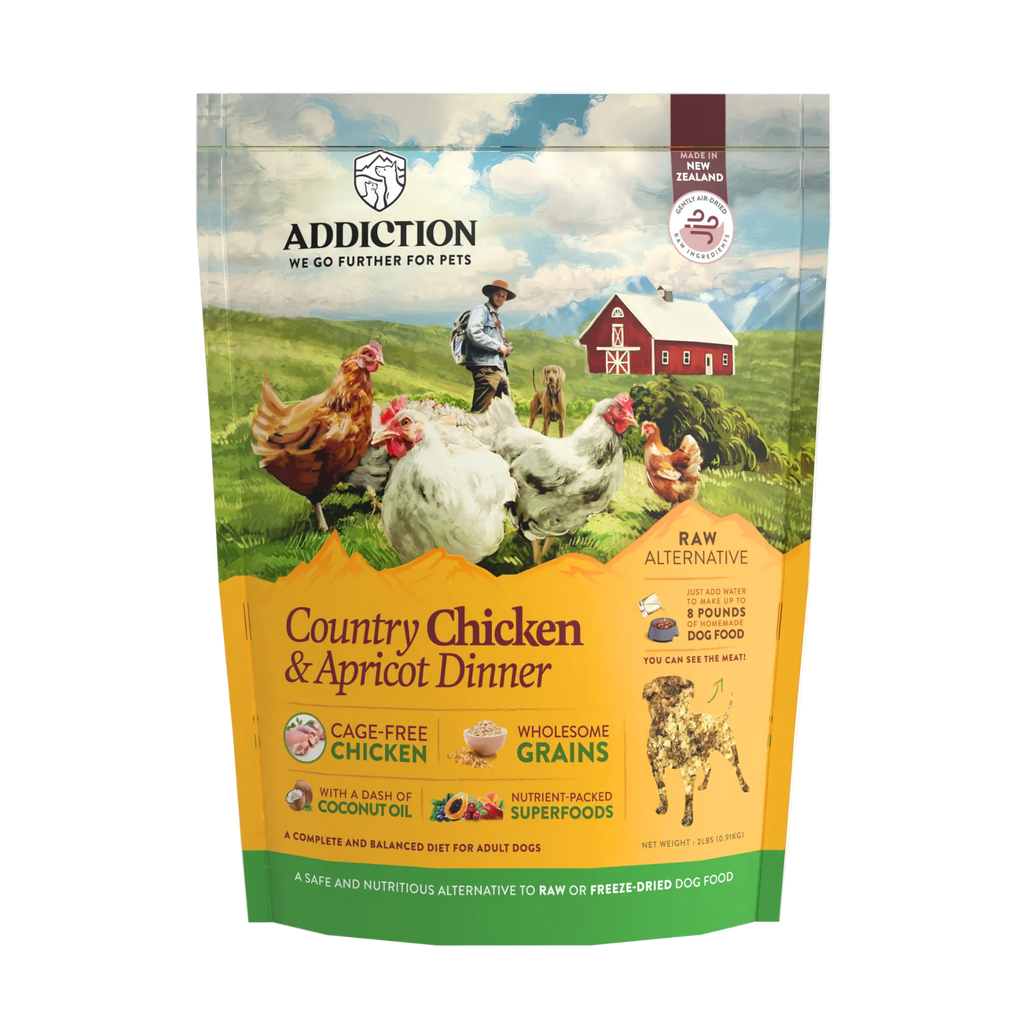
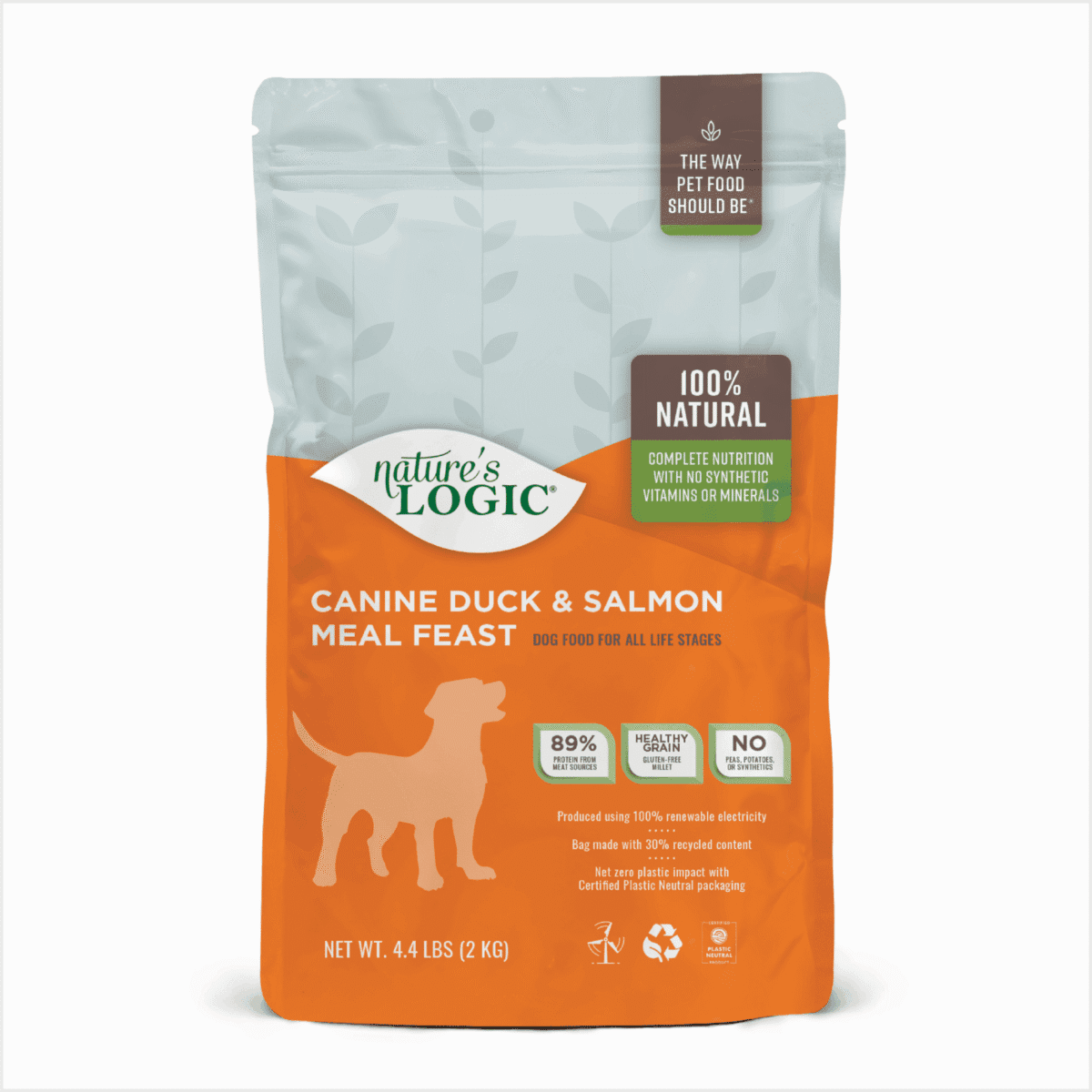
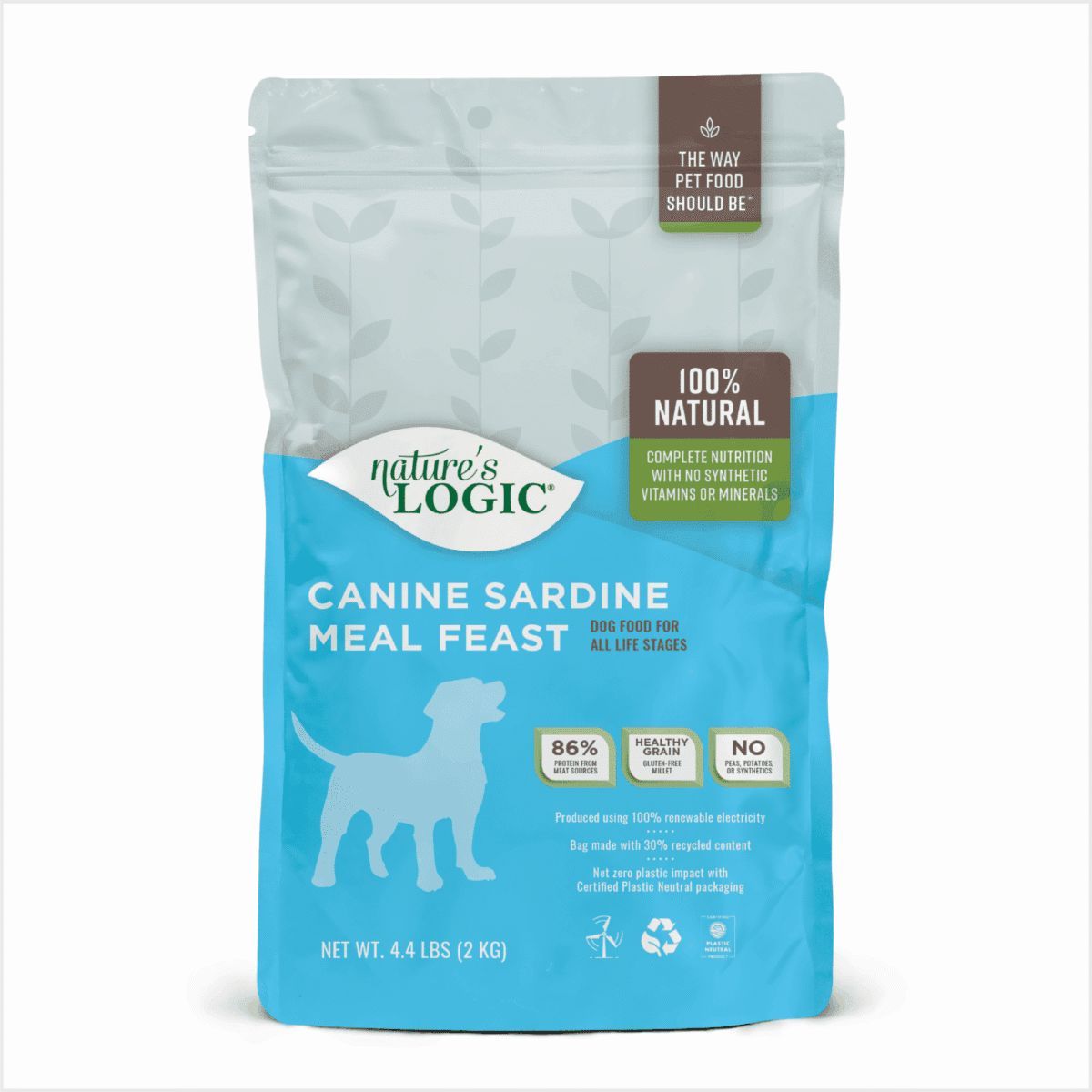
45 foods in the KibbleLab database contain Apricot, including Addiction, Nature's Logic.
Foods with Apricot
Alphabetical by brand. Scores run 0 to 10, higher is better, on published veterinary science.









Find the right food for your pet
Sign in free to sort and filter by score, and avoid or require Apricot in the Food Finder. Add KL+ to see these foods ranked for your pet's breed, age, and health focus.

 Continue with Google
 Continue with Facebook