Artichoke
54 foods contain this ingredient
This is an alphabetical list, not a ranking. Add KL+ to rank foods for your pet in the Food Finder.
About Artichoke
In pet food, artichoke refers to the vegetable (or its inulin-rich fiber) added mainly to support digestion rather than to supply protein or calories.
Artichoke is used in pet foods mainly as a source of soluble fiber and prebiotic inulin, plus small amounts of vitamins, minerals and antioxidants that can support healthy digestion and gut microbiota in dogs and cats. It is not a significant protein source, should be included cooked and plain (not in oil or seasoned), and may cause gastrointestinal upset if fed in large amounts or if prepared with toxic ingredients like onion or garlic.
Related ingredients
- Derived from
- globe artichoke (Cynara scolymus), whole plant, bracts, or extracted inulin fiber
- Primary role
- soluble fiber and prebiotic source
Why it's used
Artichoke bracts and stems are naturally high in inulin, a soluble fiber that resists digestion in the small intestine and reaches the colon largely intact, where it can be fermented by resident bacteria. Formulators use it to add fermentable fiber and a modest antioxidant contribution without significantly changing a diet's protein or fat content.
Common concerns
- Gas and loose stool with high intake As a fermentable fiber source, inulin-rich ingredients like artichoke can produce gas or looser stool if introduced too quickly or fed in large amounts, so a gradual introduction is commonly recommended.
- Limited effect at low inclusion A peer-reviewed fecal microbiota study in healthy dogs and cats found that low-dose FOS/inulin supplementation produced only modest, statistically minor shifts in specific bacterial groups without meaningfully restructuring the overall gut microbial community.
- Preparation and added ingredients Artichoke intended for pets should be plain and cooked; artichoke dishes prepared with onion, garlic, excess salt, or oil introduce separate ingredient concerns unrelated to the artichoke itself.
Also relevant
Artichoke does not appear on major veterinary toxic-plant reference lists, but any new ingredient can affect individual pets differently, so owners with questions about a specific pet should consult their veterinarian.
3 sources cited
- Globe artichoke bracts/stems are a concentrated source of soluble fiber, including inulin, and are studied for prebiotic and functional properties
- Low-dose FOS/inulin prebiotic supplementation in healthy dogs and cats produced only modest, non-community-altering shifts in fecal microbiota, with no reported adverse GI effects at the doses tested
- Prebiotics such as FOS, GOS, and inulin are used in commercial dog and cat diets and have documented effects on fecal microbial composition and short-chain fatty acid production
Common Questions
What category is Artichoke?
Artichoke is categorized as a vegetable ingredient in the KibbleLab database.
Is Artichoke part of an allergen group?
No allergen group is linked to Artichoke in the KibbleLab database.
Which foods contain Artichoke?
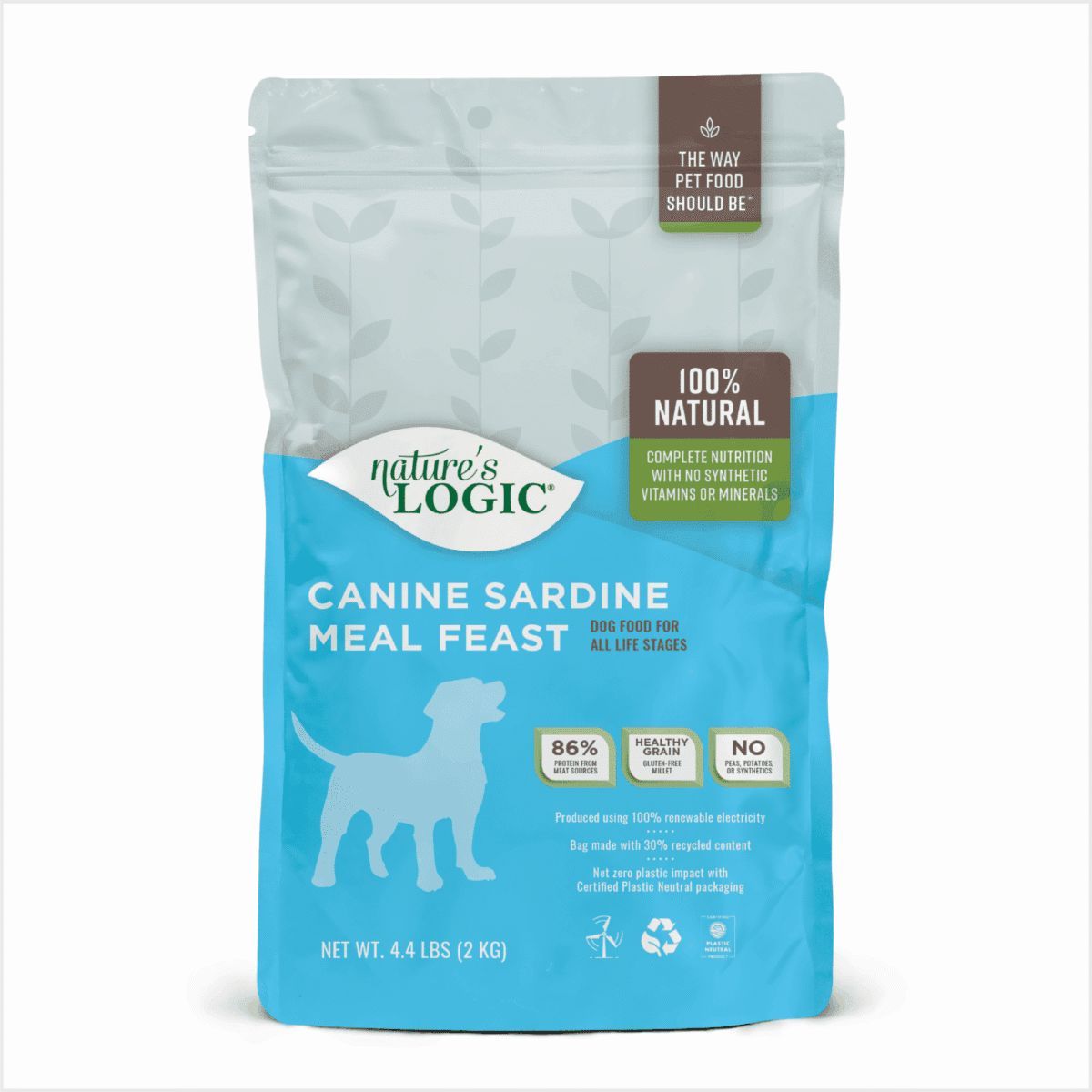
54 foods in the KibbleLab database contain Artichoke, including Nature's Logic.
Foods with Artichoke
Alphabetical by brand. Scores run 0 to 10, higher is better, on published veterinary science.





Find the right food for your pet
Sign in free to sort and filter by score, and avoid or require Artichoke in the Food Finder. Add KL+ to see these foods ranked for your pet's breed, age, and health focus.

 Continue with Google
 Continue with Facebook