Basil
45 foods contain this ingredient
This is an alphabetical list, not a ranking. Add KL+ to rank foods for your pet in the Food Finder.
About Basil
Basil is a culinary herb added to pet foods and treats in small, dried or fresh form mainly to contribute flavor and aroma.
Basil is used primarily as a natural flavoring and aromatic herb in dog and cat foods and treats, providing negligible macronutrients but small amounts of antioxidants and vitamins (notably A and K). In culinary amounts it is generally safe and may offer mild anti‑inflammatory and digestive‑supporting effects, but concentrated extracts or large intakes can cause gastrointestinal upset or interact with certain medications, so products with significant herbal concentrates should be used under veterinary guidance.
Related ingredients
- Derived from
- Ocimum basilicum leaf (fresh, dried, or ground)
- Primary role
- flavoring and aromatic herb
Why it's used
Formulators include basil in small culinary quantities to make foods and treats more palatable and appealing to pet owners, while contributing trace antioxidant compounds along with the herb's characteristic aroma. It is typically added at levels well below any concentration used in essential-oil or extract form.
Common concerns
- Essential oil vs. culinary herb Concentrated basil essential oil contains a much higher density of compounds like estragole and eugenol than the dried or fresh leaf, and this concentrated form is repeatedly flagged in pet-poison-control and toxicology resources as carrying greater risk than culinary basil, particularly for cats, who metabolize certain plant compounds more slowly.
- Estragole Estragole, a compound present in basil essential oil, has been studied for genotoxic and carcinogenic potential in toxicology literature, which is part of why regulatory bodies restrict its concentration in some product categories.
- GI upset at high intake Large intakes of basil or basil extracts, beyond typical culinary flavoring amounts, are associated with digestive upset in animals.
Also relevant
Products that use basil as a concentrated extract or essential oil rather than the dried or fresh herb warrant a different risk assessment, and questions about a specific pet's exposure are best directed to a veterinarian.
3 sources cited
- Basil essential oil contains estragole and eugenol and is flagged as higher risk than the culinary herb, especially for cats
- Estragole has documented genotoxic and carcinogenic potential in toxicology research
- Regulatory review of essential oil feed additives (comparable plant volatile oils) for use in dogs and cats
Common Questions
What category is Basil?
Basil is categorized as a herb ingredient in the KibbleLab database.
Is Basil part of an allergen group?
No allergen group is linked to Basil in the KibbleLab database.
Which foods contain Basil?
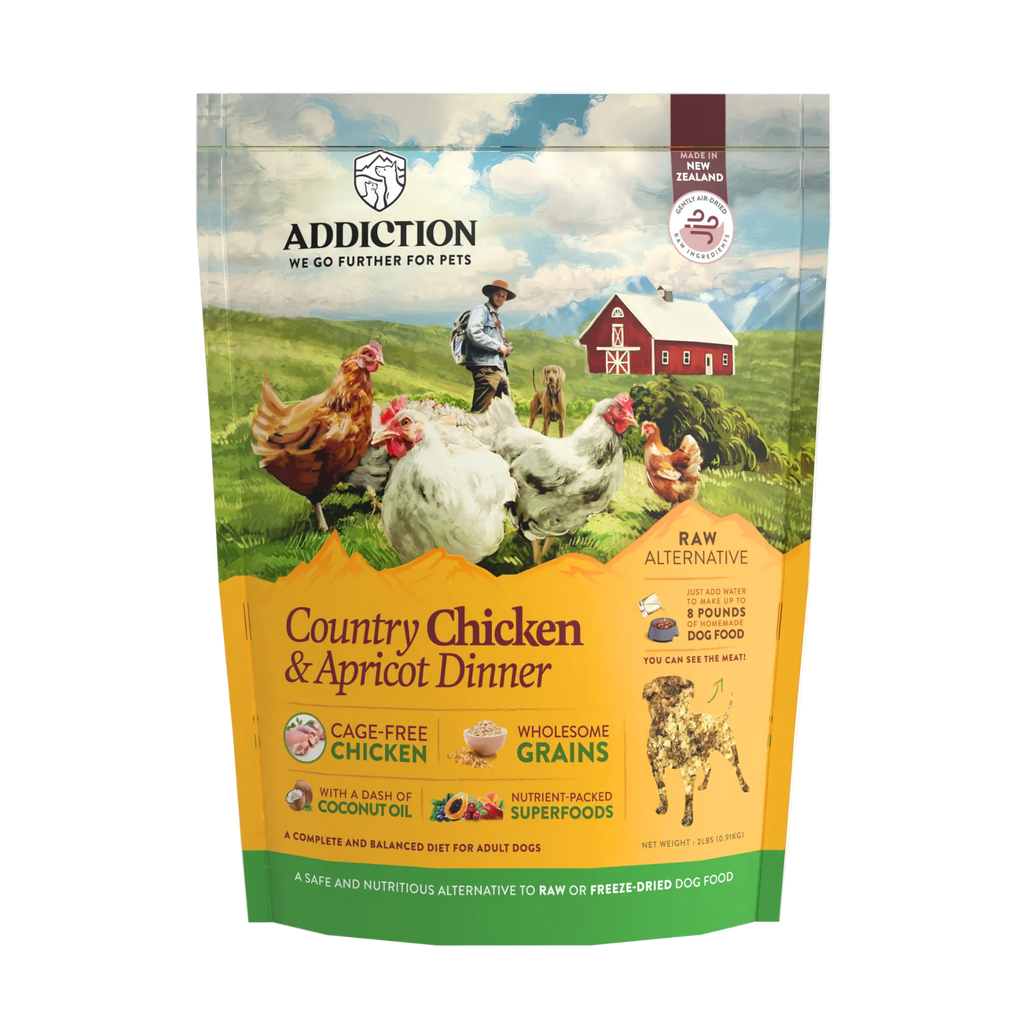
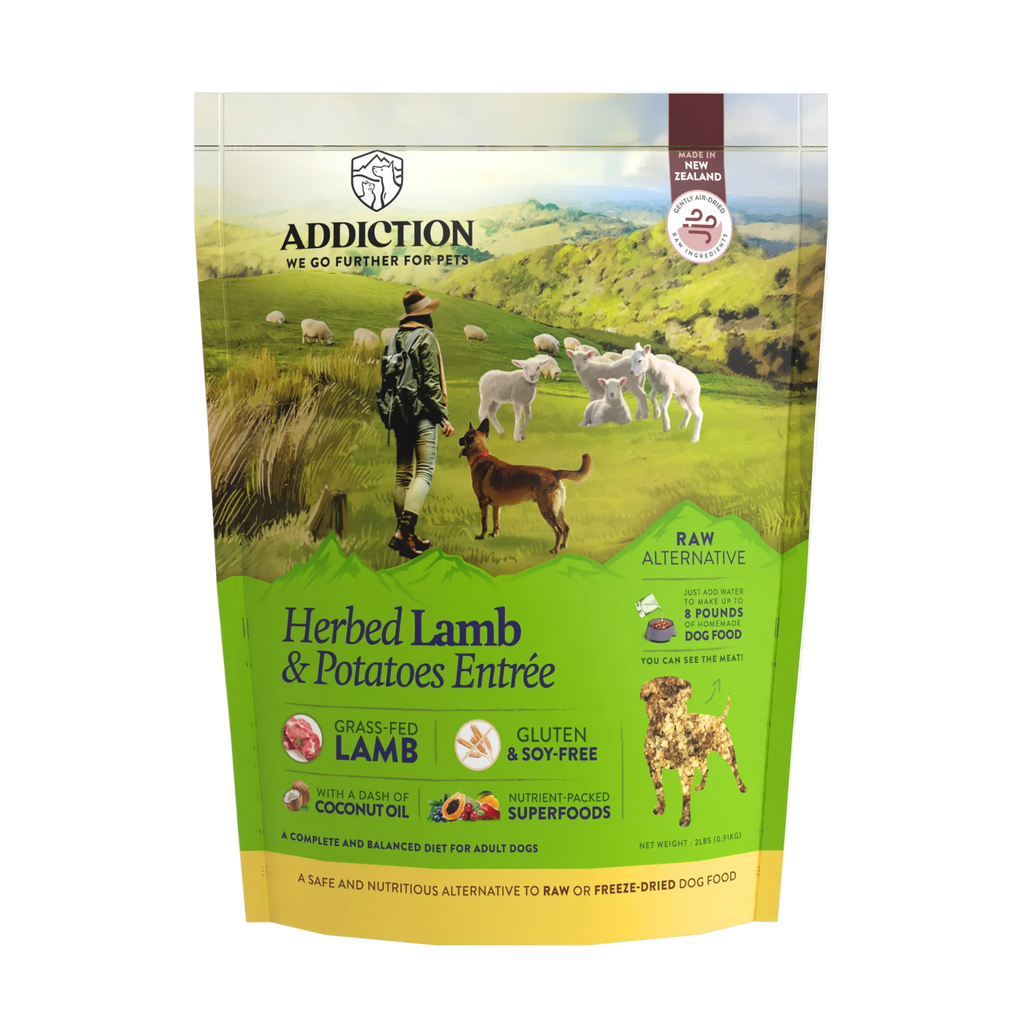
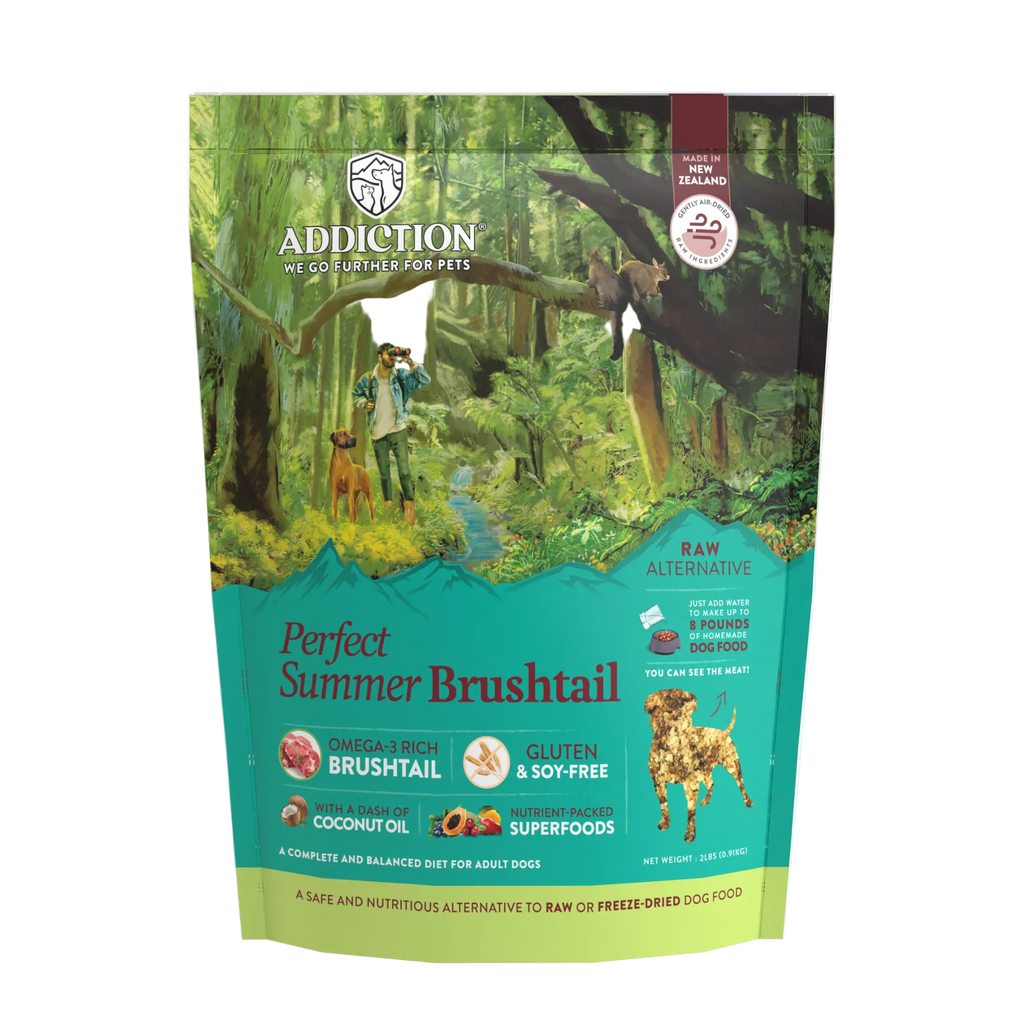
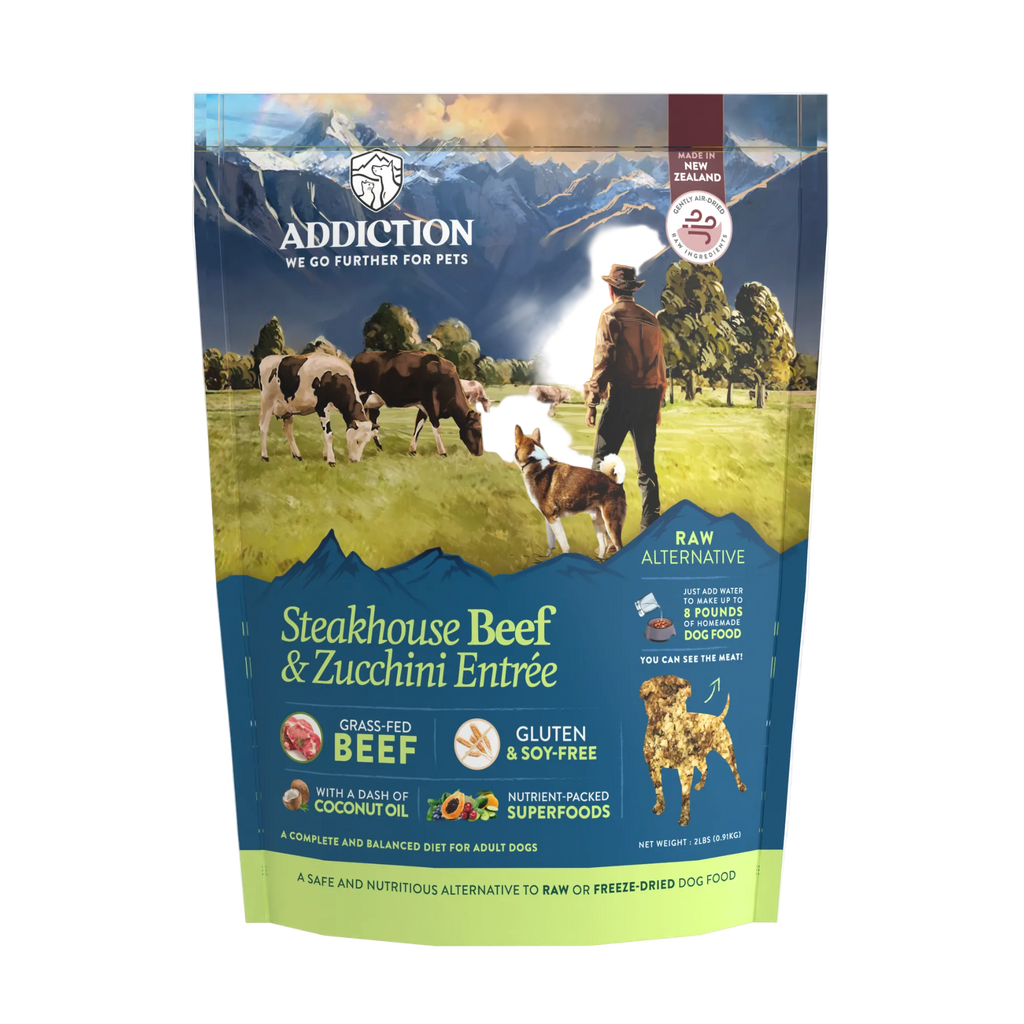
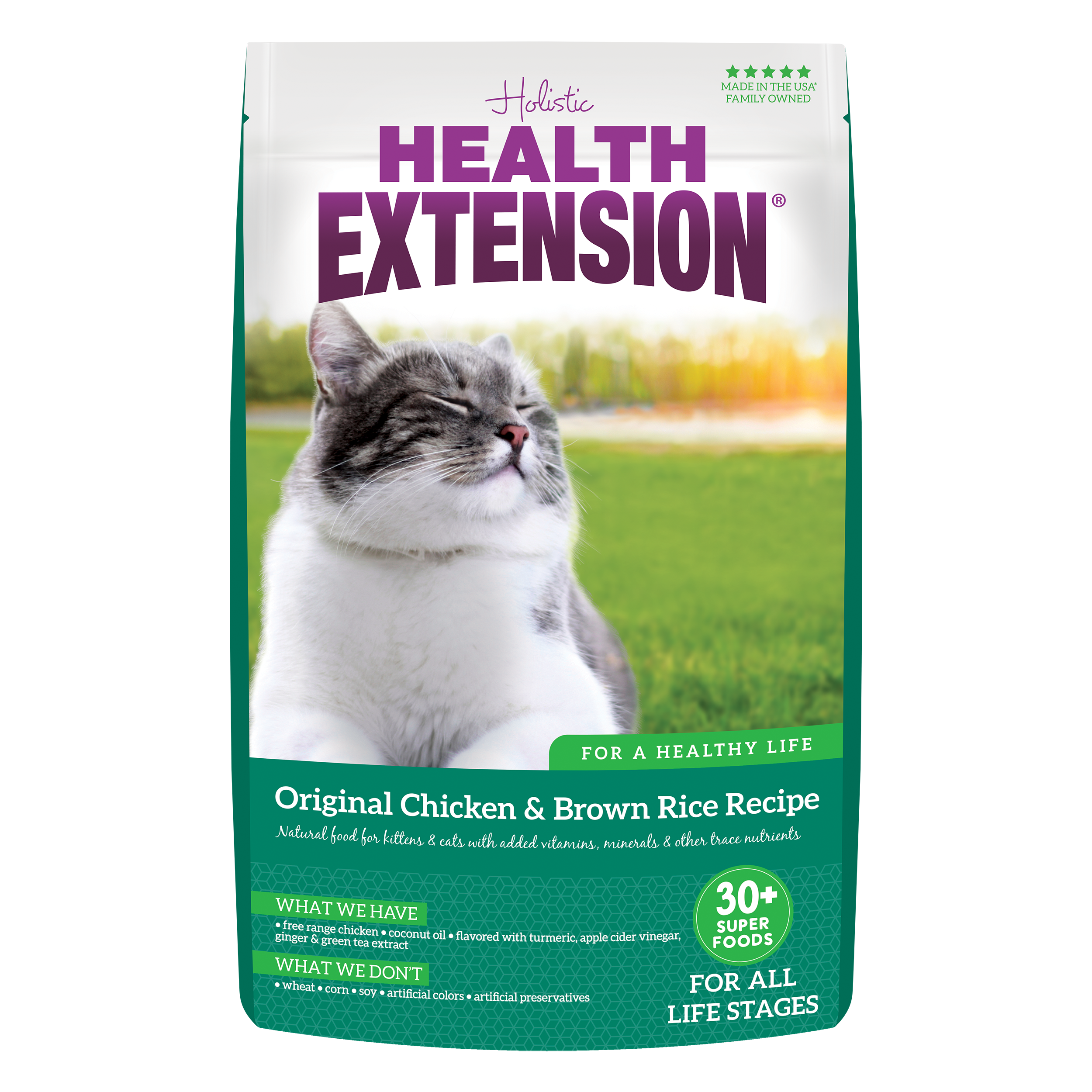
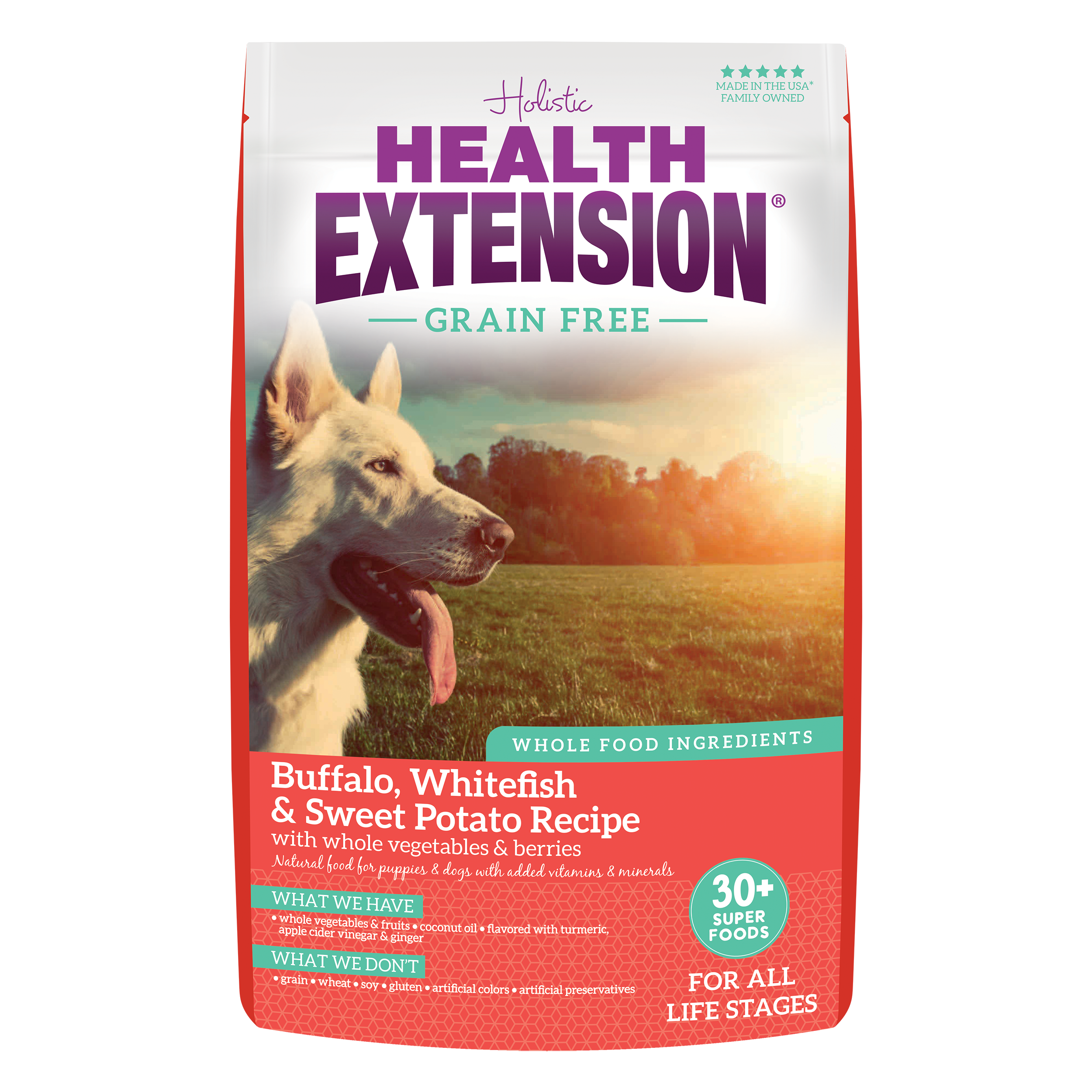
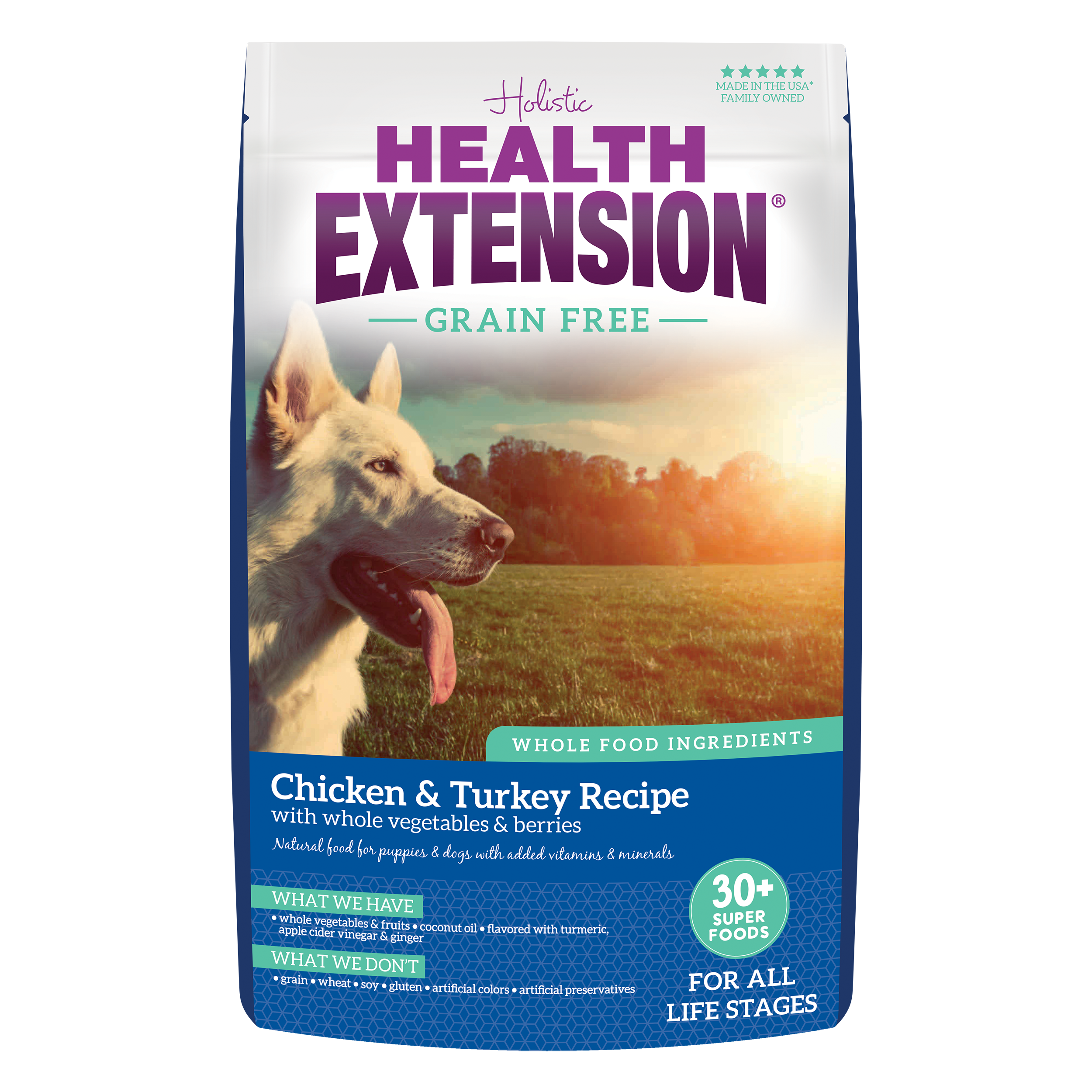
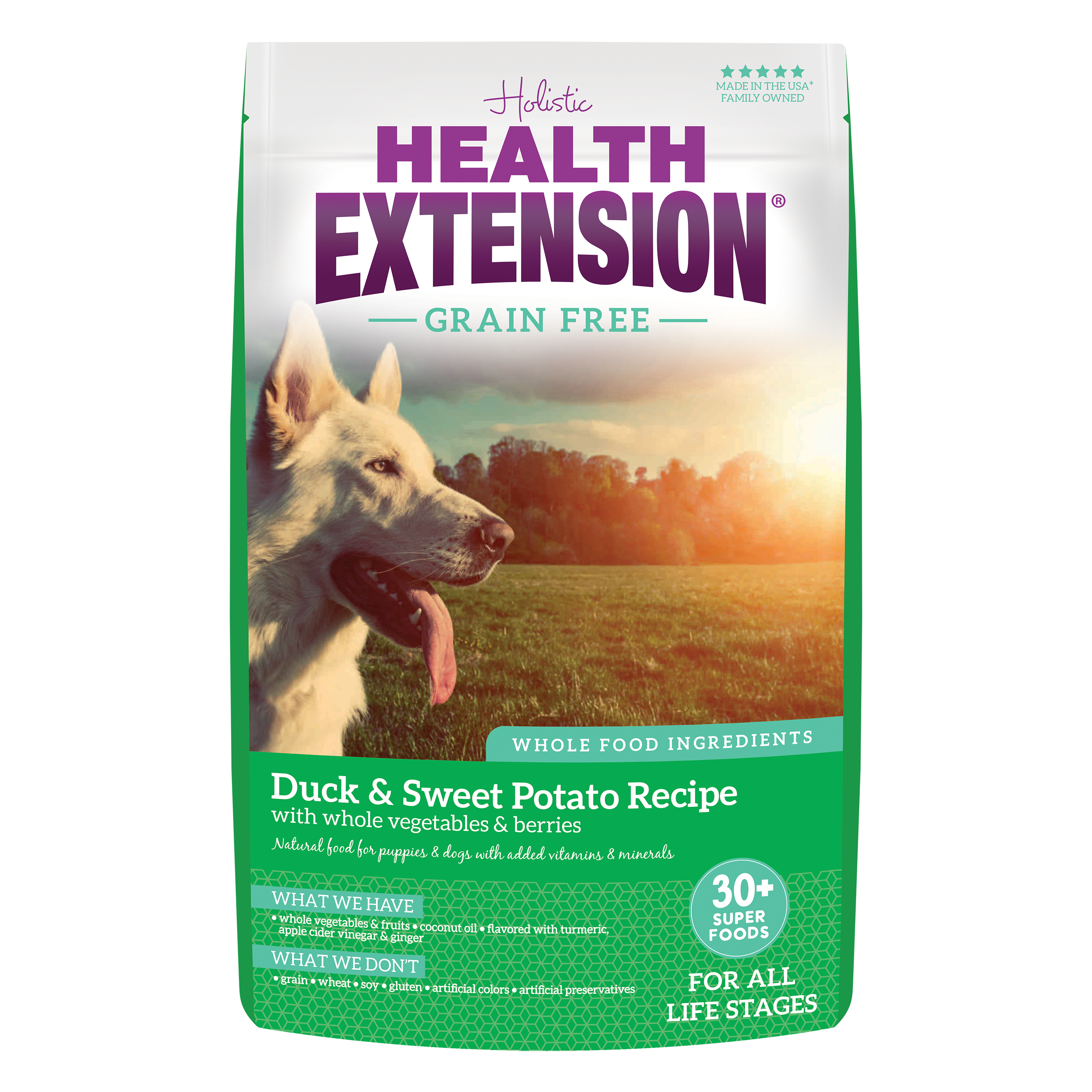
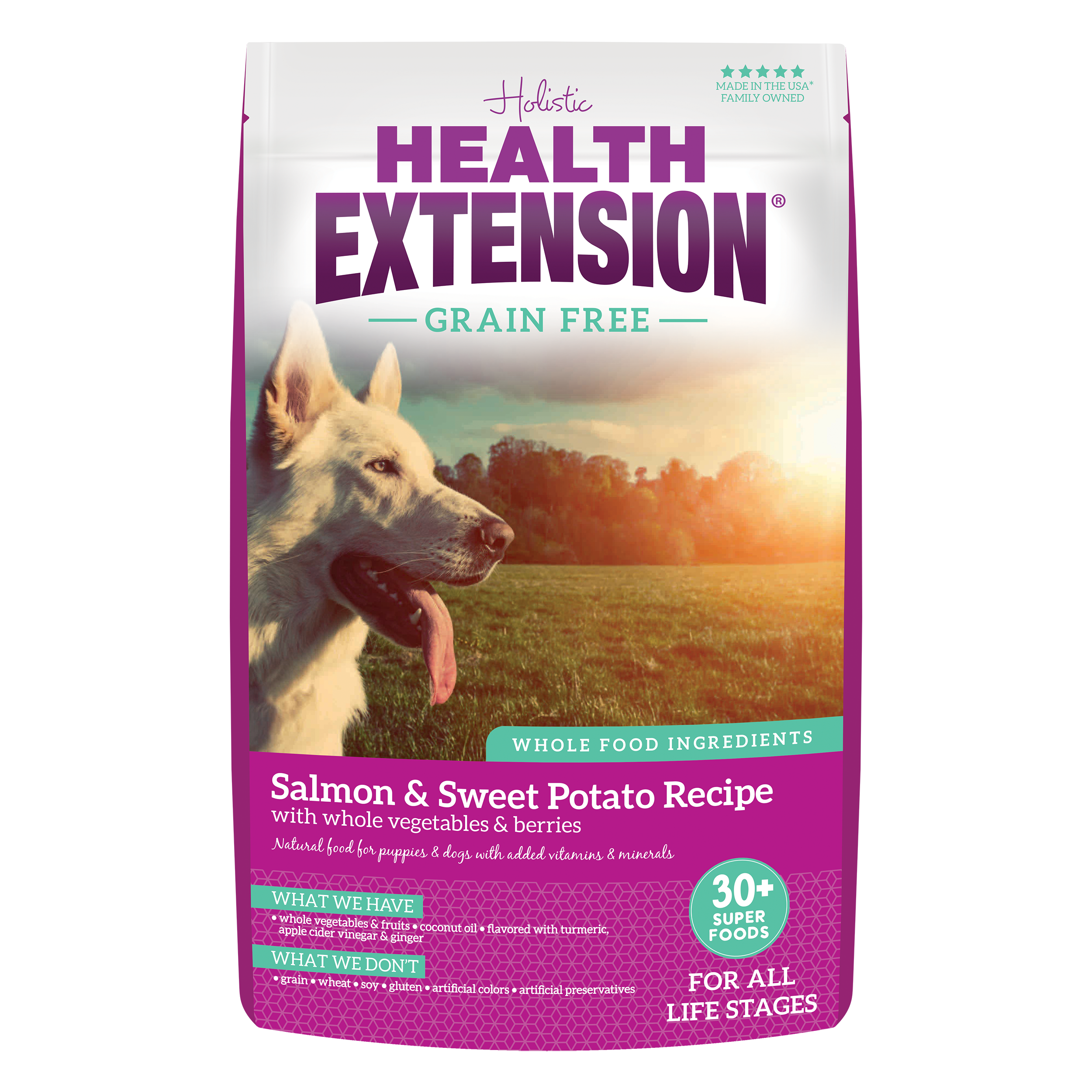
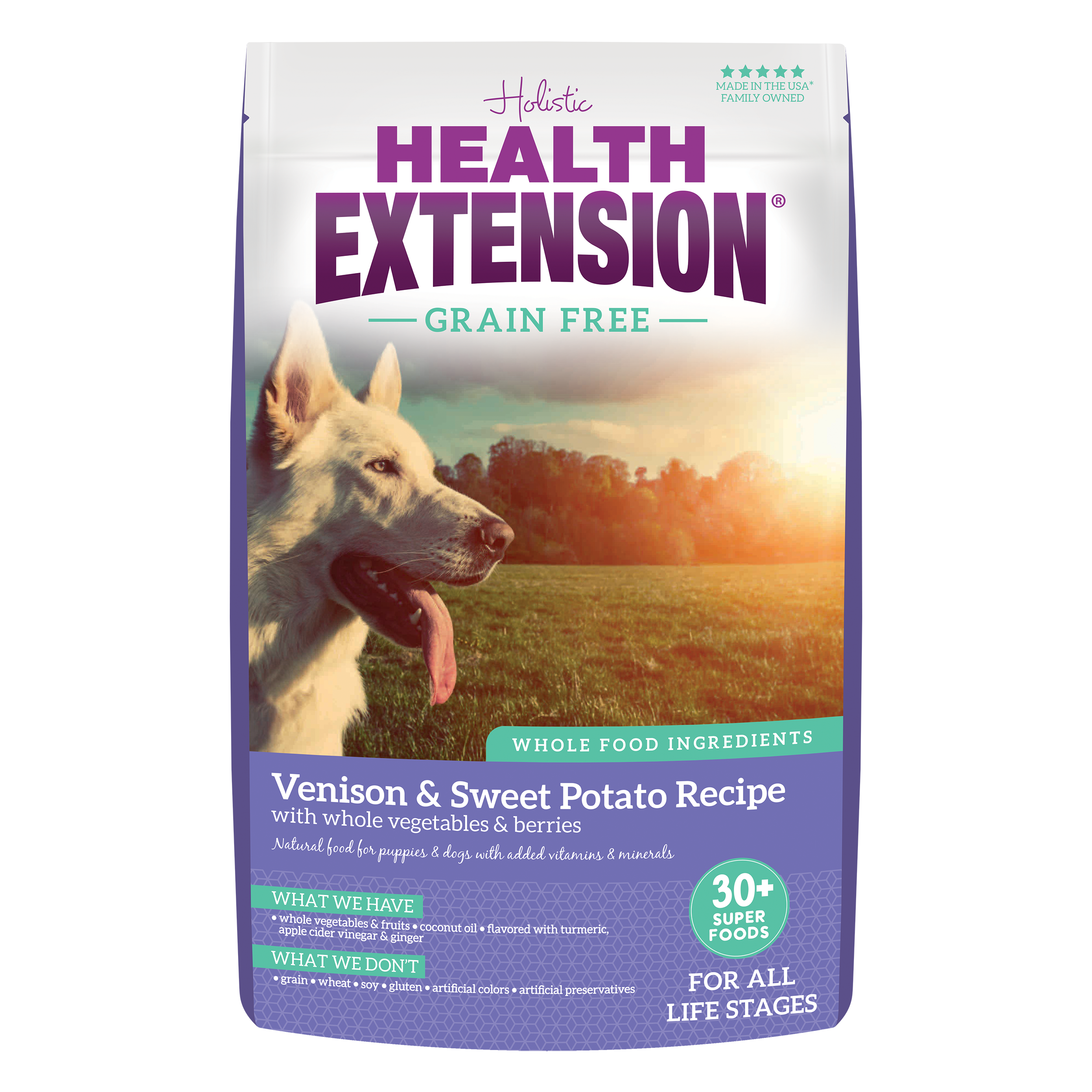
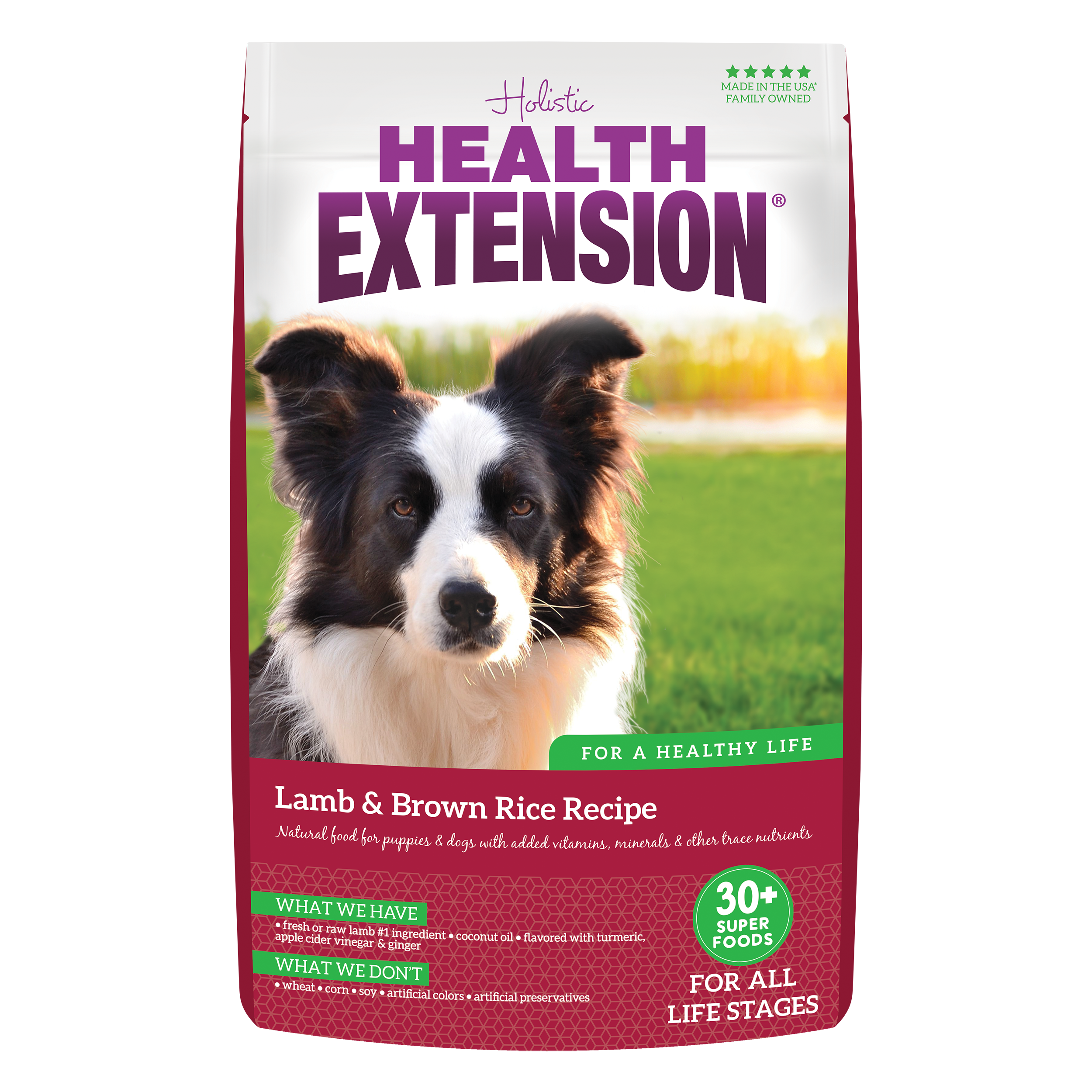
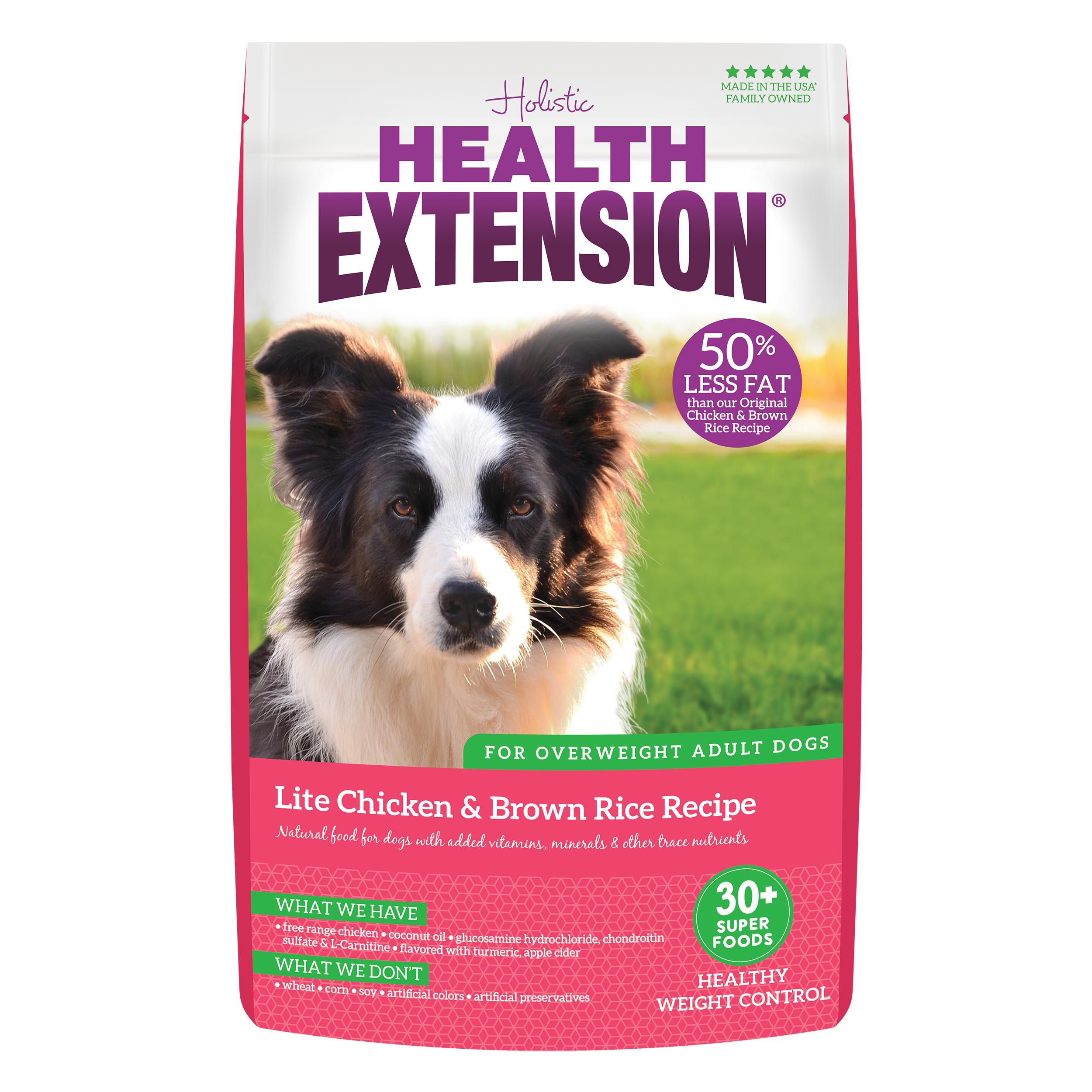
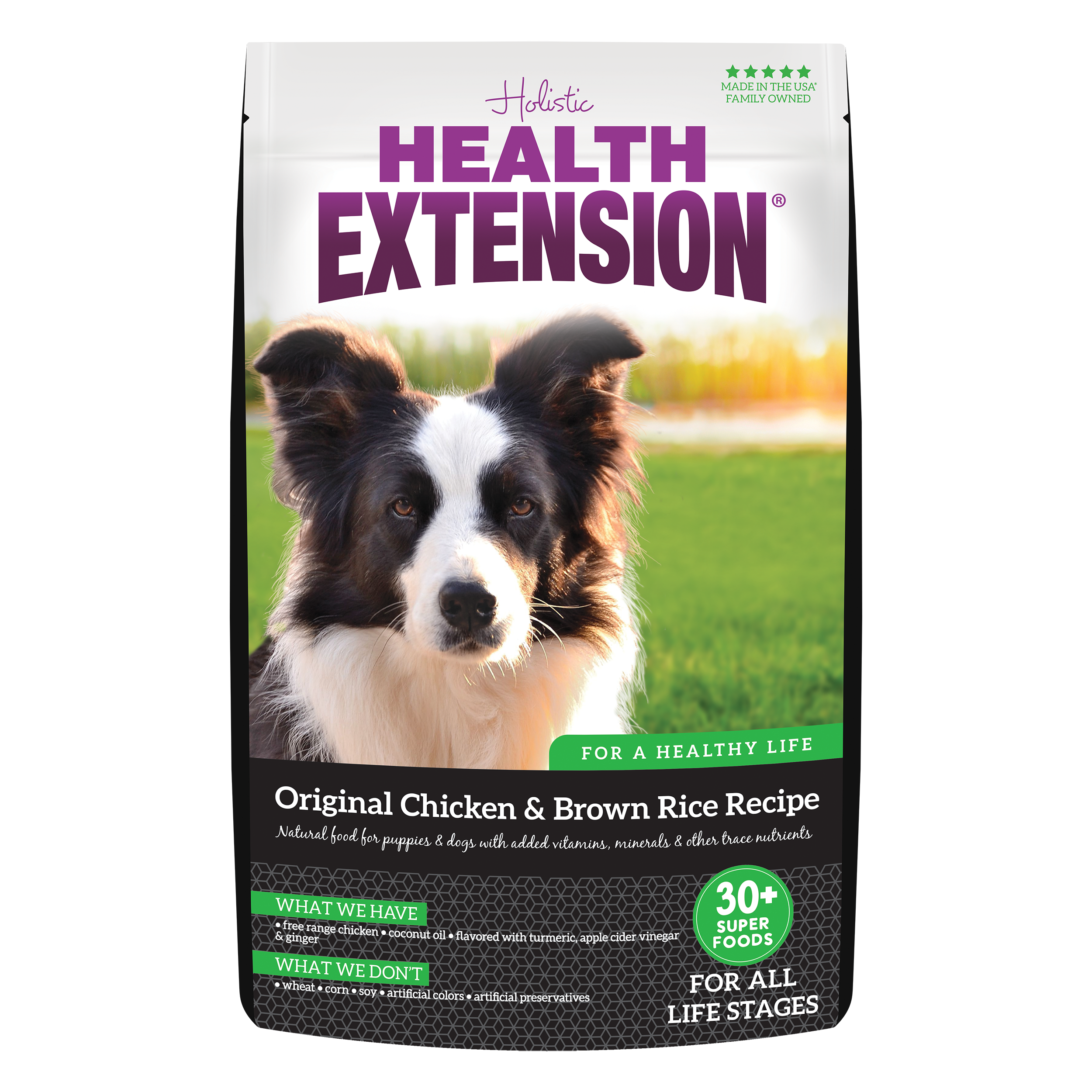
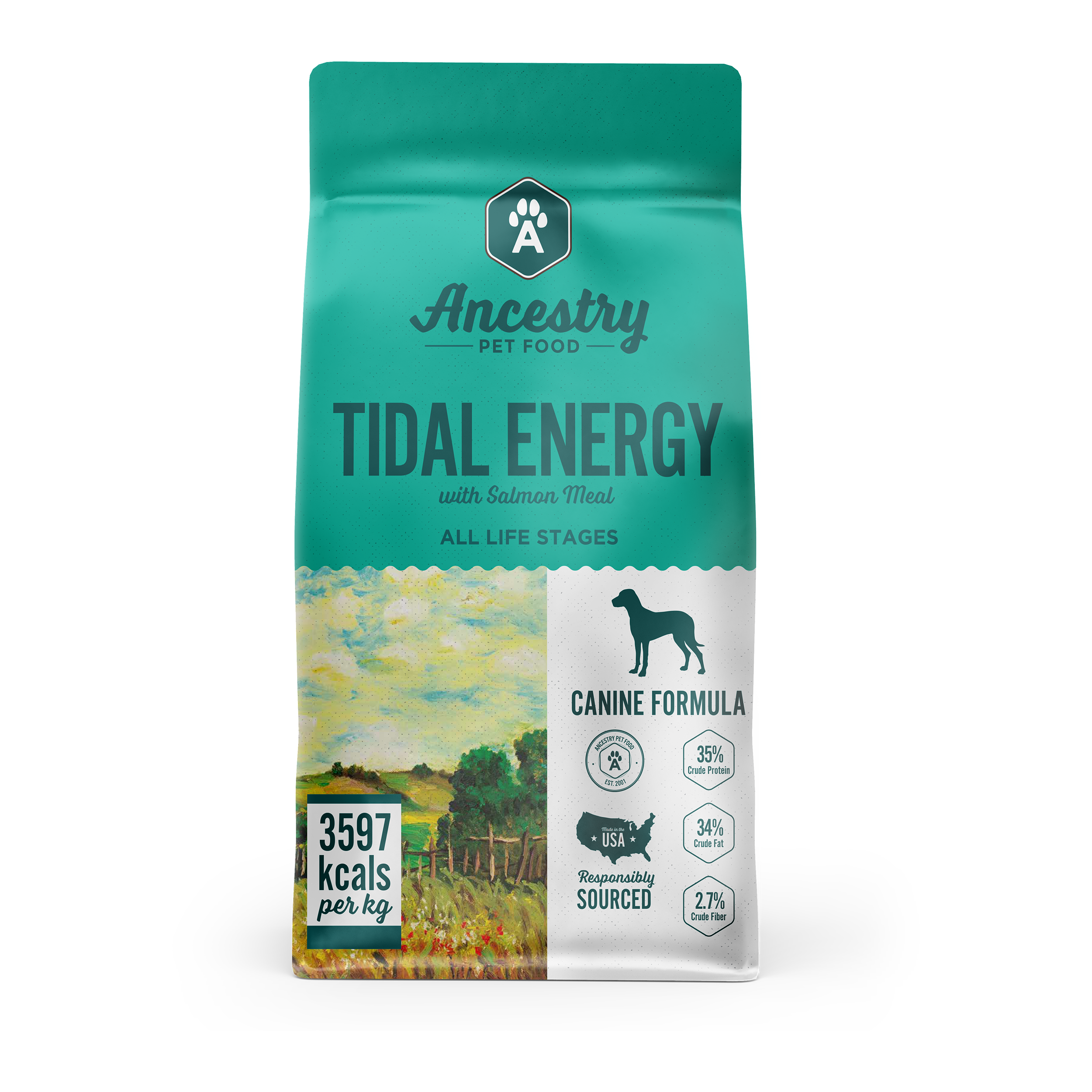
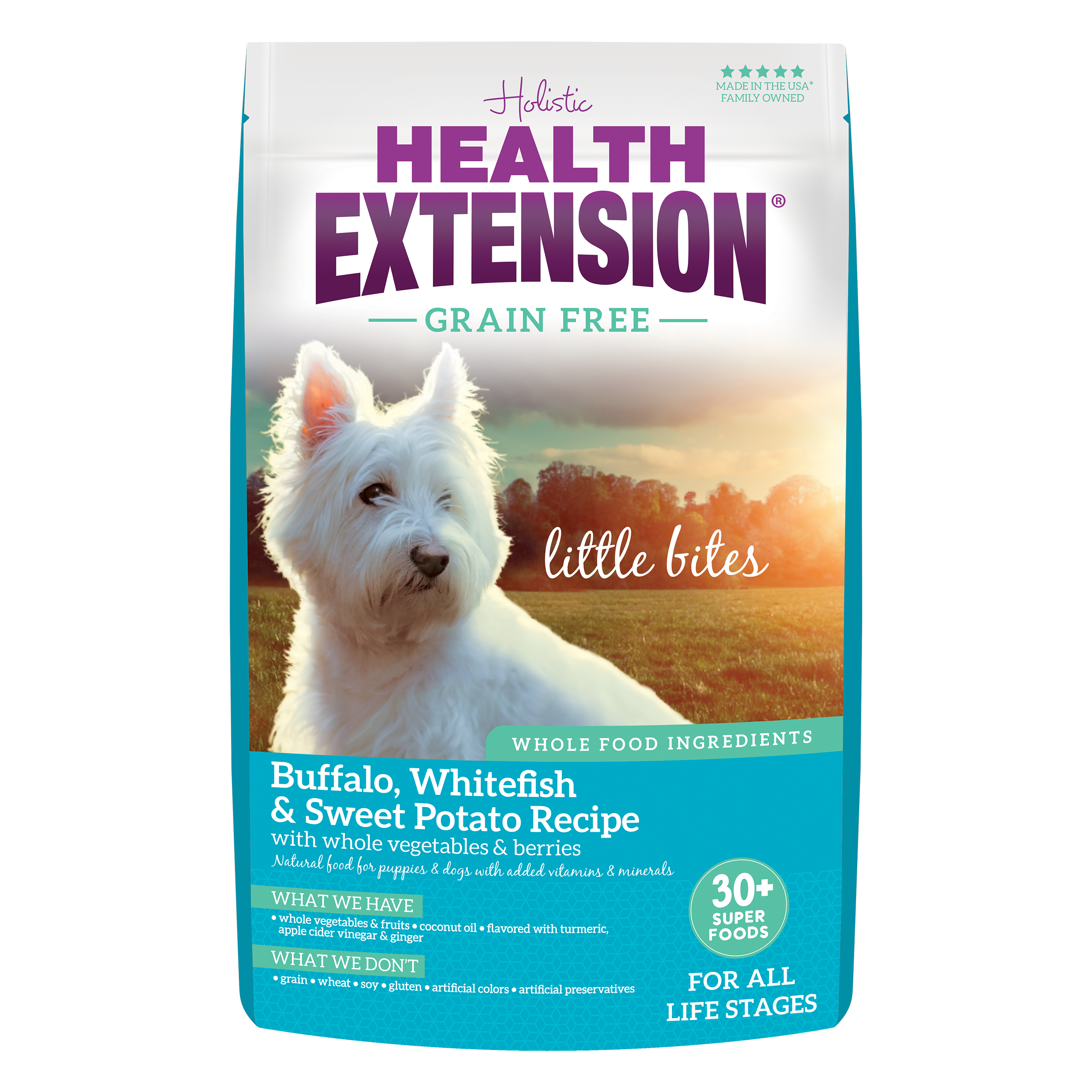
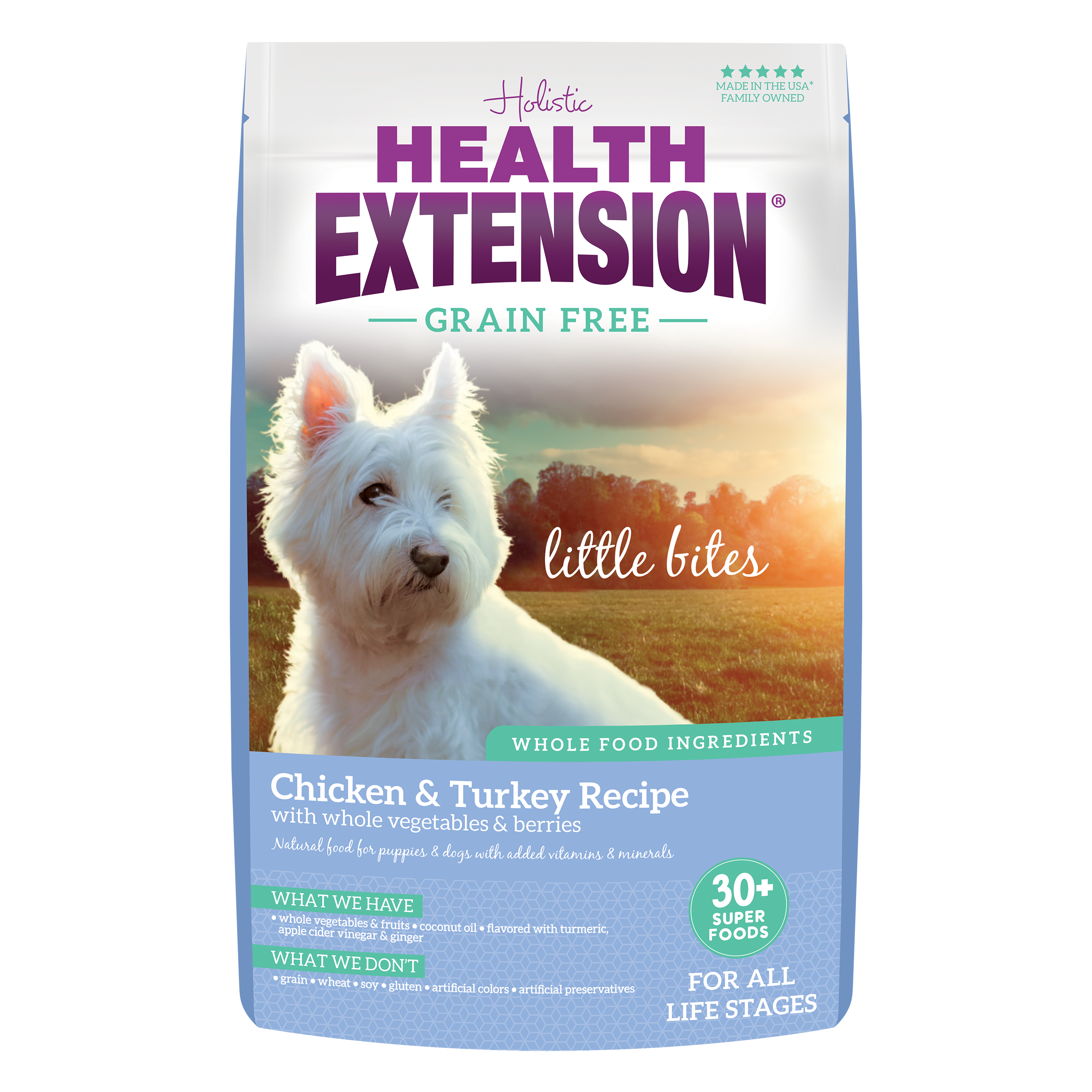
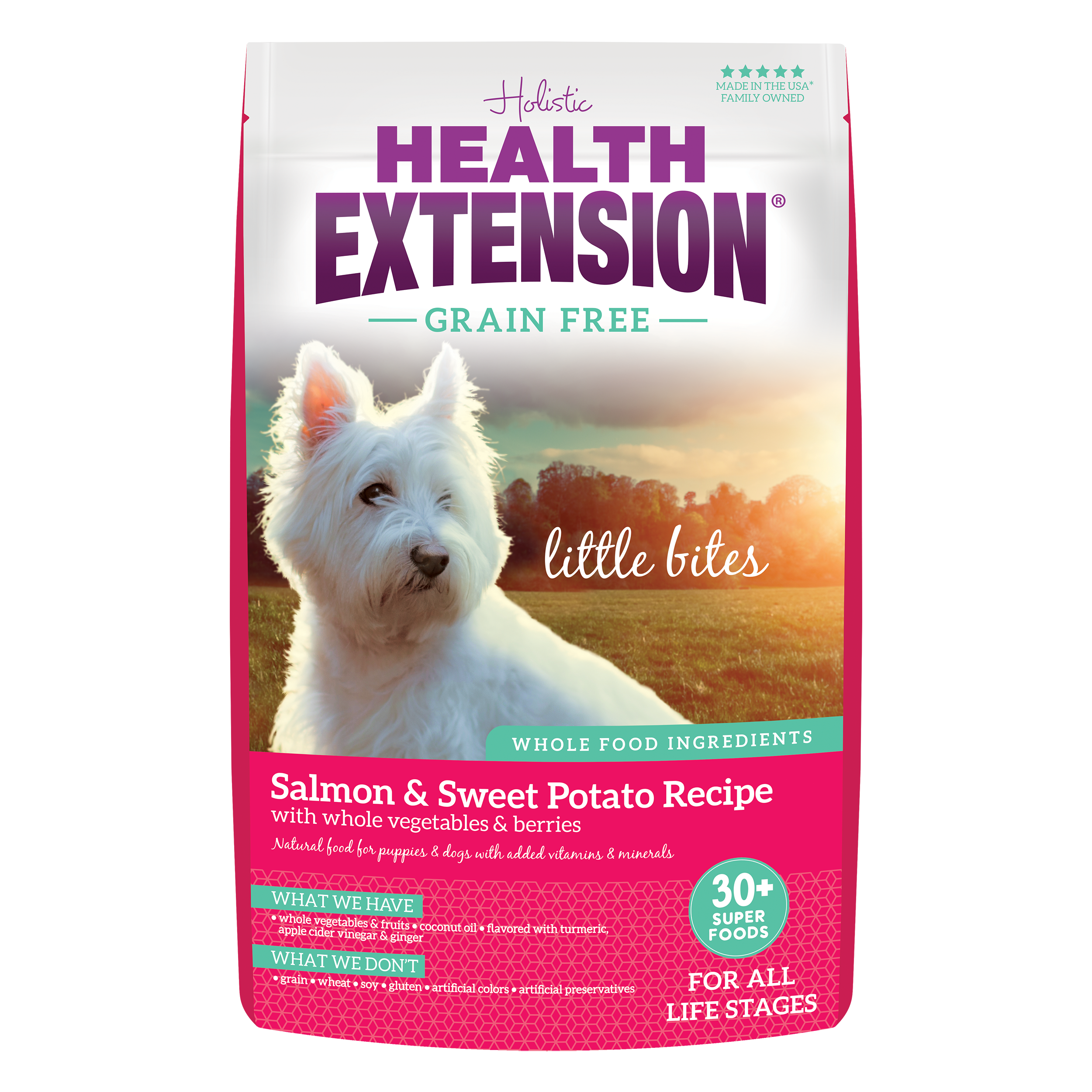
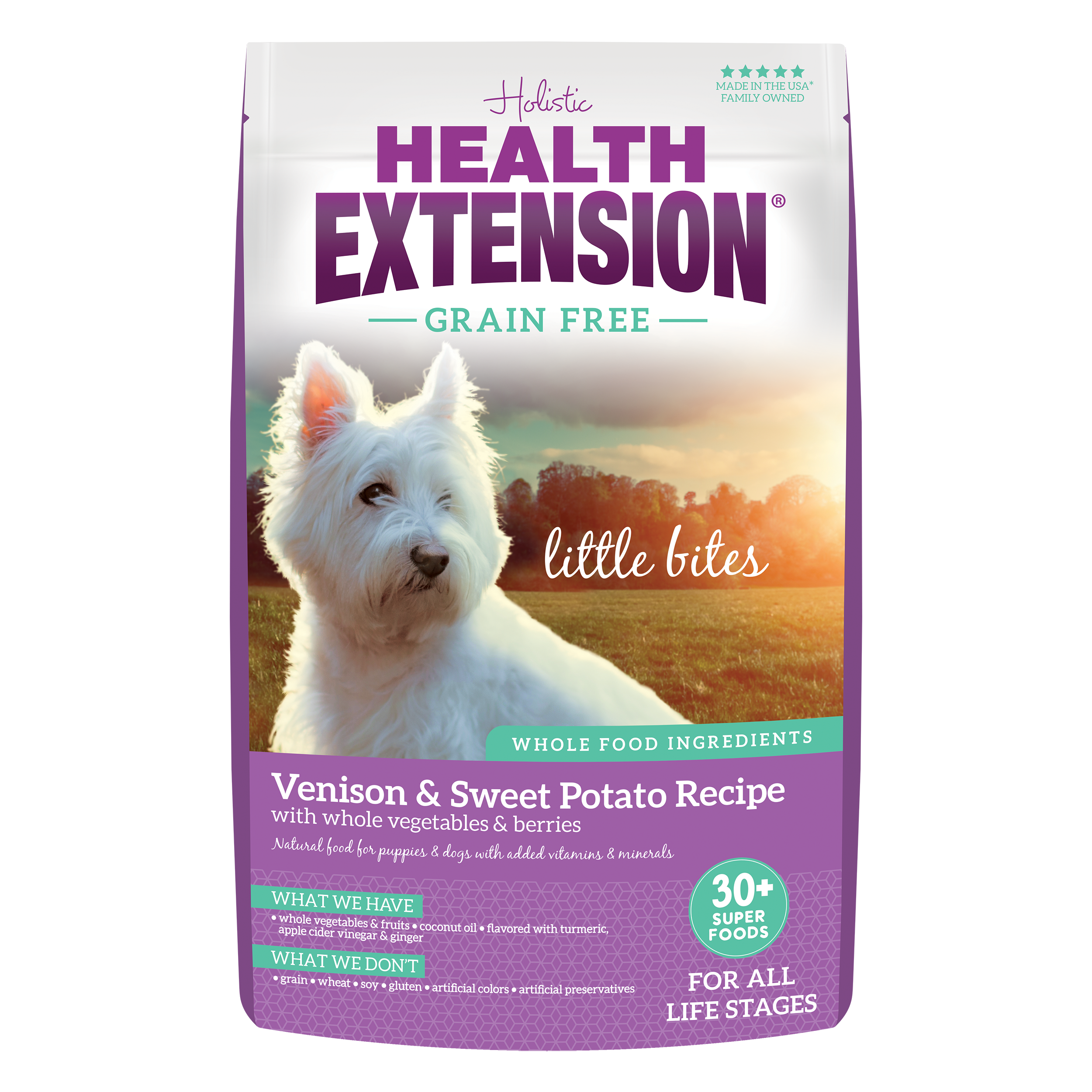
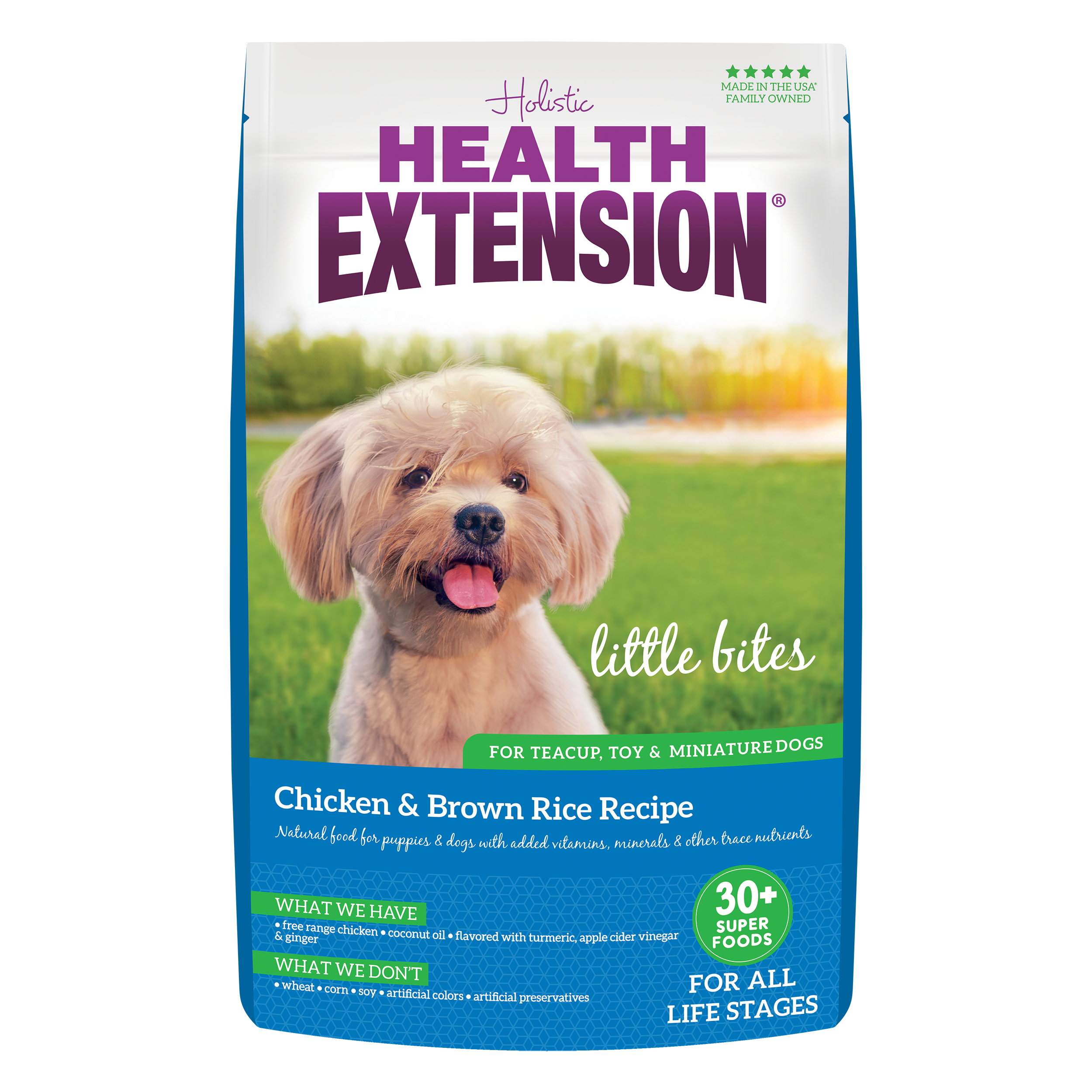
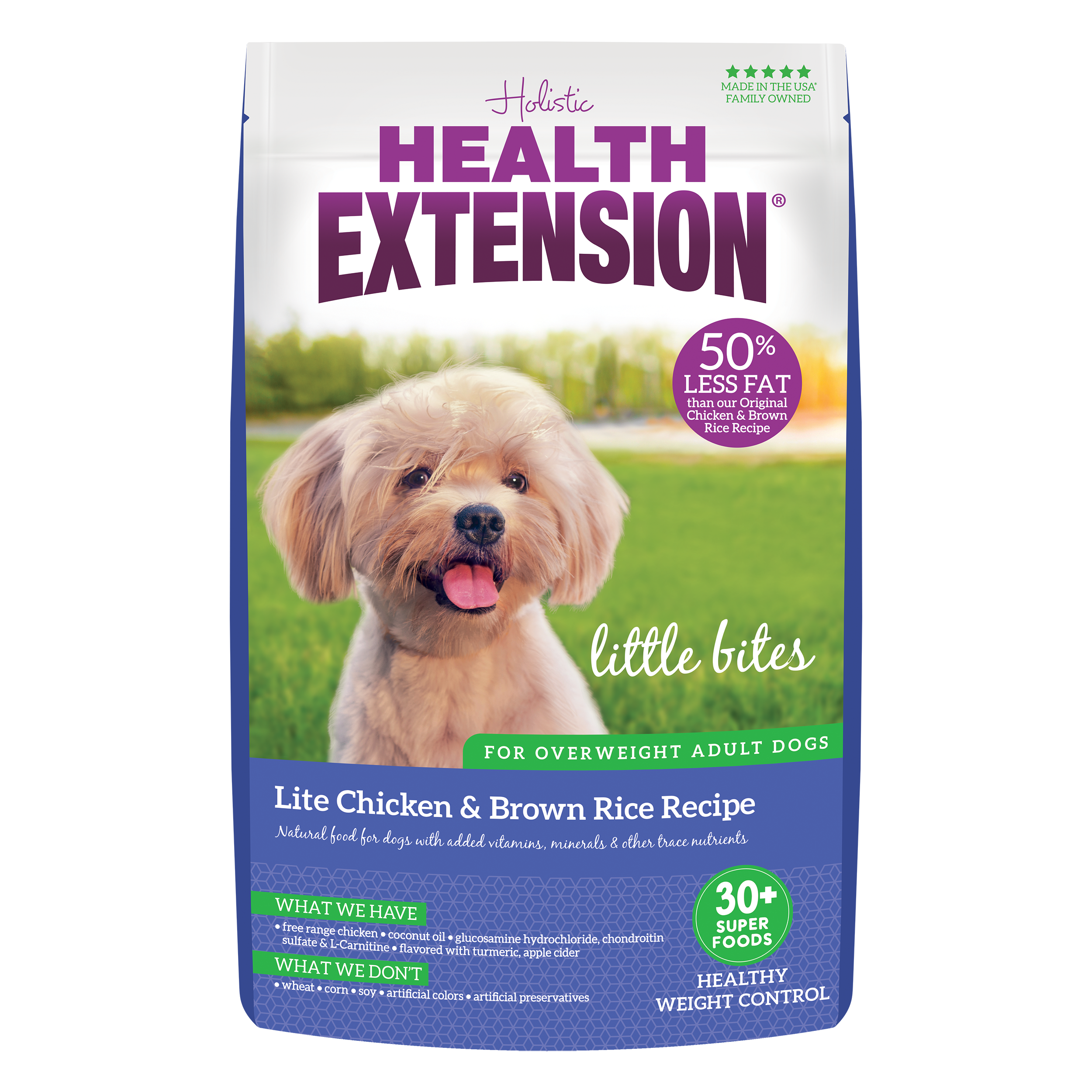
45 foods in the KibbleLab database contain Basil, including Addiction, Health Extension, Little Bites.
Foods with Basil
Alphabetical by brand. Scores run 0 to 10, higher is better, on published veterinary science.




Find the right food for your pet
Sign in free to sort and filter by score, and avoid or require Basil in the Food Finder. Add KL+ to see these foods ranked for your pet's breed, age, and health focus.

 Continue with Google
 Continue with Facebook