Bean
218 foods contain this ingredient
This is an alphabetical list, not a ranking. Add KL+ to rank foods for your pet in the Food Finder.
About Bean
Bean is a catch-all term for legume seeds (navy, kidney, pinto, and related varieties) added to pet food for plant protein, starch, and fiber.
Beans are legume ingredients used in pet foods mainly as a source of plant protein, complex carbohydrates and soluble and insoluble fiber, and they also supply vitamins and minerals like folate and iron; they can be helpful in dog diets for added fiber and as a carbohydrate or meat extender but are not a complete protein source for obligate carnivores such as cats. Properly cooked and processed beans can support digestive health and weight management, but raw or undercooked beans contain anti-nutritional factors (e.g., lectins) that are reduced by cooking, and excessive bean content may cause gas, digestive upset, added carbohydrates, or sodium concerns in canned varieties, so formulations should balance them with animal proteins and monitoring for individual intolerances.
Related ingredients
- Derived from
- seeds of Phaseolus, Dolichos, and Vigna genus legume plants
- Primary role
- plant protein, starch, and fiber source; protein extender
Why it's used
AAFCO ingredient definitions require dried beans to be identified by variety on the label (e.g., navy bean, kidney bean), and formulators use them to stretch or complement animal protein while adding starch and fiber at lower cost. Some bean varieties, like fava bean, are treated more cautiously in AAFCO's ingredient review process and are not yet broadly recognized without additional feeding-study data.
Common concerns
- Lectins and raw preparation Raw or undercooked beans naturally contain lectins and other anti-nutritional compounds (phytic acid, enzyme inhibitors) that dogs cannot digest well, which is why extrusion or thorough cooking is used to inactivate them before inclusion in pet food.
- Methionine limitation Legume proteins, including beans, are naturally low in the amino acid methionine, so diets relying heavily on bean protein are typically formulated alongside other protein sources to round out amino acid balance.
- Novel bean ingredients under review Certain bean types, such as fava bean, have not been placed on AAFCO's generally-recognized ingredient list and require a feeding study before broader approval, reflecting ongoing evaluation of newer legume ingredients in pet diets.
Also relevant
Research on fava-bean-based diets in dogs has looked at effects on glucose tolerance and cardiovascular parameters compared with standard commercial diets, an active area of legume-in-pet-food study rather than a settled conclusion.
4 sources cited
- AAFCO requires dried beans to be identified by variety on pet food labels; beans are defined as seeds of Phaseolus, Dolichos, and Vigna genera
- Beans contain anti-nutritional factors such as lectins, phytic acid, enzyme inhibitors, and saponins that are reduced by cooking or extrusion
- Fava bean is not yet in AAFCO's generally-recognized ingredient category and requires a 6-month feeding study for approval
- Fermented fava-bean-based diets have been studied in dogs for effects on glucose tolerance, body weight, and cardiovascular function over multi-week feeding periods
Common Questions
What category is Bean?
Bean is categorized as a vegetable ingredient in the KibbleLab database.
Is Bean part of an allergen group?
Yes. Bean is grouped under the Legumes allergen group in the KibbleLab database.
Which foods contain Bean?
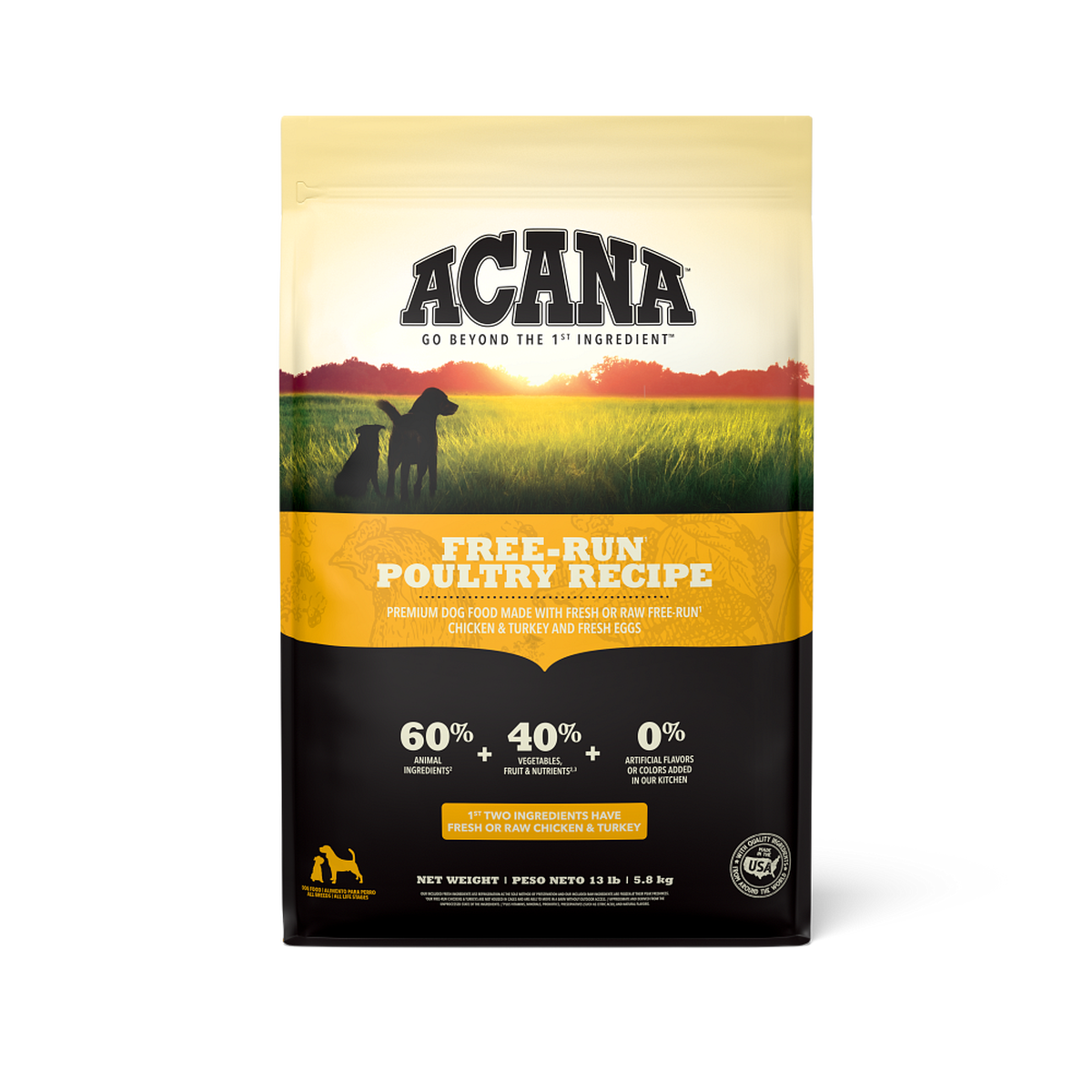
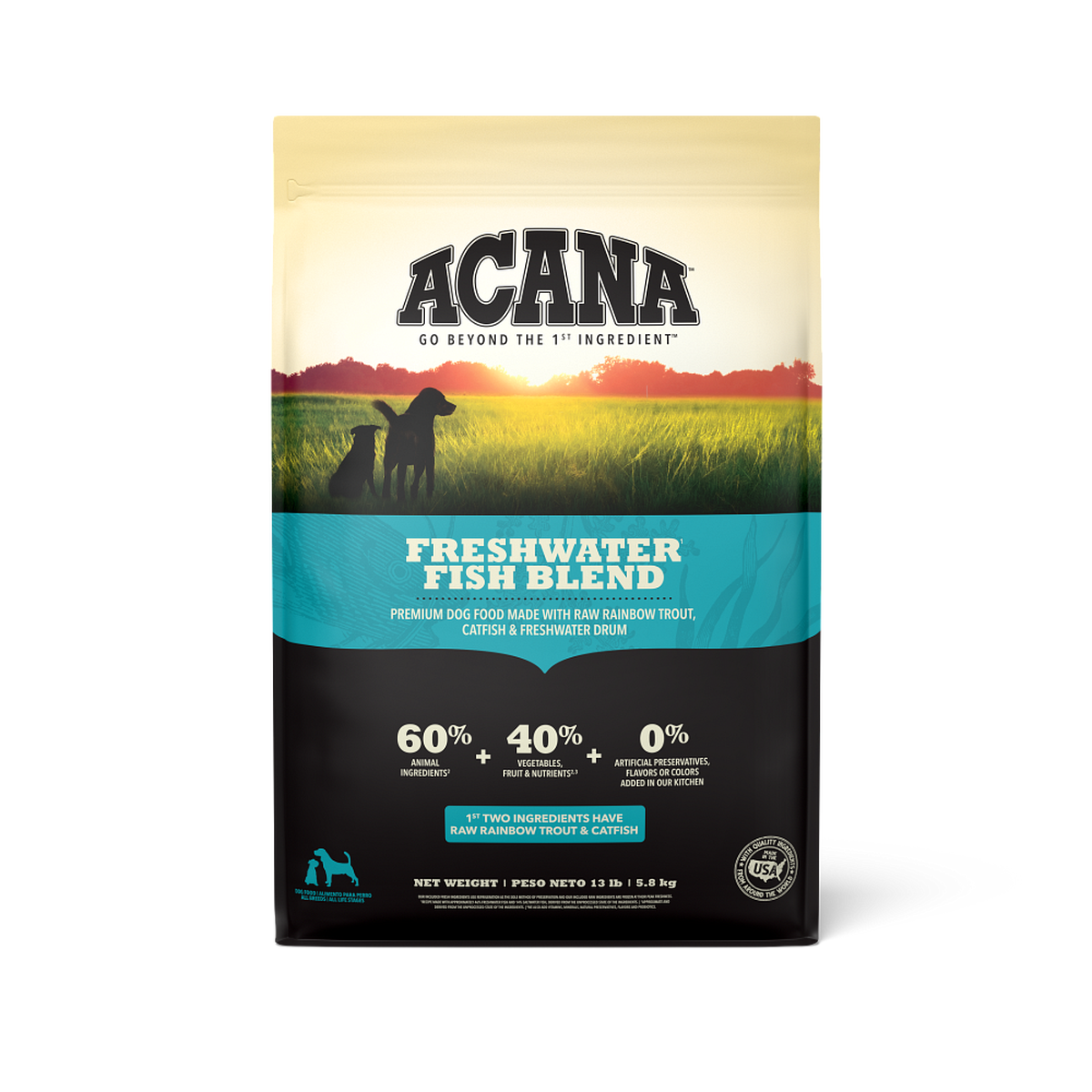
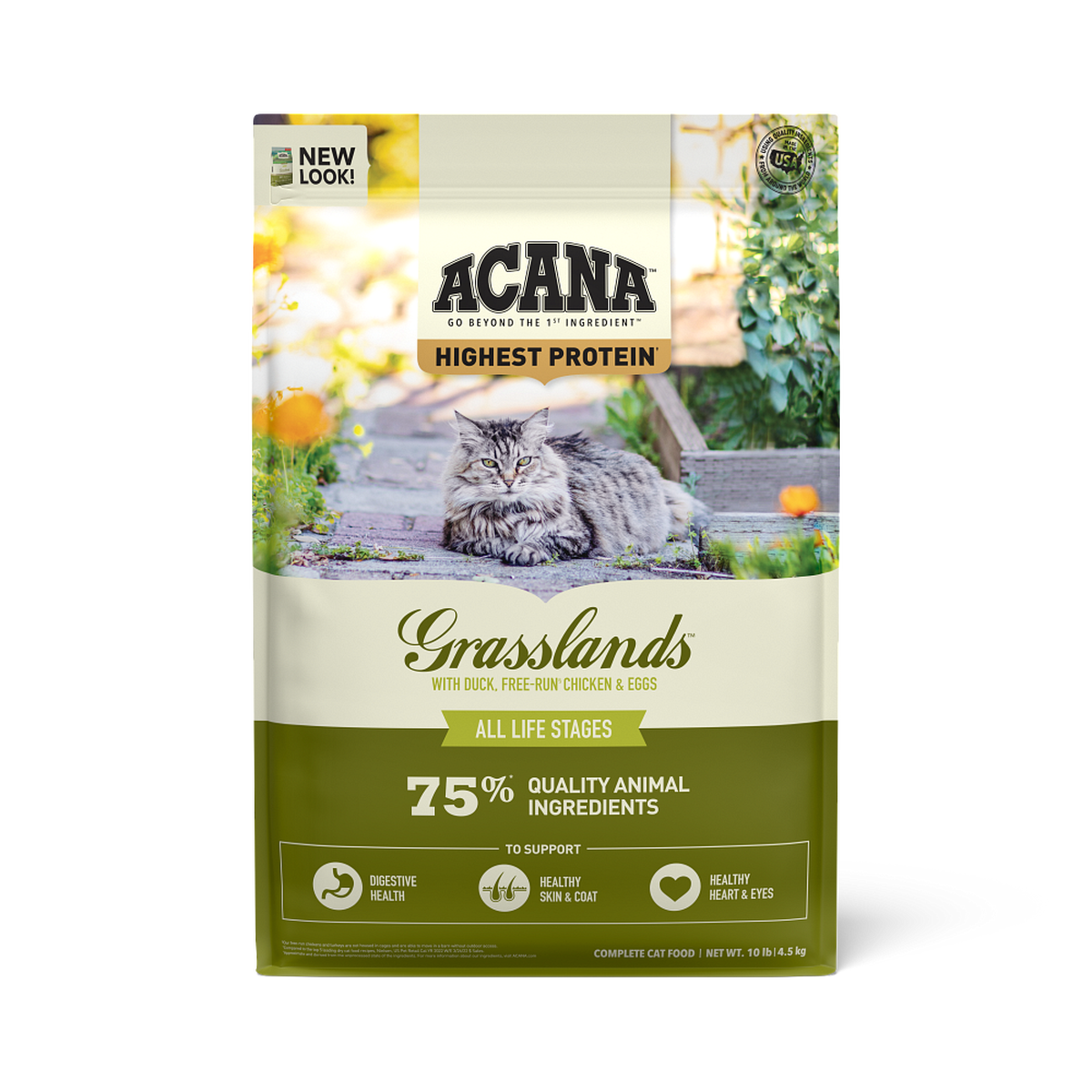
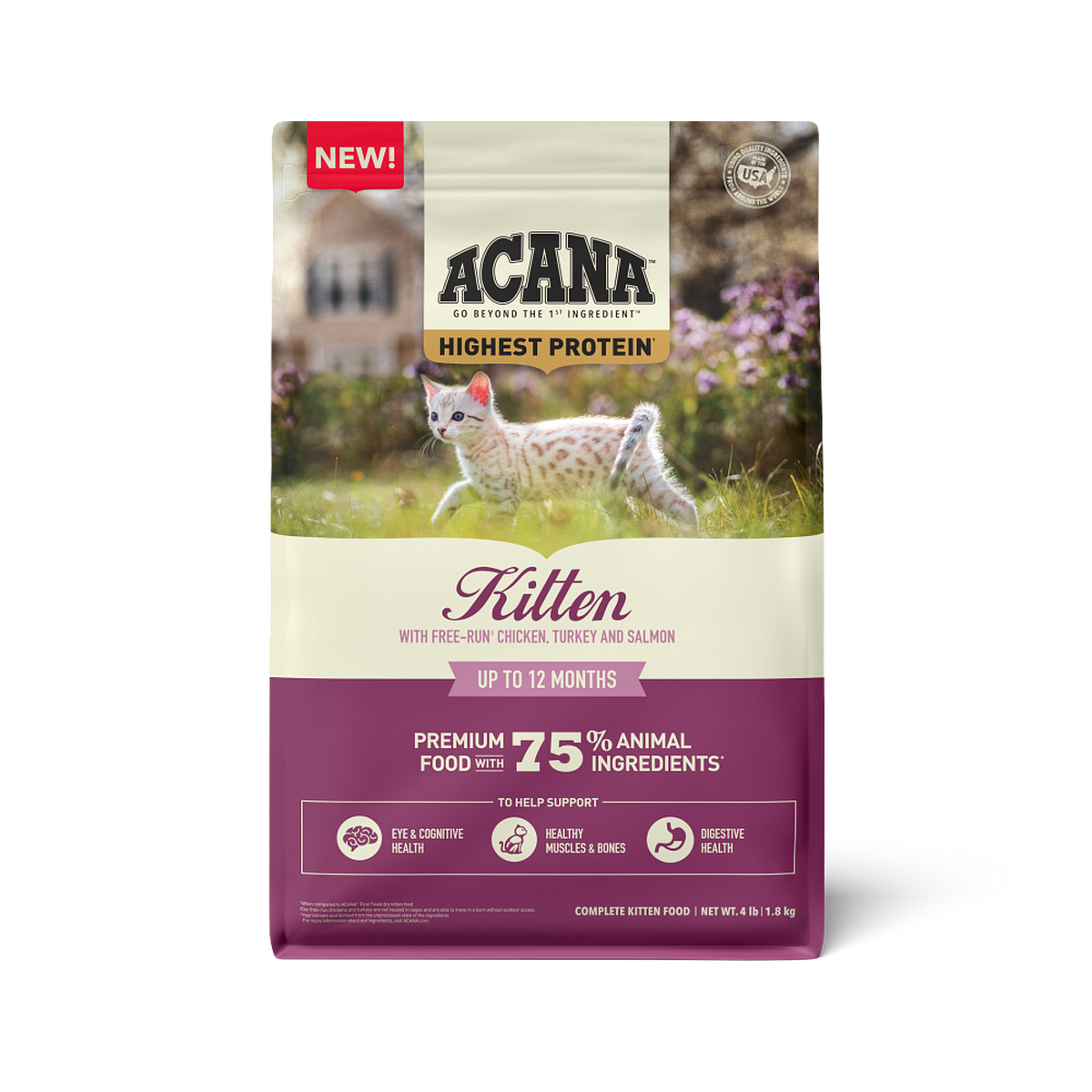
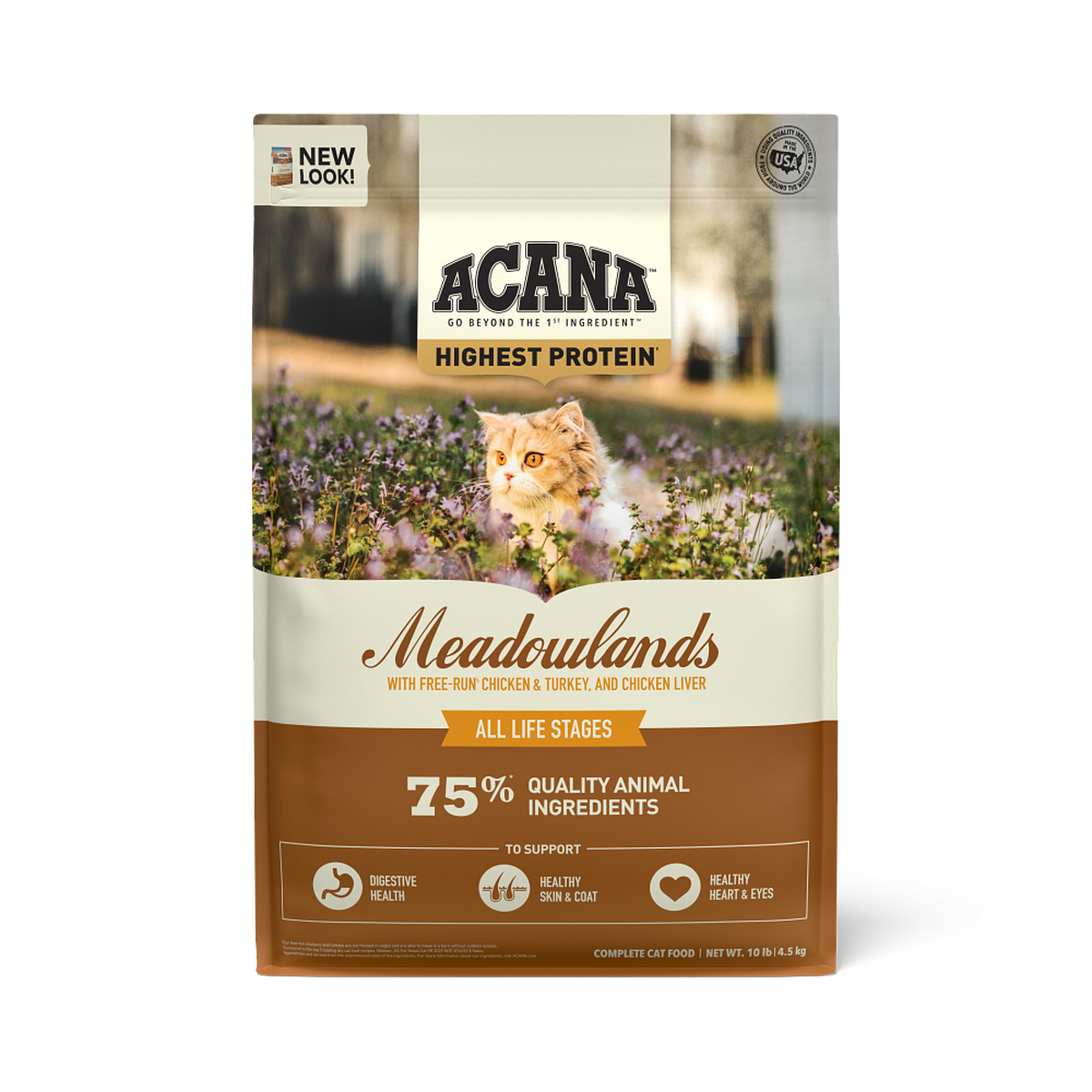
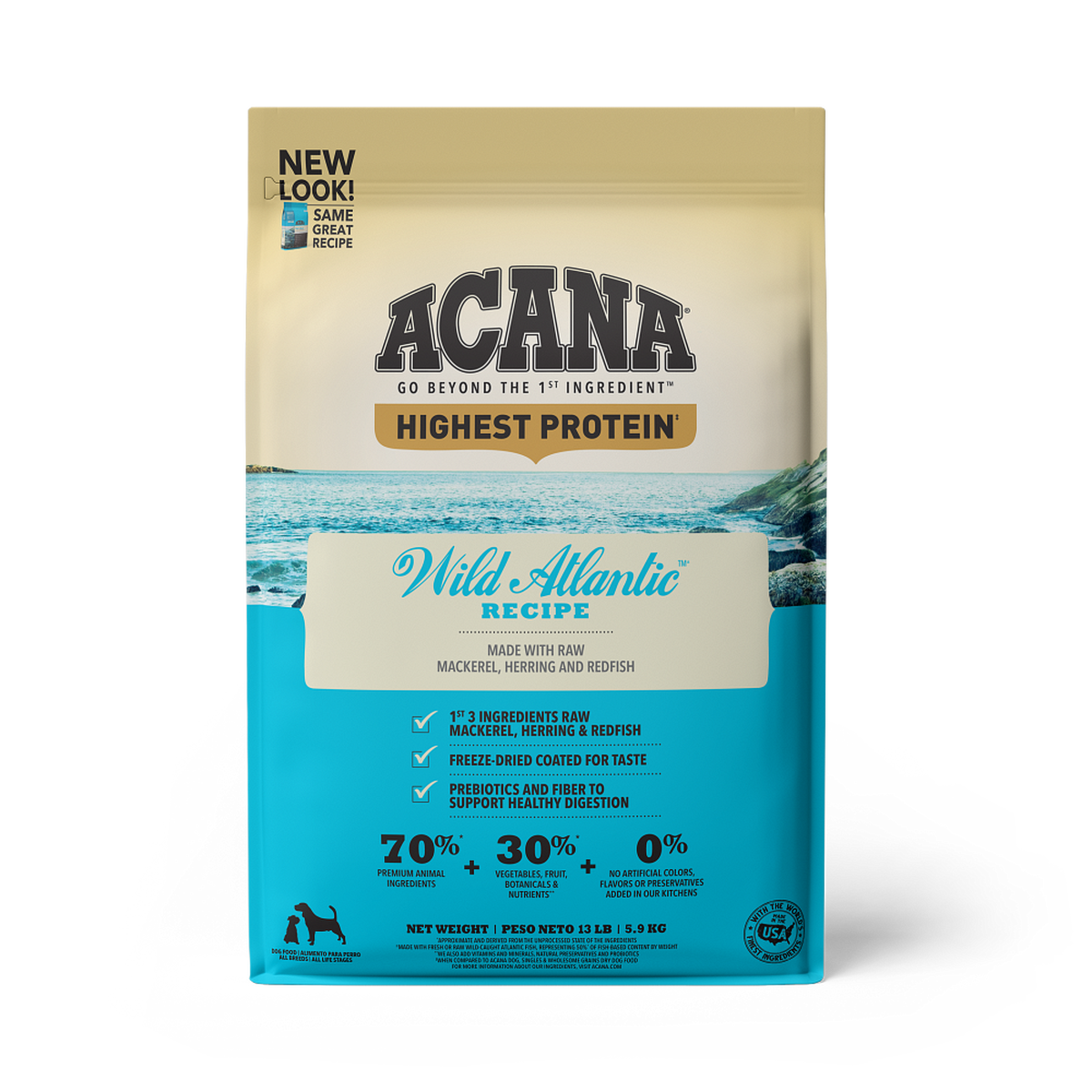
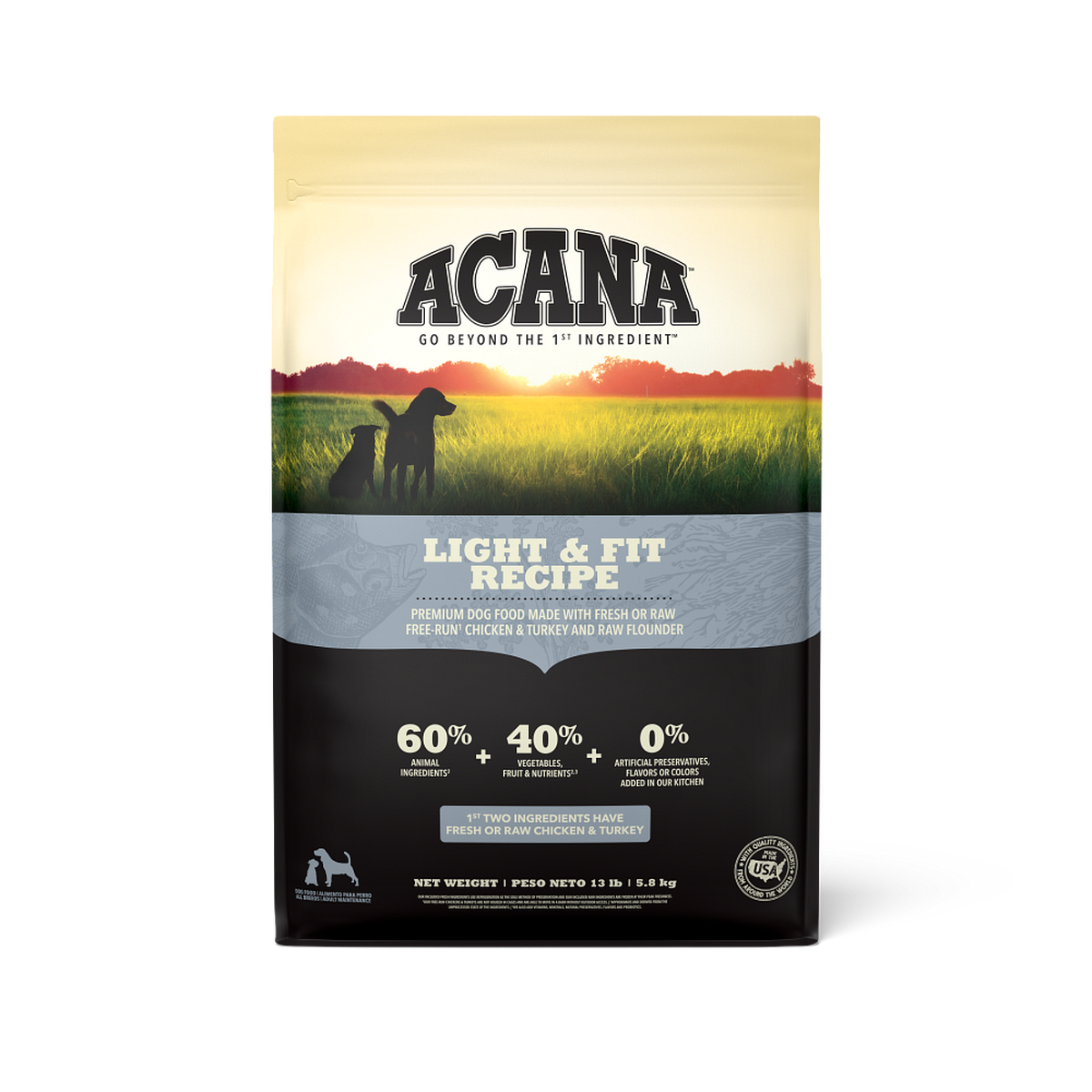
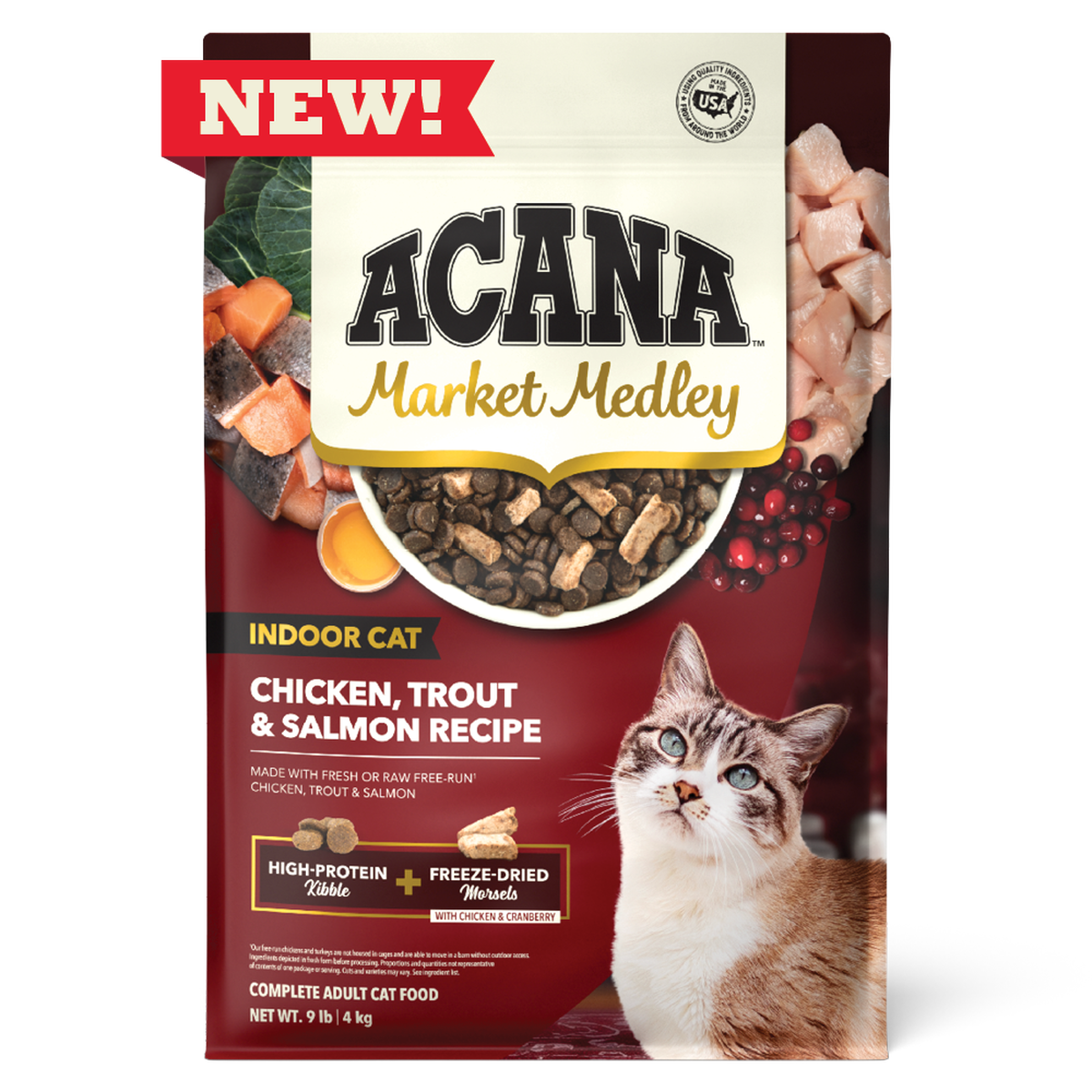
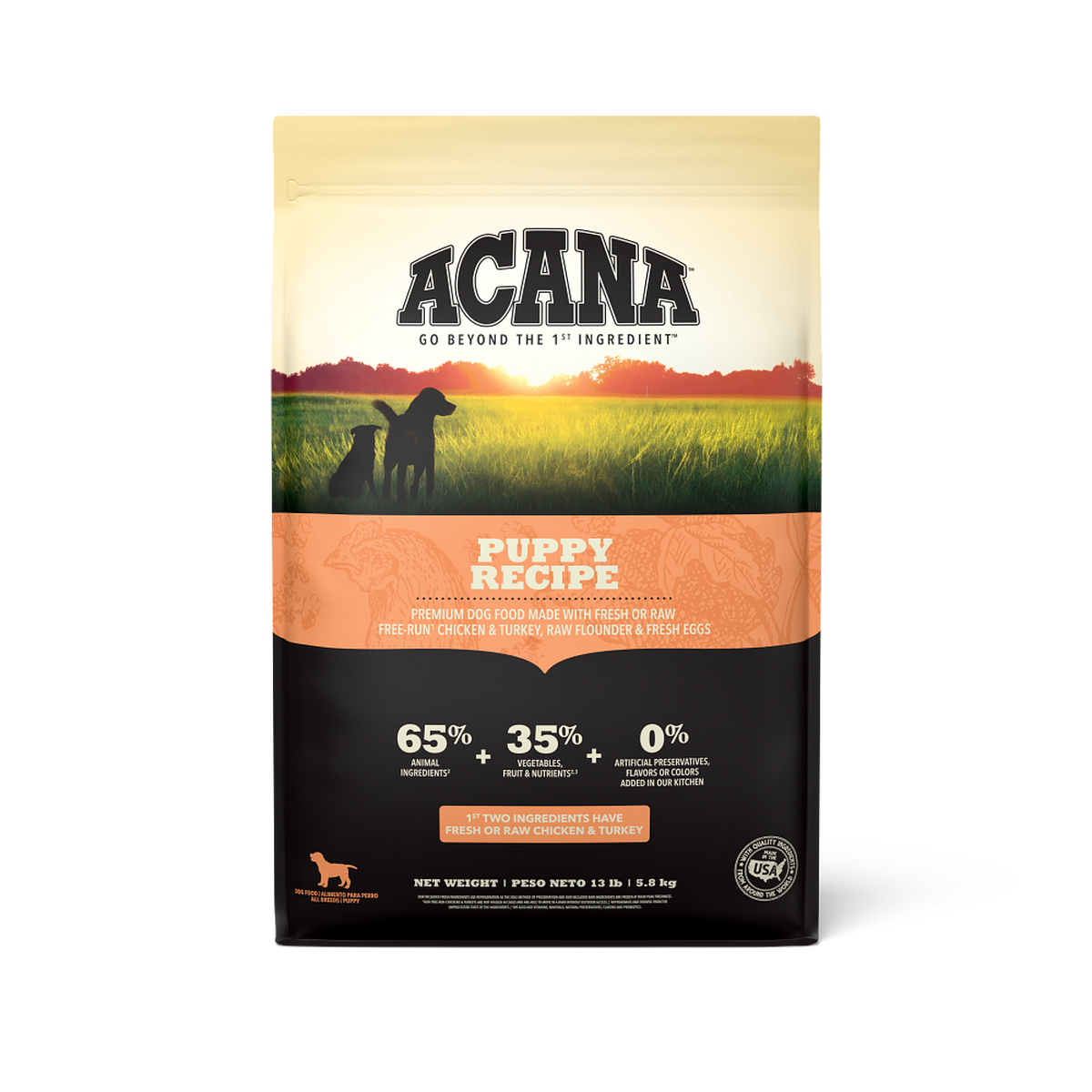
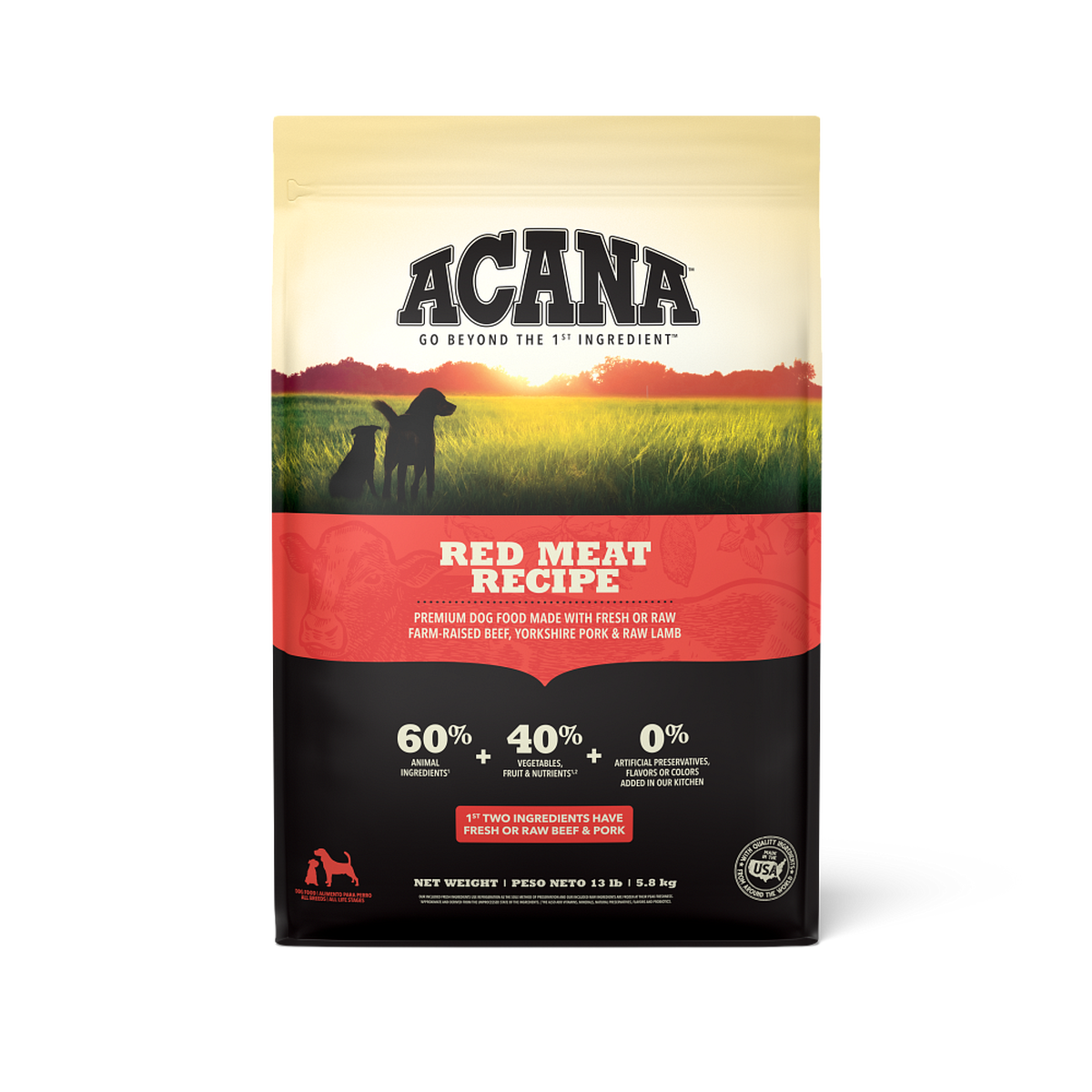
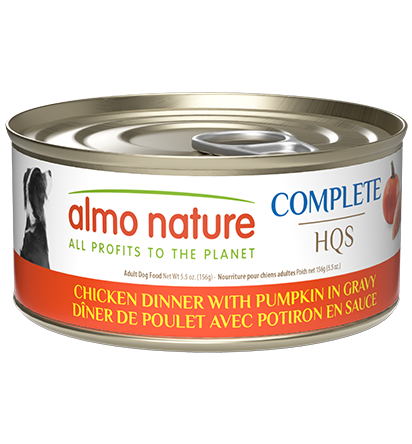
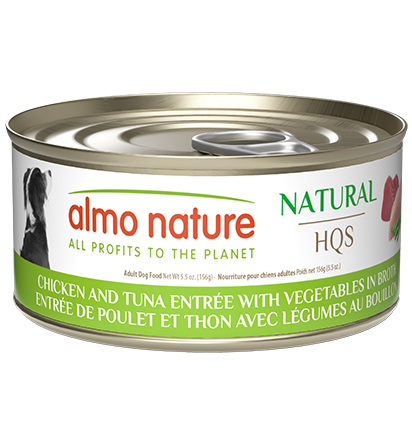
218 foods in the KibbleLab database contain Bean, including Acana, Almo Nature, Animals Like Us.
Foods with Bean
Alphabetical by brand. Scores run 0 to 10, higher is better, on published veterinary science.











Find the right food for your pet
Sign in free to sort and filter by score, and avoid or require Bean in the Food Finder. Add KL+ to see these foods ranked for your pet's breed, age, and health focus.

 Continue with Google
 Continue with Facebook