Beef
1,584 foods contain this ingredient
This is an alphabetical list, not a ranking. Add KL+ to rank foods for your pet in the Food Finder.
About Beef
In pet food, beef refers to muscle meat, organ meat, or meat meal from cattle used to build a diet's core protein and fat profile.
Beef is commonly used in dog and cat foods as a primary animal protein and palatability enhancer, supplying high-quality essential amino acids, B vitamins, iron, and zinc that support muscle maintenance and overall health. Owners should note beef can be calorie- and fat-dense and is a relatively common allergen, and raw or improperly handled beef carries microbial risks, so formulation, fat content, and sourcing/processing are important considerations.
Related ingredients
- Derived from
- cattle muscle meat, organs, or rendered meat meal
- Primary role
- protein and fat source
Why it's used
Beef delivers a complete essential amino acid profile along with heme iron, a form that dogs absorb more readily than the non-heme iron found in plant ingredients. Its natural fat content also makes it one of the more palatable protein choices, which formulators lean on for foods aimed at dogs and cats with reduced appetite.
Common concerns
- Frequency as a food allergen In a clinical review of documented adverse food reactions, beef was the single most frequently identified trigger, implicated in 34% of canine cases and 18% of feline cases among animals already diagnosed with a food allergy.
- Elimination diet trials Because beef is among the most commonly recognized food allergens in dogs and cats, veterinary dermatology sources point to it as a protein to avoid during a diagnostic elimination trial, which typically means switching the pet onto a novel-protein or hydrolyzed diet fed exclusively rather than removing beef alone.
- Fat and calorie density Fat supplies roughly 9 kcal per gram versus about 4 kcal per gram from protein or carbohydrate, so beef cuts with higher fat content can meaningfully raise a diet's calorie density.
Also relevant
Reactions attributed to beef are typically immune-mediated sensitivities that develop after repeated exposure, not the kind of acute reaction seen with a toxin, and a veterinarian should be involved in diagnosing and managing any suspected food allergy.
3 sources cited
- Beef is the most frequently identified allergen in documented canine (34%) and feline (18%) adverse food reactions among animals with diagnosed food allergy
- Elimination diet trial and rechallenge is the standard method for diagnosing food allergy in dogs and cats
- AAFCO nutrient profiles specify essential amino acids and minerals including iron, zinc, and B vitamins for complete and balanced dog diets
Common Questions
What category is Beef?
Beef is categorized as a protein ingredient in the KibbleLab database.
Is Beef part of an allergen group?
Yes. Beef is grouped under the Red Meat allergen group in the KibbleLab database.
Which foods contain Beef?
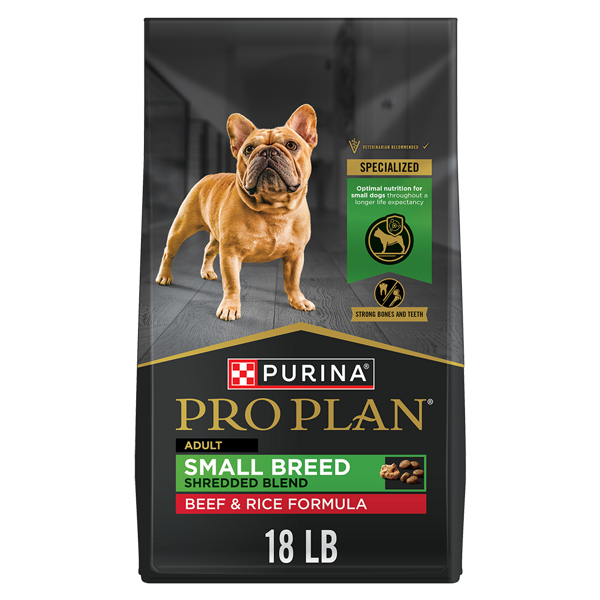
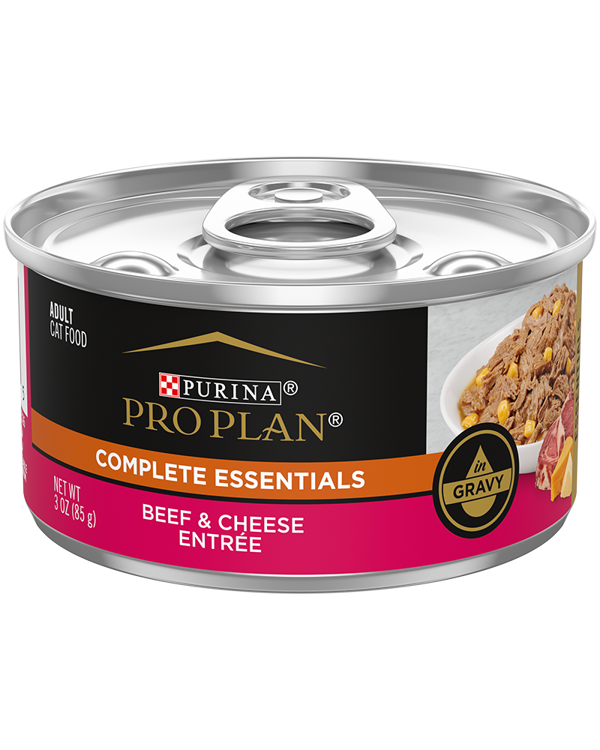
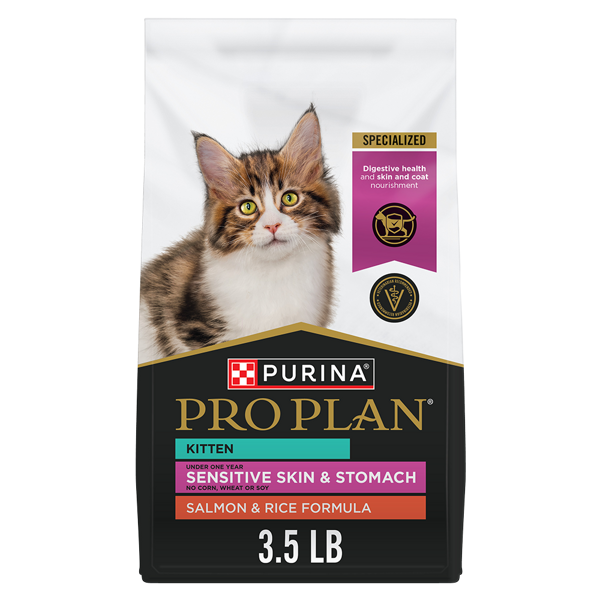
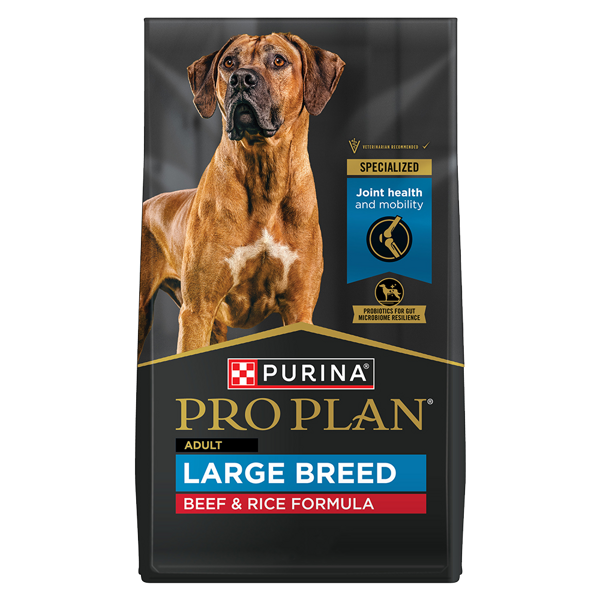
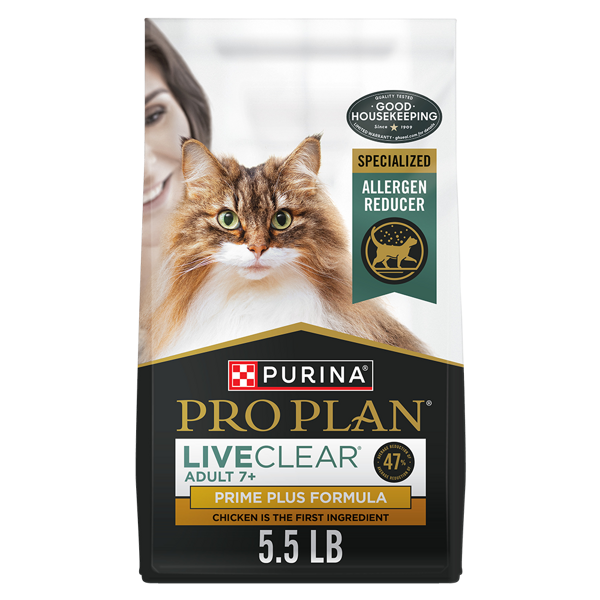
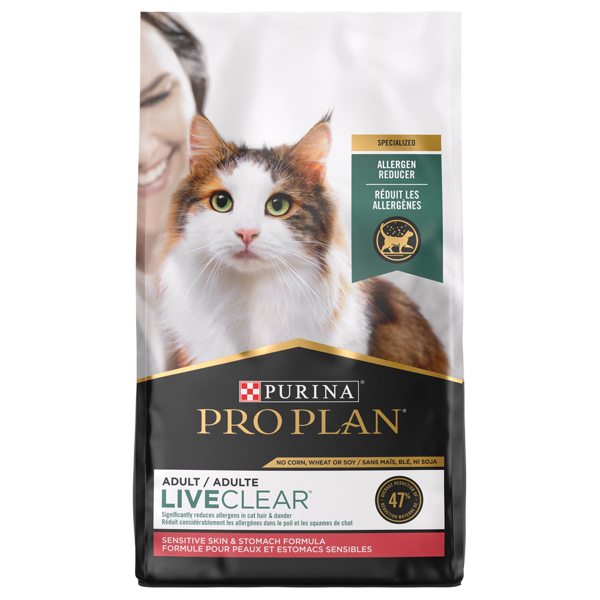
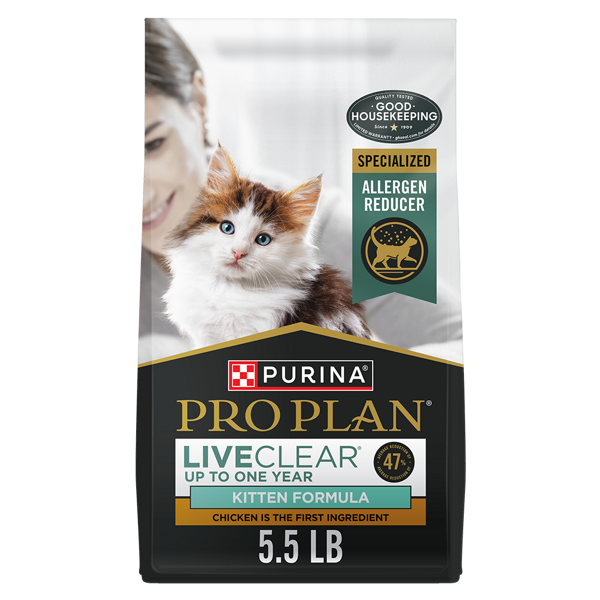
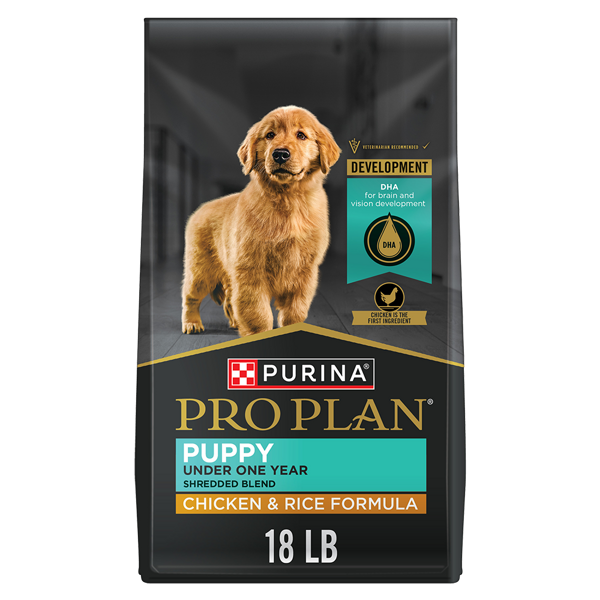
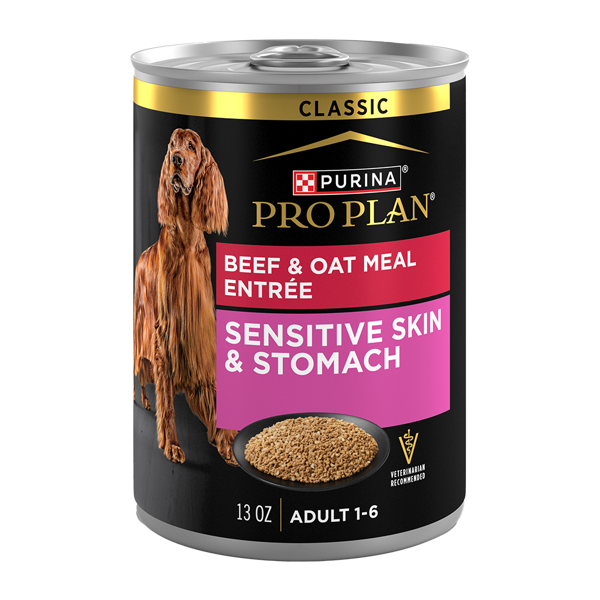
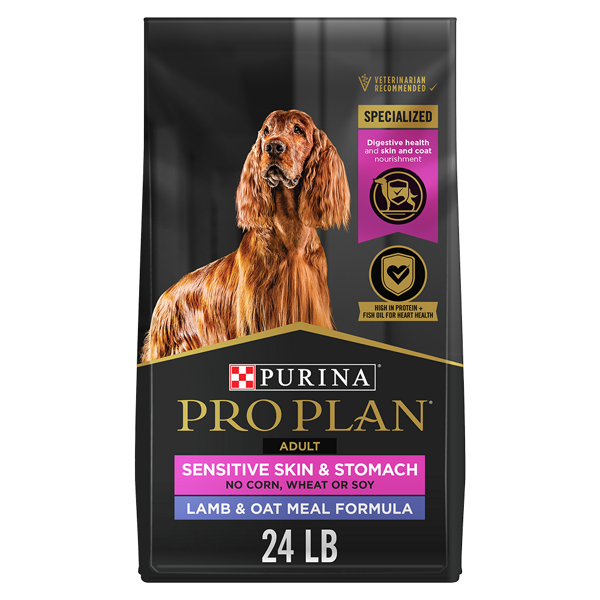
1,584 foods in the KibbleLab database contain Beef, including Purina Pro Plan.
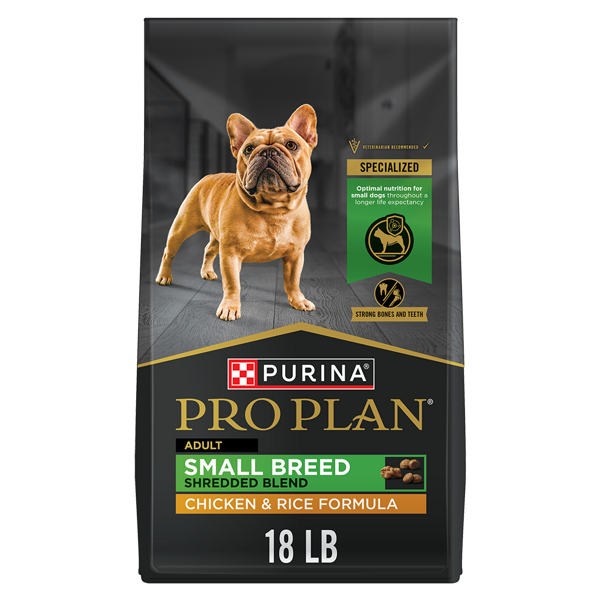
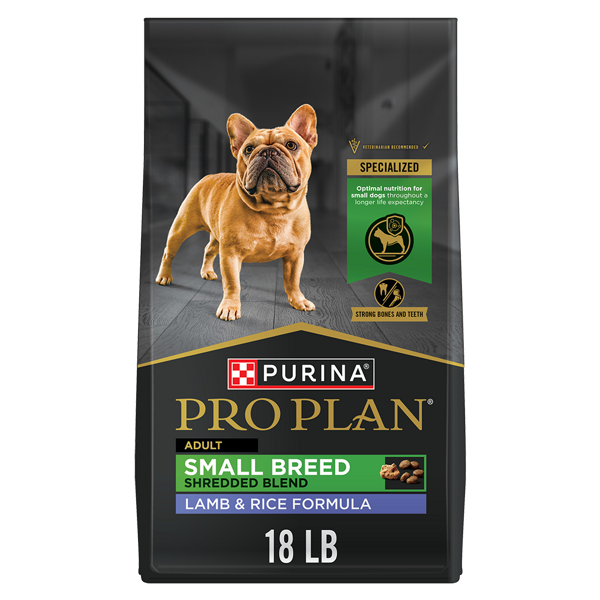
Foods with Beef
Alphabetical by brand. Scores run 0 to 10, higher is better, on published veterinary science.













Find the right food for your pet
Sign in free to sort and filter by score, and avoid or require Beef in the Food Finder. Add KL+ to see these foods ranked for your pet's breed, age, and health focus.

 Continue with Google
 Continue with Facebook