Black Pepper
38 foods contain this ingredient
This is an alphabetical list, not a ranking. Add KL+ to rank foods for your pet in the Food Finder.
About Black Pepper
Black pepper is a spice added to pet food or treats in trace amounts, mainly for flavor rather than any nutritional contribution.
Black pepper is typically used as a flavoring and mild antioxidant in pet foods and provides negligible macronutrients, though it contains piperine which can influence flavor and the absorption of certain nutrients or drugs. Because piperine and volatile oils can irritate the gastrointestinal and respiratory tracts—especially in cats and other sensitive animals—black pepper should only be present in very small amounts and avoided in pets with GI issues or those on medications without veterinary guidance.
Related ingredients
- Derived from
- Dried unripe fruit (peppercorn) of the Piper nigrum vine
- Primary role
- Flavoring and trace-level antioxidant additive
Why it's used
Manufacturers use small amounts of black pepper mostly to round out palatability in a recipe, since its inclusion levels in pet food are far below what would deliver a meaningful dose of piperine or its antioxidant compounds. Piperine's better-documented role is as a bioavailability enhancer in pharmacology research, where it inhibits CYP3A4 and P-glycoprotein activity in the gut and liver, which is the mechanism behind its known effect on absorption of certain nutrients and drugs.
Common concerns
- CYP3A4 and P-glycoprotein drug interactions Peer-reviewed pharmacology research shows piperine inhibits the CYP3A4 enzyme and P-glycoprotein drug transporter that many medications rely on for normal metabolism and clearance, a documented mechanism for altered drug levels when piperine-containing products are given alongside certain medications.
- Species differences in metabolizing enzyme activity Because cats have comparatively limited hepatic glucuronidation and cytochrome P450 capacity relative to dogs, compounds that interact with these pathways, including piperine, are generally discussed as warranting more caution in cats than in dogs, though pet-food-level exposure is much lower than research or supplement doses.
- Gastrointestinal and respiratory irritation from concentrated exposure Volatile oils and piperine in concentrated or ground black pepper are documented irritants to mucous membranes, and veterinary poison-control resources note that direct exposure to a large quantity (as opposed to trace amounts in a finished food) can prompt sneezing, eye or nasal irritation, or transient GI upset in pets.
Also relevant
The pharmacological interest in piperine as a bioavailability enhancer for other compounds, such as curcumin, is a separate use case from its trace presence as a flavoring in commercial pet food, and the two should not be conflated when evaluating a pet food label.
3 sources cited
- Piperine inhibits CYP3A4 and P-glycoprotein, altering drug pharmacokinetics
- Piperine's mechanism as a bioavailability/absorption enhancer via enzyme and transporter inhibition
- EFSA scientific opinion evaluating black pepper oil, oleoresin, and extract as an animal feed additive, including use in dogs and cats
Common Questions
What category is Black Pepper?
Black Pepper is categorized as a herb ingredient in the KibbleLab database.
Is Black Pepper part of an allergen group?
No allergen group is linked to Black Pepper in the KibbleLab database.
Which foods contain Black Pepper?
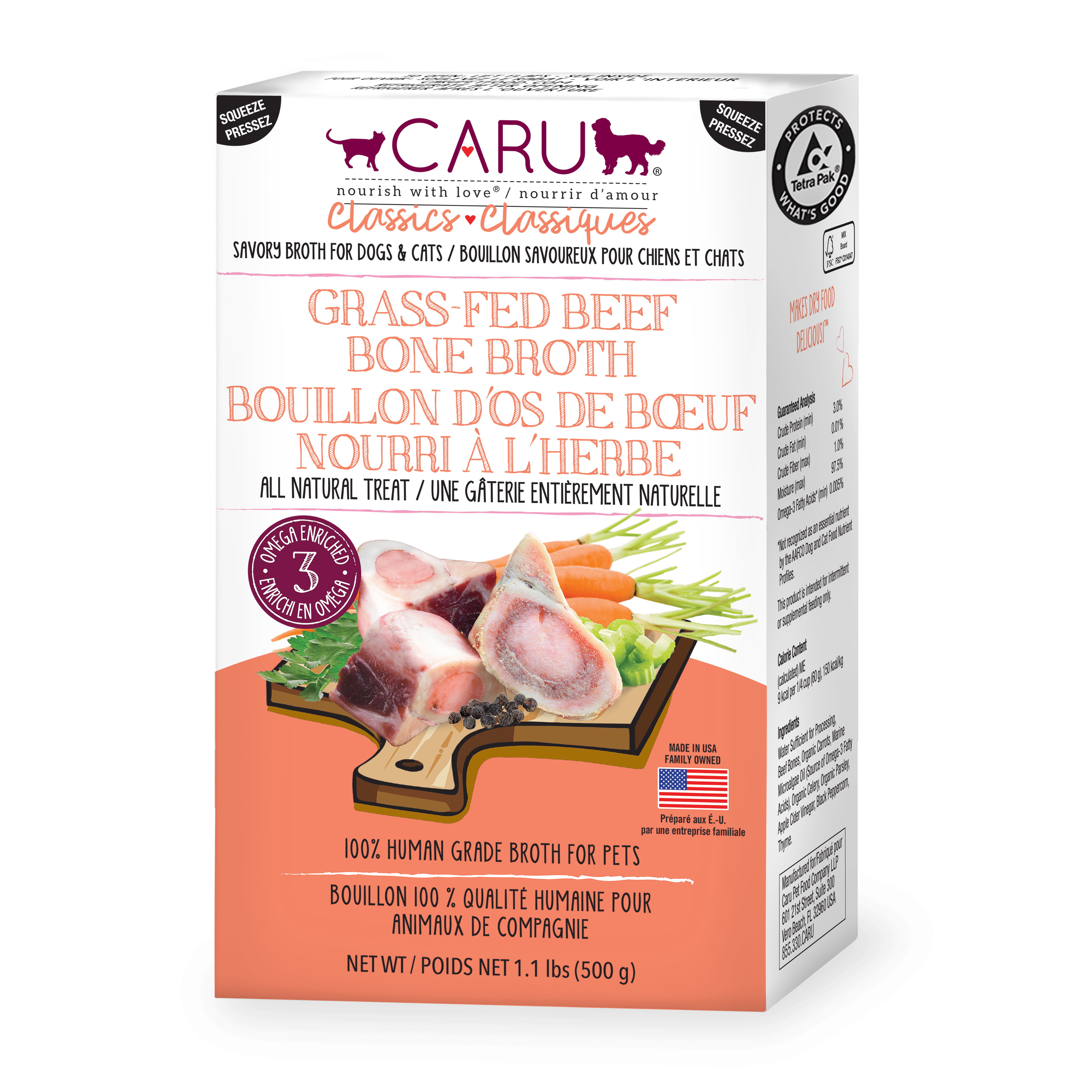
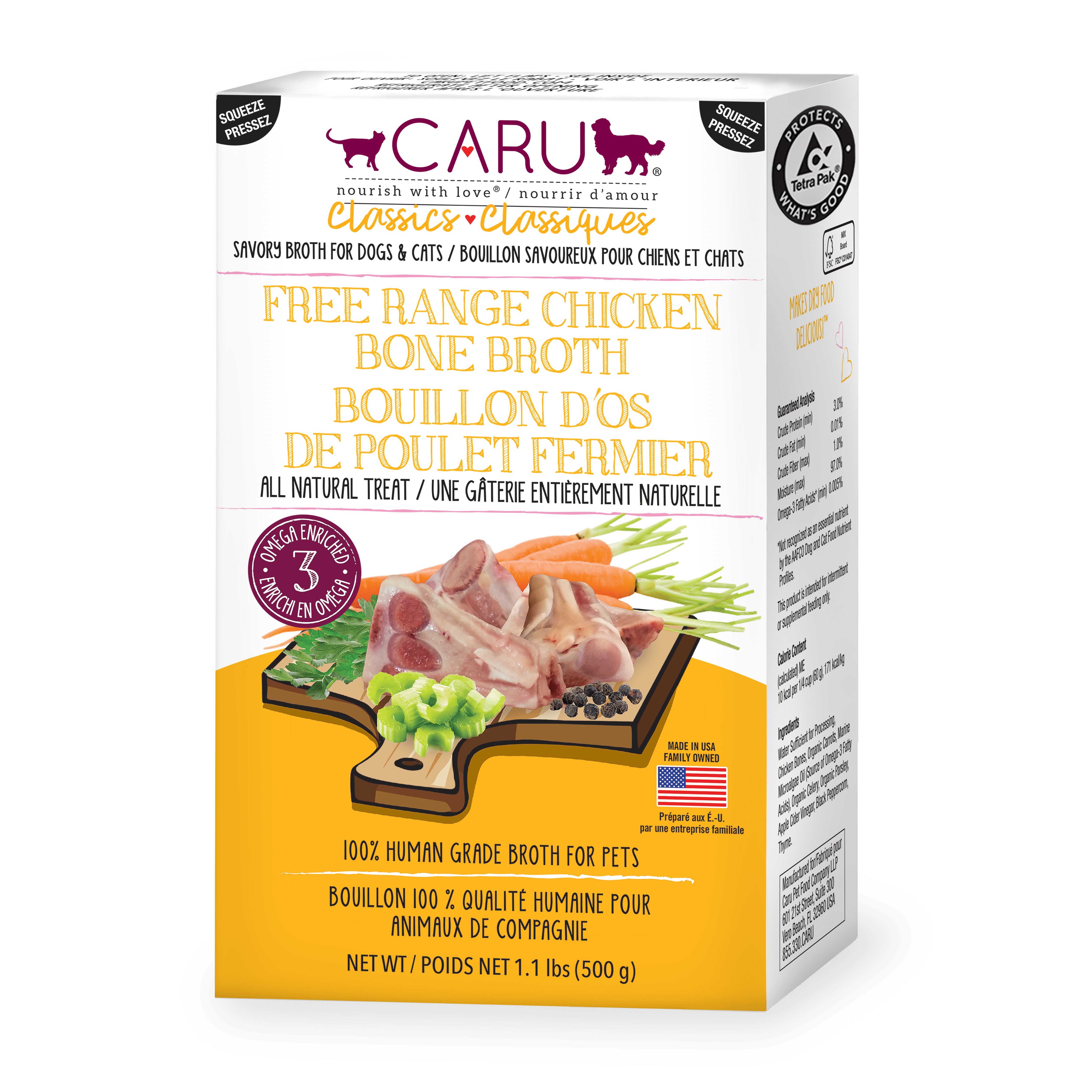
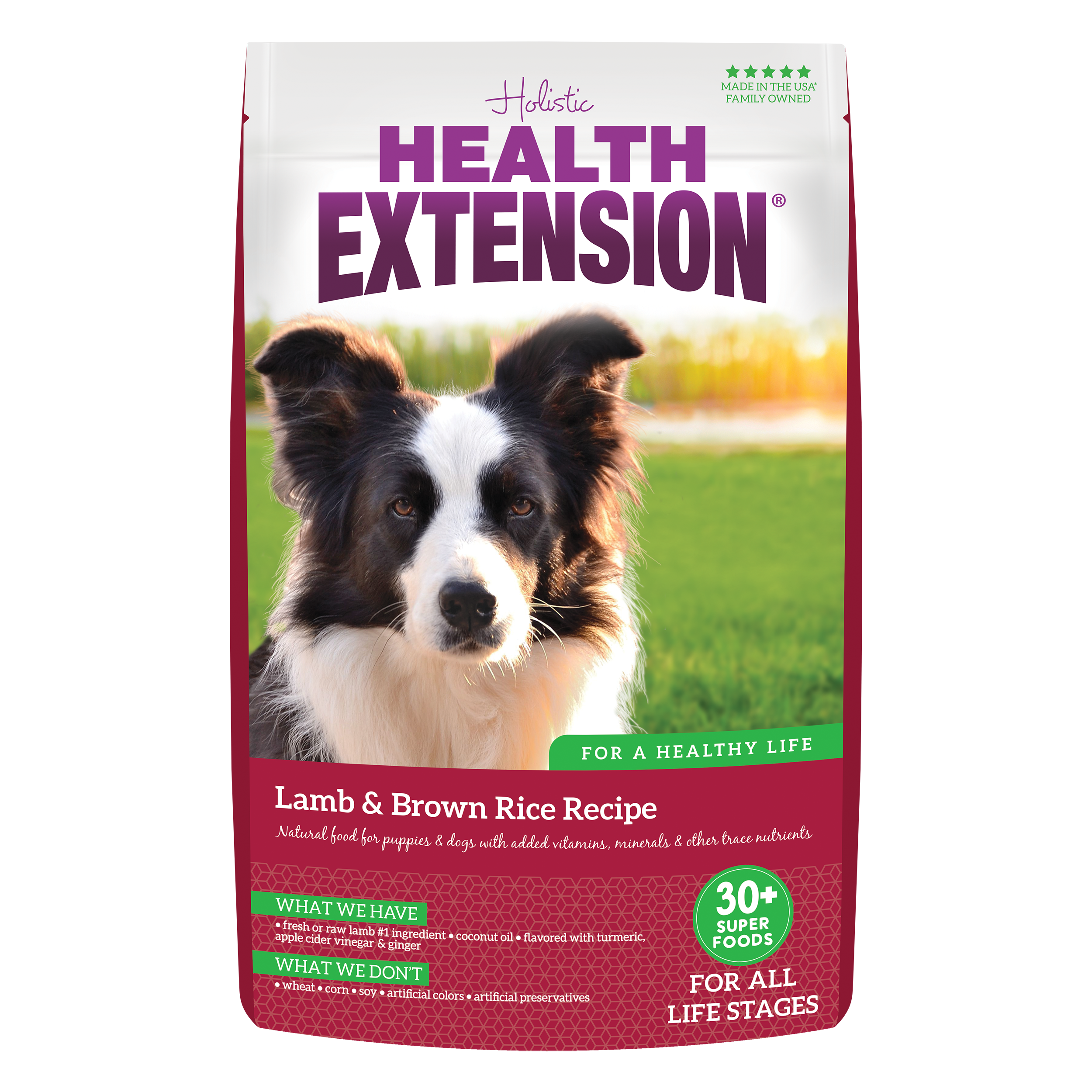
38 foods in the KibbleLab database contain Black Pepper, including Caru, Fera Pets, Health Extension.
Foods with Black Pepper
Alphabetical by brand. Scores run 0 to 10, higher is better, on published veterinary science.























Find the right food for your pet
Sign in free to sort and filter by score, and avoid or require Black Pepper in the Food Finder. Add KL+ to see these foods ranked for your pet's breed, age, and health focus.

 Continue with Google
 Continue with Facebook