Blueberry
1,263 foods contain this ingredient
This is an alphabetical list, not a ranking. Add KL+ to rank foods for your pet in the Food Finder.
About Blueberry
Blueberries appear in pet food and treats mainly as a whole-fruit source of fiber and antioxidant plant compounds rather than a core nutrient supplier.
Blueberries are used in pet foods and treats as a low‑calorie source of dietary fiber, vitamins (notably vitamin C) and antioxidant phytochemicals (anthocyanins), providing natural color and mild flavor. They may support general antioxidant and digestive health in dogs and, to a lesser extent, cats (obligate carnivores), but should be offered in moderation due to natural sugars and possible gastrointestinal upset, and owners should avoid products with added sweeteners (especially xylitol) or harmful preservatives.
Related ingredients
- Derived from
- Whole or dried blueberry fruit (Vaccinium species), fresh, frozen, or freeze-dried
- Primary role
- Fiber and antioxidant (anthocyanin) source, natural flavor and color
Why it's used
Blueberries contribute dietary fiber, vitamin C, and anthocyanin polyphenols, plant compounds studied for antioxidant activity. A 2025 feeding study in dogs found that including blueberries in a wet diet improved palatability without harming digestibility, though it did not find a measurable protective effect on oxidative balance markers over the four-week study period. Manufacturers commonly use them for their recognizable, natural-looking inclusion in treats and kibble as much as for any specific nutrient contribution.
Common concerns
- Portion size and treat-calorie limits Veterinary guidance from WSAVA and university veterinary nutrition services describes treats, including fruit like blueberries, as appropriately kept to a minority share of a dog's daily calories, with the complete diet supplying the rest.
- Digestive upset from overfeeding Sources including PetMD and AKC note that feeding more than a small amount at once can lead to loose stool or stomach upset in dogs, particularly if introduced suddenly.
- Added sweeteners in blueberry-flavored products Xylitol, an artificial sweetener sometimes found in baked goods and sweetened foods, is documented by Cornell, Merck Veterinary Manual, and ASPCA as causing a rapid insulin release and dangerous drop in blood sugar in dogs; cats are not considered at similar risk. This concern applies to added sweeteners in a product, not to blueberries themselves.
Also relevant
Cats are obligate carnivores with limited dietary need for plant-derived antioxidants or fiber of this kind, so blueberries are generally a minor, incidental component in cat products rather than a targeted nutrient source.
6 sources cited
- 2025 dog feeding study on blueberry palatability and digestibility
- WSAVA guidance that treats should remain a minority of daily calories
- UC Davis veterinary nutrition service treat feeding guidelines
- Xylitol toxicosis mechanism and risk profile in dogs versus cats
- ASPCA overview of xylitol risk to pets and common product sources
- Cornell College of Veterinary Medicine summary of xylitol toxicity in dogs
Common Questions
What category is Blueberry?
Blueberry is categorized as a fruit ingredient in the KibbleLab database.
Is Blueberry part of an allergen group?
No allergen group is linked to Blueberry in the KibbleLab database.
Which foods contain Blueberry?
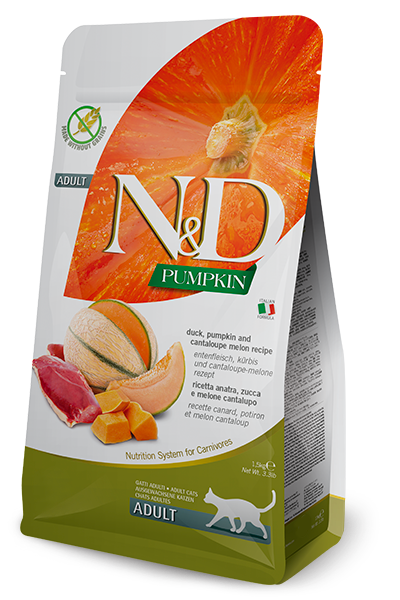
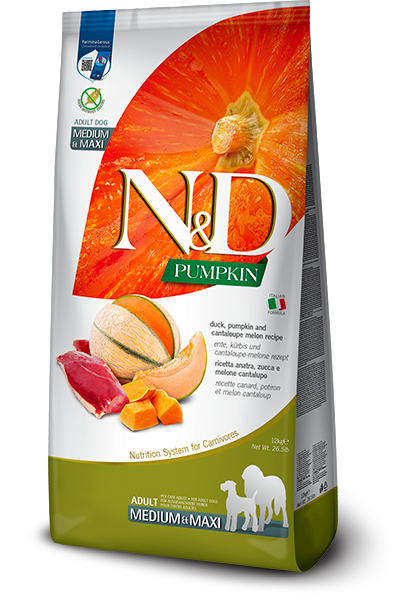
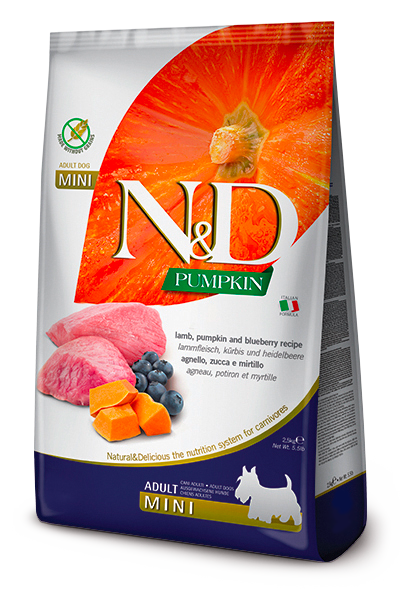
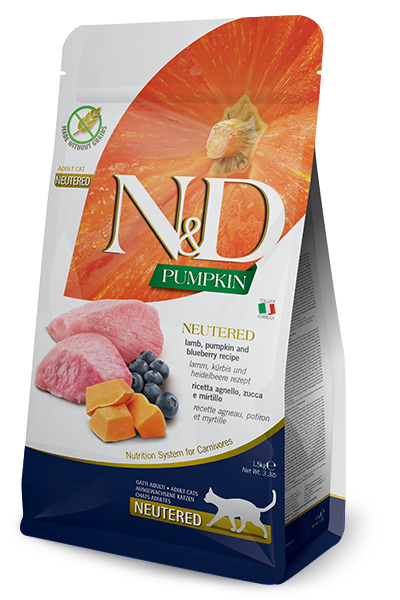
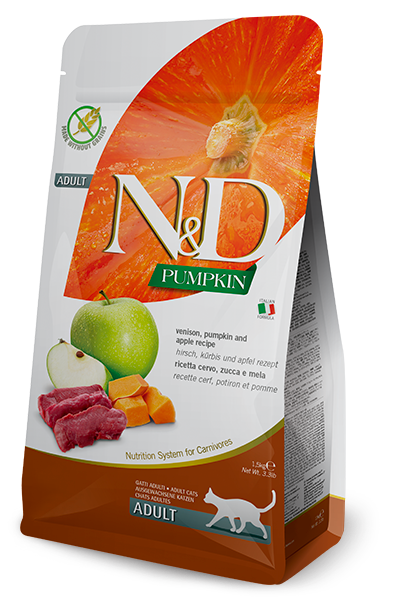
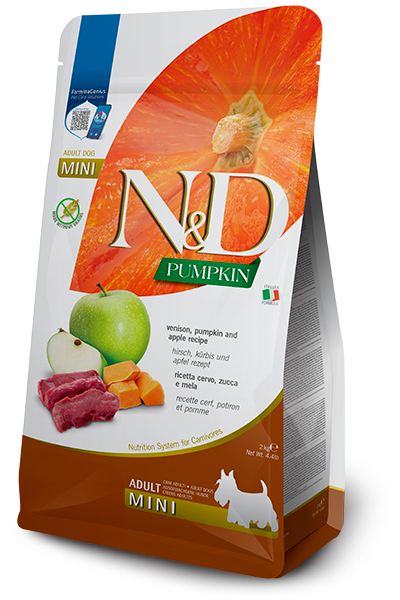
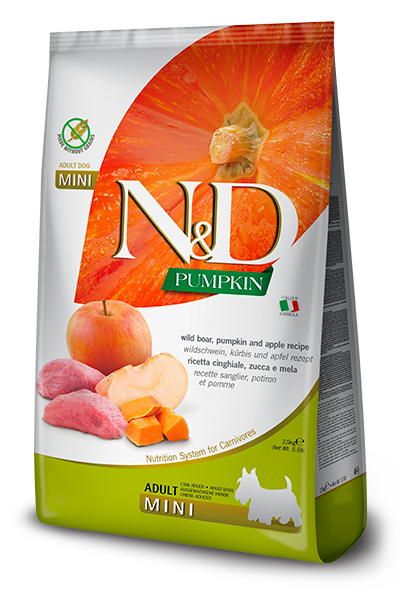
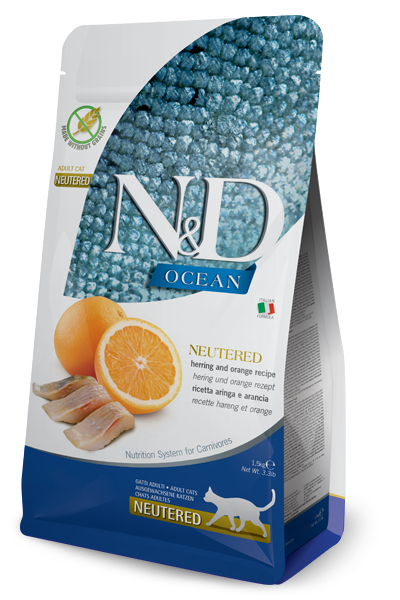
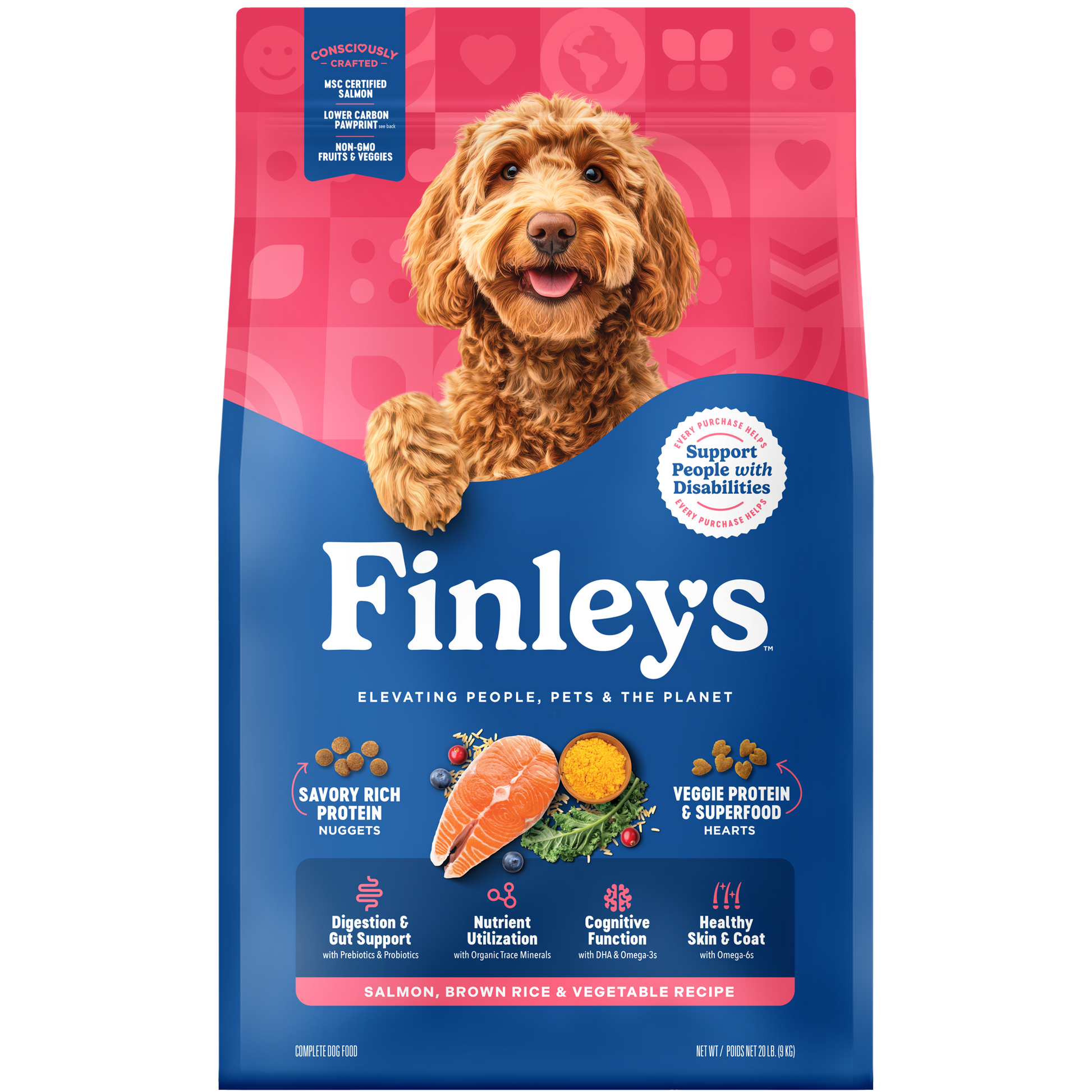
1,263 foods in the KibbleLab database contain Blueberry, including Farmina, Fera Pets, Finley's.
Foods with Blueberry
Alphabetical by brand. Scores run 0 to 10, higher is better, on published veterinary science.
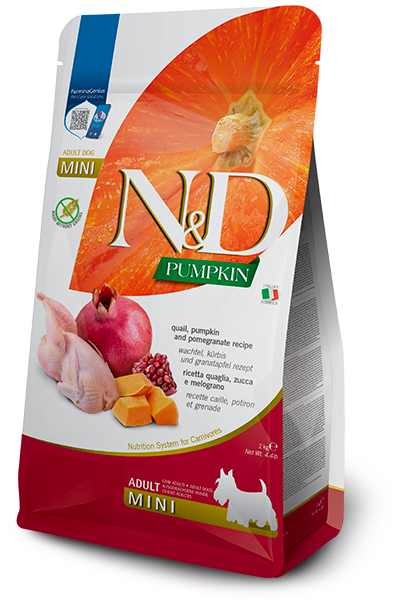
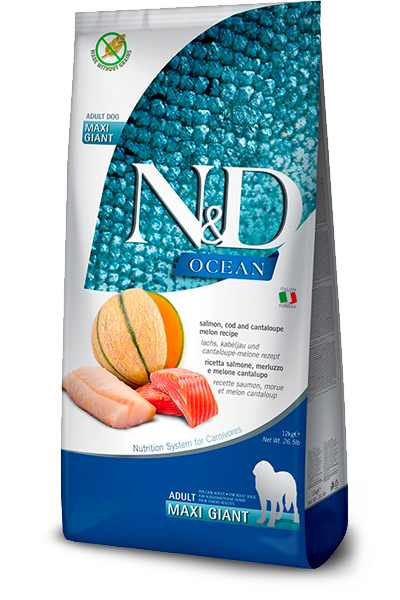
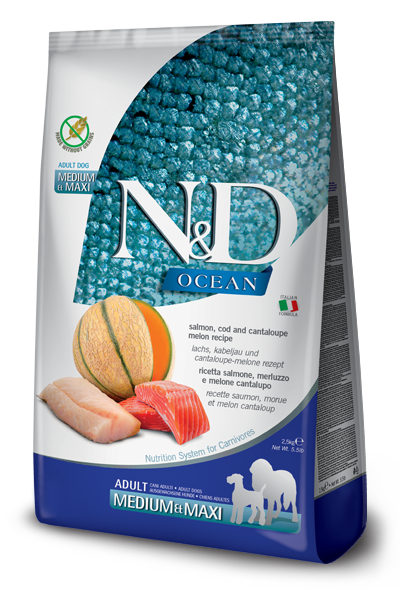
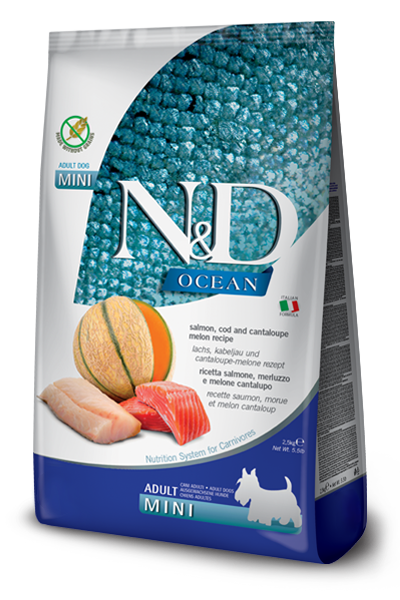
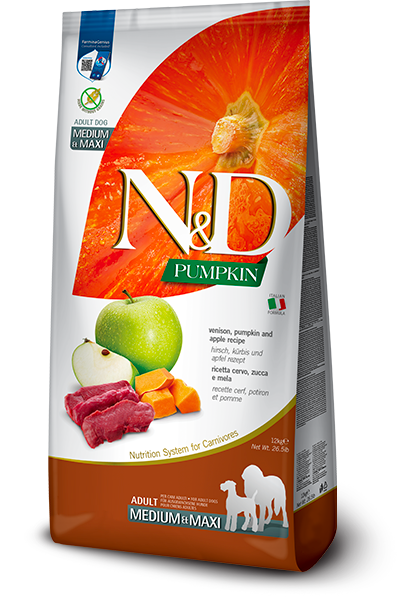



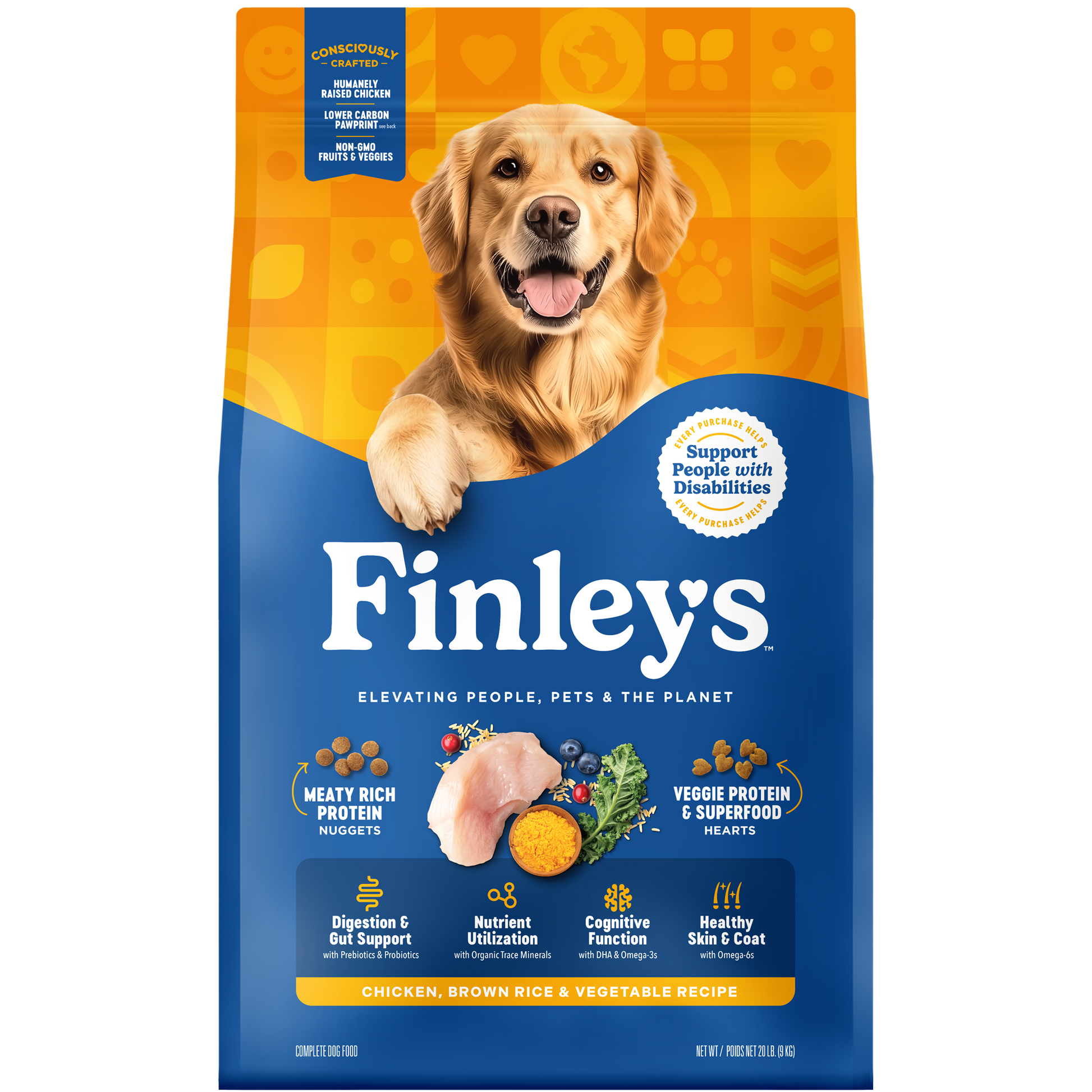



Find the right food for your pet
Sign in free to sort and filter by score, and avoid or require Blueberry in the Food Finder. Add KL+ to see these foods ranked for your pet's breed, age, and health focus.

 Continue with Google
 Continue with Facebook