Broccoli
411 foods contain this ingredient
This is an alphabetical list, not a ranking. Add KL+ to rank foods for your pet in the Food Finder.
About Broccoli
Broccoli is a cruciferous vegetable sometimes added to pet food or given as a treat topper for fiber and vitamin content rather than protein.
Broccoli is used as a low‑calorie vegetable additive or treat ingredient rather than a protein source, providing fiber, vitamins (A, K, folate), minerals and antioxidants like sulforaphane that can support digestion and cellular health in dogs and, to a lesser extent, cats. It should be offered in small, plain, cooked or finely chopped portions because raw or large amounts can cause gas, gastrointestinal upset, choking, and—if fed excessively—potential thyroid interference from cruciferous compounds; avoid added seasonings such as onion or garlic.
Related ingredients
- Derived from
- fresh or dehydrated broccoli (florets and/or stalk)
- Primary role
- low-calorie fiber and vitamin source, treat or food topper
Why it's used
Broccoli contributes dietary fiber along with vitamins A, C, K, and folate, plus plant compounds such as sulforaphane that come from the same isothiocyanate-producing chemistry found across cruciferous vegetables. It appears in small amounts in some commercial diets and is a common home-prepared treat because it is low in calories compared to many other add-ins.
Common concerns
- Isothiocyanates in florets The AKC's chief veterinarian has noted that broccoli florets contain isothiocyanates that can cause gastric irritation in dogs when they make up a large share of the diet, recommending broccoli stay under about 10% of daily intake.
- Stalk and stem obstruction risk Veterinary nutrition sources describe tough broccoli stalks as a choking or esophageal obstruction concern in dogs if pieces are not cut small before feeding.
- Goitrogenic compounds and thyroid function Cruciferous vegetables including broccoli contain goitrogenic compounds that can interfere with thyroid hormone activity when eaten raw and in large, regular amounts, a consideration for dogs with existing thyroid conditions.
- Raw versus cooked preparation Multiple veterinary sources recommend cooking or finely chopping broccoli before feeding, since raw pieces are harder to digest and cooking reduces goitrogen content.
Also relevant
Seasonings and additions commonly paired with broccoli in human cooking, such as onion, garlic, butter, or oil, should be avoided since alliums are documented to be toxic to dogs and cats independent of the broccoli itself.
3 sources cited
- AKC chief veterinarian guidance on isothiocyanates in broccoli florets and recommended proportion of daily intake
- Description of broccoli stalk toughness as a choking/obstruction concern and recommendation to cook or chop finely
- Goitrogenic compounds in cruciferous vegetables and effect of cooking on goitrogen content
Common Questions
What category is Broccoli?
Broccoli is categorized as a vegetable ingredient in the KibbleLab database.
Is Broccoli part of an allergen group?
No allergen group is linked to Broccoli in the KibbleLab database.
Which foods contain Broccoli?
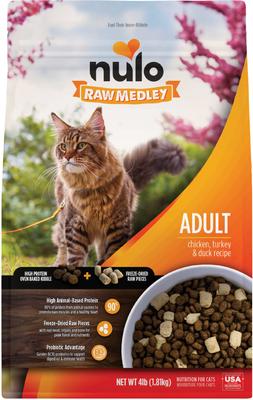
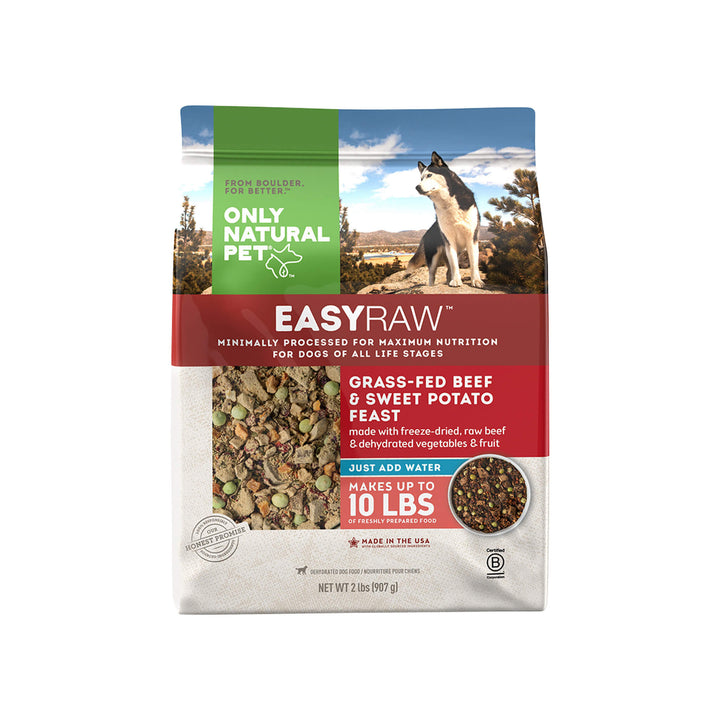
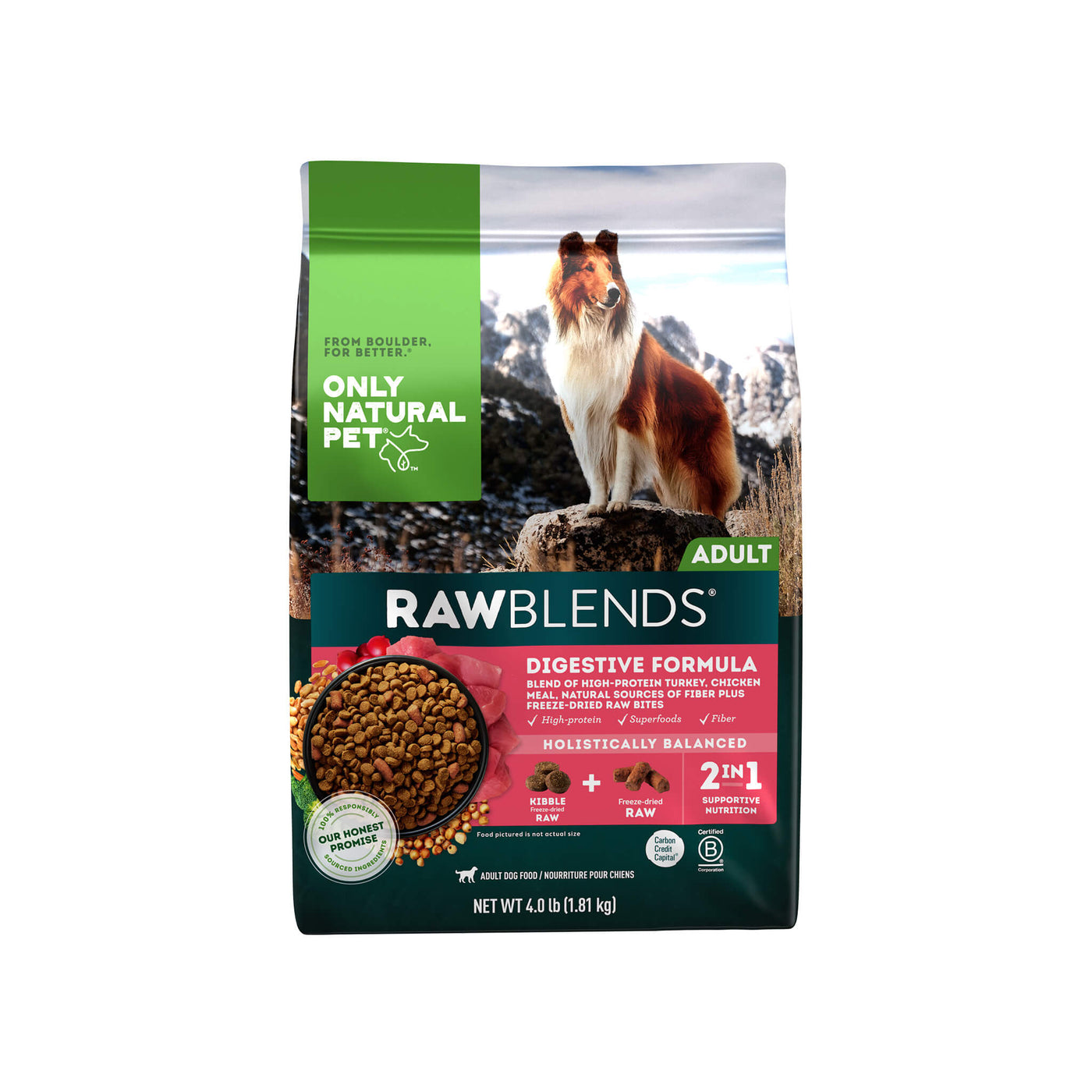
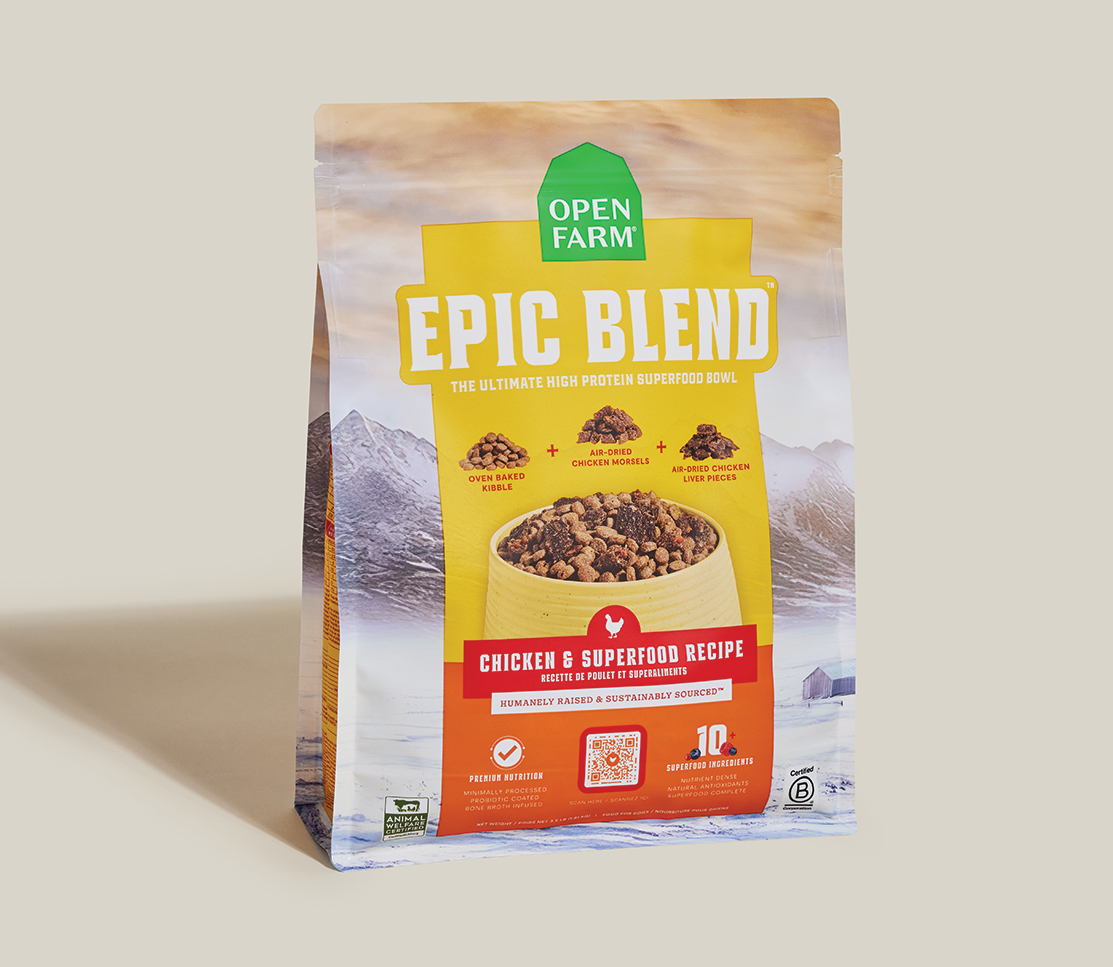
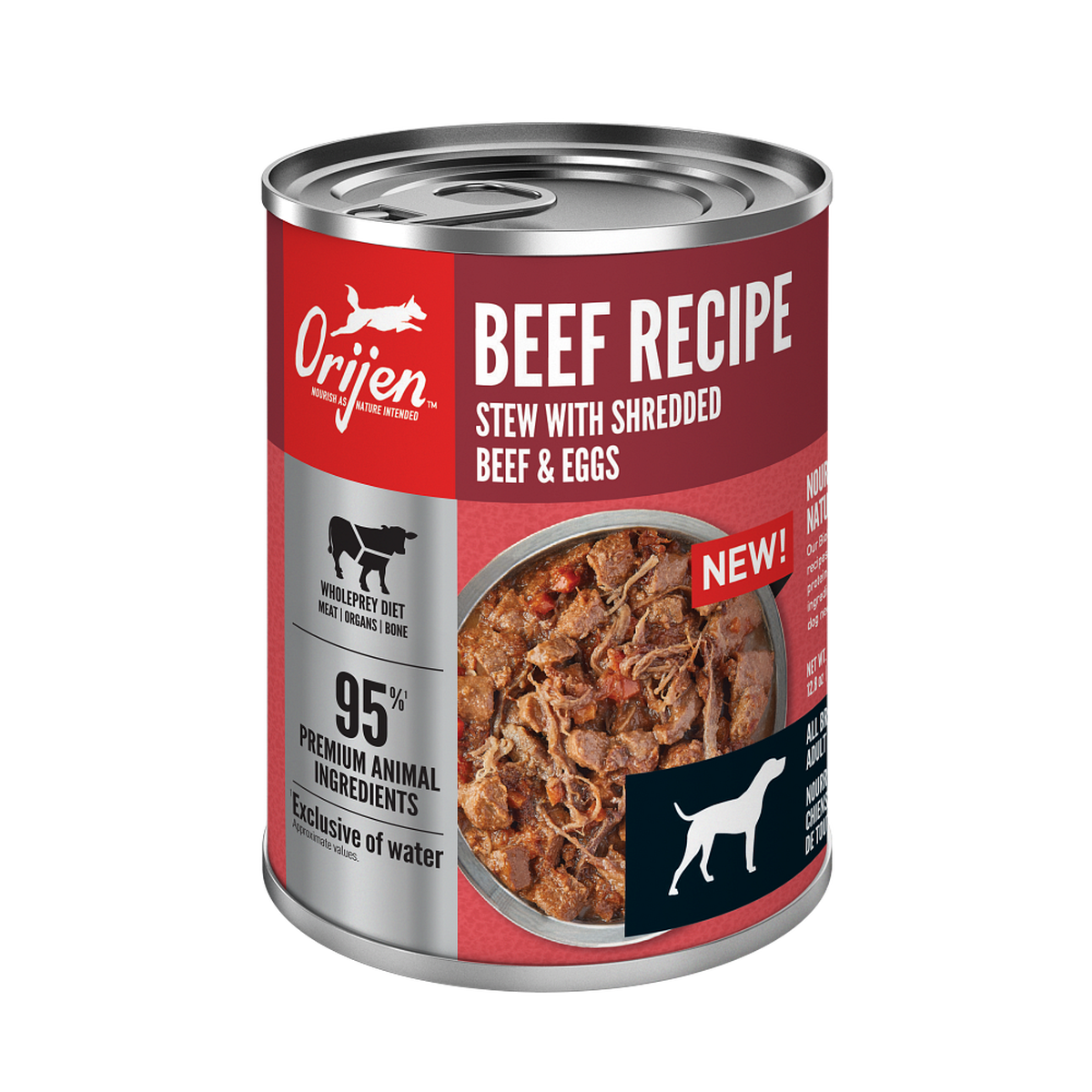
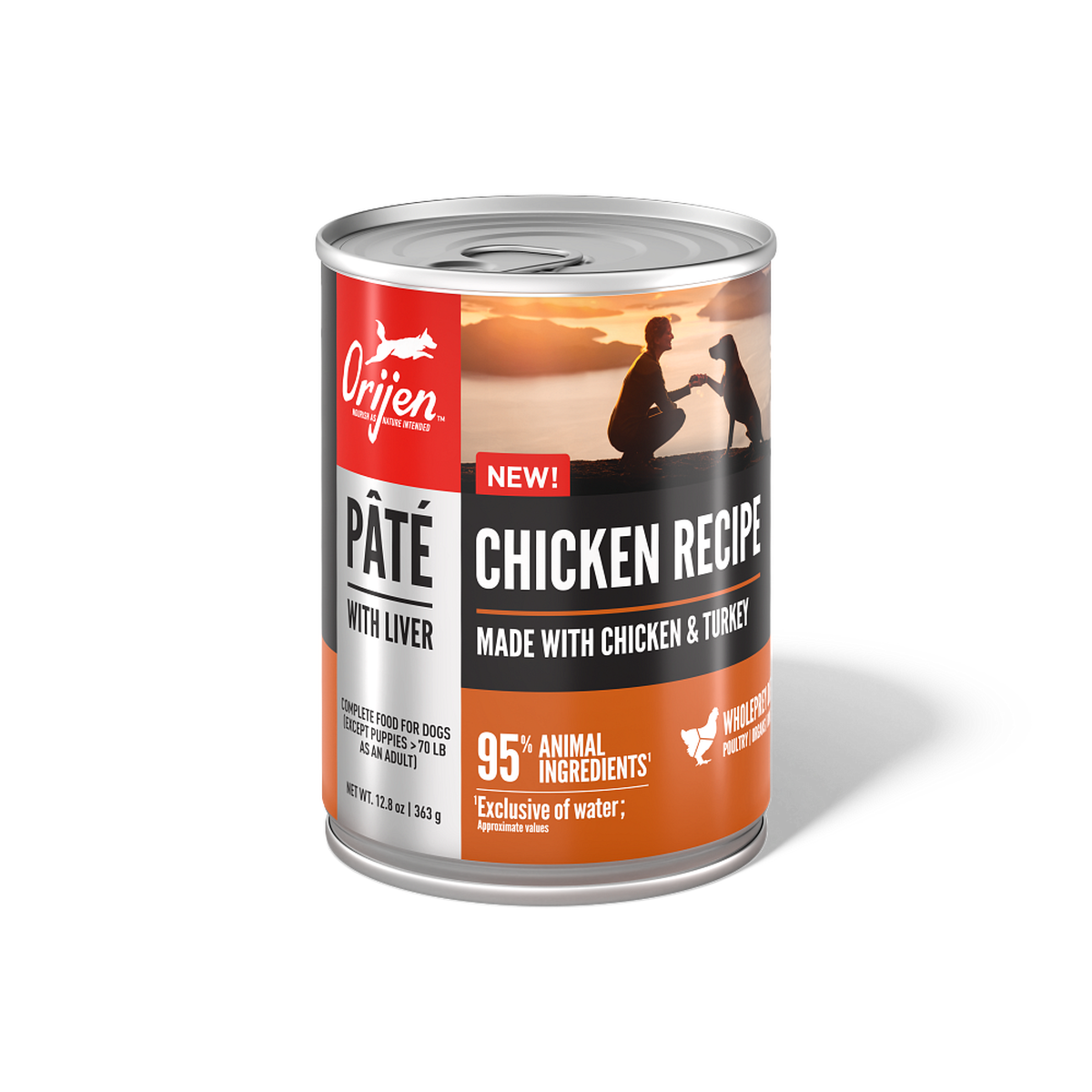
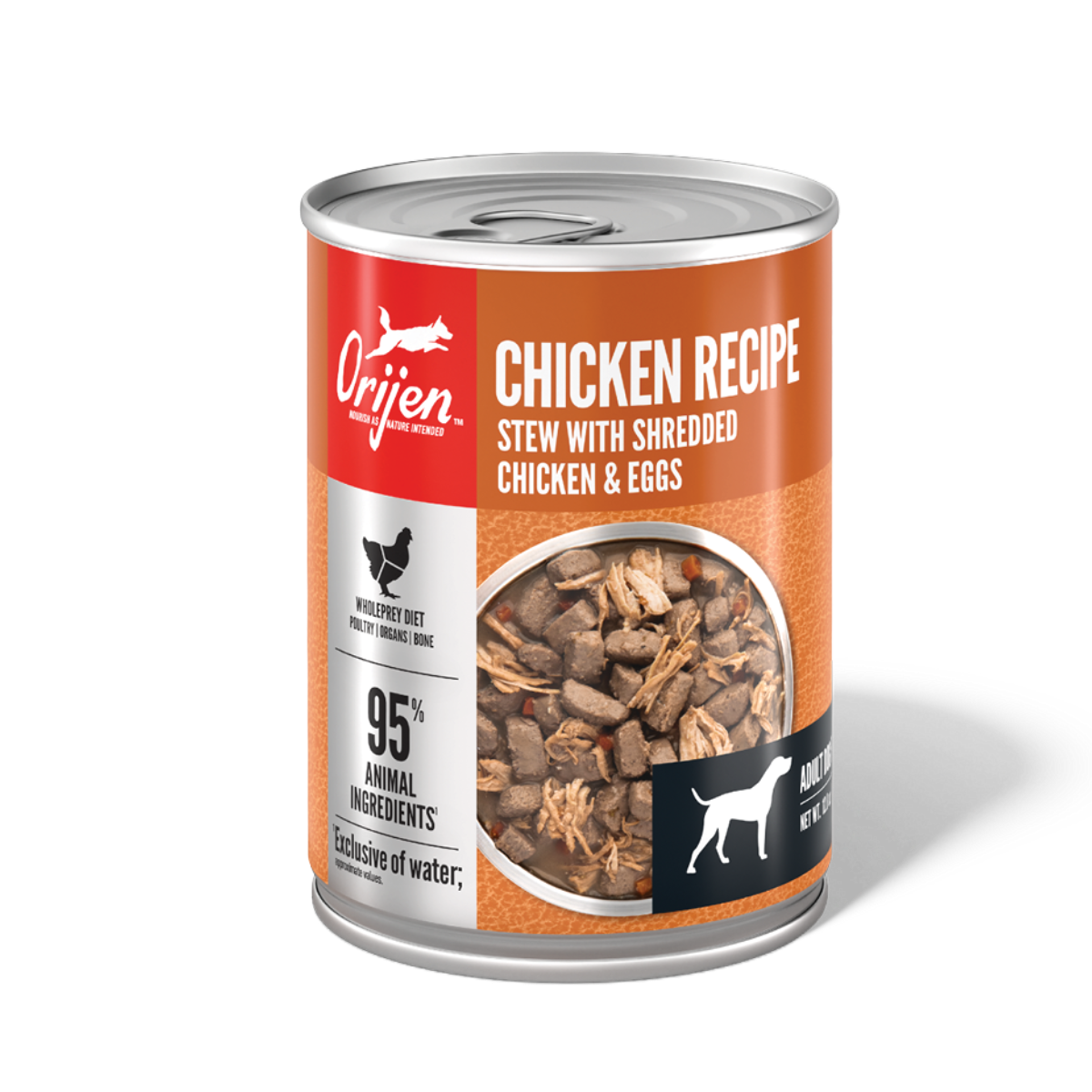
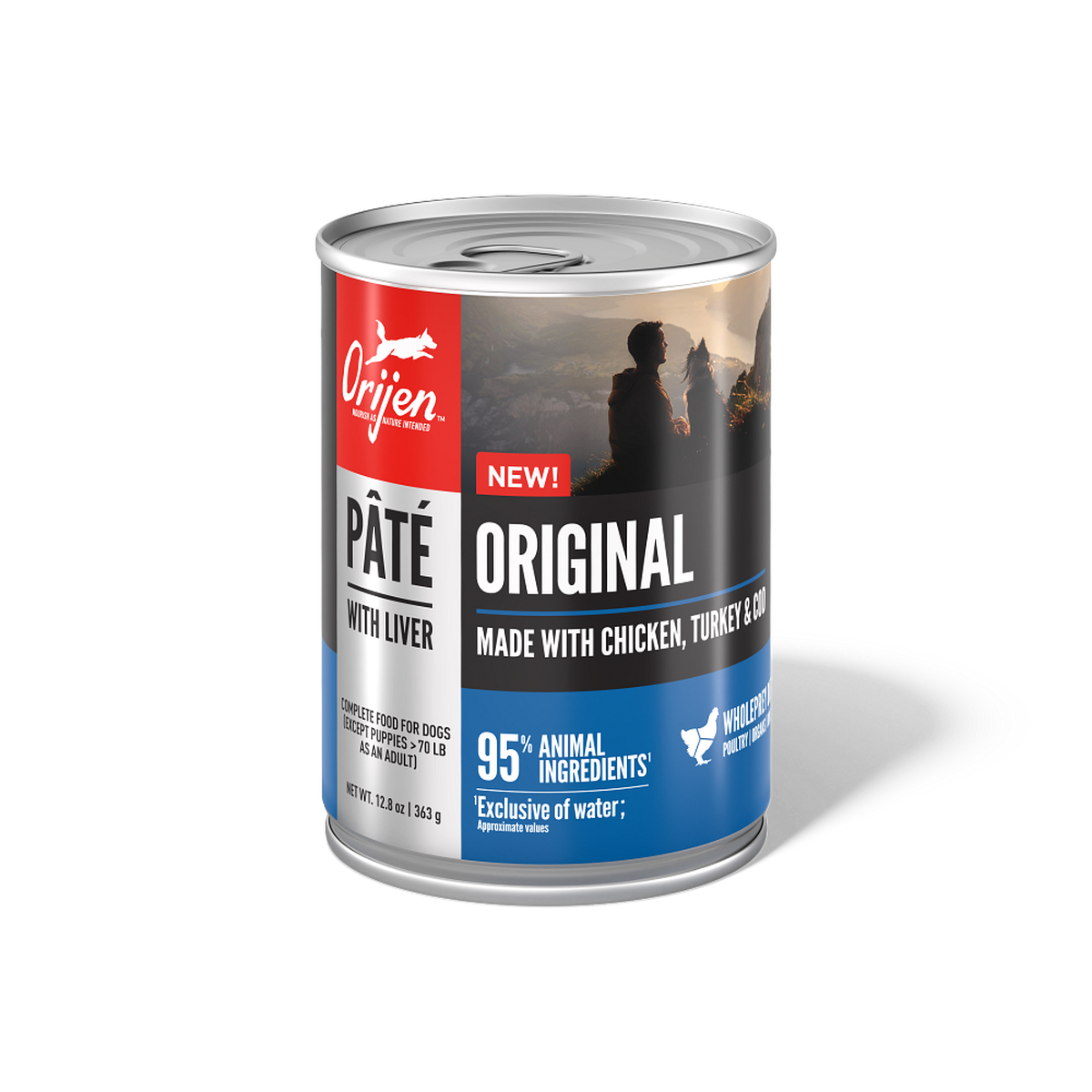
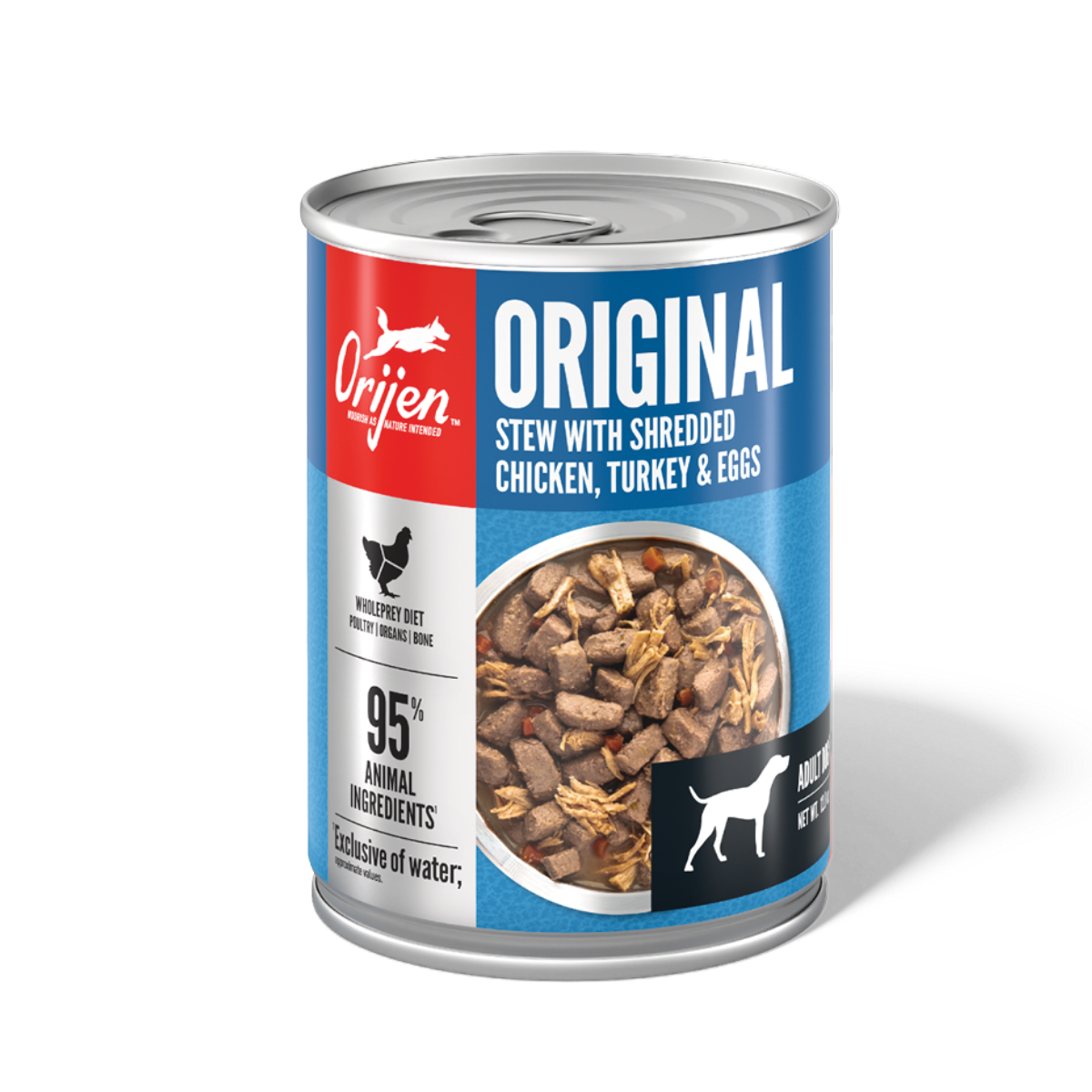
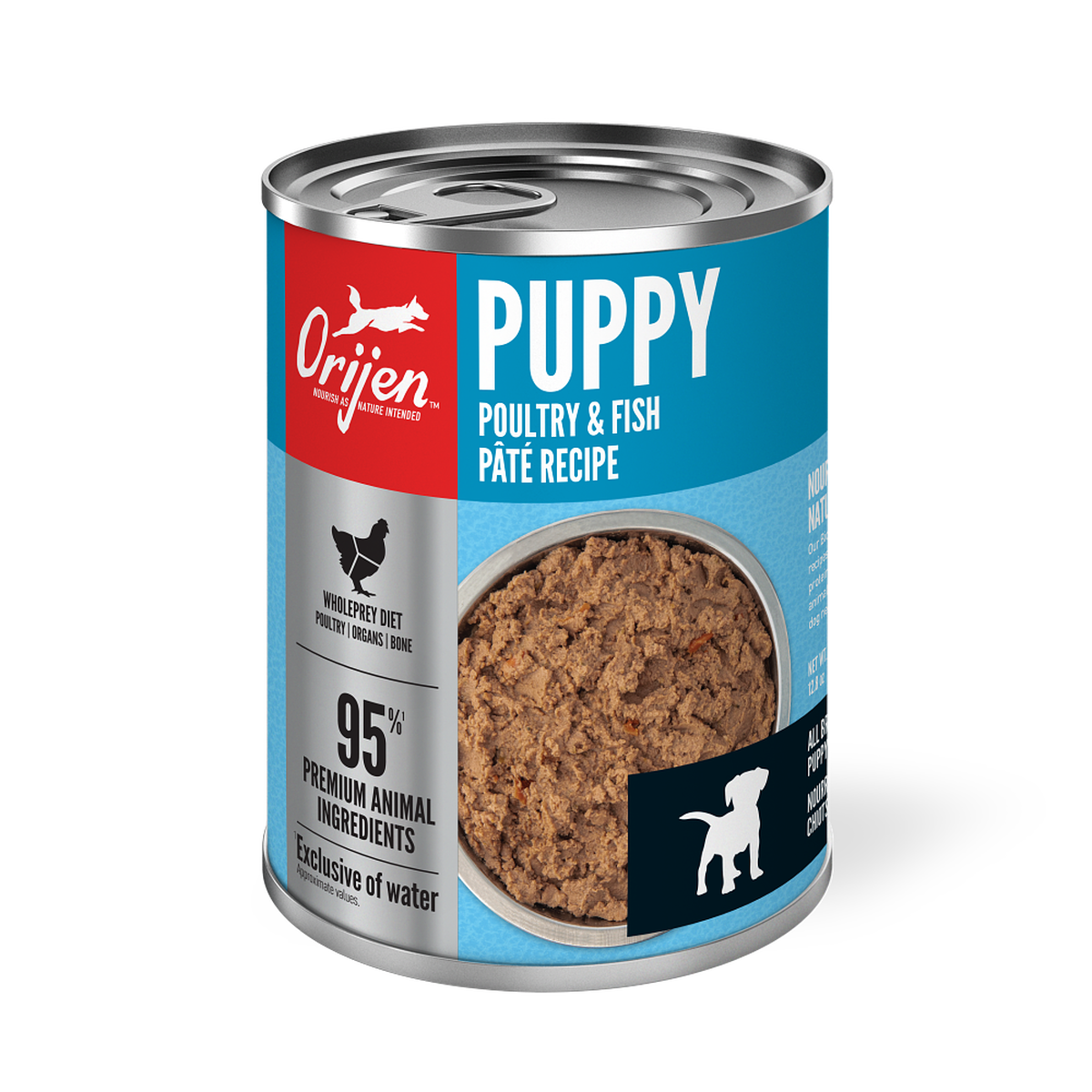
411 foods in the KibbleLab database contain Broccoli, including Nulo, Only Natural Pet, Open Farm.
Foods with Broccoli
Alphabetical by brand. Scores run 0 to 10, higher is better, on published veterinary science.



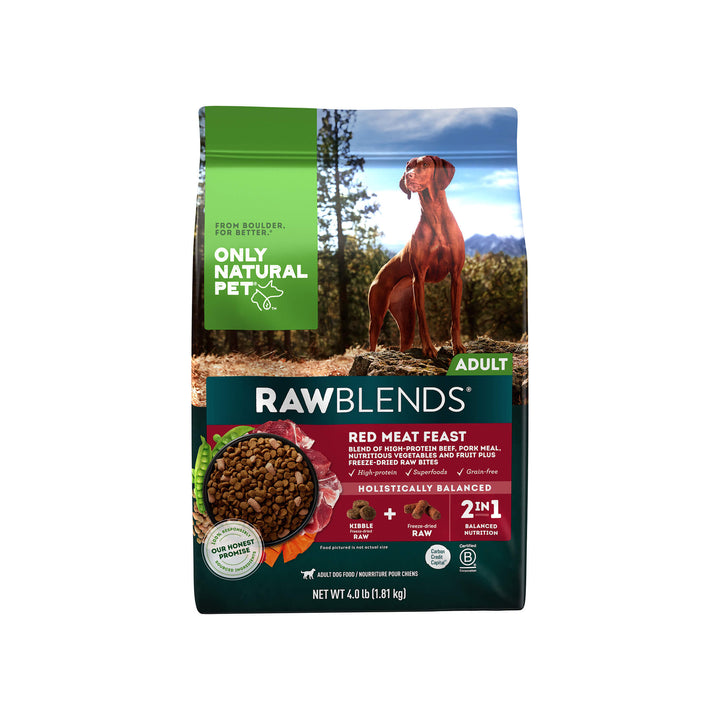
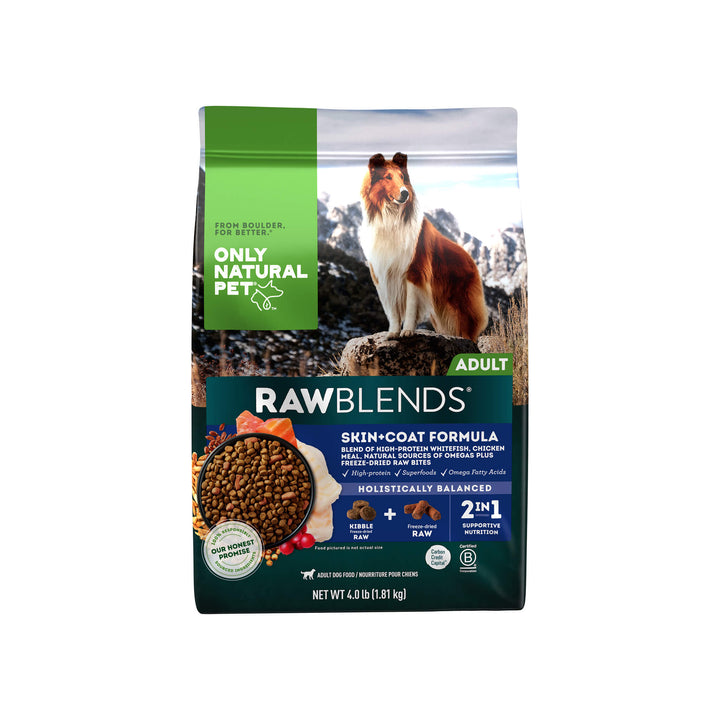
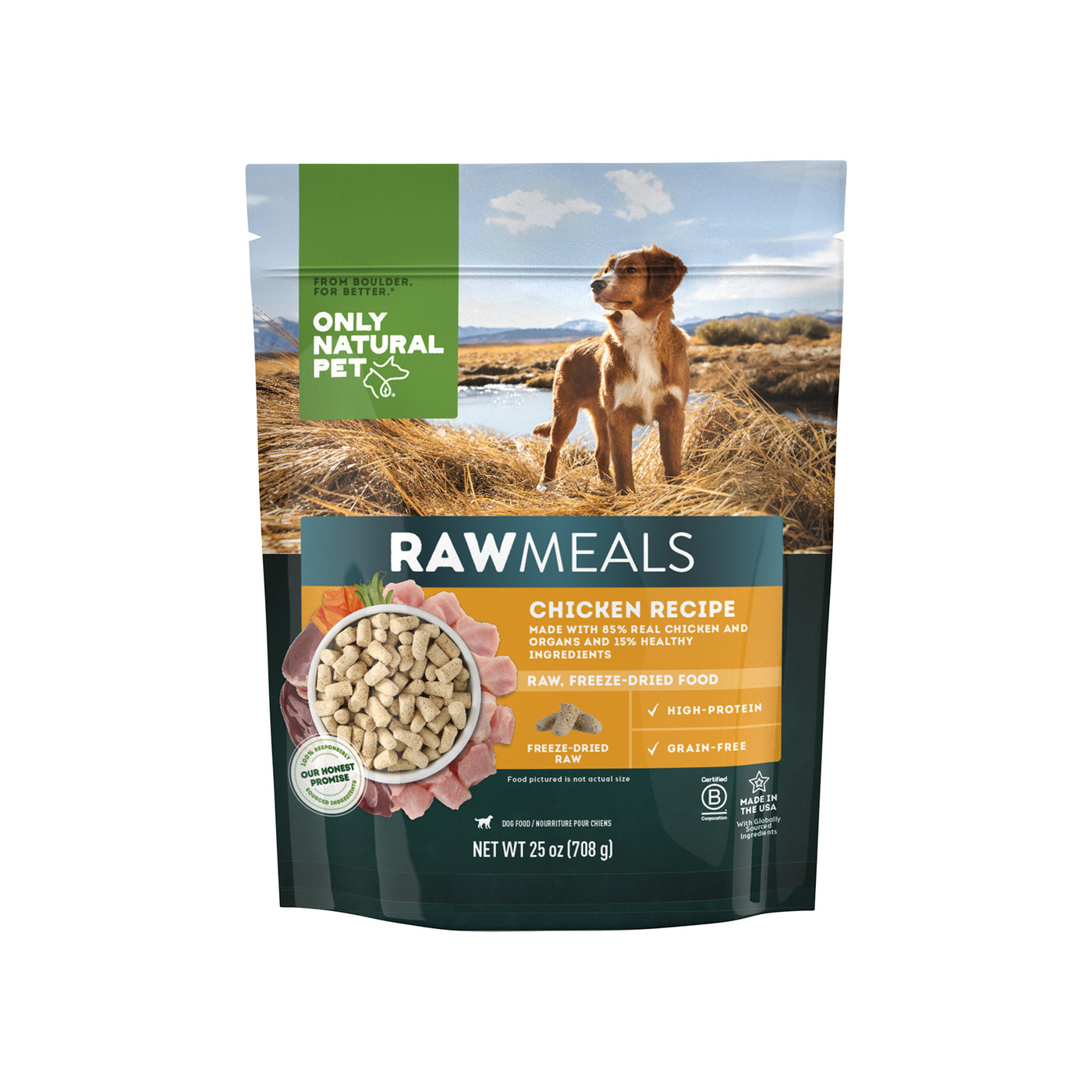





Find the right food for your pet
Sign in free to sort and filter by score, and avoid or require Broccoli in the Food Finder. Add KL+ to see these foods ranked for your pet's breed, age, and health focus.

 Continue with Google
 Continue with Facebook