Butternut Squash
150 foods contain this ingredient
This is an alphabetical list, not a ranking. Add KL+ to rank foods for your pet in the Food Finder.
About Butternut Squash
Butternut squash is an orange winter squash added to pet food to supply fiber, complex carbohydrates, and beta-carotene.
Butternut squash is a cooked vegetable ingredient used in pet foods as a source of soluble and insoluble fiber, complex carbohydrates, and antioxidants (notably beta‑carotene/vitamin A), often included to aid digestion, add moisture, and support healthy weight management. It can benefit dogs and, to a lesser extent, cats by supplying fiber, vitamins A and C, and potassium, but should be cooked and seedless for digestibility, used sparingly in diabetic animals due to carbohydrate content, and treated as a complement to—not a replacement for—animal-based protein.
Related ingredients
- Derived from
- flesh of the Cucurbita moschata (butternut) squash, cooked and seedless
- Primary role
- fiber and beta-carotene (vitamin A precursor) source, carbohydrate filler
Why it's used
Butternut squash is valued in formulations for its dense beta-carotene content, which dogs can convert to vitamin A (cats convert it poorly and need preformed vitamin A from other sources), along with soluble fiber that adds bulk and moisture to help regulate digestion. Its naturally sweet flavor when cooked also makes it a palatable carbohydrate base in recipes designed around limited or novel ingredients.
Common concerns
- Carbohydrate load One cup of raw butternut squash contains roughly 15 grams of net carbohydrates, making moderate portioning a consideration for owners managing a pet's total carbohydrate intake.
- Raw or unpeeled preparation Sources recommend cooking butternut squash and removing the skin and seeds before feeding, since raw squash is harder to digest.
Also relevant
The ASPCA lists butternut squash as non-toxic to dogs, cats, and horses on its toxic and non-toxic plant database.
Common Questions
What category is Butternut Squash?
Butternut Squash is categorized as a vegetable ingredient in the KibbleLab database.
Is Butternut Squash part of an allergen group?
No allergen group is linked to Butternut Squash in the KibbleLab database.
Which foods contain Butternut Squash?
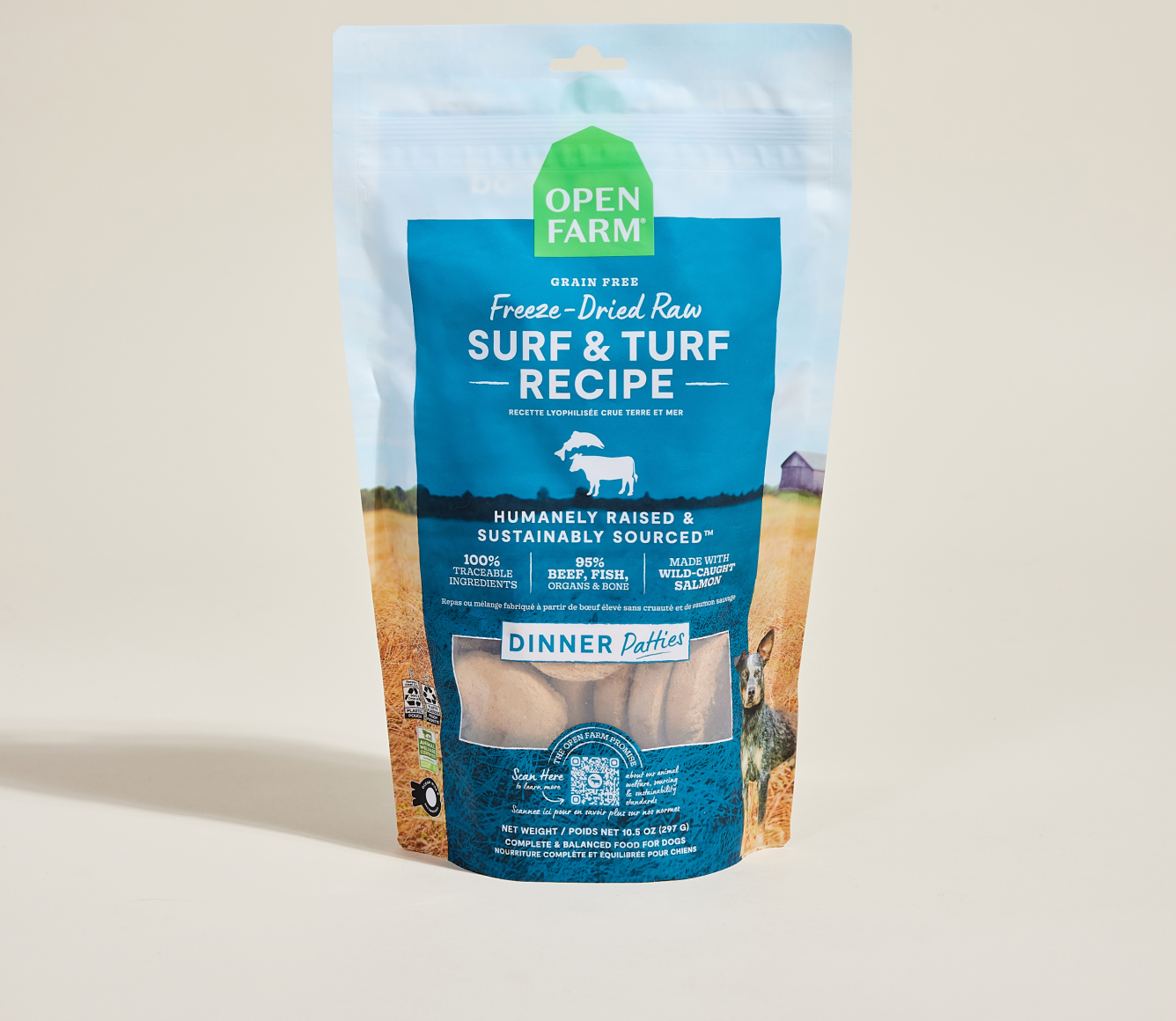
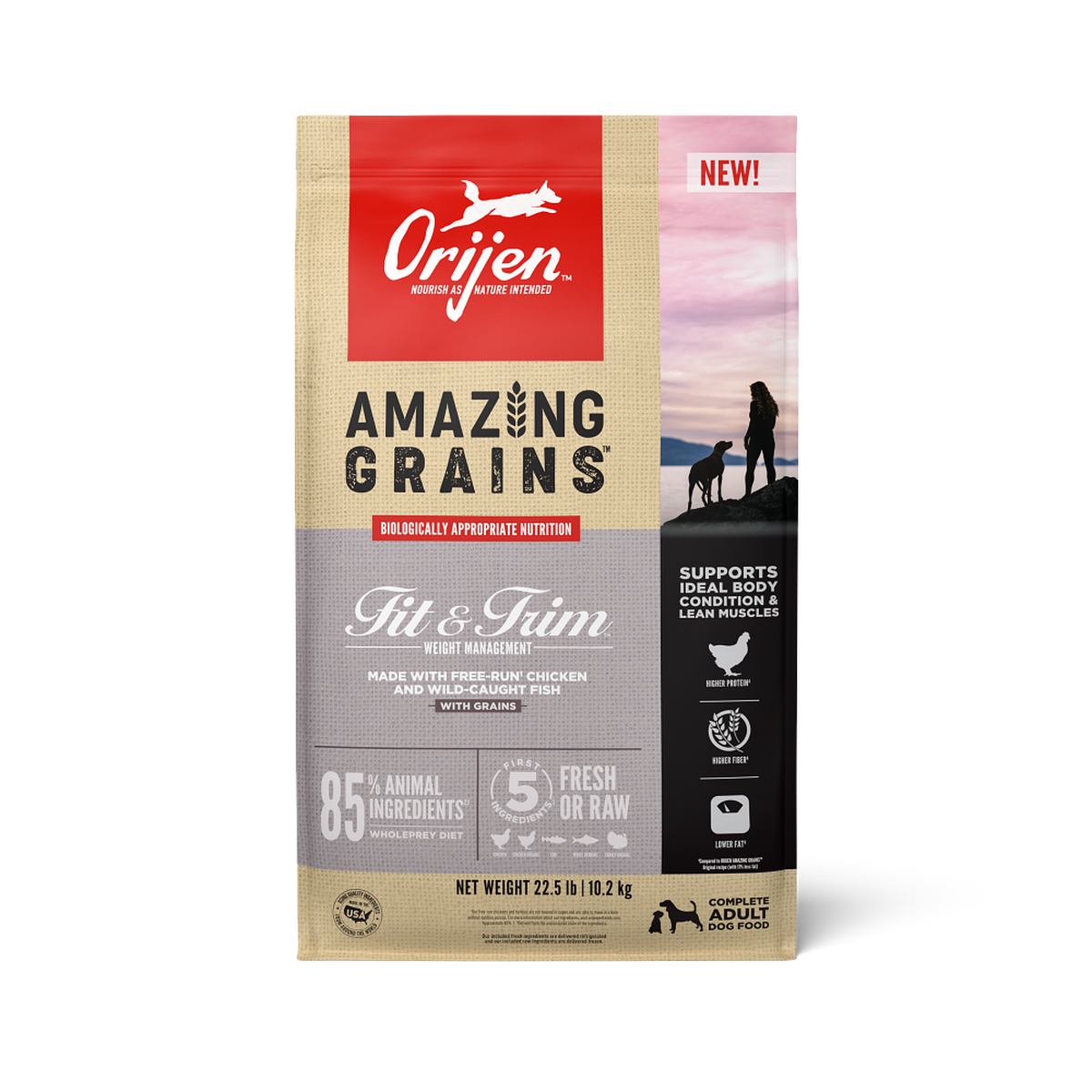
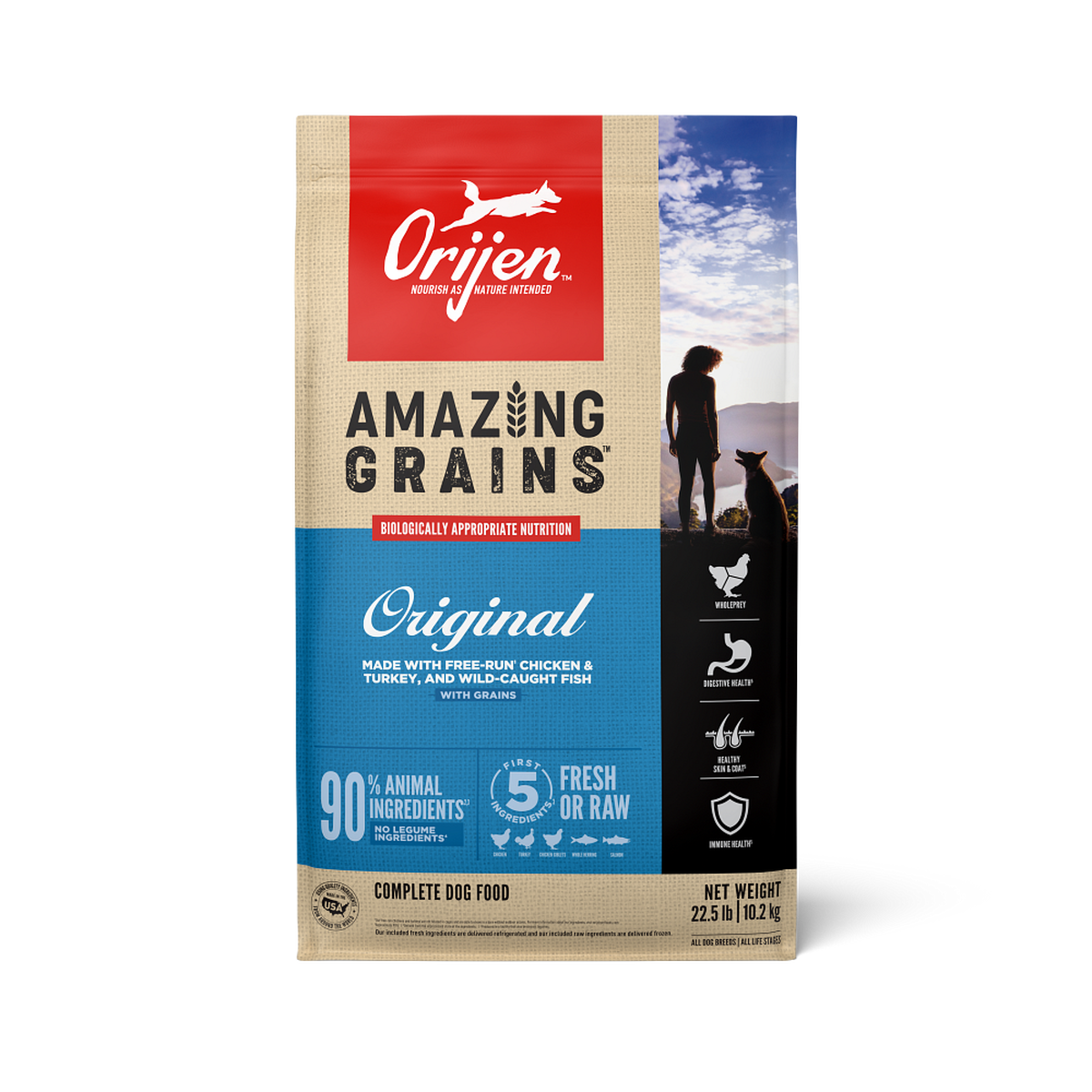
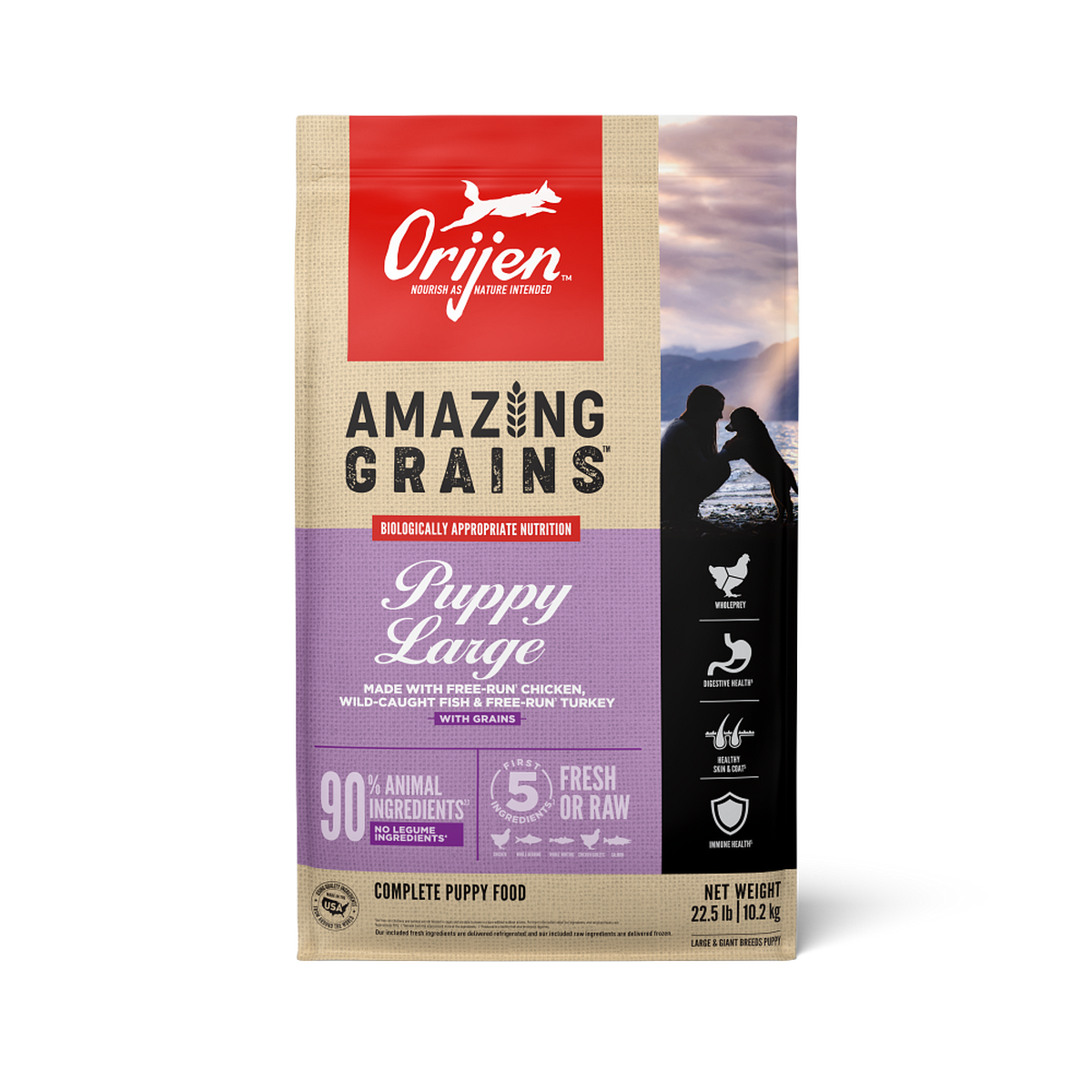
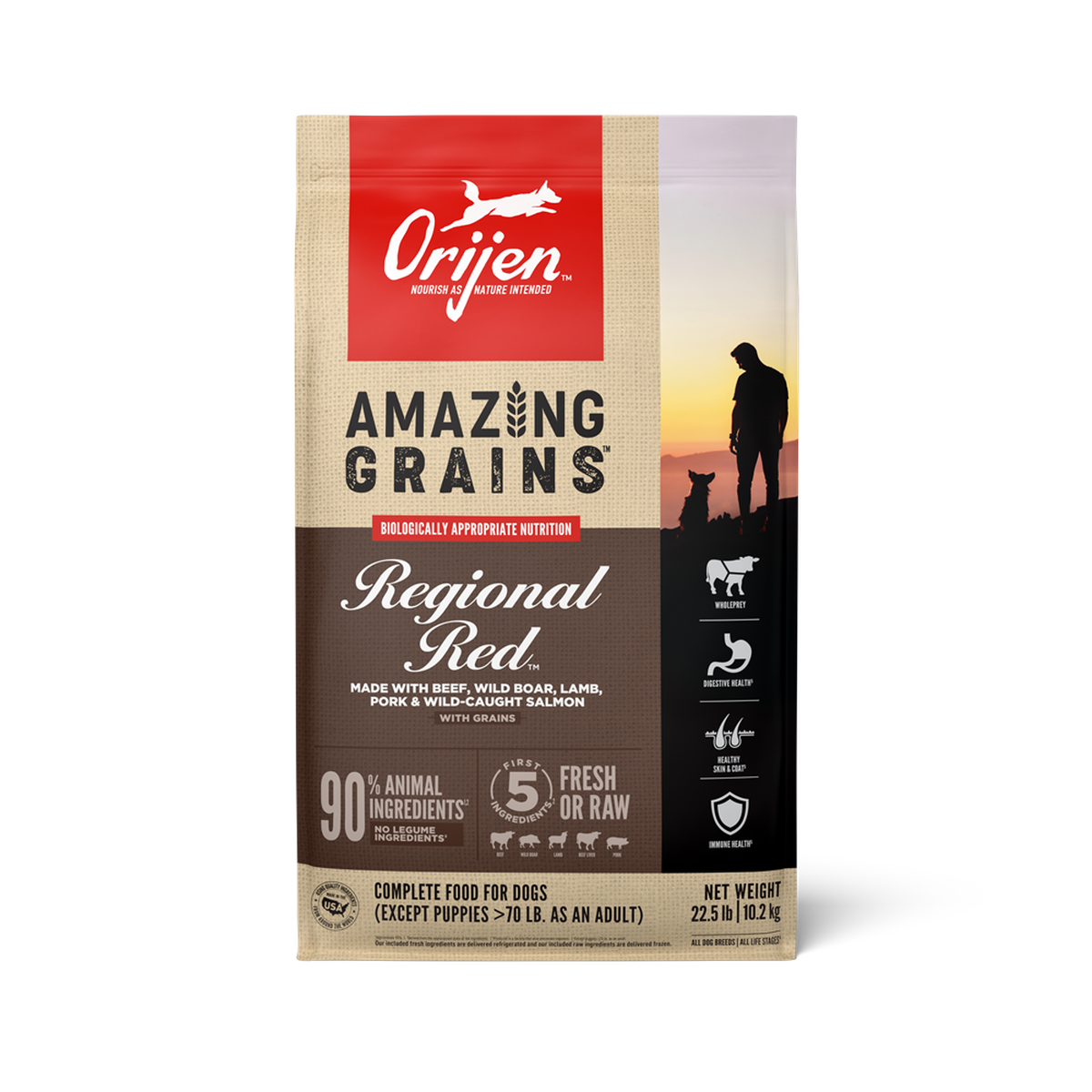
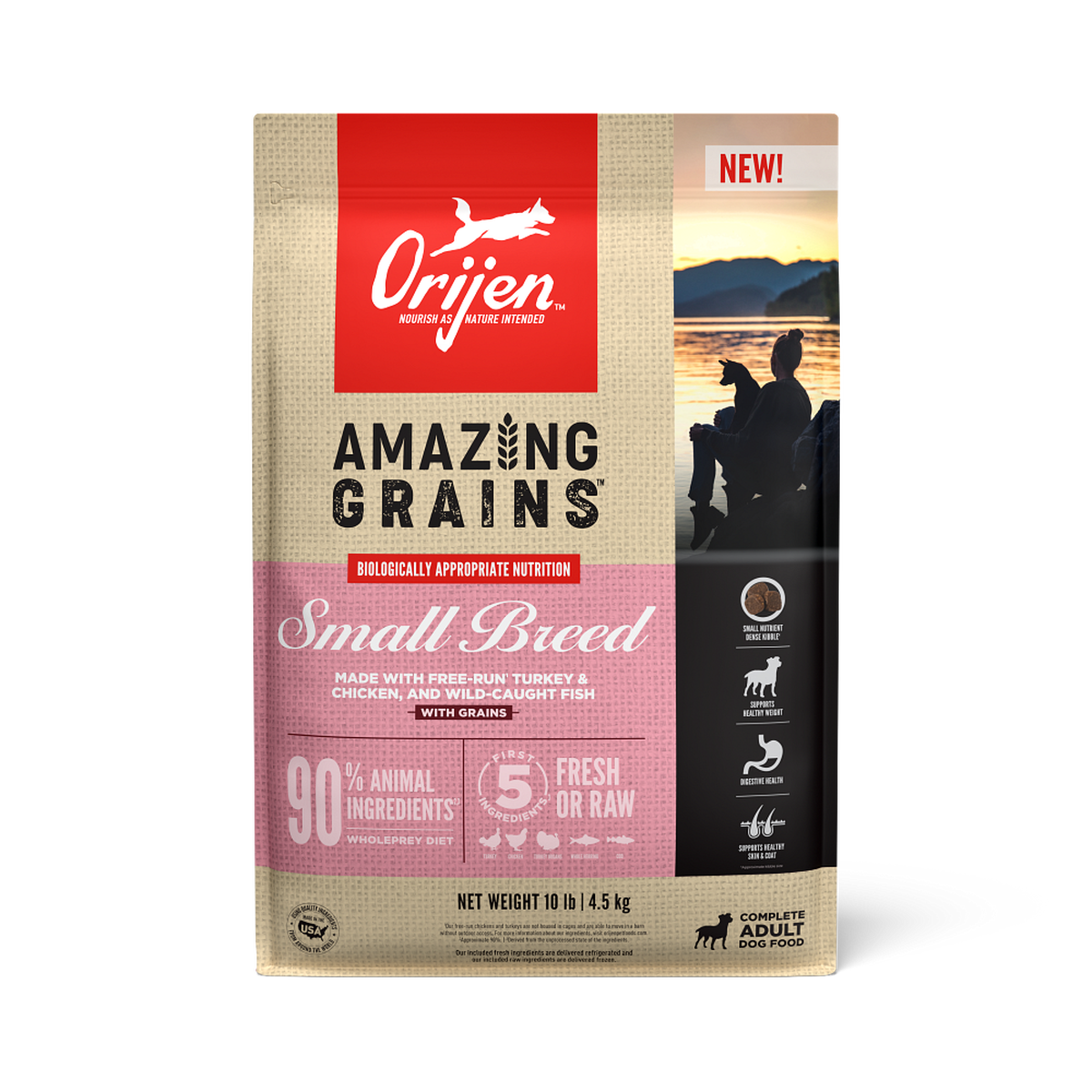
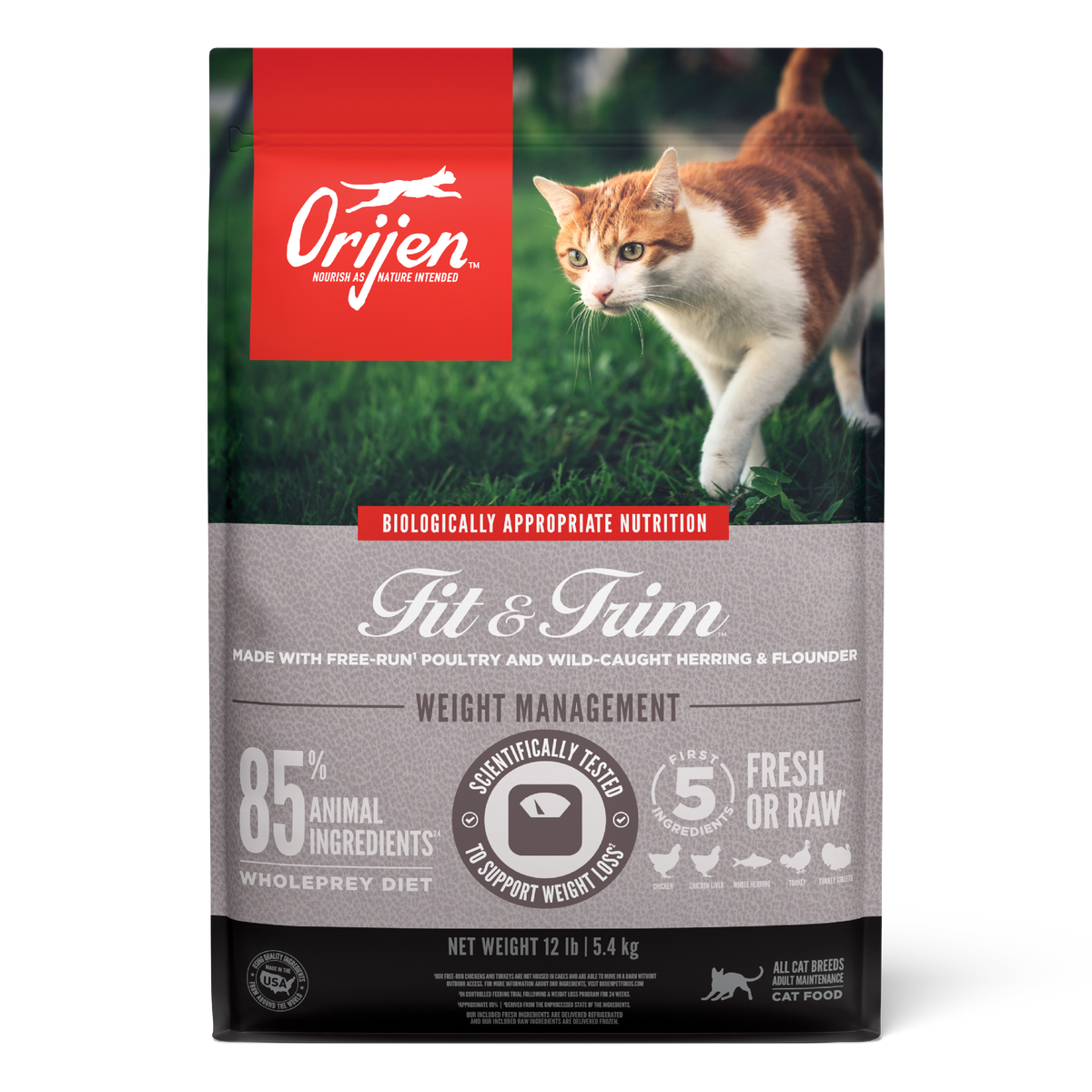
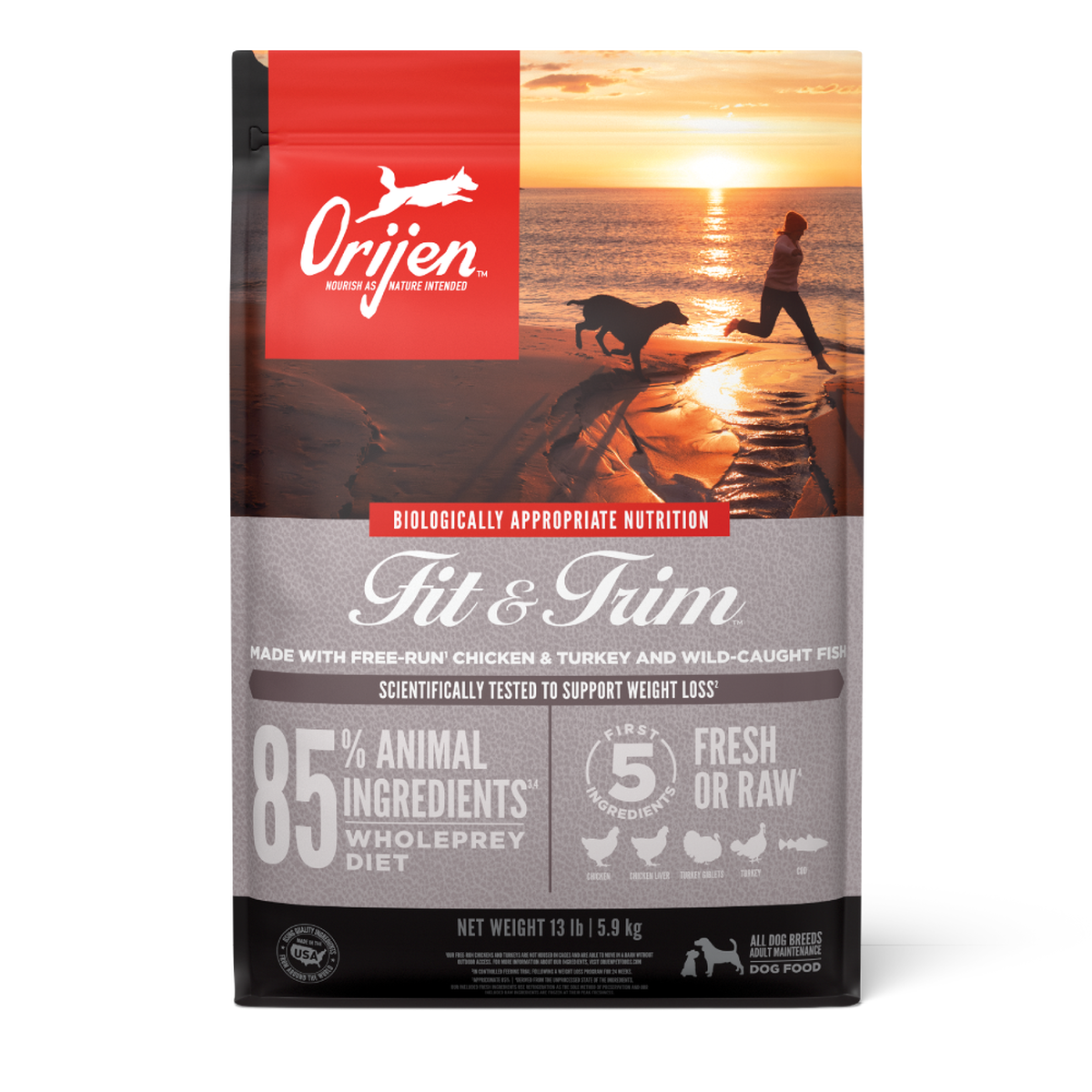
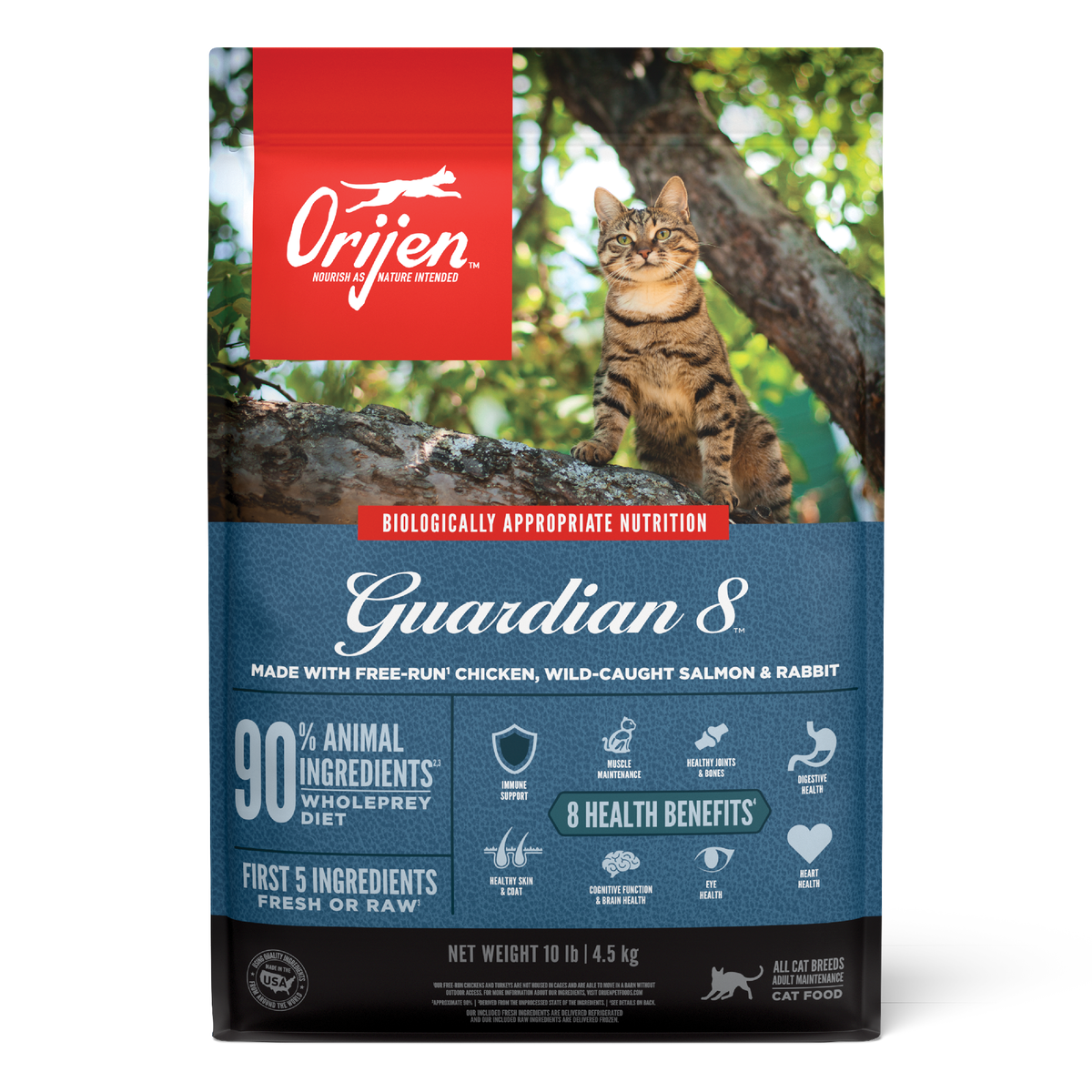
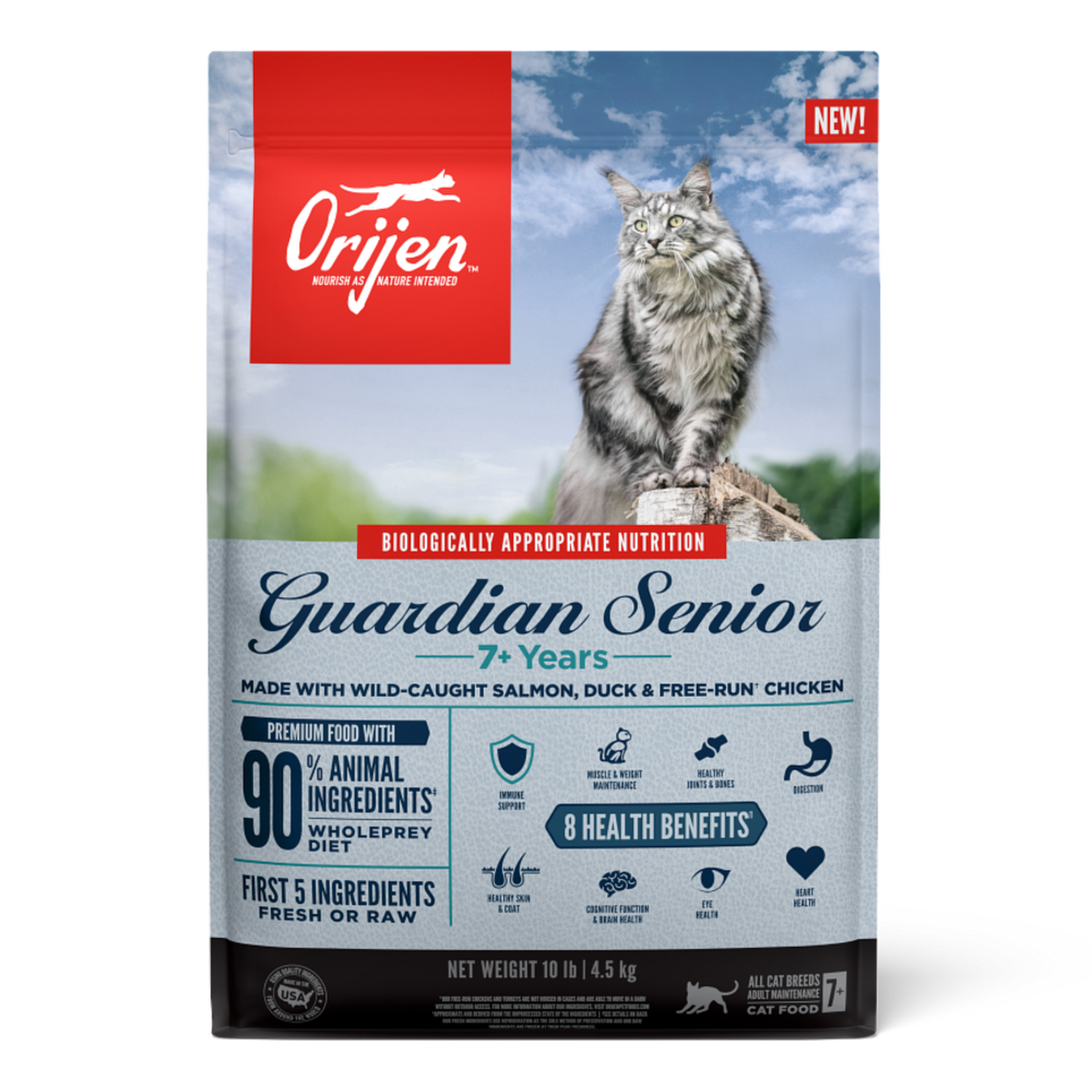
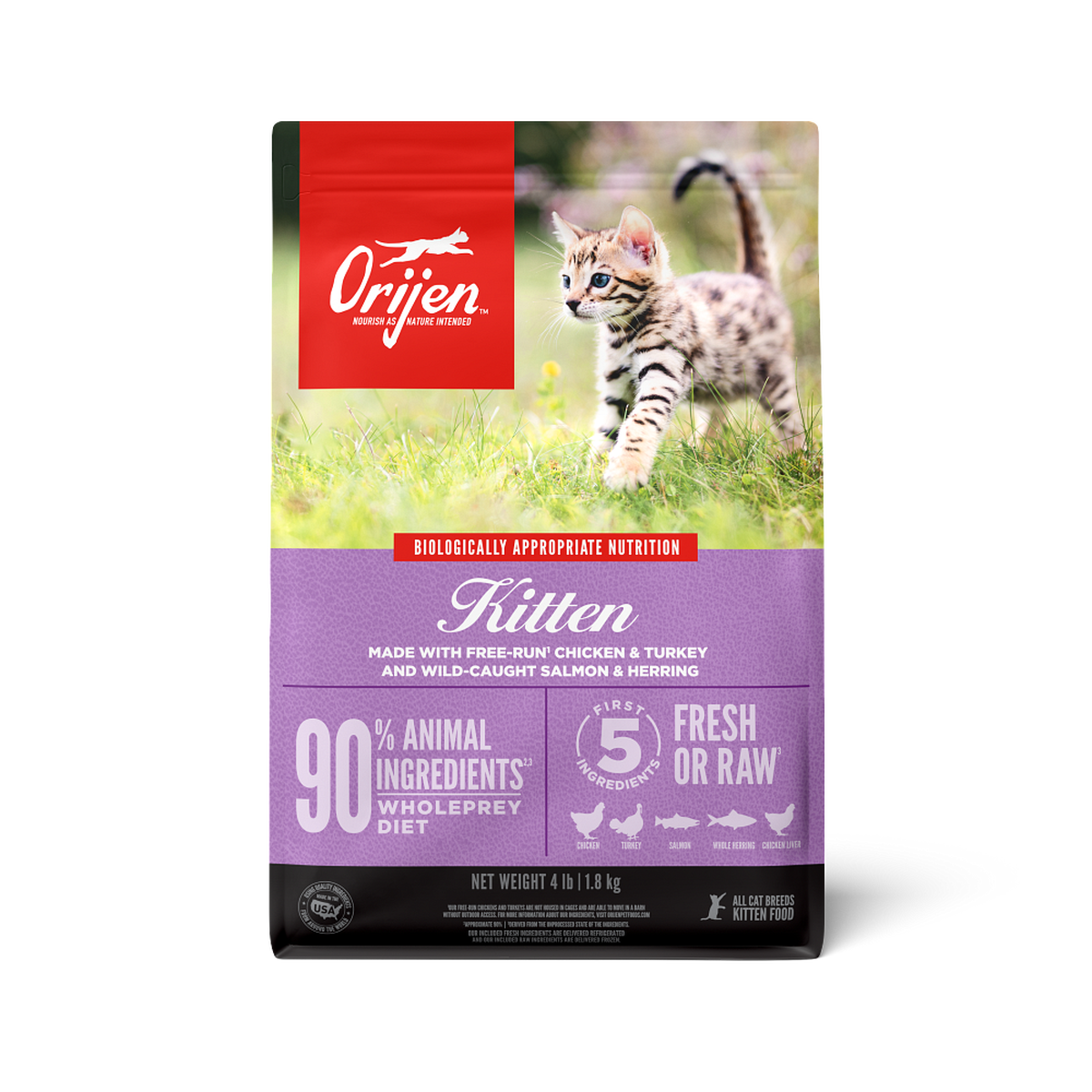
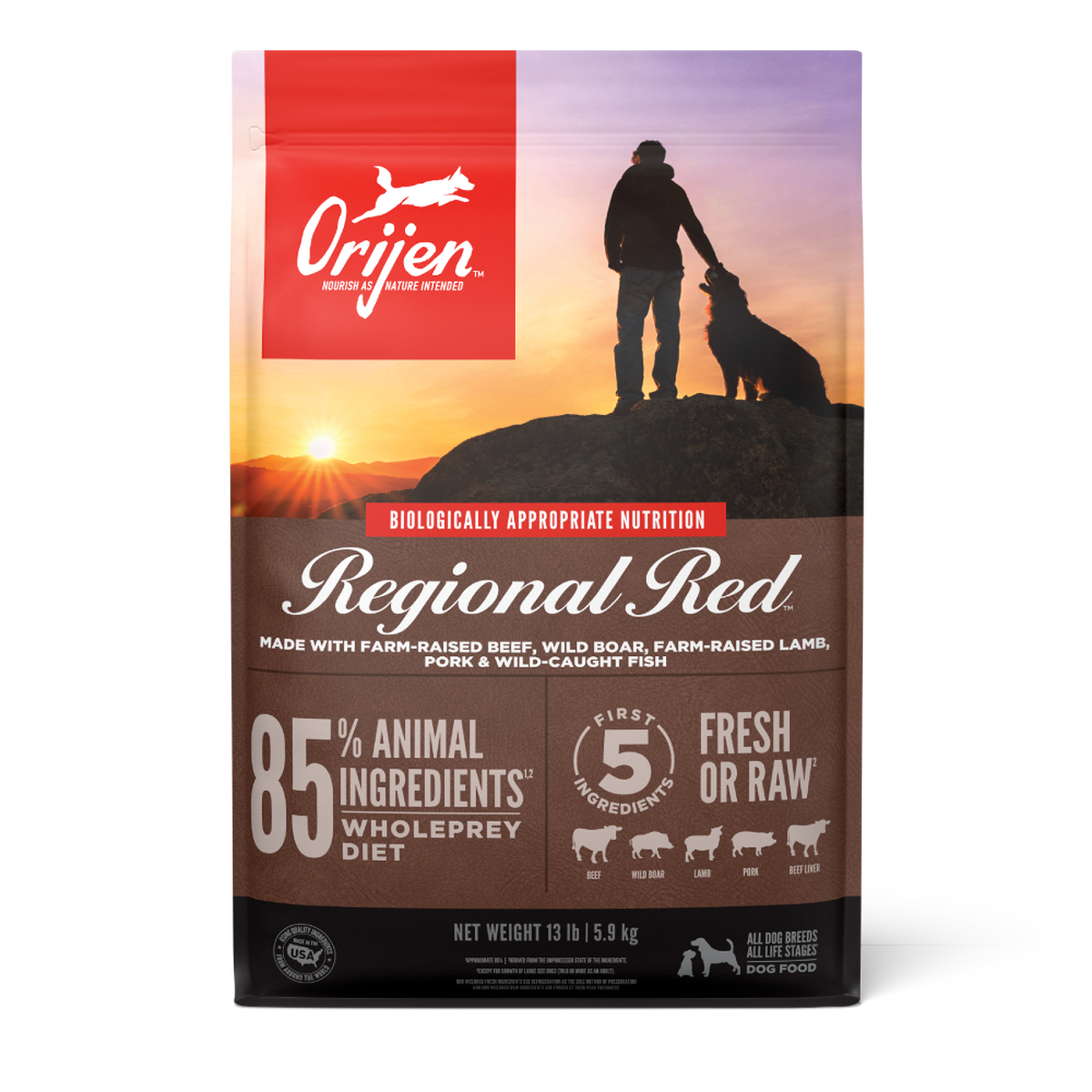
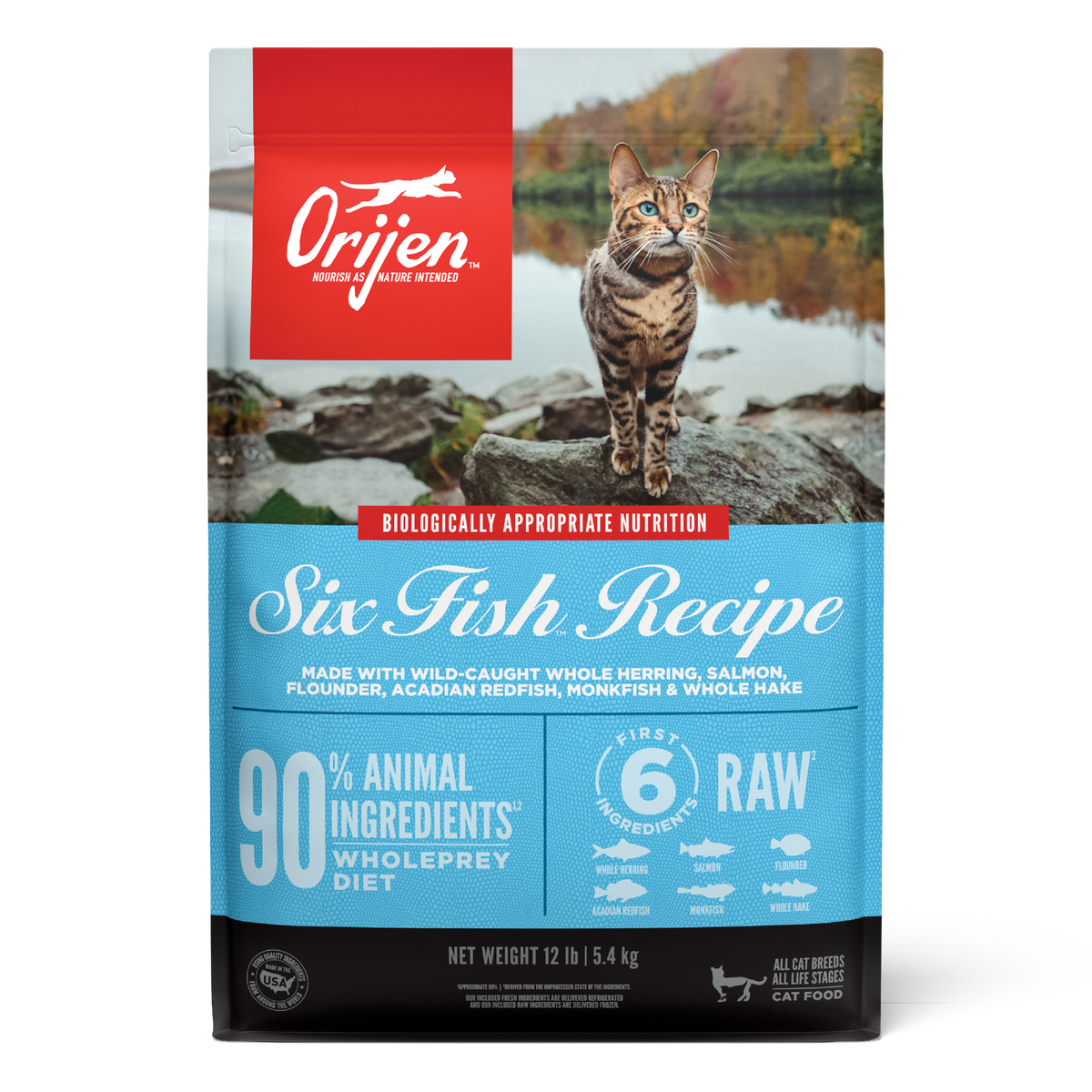
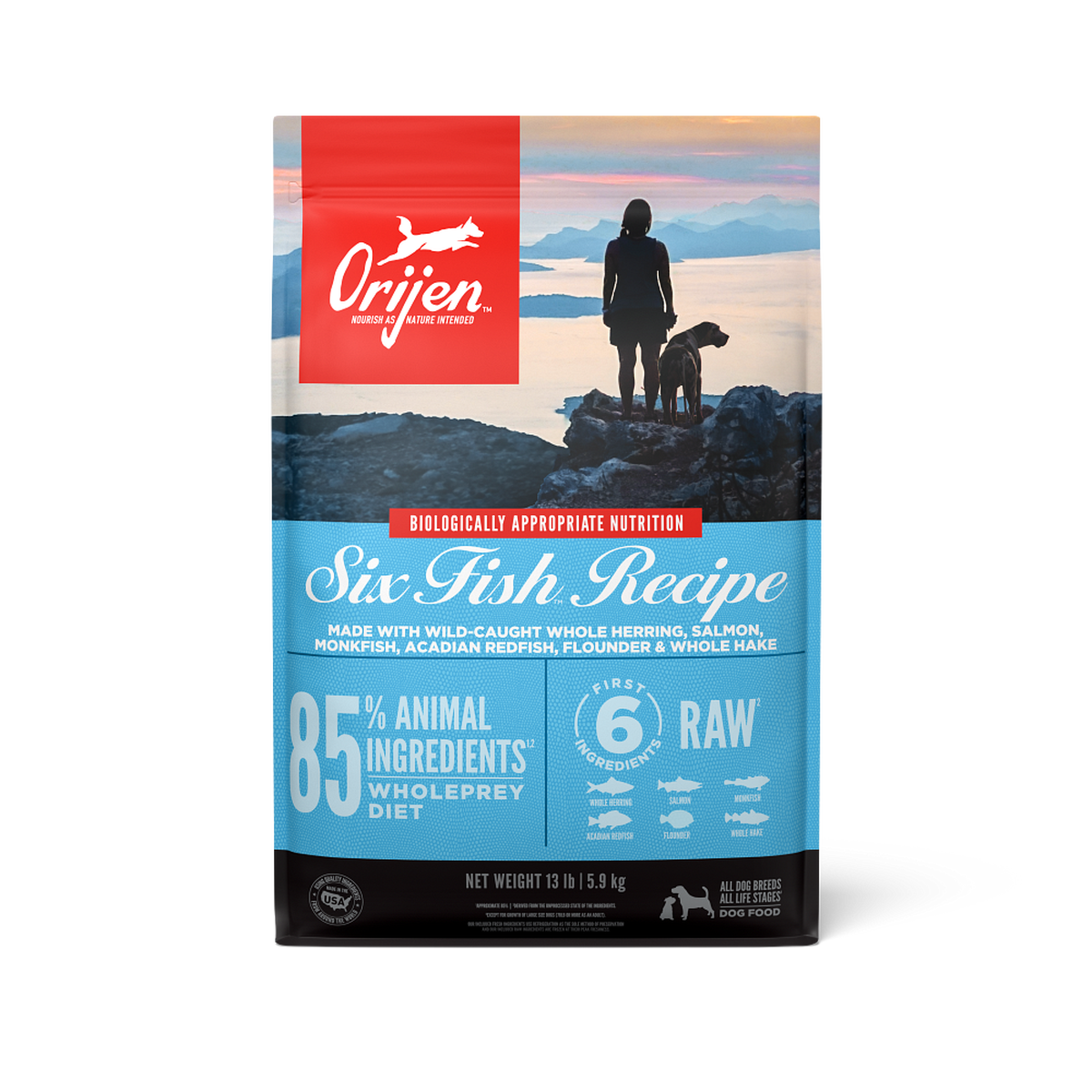
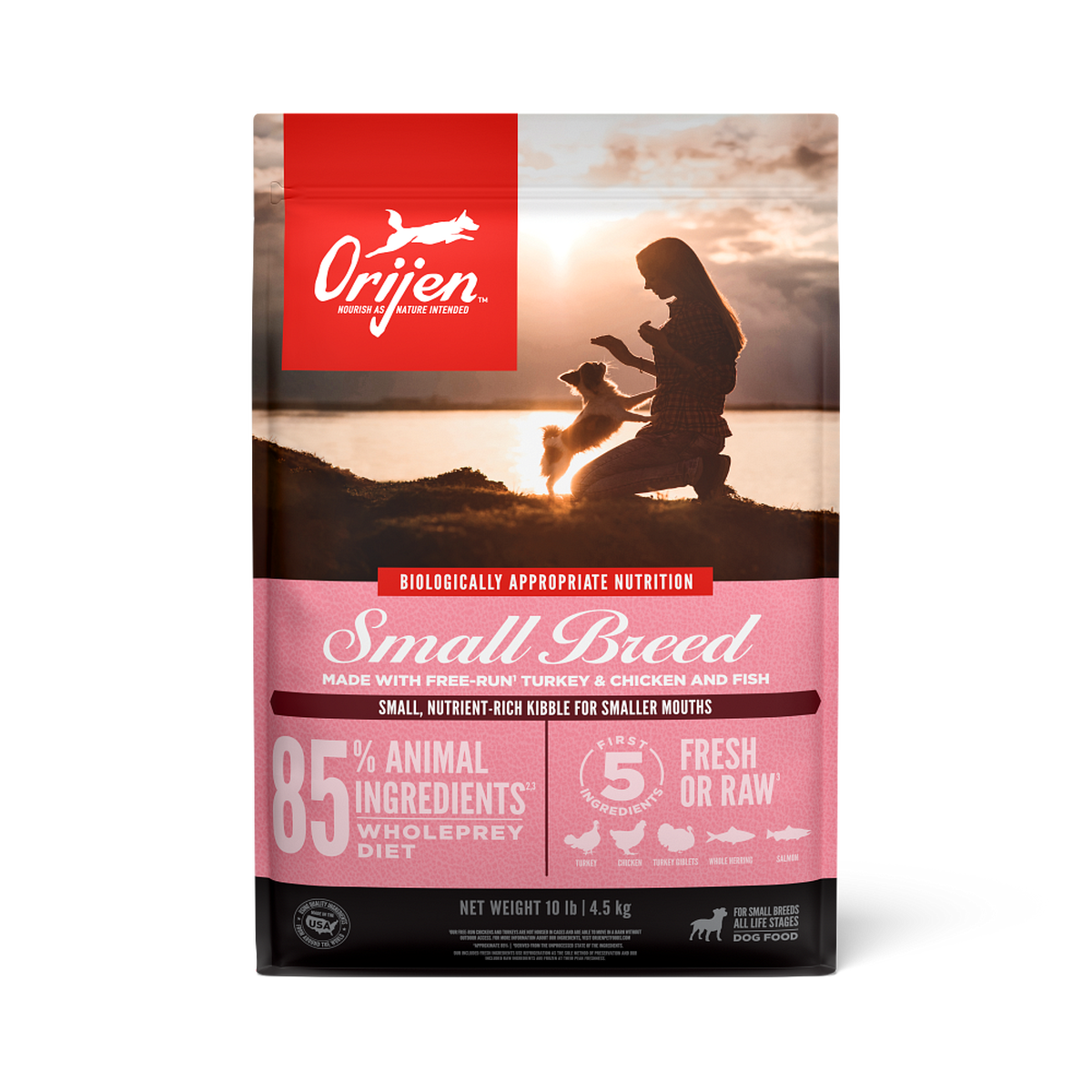
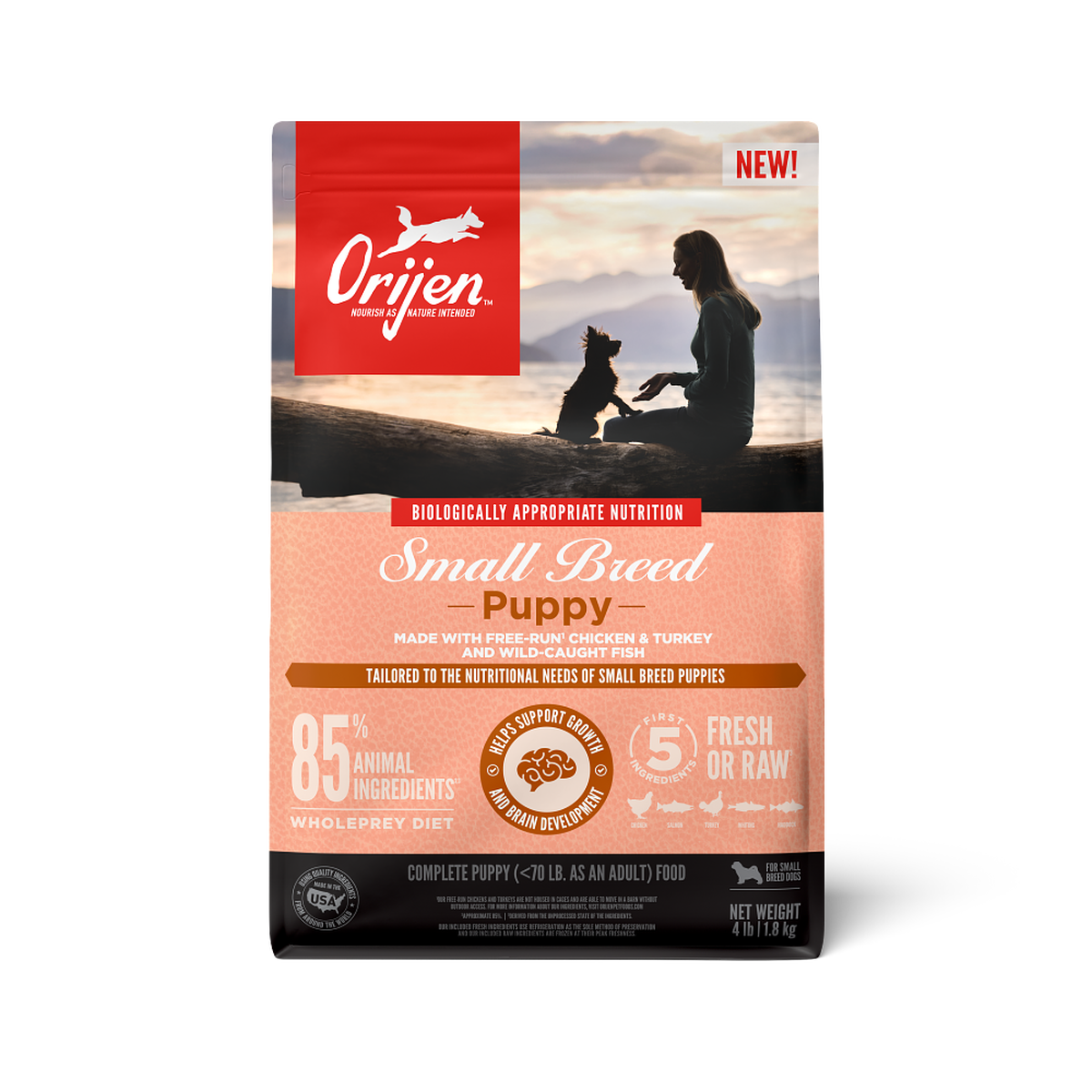
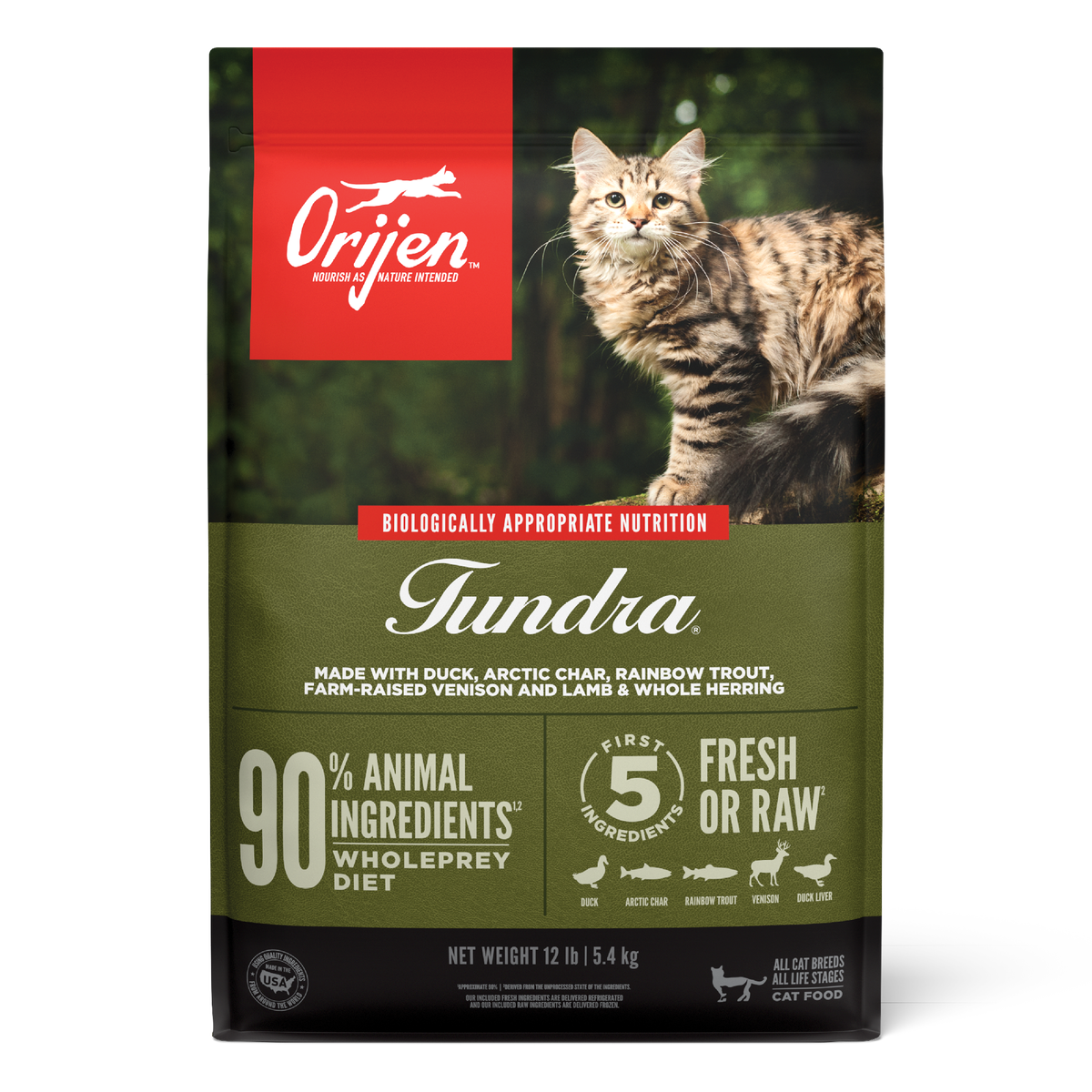
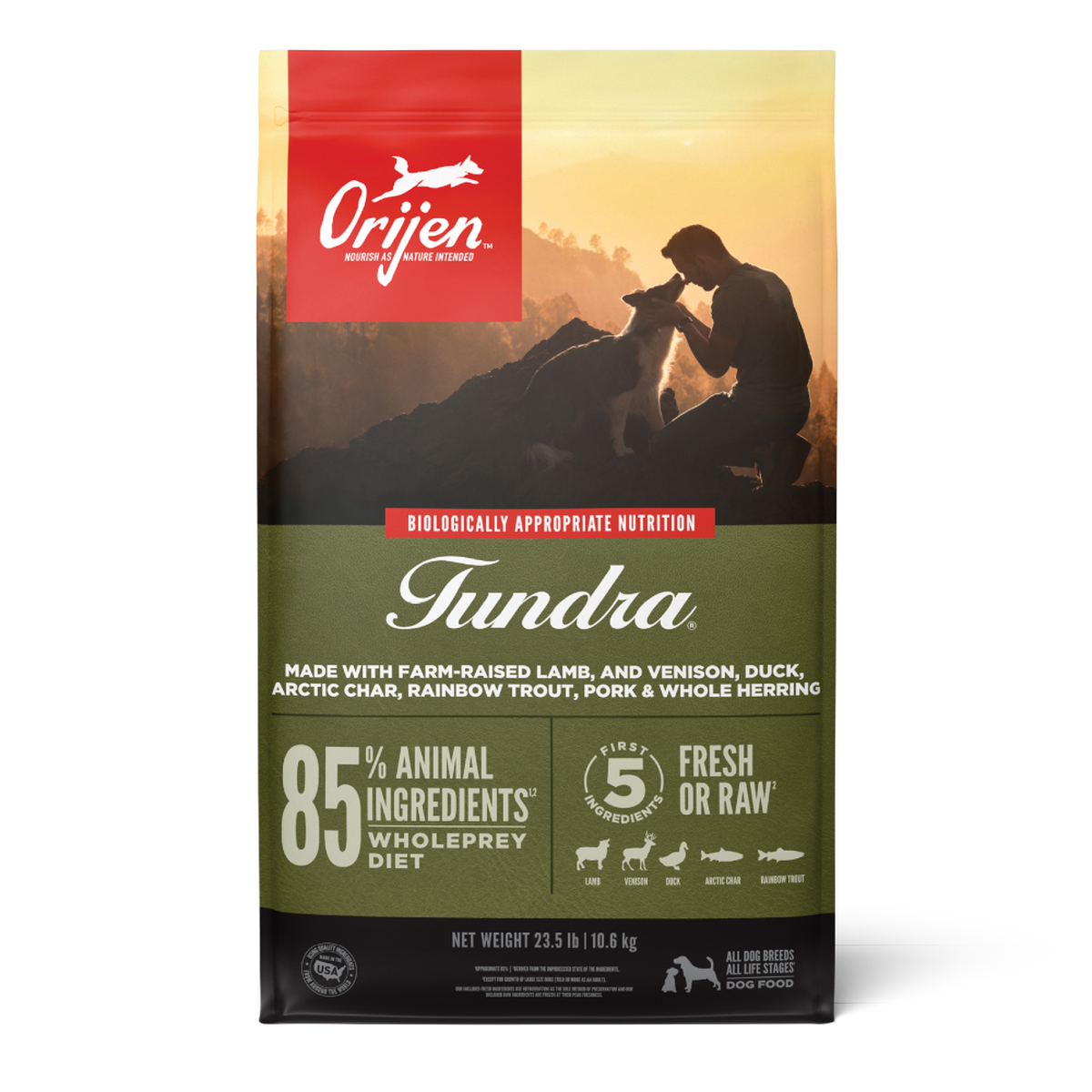
150 foods in the KibbleLab database contain Butternut Squash, including Open Farm, Orijen.
Foods with Butternut Squash
Alphabetical by brand. Scores run 0 to 10, higher is better, on published veterinary science.
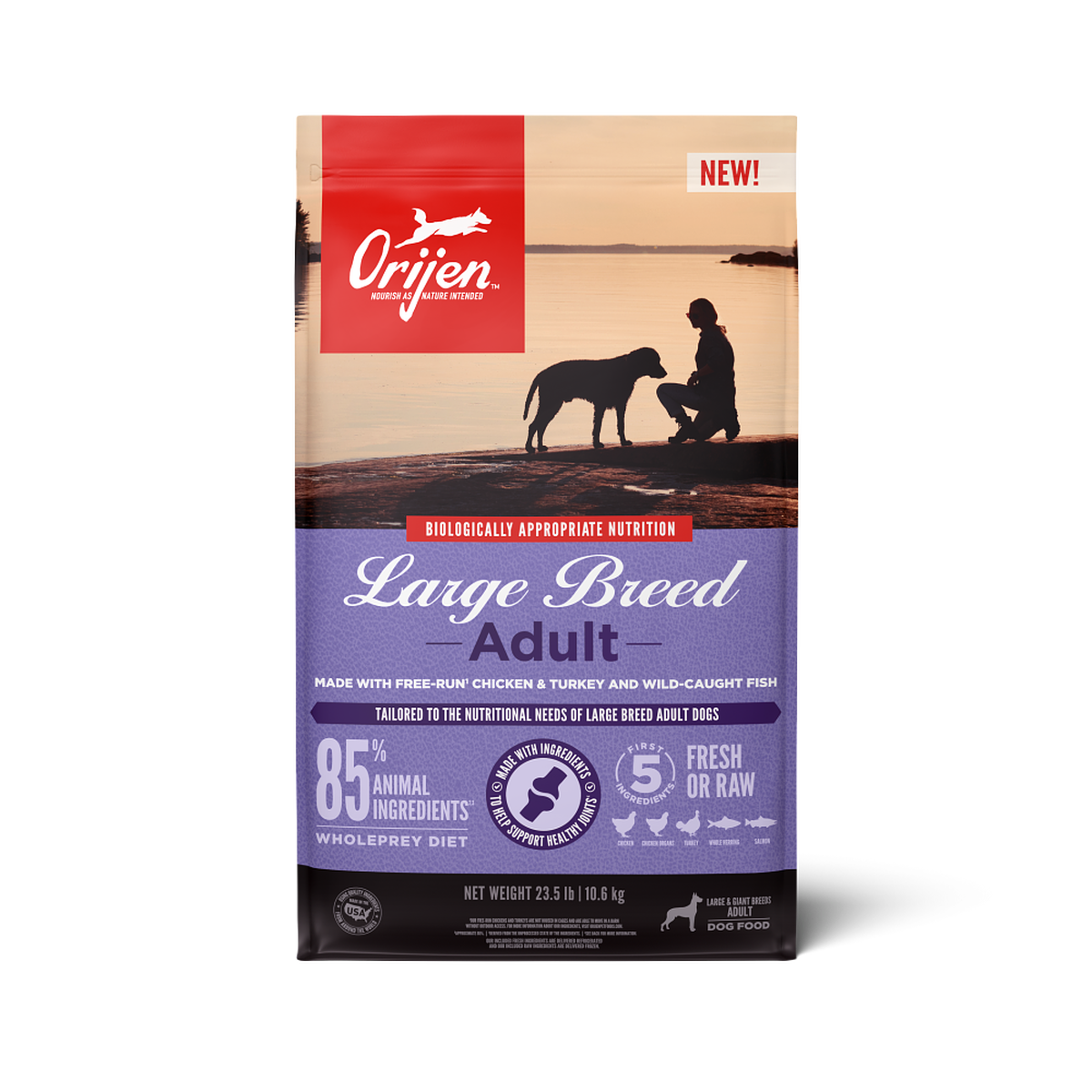
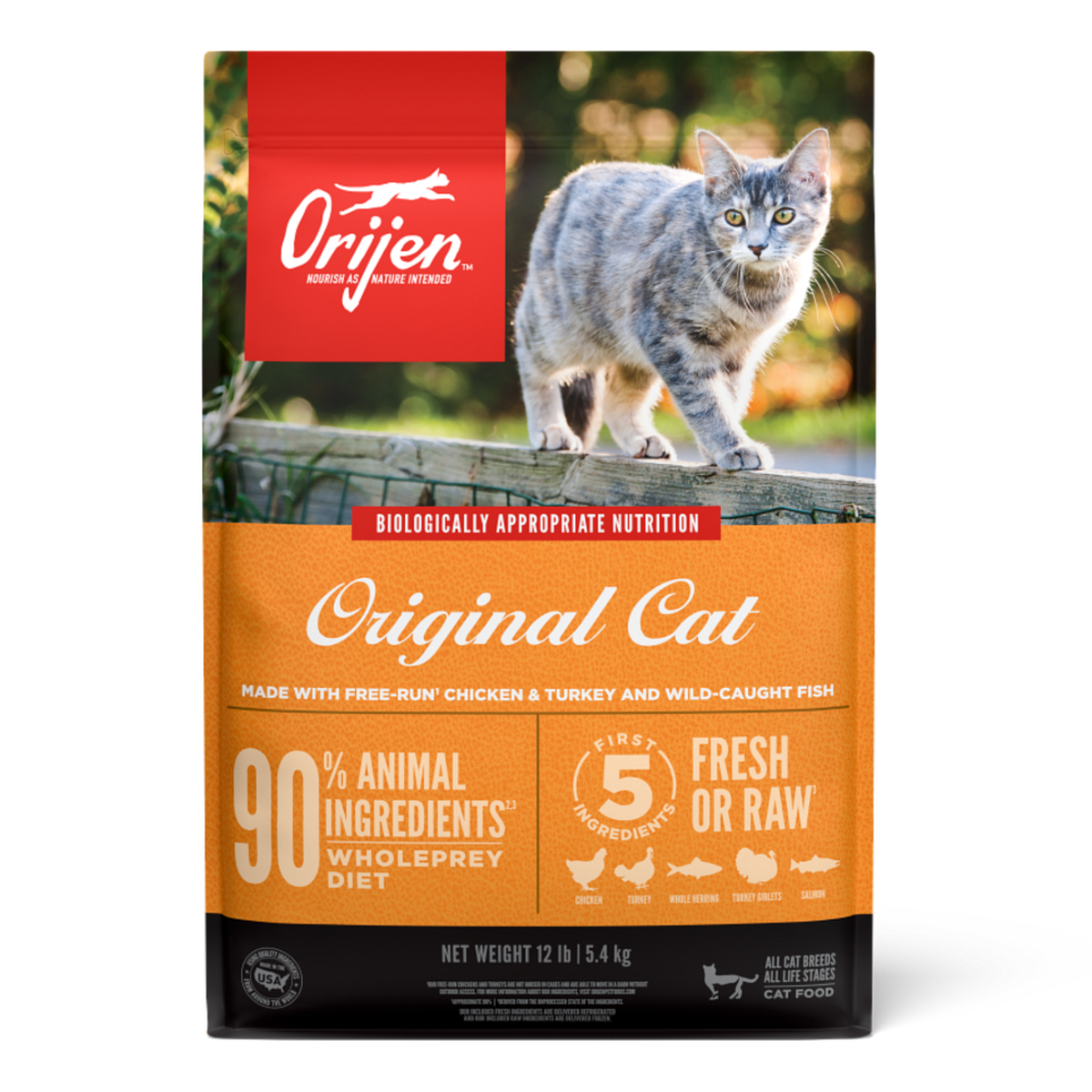

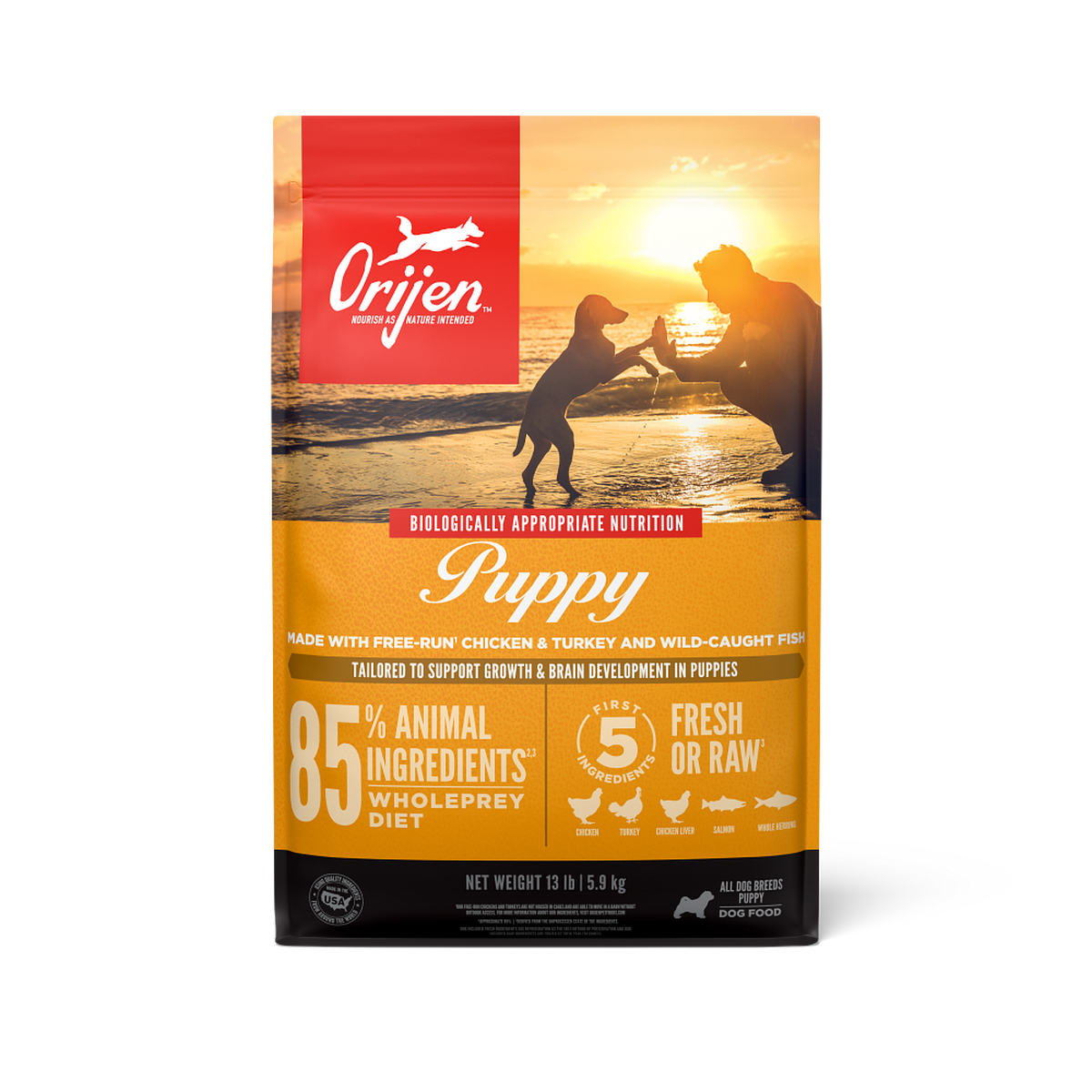
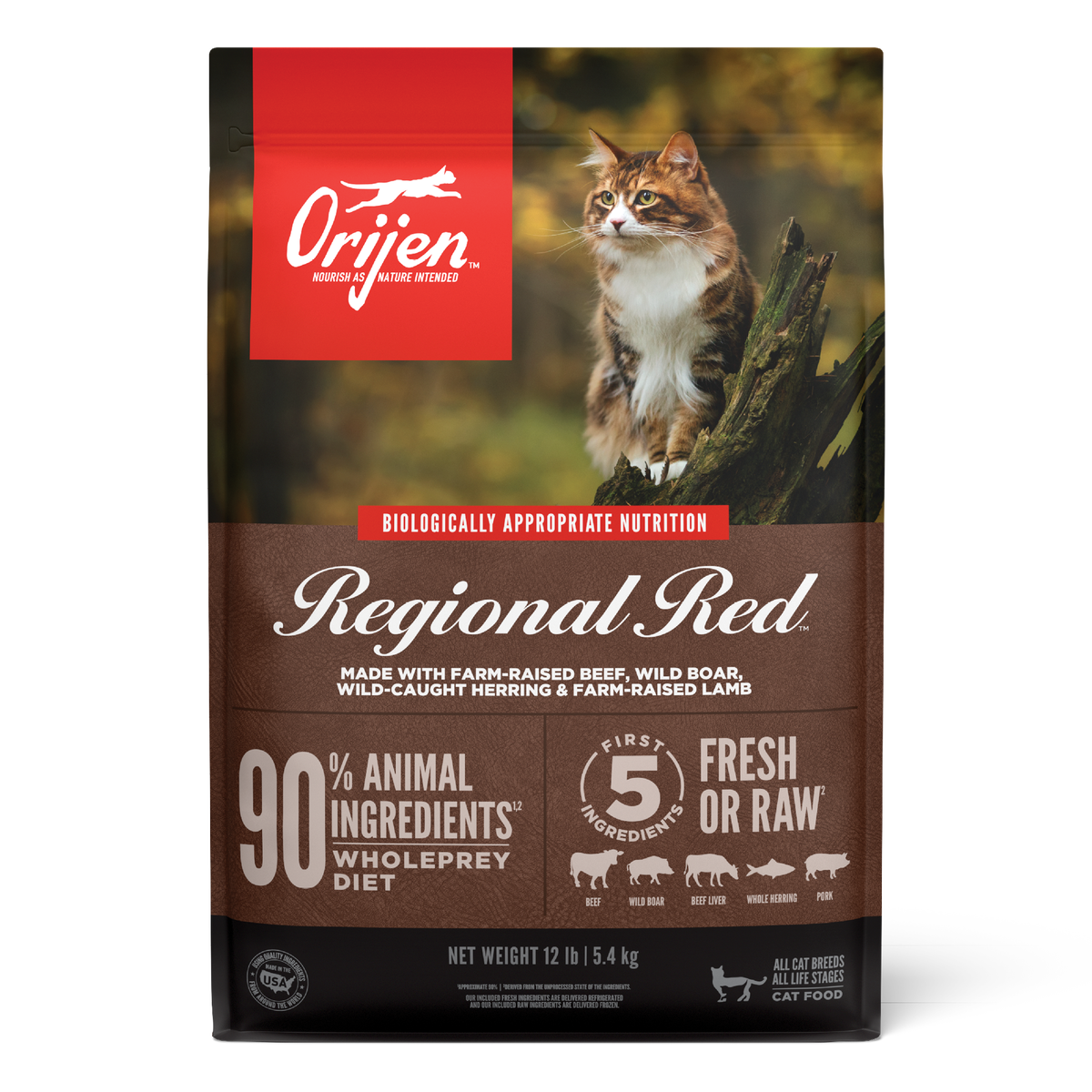

Find the right food for your pet
Sign in free to sort and filter by score, and avoid or require Butternut Squash in the Food Finder. Add KL+ to see these foods ranked for your pet's breed, age, and health focus.

 Continue with Google
 Continue with Facebook