Canola
519 foods contain this ingredient
This is an alphabetical list, not a ranking. Add KL+ to rank foods for your pet in the Food Finder.
About Canola
Canola is a rapeseed-derived oilseed crop whose oil and meal show up in pet food mainly as an energy-dense fat and fatty-acid source.
Canola is commonly used in pet foods primarily as a calorie-dense fat source (canola oil) and, less often, as a meal to add plant protein and fiber; its oil supplies monounsaturated and polyunsaturated fatty acids including alpha‑linolenic acid (an omega‑3) and linoleic acid (an omega‑6), which help support energy, skin and coat condition in dogs and to a lesser extent in cats. Modern canola is low in erucic acid and generally safe, but canola meal has lower biological protein quality than animal proteins and may not meet obligate feline amino acid needs, the oil is prone to oxidation so antioxidants and proper storage are important, and a small number of pets can have sensitivities.
Related ingredients
- Derived from
- seed of the canola plant (a low-erucic-acid rapeseed cultivar)
- Primary role
- fat and fatty acid source, secondary plant protein/fiber source
Why it's used
Canola was developed by Canadian plant breeders in the early 1970s through conventional crossbreeding to strip out the erucic acid and glucosinolates found in older rapeseed varieties, and that breeding history is why canola oil and meal are usable in food and feed today. In formulations, the oil is prized for its favorable ratio of unsaturated fats and its fluidity, which makes it easy to spray onto kibble for palatability and calorie density, while canola meal contributes a moderate-protein, moderate-fiber plant ingredient.
Common concerns
- Amino acid profile of the meal Canola meal is lower in lysine than many other protein sources and, being a plant protein, has a different amino acid balance than animal-derived proteins, which matters most for species like cats with strict essential amino acid requirements.
- Oil oxidation Because canola oil is high in unsaturated fatty acids, it is more prone to oxidative rancidity over time than more saturated fats, which is why manufacturers pair it with antioxidants and controlled storage conditions.
- Distinct from crude rapeseed oil The favorable nutritional profile associated with canola specifically depends on it meeting the low-erucic-acid, low-glucosinolate standard; this is a different material from older, high-erucic-acid rapeseed oil, which is not the same ingredient.
Also relevant
Canola oil's linoleic acid content also makes it a source of omega-6 fatty acids alongside its alpha-linolenic acid (omega-3) content, so the overall omega-6 to omega-3 balance of a diet depends on what other fat sources are included alongside it.
4 sources cited
- Canola was bred from rapeseed by Canadian breeders in the early 1970s to reduce erucic acid and glucosinolates, with 'Tower' (1974) as the first double-low cultivar
- Canola meal composition, protein content (~35% crude protein), and its lower lysine but higher sulfur amino acid content relative to other plant proteins
- Canola oil is a plant-based source of linoleic acid (omega-6), and omega-6/omega-3 balance matters for skin and coat health
- AAFCO publishes the legal ingredient definitions manufacturers must follow for ingredients like canola oil and canola meal in pet food
Common Questions
What category is Canola?
Canola is categorized as a protein ingredient in the KibbleLab database.
Is Canola part of an allergen group?
No allergen group is linked to Canola in the KibbleLab database.
Which foods contain Canola?
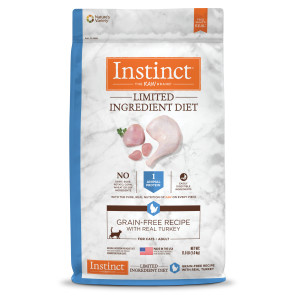
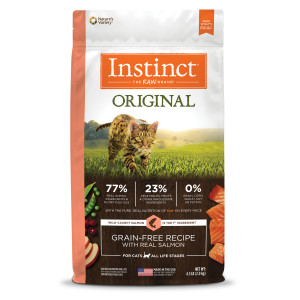
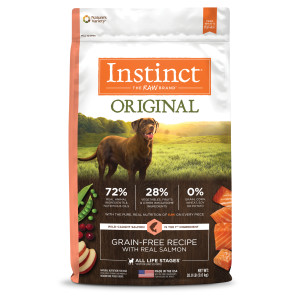
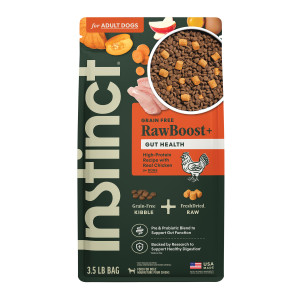
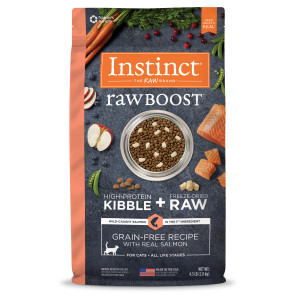
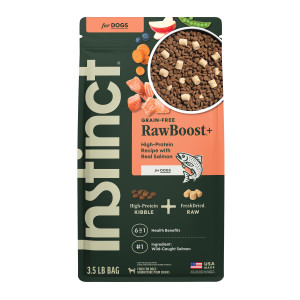
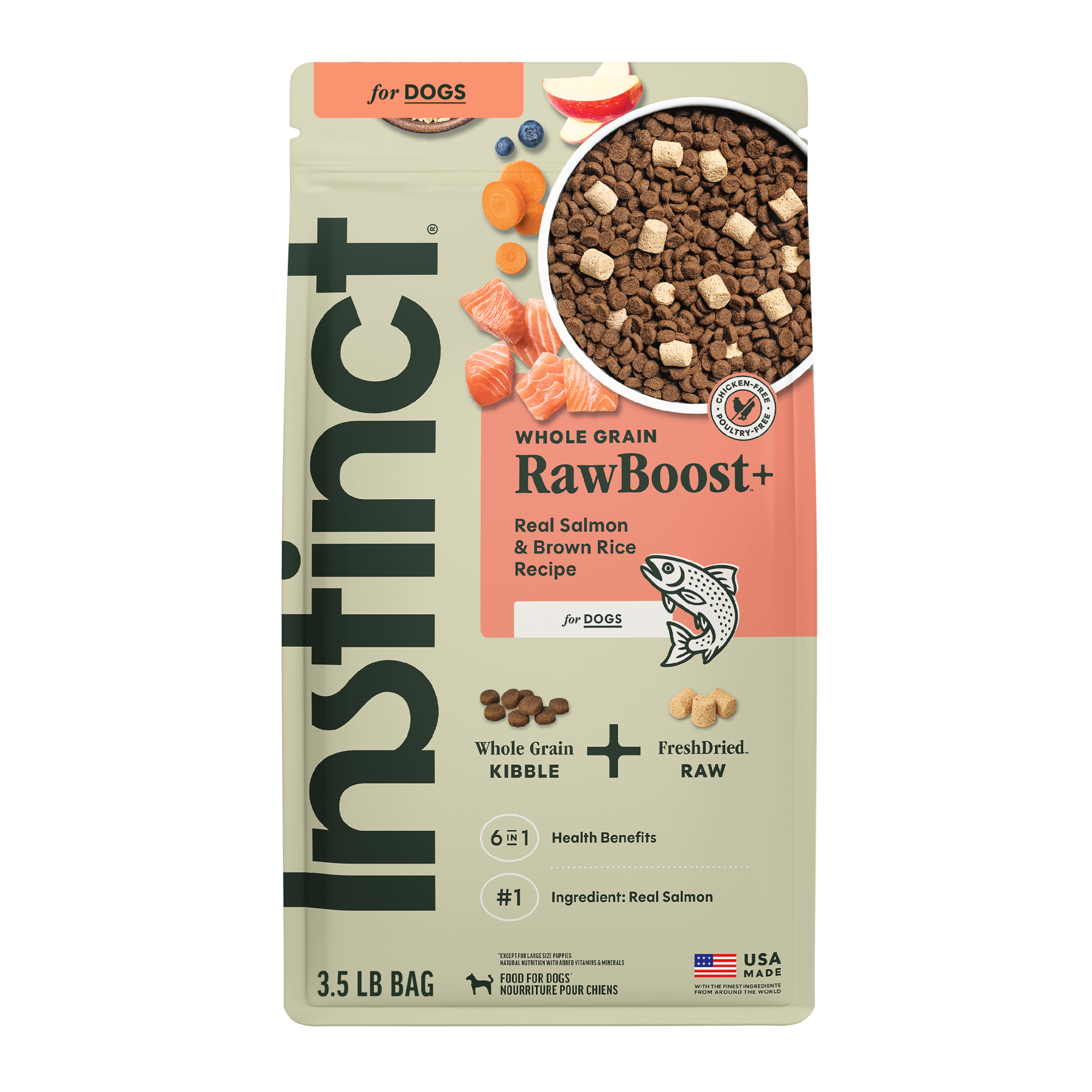
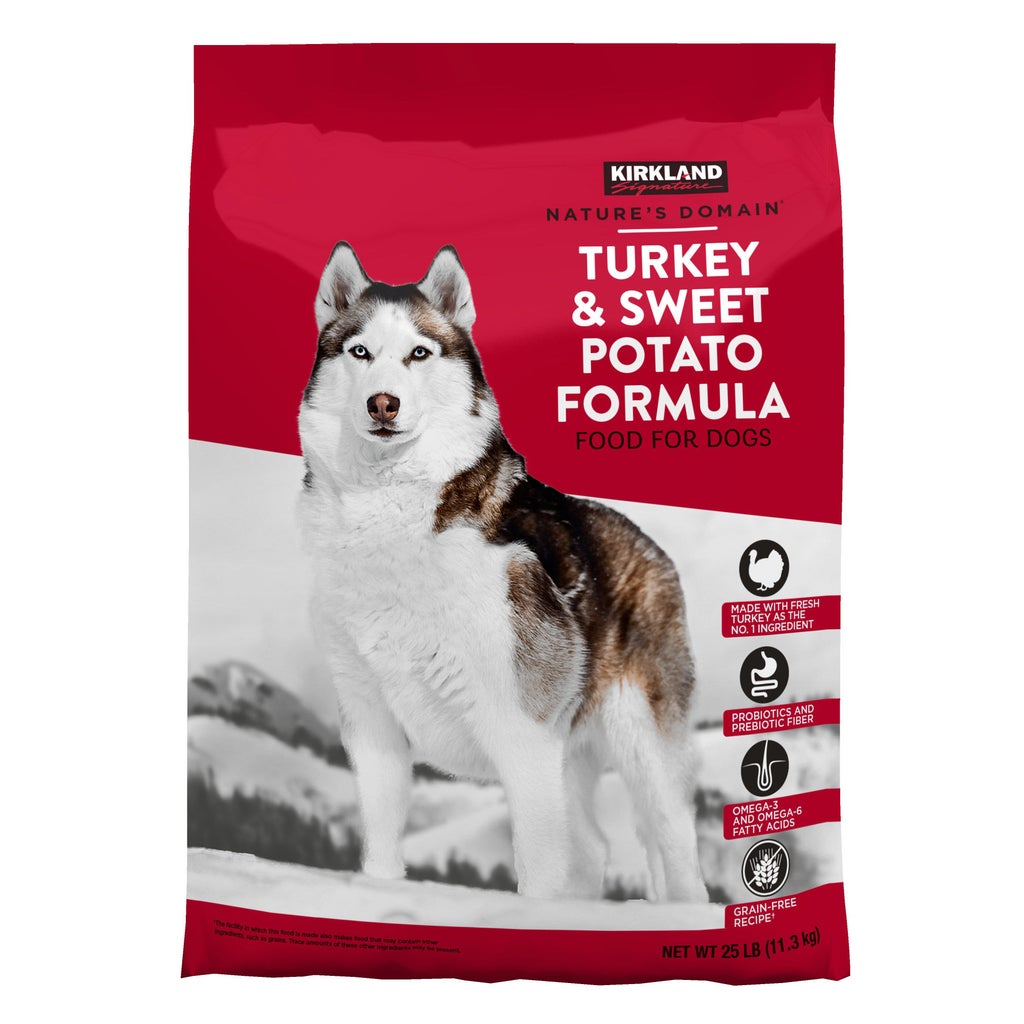
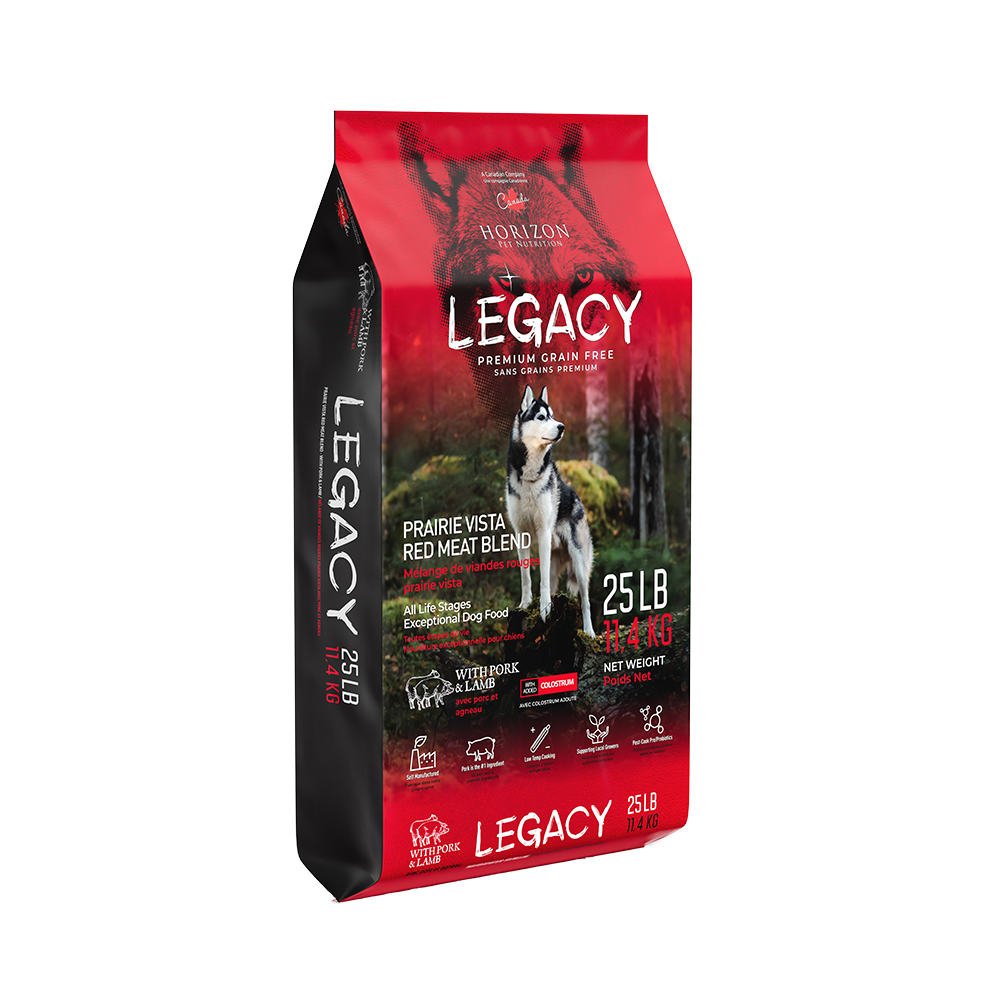
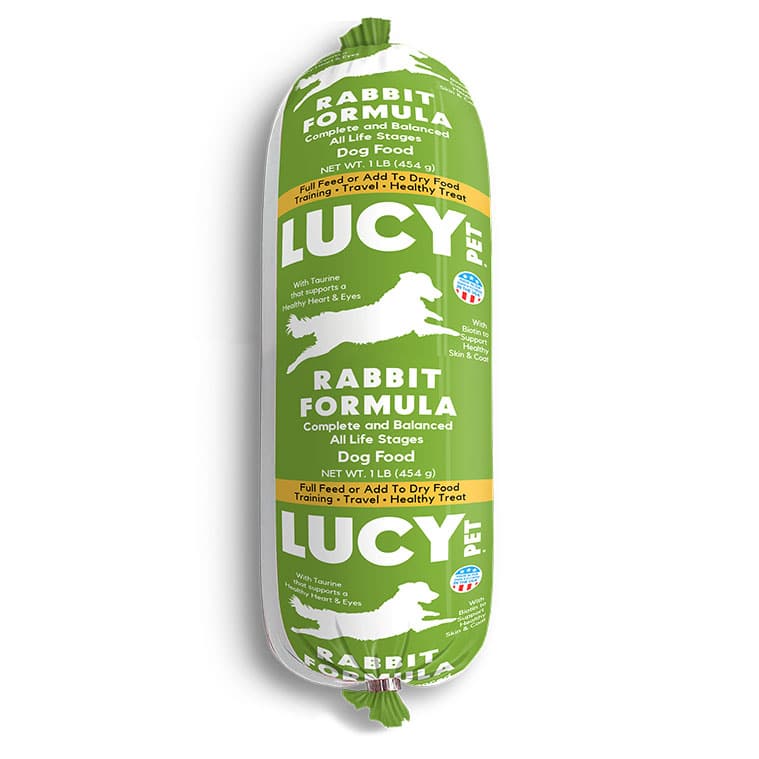
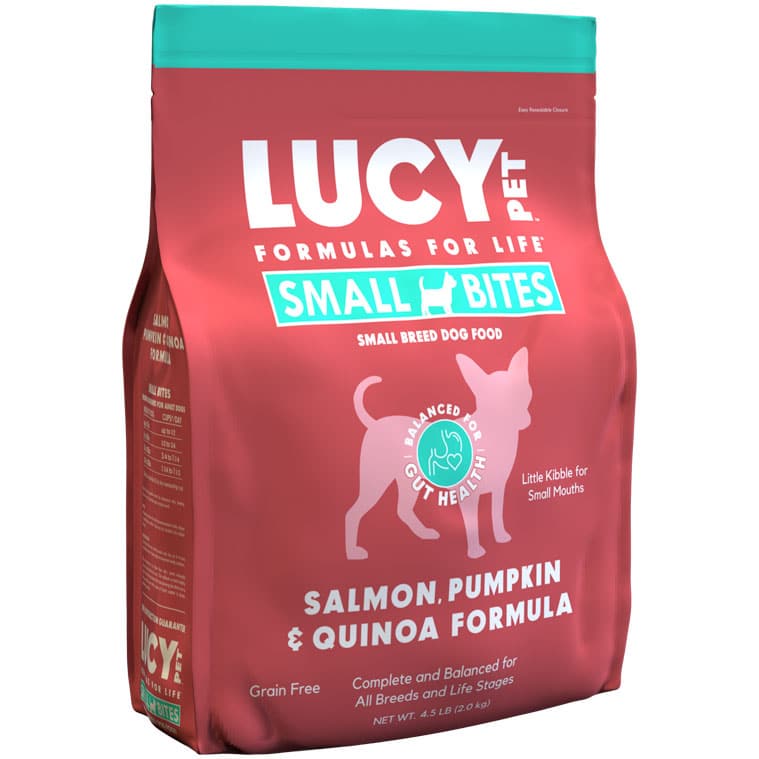
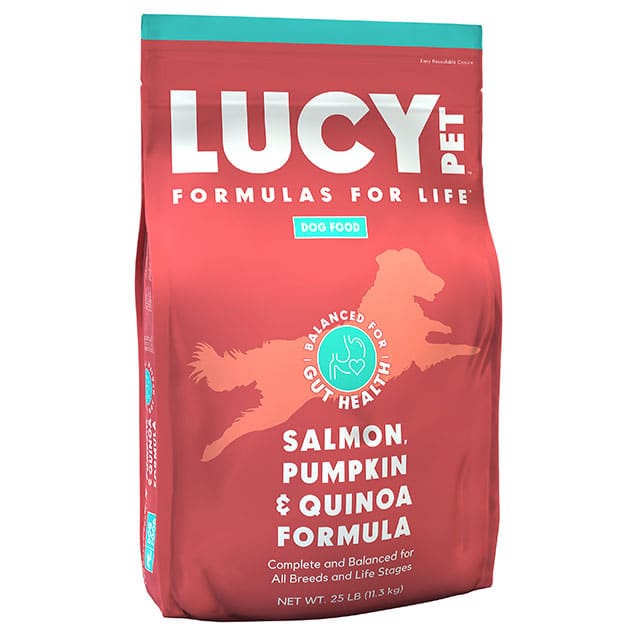
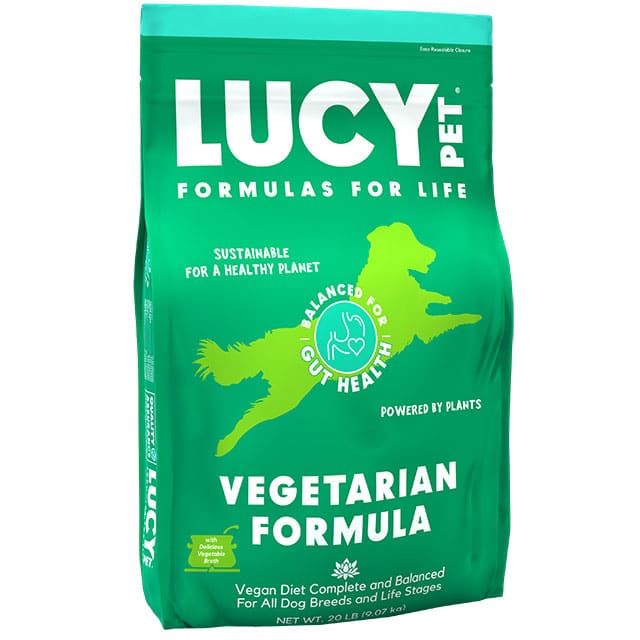
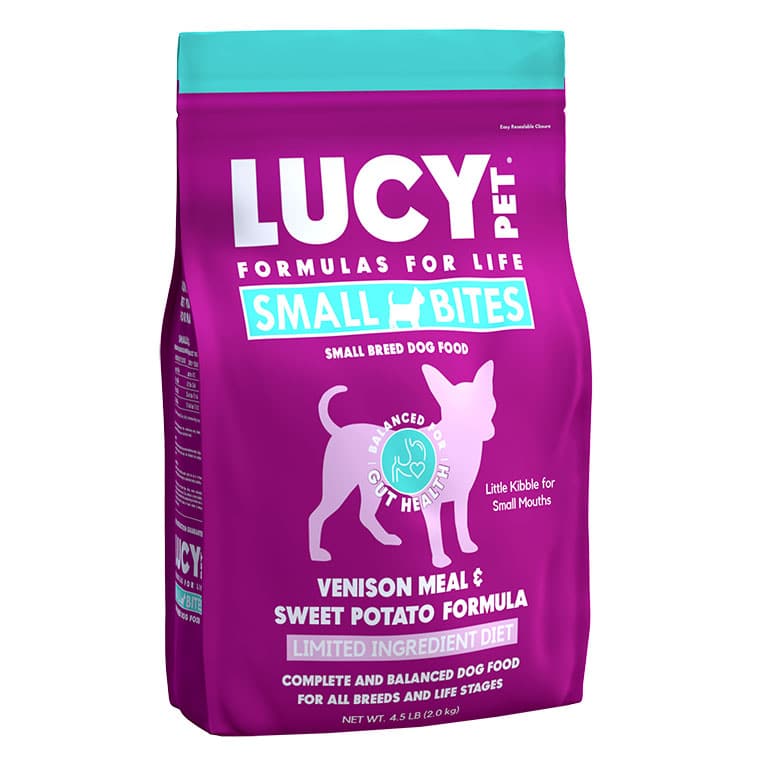
519 foods in the KibbleLab database contain Canola, including Instinct, Inukshuk Professional, Jinx.
Foods with Canola
Alphabetical by brand. Scores run 0 to 10, higher is better, on published veterinary science.







Find the right food for your pet
Sign in free to sort and filter by score, and avoid or require Canola in the Food Finder. Add KL+ to see these foods ranked for your pet's breed, age, and health focus.

 Continue with Google
 Continue with Facebook