Catnip
18 foods contain this ingredient
This is an alphabetical list, not a ranking. Add KL+ to rank foods for your pet in the Food Finder.
About Catnip
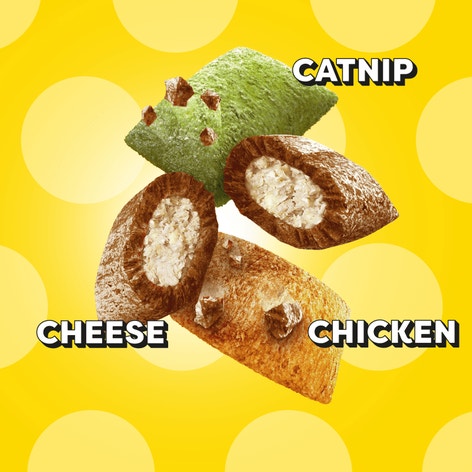
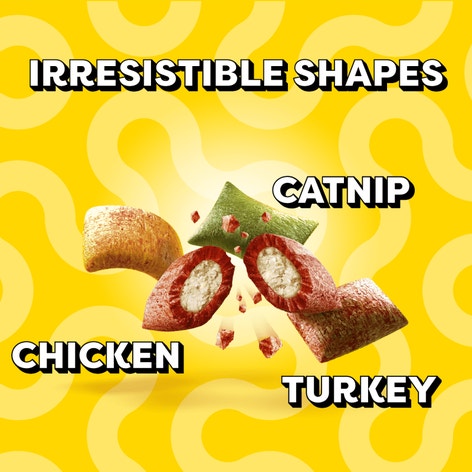
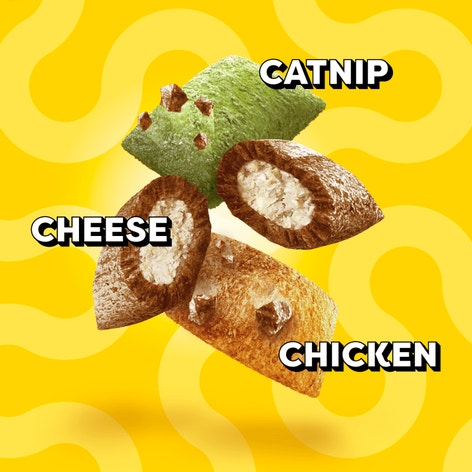
Catnip is a mint-family herb added to cat products for its scent, not for any nutrient it contributes.
Catnip is used in cat treats and enrichment products as an aromatic stimulant rather than a nutrient, helping attract cats to toys or encourage play and occasional eating. It has negligible nutritional value; the active compound nepetalactone triggers behavioral responses in many adult cats (kittens often unresponsive), is generally safe in small amounts but can cause gastrointestinal upset if overconsumed, and is commonly avoided in pregnant animals — consult your veterinarian if concerned.
Related ingredients
- Derived from
- leaves and stems of Nepeta cataria
- Primary role
- aromatic behavioral stimulant
Why it's used
Catnip's volatile oils, chiefly nepetalactone, are detected through a cat's olfactory system and can prompt rolling, rubbing, vocalizing, and increased activity in cats that respond to it. Manufacturers add it to toys and treats specifically to draw attention and encourage play rather than for any caloric or nutrient contribution.
Common concerns
- Non-responders Sensitivity to catnip is inherited, so roughly a third of cats show no reaction at all, and kittens typically do not respond until several months of age.
- Response is short-lived Peer-reviewed behavioral research describes the active response as lasting only several minutes before cats become temporarily unresponsive to further catnip exposure.
- Overconsumption Eating larger amounts of catnip, rather than smelling it, has been associated with digestive upset such as vomiting or loose stool in some cats.
Also relevant
Research on nepetalactone's chemistry has found it also activates an insect irritant receptor, which is the basis for catnip's documented mosquito-repellent effect when cats crush the leaves.
4 sources cited
- Nepetalactone is the isomer responsible for the catnip response, detected via olfaction; behavioral response duration and individual variability in cats
- Roughly 60-70% of cats show an active behavioral response to catnip, with response being an inherited trait and kittens generally unresponsive
- Catnip and nepetalactone activate the insect TRPA1 irritant receptor, explaining catnip's mosquito-repellent effect
- USDA Agricultural Research Service study evaluating catnip's efficacy as a topical mosquito repellent
Common Questions
What category is Catnip?
Catnip is categorized as a herb ingredient in the KibbleLab database.
Is Catnip part of an allergen group?
No allergen group is linked to Catnip in the KibbleLab database.
Which foods contain Catnip?
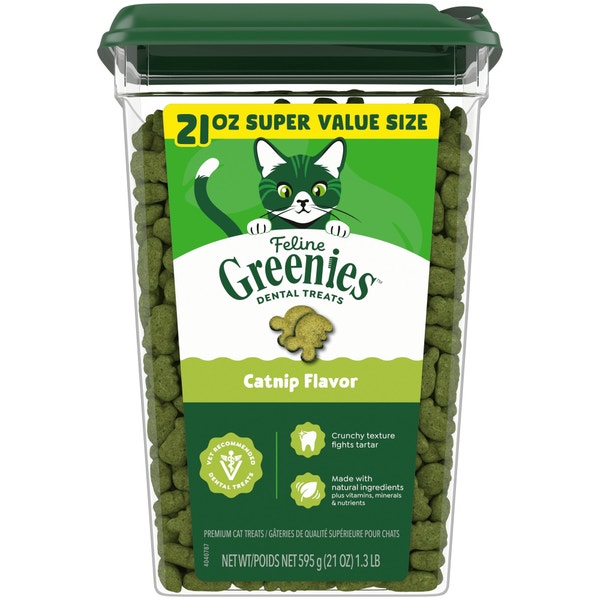
18 foods in the KibbleLab database contain Catnip, including Birdie & Louie, Greenies, Love Nala.
Foods with Catnip
Alphabetical by brand. Scores run 0 to 10, higher is better, on published veterinary science.







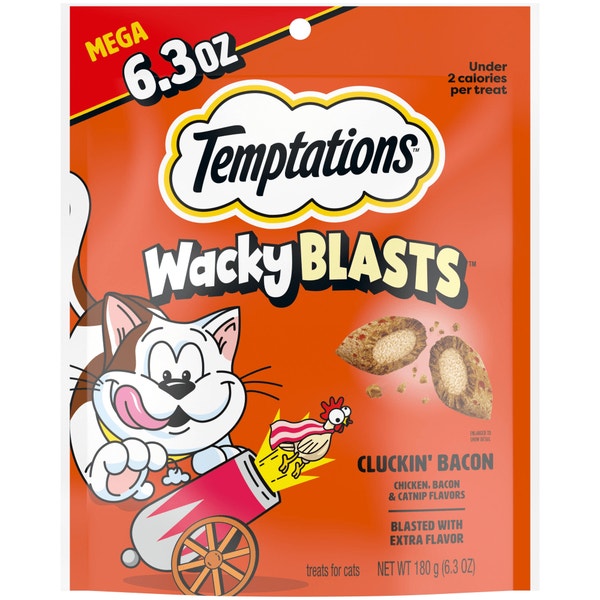
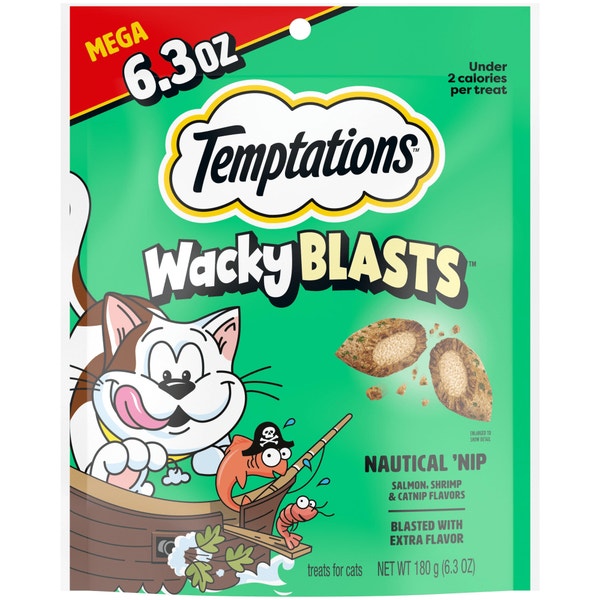
Find the right food for your pet
Sign in free to sort and filter by score, and avoid or require Catnip in the Food Finder. Add KL+ to see these foods ranked for your pet's breed, age, and health focus.

 Continue with Google
 Continue with Facebook