Celery
263 foods contain this ingredient
This is an alphabetical list, not a ranking. Add KL+ to rank foods for your pet in the Food Finder.
About Celery
Celery is a crisp, water-rich stalk vegetable added to pet foods and treats mainly for texture and fiber, not for calories or protein.
Celery is typically included as a low-calorie vegetable or crunchy flavor component in pet foods and treats, supplying water, fiber and small amounts of vitamins (A, C, K) and potassium. It can be a hydrating, low-calorie snack for dogs and an occasional garnish for cats, but offers limited nutritional value for obligate carnivores, so it should be fed in moderation, chopped to avoid choking, and thoroughly washed to remove pesticides or contaminants.
Related ingredients
- Derived from
- Stalks (and sometimes leaves) of the celery plant, Apium graveolens
- Primary role
- Low-calorie fiber and hydration filler, crunchy treat component
Why it's used
Formulators and pet owners use celery to add bulk, moisture and a satisfying crunch to treats without contributing significant fat or calories. It also carries small amounts of vitamin K, vitamin A, vitamin C and potassium, though these are incidental rather than a primary reason for inclusion.
Common concerns
- Choking or GI obstruction risk Celery's stringy, fibrous texture can be difficult for small dogs, senior pets, or animals that gulp food to chew thoroughly, so veterinary sources recommend cutting it into small, bite-sized pieces before feeding.
- Digestive upset with large amounts Feeding excessive quantities of celery has been associated with vomiting or diarrhea in dogs, resolving with reduced portions.
- Pesticide residue Celery is frequently cited on lists of produce with higher pesticide residue levels, which is why veterinary and consumer guidance recommends washing it thoroughly (or choosing organic) before feeding it to pets.
- Oxalate content in dogs prone to bladder stones Celery contains oxalates; while it is considered comparatively low in oxalates versus many vegetables, sources note it may still be worth limiting for dogs with a history of calcium oxalate bladder stones.
Also relevant
Celery leaves are not considered more concerning than the stalks for dogs or cats, but their texture can be even harder for cats to manage than the stalk.
3 sources cited
- ASPCA lists celery among vegetables considered good snack options to share with pets
- Celery's fibrous, stringy texture can pose a choking hazard, especially for small dogs, seniors, or fast eaters, so cut into small pieces; celery leaves are not generally considered toxic to dogs or cats, though the texture is harder for cats to manage
- Celery is frequently flagged for higher pesticide residue, supporting washing thoroughly or buying organic; it also contains oxalates that may be relevant for dogs with a history of calcium oxalate bladder stones or chronic kidney disease
Common Questions
What category is Celery?
Celery is categorized as a vegetable ingredient in the KibbleLab database.
Is Celery part of an allergen group?
No allergen group is linked to Celery in the KibbleLab database.
Which foods contain Celery?
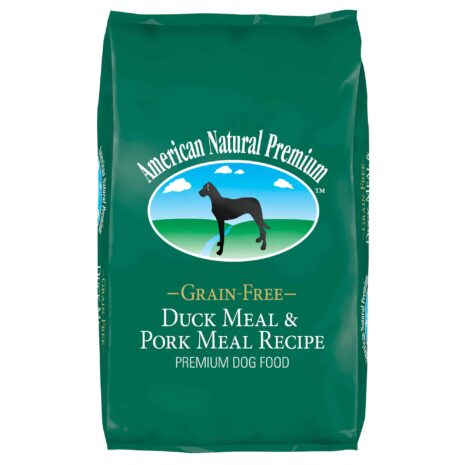
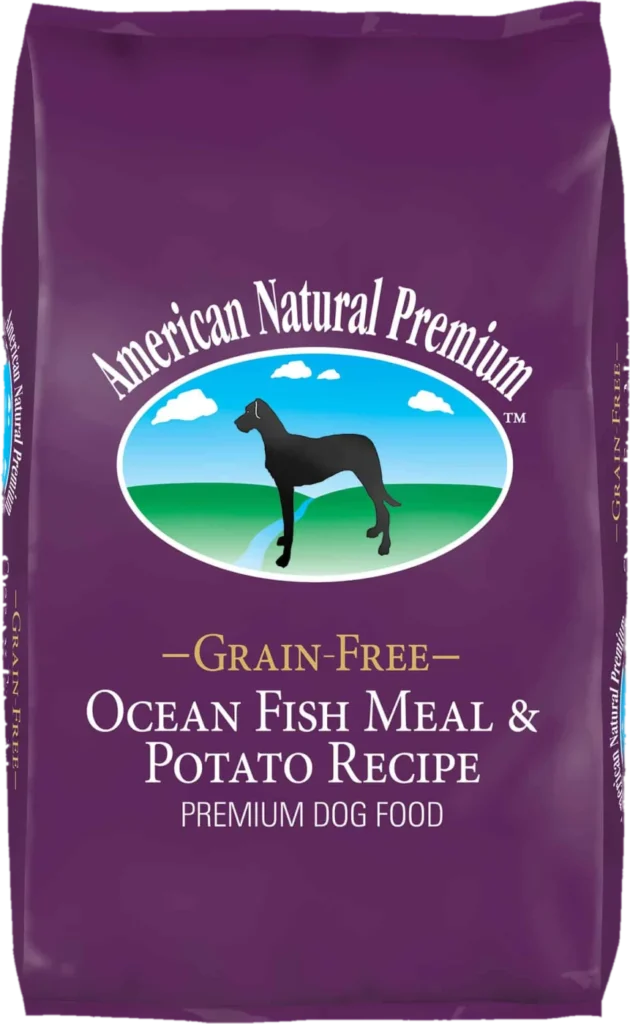
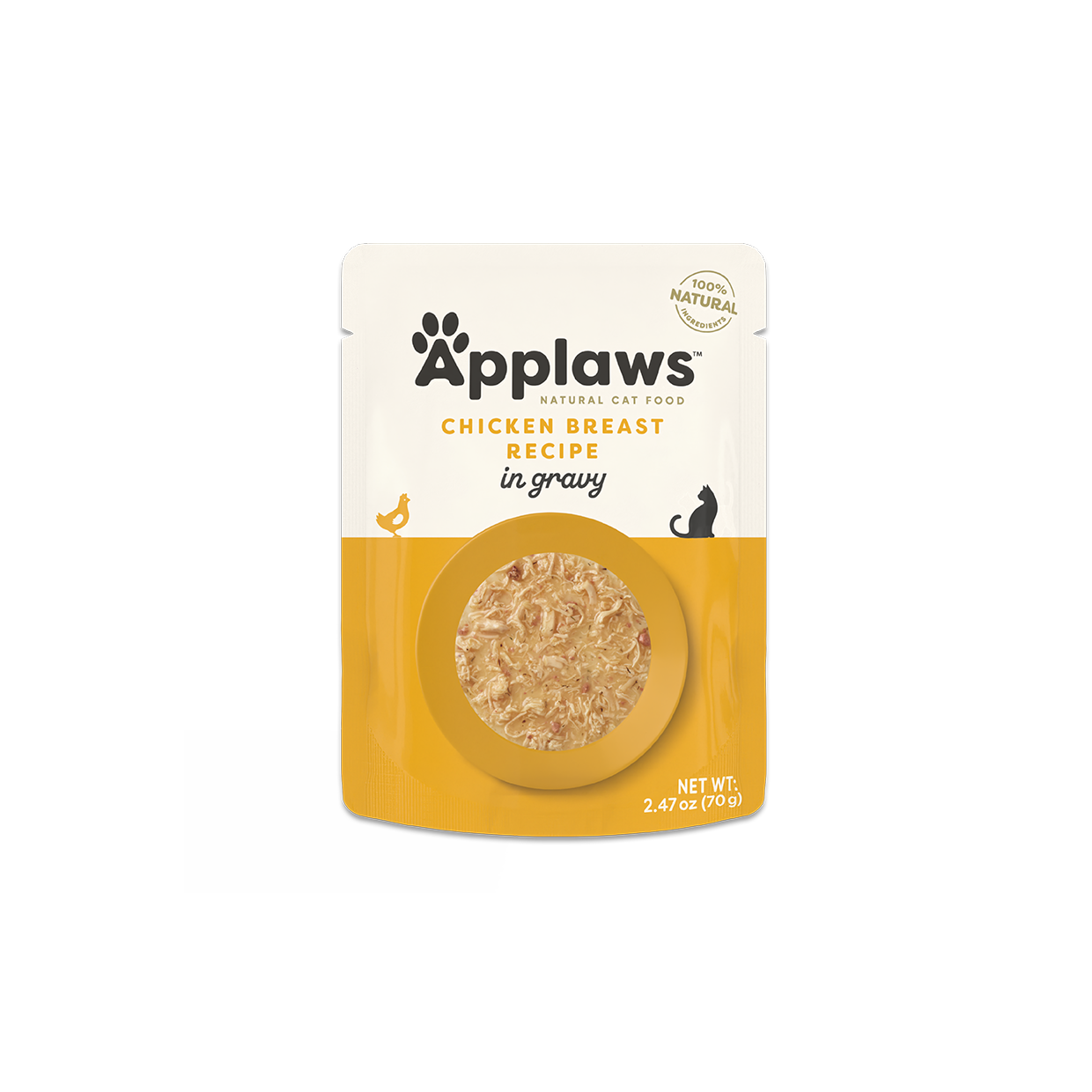
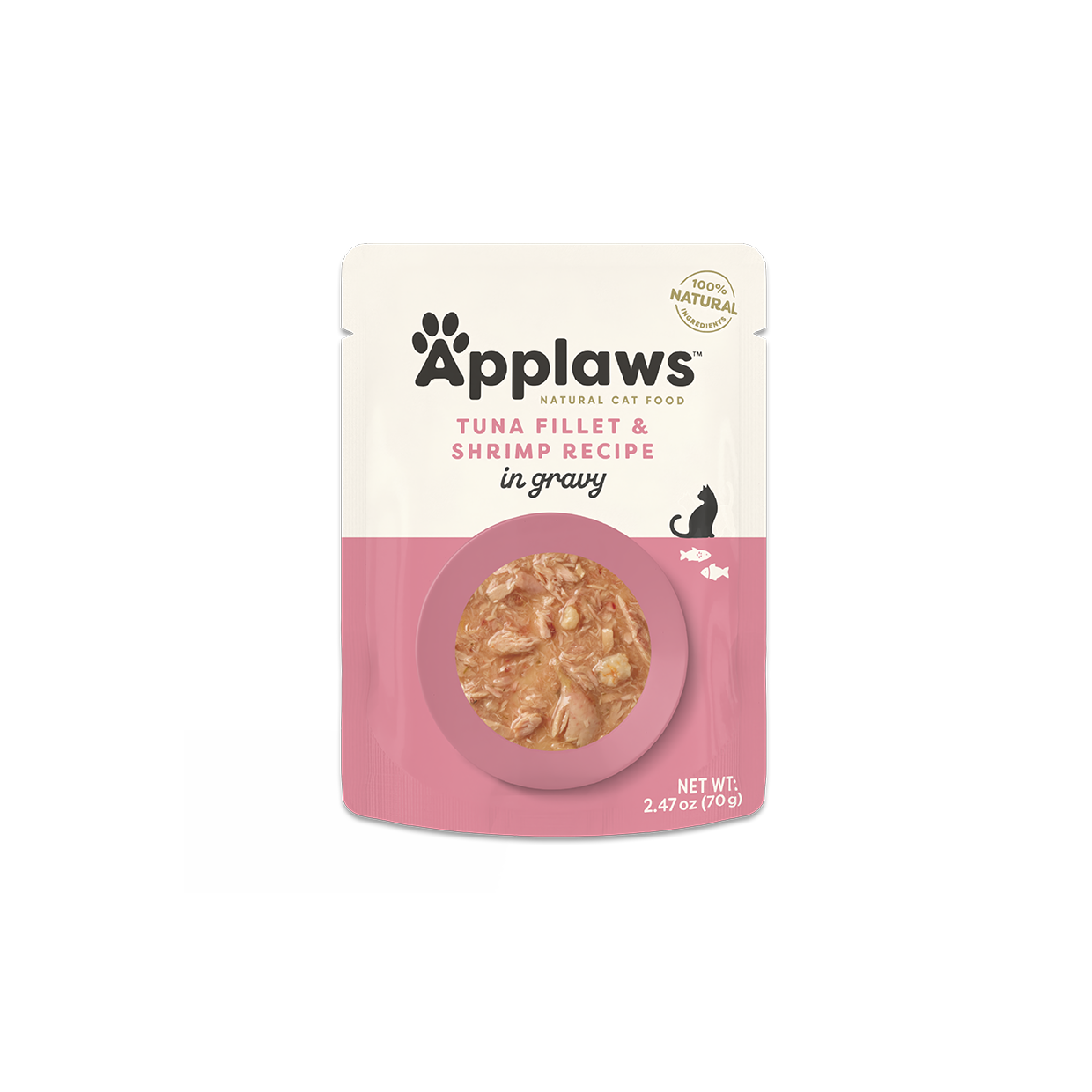
263 foods in the KibbleLab database contain Celery, including American Natural Premium, Applaws, Authority.
Foods with Celery
Alphabetical by brand. Scores run 0 to 10, higher is better, on published veterinary science.
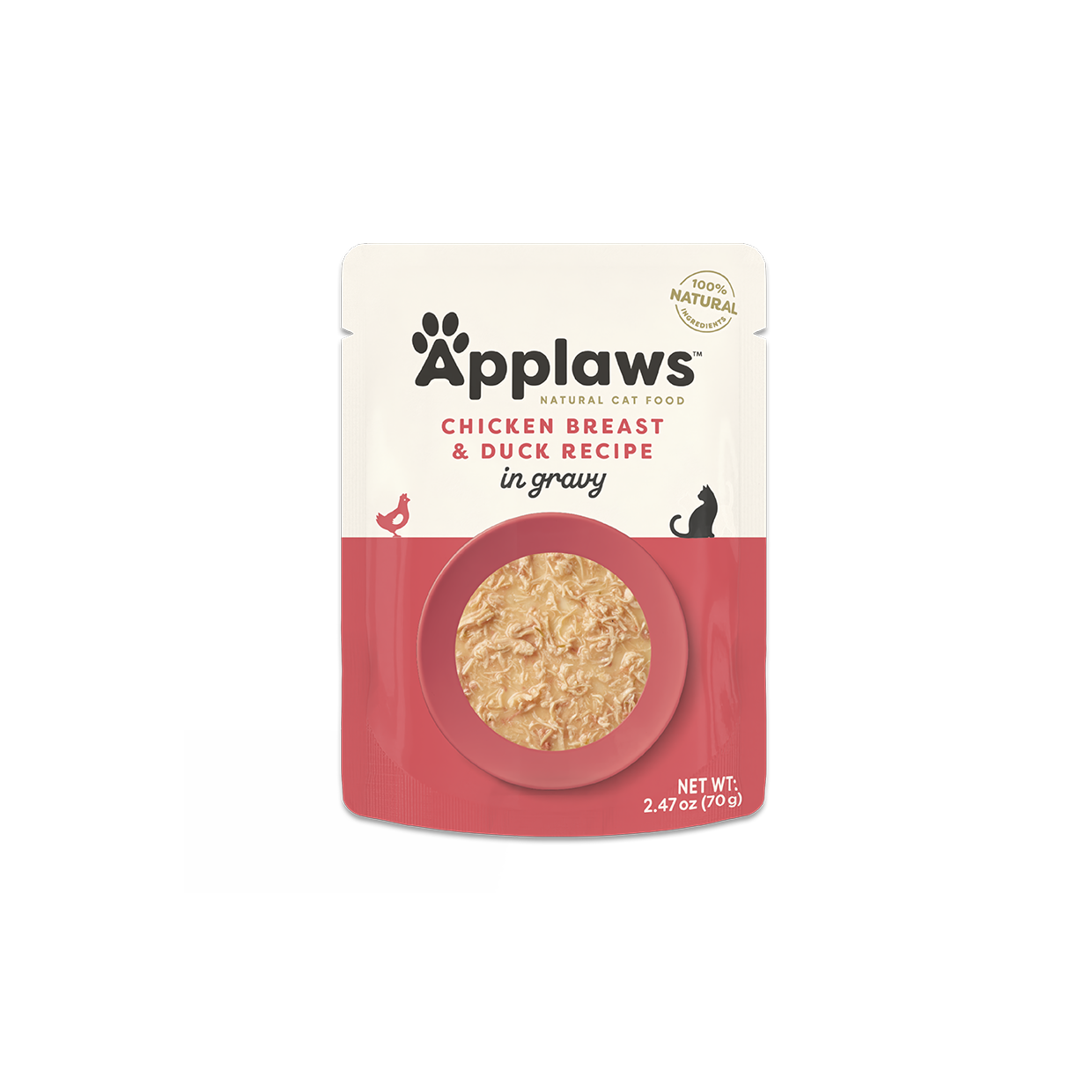
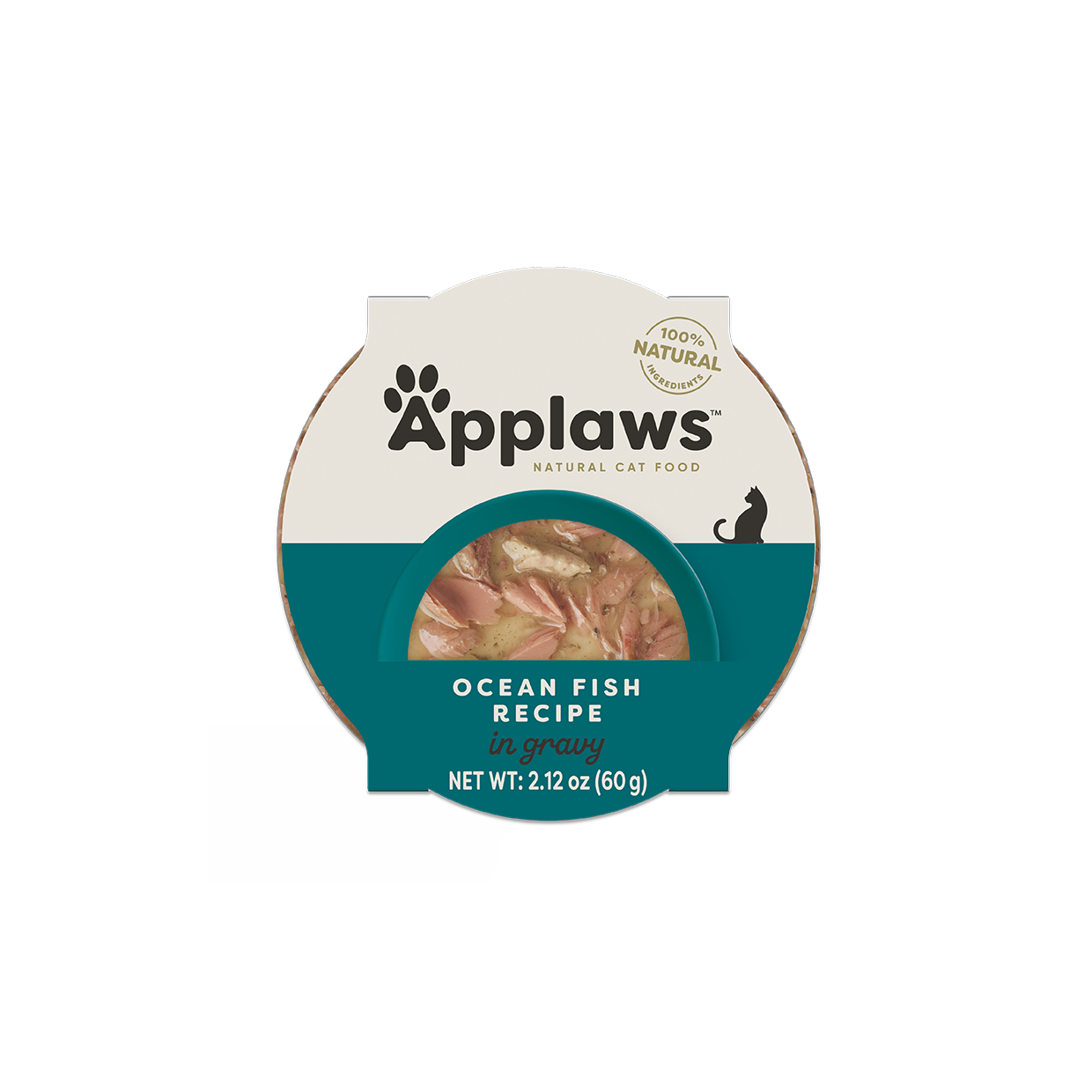
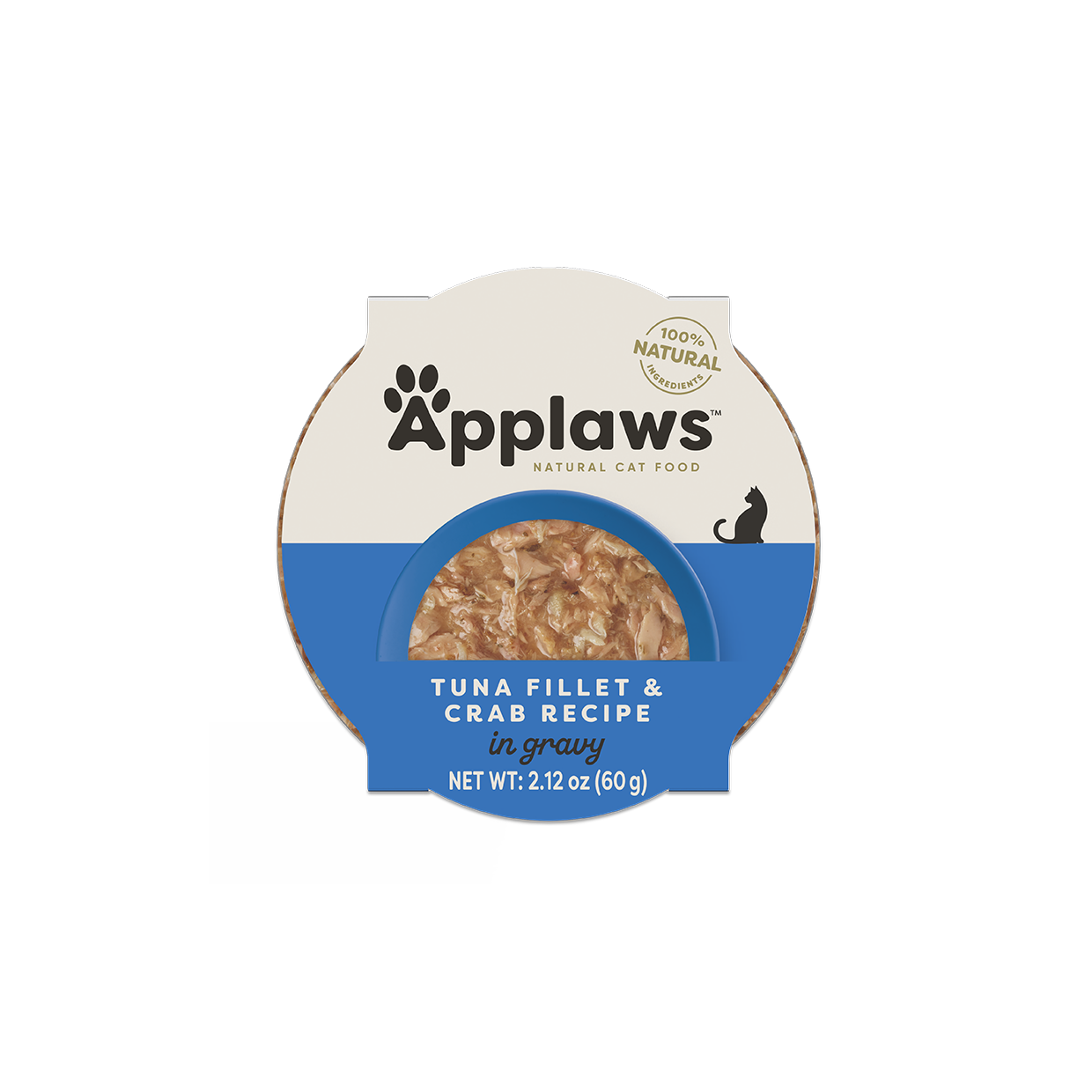
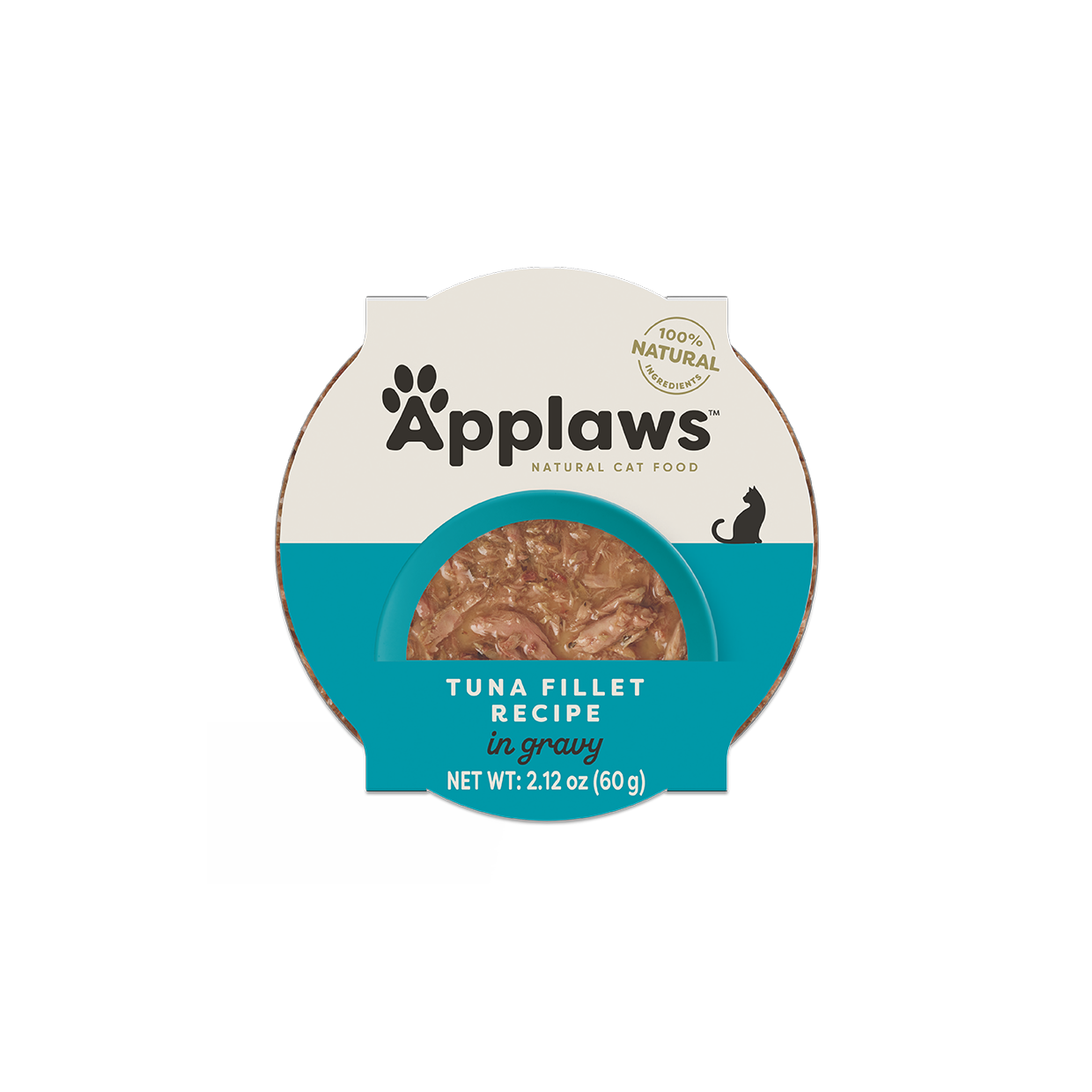
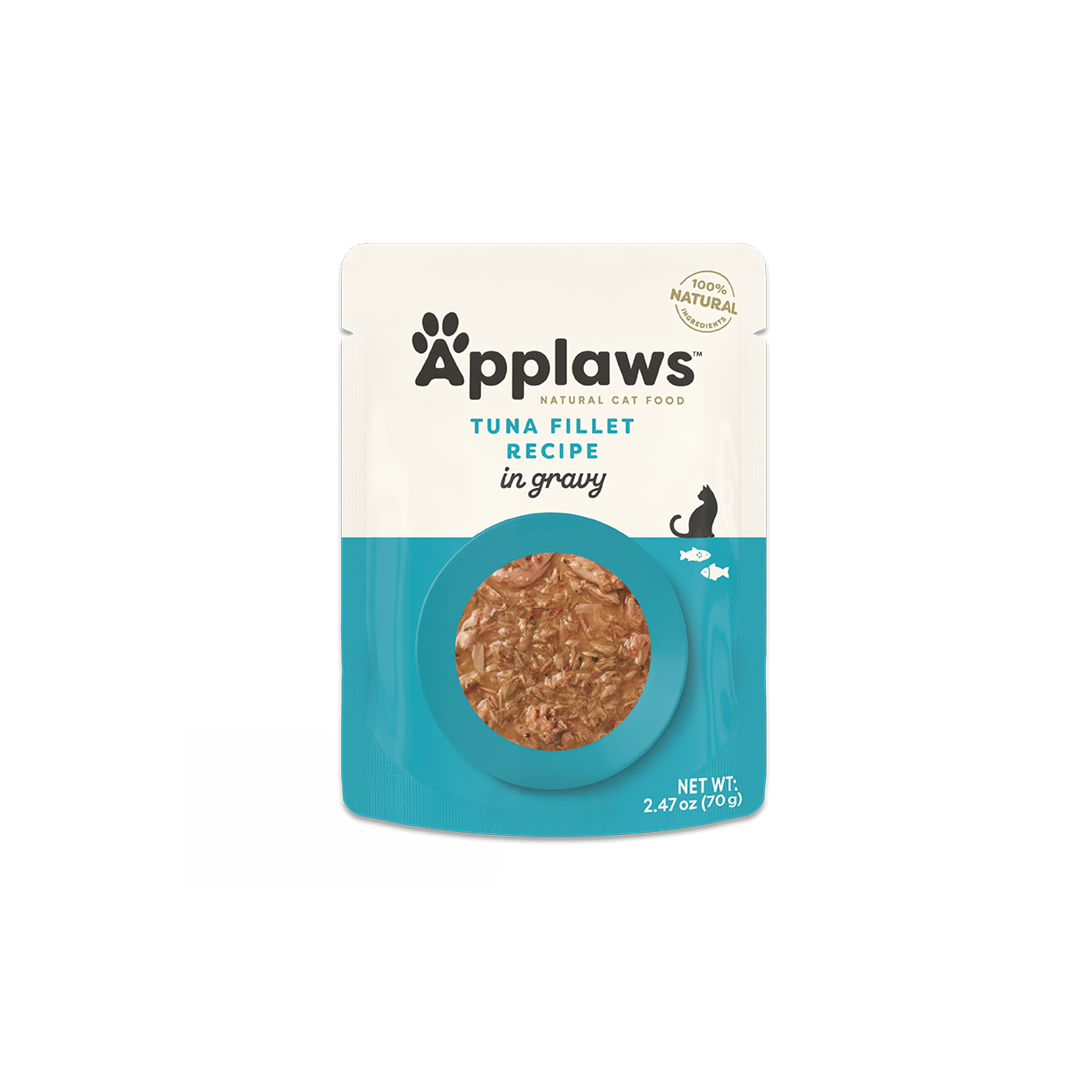
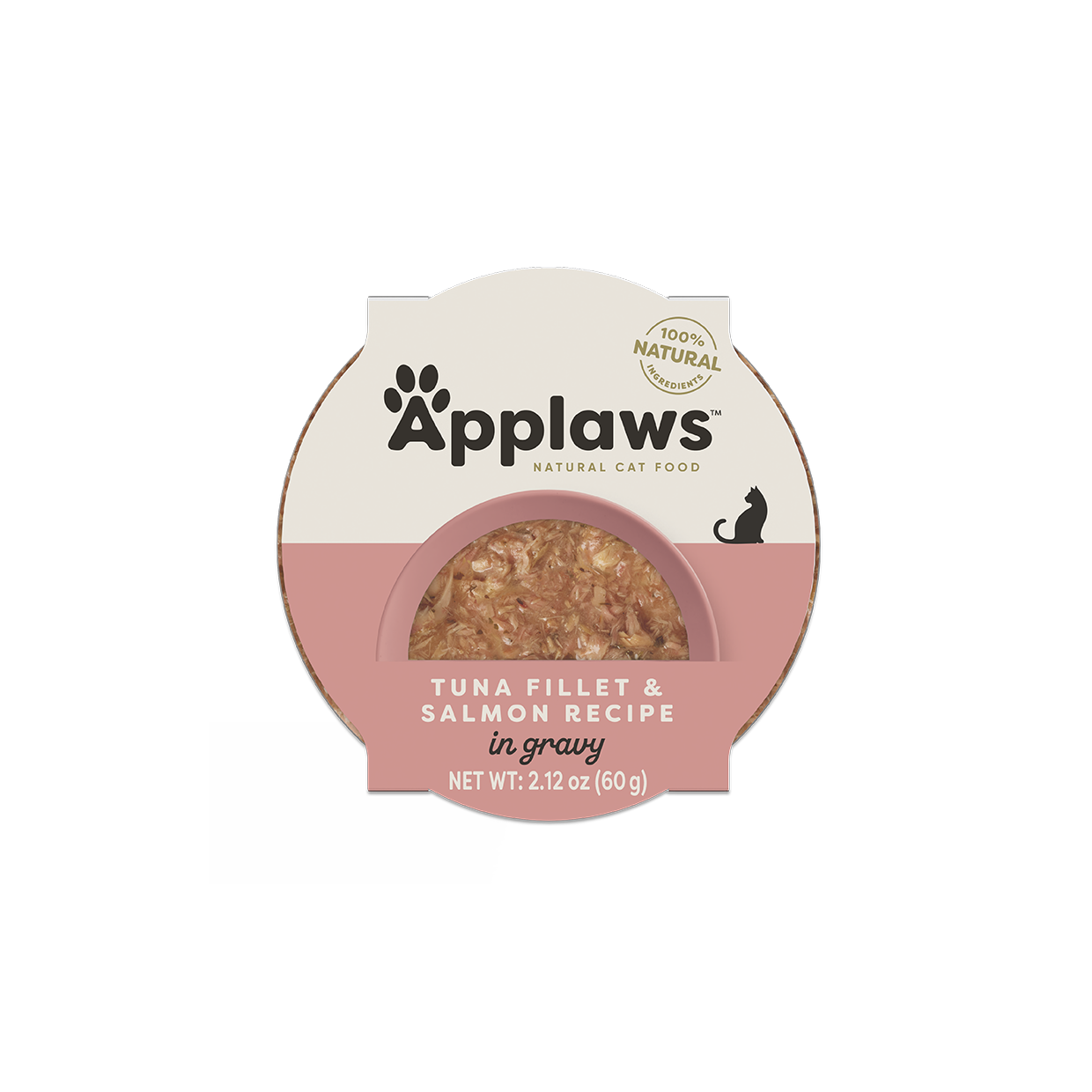


Find the right food for your pet
Sign in free to sort and filter by score, and avoid or require Celery in the Food Finder. Add KL+ to see these foods ranked for your pet's breed, age, and health focus.

 Continue with Google
 Continue with Facebook