Coconut
973 foods contain this ingredient
This is an alphabetical list, not a ranking. Add KL+ to rank foods for your pet in the Food Finder.
About Coconut
Coconut appears in pet products chiefly as coconut oil or meal, valued for its medium-chain triglyceride content rather than as a core protein source.
Coconut is used in pet foods primarily as a source of fat (often via coconut oil) and fiber, supplying medium-chain triglycerides (MCTs) such as lauric acid that can provide quick energy and may support skin and coat health in dogs and, to a lesser extent, cats. While small amounts can offer benefits like improved coat condition and possible antimicrobial effects, coconut is calorie-dense and can cause gastrointestinal upset, weight gain, or contribute to pancreatitis in susceptible pets, so it should be used sparingly and not as a substitute for balanced protein sources; avoid sweetened or xylitol-containing coconut products.
Related ingredients
- Derived from
- flesh, meal, and pressed oil of the coconut palm fruit (Cocos nucifera)
- Primary role
- fat and medium-chain triglyceride (MCT) source
Why it's used
Coconut oil is a concentrated source of medium-chain fatty acids, predominantly lauric acid, a fat that supplies readily available energy (though lauric acid is absorbed and metabolized somewhat differently from the shorter C8 and C10 triglycerides in clinical MCT oils) and has been explored as a supplemental lipid source for dogs and cats, including in cognitive-support and fat-restricted diet contexts. That same fat density is also why it is used sparingly rather than as a dietary staple.
Common concerns
- Fat load and pancreatitis Coconut oil is a concentrated fat, and veterinary sources note that high-fat foods can be a consideration for dogs prone to pancreatitis, so it is used sparingly rather than as a staple.
- Calorie density and weight gain As a concentrated fat source, coconut oil adds substantial calories per serving, and VCA notes it can contribute to weight gain or gastrointestinal upset such as loose stool if given in excess.
- Added sweeteners in processed coconut products Sweetened coconut products intended for human consumption may contain xylitol or added sugar, ingredients that are a separate concern unrelated to the coconut itself and worth checking on any label before sharing.
Also relevant
Research interest in supplemental MCT/coconut oil has extended to cognitive support in aging dogs, though findings in that area are still developing rather than settled practice.
3 sources cited
Common Questions
What category is Coconut?
Coconut is categorized as a fruit ingredient in the KibbleLab database.
Is Coconut part of an allergen group?
No allergen group is linked to Coconut in the KibbleLab database.
Which foods contain Coconut?
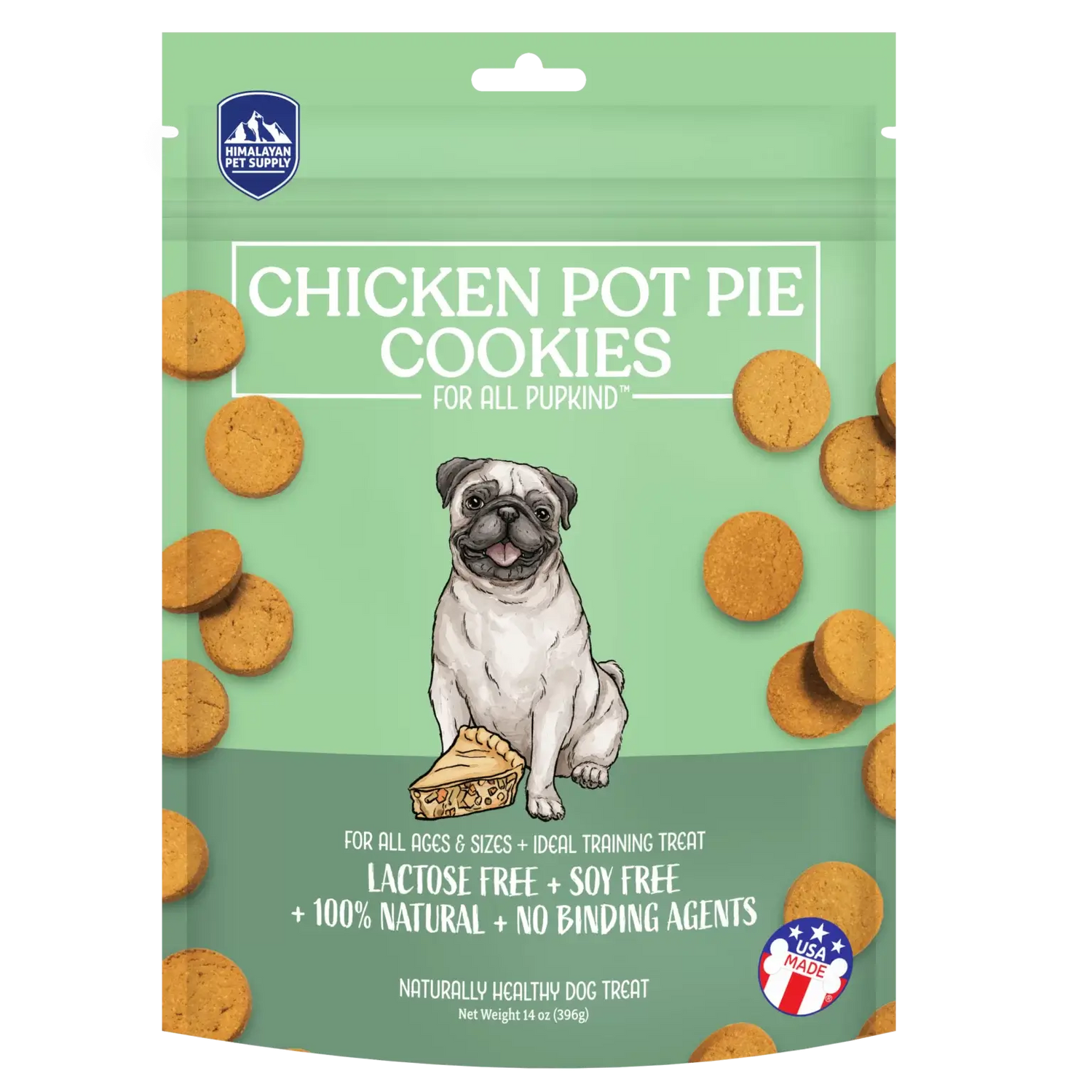
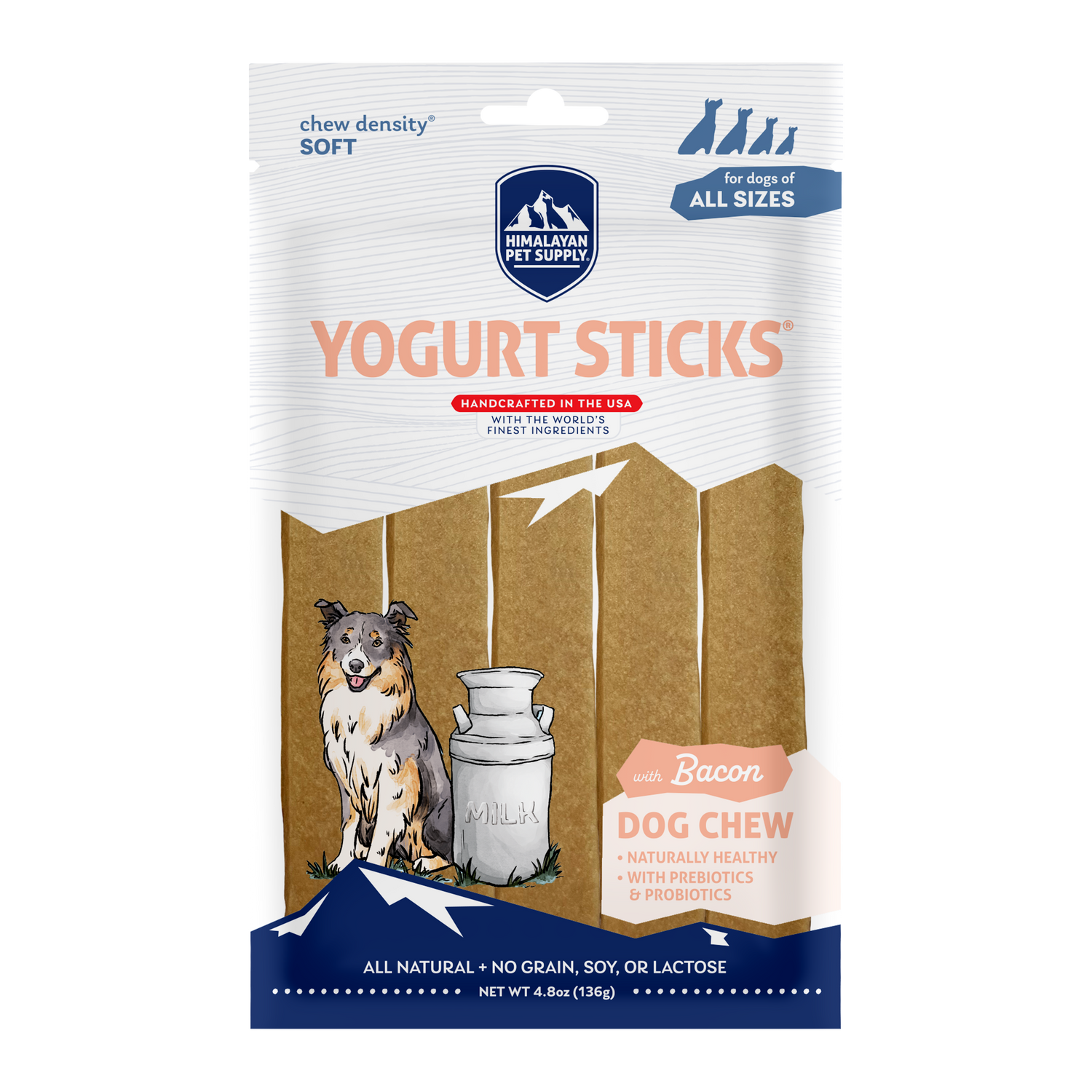
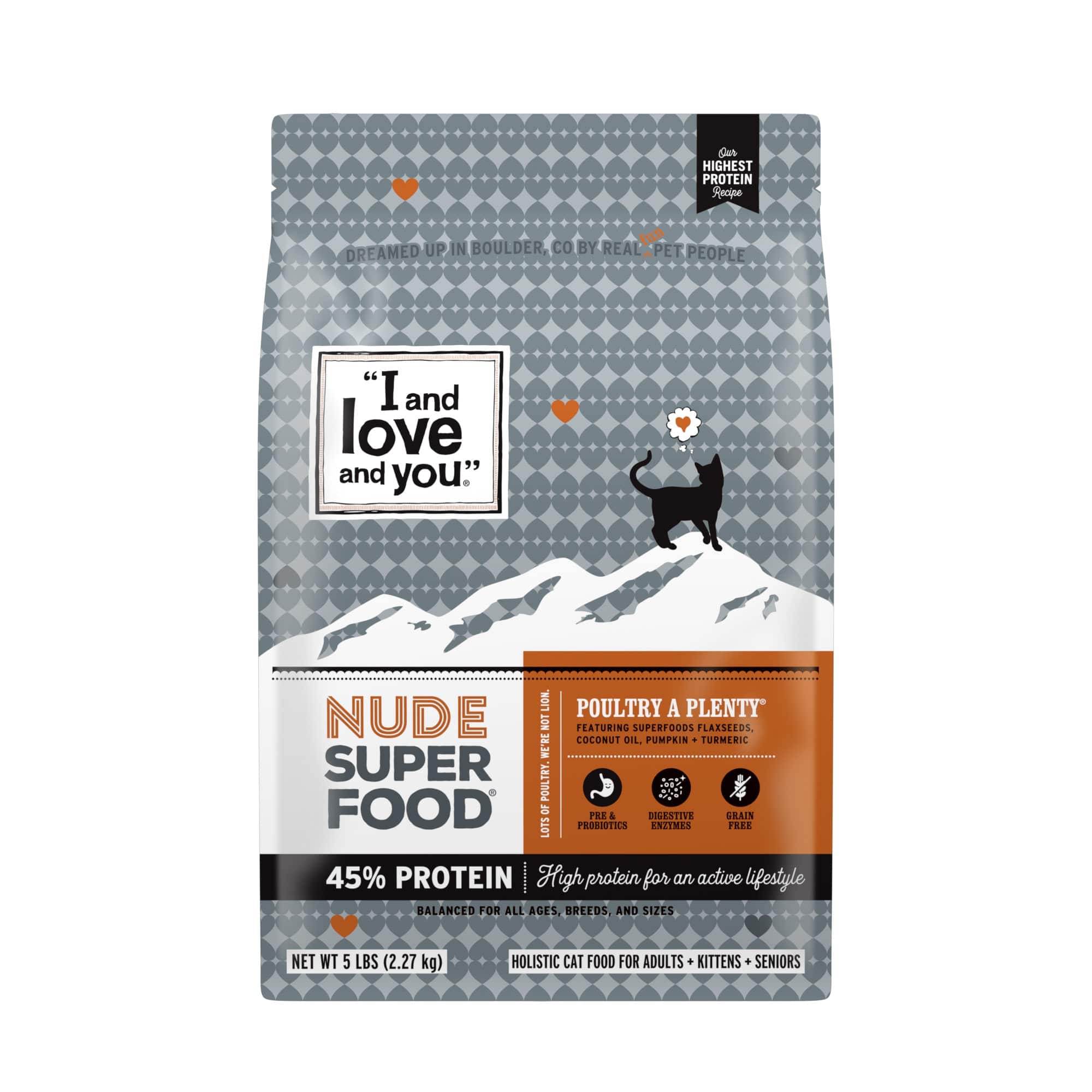
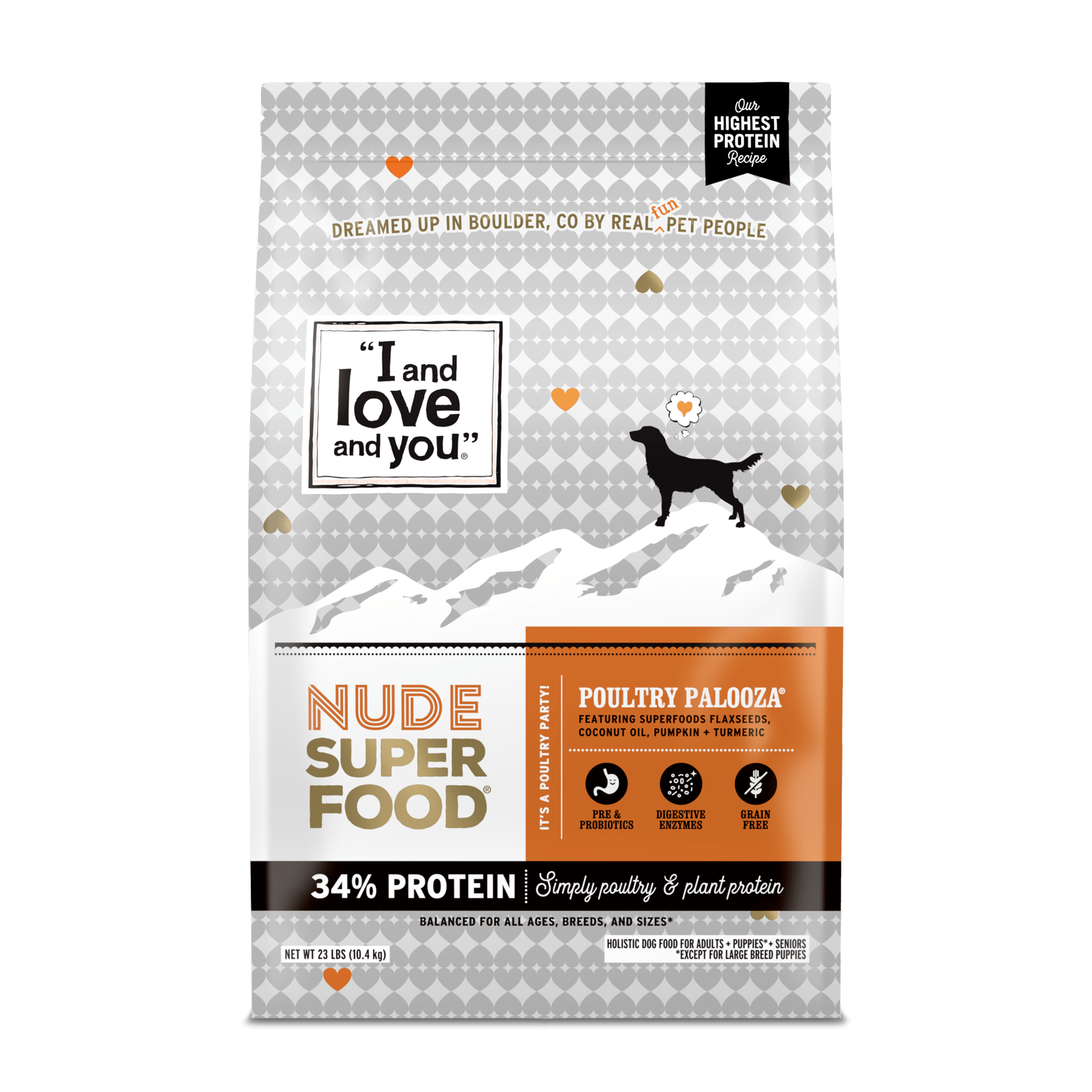
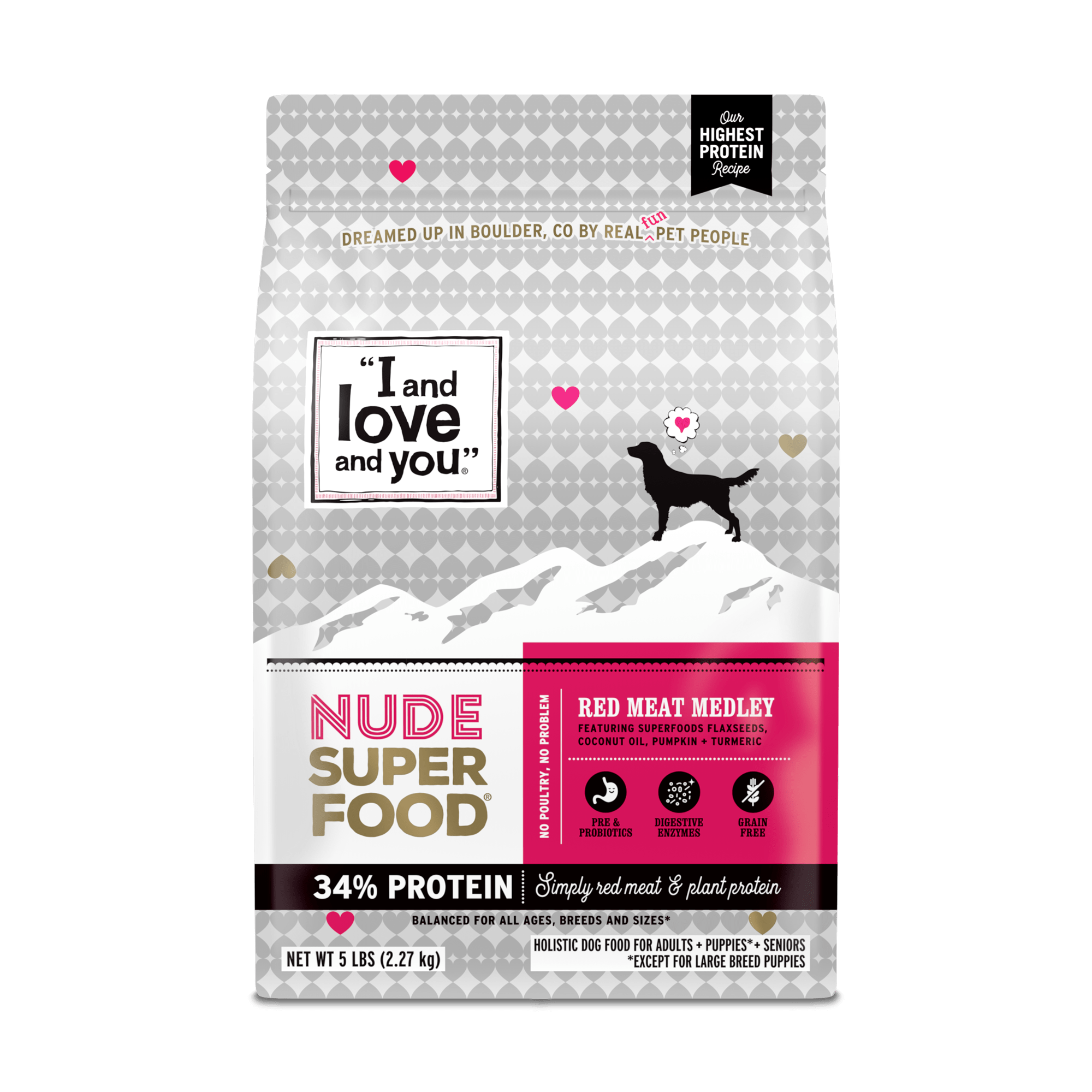
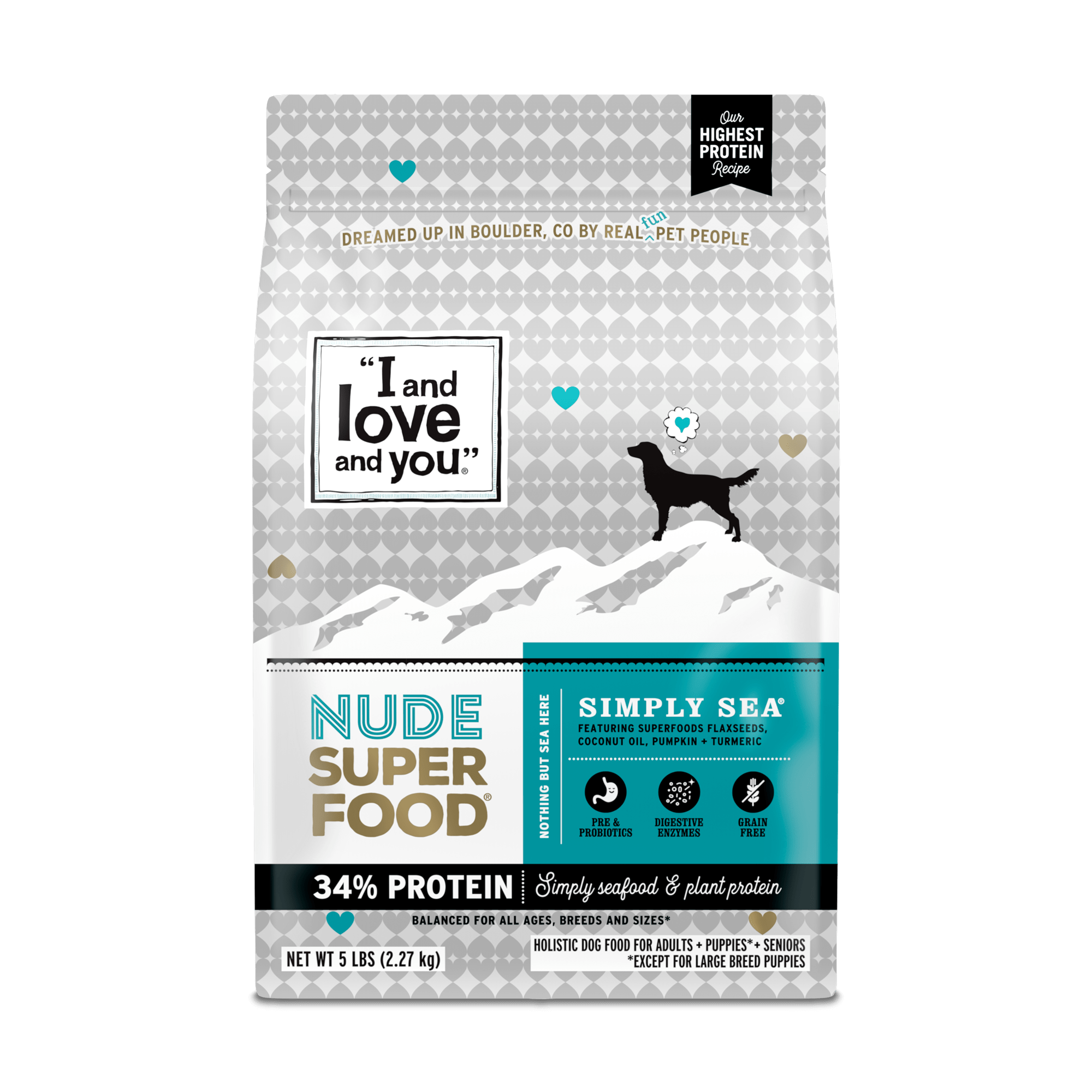
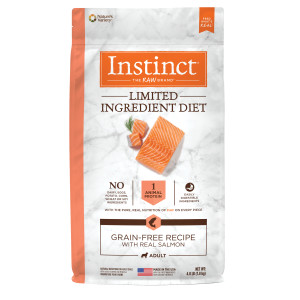
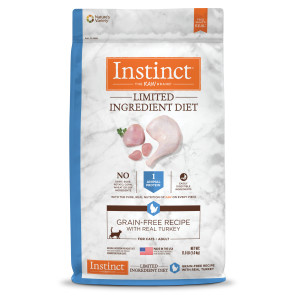
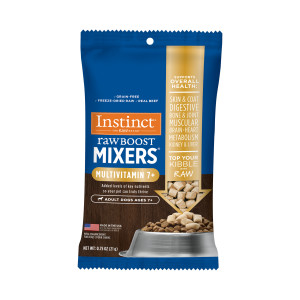
973 foods in the KibbleLab database contain Coconut, including Himalayan Pet Supply, I and Love and You, Instinct.
Foods with Coconut
Alphabetical by brand. Scores run 0 to 10, higher is better, on published veterinary science.




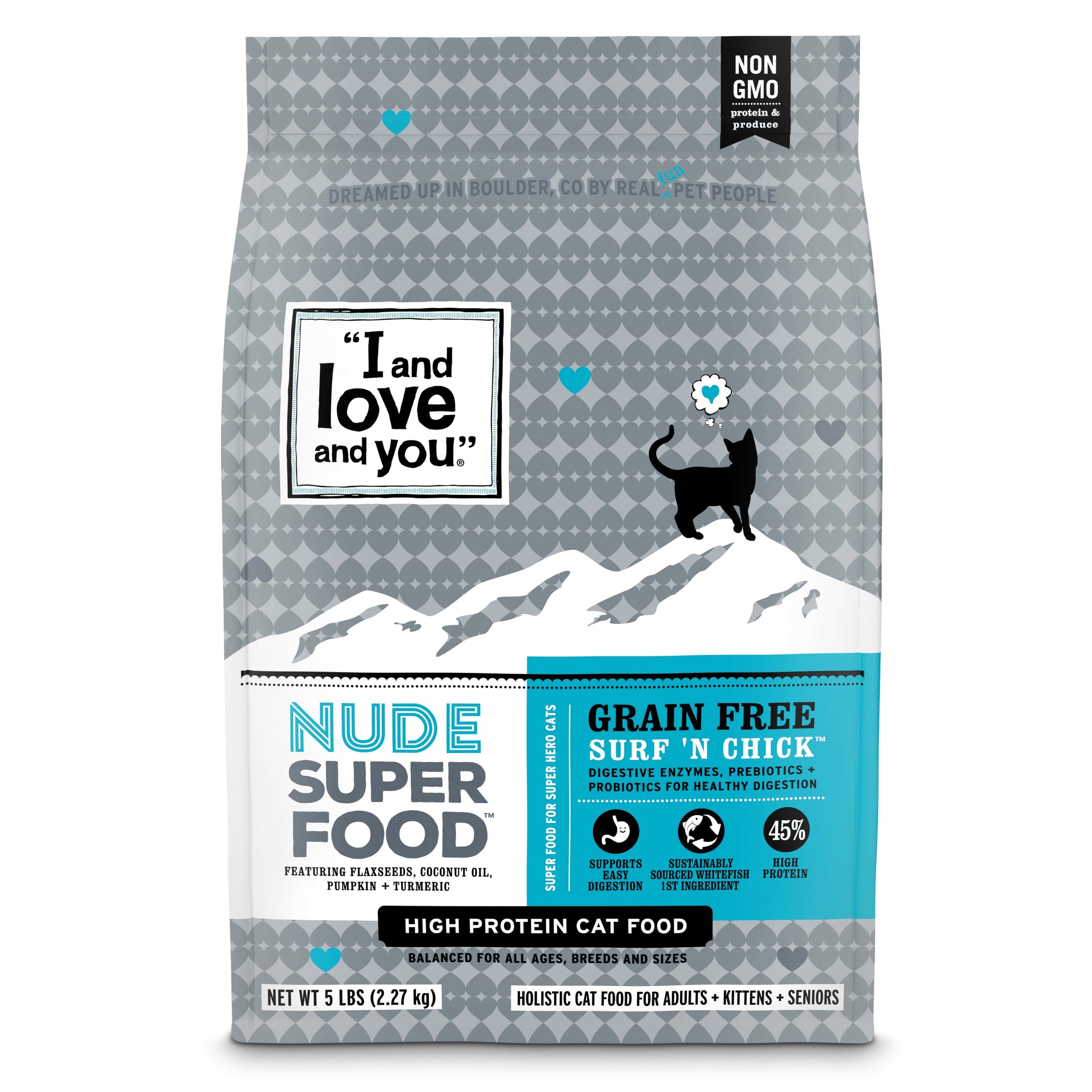
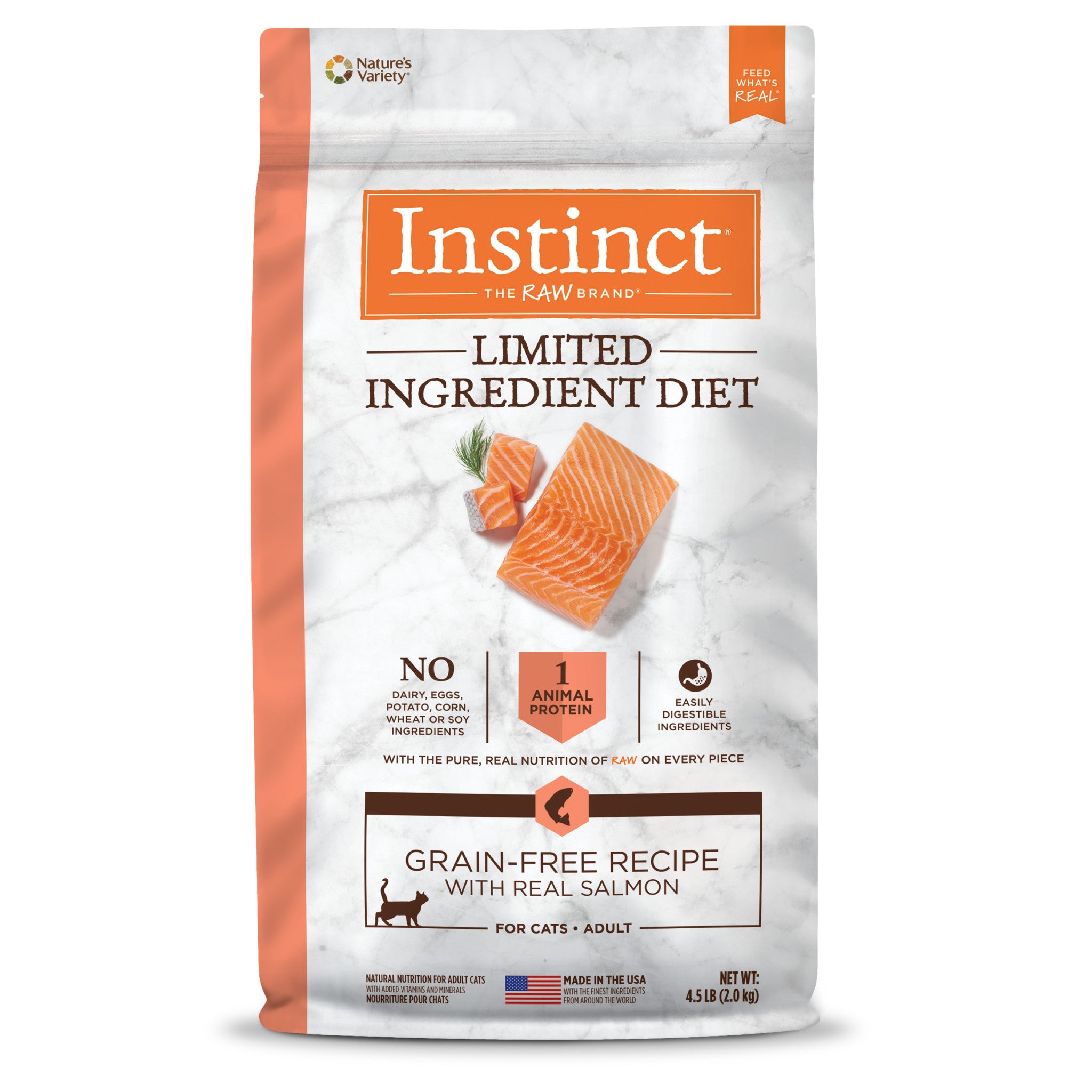
Find the right food for your pet
Sign in free to sort and filter by score, and avoid or require Coconut in the Food Finder. Add KL+ to see these foods ranked for your pet's breed, age, and health focus.

 Continue with Google
 Continue with Facebook