Cod
131 foods contain this ingredient
This is an alphabetical list, not a ranking. Add KL+ to rank foods for your pet in the Food Finder.
About Cod
Cod is a mild-flavored white fish, most often Atlantic or Pacific cod, added to formulas as a whole-fish or fish-meal protein ingredient.
Cod is a lean white fish used in pet foods as a high-quality, easily digestible animal protein that provides essential amino acids, B vitamins (notably B12), selenium and modest amounts of omega‑3 fatty acids for skin, coat and overall health. It is palatable and low in fat, but should be properly deboned and sourced; avoid feeding raw fish without appropriate processing (some raw fish can contain enzymes that affect thiamine) and monitor for fish allergies or contaminants such as mercury.
Related ingredients
- Derived from
- Atlantic or Pacific cod (whole fish, fillet, or fish meal)
- Primary role
- novel or alternative animal protein source
Why it's used
Because it is rarely used in mainstream chicken- or beef-based diets, cod is frequently chosen as a novel protein for elimination diets and formulas targeting pets with suspected reactions to more common meat proteins. Its mild taste and lean composition also make it a common pick for recipes marketed toward sensitive stomachs.
Common concerns
- Thiaminase in raw or undercooked fish Raw fish can carry thiaminase, an enzyme that breaks down thiamine (vitamin B1), and the Merck Veterinary Manual lists raw fish diets among the recognized causes of thiamine deficiency in dogs and cats; cooking during commercial processing destroys this enzyme.
- Fish-specific allergic reactions A peer-reviewed study of atopic dogs found IgE reactivity to crude cod extract in 20% of atopic dogs tested and in 44% of dogs with a confirmed cod allergy, with cod allergens including tropomyosin, collagen, and parvalbumin, so cod is not universally non-reactive despite its use as a novel protein.
- Mercury and heavy metal accumulation Published testing of commercial pet foods has found that fish-based products, particularly those listing fish as a primary ingredient, show measurably higher mercury concentrations than poultry- or beef-based foods, reflecting mercury's tendency to accumulate up the marine food chain.
Also relevant
Because cod is a common human food allergen, some formulas market it as an alternative for pets already being fed other fish species, though cross-reactivity between fish species is possible and worth discussing with a veterinarian for pets with known fish sensitivities.
4 sources cited
- Raw fish diets are a recognized cause of thiamine deficiency and thiaminase is destroyed by cooking
- Thiamine deficiency clinical presentation and causes in dogs and cats
- IgE reactivity rates to cod allergens and identified allergen proteins (tropomyosin, collagen, parvalbumin) in atopic dogs
- Fish-based pet foods, especially those with fish as primary ingredient, show elevated mercury concentrations
Common Questions
What category is Cod?
Cod is categorized as a protein ingredient in the KibbleLab database.
Is Cod part of an allergen group?
Yes. Cod is grouped under the Fish allergen group in the KibbleLab database.
Which foods contain Cod?
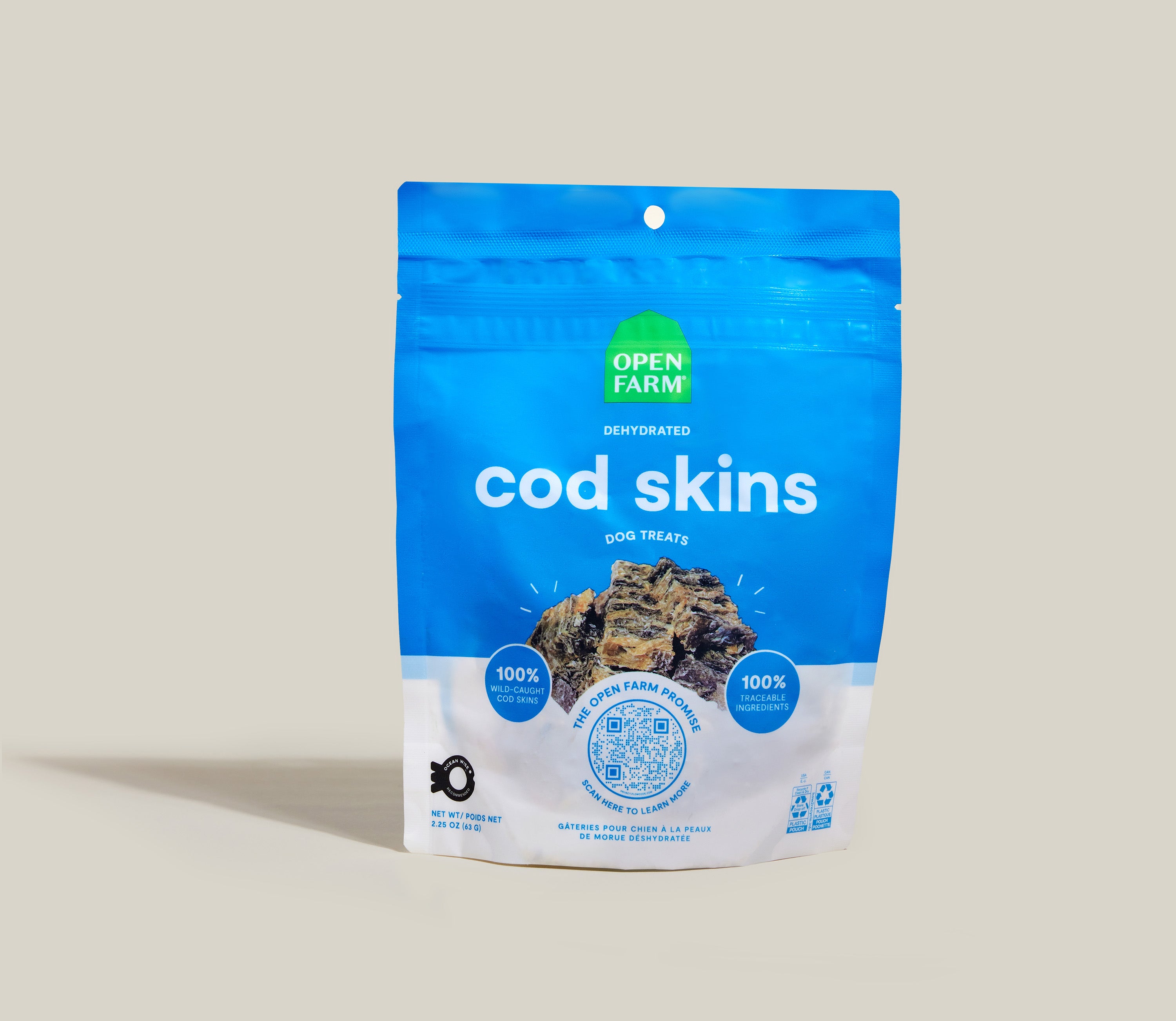
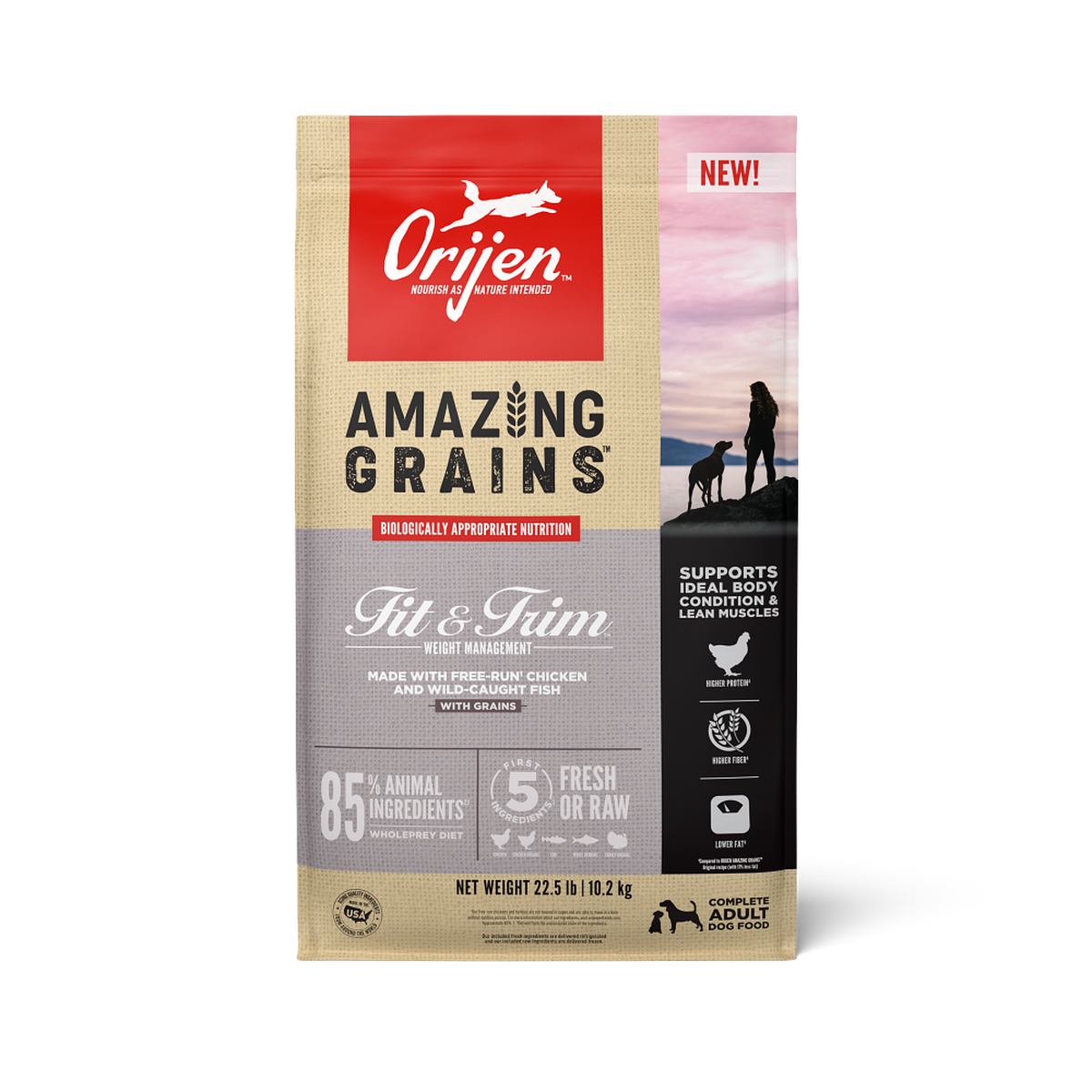
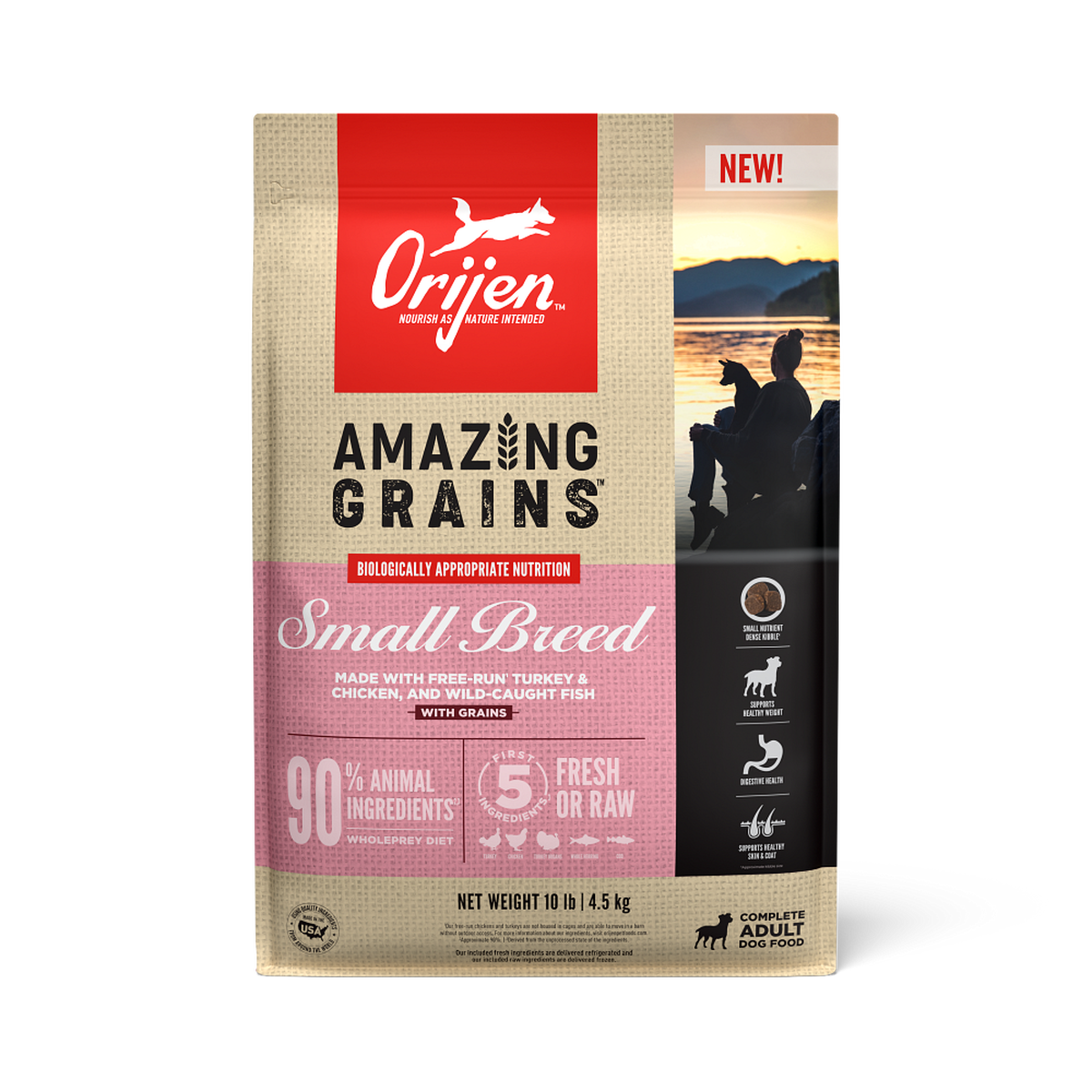
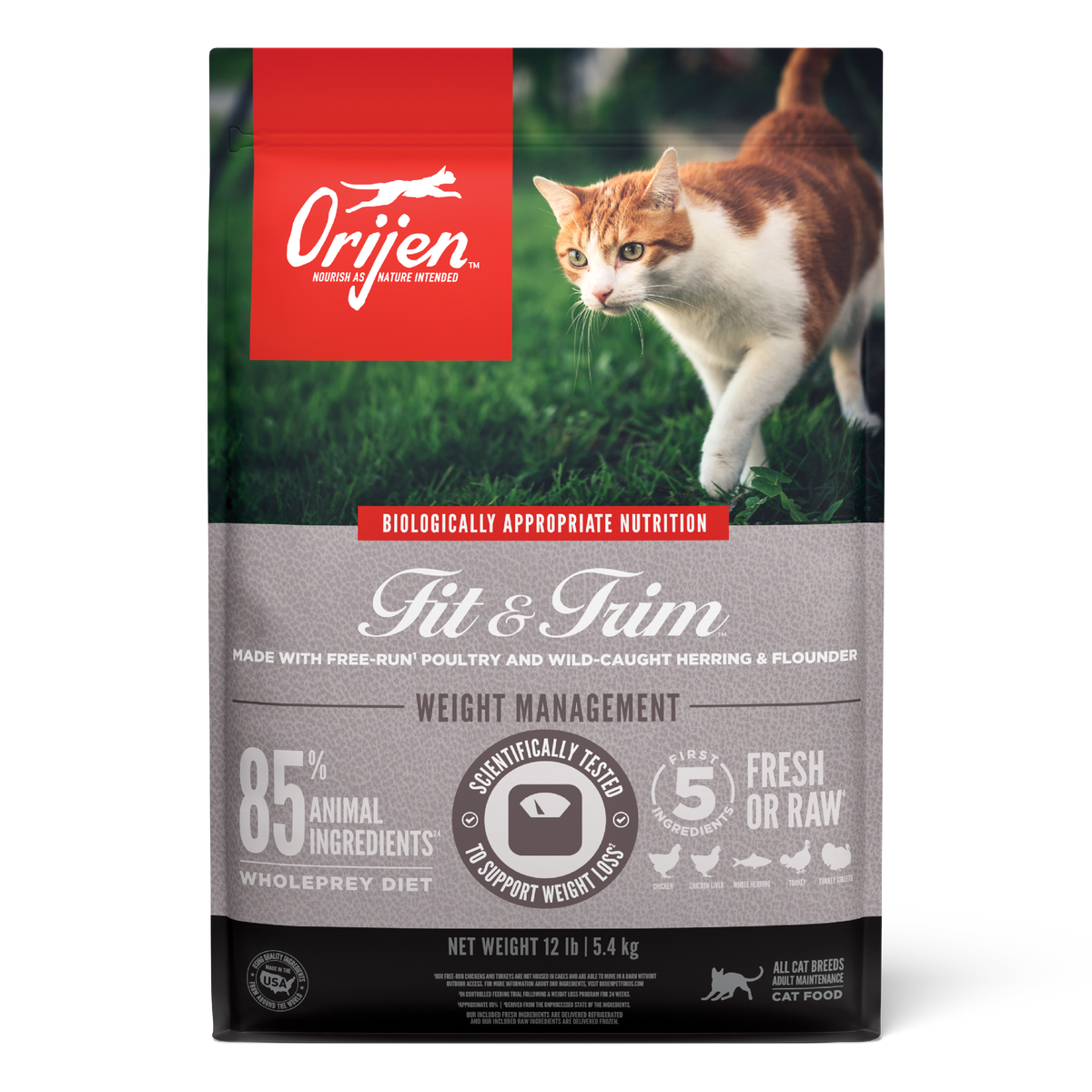
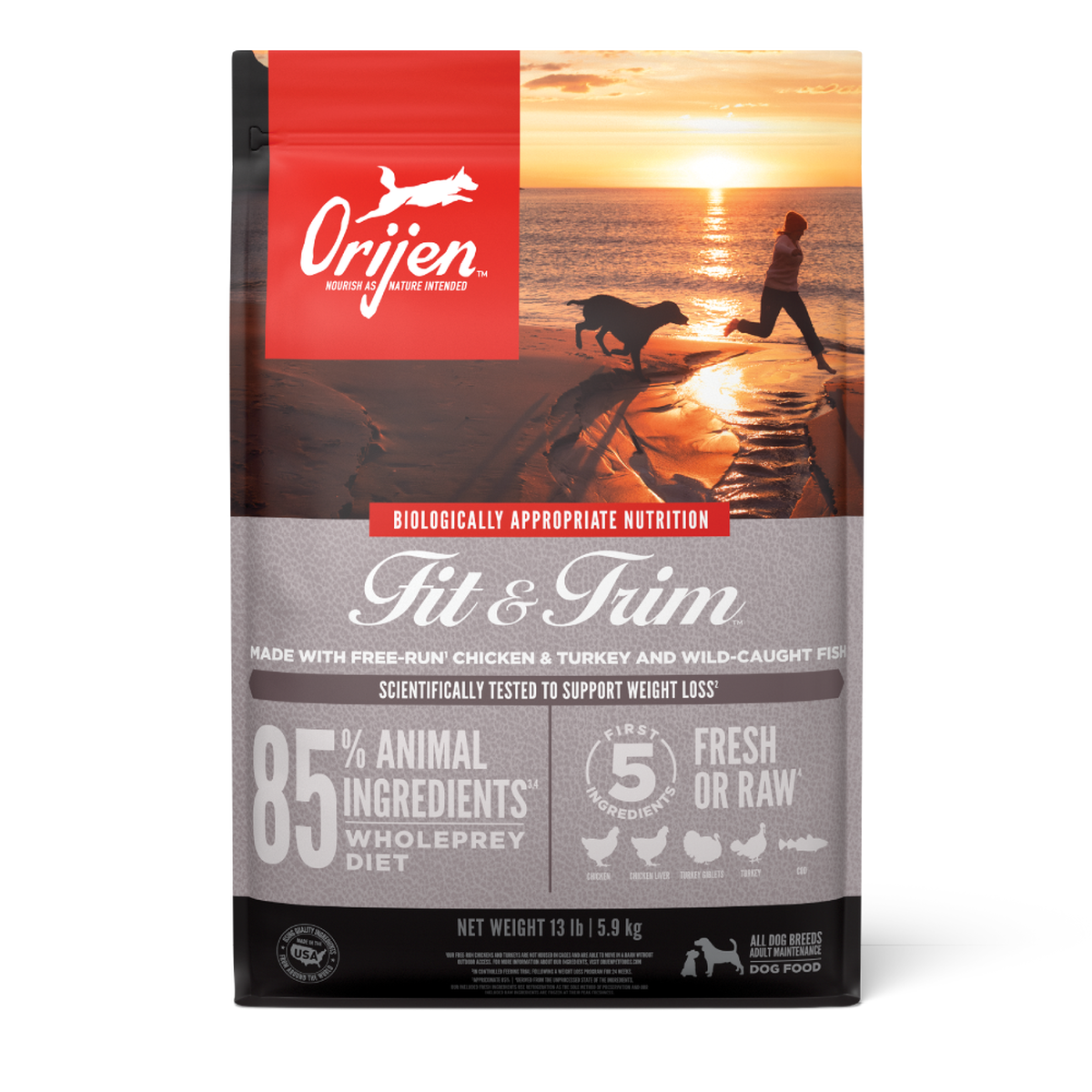
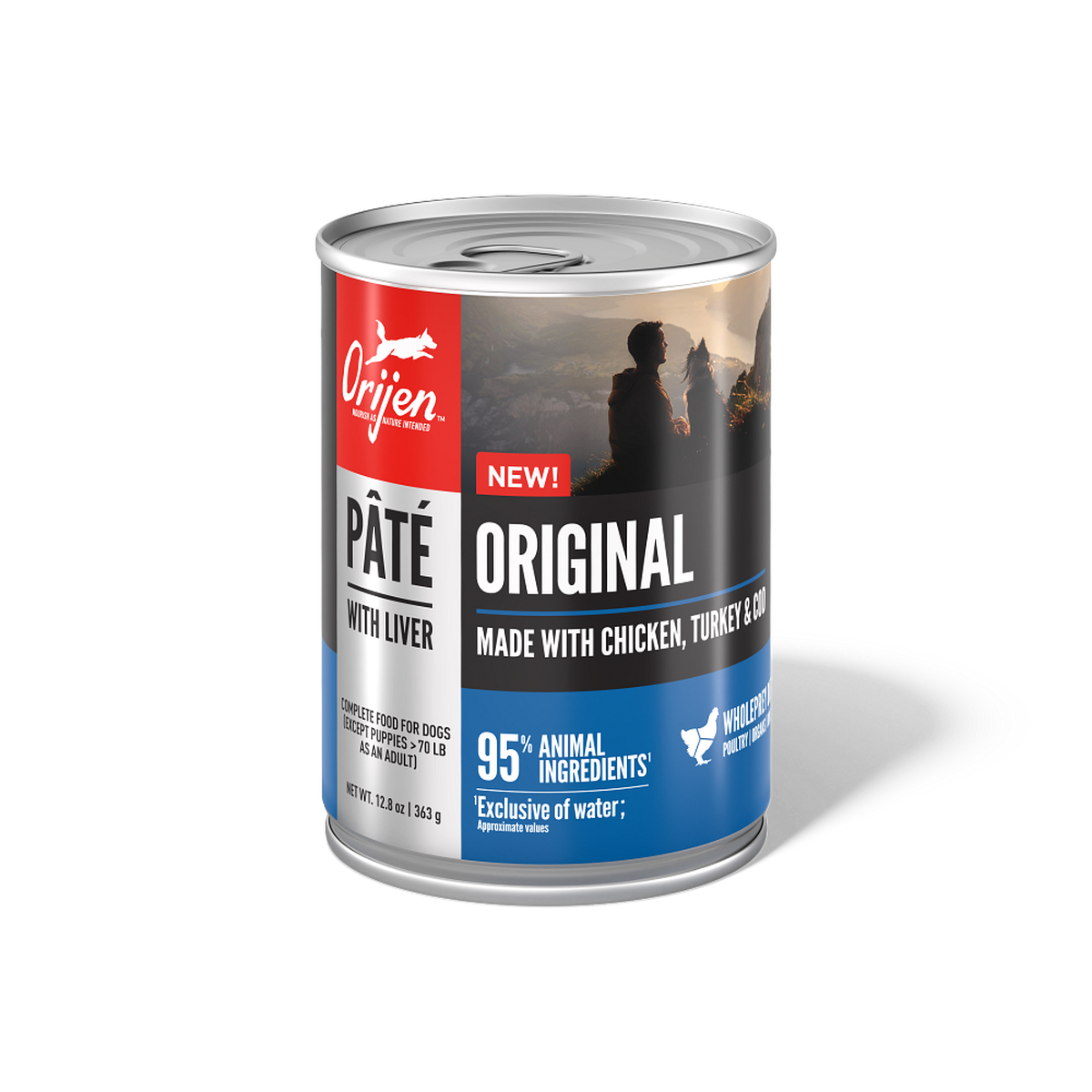
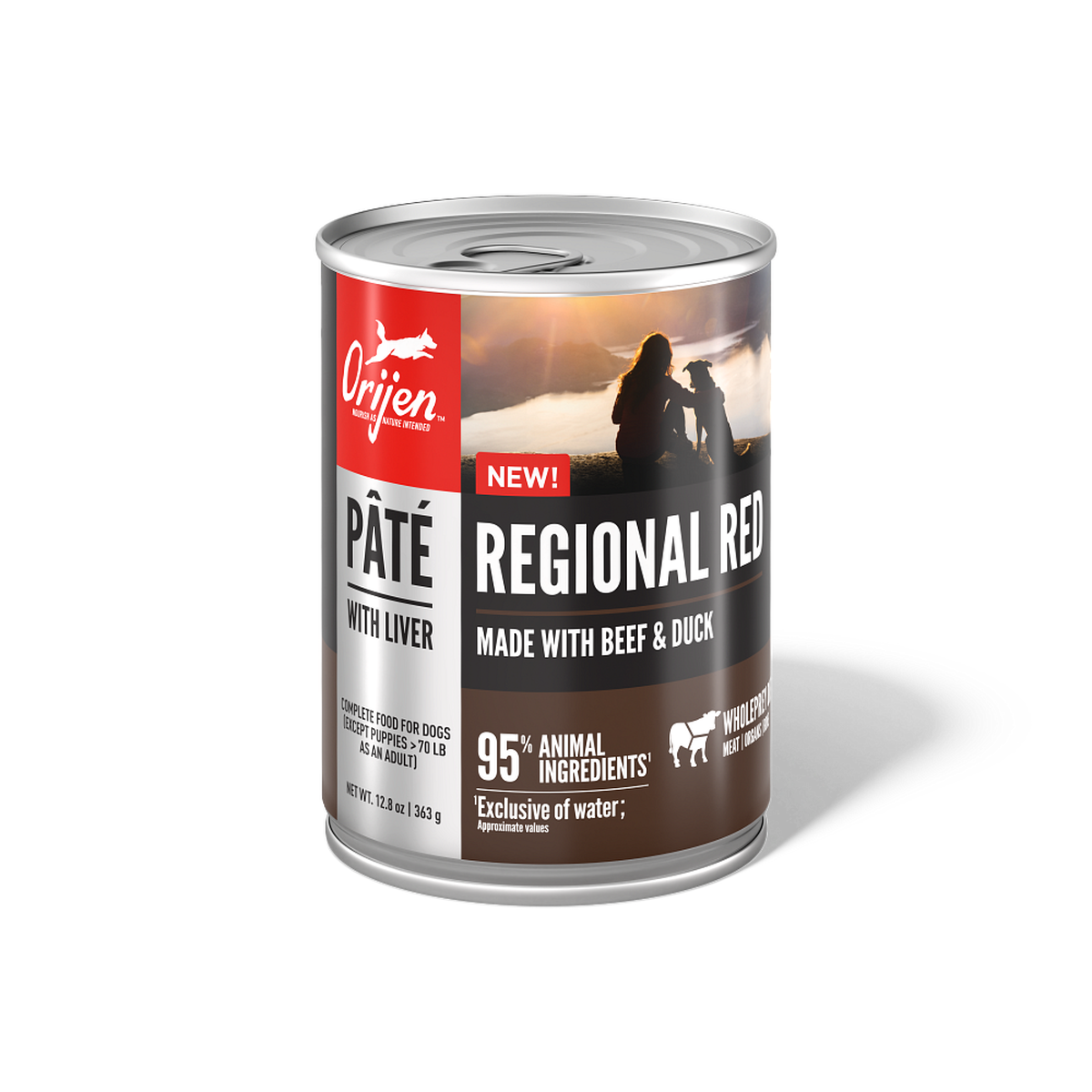
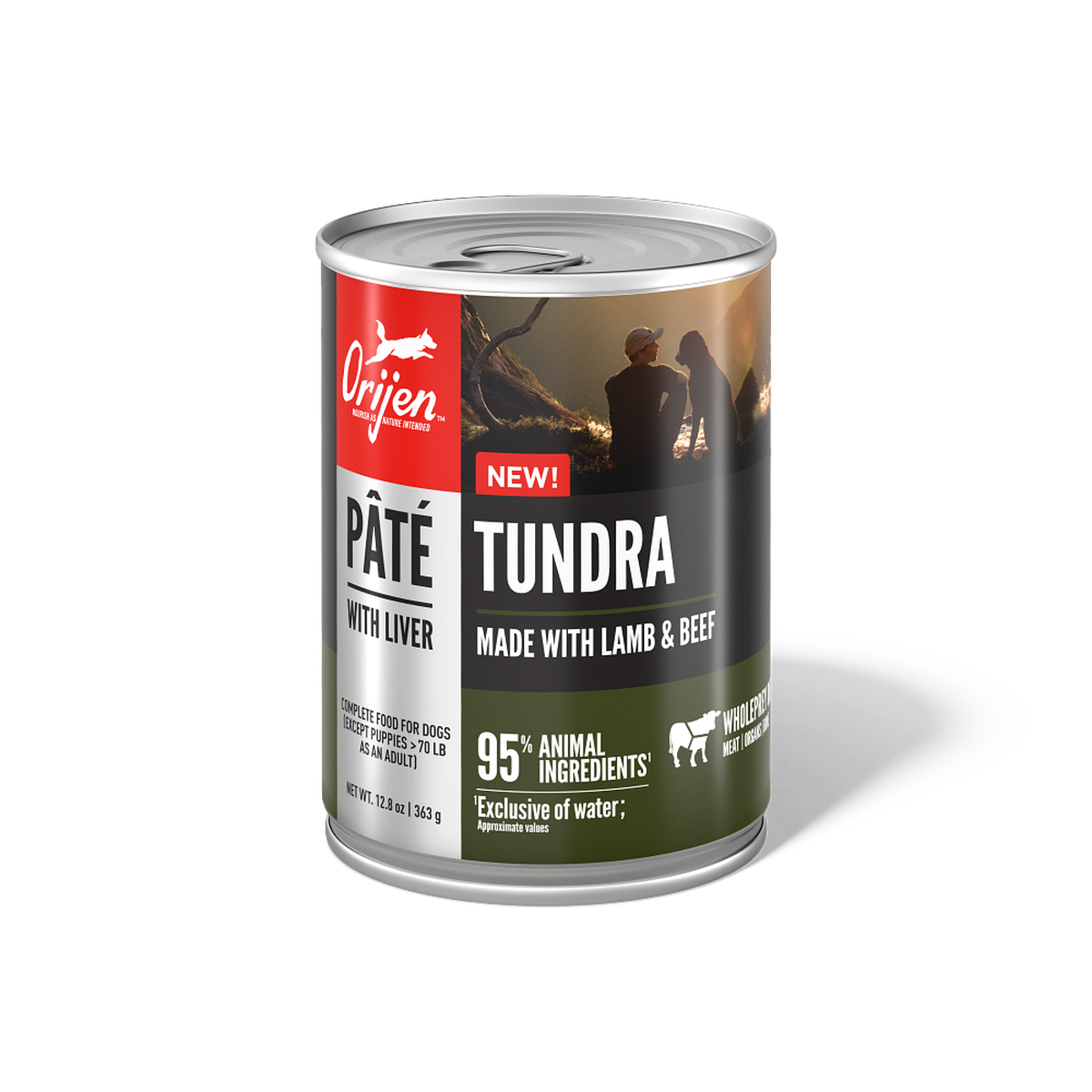
131 foods in the KibbleLab database contain Cod, including Open Farm, Orijen, Polkadog.
Foods with Cod
Alphabetical by brand. Scores run 0 to 10, higher is better, on published veterinary science.








Find the right food for your pet
Sign in free to sort and filter by score, and avoid or require Cod in the Food Finder. Add KL+ to see these foods ranked for your pet's breed, age, and health focus.

 Continue with Google
 Continue with Facebook