Collard Green
38 foods contain this ingredient
This is an alphabetical list, not a ranking. Add KL+ to rank foods for your pet in the Food Finder.
About Collard Green
Collard green is a dark, leafy Brassica vegetable sometimes cooked and mixed into home-prepared meals or found in small amounts in commercial pet food recipes.
Collard greens are a leafy cruciferous vegetable used in pet foods or as an occasional fresh supplement to provide fiber, vitamins (A, C, K) and minerals like calcium, helping support digestive health and add low‑calorie micronutrient variety—most beneficial for dogs, while cats (obligate carnivores) receive limited nutritional benefit. They should be fed in moderation and preferably cooked to reduce goitrogens and oxalates; large amounts can cause gas or interfere with thyroid function or anticoagulant medications, and never give them seasoned with onion or garlic.
- Derived from
- leaves of Brassica oleracea (Acephala group)
- Primary role
- fiber and micronutrient add-in
Why it's used
As a member of the Brassica family, collard green is grouped with kale, broccoli, and cabbage as a nutrient-dense leafy vegetable that formulators or home cooks may fold into a recipe for texture and bulk rather than as a core nutrient source. Its dark pigmentation reflects a dense concentration of plant micronutrients relative to its calorie content.
Common concerns
- Goitrogenic compounds Collard greens contain glucosinolates, plant compounds documented to slow iodine uptake by the thyroid, which is one reason cruciferous greens are typically fed in moderation.
- Oxalate content Leafy greens in this family carry oxalates, compounds that bind calcium and are one documented contributor to calcium oxalate urinary stone formation, a concern veterinary sources flag specifically for dogs with a prior history of this stone type.
- Vitamin K and clotting management Collard greens are among the green leafy vegetables highest in vitamin K1, the same nutrient used clinically at therapeutic doses to reverse anticoagulant rodenticide toxicity, so intake consistency is a relevant discussion point for any pet on anticoagulant therapy.
- Gas and digestive fermentation Like other Brassica vegetables, collard greens contain fermentable fiber and sulfur compounds that gut bacteria break down in the colon, a process documented to produce gas and, in raw or excessive amounts, digestive discomfort.
Also relevant
Cats derive comparatively little from any plant ingredient given their obligate carnivore physiology, so collard green's relevance in feline diets is mainly textural or incidental rather than nutritionally targeted.
6 sources cited
- Oxalate content of leafy greens and its role in calcium oxalate bladder stone formation in dogs, including guidance to limit high-oxalate foods for predisposed animals
- Goitrogens in cruciferous vegetables can slow thyroid iodine uptake
- Mechanism of anticoagulant rodenticide toxicity and the clinical use of vitamin K1 (phytonadione) at therapeutic doses to restore clotting factor synthesis
- Green leafy vegetables, including collard greens, are among the foods highest in vitamin K1, and consistent (not necessarily zero) intake is the general guidance for anyone on anticoagulant therapy
- Cruciferous/fibrous vegetables contain fermentable carbohydrates and sulfur compounds that gut bacteria ferment into gas, with cooking reducing this effect
- Cats are obligate carnivores that obtain necessary nutrients from meat-based sources, limiting the practical nutritional contribution of vegetables like collard greens
Common Questions
What category is Collard Green?
Collard Green is categorized as a vegetable ingredient in the KibbleLab database.
Is Collard Green part of an allergen group?
No allergen group is linked to Collard Green in the KibbleLab database.
Which foods contain Collard Green?
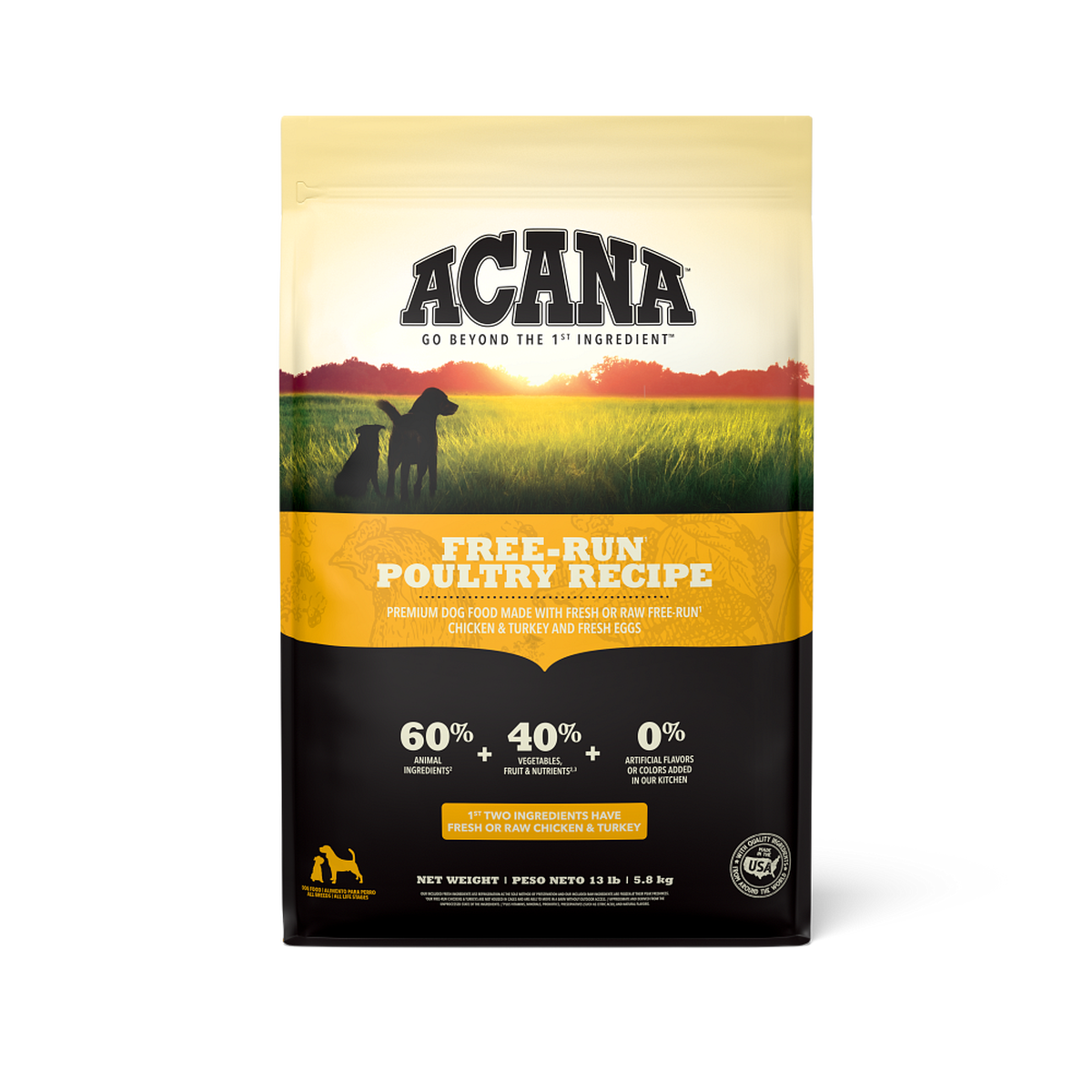
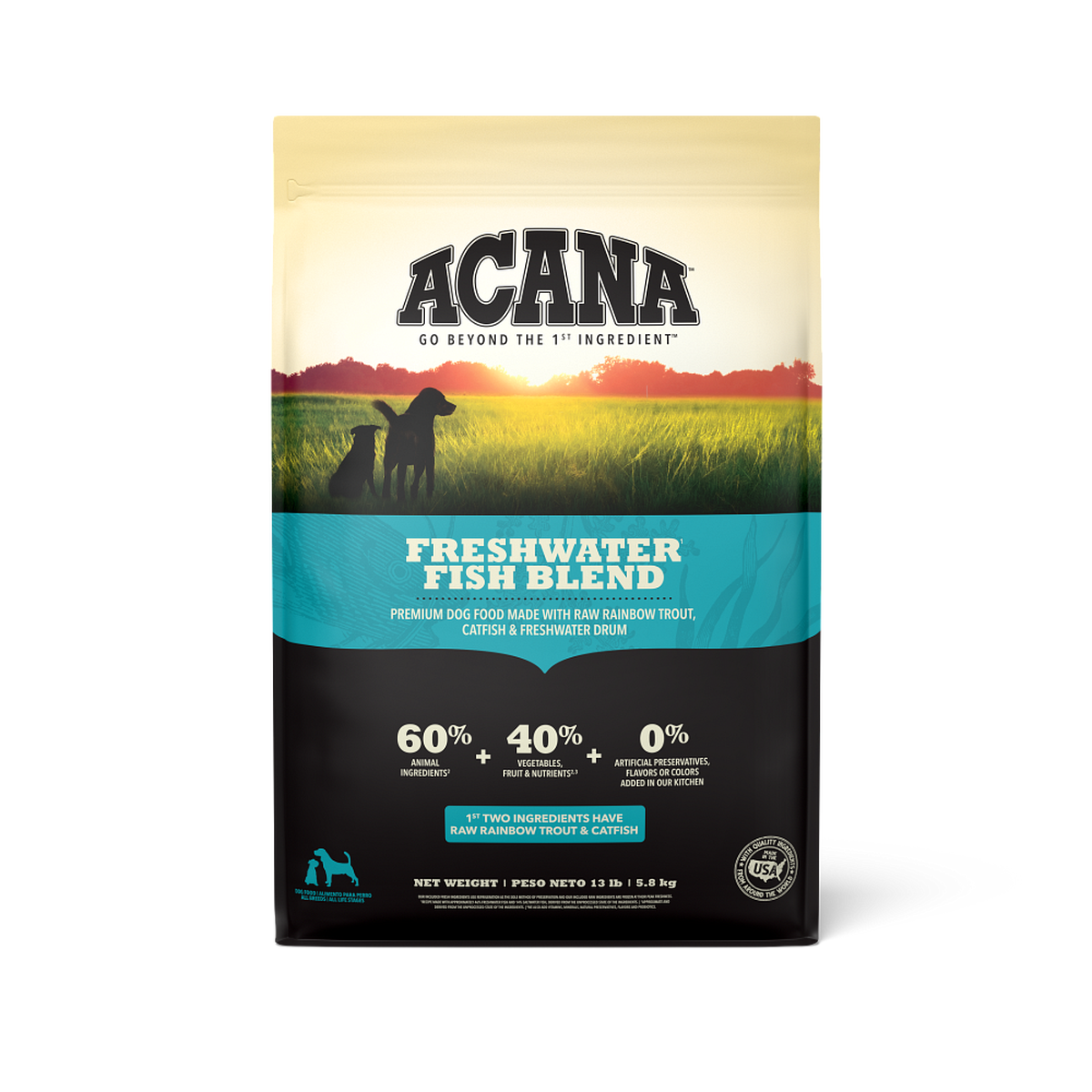
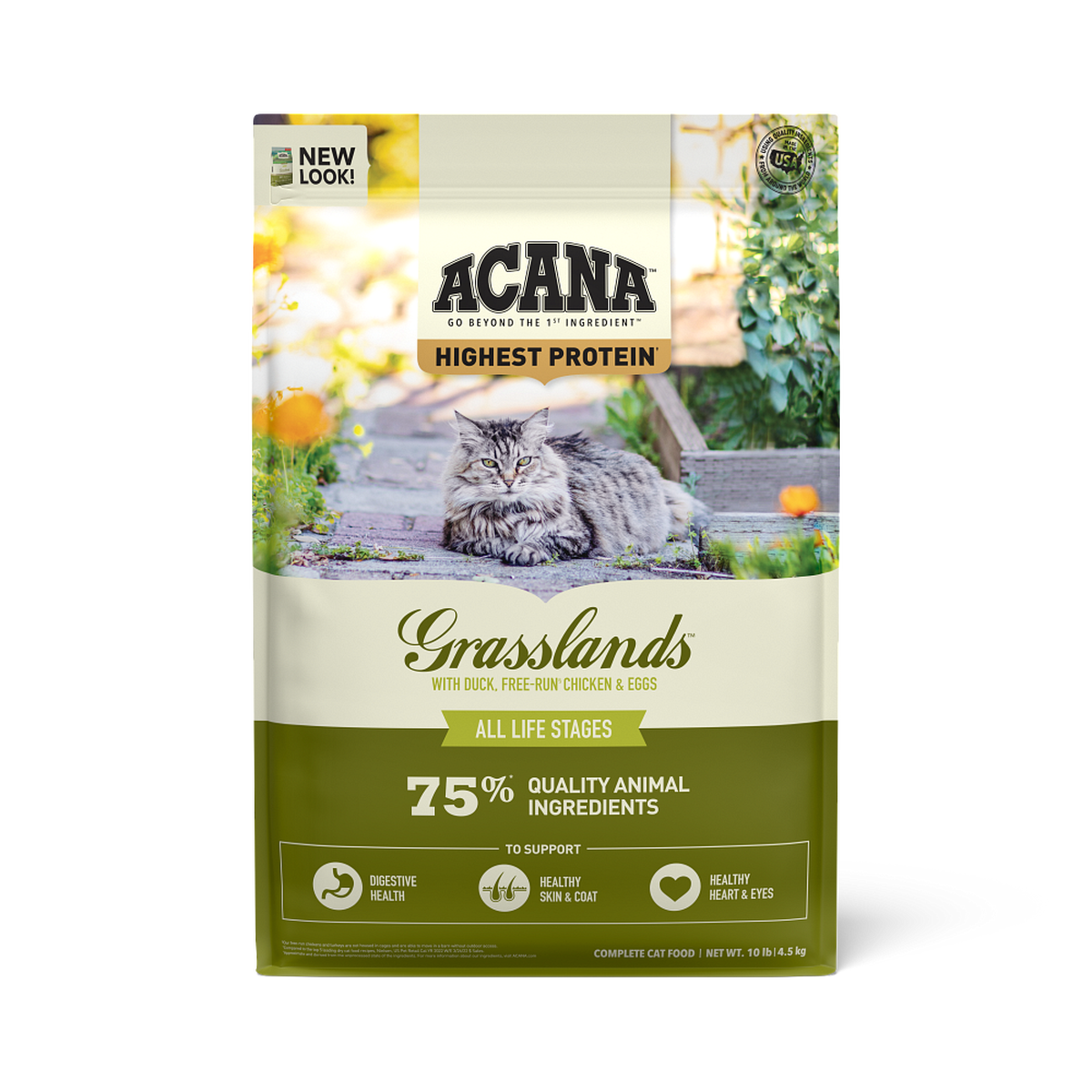
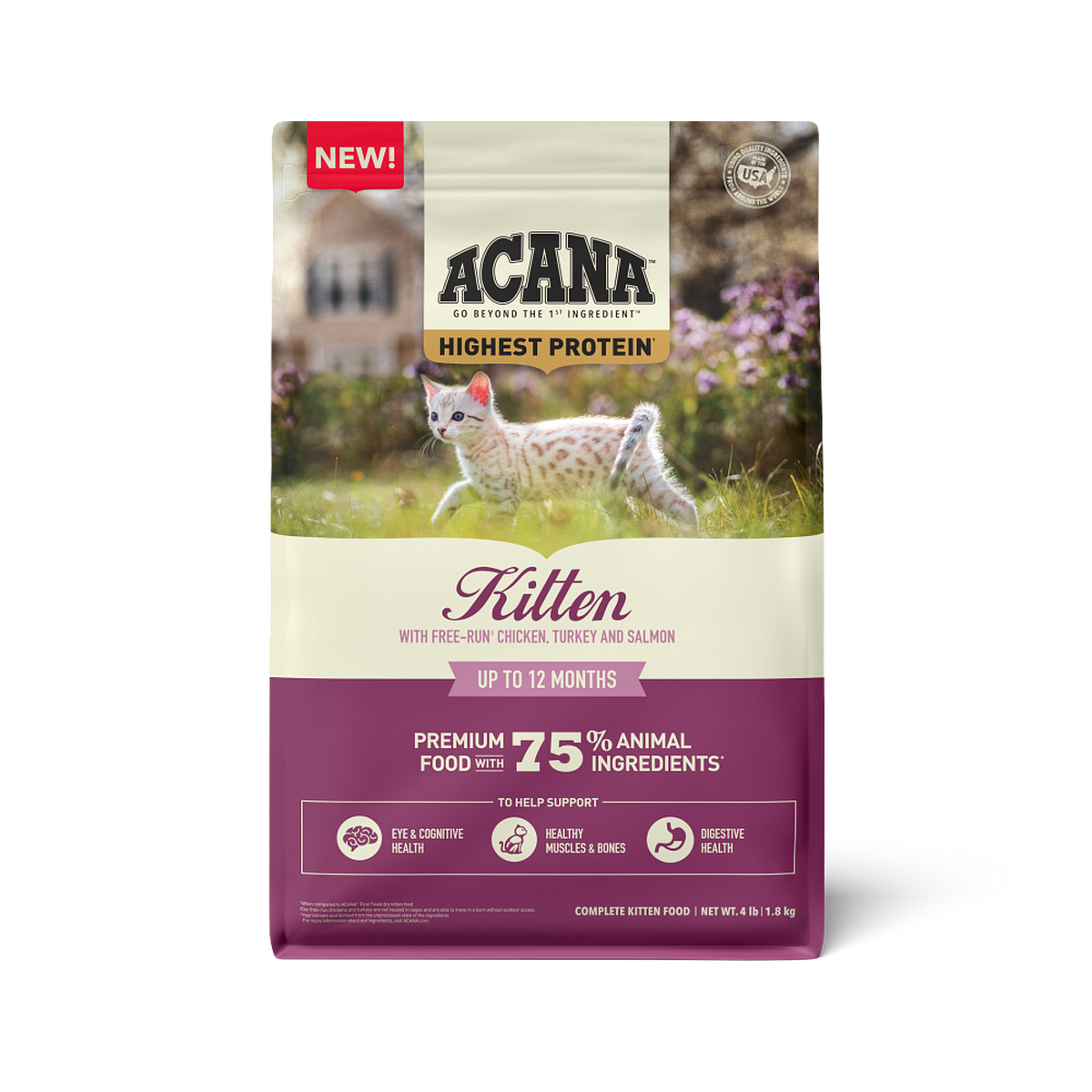
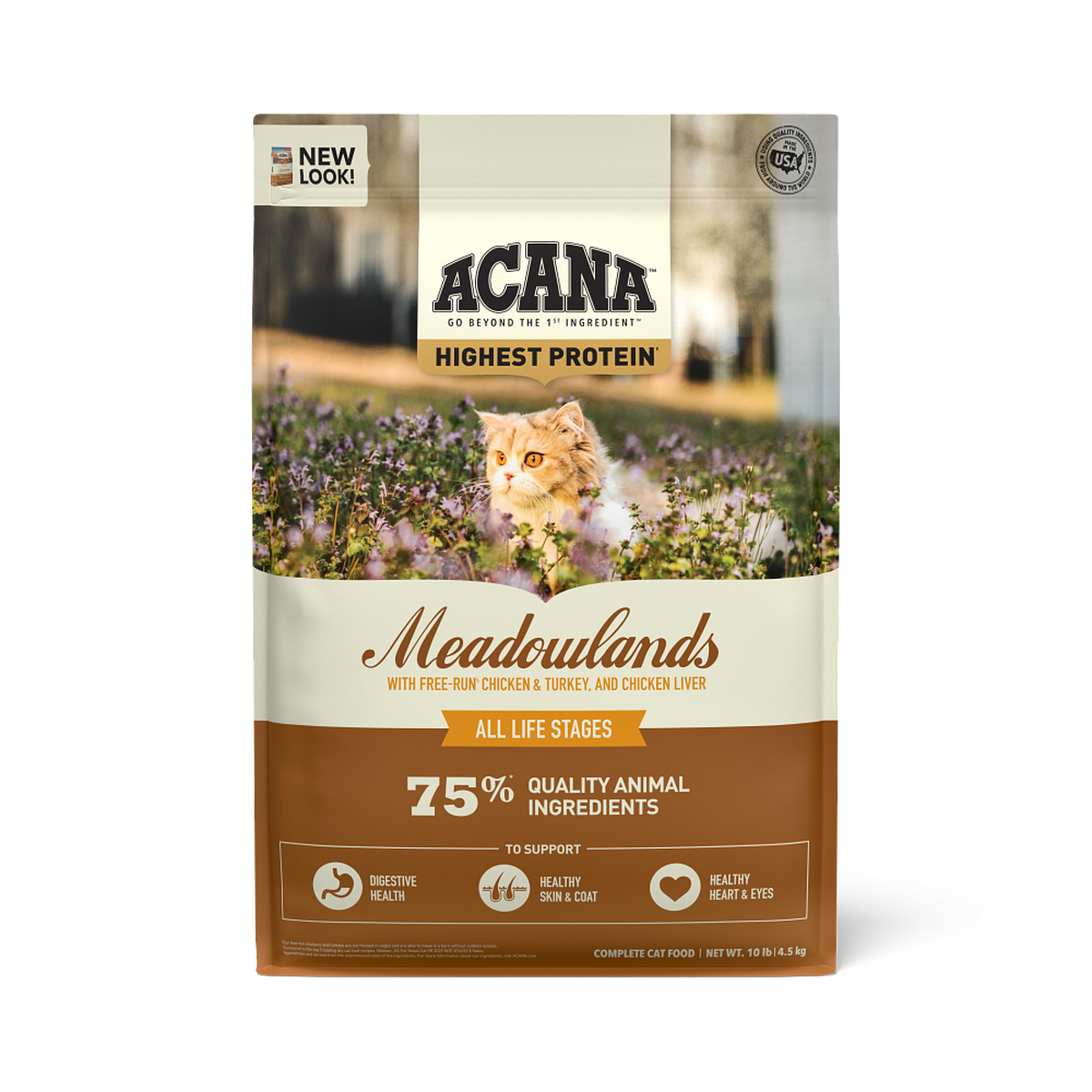
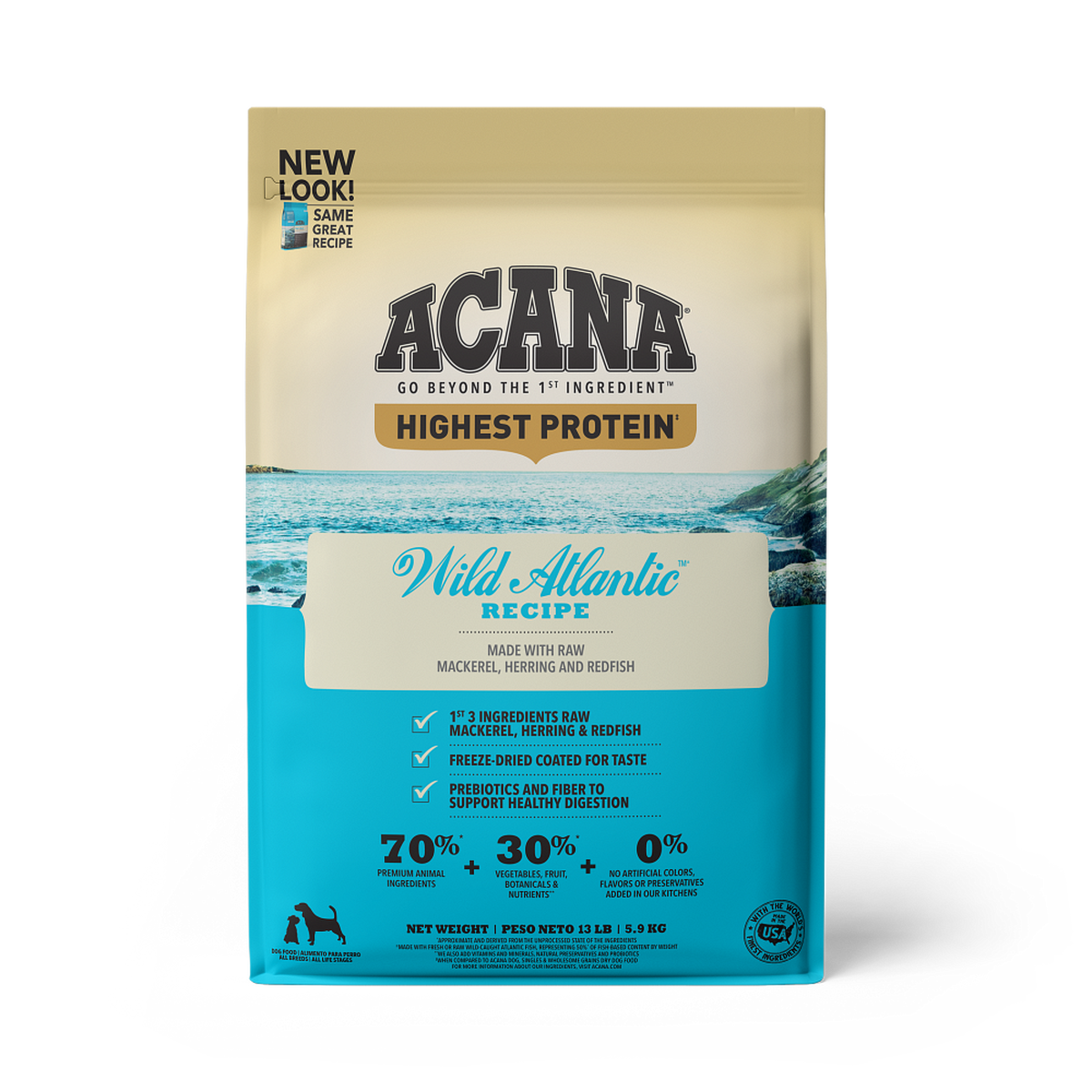
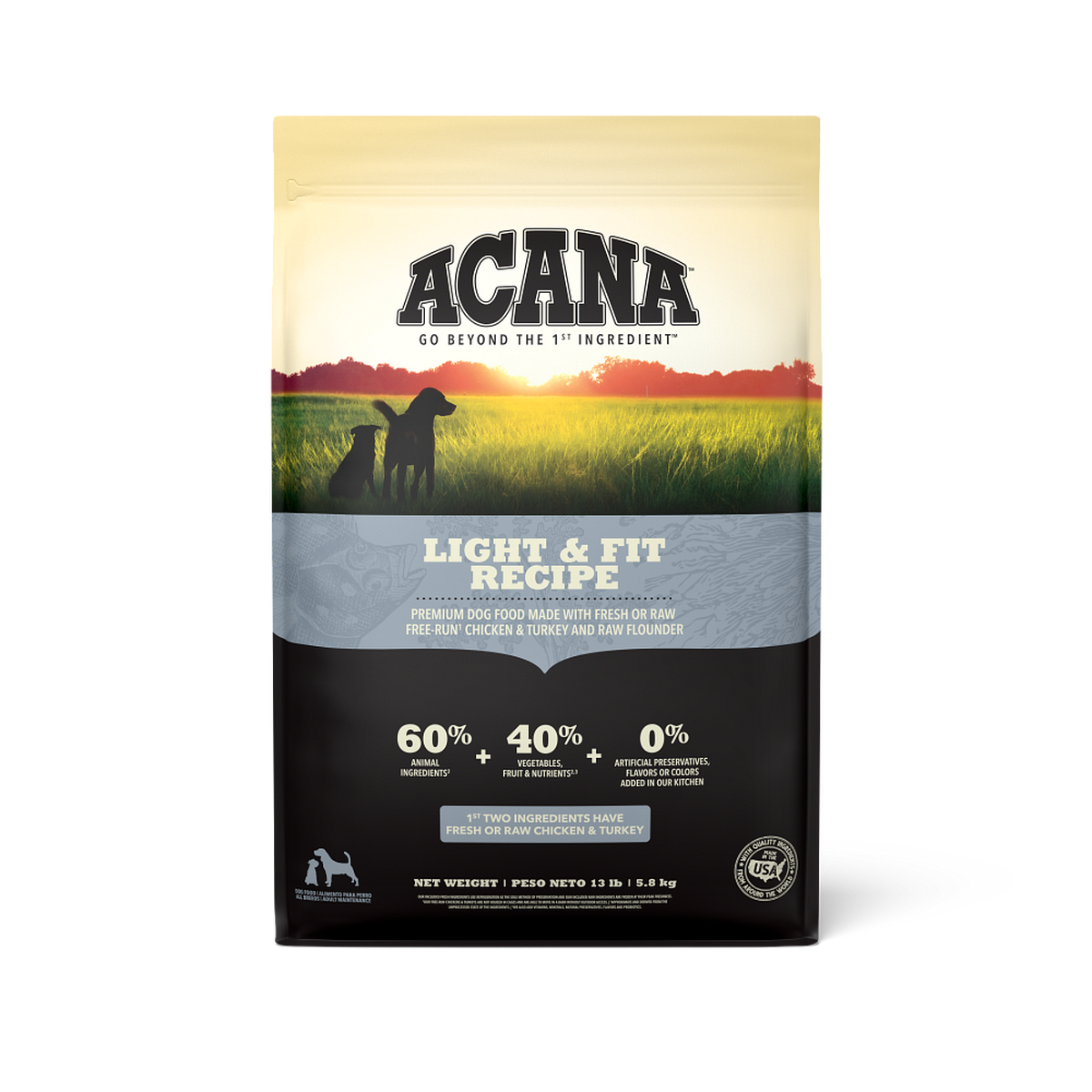
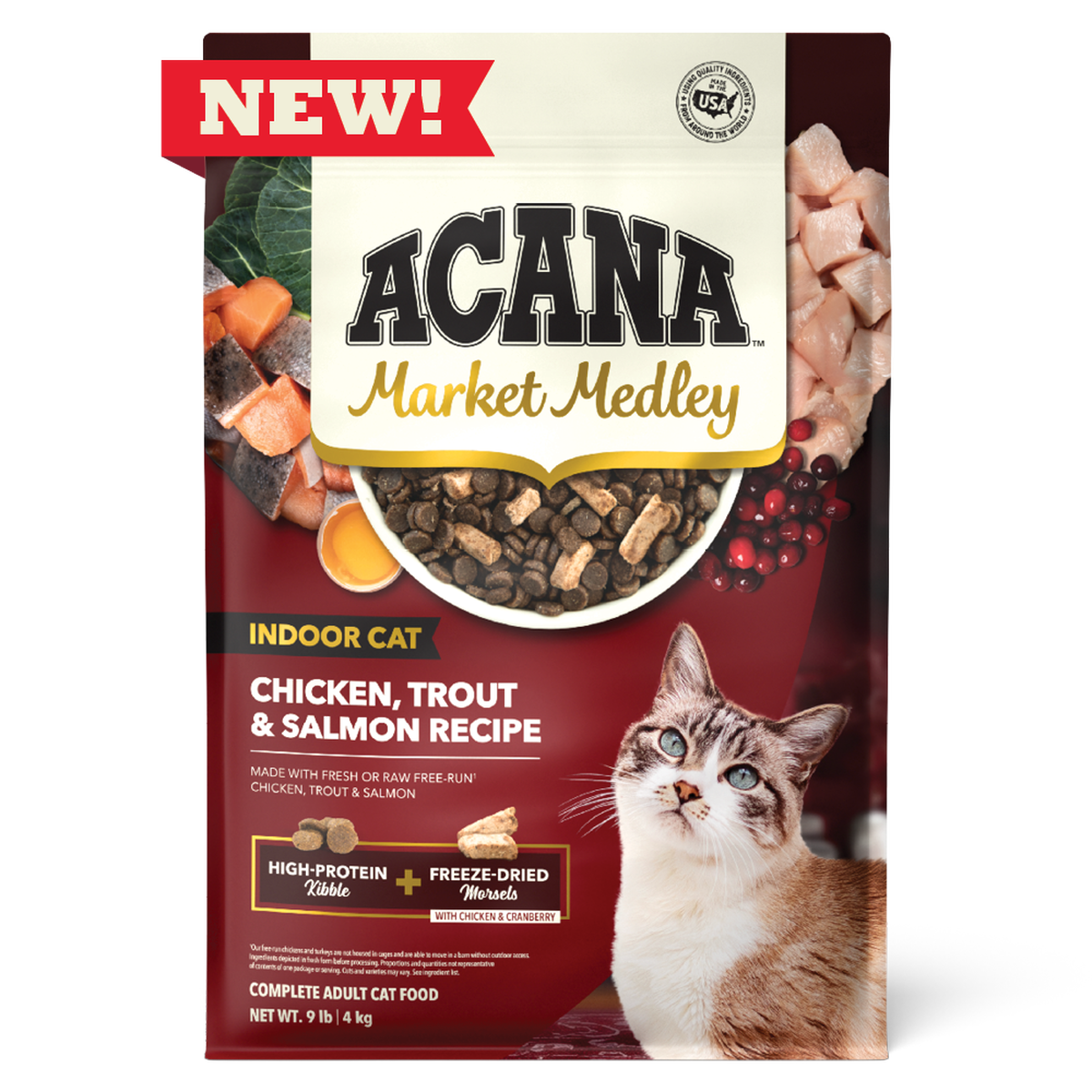
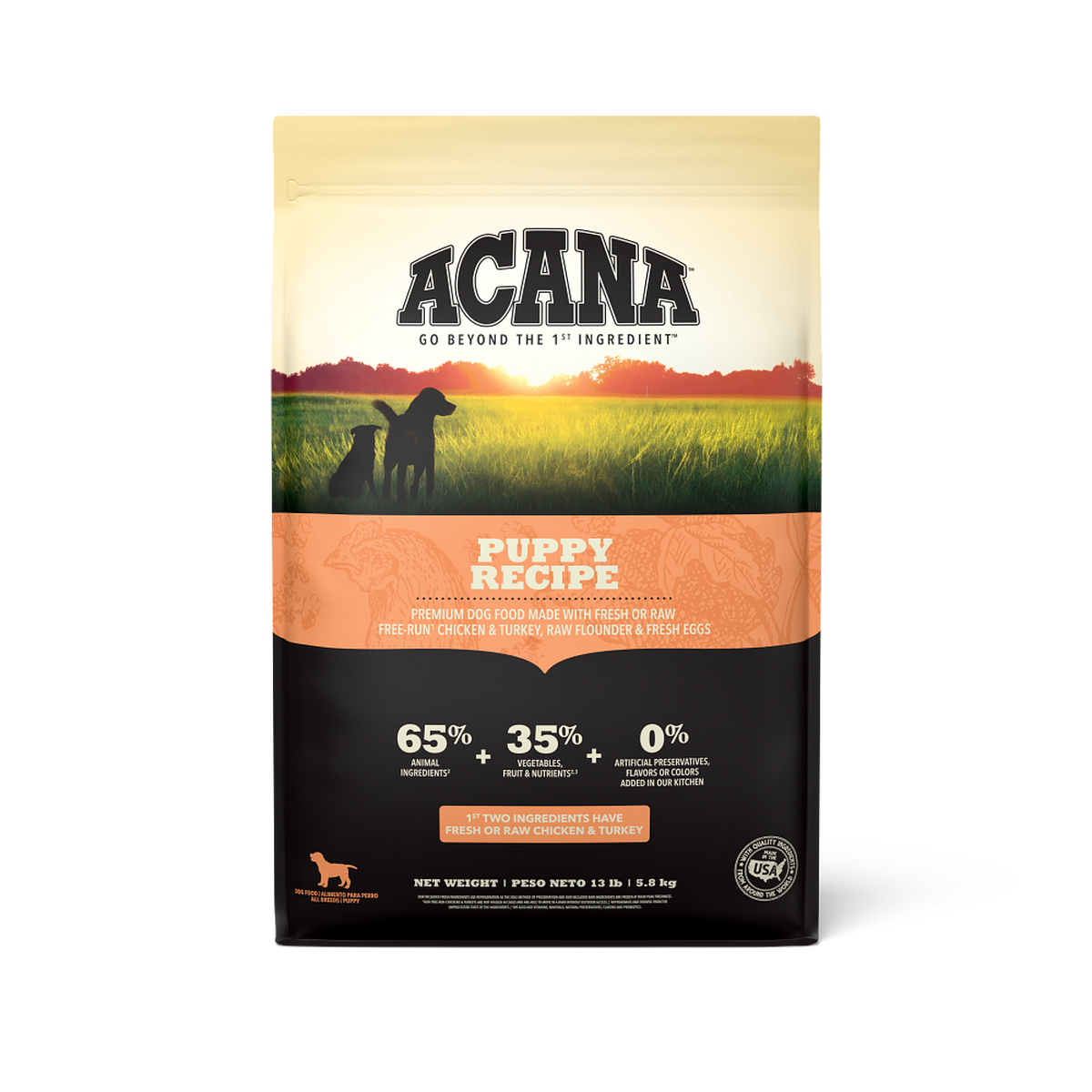
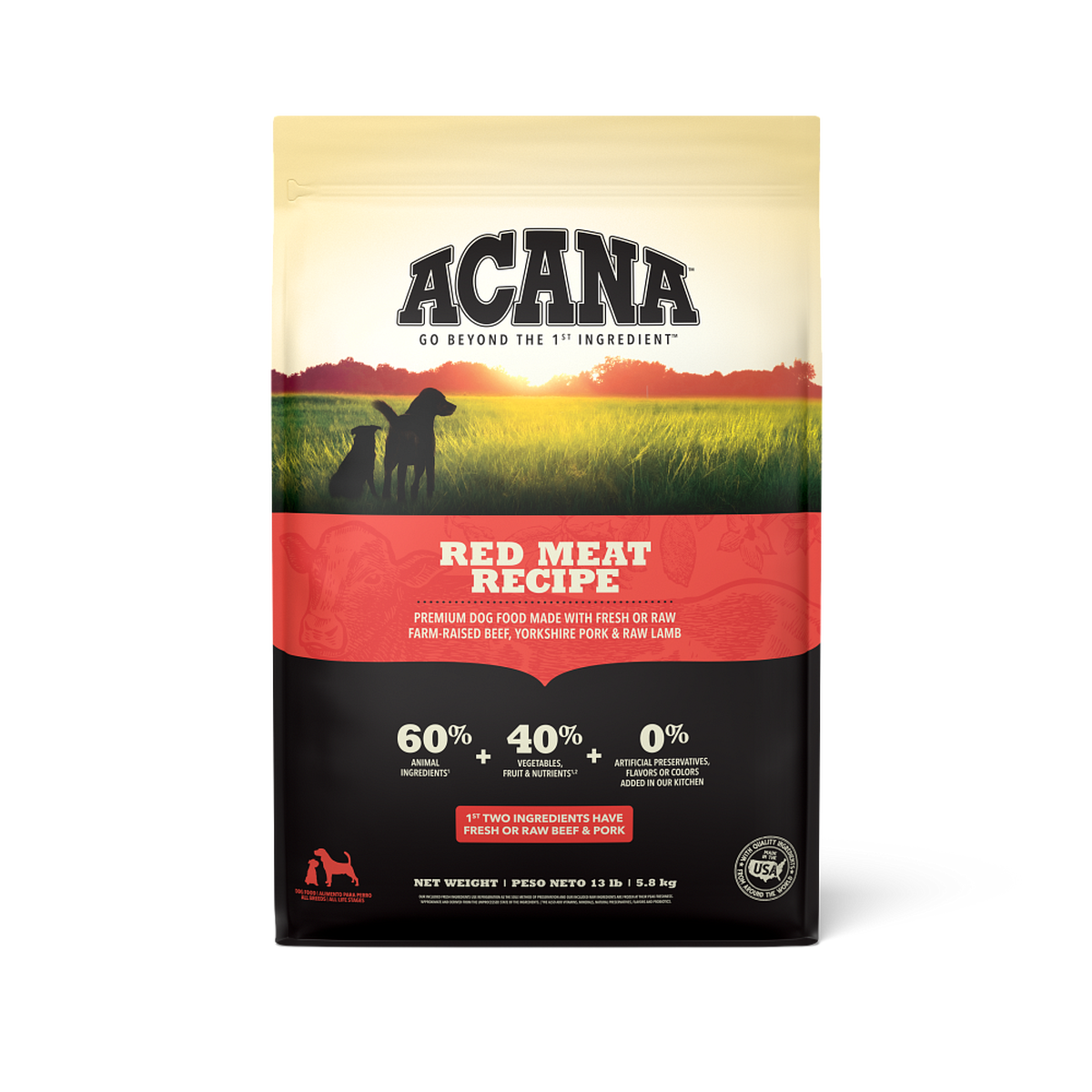
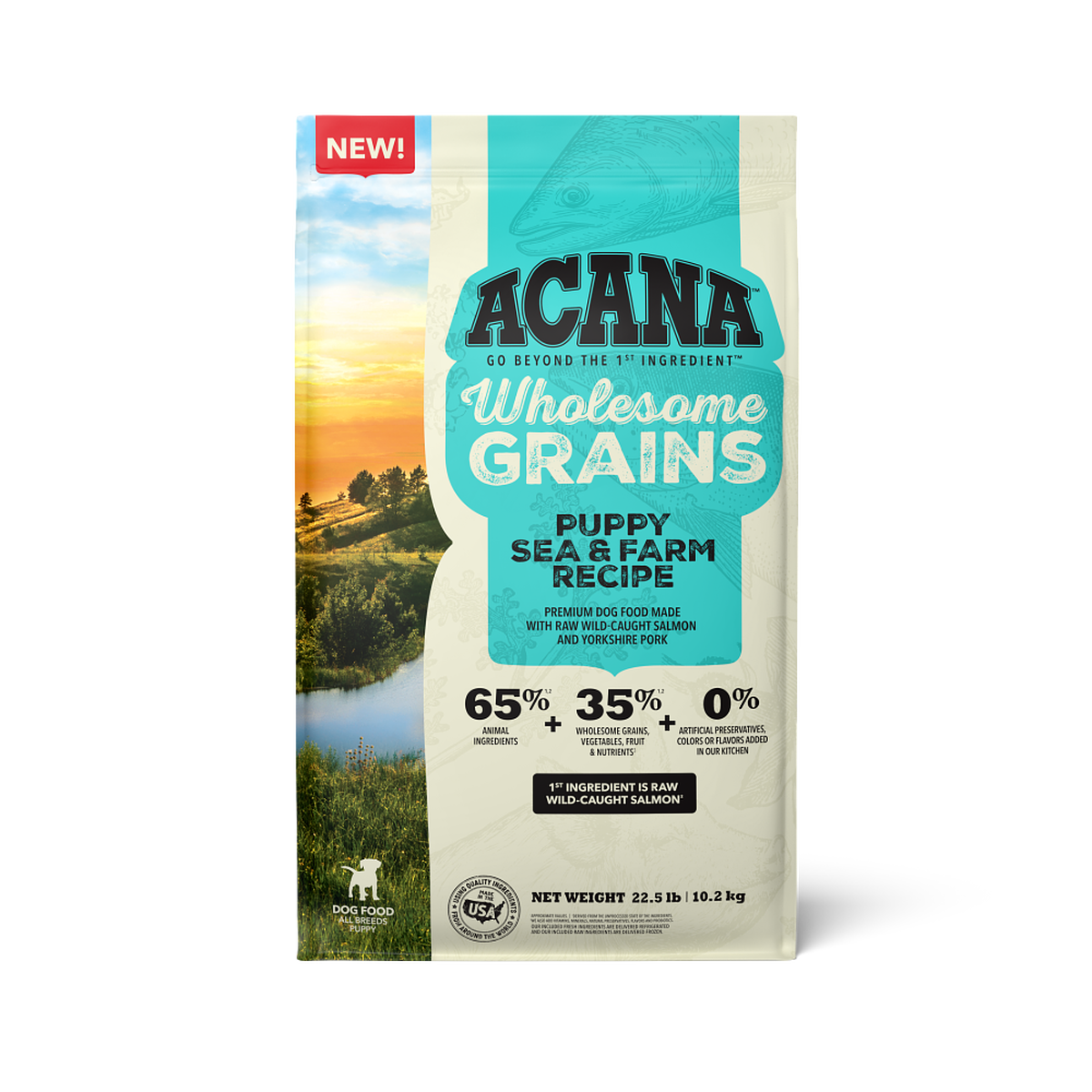
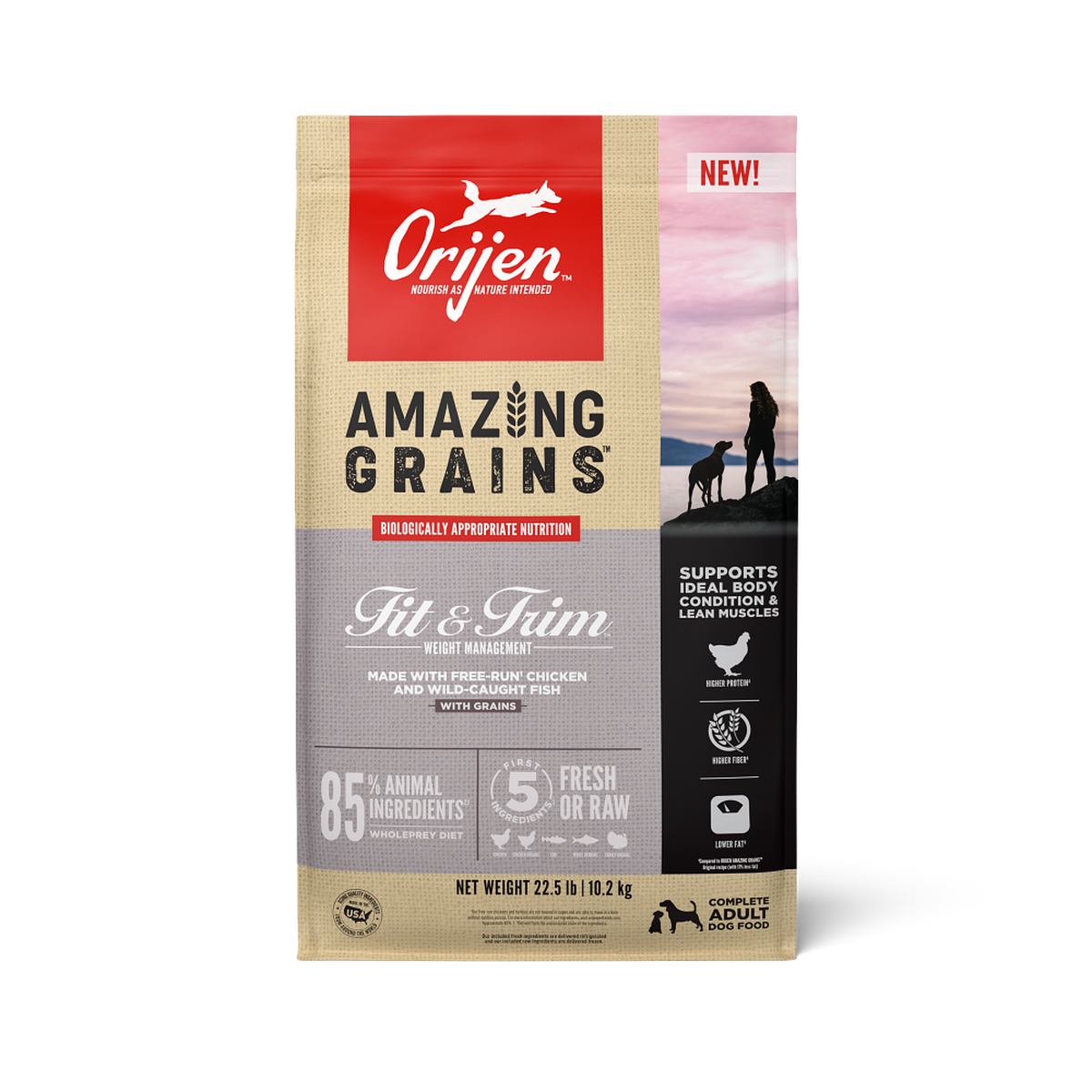
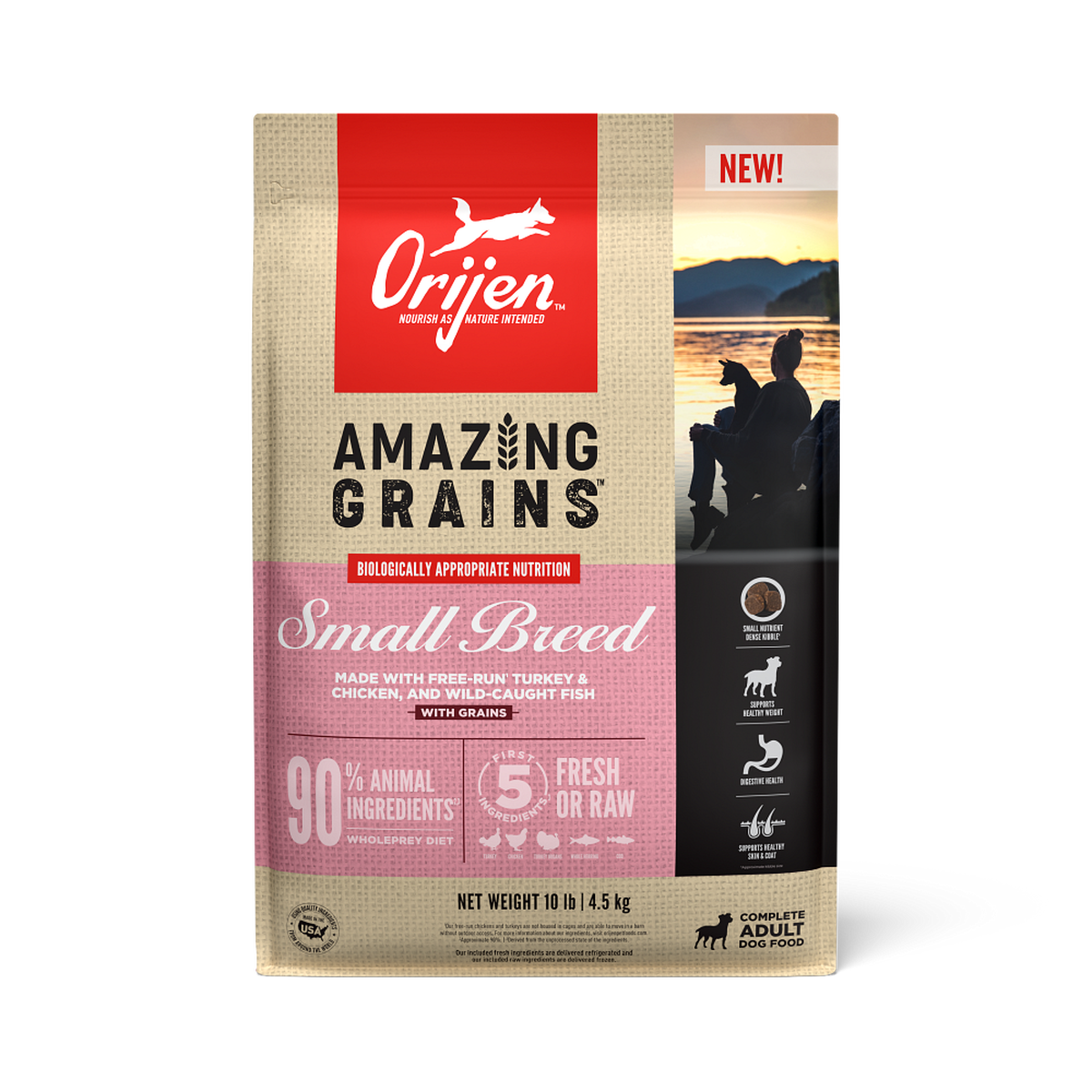
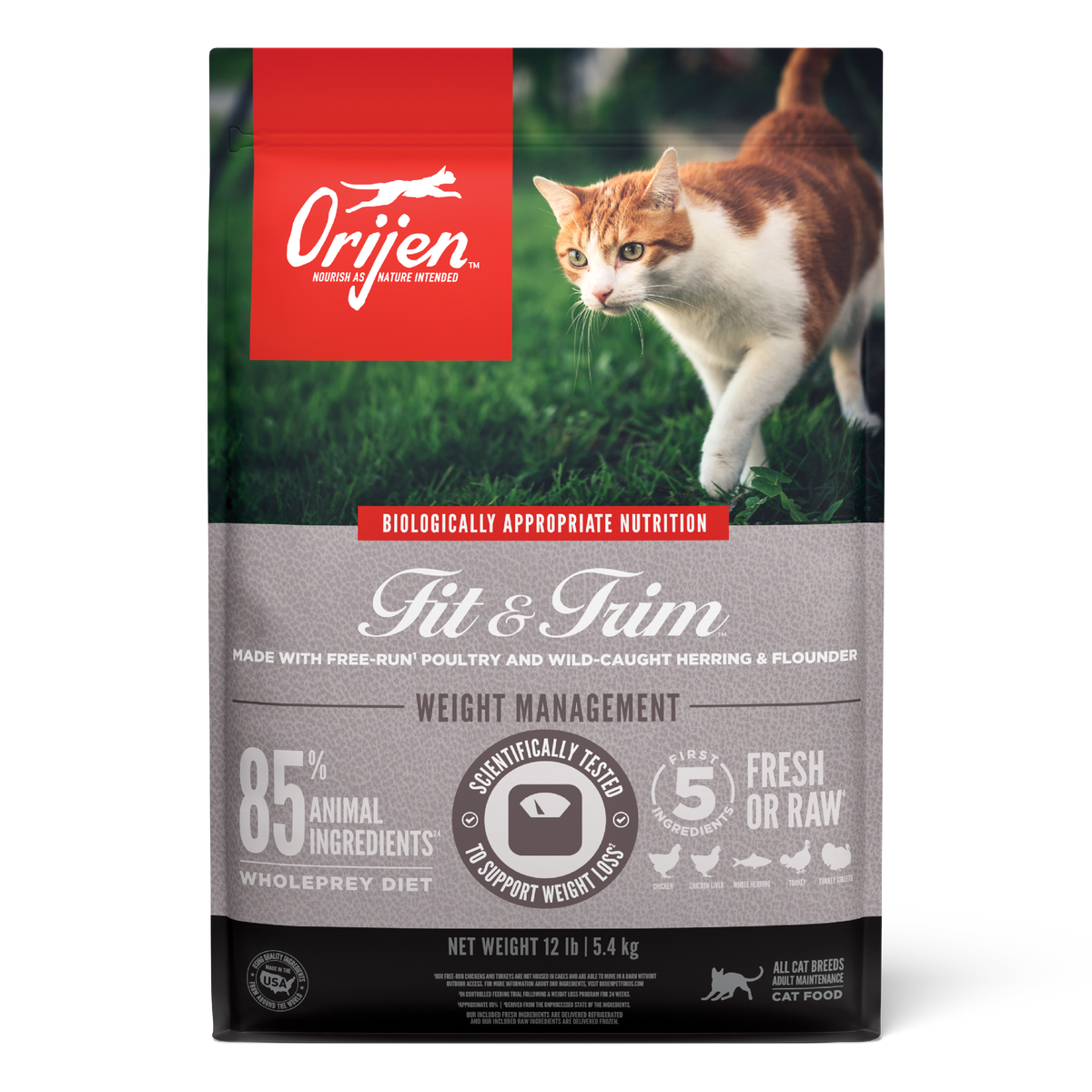
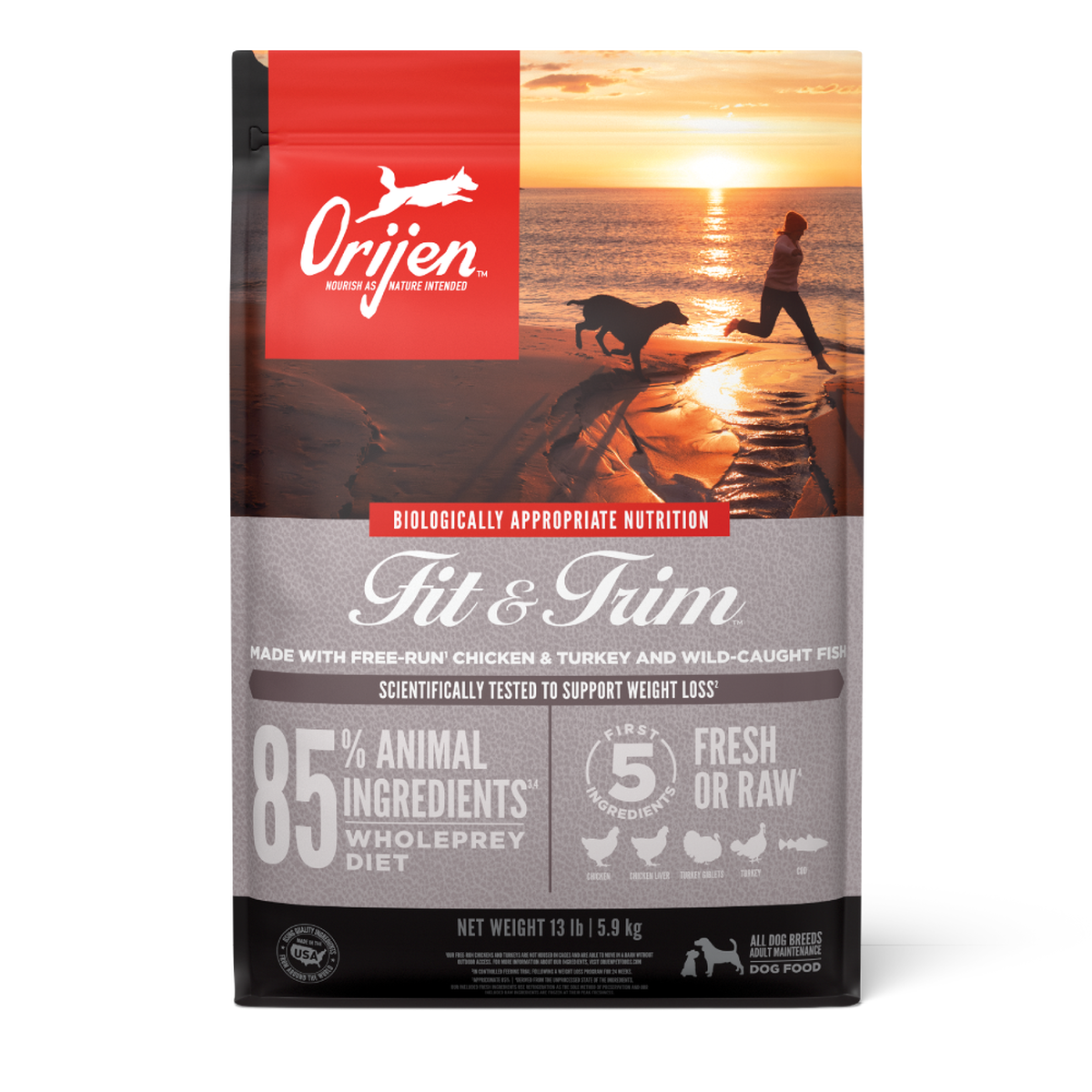
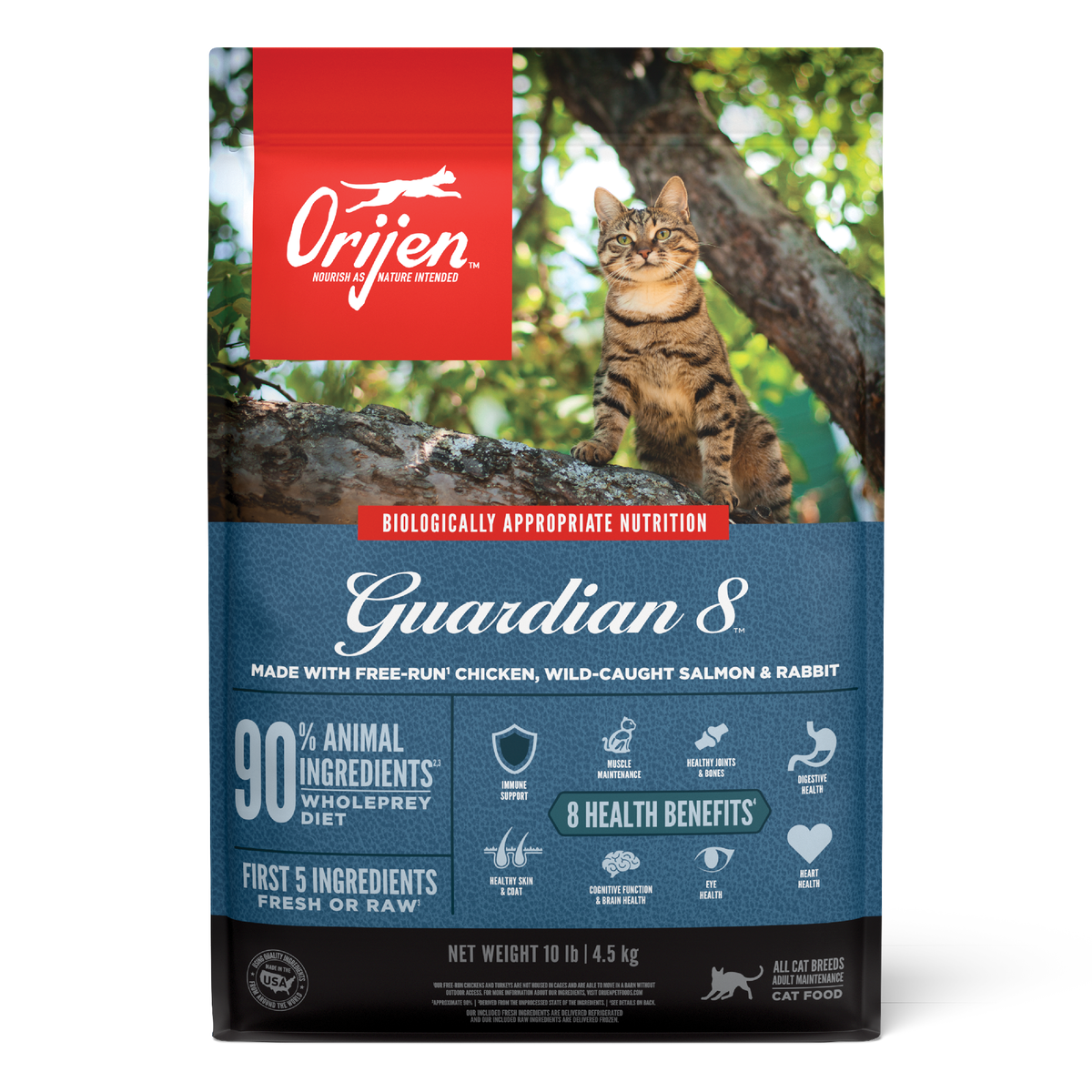
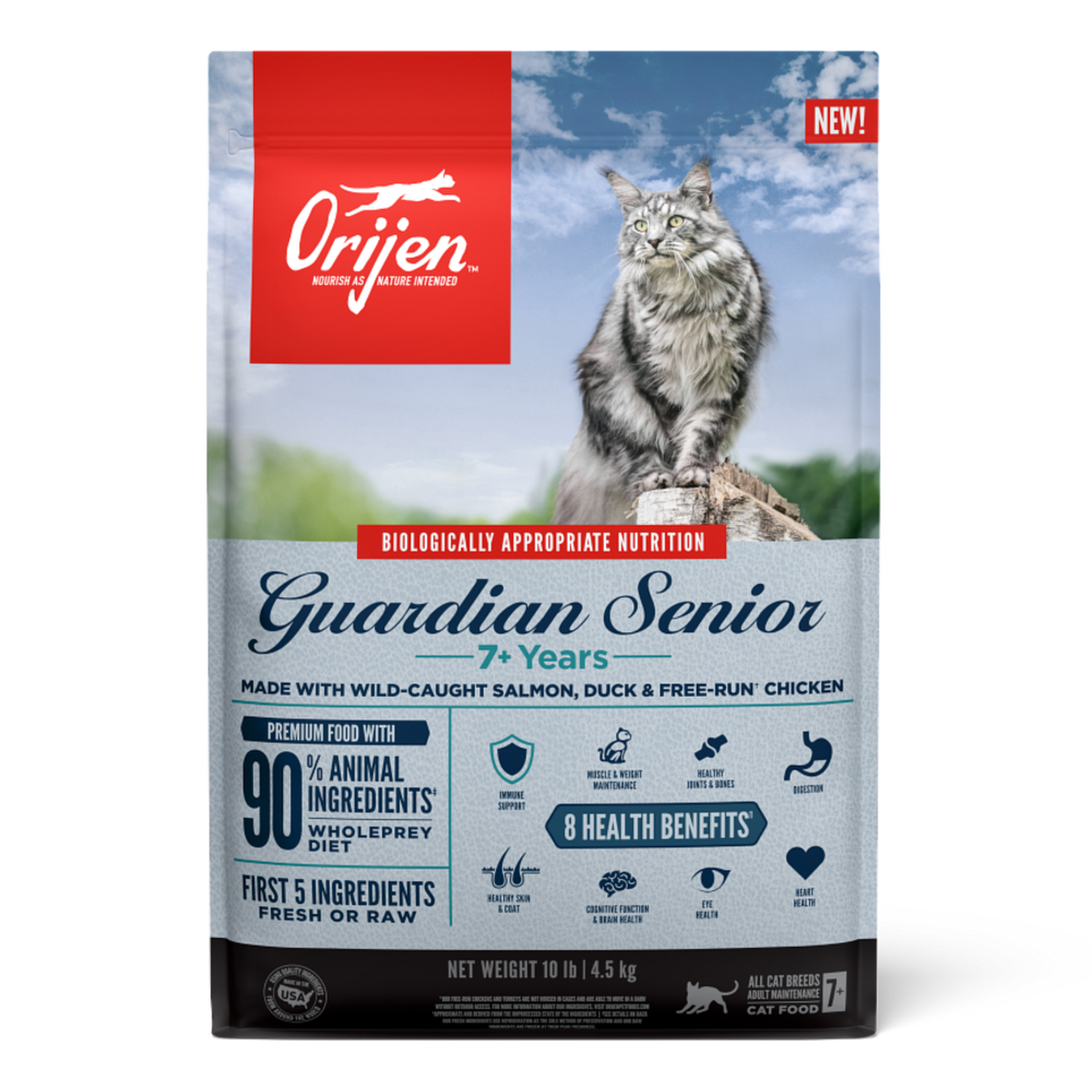
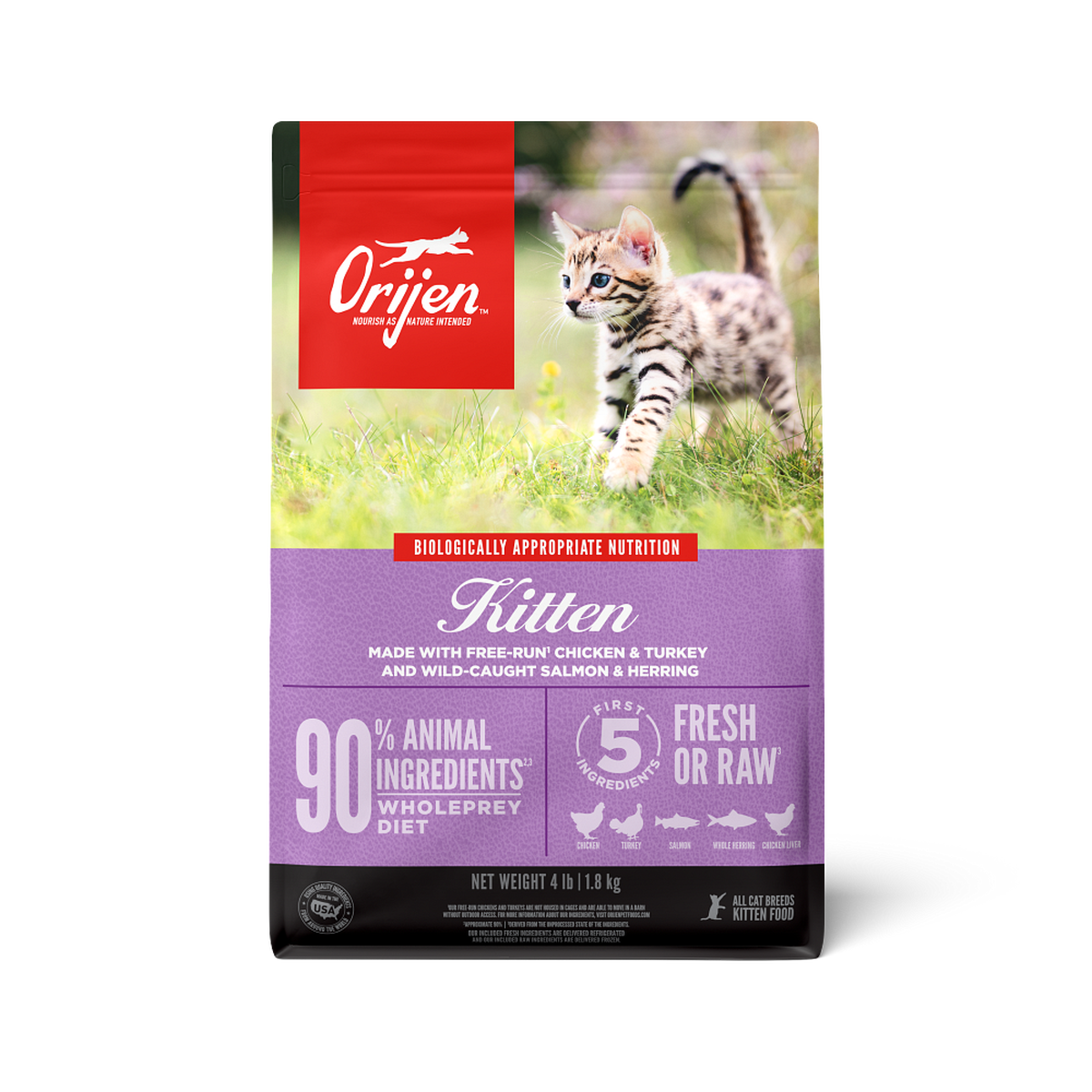
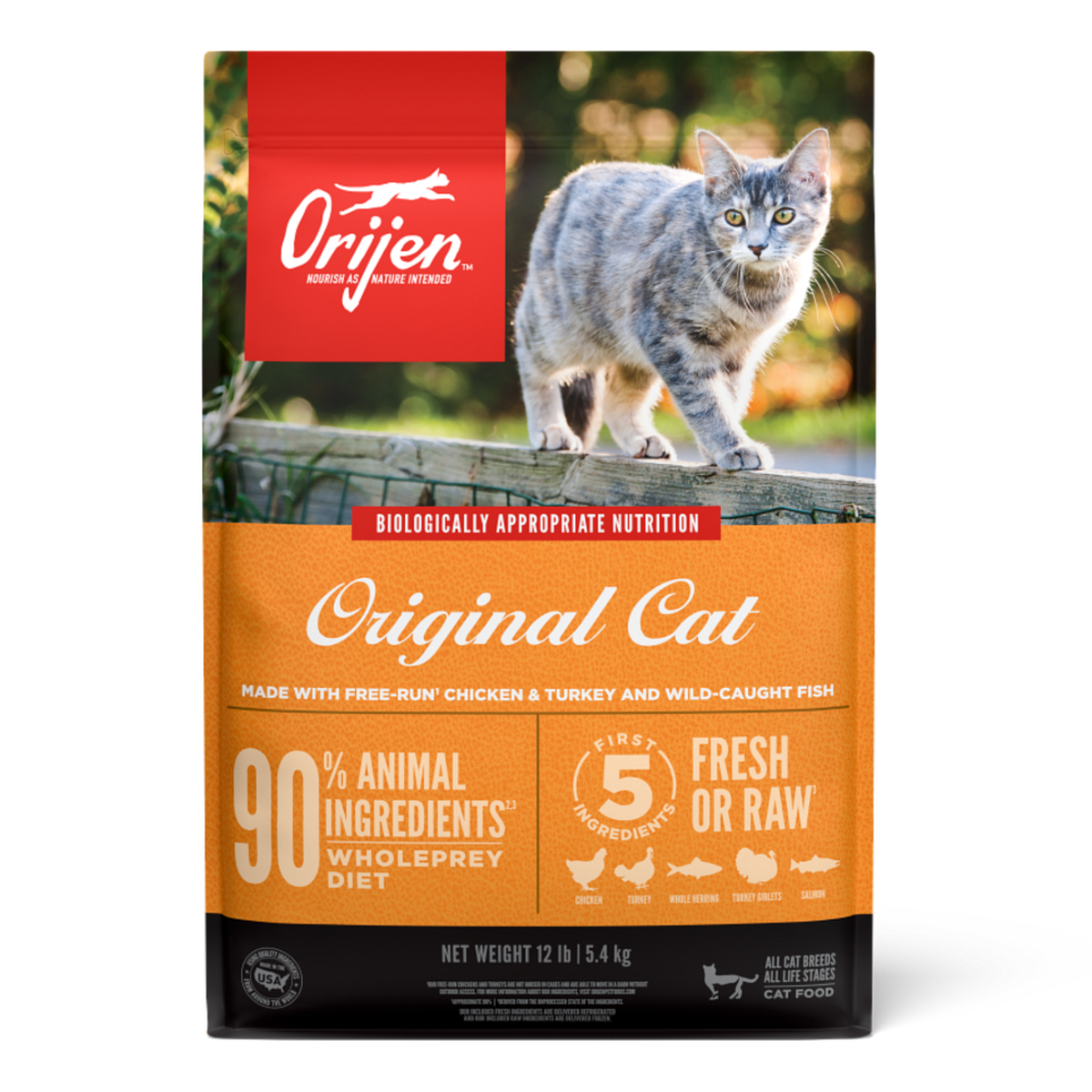
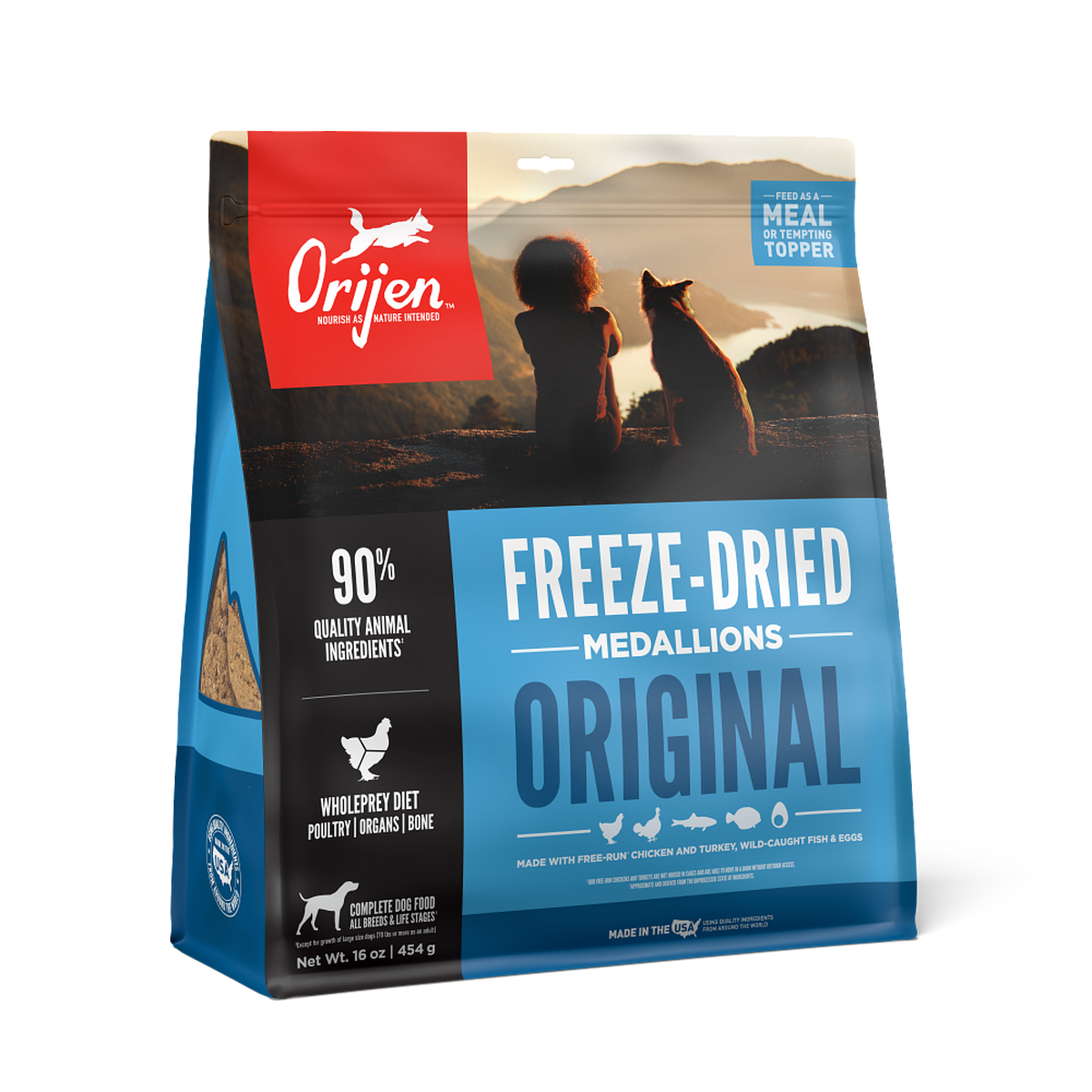
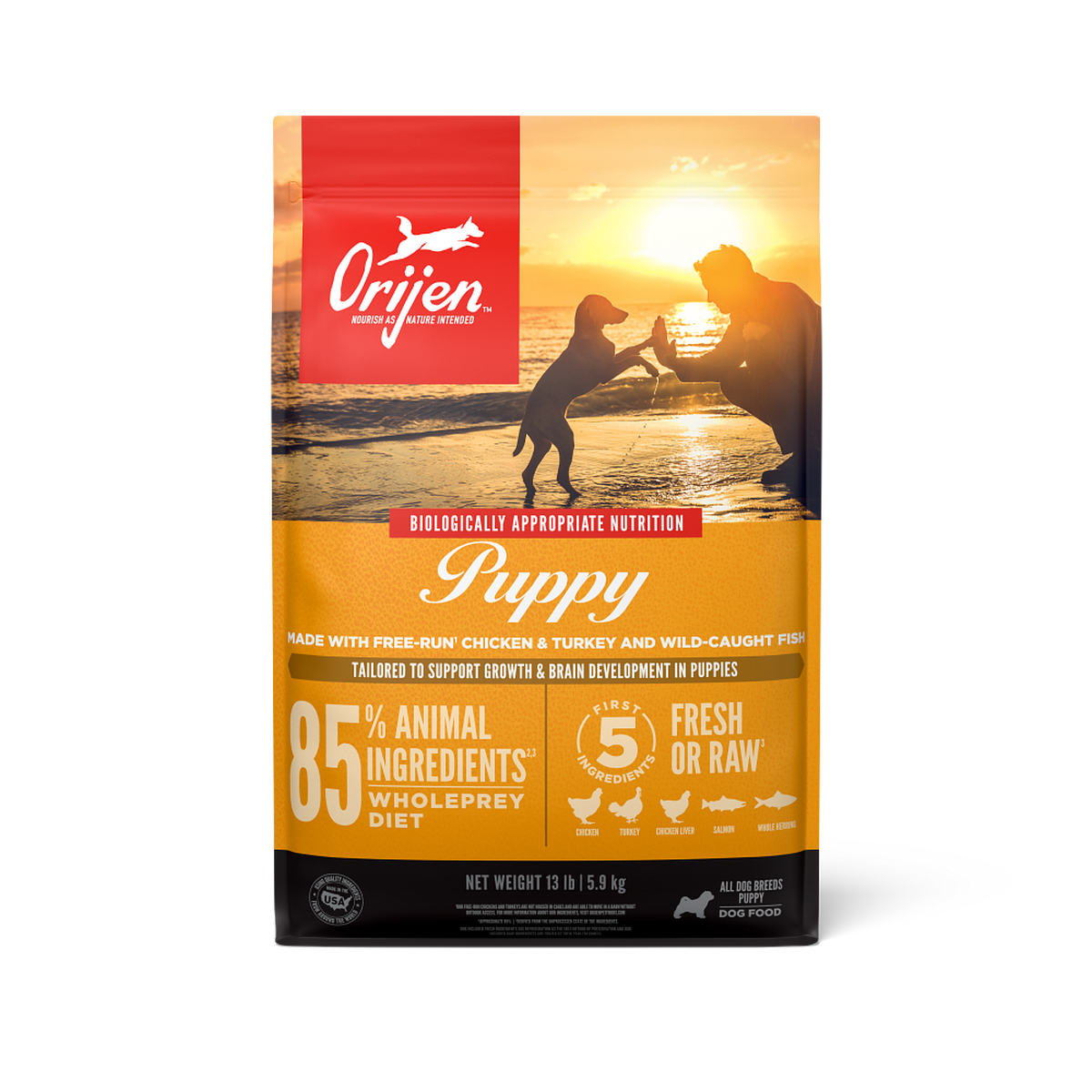
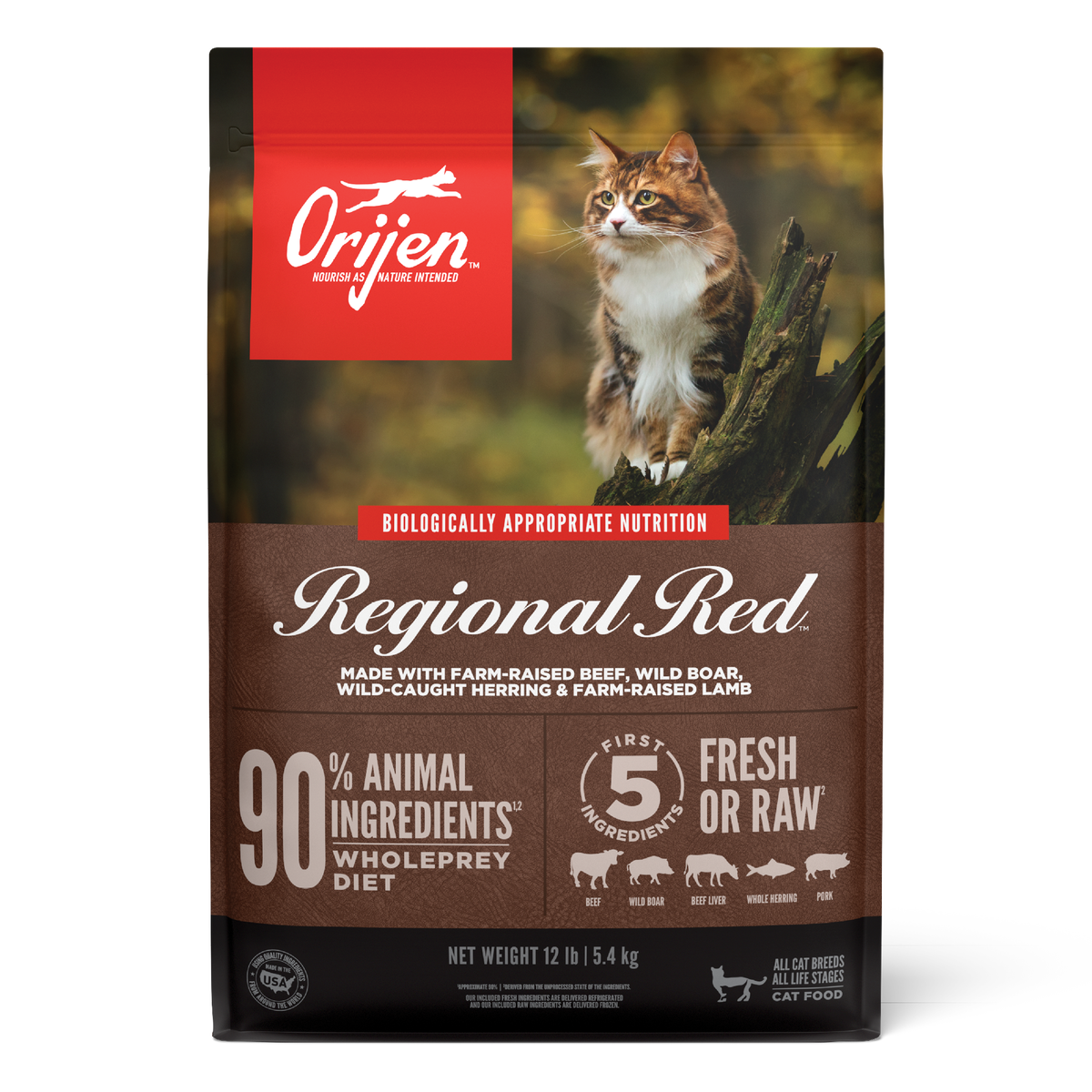
38 foods in the KibbleLab database contain Collard Green, including Acana, Orijen.
Foods with Collard Green
Alphabetical by brand. Scores run 0 to 10, higher is better, on published veterinary science.


Find the right food for your pet
Sign in free to sort and filter by score, and avoid or require Collard Green in the Food Finder. Add KL+ to see these foods ranked for your pet's breed, age, and health focus.

 Continue with Google
 Continue with Facebook