Fava Bean
23 foods contain this ingredient
This is an alphabetical list, not a ranking. Add KL+ to rank foods for your pet in the Food Finder.
About Fava Bean
Fava bean is a legume used in some grain-free pet foods to supply plant protein, carbohydrate, and fiber alongside the main animal protein source.
Fava beans are used in pet foods as a plant-based source of protein, digestible carbohydrates and dietary fiber, and they contribute vitamins (notably folate) and minerals; they are commonly added to grain-free formulas but provide lower bioavailable essential amino acids than animal proteins, which is particularly important for obligate carnivores like cats. When properly cooked and processed to reduce antinutritional factors (oligosaccharides, phytic acid and lectins) fava beans can be a nutritious, cost-effective ingredient, but they can cause gas and digestive upset in some pets and may pose risks for animals with certain metabolic or genetic sensitivities, so they should not replace high-quality animal protein in complete diets.
Related ingredients
- Derived from
- Vicia faba (broad bean) seed
- Primary role
- plant protein and fiber source in grain-free formulas
Why it's used
Formulators use fava beans in grain-free recipes as a starch and protein-contributing ingredient that can replace cereal grains in the recipe structure. In feeding studies, dehulled and extruded fava beans have shown high fat digestibility and reasonable overall nutrient digestibility in dogs when included at moderate levels in the formula.
Common concerns
- Legume link investigated in canine heart disease The FDA opened an investigation in 2018 into a possible association between grain-free diets high in legumes such as peas and lentils and cases of dilated cardiomyopathy in dogs, though by December 2022 the agency stated there was insufficient data to establish a causal link and paused further public updates.
- Softer stools at higher inclusion A peer-reviewed feeding trial found that fermentable oligosaccharides in fava beans (raffinose, stachyose, verbascose) were associated with softer stools and more frequent defecation as inclusion levels rose, and recommended keeping dehulled fava bean content at or below 20% of the diet for stool quality.
- Vicine and convicine content Fava beans naturally contain the compounds vicine and convicine, which cause favism in people with G6PD enzyme deficiency, though the same feeding trial observed no anemia or blood abnormalities in dogs fed fava bean diets.
- Lower amino acid completeness than animal protein As a plant protein, fava bean provides a less complete essential amino acid profile than animal-derived proteins, which is a particular consideration for cats as obligate carnivores.
Also relevant
Proper cooking and extrusion processing are used to inactivate trypsin inhibitors in fava beans, and studies have found inhibitor activity near detection limits after this processing.
2 sources cited
- FDA investigated a potential link between grain-free, legume-heavy diets and canine DCM, then stated in December 2022 there was insufficient data to establish causality
- Feeding trial data on dehulled faba bean inclusion levels in dog diets, digestibility findings, oligosaccharide content and stool quality, and vicine/convicine and trypsin inhibitor findings
Common Questions
What category is Fava Bean?
Fava Bean is categorized as a vegetable ingredient in the KibbleLab database.
Is Fava Bean part of an allergen group?
Yes. Fava Bean is grouped under the Legumes allergen group in the KibbleLab database.
Which foods contain Fava Bean?
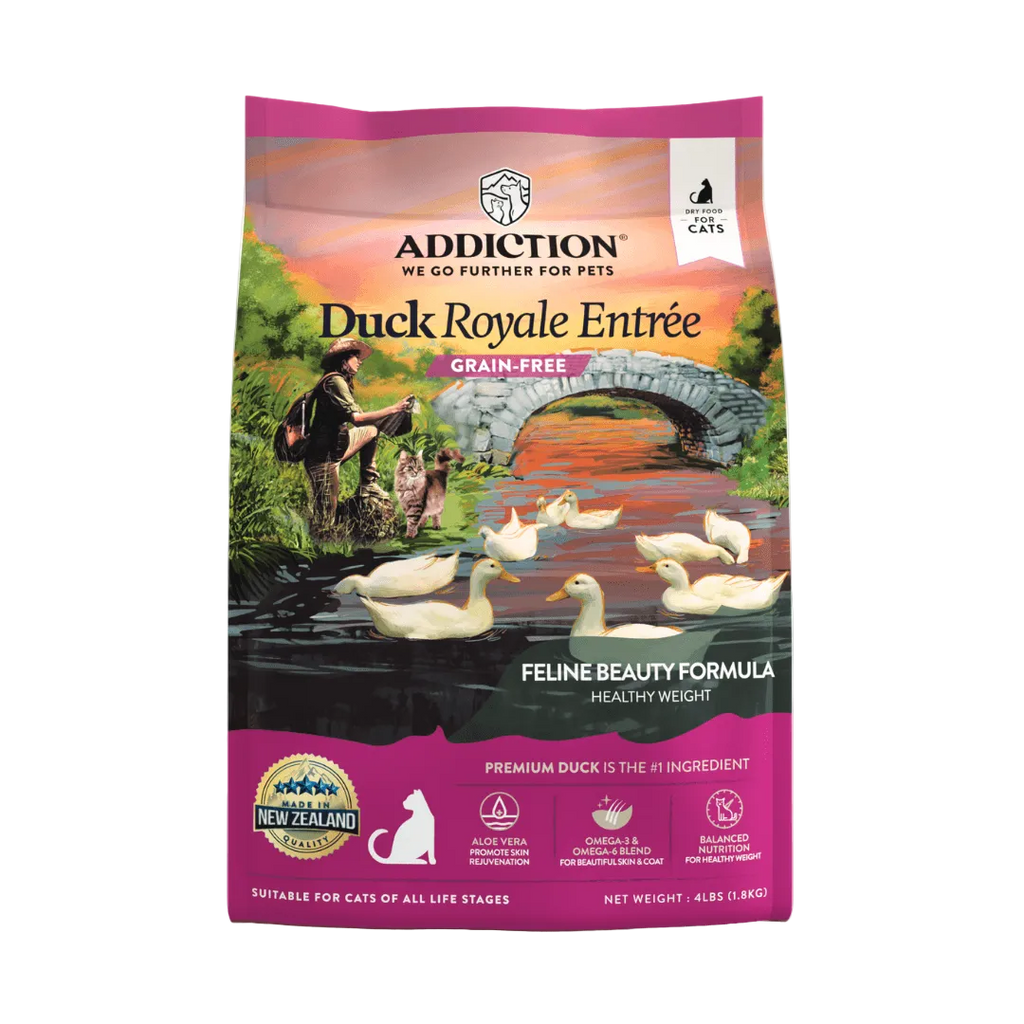
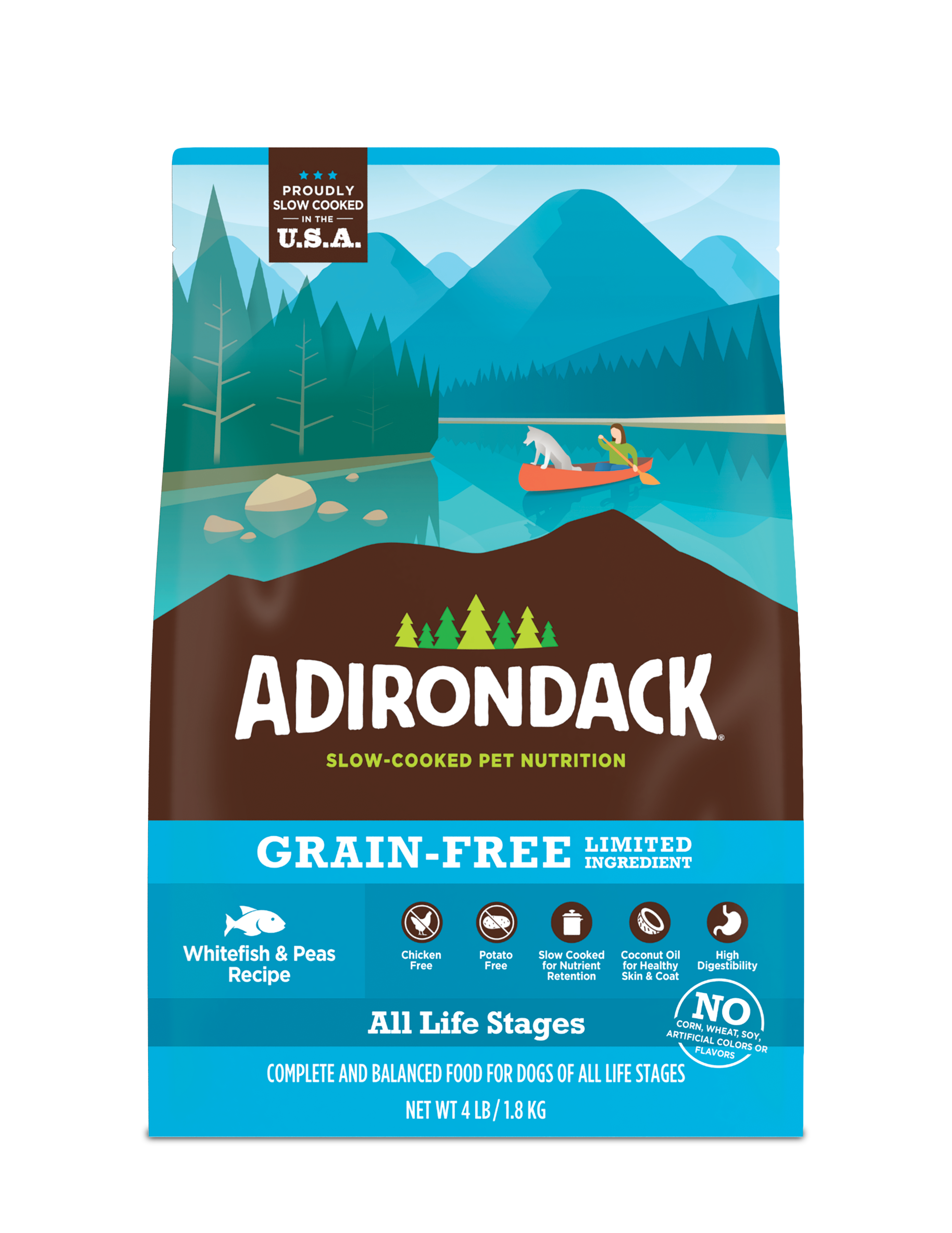
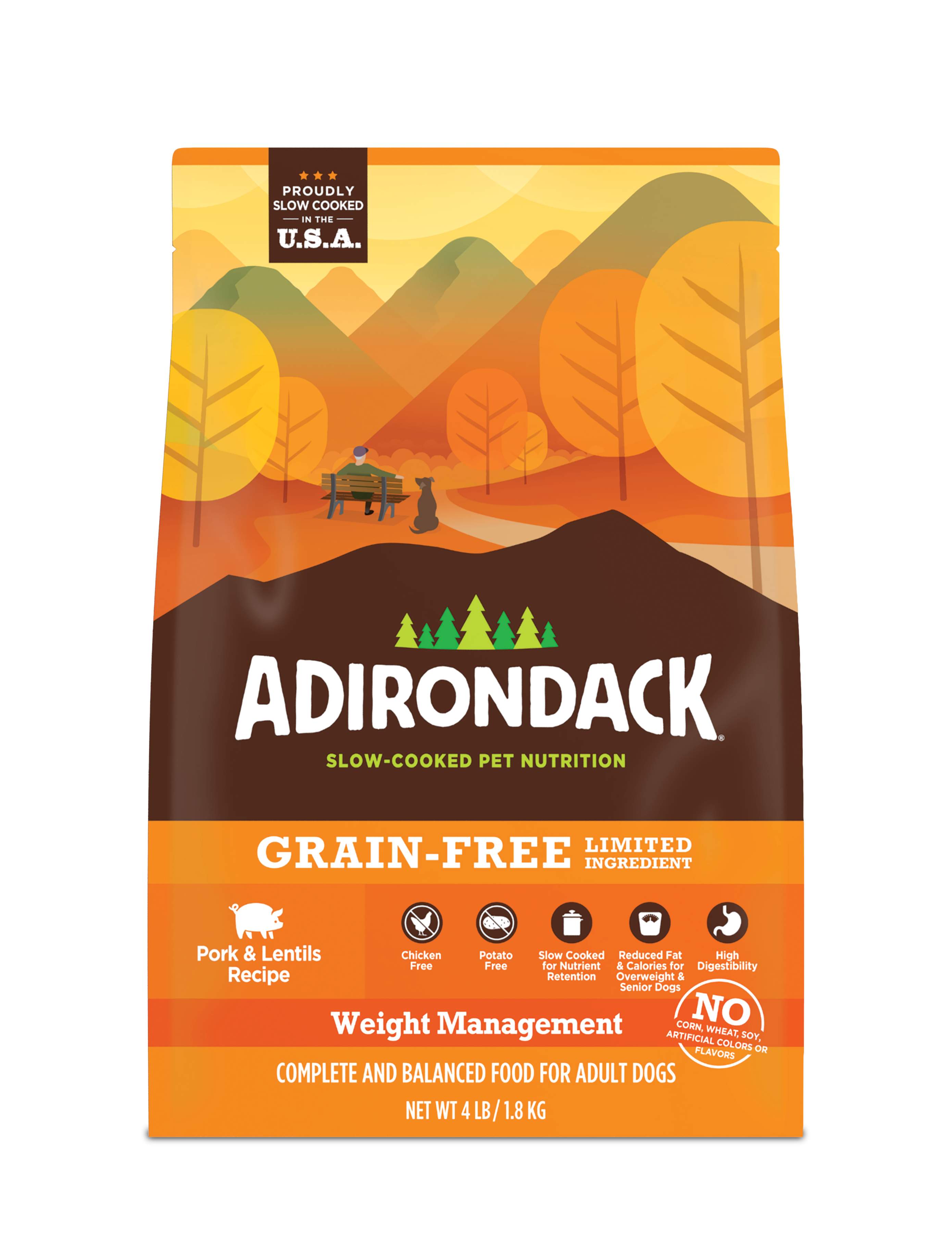
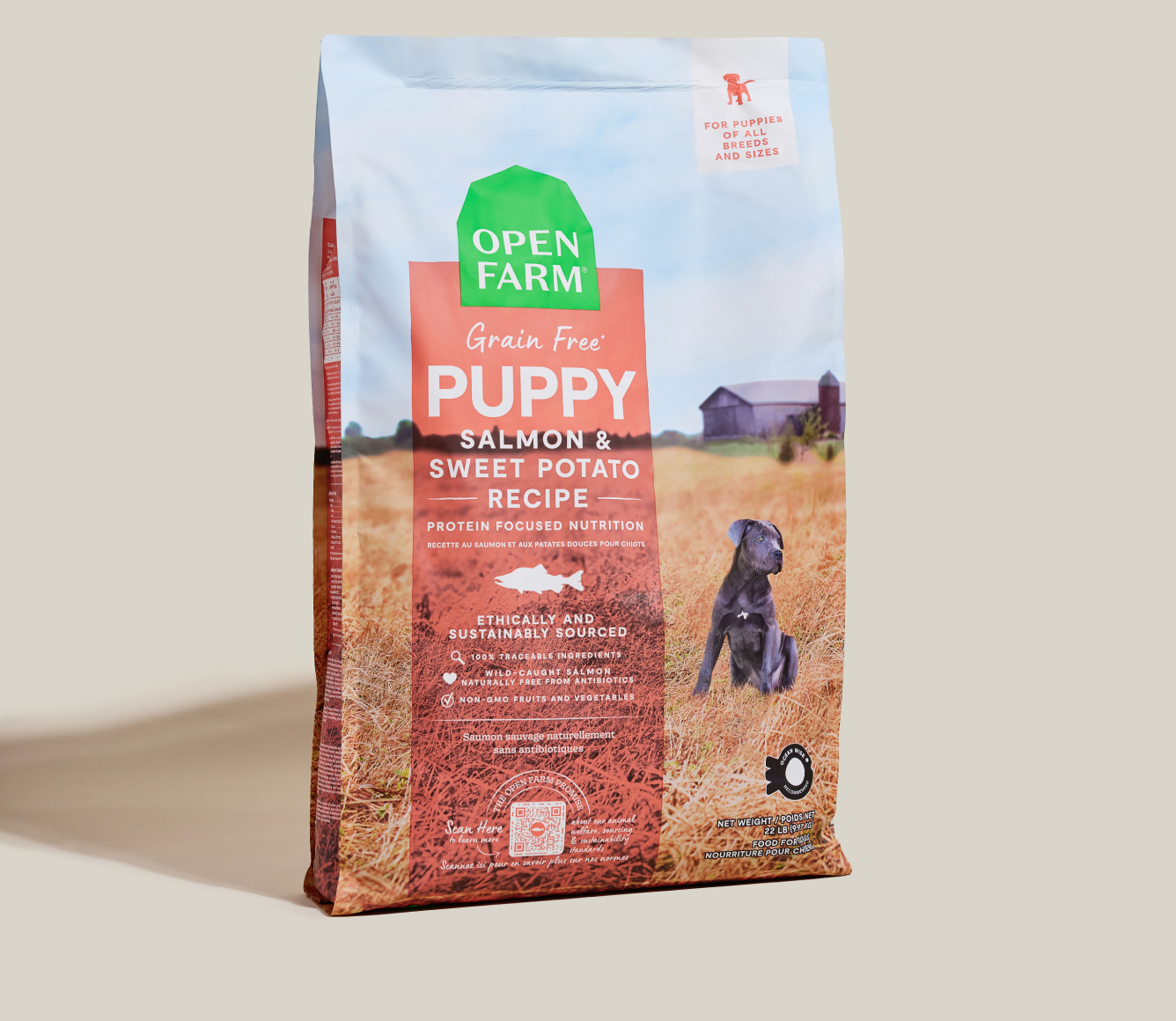
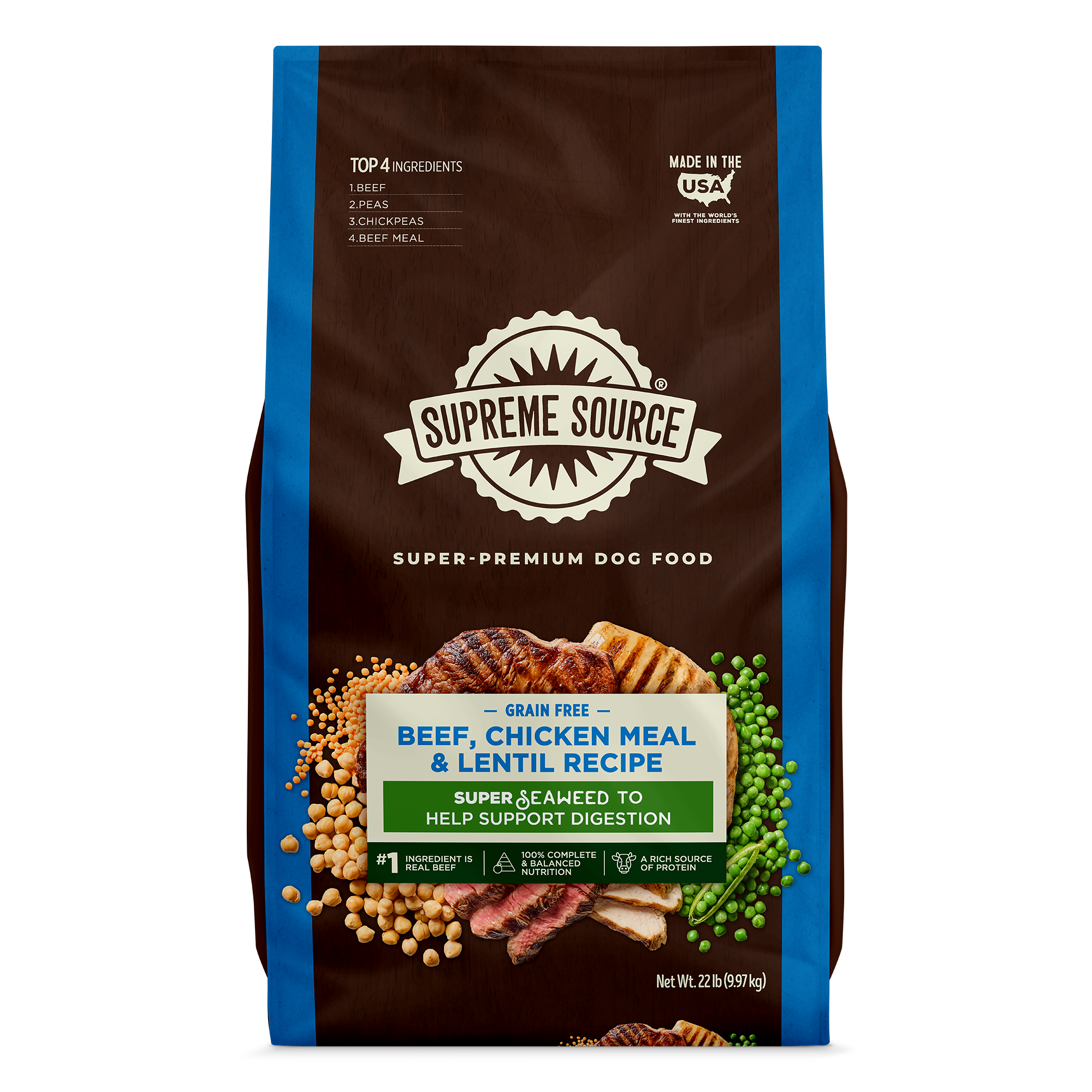
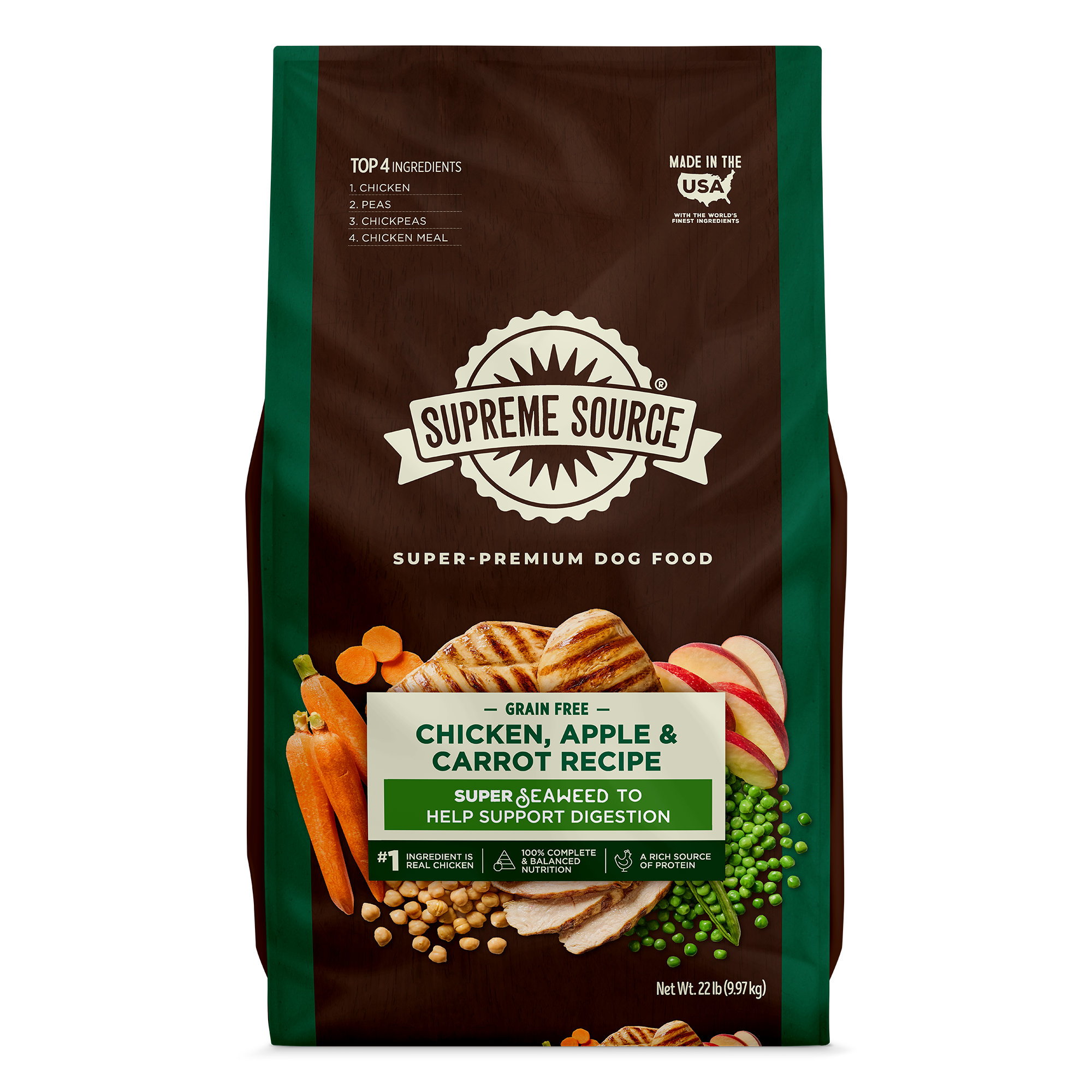
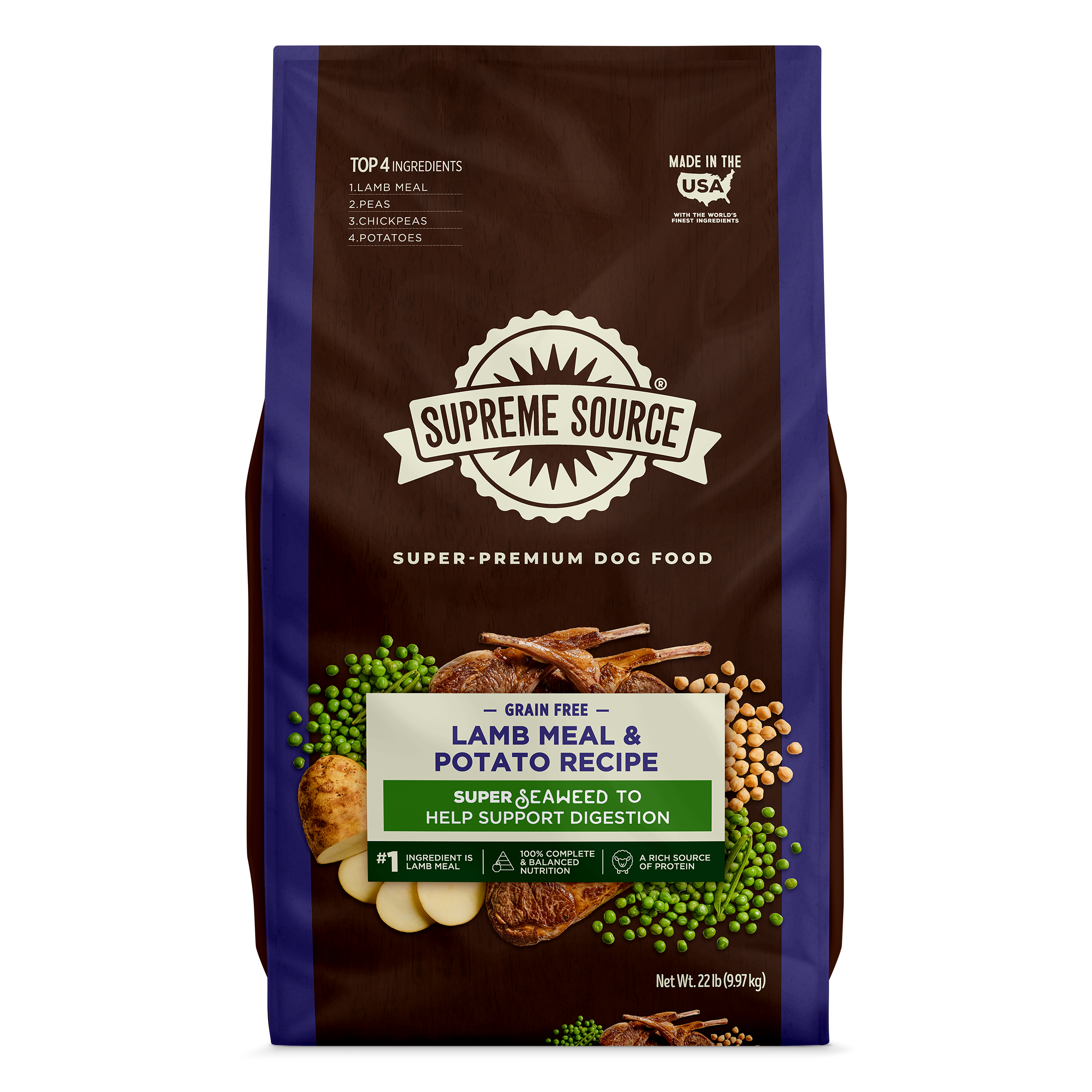
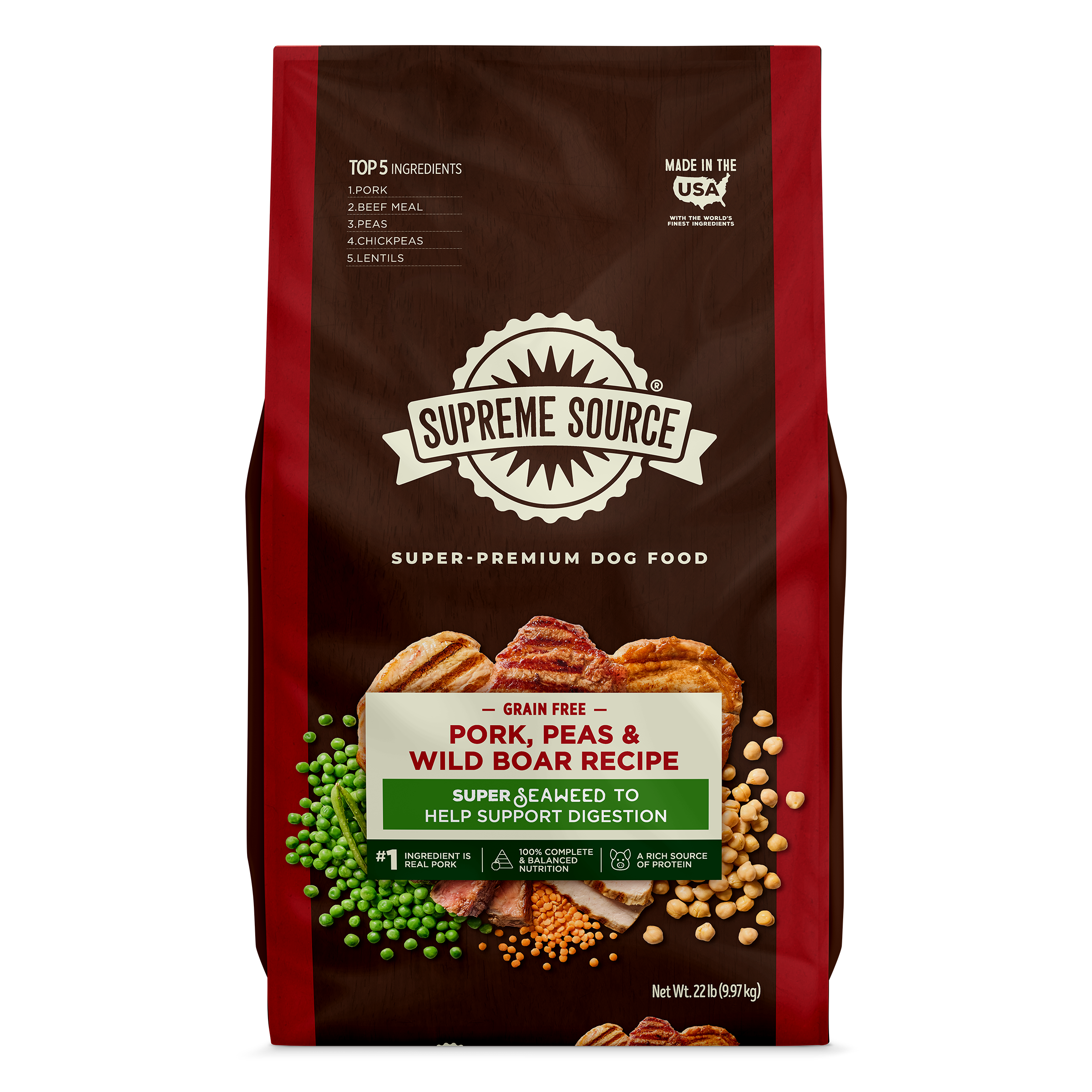
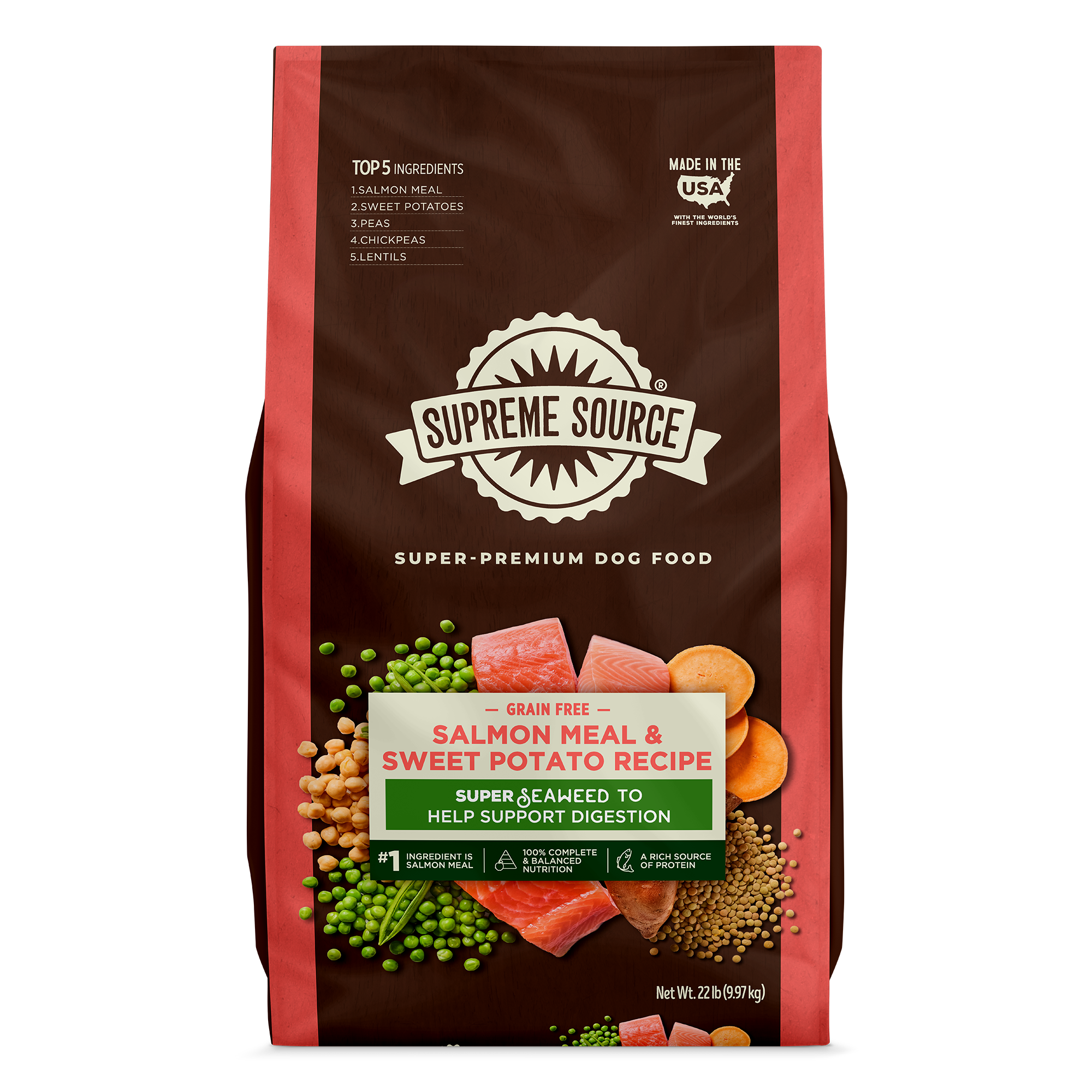
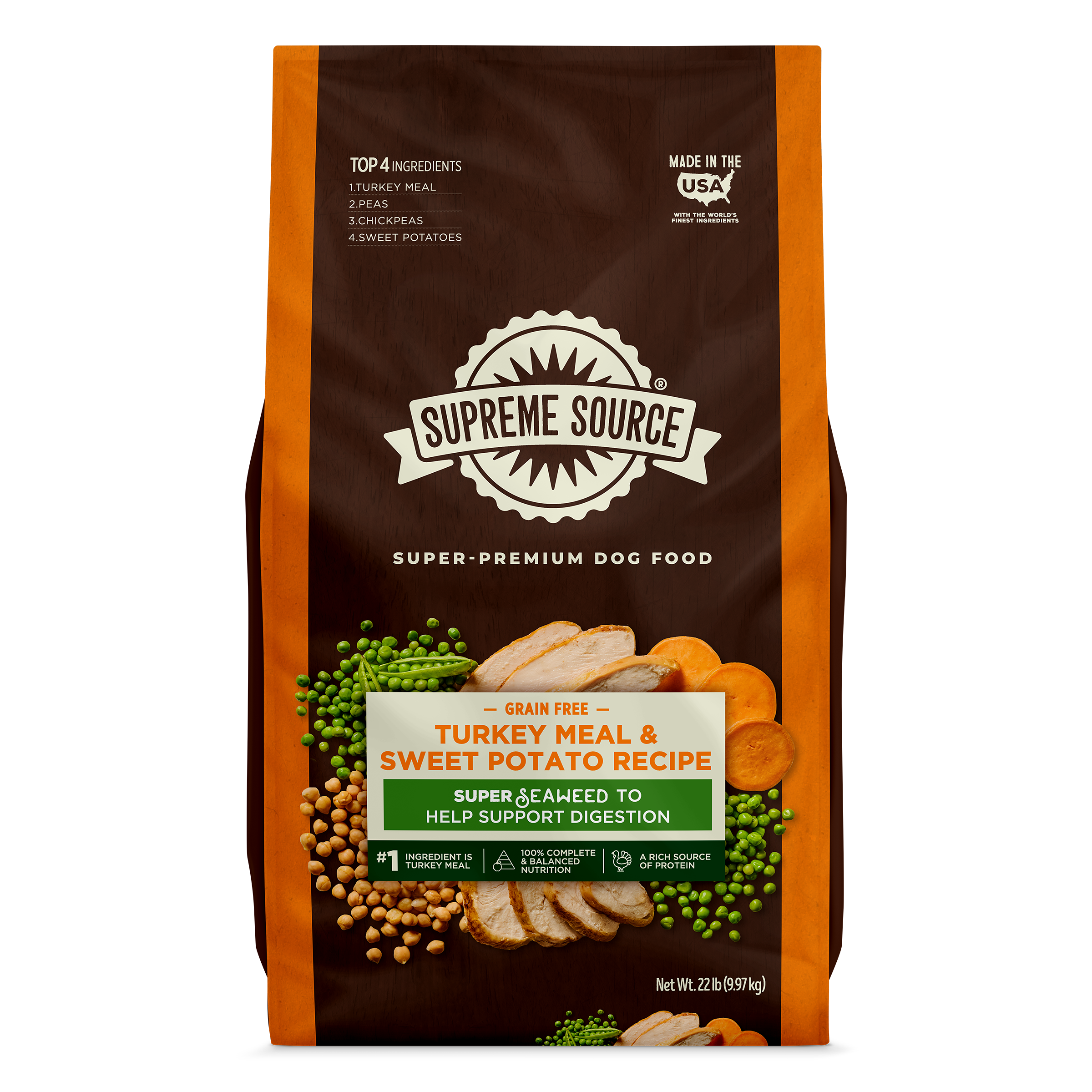
23 foods in the KibbleLab database contain Fava Bean, including Addiction, Adirondack, Blackwood.
Foods with Fava Bean
Alphabetical by brand. Scores run 0 to 10, higher is better, on published veterinary science.

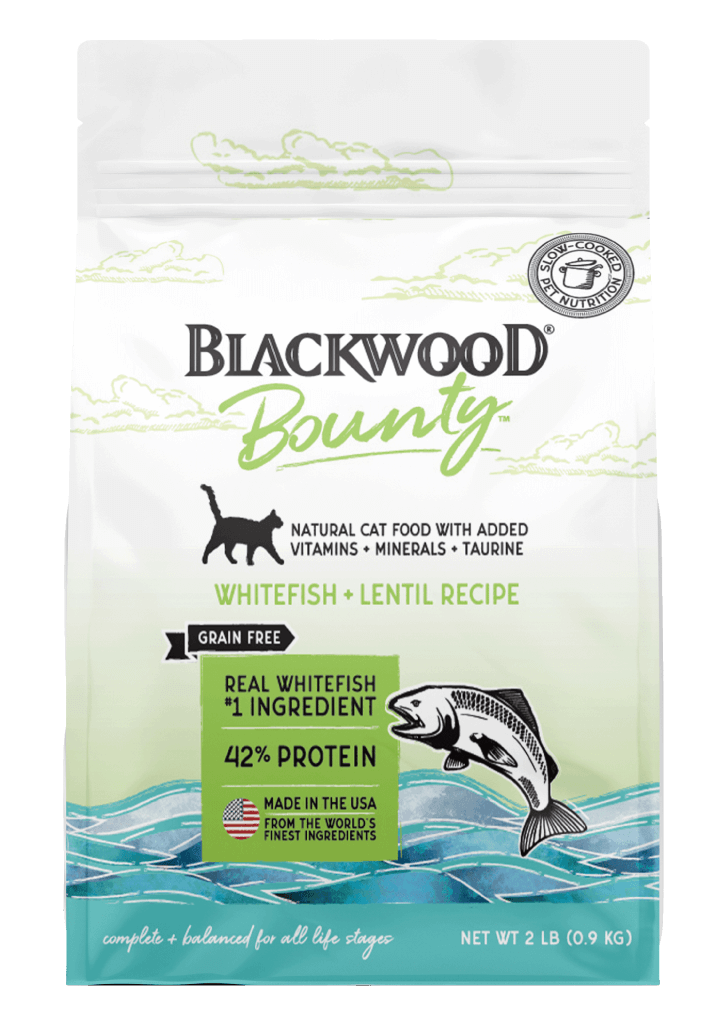
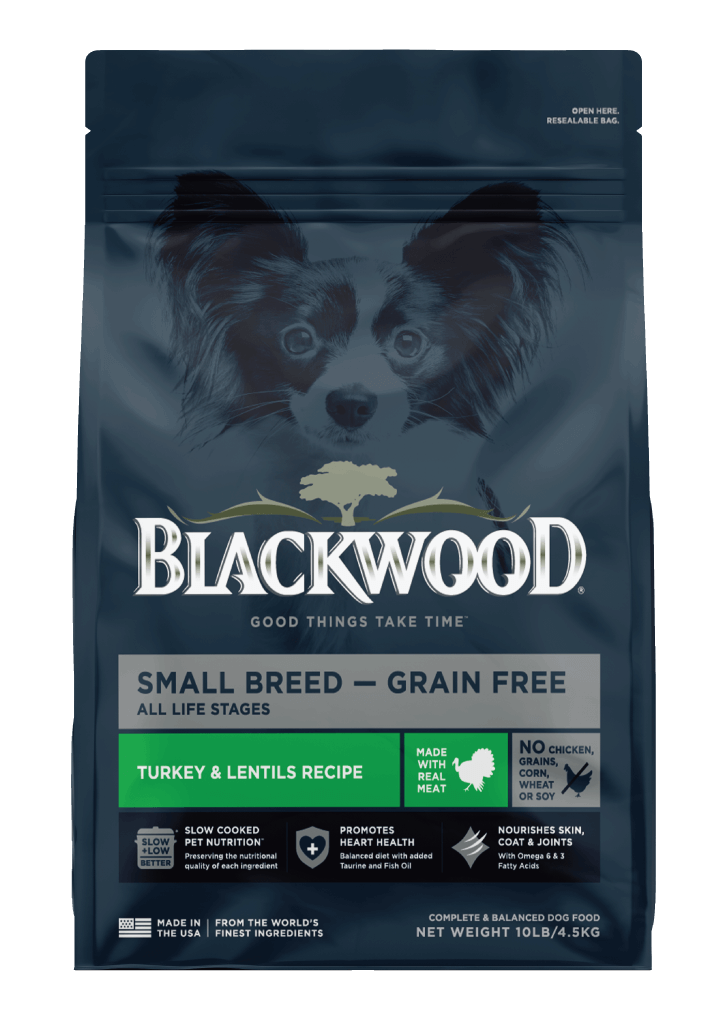




Find the right food for your pet
Sign in free to sort and filter by score, and avoid or require Fava Bean in the Food Finder. Add KL+ to see these foods ranked for your pet's breed, age, and health focus.

 Continue with Google
 Continue with Facebook