Ginkgo Biloba
10 foods contain this ingredient
This is an alphabetical list, not a ranking. Add KL+ to rank foods for your pet in the Food Finder.
About Ginkgo Biloba
Ginkgo Biloba is a leaf extract added to some pet products as a botanical, not a nutrient, mainly aimed at senior brain and blood flow support.
Ginkgo biloba is used in pet foods and supplements as an herbal ingredient thought to provide antioxidant flavonoids and terpenoids and to support cognitive function and circulation rather than as an essential nutrient. It may be considered for older dogs or cats with age-related cognitive or circulatory concerns, but evidence is limited and standardized extracts can interact with anticoagulant drugs, may increase bleeding risk, and seeds contain neurotoxic compounds—consult your veterinarian for safe dosing and suitability.
Related ingredients
- Derived from
- leaves of the Ginkgo biloba tree
- Primary role
- herbal extract for cognitive and circulatory support
Why it's used
Ginkgo leaf extract is included in some pet formulas for its flavonoid and terpene lactone content, compounds studied for effects on blood flow and platelet activity. It shows up mostly in products marketed toward aging dogs and cats rather than as a routine dietary component.
Common concerns
- Bleeding and clotting drugs Ginkgo can affect platelet function and clotting, so veterinary sources advise caution when combining it with anticoagulant or antiplatelet medications, NSAIDs, or prior to surgery.
- Seed toxicity VCA Animal Hospitals and ASPCA resources note that ginkgo seeds (from female trees) contain ginkgotoxin, which has been linked to vomiting, seizures, and irritability in dogs; the leaves are the part typically used in extracts.
- Regulatory review findings A 2021 EFSA/FEEDAP panel assessment of a Ginkgo biloba dry leaf extract as a feed additive for cats and dogs could not conclude on its acceptability, citing an incompletely characterized extract and carcinogenicity findings from long-term rodent studies on a comparable extract.
- Other drug and condition cautions Veterinary references list additional caution around combining ginkgo with fatty acid supplements, benzodiazepines, or proton-pump inhibitors, and around use in animals with seizure history or during pregnancy or lactation.
Also relevant
Ginkgo research in pets is far more limited than in humans, so much of what's cited about mechanisms and interactions is extrapolated from human pharmacology studies rather than dog- or cat-specific trials.
4 sources cited
- Uses, dosing form, GI upset and allergic-reaction signs, and drug interaction cautions (warfarin, benzodiazepines, NSAIDs, fatty acids, imipramine, proton-pump inhibitors) for ginkgo in pets
- Ginkgo seeds contain ginkgotoxin and are associated with vomiting, seizures, and irritability in dogs
- EFSA/FEEDAP panel could not conclude the additive is acceptable for cats and dogs, citing an incompletely characterized extract and carcinogenicity evidence from rodent studies
- Ginkgo affects platelet function and clotting, raising bleeding risk considerations with anticoagulant and antiplatelet drugs
Common Questions
What category is Ginkgo Biloba?
Ginkgo Biloba is categorized as a herb ingredient in the KibbleLab database.
Is Ginkgo Biloba part of an allergen group?
No allergen group is linked to Ginkgo Biloba in the KibbleLab database.
Which foods contain Ginkgo Biloba?
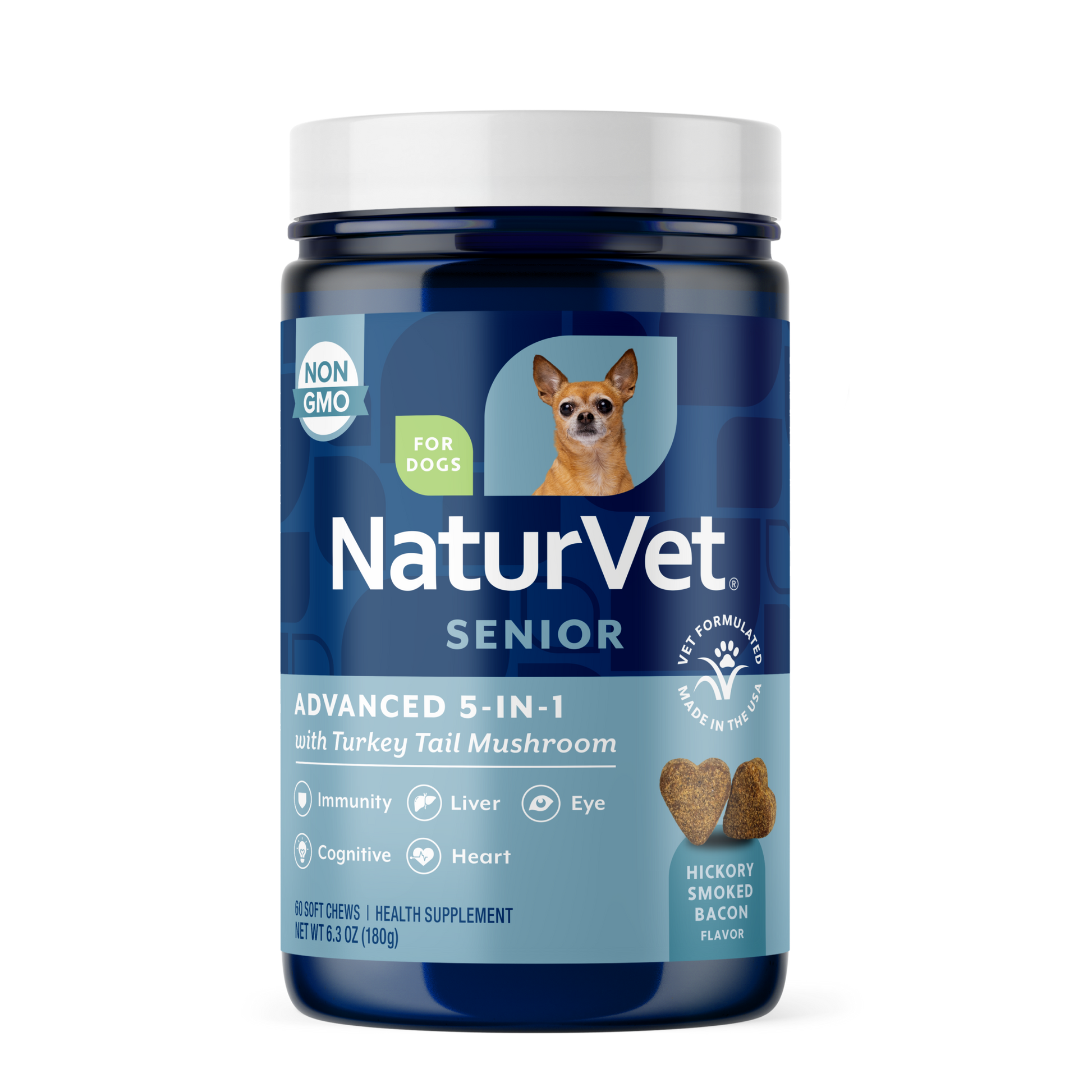
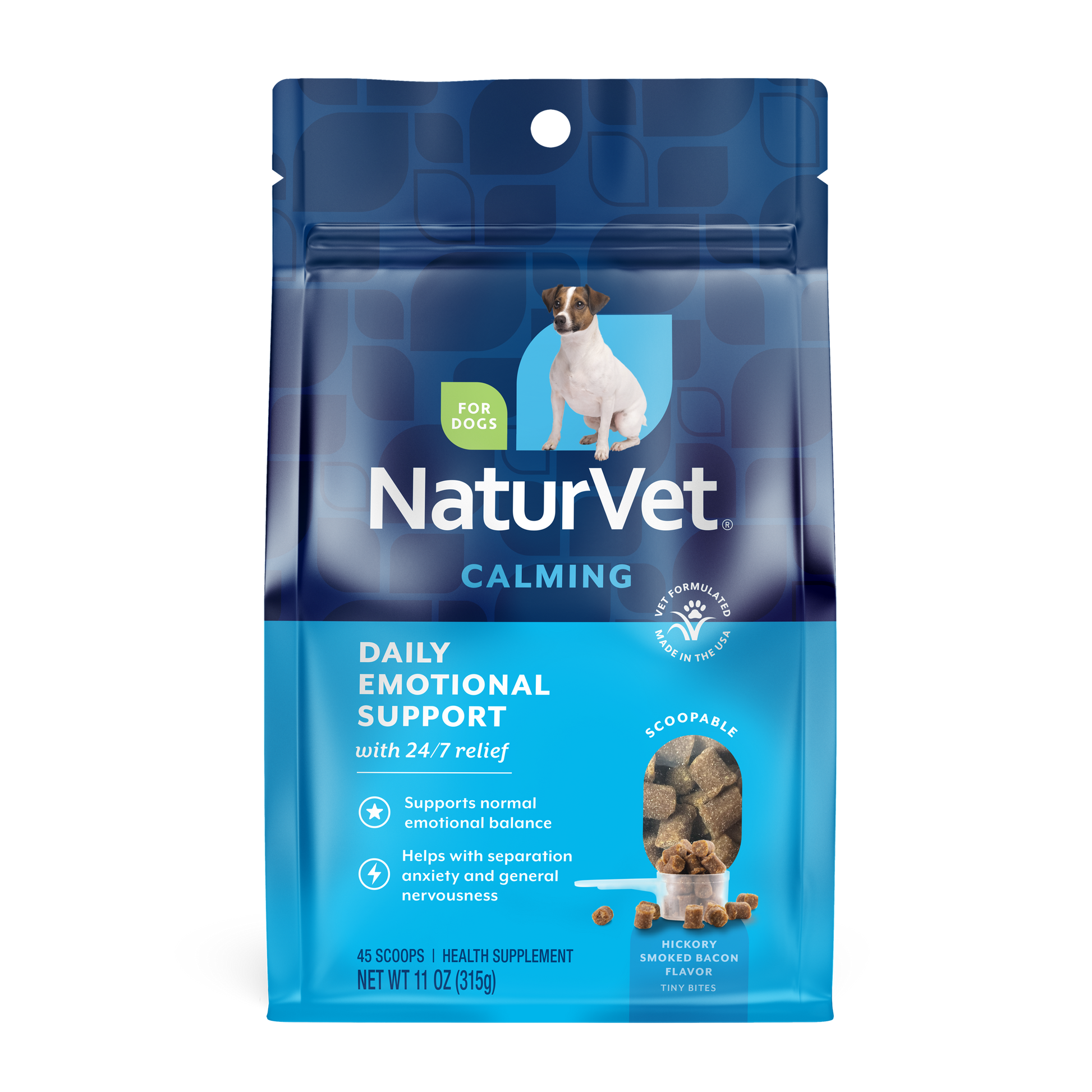
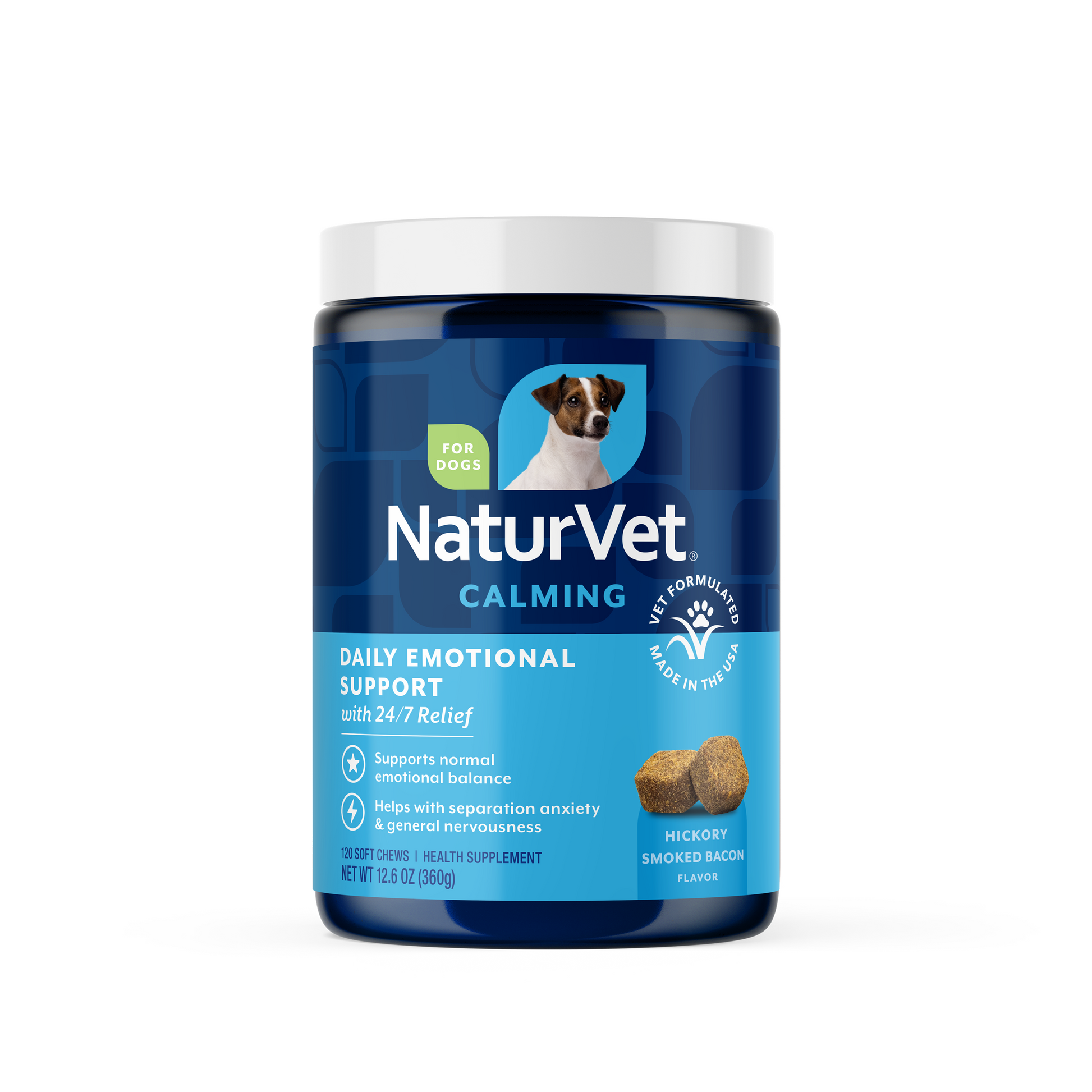
10 foods in the KibbleLab database contain Ginkgo Biloba, including Earth Animal, NaturVet, Ollie.
Foods with Ginkgo Biloba
Alphabetical by brand. Scores run 0 to 10, higher is better, on published veterinary science.



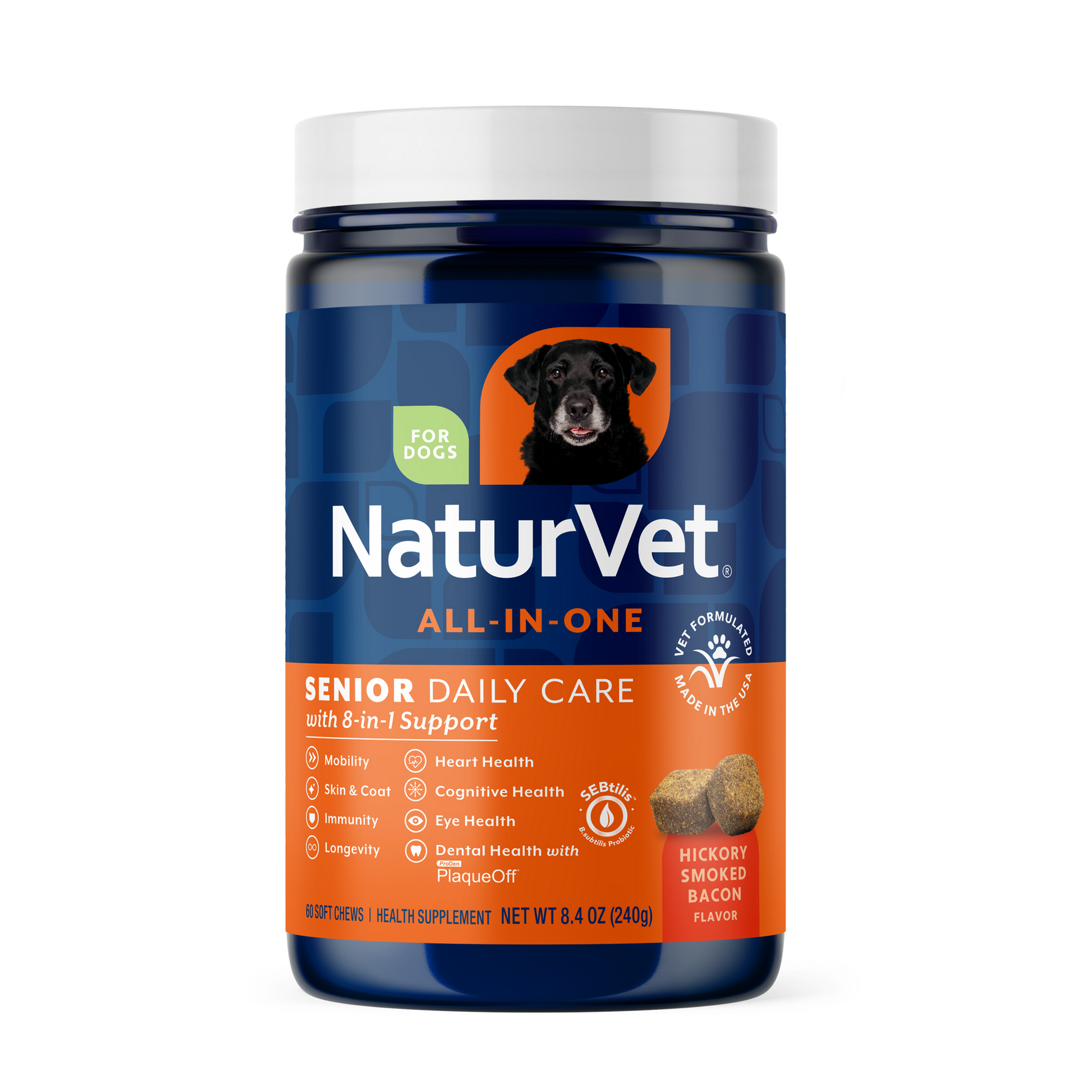
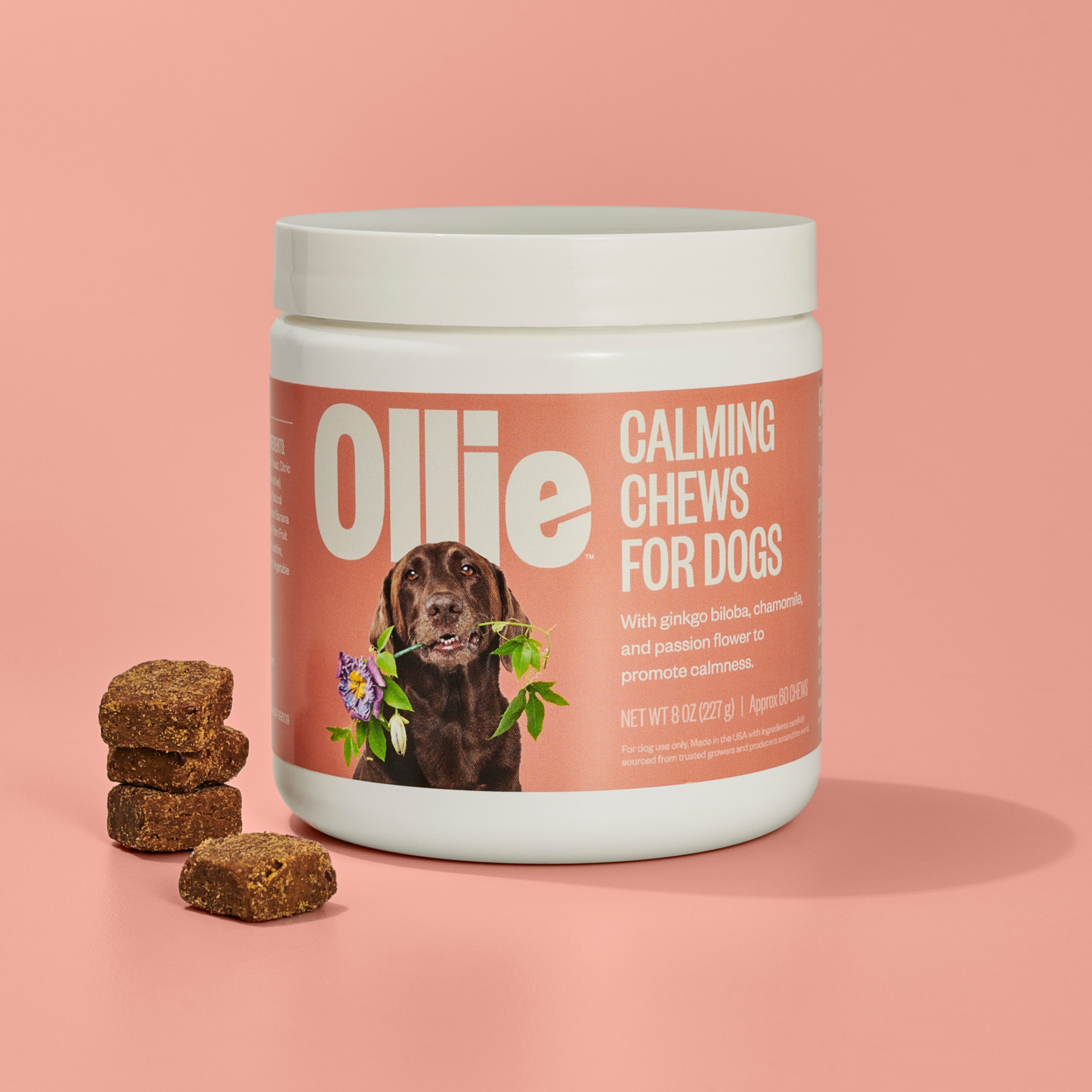
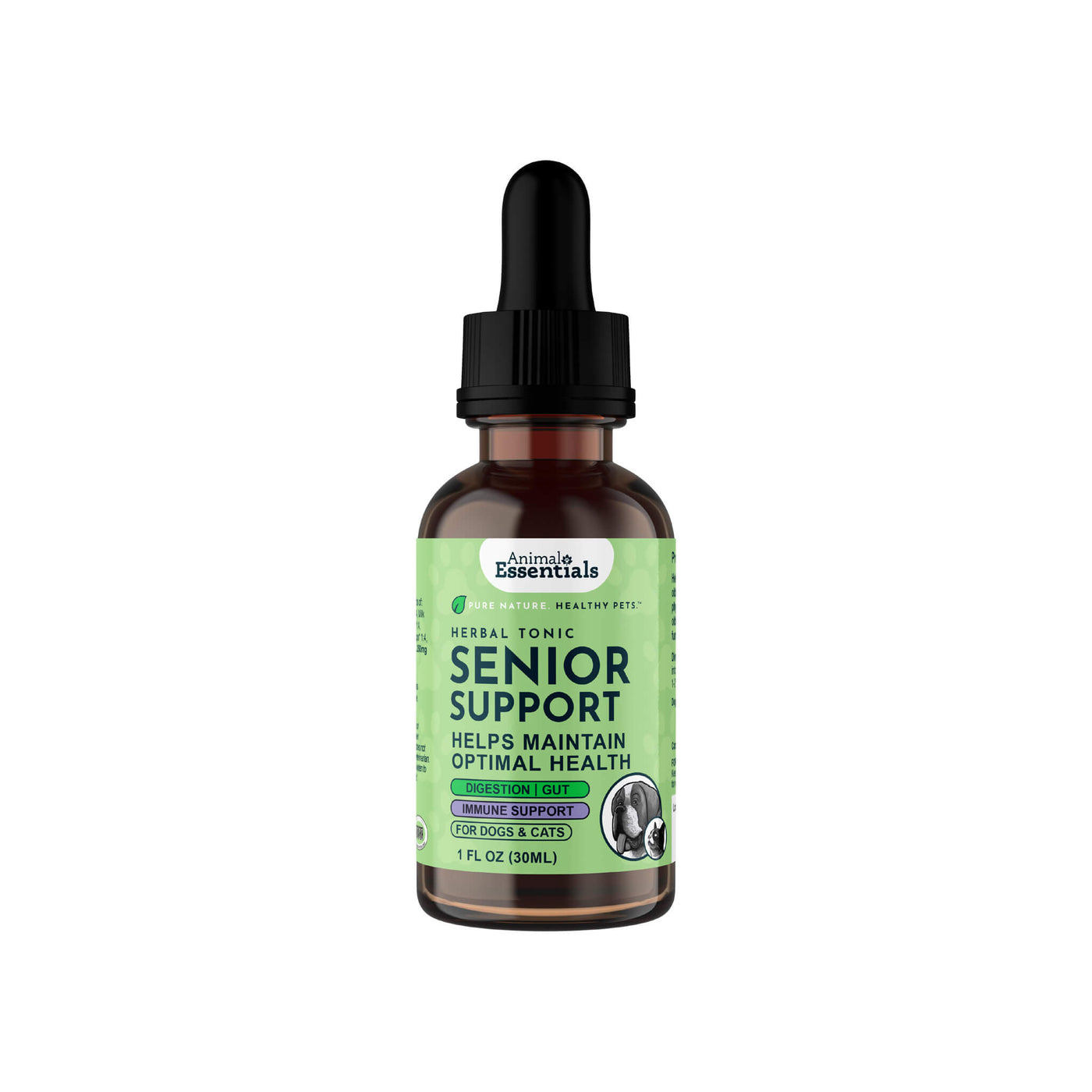
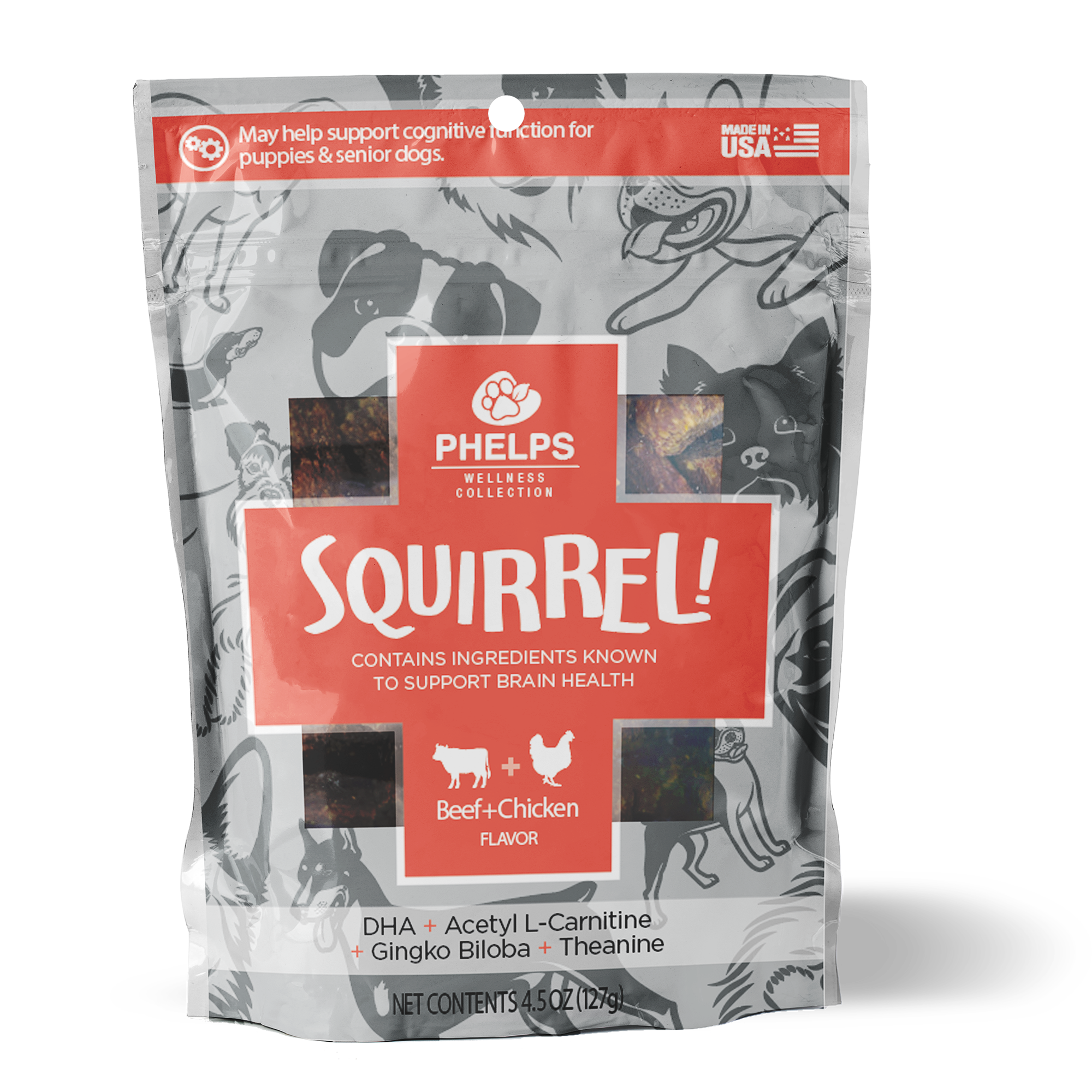
Find the right food for your pet
Sign in free to sort and filter by score, and avoid or require Ginkgo Biloba in the Food Finder. Add KL+ to see these foods ranked for your pet's breed, age, and health focus.

 Continue with Google
 Continue with Facebook