Kale
456 foods contain this ingredient
This is an alphabetical list, not a ranking. Add KL+ to rank foods for your pet in the Food Finder.
About Kale
Kale is a leafy cruciferous green sometimes added to pet foods in small amounts for fiber, vitamins, and antioxidants.
Kale is a cruciferous leafy green used in pet foods as a source of fiber, vitamins (A, C and K), minerals (such as calcium and potassium) and antioxidants, providing low‑calorie bulk and micronutrient support when added in small amounts. Because kale contains goitrogens, oxalates and other compounds that can cause gastrointestinal upset or, if fed excessively, interfere with thyroid function or contribute to urinary/kidney issues (and rarely hemolytic problems), it should be offered sparingly, prepared plain (cooked or finely chopped) and never seasoned with toxic ingredients like onion or garlic.
- Derived from
- Brassica oleracea (leafy green vegetable)
- Primary role
- fiber and micronutrient supplement
Why it's used
Kale contributes dietary fiber along with vitamins A, C, and K plus antioxidant compounds, and formulators use it in small inclusion rates to add plant-based micronutrients without significant calories. It is typically included as a minor component rather than a primary nutrient source in a balanced diet.
Common concerns
- Goitrogenic compounds The Merck Veterinary Manual identifies kale, along with cabbage, rape, and turnips, as goitrogenic plants that can interfere with thyroid hormone production, though it notes these are less potent than the goitrogens in soybeans and that cooking or heating destroys the goitrogenic substances.
- Oxalate content Kale contains oxalates, which are a documented contributor to calcium oxalate crystal and stone formation in some pets, making large or repeated raw servings a consideration for animals with a history of urinary stones.
- Adult versus young or hypothyroid animals The Merck Veterinary Manual notes that goitrogen exposure is usually not clinically significant in healthy adult animals but is more relevant in young or nursing animals and in those with existing thyroid disease.
Also relevant
Any kale fed or included in a diet should be plain, without added onion, garlic, or seasoning, since those are separately documented as harmful to dogs and cats.
Common Questions
What category is Kale?
Kale is categorized as a vegetable ingredient in the KibbleLab database.
Is Kale part of an allergen group?
No allergen group is linked to Kale in the KibbleLab database.
Which foods contain Kale?
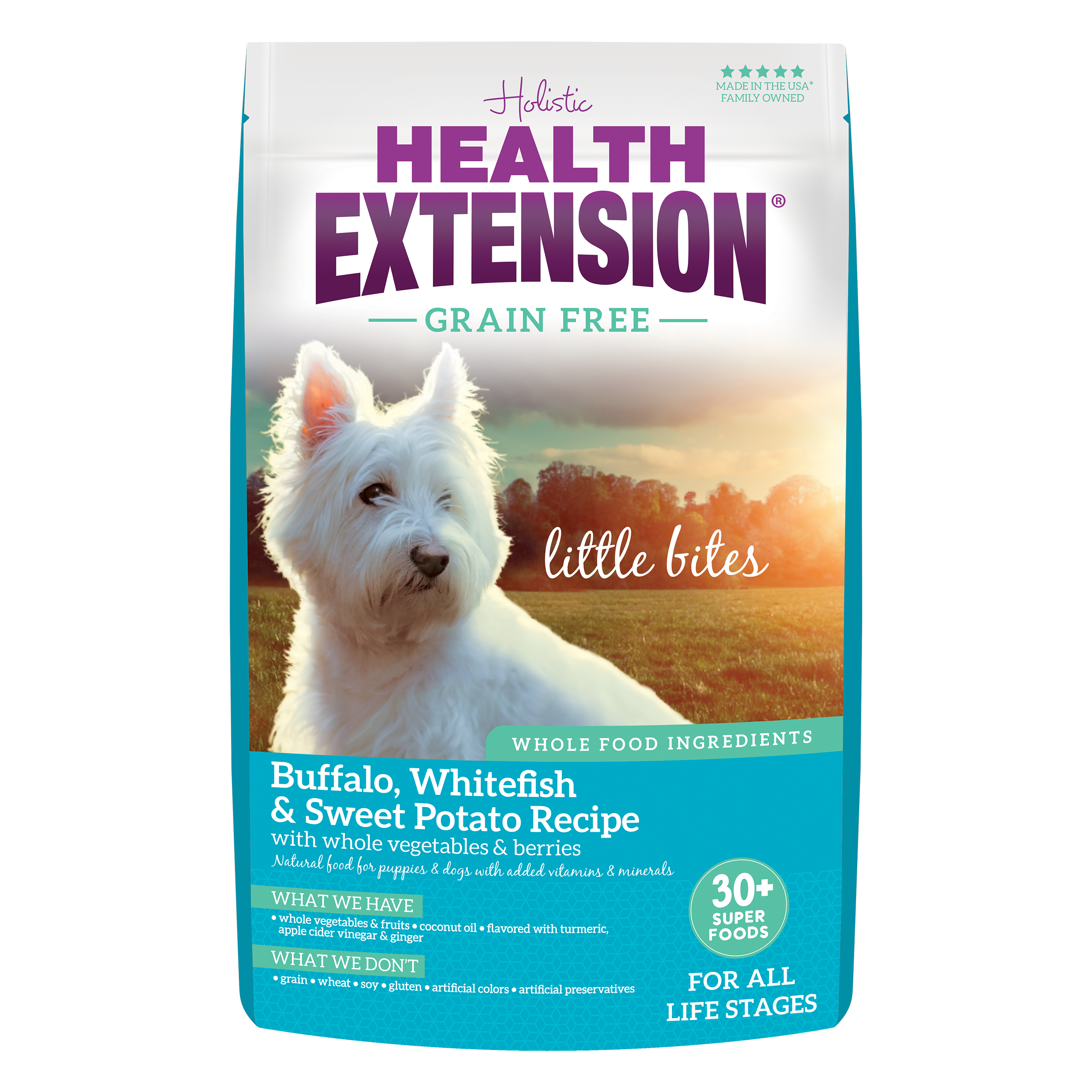
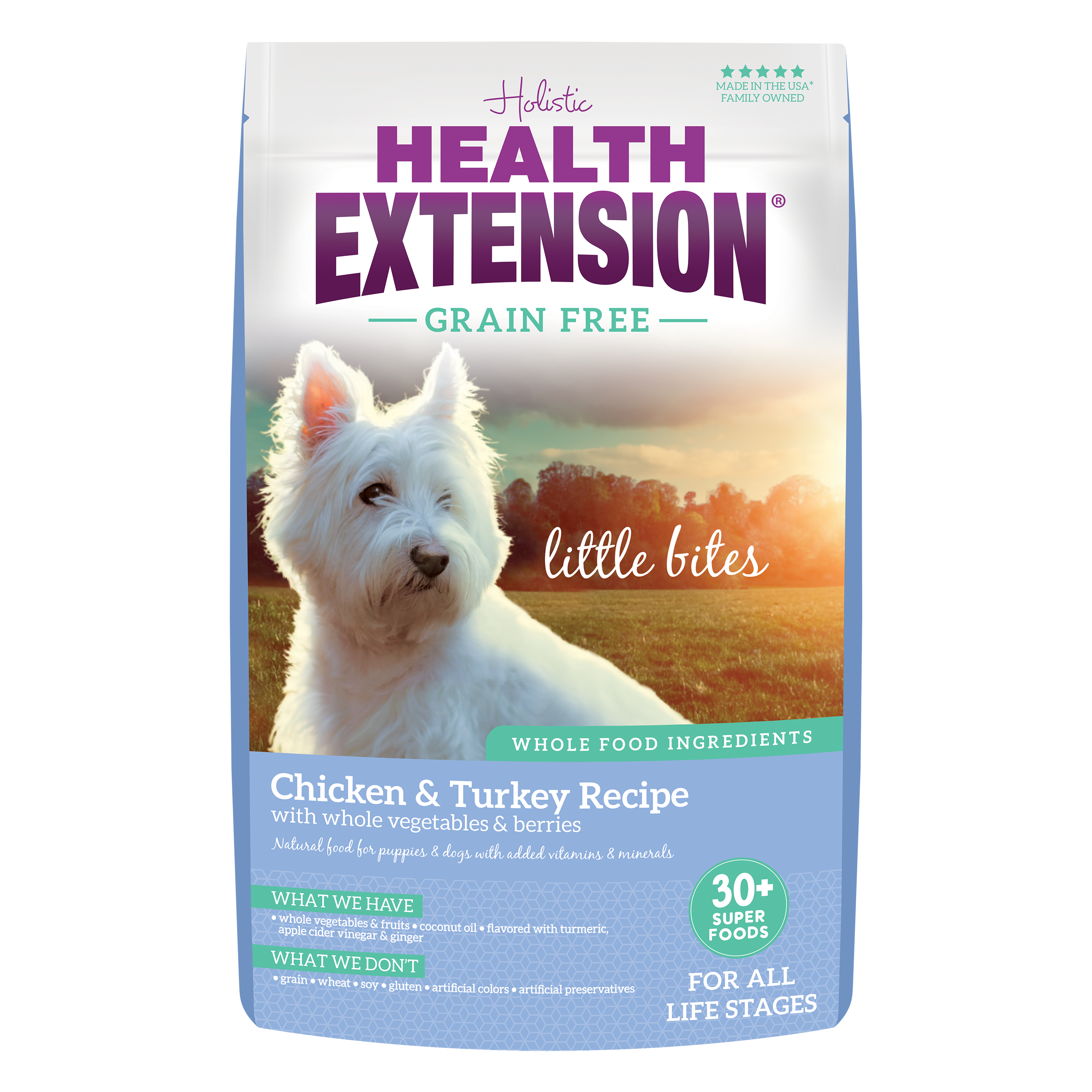
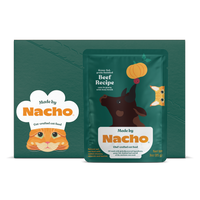
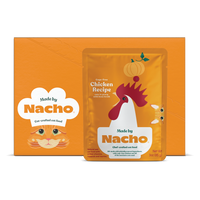
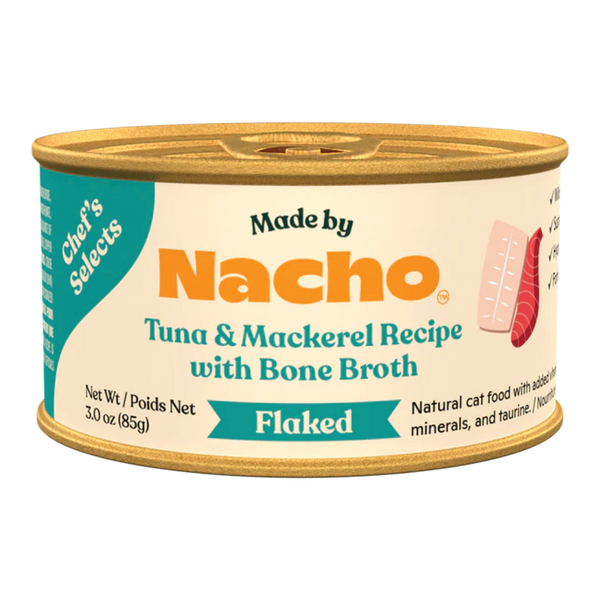
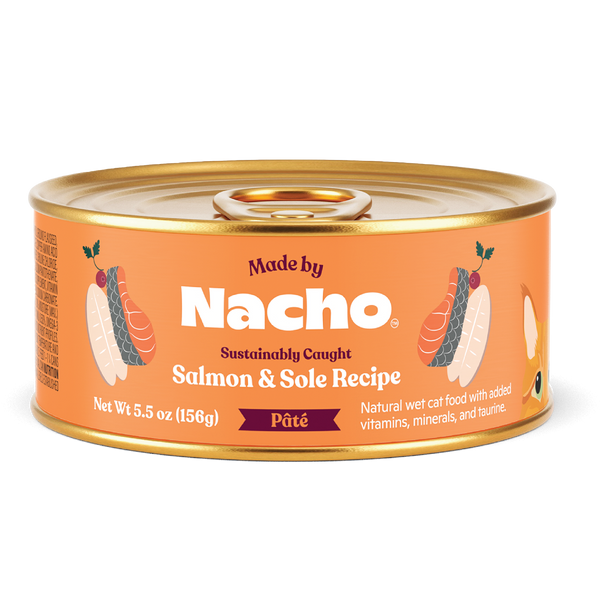
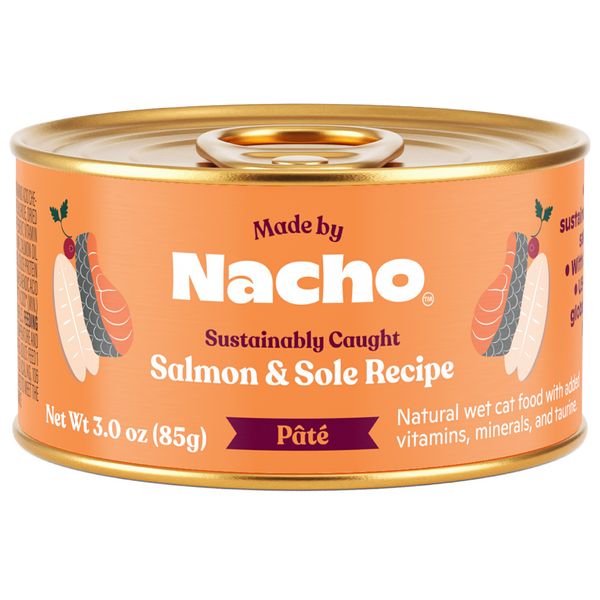
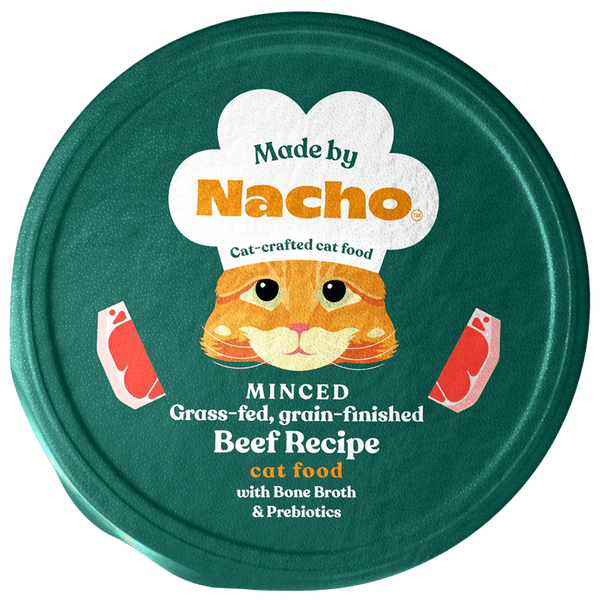
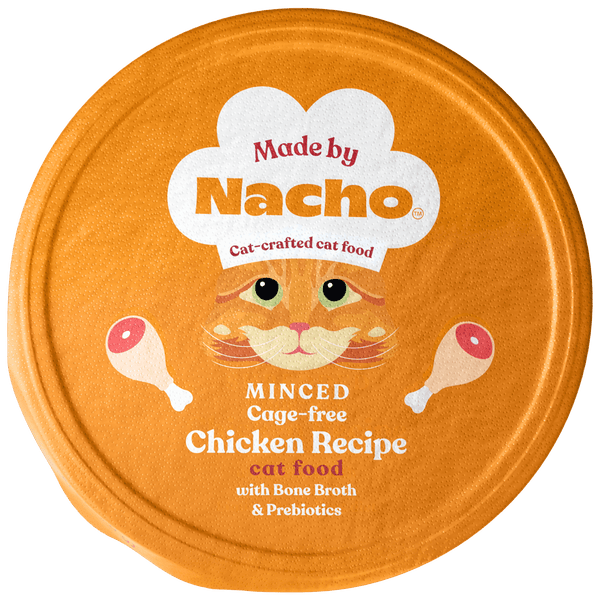
456 foods in the KibbleLab database contain Kale, including KOHA, Little Bites, LiveLong Pet Nutrition.
Foods with Kale
Alphabetical by brand. Scores run 0 to 10, higher is better, on published veterinary science.



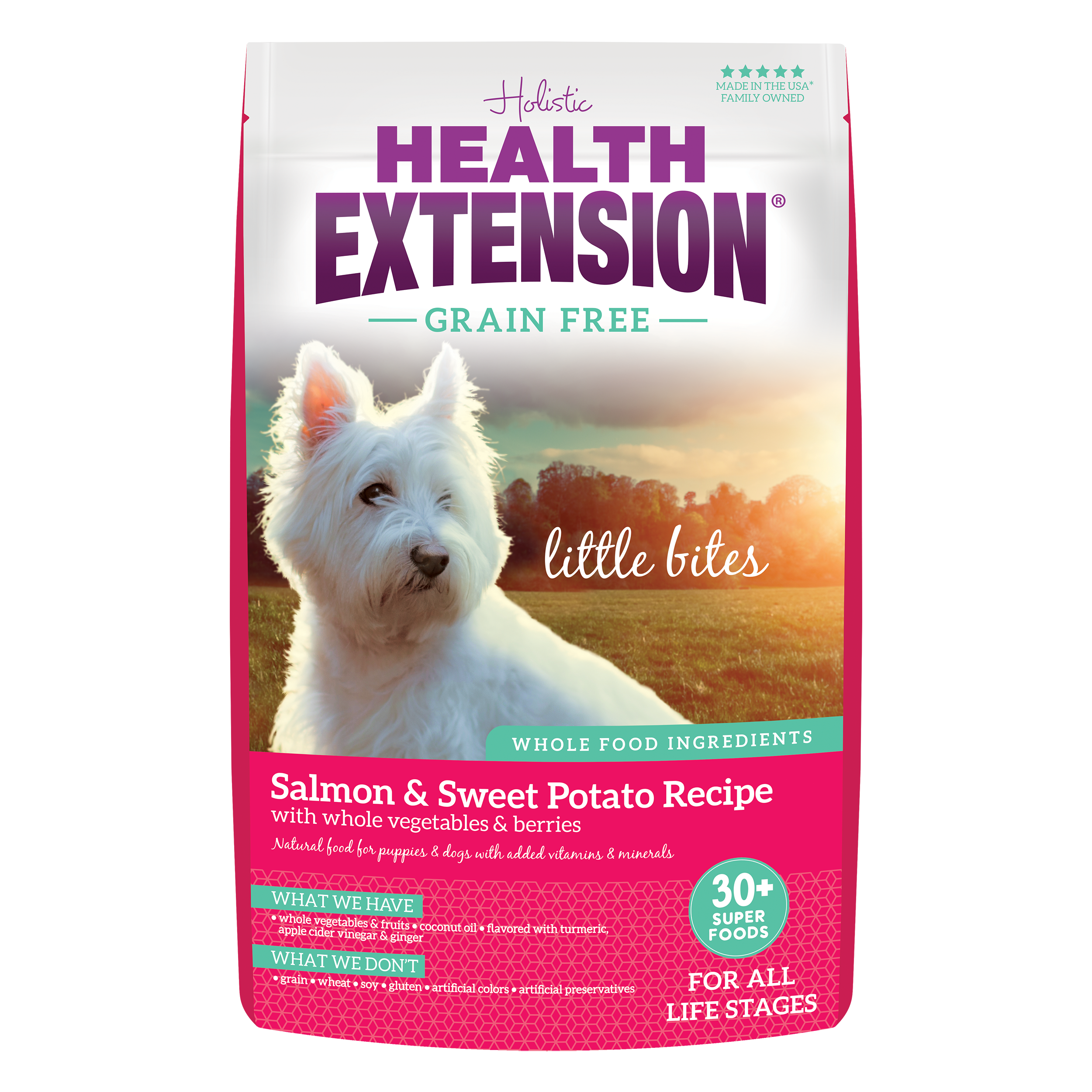
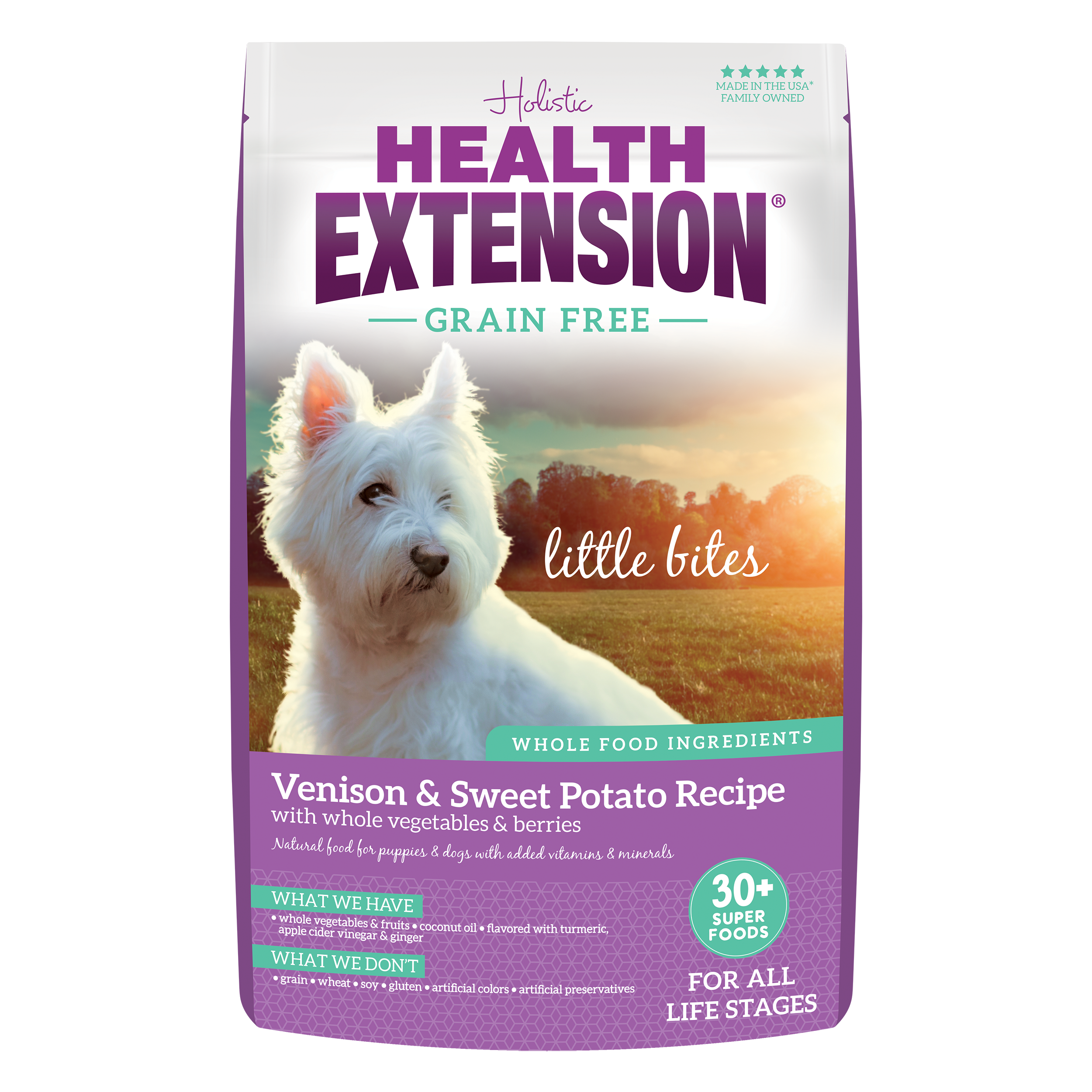
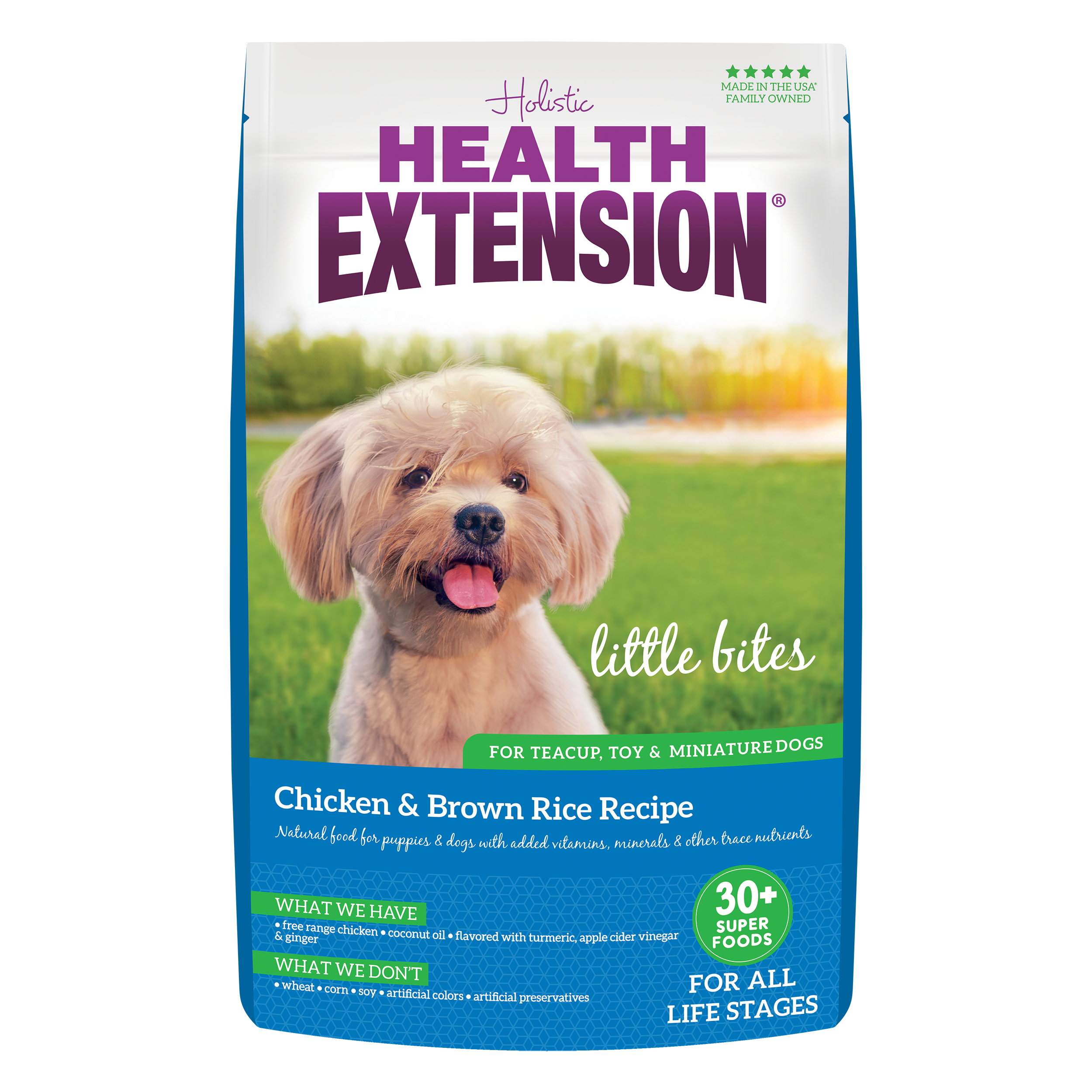
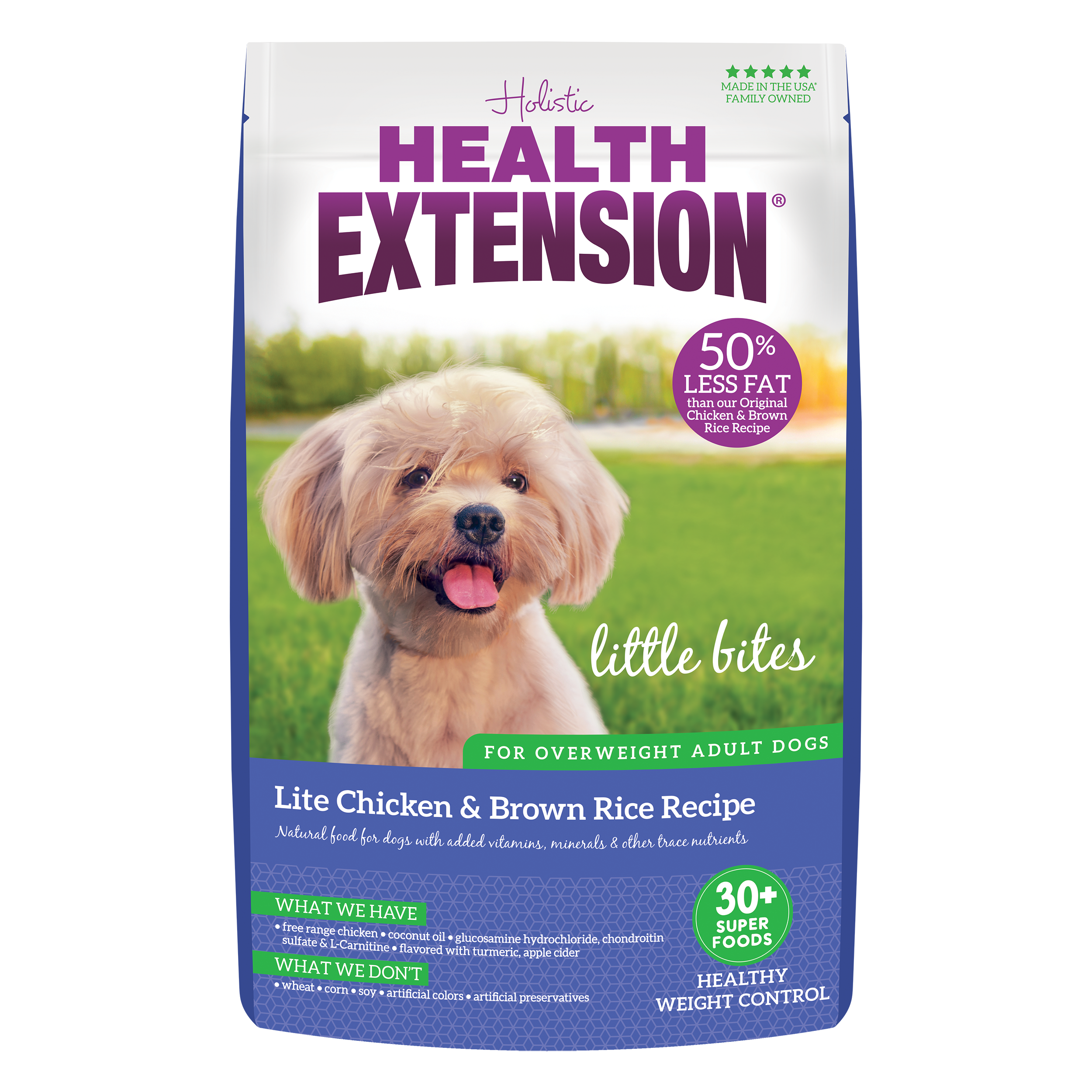


Find the right food for your pet
Sign in free to sort and filter by score, and avoid or require Kale in the Food Finder. Add KL+ to see these foods ranked for your pet's breed, age, and health focus.

 Continue with Google
 Continue with Facebook