Lettuce
17 foods contain this ingredient
This is an alphabetical list, not a ranking. Add KL+ to rank foods for your pet in the Food Finder.
About Lettuce
Lettuce is a leafy green vegetable used in pet foods and as an occasional home-fed treat mainly for its water content and light fiber.
Lettuce is used in pet diets primarily as a low-calorie source of moisture, crunch and mild insoluble fiber, and can serve as an occasional treat or filler; it supplies small amounts of vitamins A, K and folate but is not a significant source of protein or essential nutrients for dogs or obligate-carnivore cats. Generally safe in small amounts and sometimes helpful for hydration or gentle bowel regulation, lettuce should be served plain and well-washed (avoid nutrient-poor iceberg varieties, dressings, onions/garlic, pesticide residues and large quantities that can cause digestive upset or choking).
Related ingredients
- Derived from
- Lactuca sativa leaf
- Primary role
- moisture and fiber filler, low-calorie treat
Why it's used
Lettuce is included for bulk, crunch, and hydration rather than nutrition, since its water content is high and its calorie, protein, and fat contribution are minimal. Darker leaf varieties such as romaine also carry small amounts of vitamin A, vitamin K, and folate compared to nutrient-poor iceberg lettuce.
Common concerns
- Digestive upset from large amounts Because lettuce is very high in water with mostly insoluble fiber, feeding it in large quantities is associated with diarrhea, gas, or general gastrointestinal upset in dogs and cats.
- Choking or whole-leaf obstruction Large, unchopped leaves have been flagged as a choking consideration, particularly for small dogs and cats that swallow food without much chewing.
- Toppings and dressings Salad add-ins commonly served alongside lettuce, such as onion, garlic, or creamy dressings, carry their own documented risks and are the actual hazard in most lettuce-related incidents rather than the lettuce itself.
Also relevant
As obligate carnivores, cats have no biological need for lettuce, so any inclusion functions as an occasional low-calorie treat rather than a diet component.
Common Questions
What category is Lettuce?
Lettuce is categorized as a vegetable ingredient in the KibbleLab database.
Is Lettuce part of an allergen group?
No allergen group is linked to Lettuce in the KibbleLab database.
Which foods contain Lettuce?
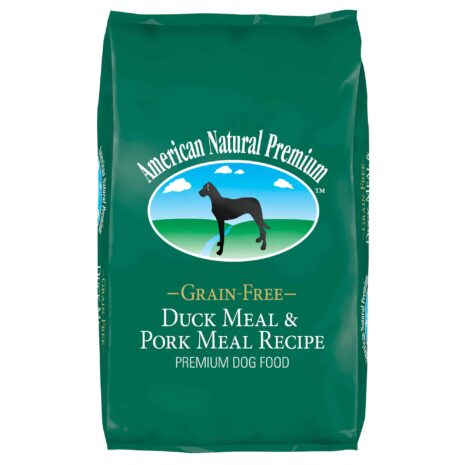
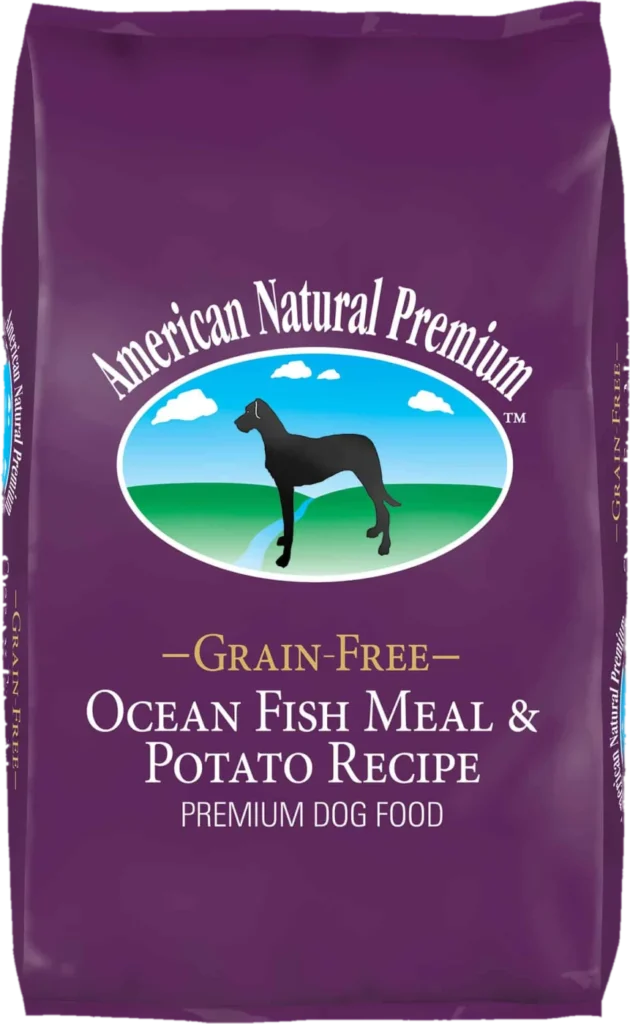
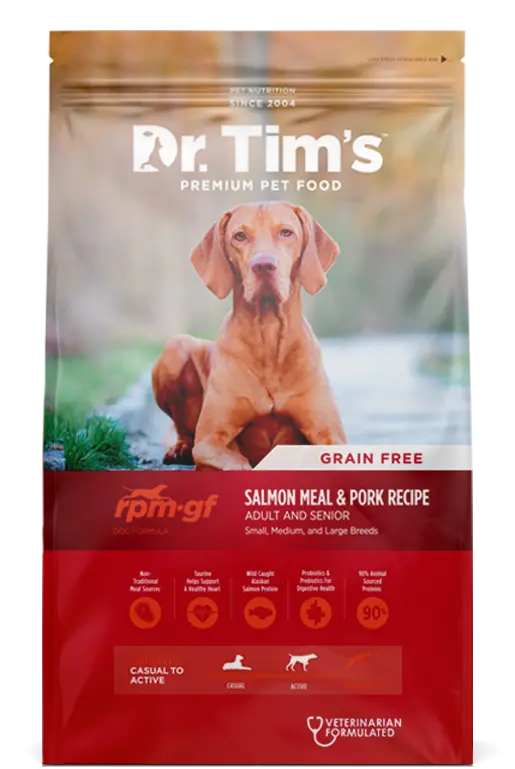
17 foods in the KibbleLab database contain Lettuce, including American Natural Premium, Dr. Tim's, Healthy Dogma.
Foods with Lettuce
Alphabetical by brand. Scores run 0 to 10, higher is better, on published veterinary science.
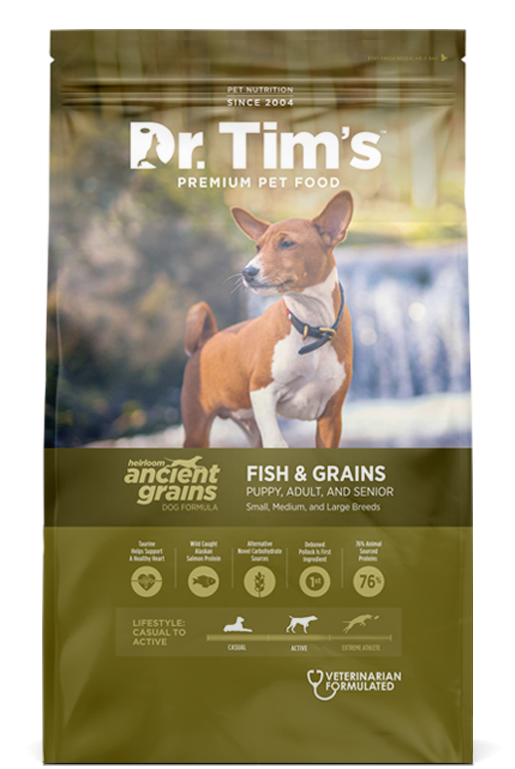
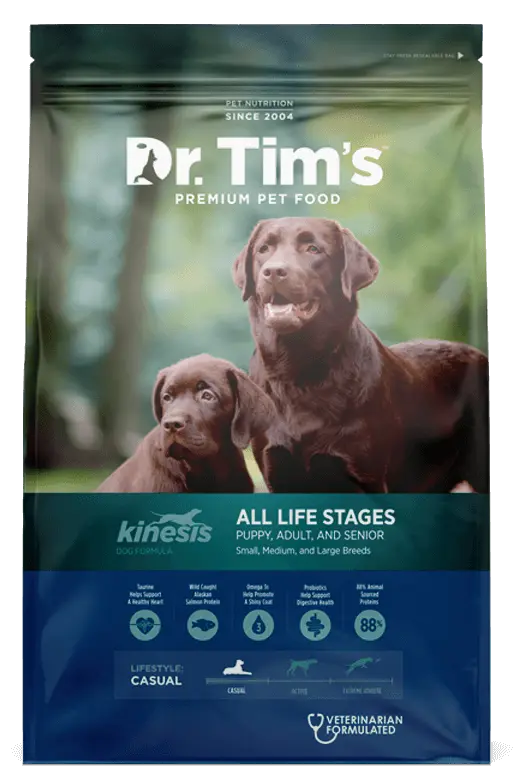
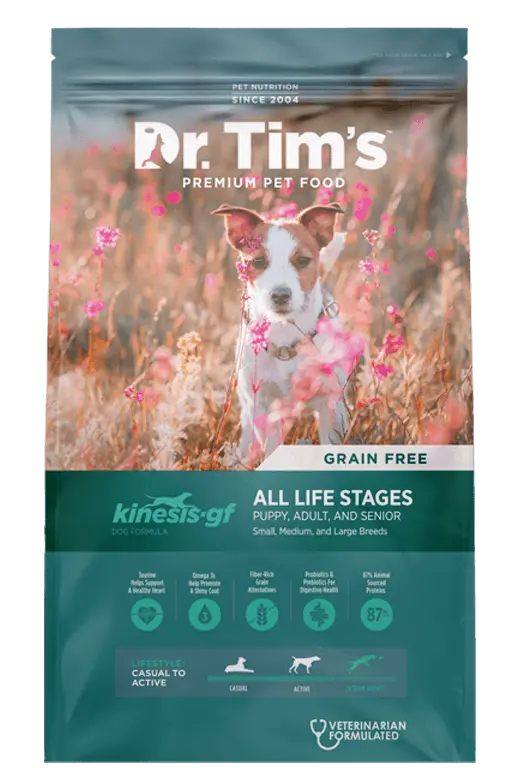
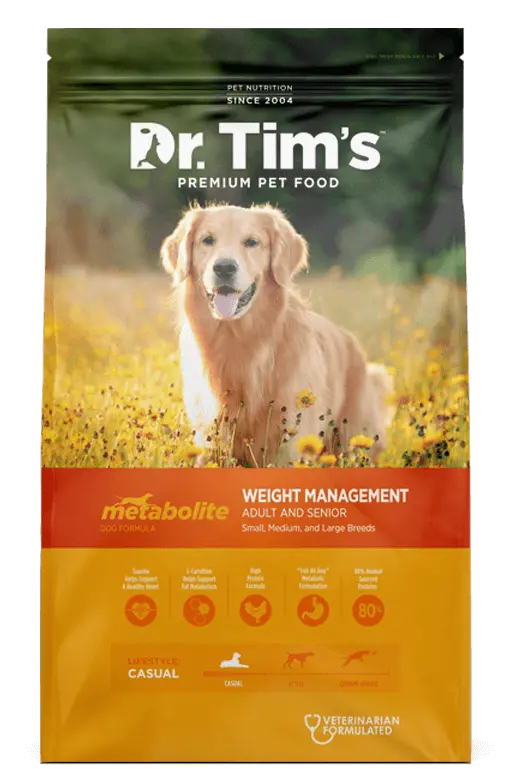






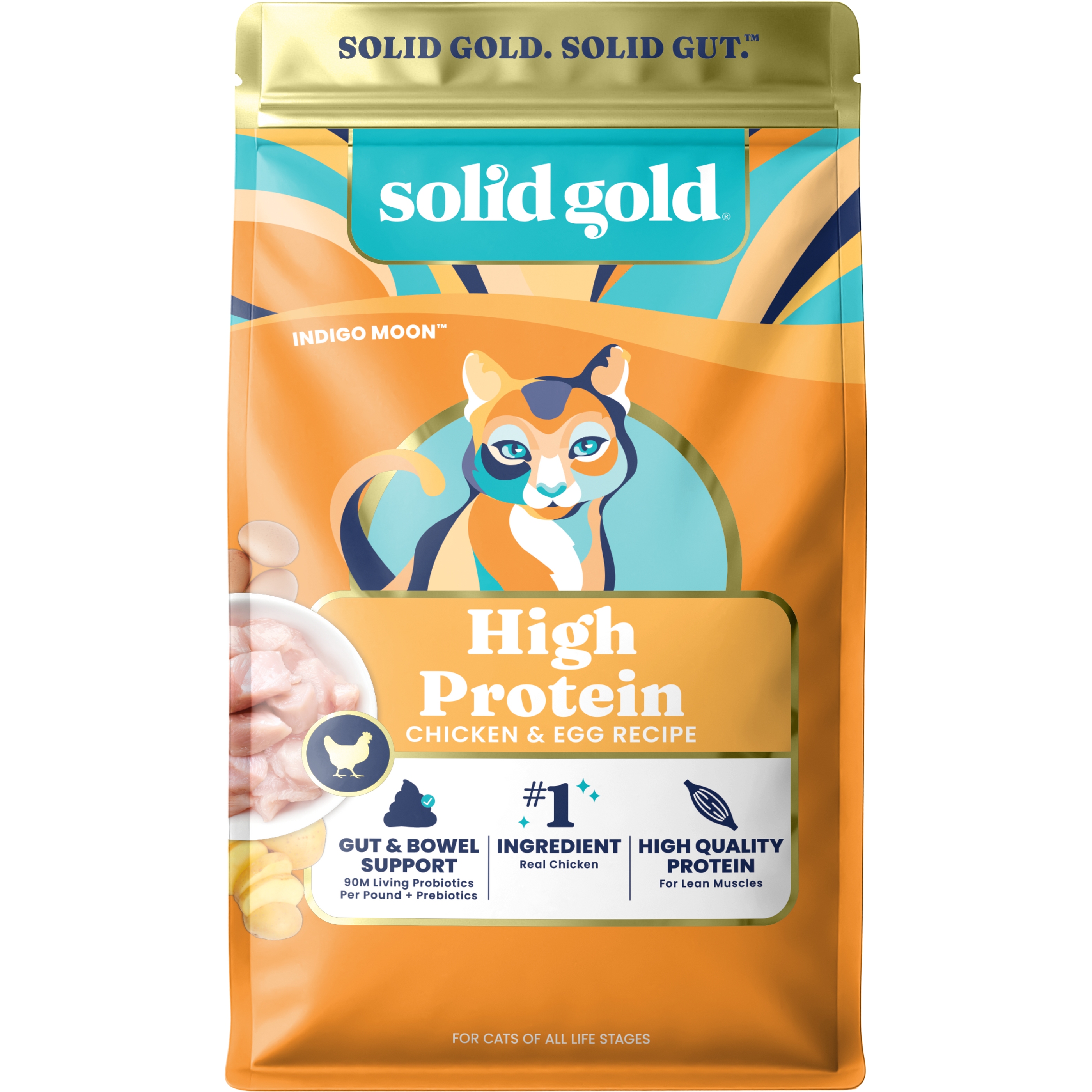
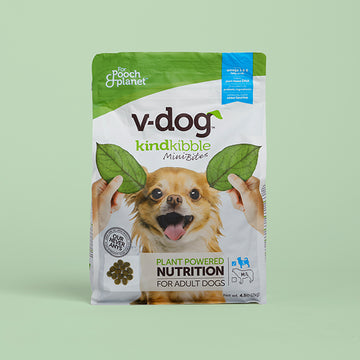
Find the right food for your pet
Sign in free to sort and filter by score, and avoid or require Lettuce in the Food Finder. Add KL+ to see these foods ranked for your pet's breed, age, and health focus.

 Continue with Google
 Continue with Facebook