Wild Lettuce
2 foods contain this ingredient
This is an alphabetical list, not a ranking. Add KL+ to rank foods for your pet in the Food Finder.
About Wild Lettuce
Wild lettuce is a bitter leafy herb, occasionally added to pet treats or calming supplements rather than used as a food staple.
Wild lettuce is an herbaceous leafy green sometimes used in small amounts in pet treats or supplements for added moisture, low‑calorie fiber and modest amounts of vitamins and antioxidants, but it is not a meaningful source of protein or essential nutrients for dogs or cats. Although small amounts are generally tolerated, some wild lettuce species contain bitter lactucarium compounds that can cause gastrointestinal upset or mild sedation at higher doses, so it is uncommon in commercial pet foods and should be used with caution and veterinary guidance, particularly for cats and pets with health issues.
Related ingredients
- Derived from
- leaves and dried milky sap (lactucarium) of Lactuca virosa or Lactuca scariola
- Primary role
- minor herbal additive, occasional calming or moisture ingredient
Why it's used
Some treat and supplement makers include wild lettuce in small quantities for its traditional reputation as a mild calming herb, alongside a little added moisture and fiber. It is not included for protein, vitamins, or any nutrient density.
Common concerns
- Sedative compounds The plant's dried latex (lactucarium) contains lactucin and lactucopicrin, bitter compounds studied for binding to GABA-A receptors and producing sedative effects in animal research.
- Human overconsumption cases A published case series documented hospitalization of people in Iran after eating wild lettuce that grows locally, with symptoms serious enough that one patient needed 48 hours of intensive care, though all recovered without lasting effects.
- Lookalike plants Wild lettuce can be confused with other roadside plants when foraged, so identification matters if it is ever encountered growing rather than sourced as a processed ingredient.
- Limited veterinary data Neither the ASPCA Animal Poison Control plant lists nor the Merck Veterinary Manual include a dedicated entry for wild lettuce, so dosing thresholds and species-specific effects in dogs and cats are not well established.
Also relevant
Because the sedative compounds concentrate in the plant's latex rather than the leaf itself, the form used (whole leaf versus concentrated extract) likely affects how much of an effect it could have, though this has not been formally studied in dogs or cats.
4 sources cited
- Lactucarium (from Lactuca virosa) contains lactucin and lactucopicrin, sesquiterpene lactones linked to sedative and analgesic effects, historically nicknamed lettuce opium
- Lactucin and lactucopicrin from Lactuca species produced measurable sedative effects in animal studies via GABA-A receptor activity
- Case series of human hospitalizations after wild lettuce (Lactuca virosa) ingestion, including one patient requiring 48 hours of intensive care, all recovered with supportive treatment
- Wild lettuce does not appear on the ASPCA's toxic or non-toxic plant list for cats, indicating it is not a commonly flagged plant in companion-animal poison control resources
Common Questions
What category is Wild Lettuce?
Wild Lettuce is categorized as a herb ingredient in the KibbleLab database.
Is Wild Lettuce part of an allergen group?
No allergen group is linked to Wild Lettuce in the KibbleLab database.
Which foods contain Wild Lettuce?
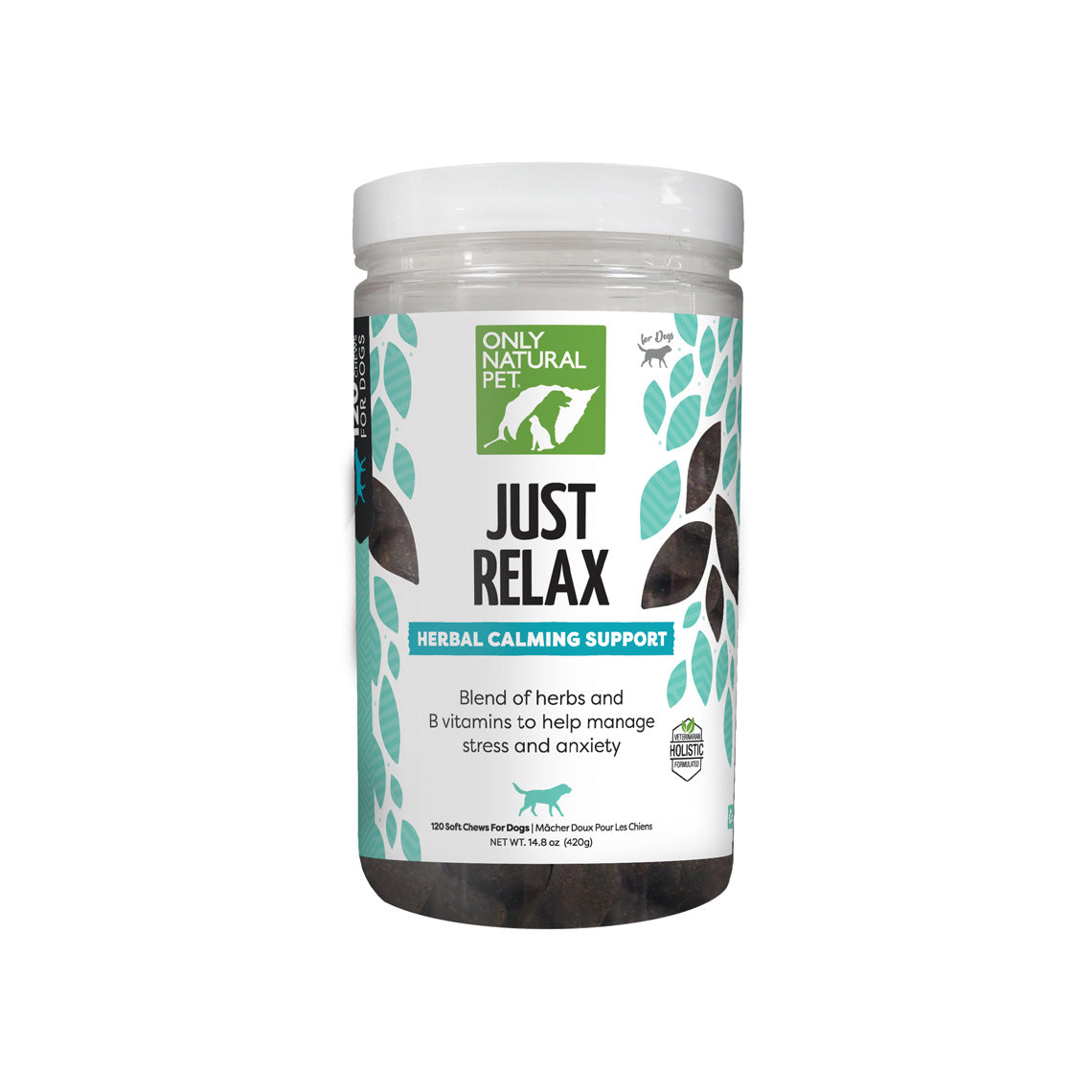
2 foods in the KibbleLab database contain Wild Lettuce, including Only Natural Pet.
Foods with Wild Lettuce
Alphabetical by brand. Scores run 0 to 10, higher is better, on published veterinary science.


Find the right food for your pet
Sign in free to sort and filter by score, and avoid or require Wild Lettuce in the Food Finder. Add KL+ to see these foods ranked for your pet's breed, age, and health focus.

 Continue with Google
 Continue with Facebook