Licorice
27 foods contain this ingredient
This is an alphabetical list, not a ranking. Add KL+ to rank foods for your pet in the Food Finder.
About Licorice
Licorice root is a botanical used mainly in herbal supplements and, less often, in small food inclusions for flavor and its traditional anti-inflammatory reputation.
Licorice is used in pet foods and supplements primarily as a flavoring and herbal ingredient with mild demulcent and anti‑inflammatory properties rather than as a significant source of nutrients. While small amounts may help soothe the gastrointestinal tract, licorice contains glycyrrhizin which can cause sodium retention, potassium loss and high blood pressure, so it should be used cautiously and avoided in pets with heart, kidney or liver disease, hypertension, pregnancy, or when taking diuretics or corticosteroids.
Related ingredients
- Derived from
- Glycyrrhiza glabra root
- Primary role
- flavoring and demulcent herbal additive
Why it's used
Licorice root has a long history in herbal medicine as a demulcent thought to soothe the digestive tract lining, and formulators use it at low levels for its natural sweetness and aromatic profile rather than as a nutrient source. Its principal active compound, glycyrrhizin, has a chemical structure that resembles corticosteroid hormones, which is the basis for its traditional anti-inflammatory reputation.
Common concerns
- Pseudoaldosteronism from glycyrrhizin Research on glycyrrhizin metabolism shows it inhibits an enzyme that normally breaks down cortisol in the kidney, and the resulting cortisol buildup can drive sodium retention, potassium loss, and elevated blood pressure with prolonged or high-dose exposure.
- Duration-dependent risk Veterinary herbal sources describe this electrolyte and blood pressure effect as tied to dose and duration, with some recommending licorice root not be used continuously beyond a couple of weeks without veterinary guidance.
- Underlying heart, kidney, or endocrine conditions Because the mechanism involves sodium and potassium handling, licorice root is a topic to raise with a veterinarian for pets with existing heart, kidney, or liver disease, or those on diuretics or corticosteroid medication.
Also relevant
Deglycyrrhizinated licorice (DGL) is a processed form with the glycyrrhizin removed, marketed specifically to reduce these electrolyte and blood pressure effects while retaining other traditional uses.
2 sources cited
Common Questions
What category is Licorice?
Licorice is categorized as a herb ingredient in the KibbleLab database.
Is Licorice part of an allergen group?
No allergen group is linked to Licorice in the KibbleLab database.
Which foods contain Licorice?
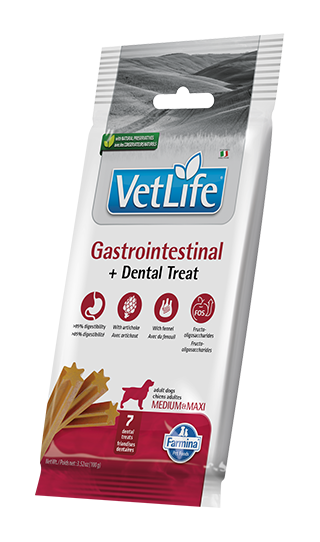
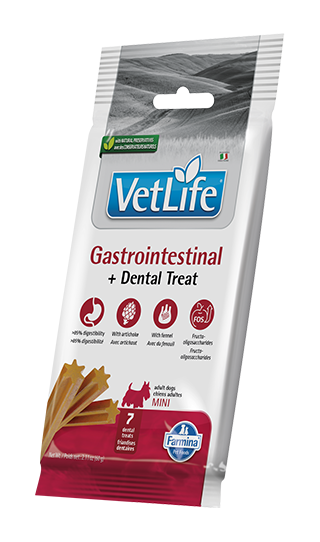
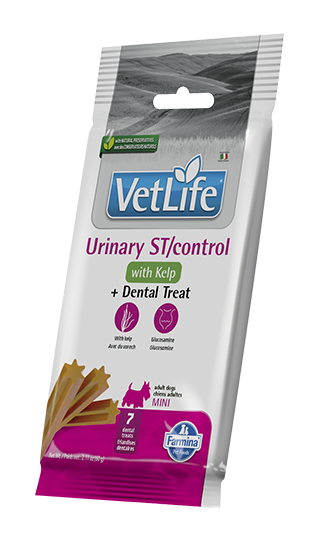
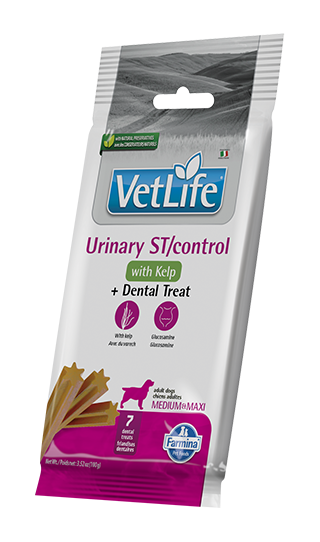
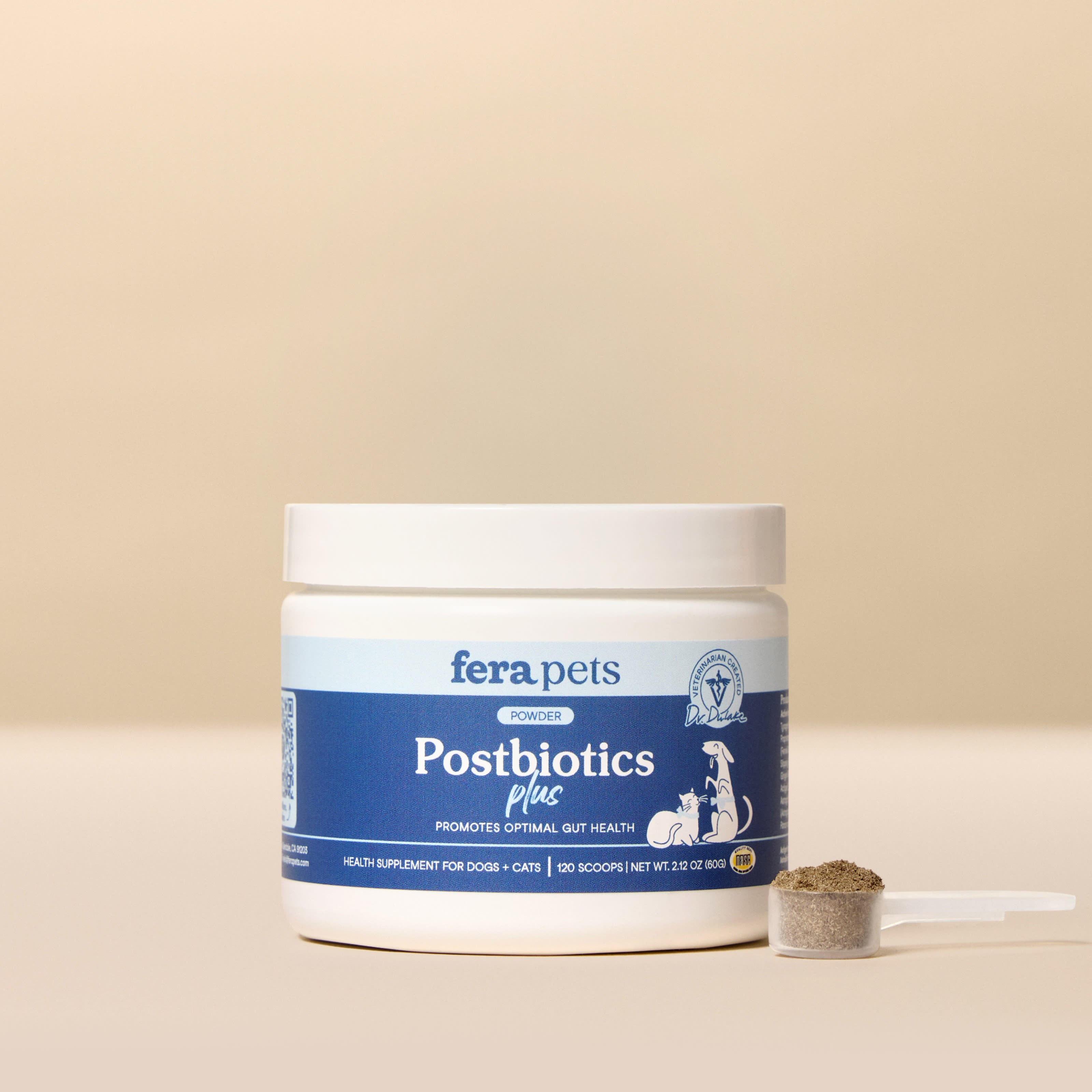
27 foods in the KibbleLab database contain Licorice, including Earth Animal, Farmina, Fera Pets.
Foods with Licorice
Alphabetical by brand. Scores run 0 to 10, higher is better, on published veterinary science.



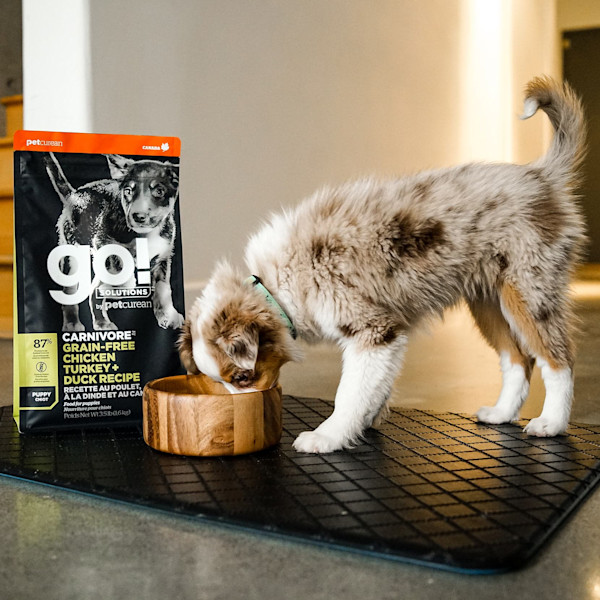


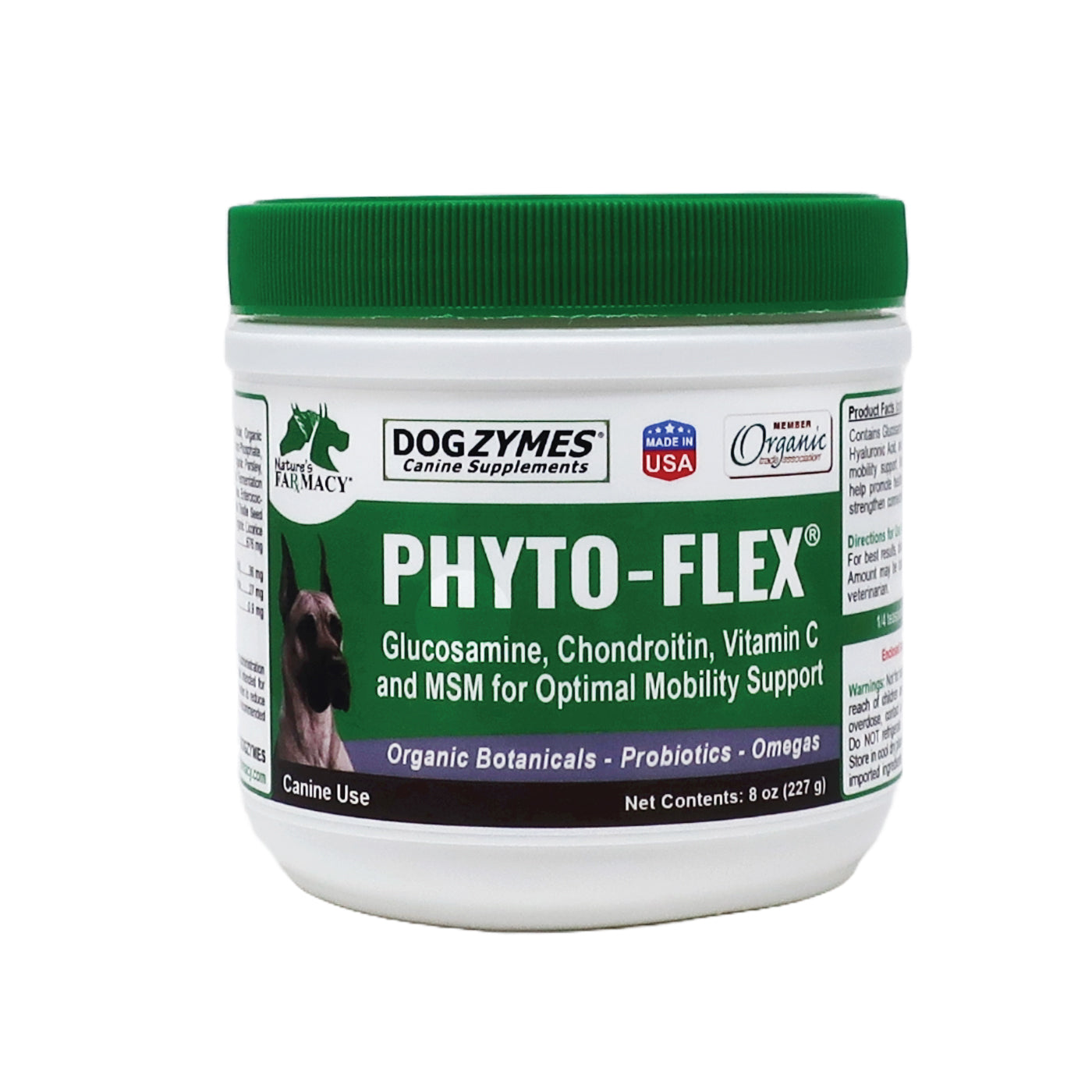
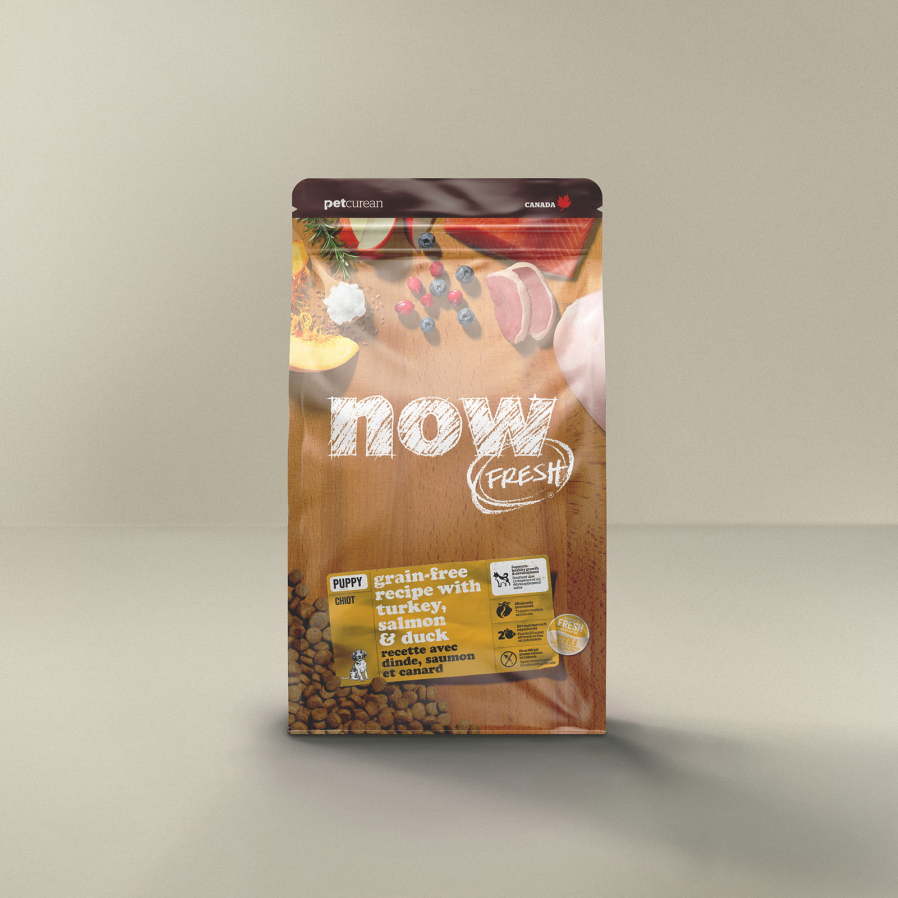

Find the right food for your pet
Sign in free to sort and filter by score, and avoid or require Licorice in the Food Finder. Add KL+ to see these foods ranked for your pet's breed, age, and health focus.

 Continue with Google
 Continue with Facebook