Mango
41 foods contain this ingredient
This is an alphabetical list, not a ranking. Add KL+ to rank foods for your pet in the Food Finder.
About Mango
Mango is a fruit added to pet treats and foods for natural sweetness, soluble fiber, and small amounts of provitamin A carotenoids and vitamin C.
Mango is used in pet foods and treats as a fruit-based flavoring and source of soluble fiber, natural sugars, vitamins (notably A and C) and antioxidants that can support digestion, skin/coat health and immune function when offered in small amounts. Owners should remove the pit and skin, avoid sweetened or canned preparations, and limit portions because of high sugar and potential gastrointestinal upset, choking risk or allergic reactions—pets with diabetes or known fruit sensitivities should not be given mango without veterinary guidance.
- Derived from
- flesh of the mango fruit (Mangifera indica)
- Primary role
- fruit flavoring and vitamin/fiber source
Why it's used
Mango pulp is included mainly for its natural sweetness and appealing flavor in treats, while contributing soluble fiber and vitamins that support a varied diet. It is generally listed among fruits considered non-toxic for dogs when the flesh alone is fed in small, occasional amounts.
Common concerns
- Pit ingestion The mango pit is large and hard enough to lodge in the esophagus, stomach, or intestines and cause an obstruction, which is the more immediate physical hazard compared to its chemical content.
- Trace cyanogenic compound in the pit The main concern with the mango pit is mechanical: it is a large, hard object that can cause choking or an intestinal blockage if swallowed. Unlike apple or cherry pits, mango seeds are not an established source of cyanide-releasing compounds.
- Sugar content Mango flesh is relatively high in natural sugar, and dogs are not well equipped to process large amounts of sugar, so overfeeding can contribute to digestive upset or be a consideration for dogs managing diabetes or weight.
Also relevant
Peeling the fruit and removing the pit before offering mango is a widely repeated feeding practice, since the skin and pit are the parts most associated with the concerns above rather than the flesh itself.
3 sources cited
- Mango pits contain amygdalin, which can release hydrogen cyanide during metabolism, and also present a physical obstruction risk if swallowed
- Dogs are not well suited to processing large amounts of sugar, and overfeeding sugary fruit like mango can lead to digestive upset
- ASPCA Animal Poison Control Center is the reference resource for suspected pet poisoning emergencies, including accidental ingestion of fruit pits
Common Questions
What category is Mango?
Mango is categorized as a fruit ingredient in the KibbleLab database.
Is Mango part of an allergen group?
No allergen group is linked to Mango in the KibbleLab database.
Which foods contain Mango?
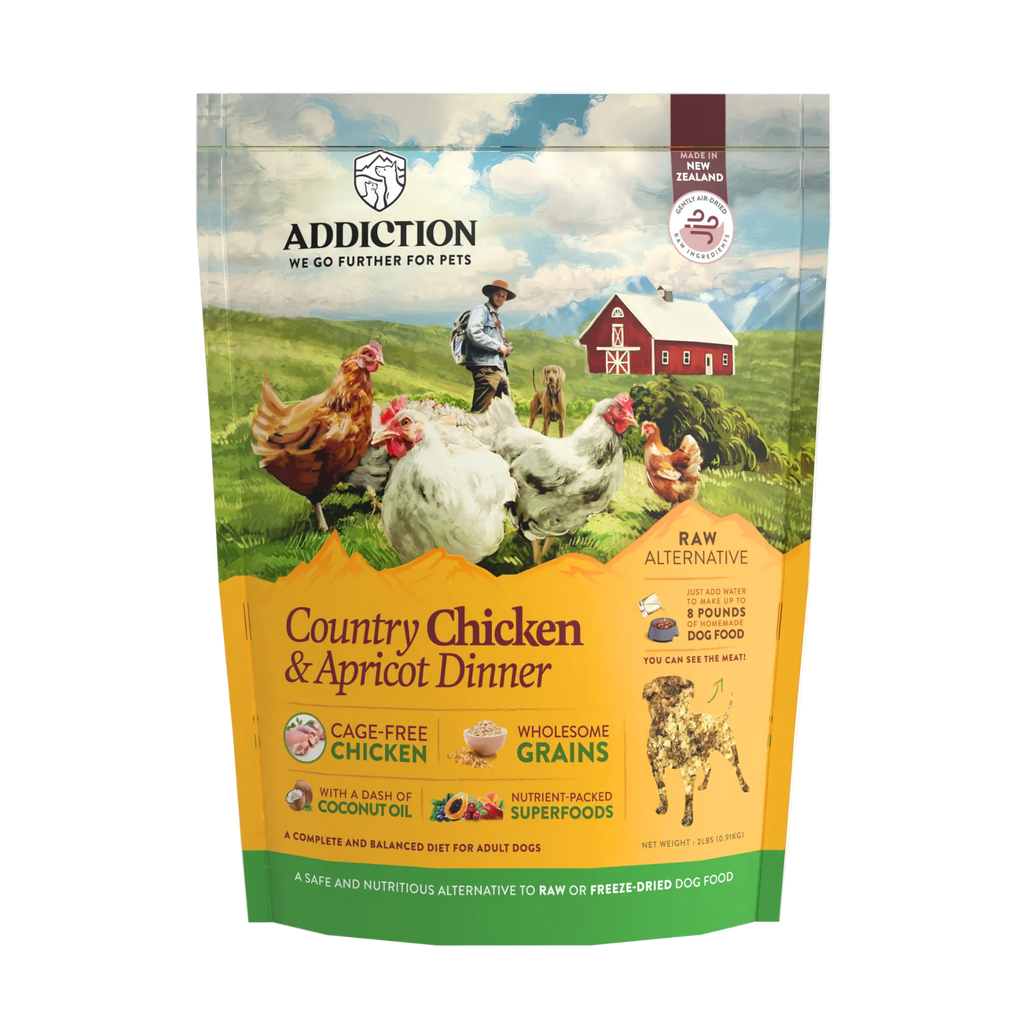
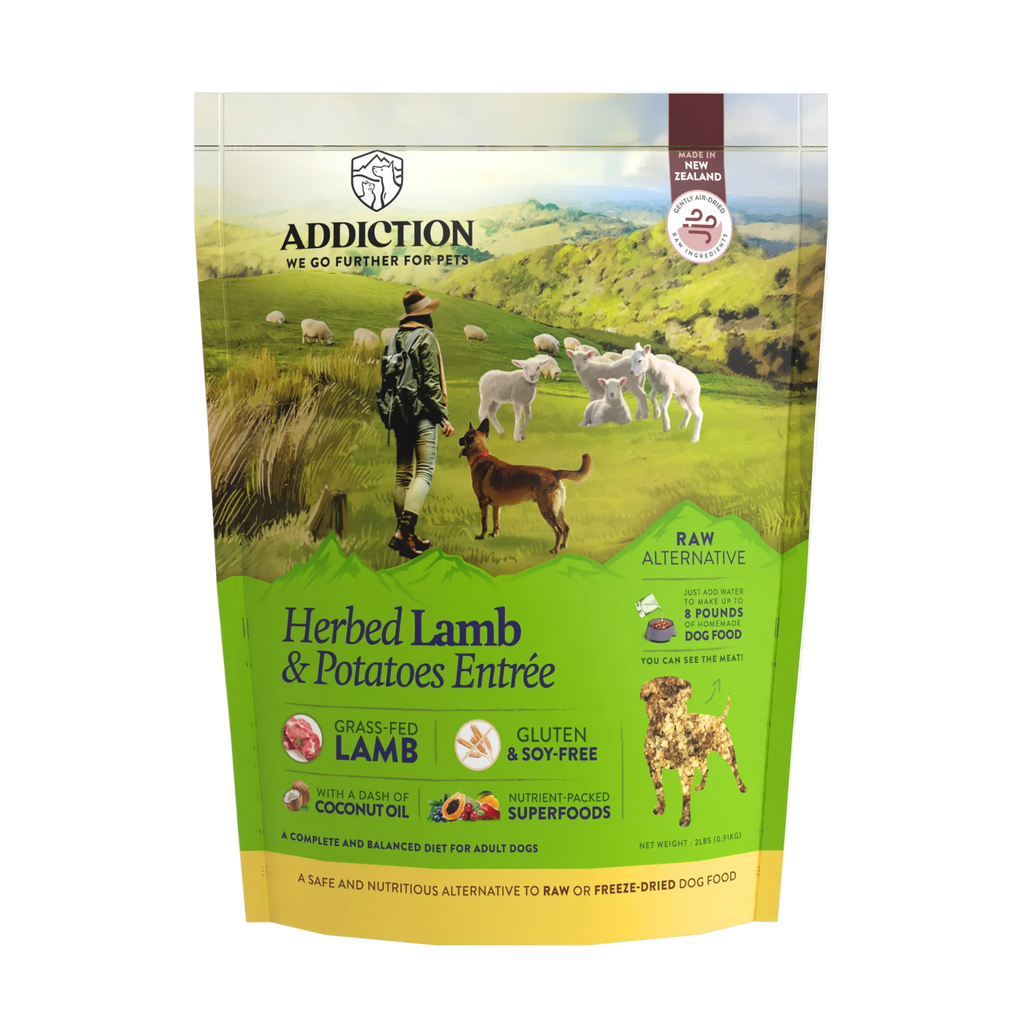
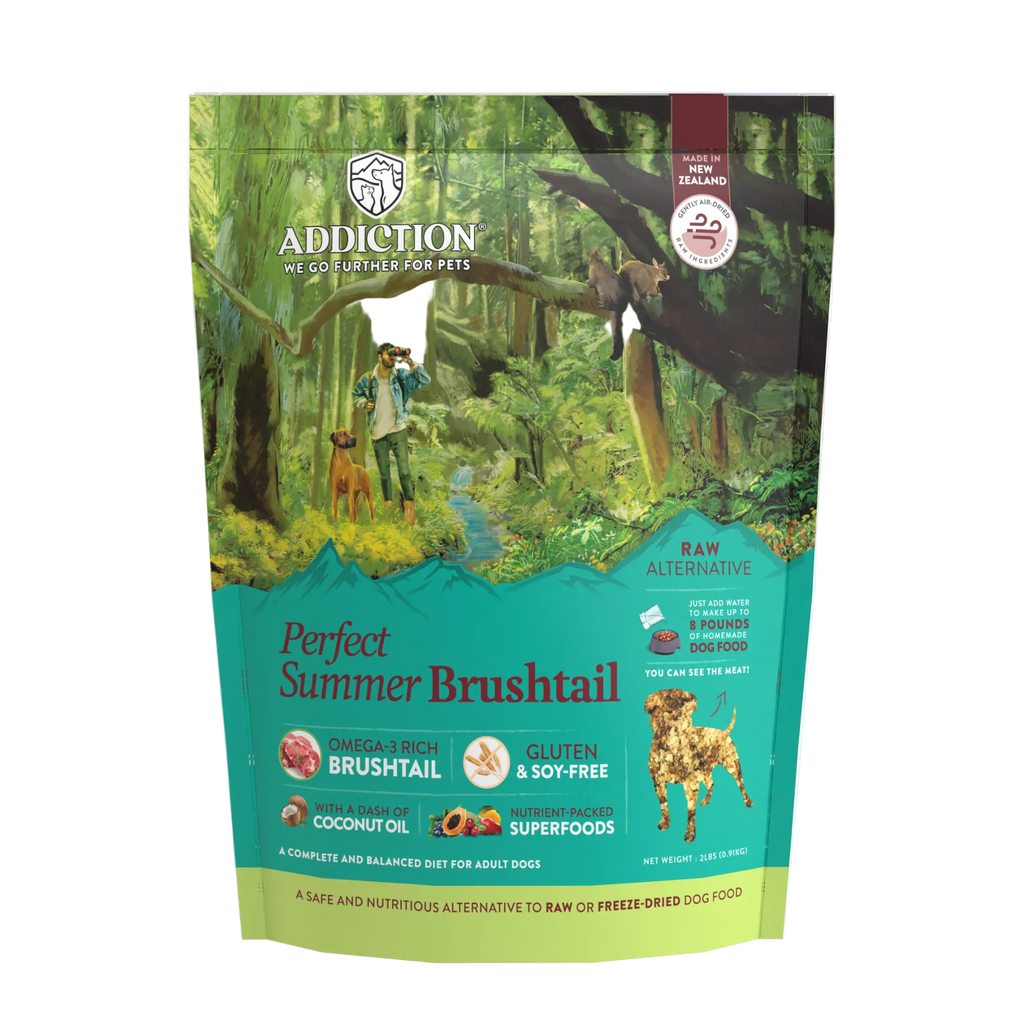
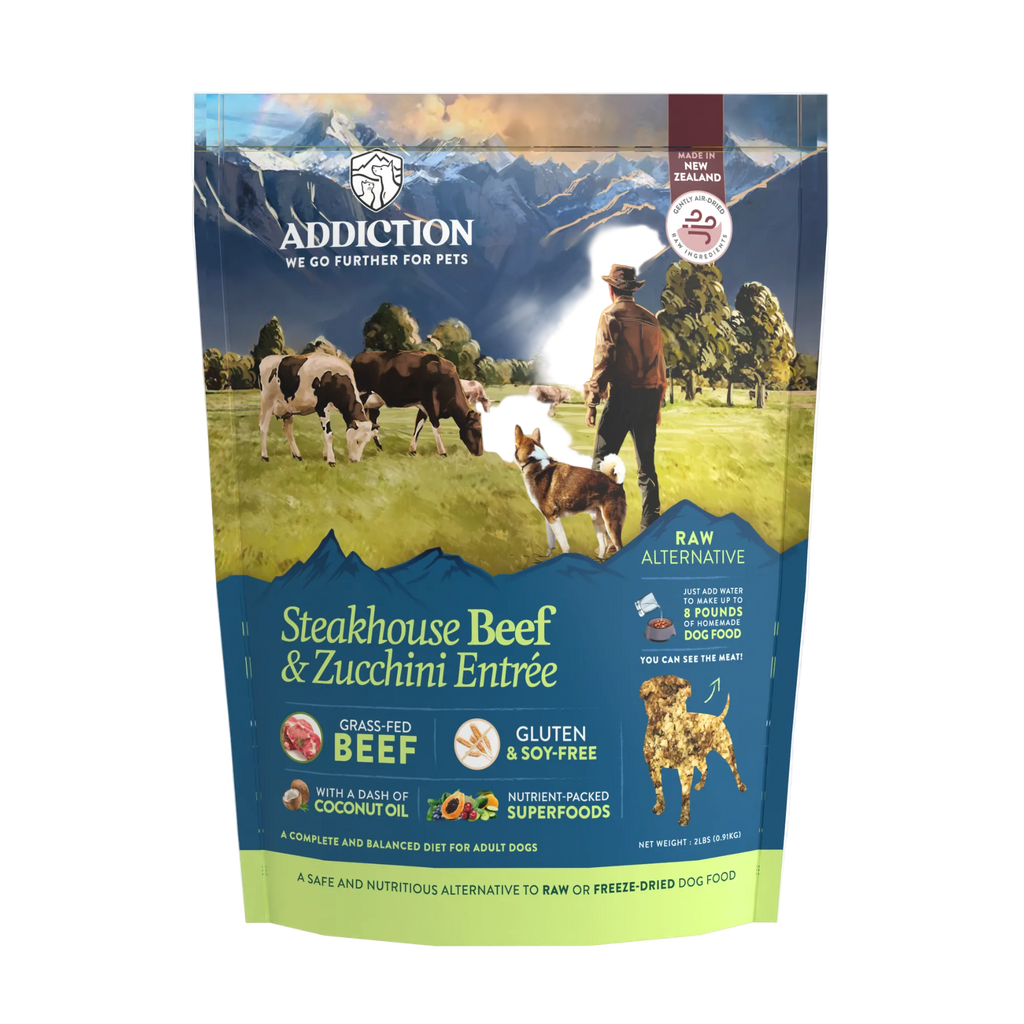
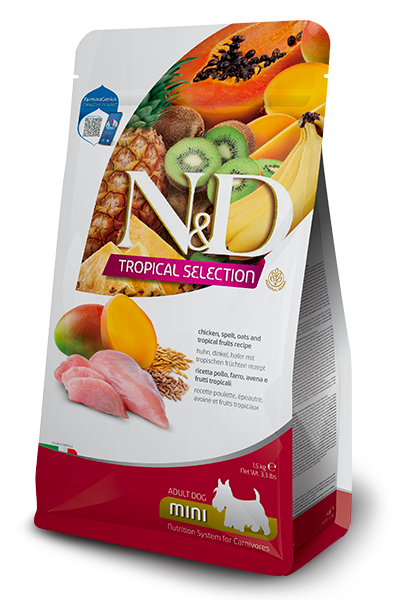
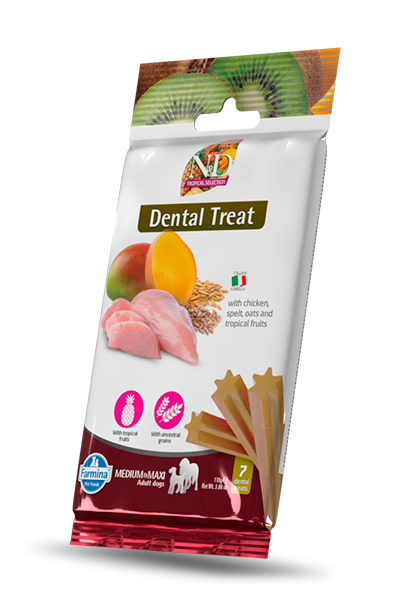
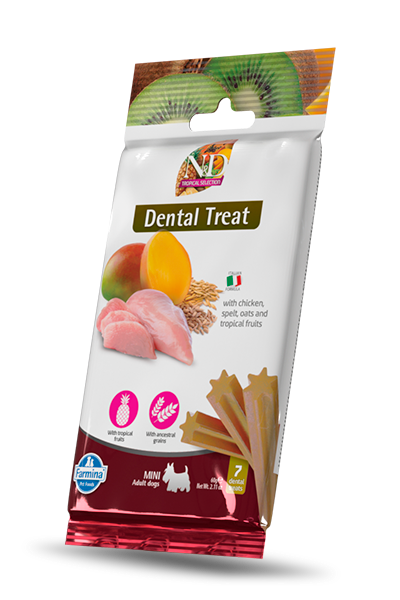
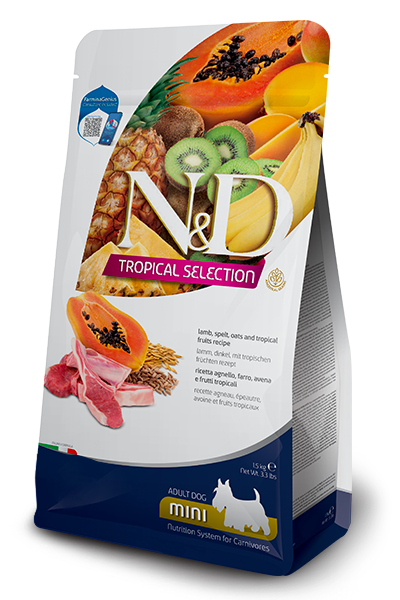
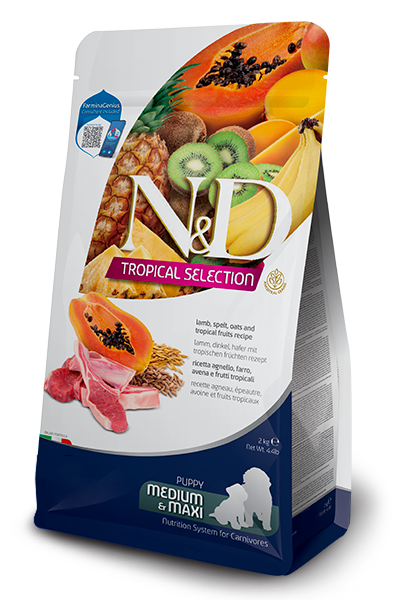
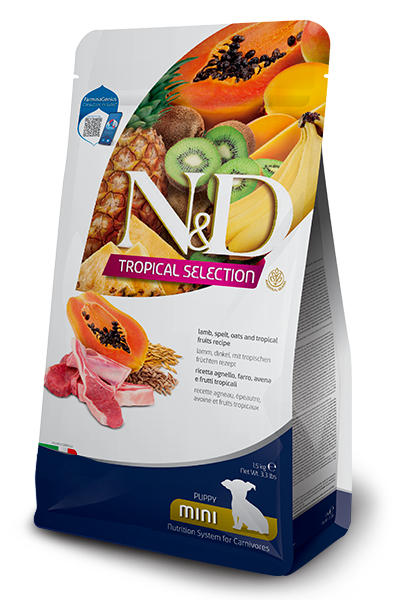
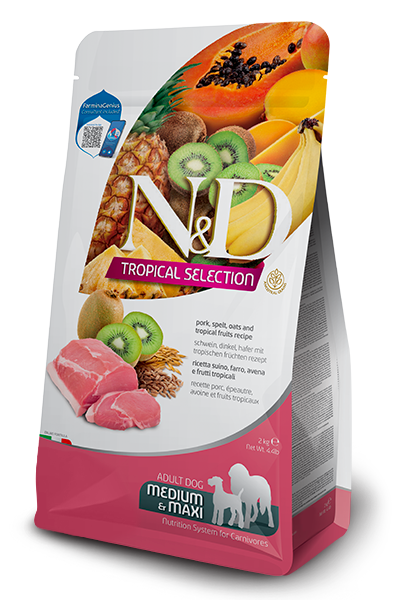
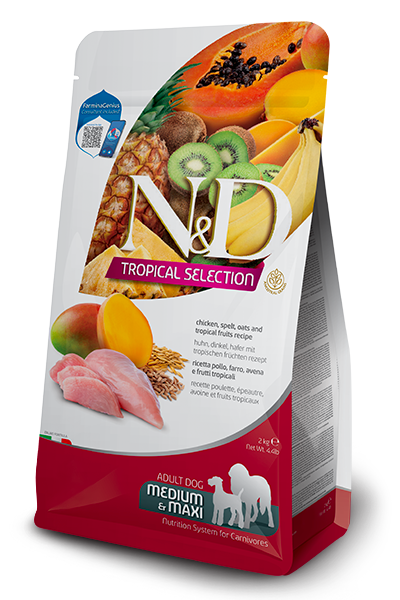
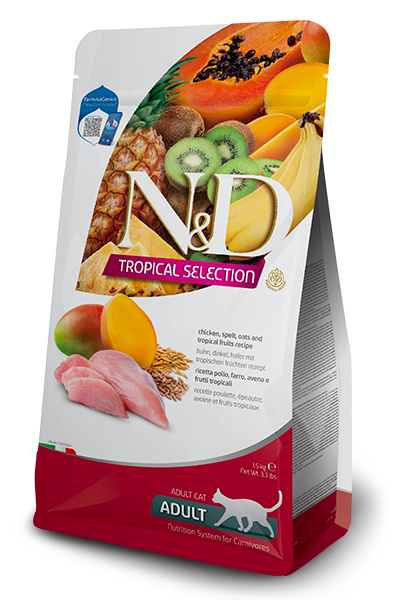
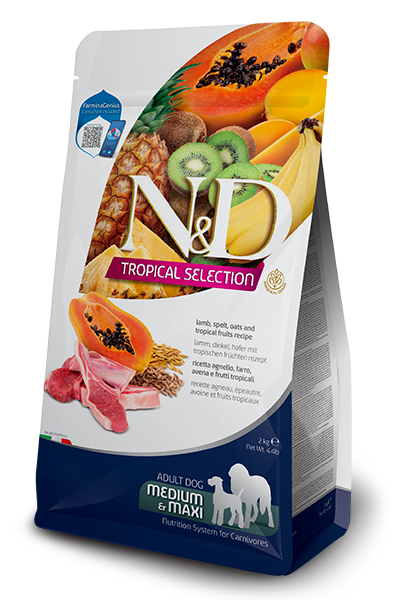
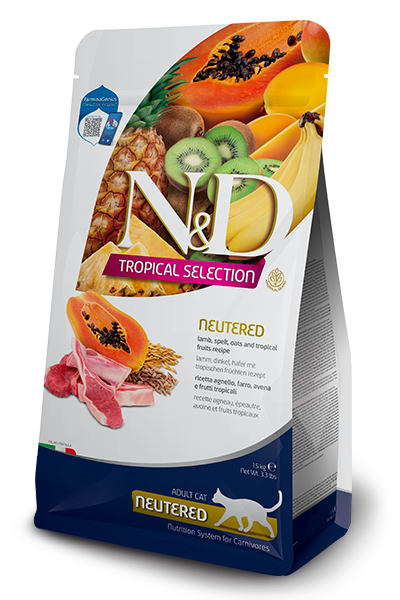
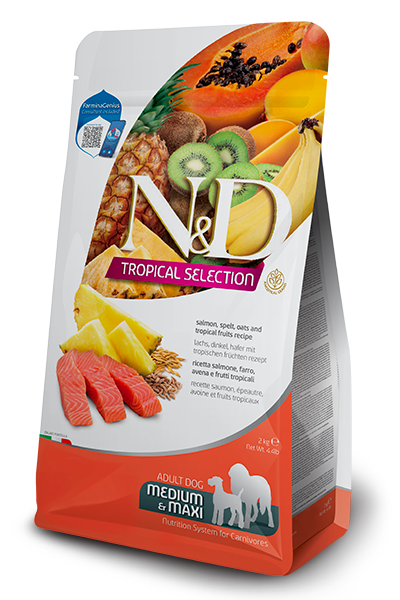
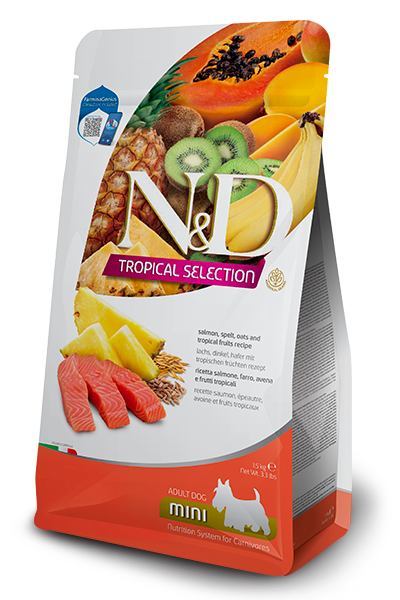
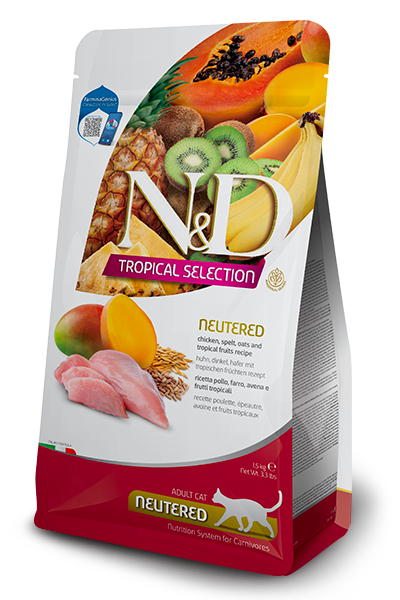
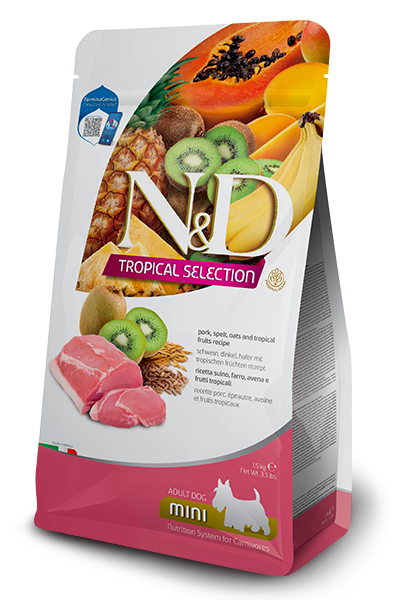
41 foods in the KibbleLab database contain Mango, including Addiction, Almo Nature, Birdie & Louie.
Foods with Mango
Alphabetical by brand. Scores run 0 to 10, higher is better, on published veterinary science.







Find the right food for your pet
Sign in free to sort and filter by score, and avoid or require Mango in the Food Finder. Add KL+ to see these foods ranked for your pet's breed, age, and health focus.

 Continue with Google
 Continue with Facebook