Mushroom
86 foods contain this ingredient
This is an alphabetical list, not a ranking. Add KL+ to rank foods for your pet in the Food Finder.
About Mushroom
In pet food, mushroom refers to cultivated edible fungi added for fiber, trace nutrients, and beta-glucan compounds, not the wild mushrooms found outdoors.
Mushrooms are used in pet foods as a low‑calorie vegetable ingredient and flavor enhancer that adds dietary fiber and bioactive components such as beta‑glucans, antioxidants, B vitamins, and minerals. These compounds can modestly support immune health and antioxidant status in dogs and cats, but mushrooms should be included only in moderation and sourced/processed safely because some wild species are toxic and some pets may experience allergies or gastrointestinal upset.
Related ingredients
- Derived from
- cultivated edible fungi (e.g. shiitake, maitake, turkey tail)
- Primary role
- fiber and beta-glucan source, flavor component
Why it's used
Culinary mushroom species contribute soluble fiber, B vitamins, and polysaccharides called beta-glucans, which are commonly studied for their interaction with immune cell activity. Formulators also use mushrooms for their savory flavor contribution and low caloric density relative to other inclusions.
Common concerns
- Confusion with wild mushrooms The mushrooms used in commercial pet food are cultivated culinary species and are a different category from wild mushrooms, which UC Davis and the ASPCA note can be hepatotoxic, neurotoxic, or nephrotoxic if a dog encounters and eats them outdoors.
- GI upset Even edible mushroom species can cause digestive upset in some individual pets, particularly in larger amounts or if poorly cooked.
- Limited dosing evidence Search results summarizing available research note that the immune-related potency of mushroom-derived beta-glucans has been described as lower than some yeast-derived beta-glucans, so effect sizes at typical pet food inclusion levels are not well established.
Also relevant
If a pet eats a mushroom found outdoors rather than one in commercial food, veterinary guidance is to treat it as a potential emergency and contact a veterinarian or poison control rather than wait for symptoms.
3 sources cited
- Wild mushroom toxicity categories (hepatotoxic, neurotoxic, GI, nephrotoxic) and species like Amanita phalloides
- Mushroom toxicity symptoms in dogs and guidance to treat wild mushroom ingestion as an emergency
- Beta-glucans are polysaccharides found in mushroom cell walls studied for immune cell activation, with mushroom-derived beta-glucan potency described as lower than certain yeast-derived sources
Common Questions
What category is Mushroom?
Mushroom is categorized as a vegetable ingredient in the KibbleLab database.
Is Mushroom part of an allergen group?
No allergen group is linked to Mushroom in the KibbleLab database.
Which foods contain Mushroom?
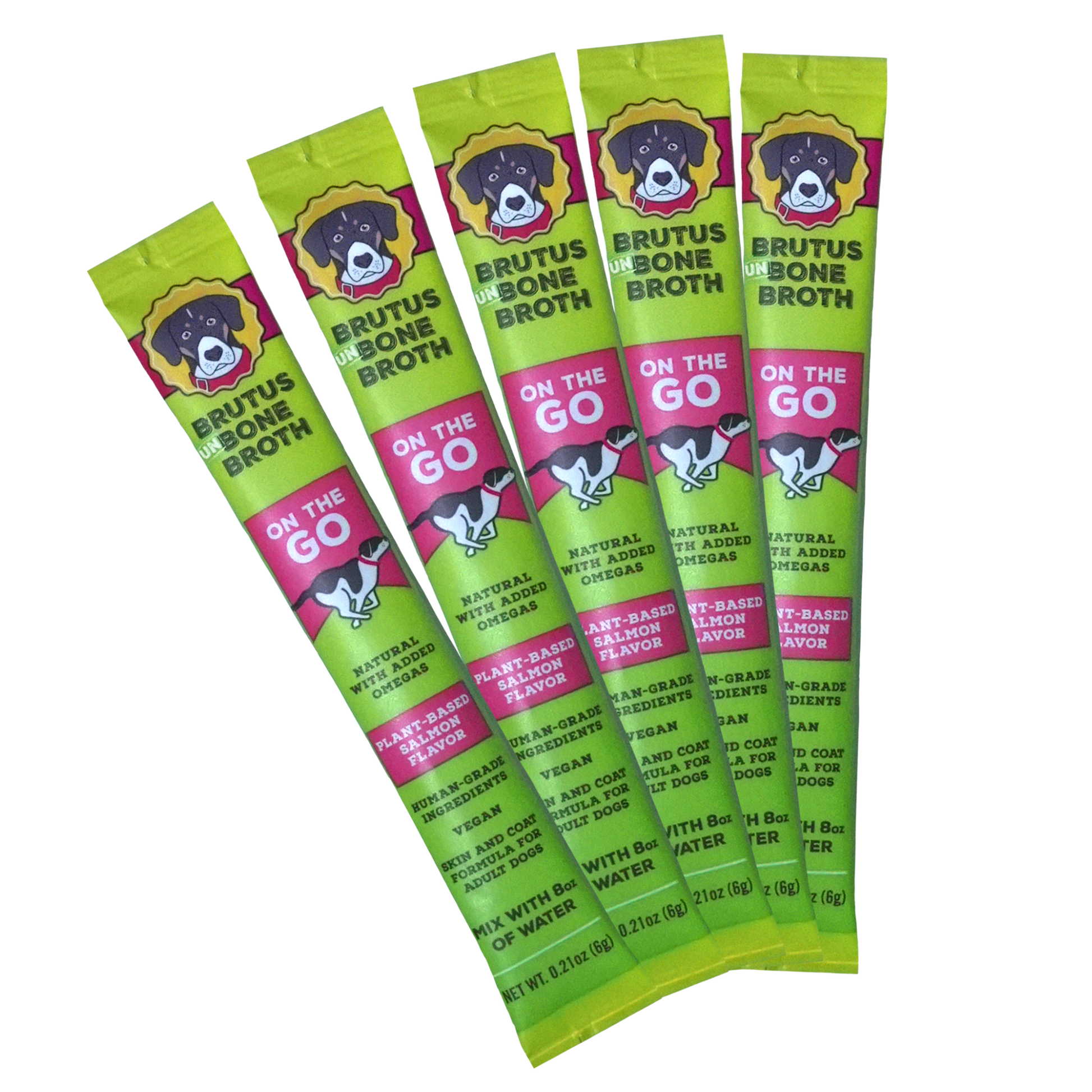
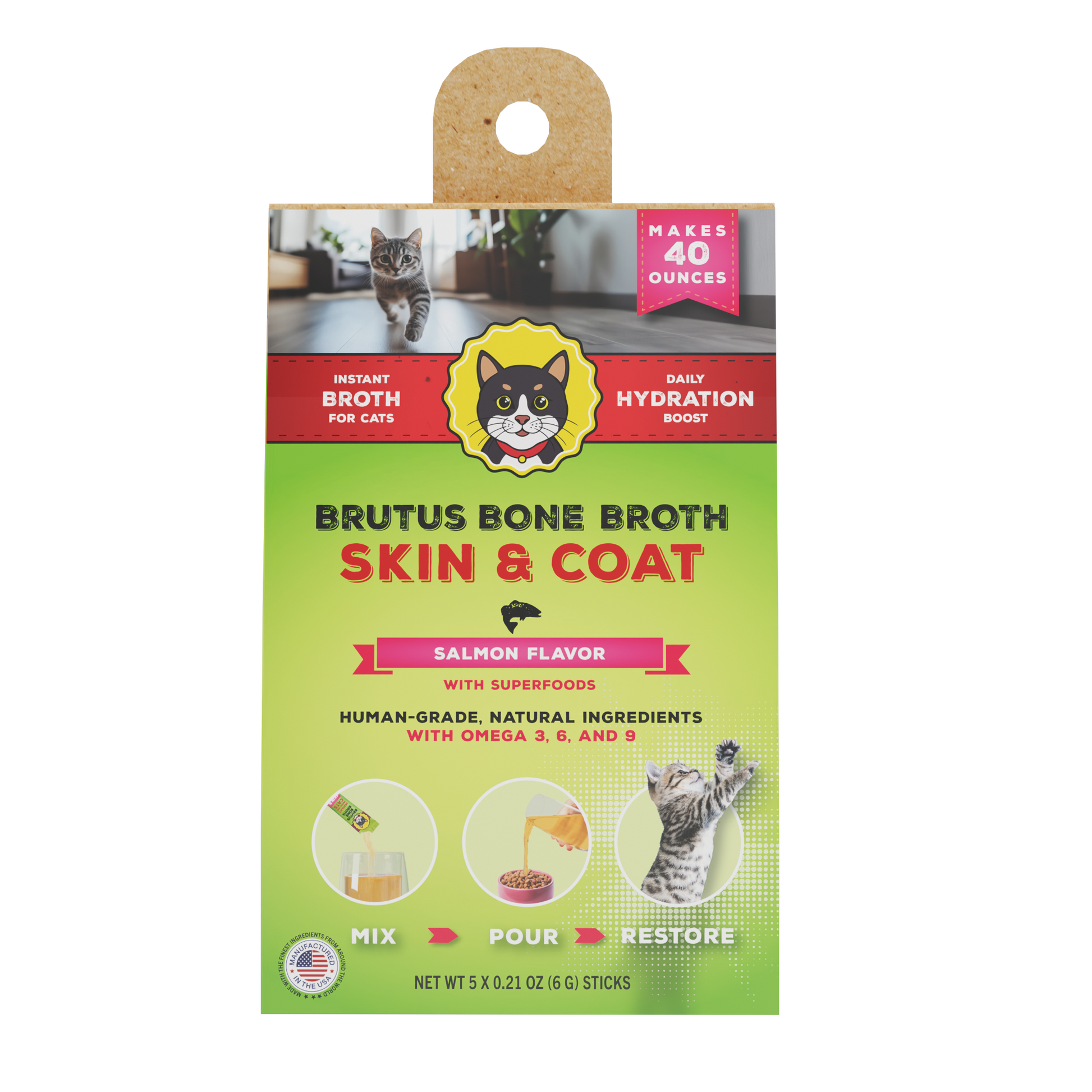
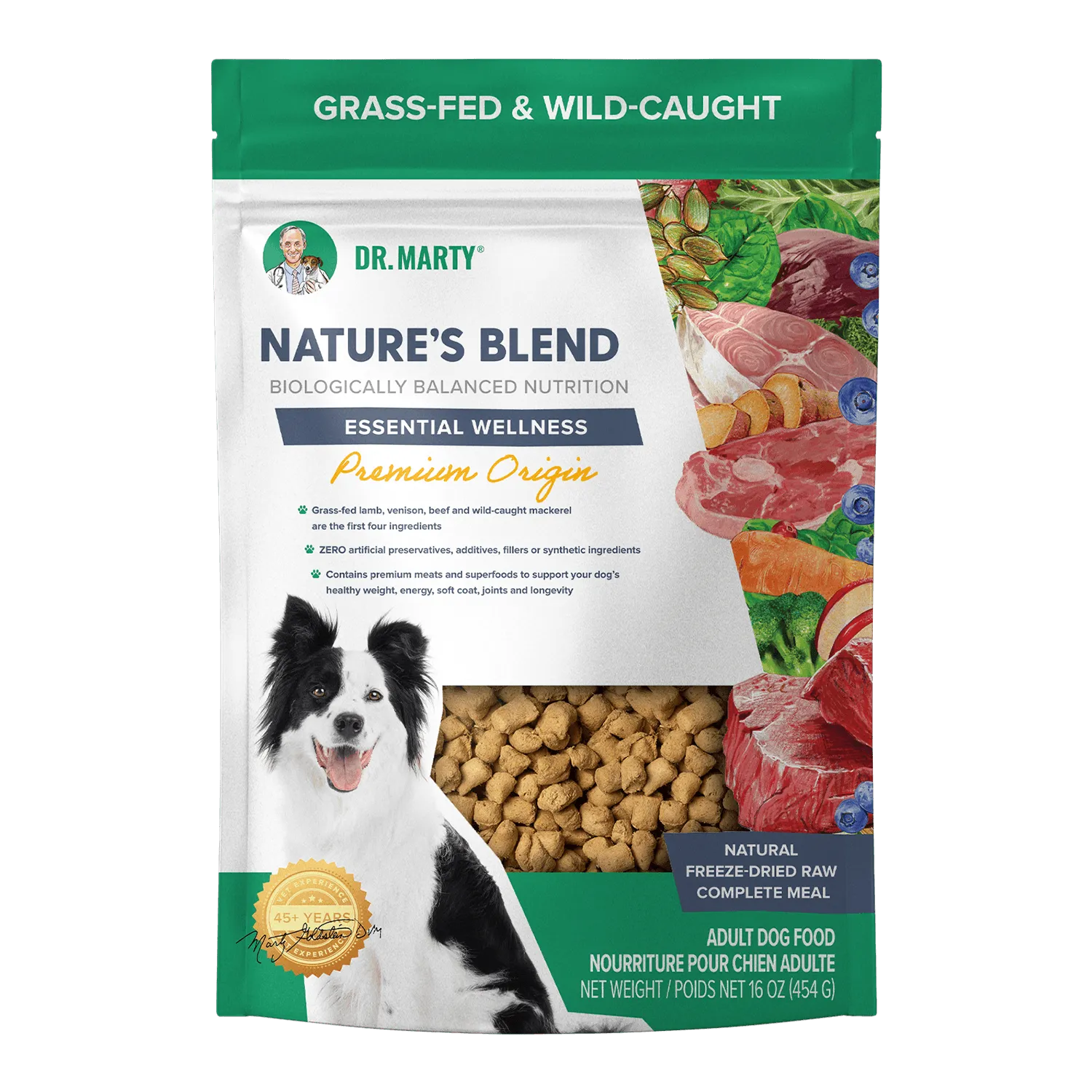
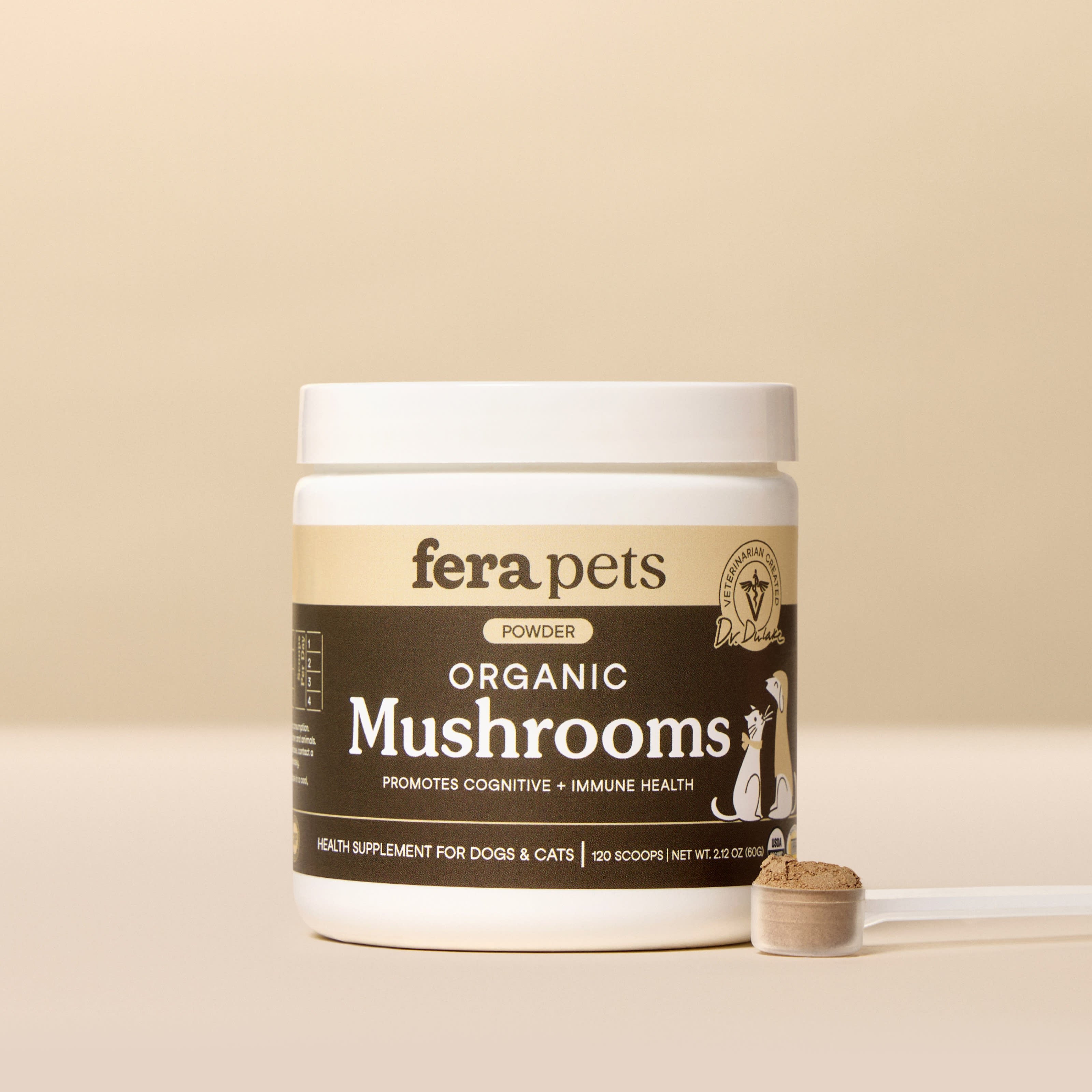
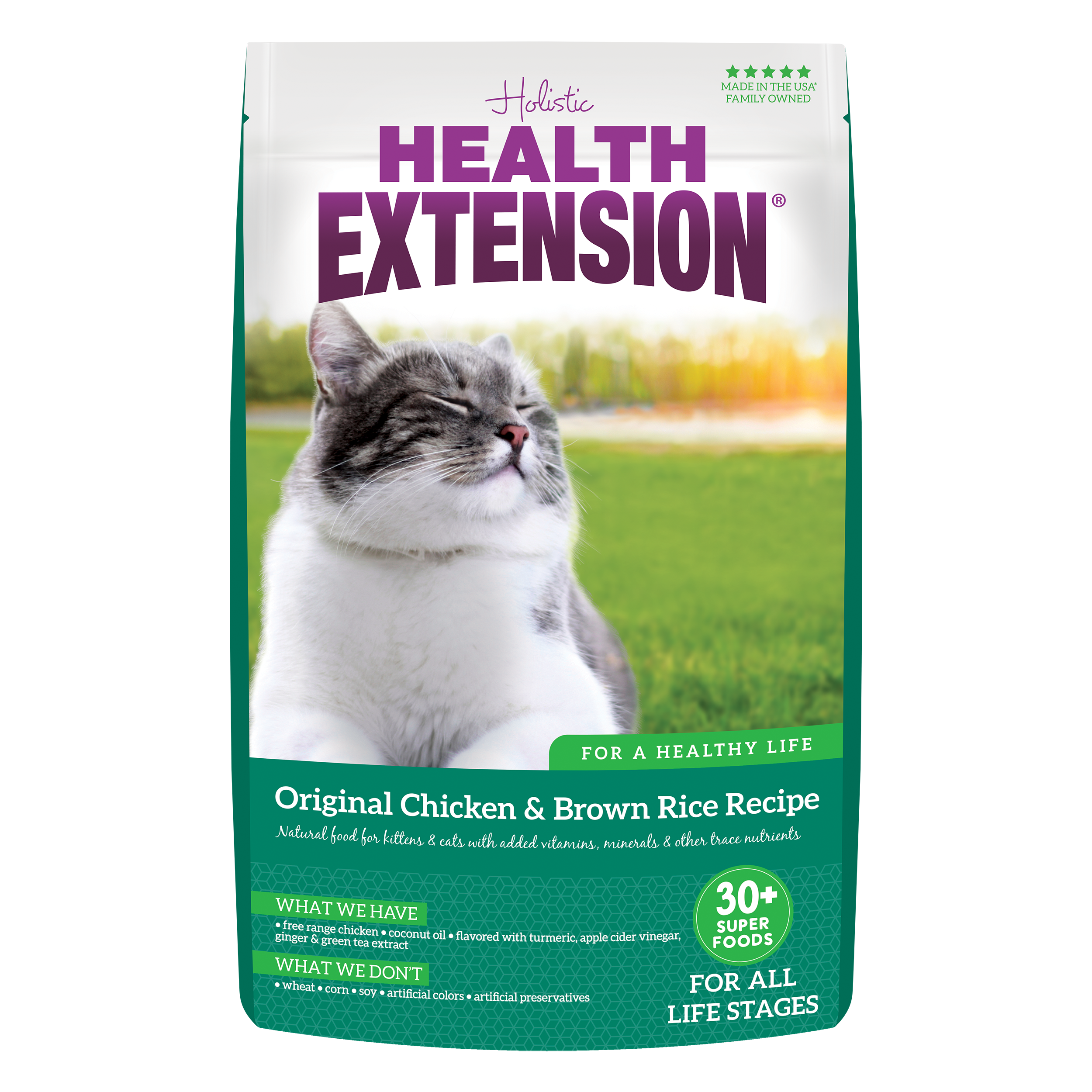
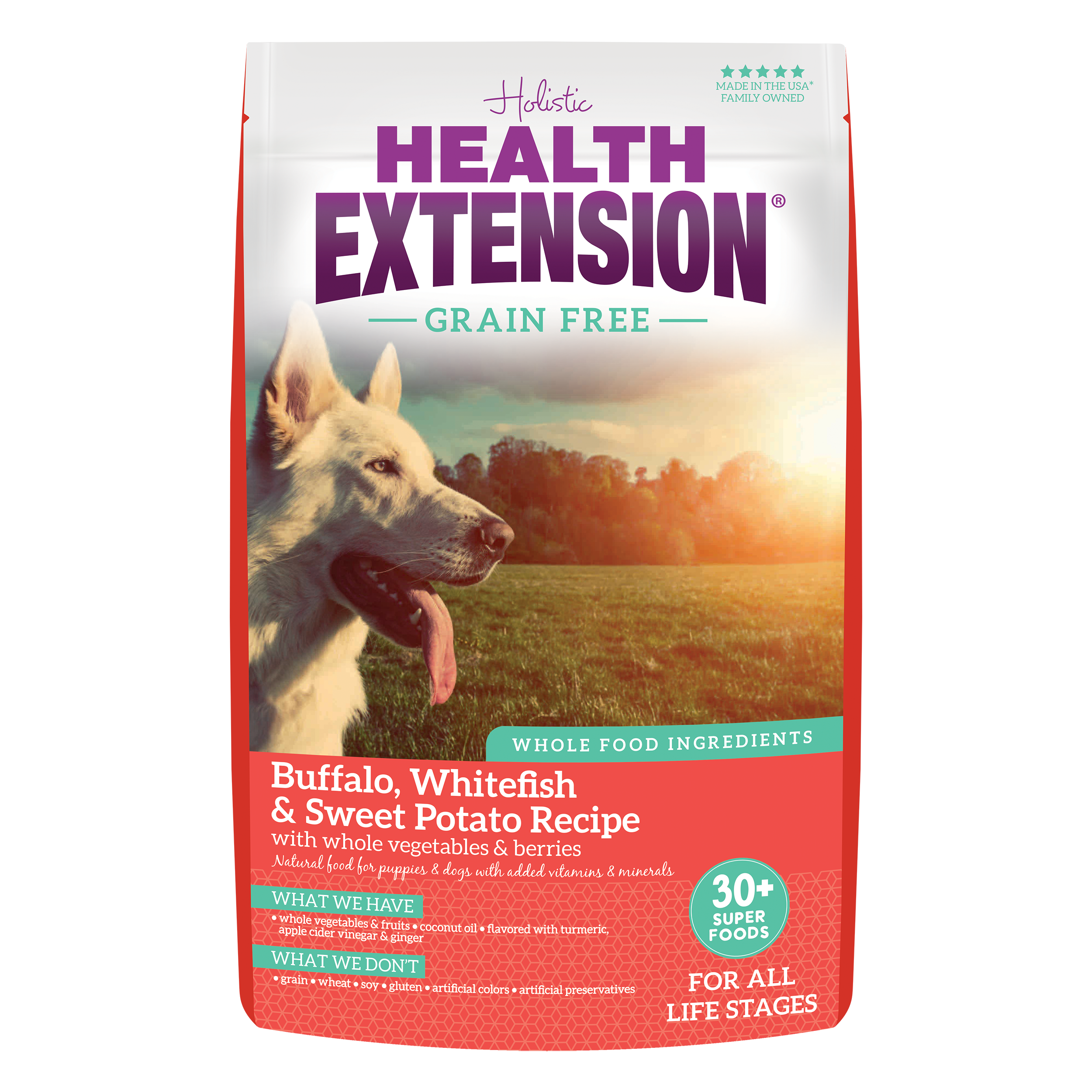
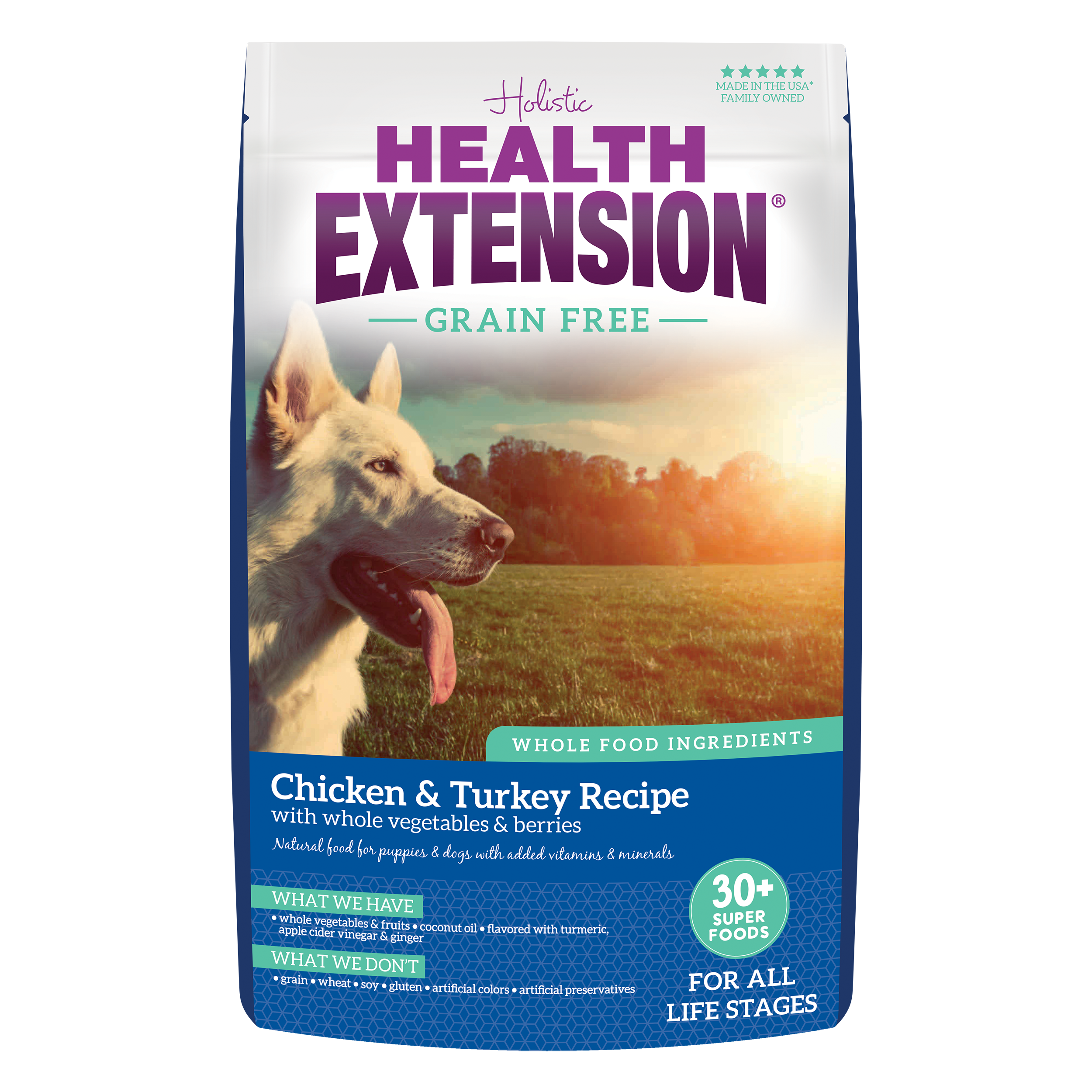
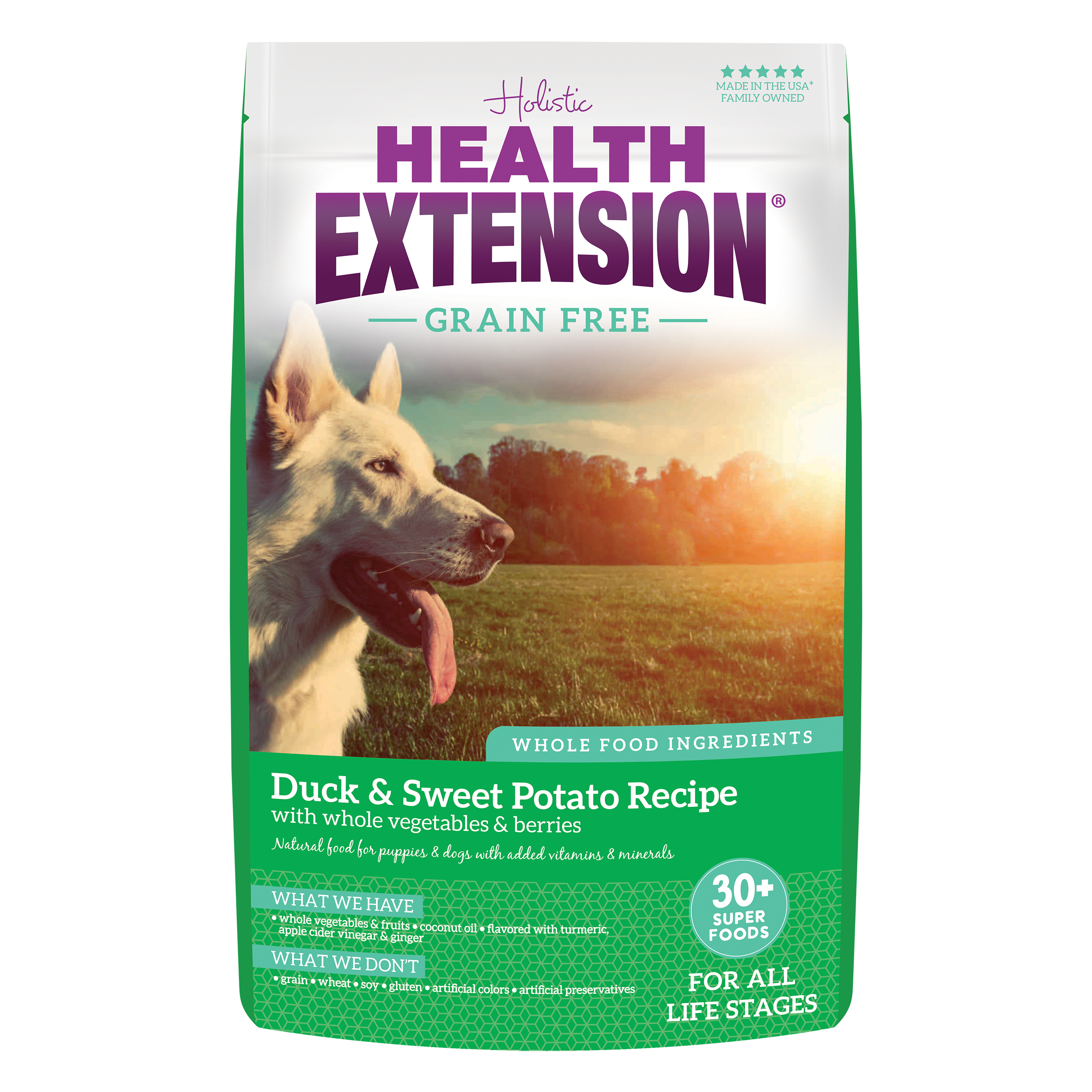
86 foods in the KibbleLab database contain Mushroom, including Aniwell, BIXBI, Brutus Broth.
Foods with Mushroom
Alphabetical by brand. Scores run 0 to 10, higher is better, on published veterinary science.

-Joints-Supplement-Front_noreflection-768x768.png.webp)
-Skin-Coat-Supplement-Front-768x768.png.webp)







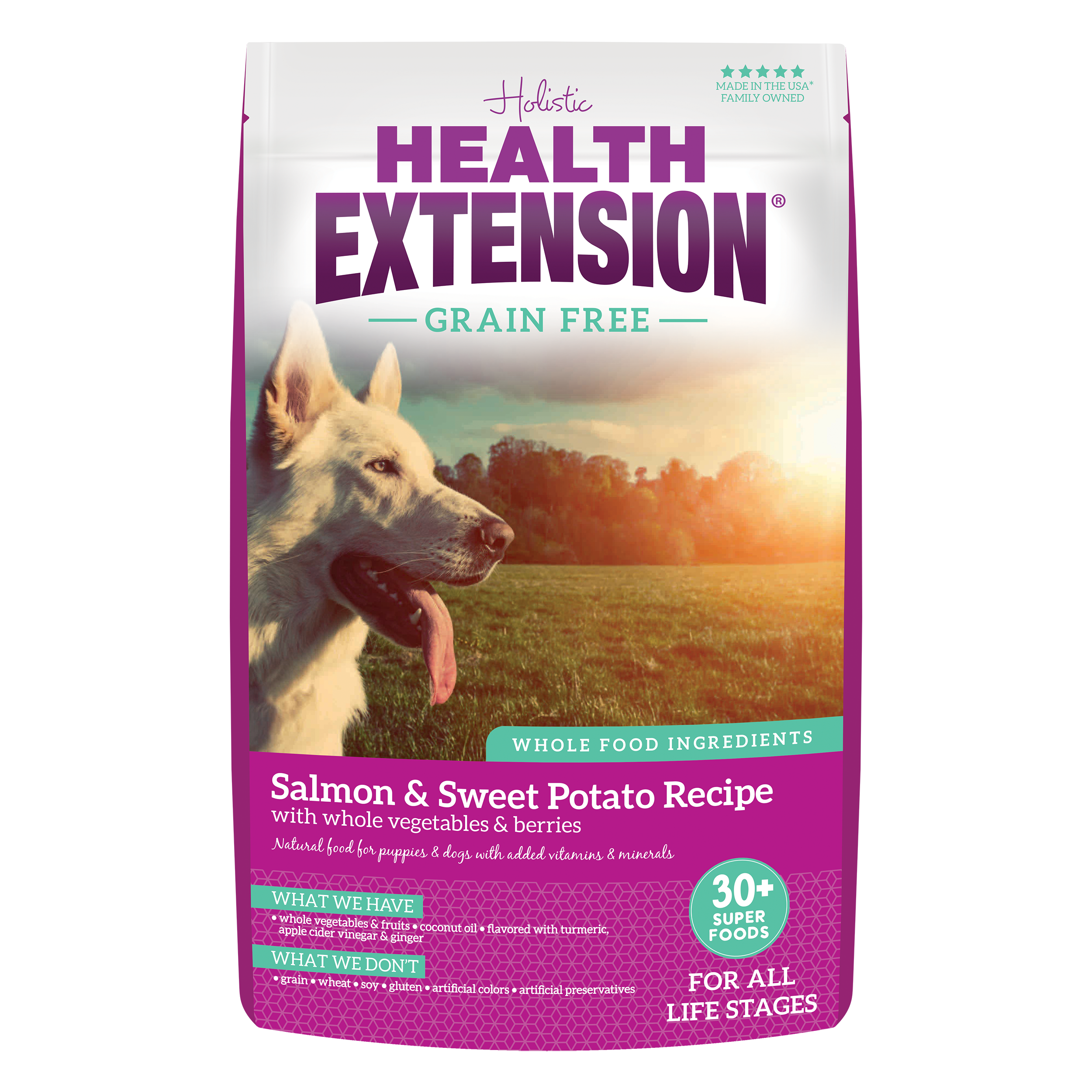
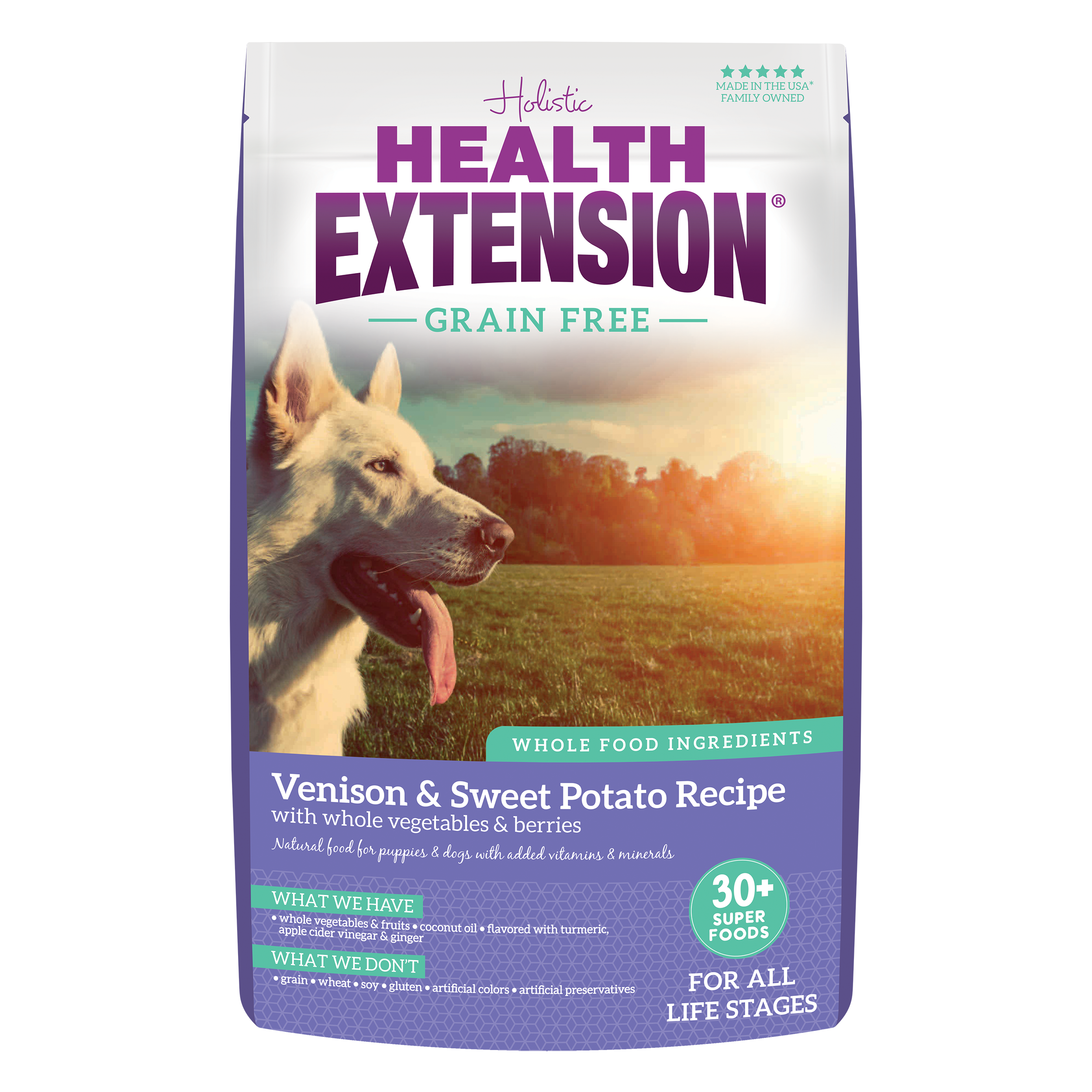
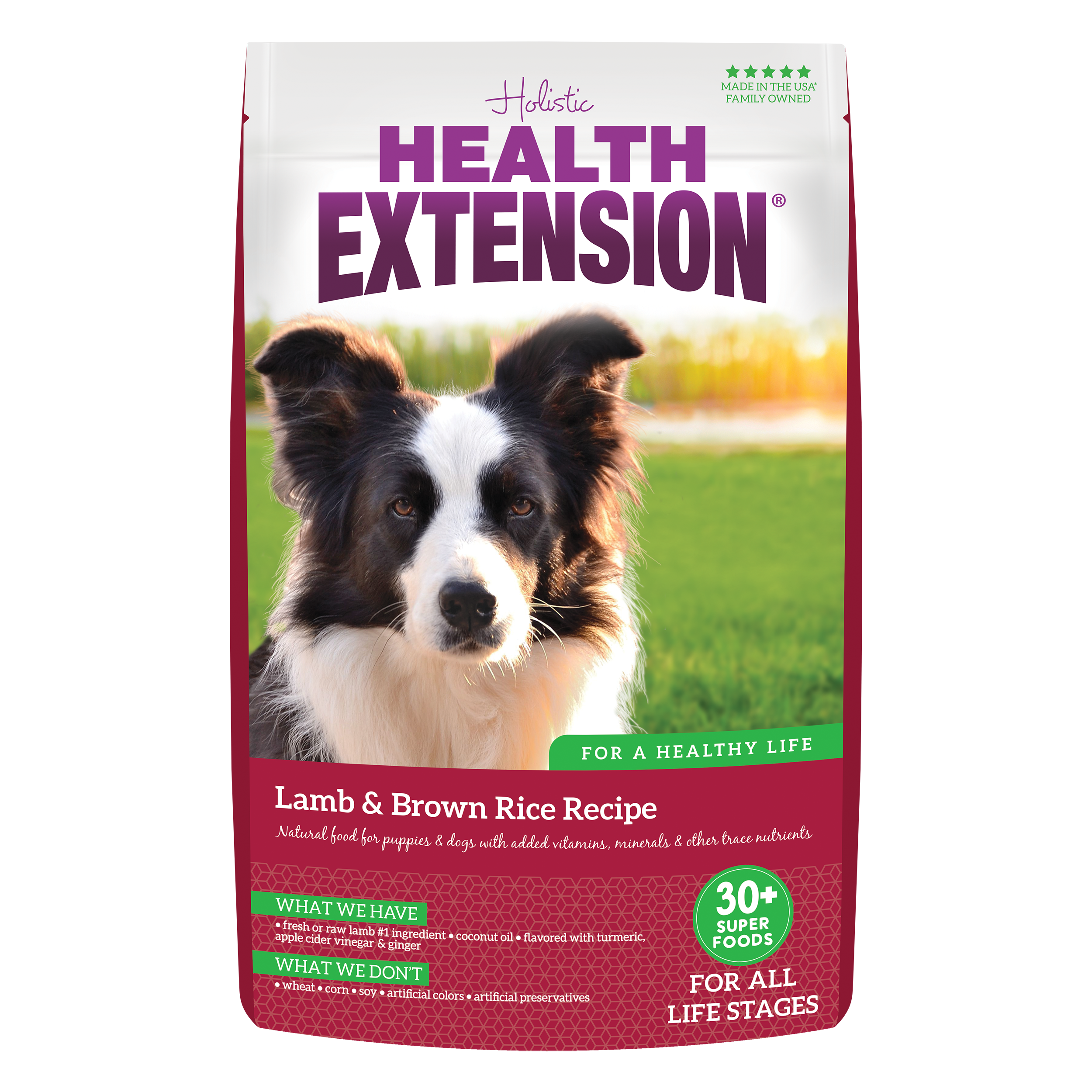
Find the right food for your pet
Sign in free to sort and filter by score, and avoid or require Mushroom in the Food Finder. Add KL+ to see these foods ranked for your pet's breed, age, and health focus.

 Continue with Google
 Continue with Facebook