Orange
98 foods contain this ingredient
This is an alphabetical list, not a ranking. Add KL+ to rank foods for your pet in the Food Finder.
About Orange
In pet food, orange typically shows up as flesh-derived flavoring or fiber rather than as a nutrient a dog or cat's diet depends on.
Orange is used in pet foods primarily as a natural flavoring, colorant and source of soluble fiber and plant antioxidants, contributing modest amounts of potassium, folate and vitamin C. Because dogs and cats synthesize vitamin C, oranges are not nutritionally essential and should be offered only in small amounts — the high sugar content and citrus oils in peels or seeds can cause gastrointestinal upset or toxicity in large quantities, so avoid rind and limit intake, especially for pets with diabetes or sensitive stomachs.
Related ingredients
- Derived from
- Orange flesh or juice (Citrus sinensis), pulp and fiber fractions used in formulation
- Primary role
- Natural flavor, soluble fiber, and minor source of potassium and vitamin C
Why it's used
Orange flesh contributes soluble fiber, potassium, folate, and vitamin C, along with plant antioxidants and a recognizable flavor note. Because dogs and cats both synthesize their own vitamin C internally, PetMD and AKC both describe orange as a nice-to-have flavor and fiber addition rather than a nutritionally necessary one, useful mainly in small amounts as an occasional treat component.
Common concerns
- Peel, pith, and seeds versus fruit flesh The ASPCA's toxic plant listing for orange names essential oils and psoralens in the plant material as the toxic principles, and specifically notes that the fruit itself is edible while the skin and plant material can cause problems, with documented signs including vomiting, diarrhea, and depression, plus potential dermatitis on skin exposed to psoralens.
- Small ingestions versus larger amounts The same ASPCA guidance notes that eating the fruit itself in small amounts is not likely to cause problems beyond minor stomach upset, distinguishing it from ingestion of peel or larger quantities of plant material.
- Sugar and acid content for pets with existing conditions PetMD and AKC both describe orange's natural sugar and acidity as reasons to avoid feeding it to pets with diabetes, weight concerns, or sensitive stomachs, and to keep portions to a small amount of flesh only.
Also relevant
Cats are noted by the Merck Veterinary Manual as particularly sensitive to essential oils generally due to limited glucuronidation capacity, which is part of why citrus peel and citrus essential oil products (as opposed to plain orange flesh) are flagged more cautiously for cats than for dogs.
4 sources cited
- ASPCA toxic principle listing for orange: essential oils and psoralens, fruit edible but skin/plant material can cause problems, clinical signs
- PetMD guidance on feeding oranges to dogs: flesh only, avoid peel/pith/seeds, sugar and acidity cautions
- AKC guidance on oranges for dogs: nutrient content, portion recommendation, dogs synthesize their own vitamin C
- Cats' particular sensitivity to essential oils due to limited glucuronidation capacity
Common Questions
What category is Orange?
Orange is categorized as a fruit ingredient in the KibbleLab database.
Is Orange part of an allergen group?
No allergen group is linked to Orange in the KibbleLab database.
Which foods contain Orange?
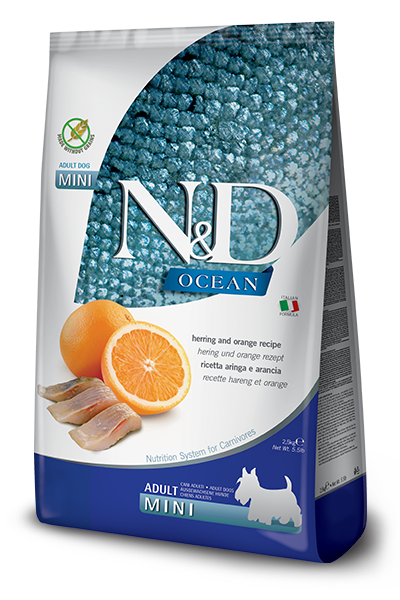
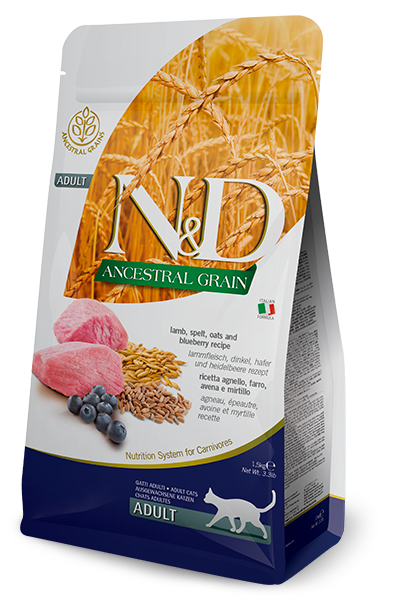
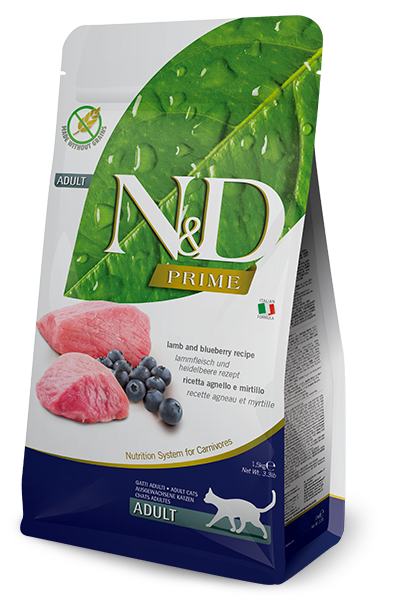
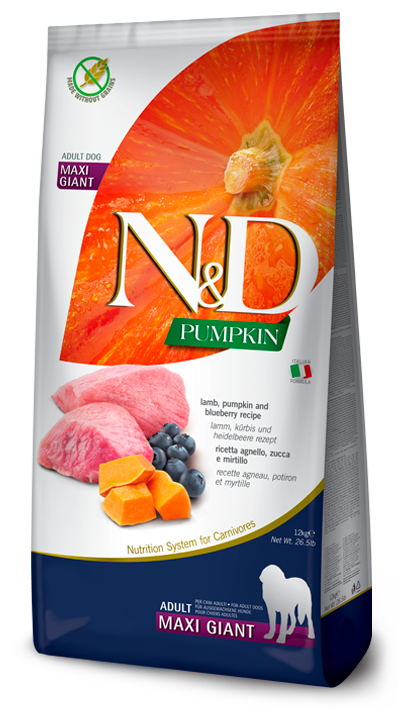
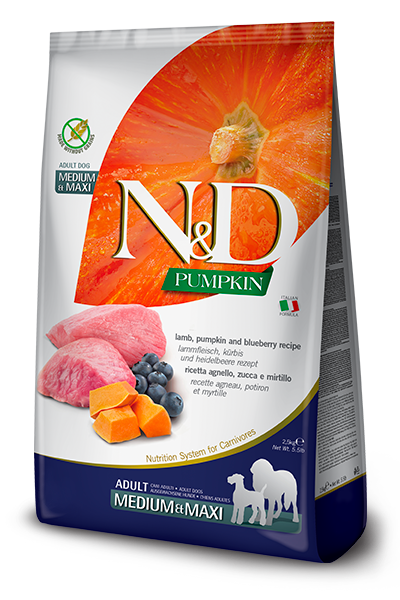
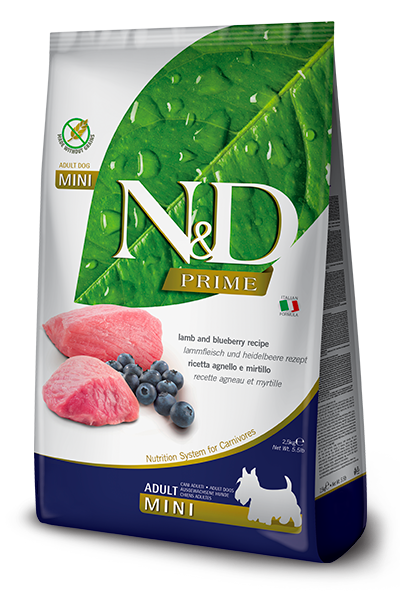
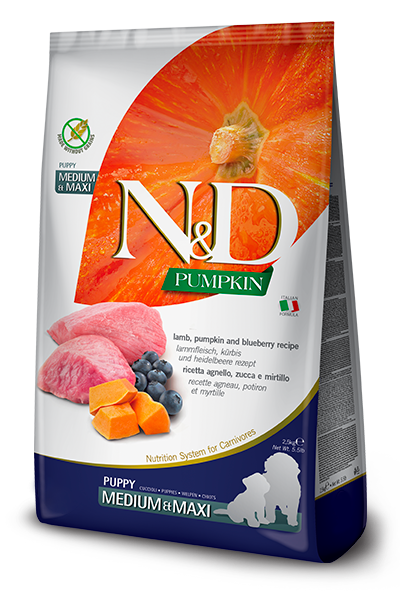
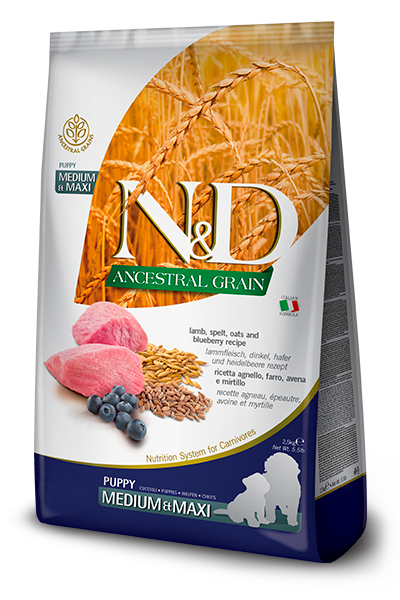
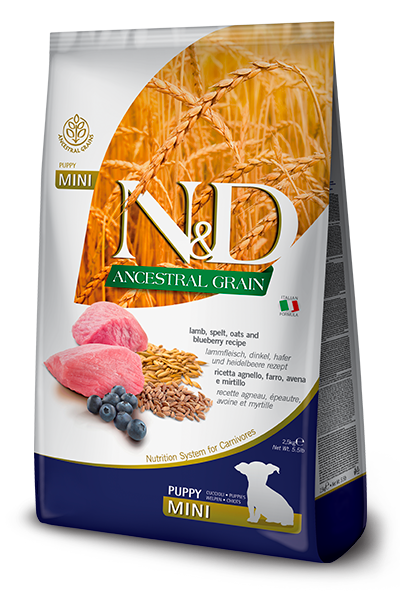
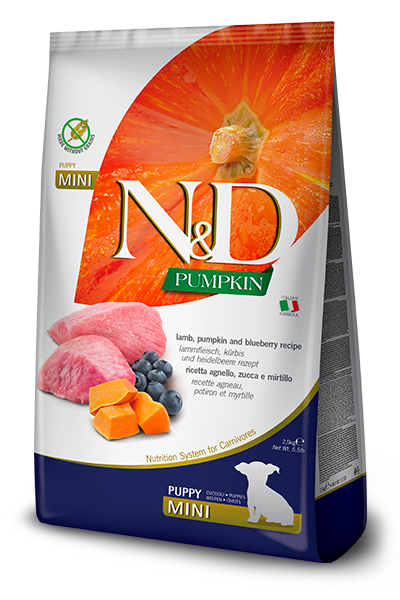
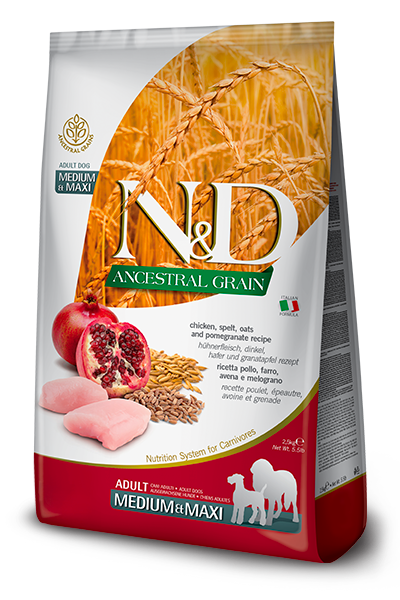
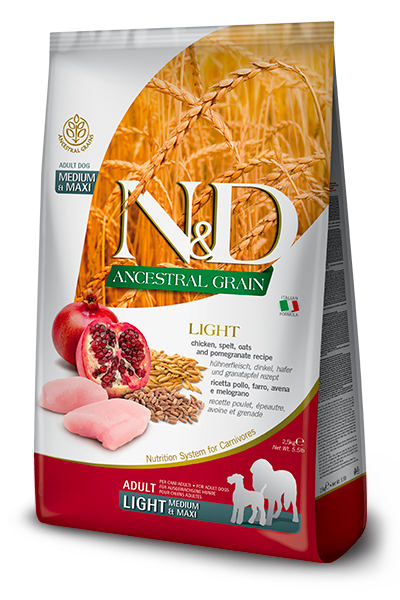
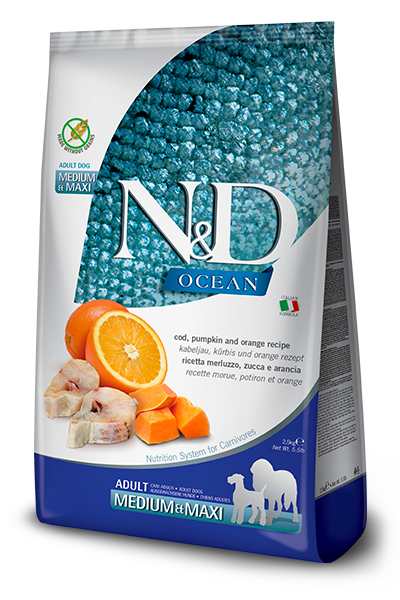
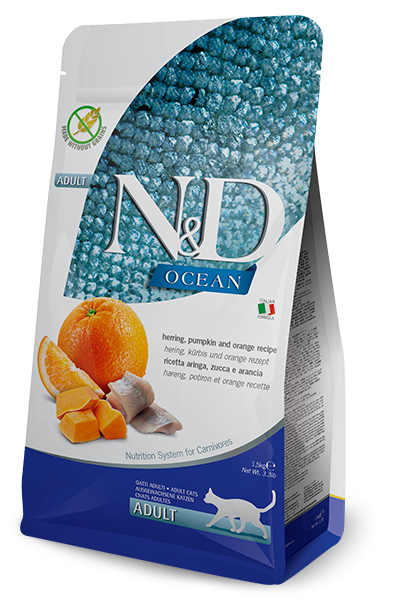
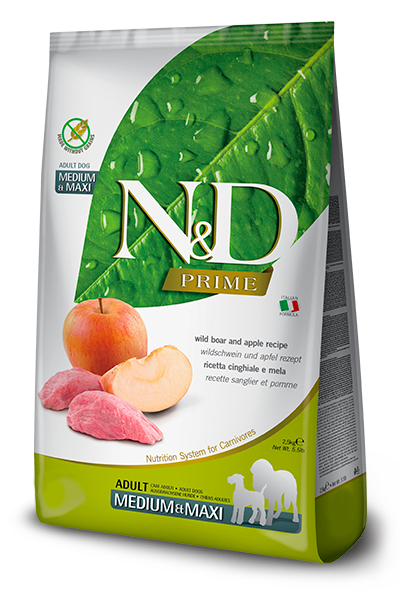
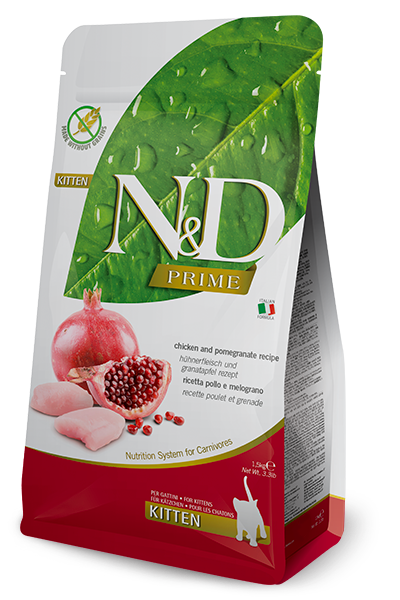
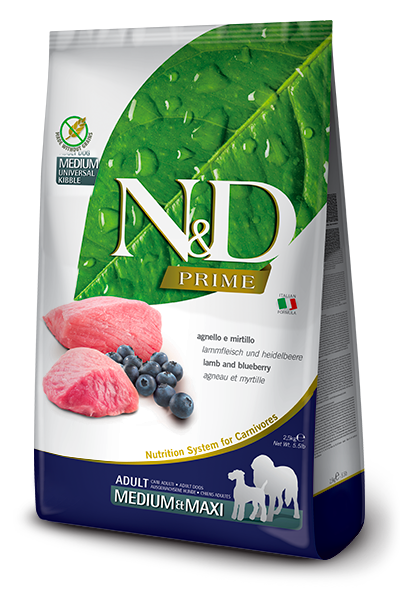
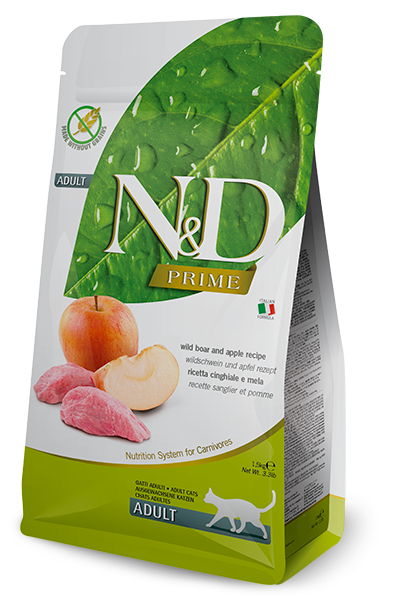
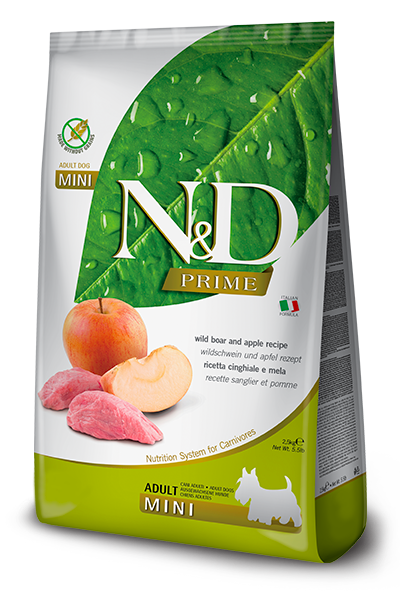
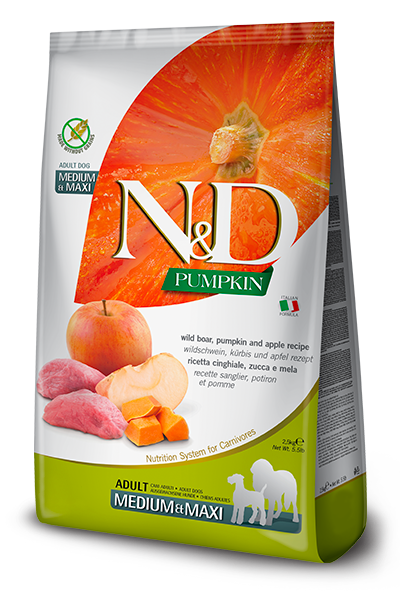
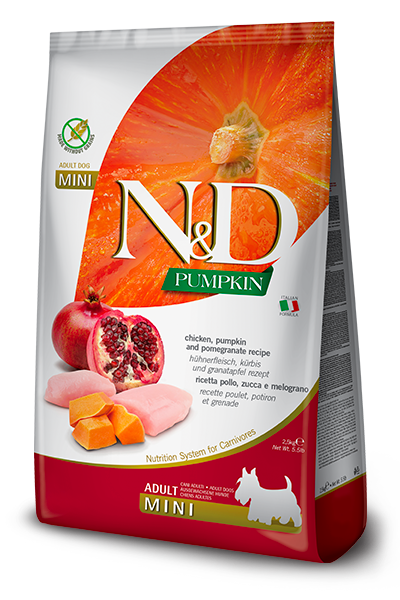
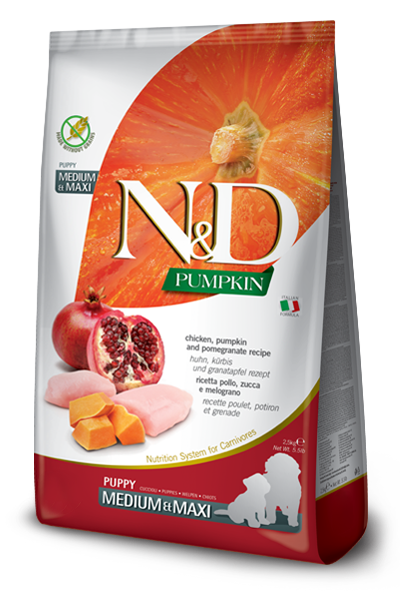
98 foods in the KibbleLab database contain Orange, including Farmina.
Foods with Orange
Alphabetical by brand. Scores run 0 to 10, higher is better, on published veterinary science.

Find the right food for your pet
Sign in free to sort and filter by score, and avoid or require Orange in the Food Finder. Add KL+ to see these foods ranked for your pet's breed, age, and health focus.

 Continue with Google
 Continue with Facebook