Passionflower
32 foods contain this ingredient
This is an alphabetical list, not a ranking. Add KL+ to rank foods for your pet in the Food Finder.
About Passionflower
Passionflower is a flowering plant extract added to some pet calming treats for its traditional use in supporting relaxed behavior rather than for nutrition.
Passionflower is a botanical ingredient used in pet foods and supplements primarily for its calming or mild sedative properties rather than as a nutritional source, commonly found in treats or formulations aimed at reducing anxiety and stress. It may provide anxiolytic effects and antioxidant compounds, but evidence in dogs and cats is limited and dosing should follow veterinary guidance because it can interact with prescription sedatives and may cause gastrointestinal upset, allergic reactions, or pose risks for pregnant, nursing, or liver‑impaired animals.
Related ingredients
- Derived from
- Passiflora incarnata (passionflower plant), leaves and flowers
- Primary role
- behavioral/calming support ingredient in treats and supplements
Why it's used
Passionflower contains flavonoid compounds such as chrysin and vitexin that are thought to interact with GABA activity in the brain, and it has a long history of traditional use for nervousness in both human and veterinary herbal medicine. It is typically included in situational calming products aimed at events like thunderstorms, travel, or separation rather than as a daily nutritional ingredient.
Common concerns
- Limited controlled research in dogs and cats Much of the evidence for passionflower's calming effects comes from human studies or traditional veterinary herbal practice, with formal clinical trials in dogs and cats still limited.
- Potential interaction with sedatives Because passionflower may influence GABA activity, its combined use with prescription sedatives, anti-anxiety medication, or anesthesia is a documented consideration that owners should discuss with a veterinarian.
- Use in pregnant, nursing, or liver-compromised animals Veterinary herbal references generally recommend avoiding passionflower in pregnant or nursing animals and using it cautiously in pets with liver impairment, pending more pet-specific data.
Also relevant
Passionflower is not the same plant as the ornamental Purple Passion Vine (Gynura aurantiaca) sometimes sold under a similar common name, so owners checking plant toxicity lists should confirm which species is meant.
3 sources cited
- Passionflower's flavonoid compounds are associated with GABA receptor activity and a traditional calming use
- Veterinary herbalists describe passionflower's traditional use for anxiety, nervousness, and stress in animals
- Purple Passion Vine (Gynura aurantiaca) is a distinct plant from Passiflora and is listed as non-toxic by the ASPCA
Common Questions
What category is Passionflower?
Passionflower is categorized as a herb ingredient in the KibbleLab database.
Is Passionflower part of an allergen group?
No allergen group is linked to Passionflower in the KibbleLab database.
Which foods contain Passionflower?
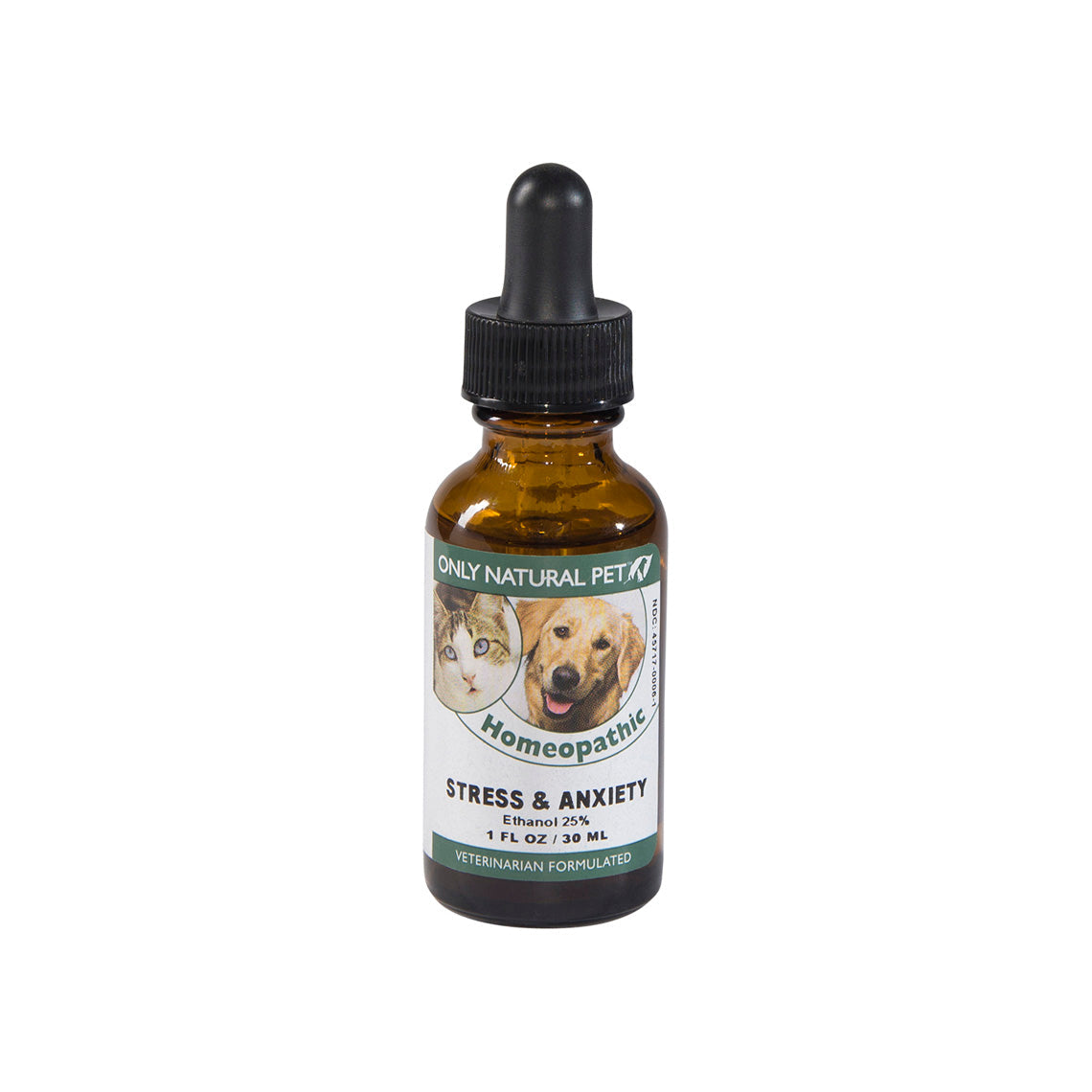
32 foods in the KibbleLab database contain Passionflower, including Only Natural Pet, Phelps Pet Products, Zesty Paws.
Foods with Passionflower
Alphabetical by brand. Scores run 0 to 10, higher is better, on published veterinary science.



Find the right food for your pet
Sign in free to sort and filter by score, and avoid or require Passionflower in the Food Finder. Add KL+ to see these foods ranked for your pet's breed, age, and health focus.

 Continue with Google
 Continue with Facebook