Pea
2,000 foods contain this ingredient
This is an alphabetical list, not a ranking. Add KL+ to rank foods for your pet in the Food Finder.
About Pea
Pea appears in pet food as whole peas, pea flour, or pea protein concentrate, contributing plant protein, fiber, and carbohydrate.
Pea is a plant-based ingredient used in pet foods as a source of protein, soluble and insoluble fiber, and micronutrients (often included as whole peas, pea flour, or pea protein concentrate) to boost protein content and improve texture. While peas can provide digestible carbohydrates, fiber, and some plant protein useful especially for dogs, they are not a complete protein for obligate carnivores like cats and — when overused, particularly in concentrated forms or as a major component of grain‑free diets — have been scrutinized for a possible association with canine dilated cardiomyopathy and can contribute to nutrient imbalances or excess calories, so balanced formulation and compliance with AAFCO nutritional profiles are important.
Related ingredients
- Derived from
- legume (Pisum sativum), used whole, as flour, fiber, or protein concentrate
- Primary role
- plant protein and fiber source, common in grain-free formulas
Why it's used
Formulators use peas to raise the protein and fiber content of a recipe while replacing grain-based carbohydrate sources, and pea starch also affects kibble texture and binding. Whole peas and pea fiber additionally supply some soluble and insoluble fiber that can factor into stool quality.
Common concerns
- FDA inquiry into diet-associated DCM The FDA opened an investigation in 2018 into reports of dilated cardiomyopathy in dogs eating diets, often labeled grain-free, that listed peas and other legumes prominently in the ingredient list, and as of its most recent public update the agency had not established a confirmed causal mechanism.
- Concentrated pea protein versus whole pea Diets that use pea protein concentrate as a primary protein source differ nutritionally from those using whole peas, since the concentrate is higher in protein and differs in amino acid profile (including the sulfur amino acids that support taurine), starch, and digestibility, and researchers have looked at whether this distinction affects taurine status in some dogs.
- Not a complete protein for cats Pea protein lacks the full amino acid profile obligate carnivores need, so it is used as a supplementary rather than primary protein source in feline diets.
Also relevant
Pea is grouped under legume allergen concerns in some ingredient databases because it belongs to the same plant family as lentils, chickpeas, and soybeans.
3 sources cited
- FDA investigation into a possible link between grain-free diets high in peas/legumes and canine dilated cardiomyopathy, with case counts and ingredient patterns
- Research on pulse-based versus grain-containing diets and their effects on cardiac function and taurine levels in dogs
- AVMA reporting on the FDA ending routine public updates on the DCM investigation pending further scientific evidence
Common Questions
What category is Pea?
Pea is categorized as a vegetable ingredient in the KibbleLab database.
Is Pea part of an allergen group?
Yes. Pea is grouped under the Legumes allergen group in the KibbleLab database.
Which foods contain Pea?
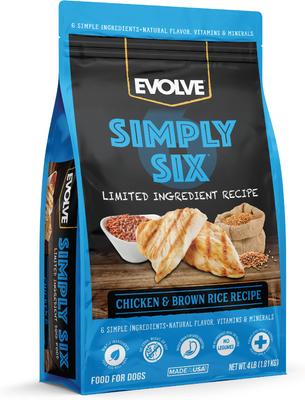
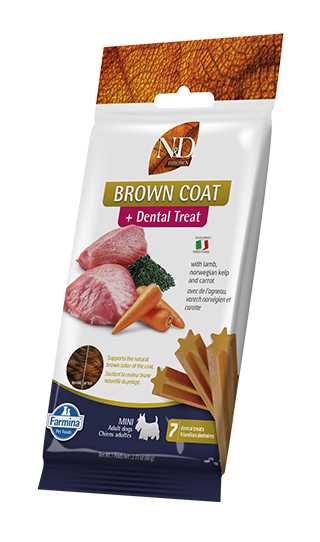
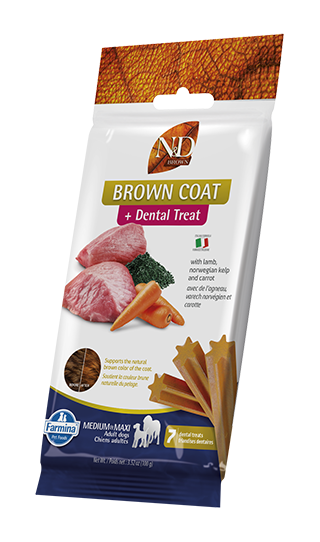
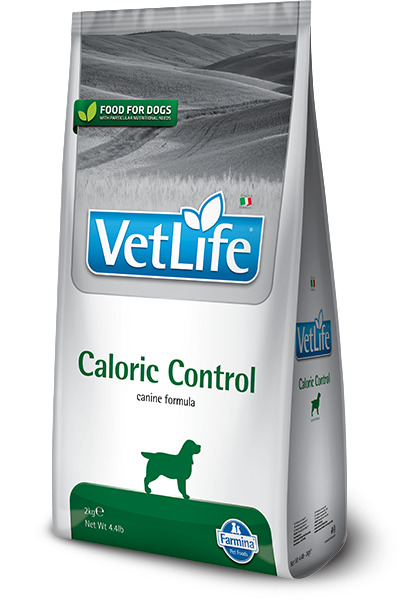
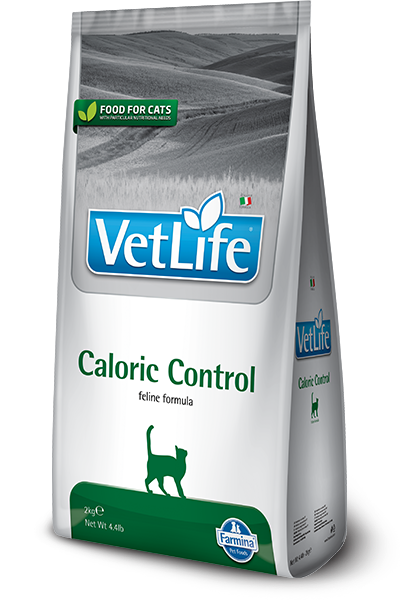
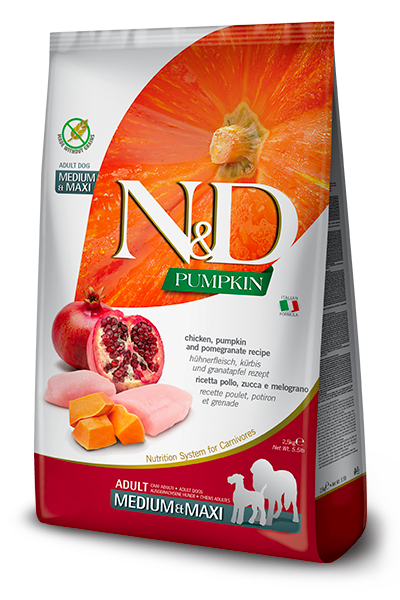
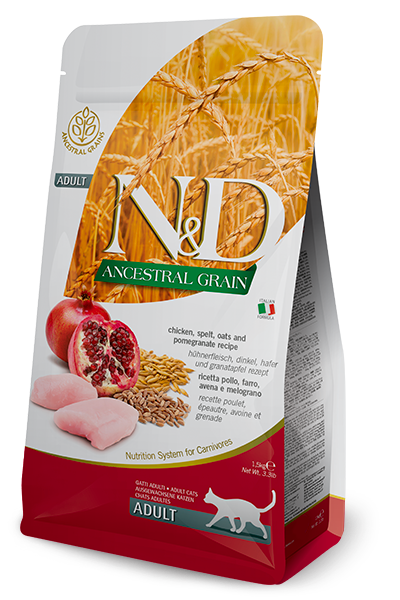
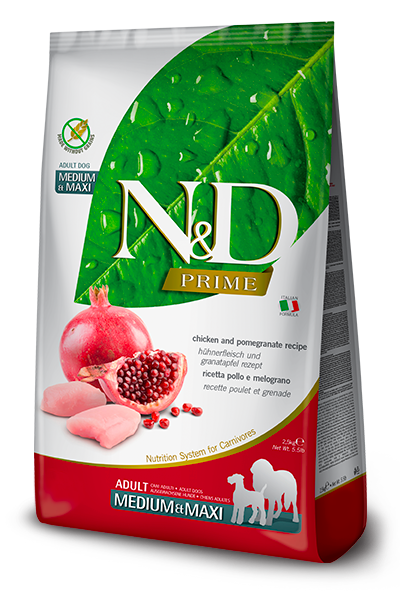
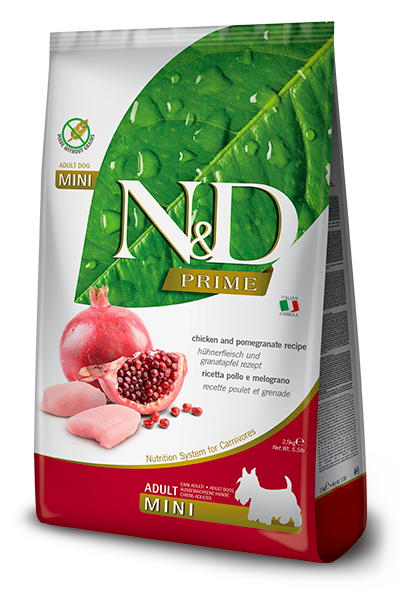
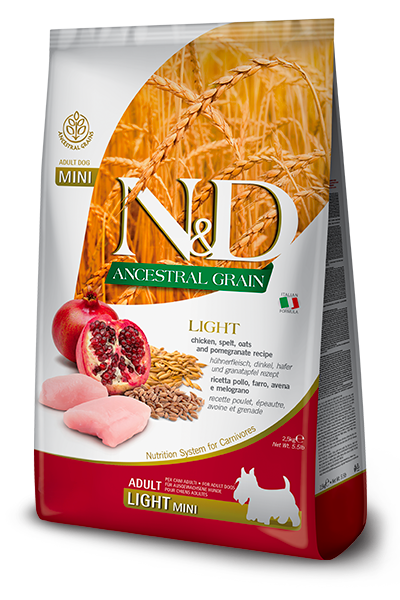
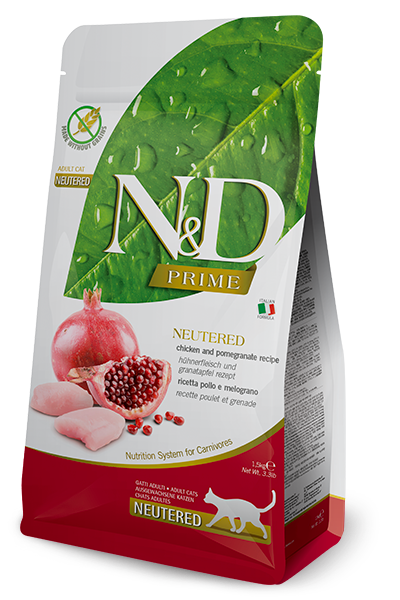
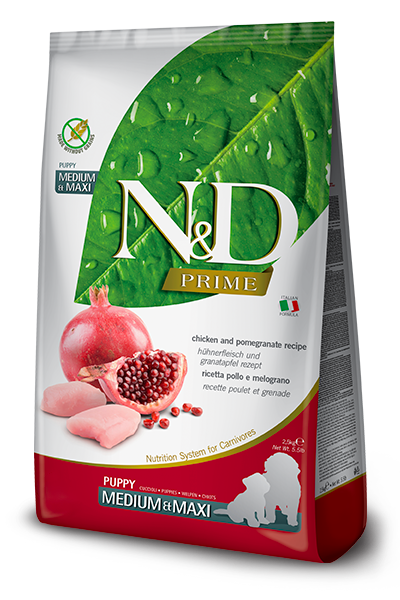
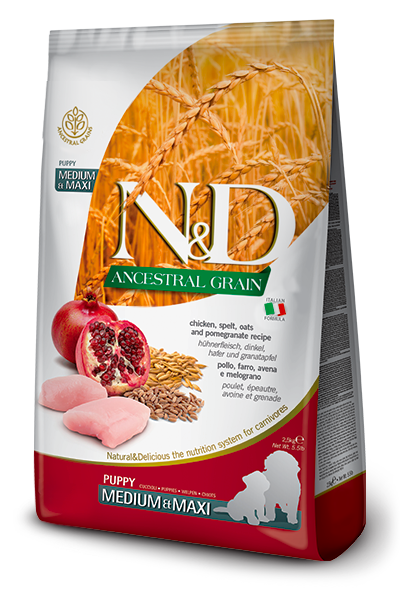
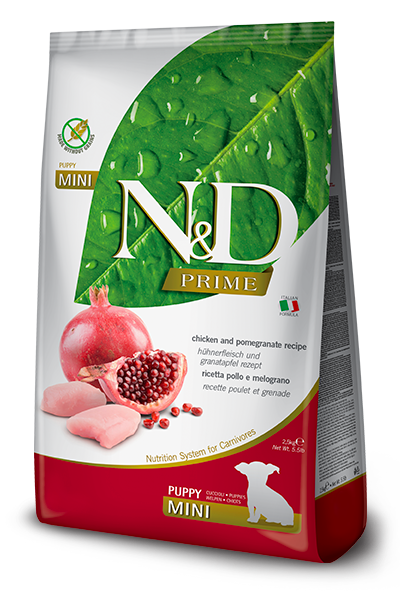
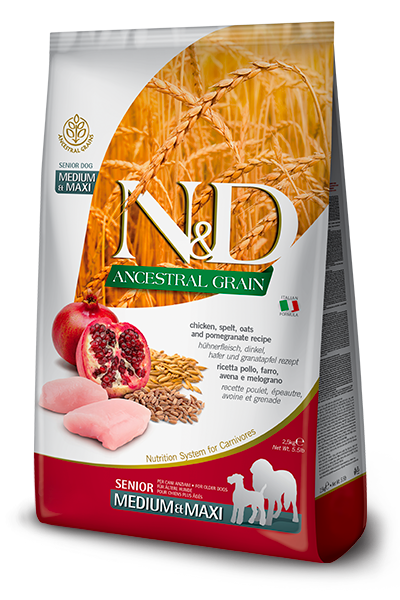
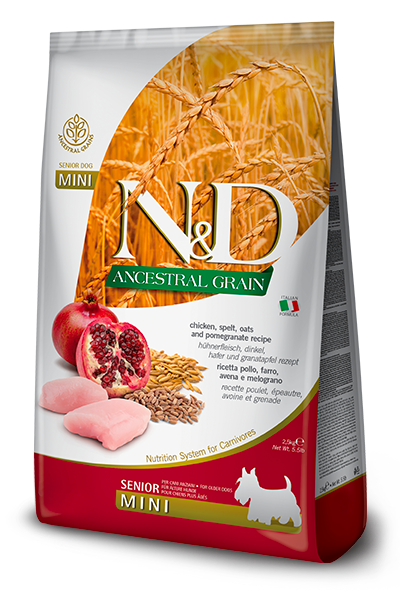
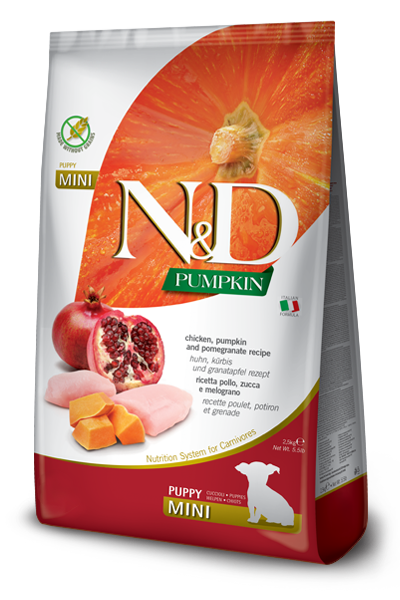
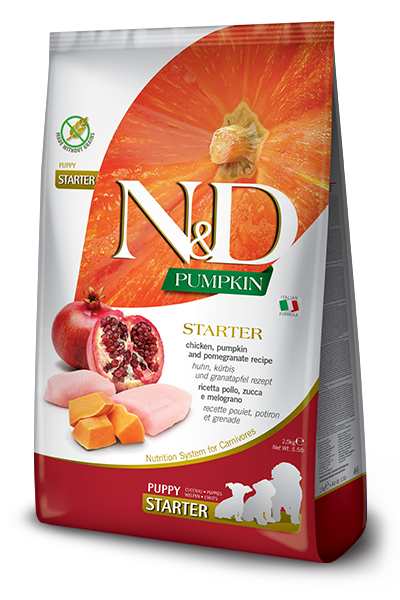
2,000 foods in the KibbleLab database contain Pea, including Evolve, Farmina.
Foods with Pea
Alphabetical by brand. Scores run 0 to 10, higher is better, on published veterinary science.

Find the right food for your pet
Sign in free to sort and filter by score, and avoid or require Pea in the Food Finder. Add KL+ to see these foods ranked for your pet's breed, age, and health focus.

 Continue with Google
 Continue with Facebook