Quinoa
213 foods contain this ingredient
This is an alphabetical list, not a ranking. Add KL+ to rank foods for your pet in the Food Finder.
About Quinoa
Quinoa is a seed, often called a pseudo-grain, used in pet food as a plant-based carbohydrate and protein source.
Quinoa is used in pet foods as a cooked pseudo‑grain providing digestible carbohydrates, fiber and a relatively high‑quality plant protein with a broad amino acid profile. It supplies B vitamins and minerals (e.g., iron, magnesium) and can be a useful energy and fiber source for dogs, but should be cooked and rinsed to remove bitter saponins, offered in moderation due to calorie density and potential digestive upset, and it should not replace essential animal‑derived nutrients (such as taurine) required by cats.
Related ingredients
- Derived from
- cooked quinoa seed
- Primary role
- carbohydrate and plant protein source, grain alternative
Why it's used
Quinoa offers a broader amino acid spread than most cereal grains along with fiber, B vitamins, and minerals like iron and magnesium, which is why formulators use it in place of wheat, corn, or rice in some recipes. It is generally cooked before use, since cooking is the standard preparation for this seed in pet food.
Common concerns
- Natural saponin coating Raw quinoa carries a natural saponin coating that can cause digestive upset in some dogs, though the amount typically present is considered small and rinsing before cooking is a common way to reduce it further.
- Not a taurine source for cats Quinoa contains the taurine precursor amino acids cysteine and methionine, but cats cannot synthesize sufficient taurine from these precursors the way dogs can, so quinoa cannot substitute for the direct animal-derived taurine that cats require.
- Portion and calorie density As a calorie-dense seed, quinoa is generally used in moderation within a formula rather than as a stand-alone food.
Also relevant
Because cats do not have a dietary requirement for carbohydrates, quinoa's role in cat food is more about texture and formulation than meeting a core nutrient need.
3 sources cited
- Quinoa's natural saponin coating can cause digestive upset, though typical amounts are small, and rinsing reduces it further
- Cats cannot synthesize adequate taurine from plant precursors like cysteine and methionine and require direct animal-sourced taurine
- Cats do not require dietary carbohydrates and can meet energy needs from protein
Common Questions
What category is Quinoa?
Quinoa is categorized as a grain ingredient in the KibbleLab database.
Is Quinoa part of an allergen group?
Yes. Quinoa is grouped under the Grains allergen group in the KibbleLab database.
Which foods contain Quinoa?
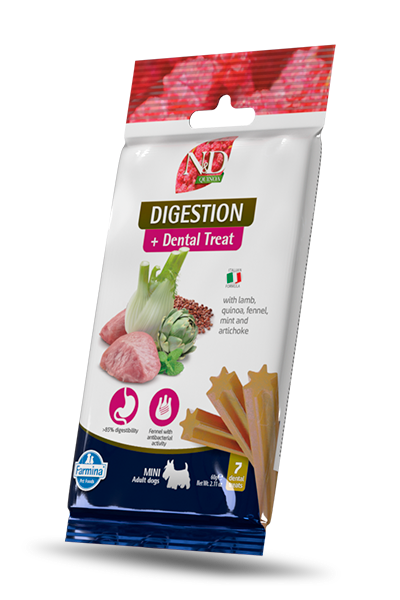
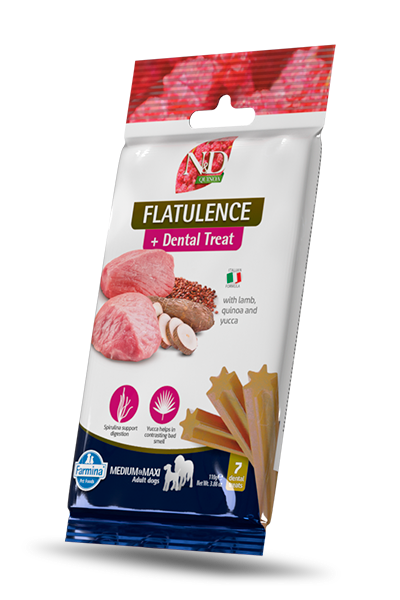
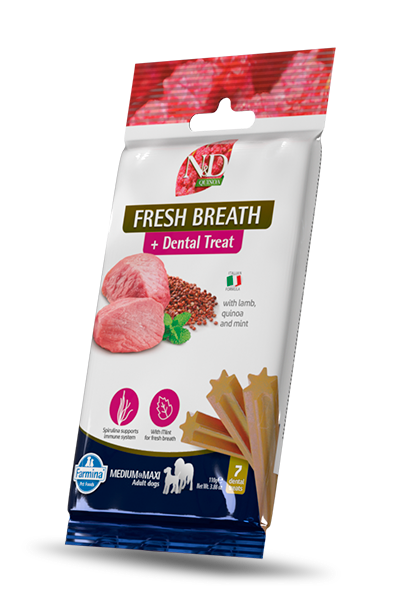
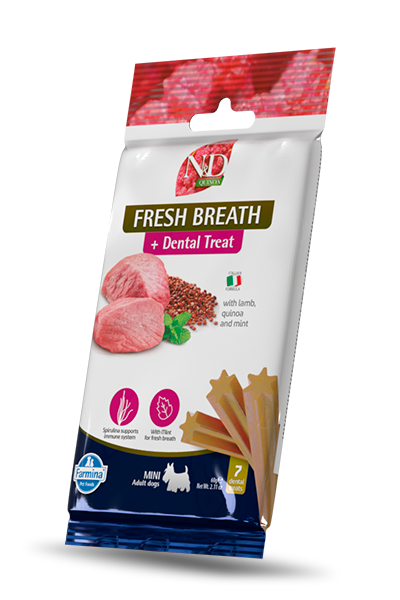
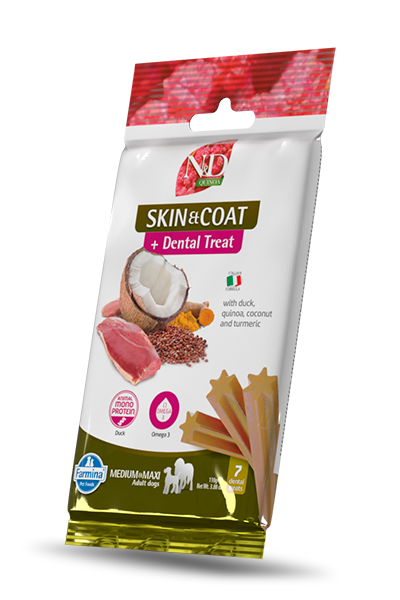
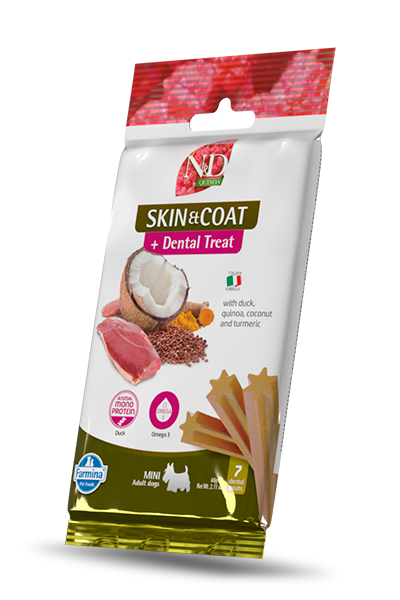
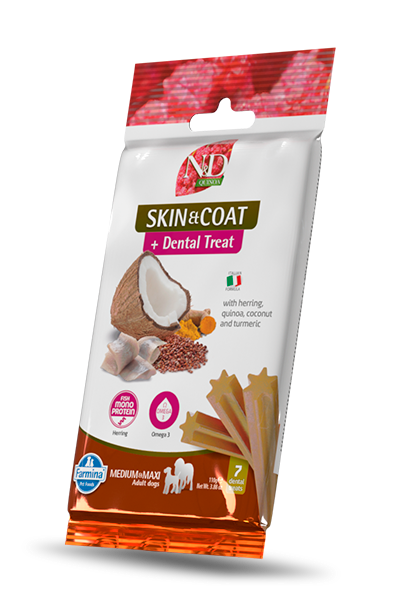
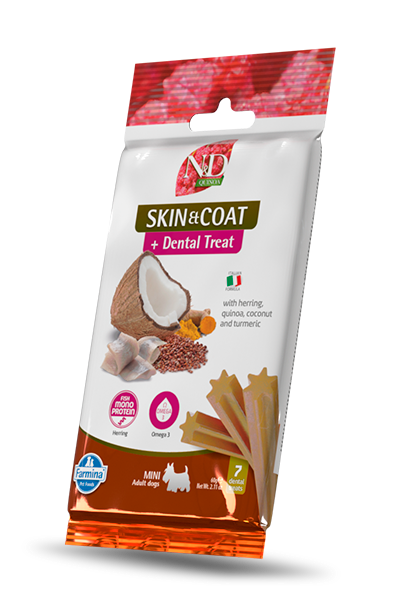
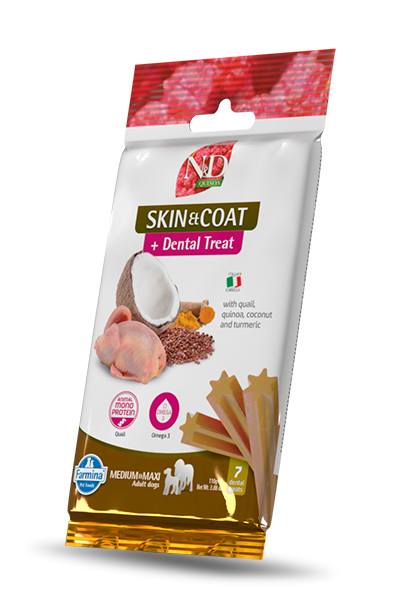
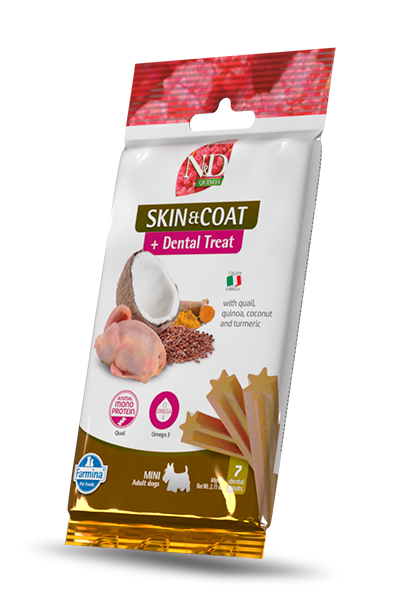
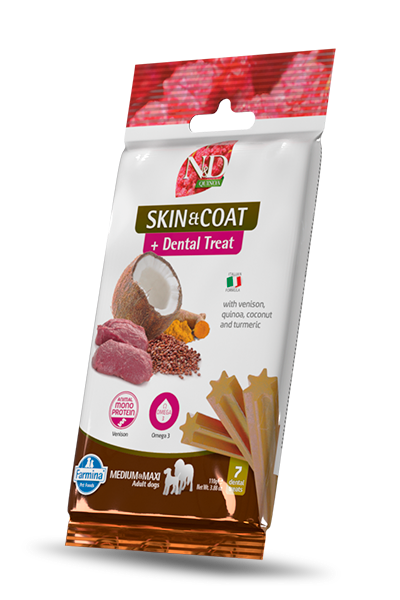
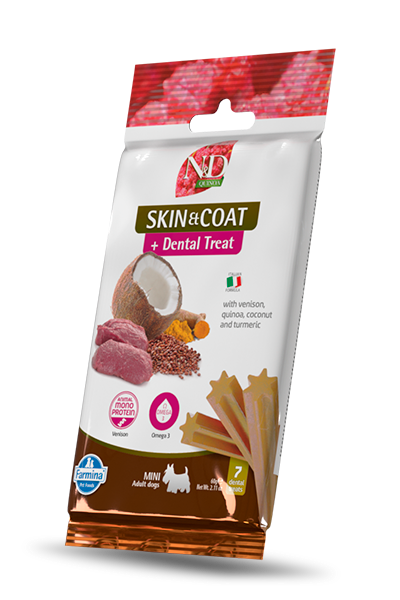
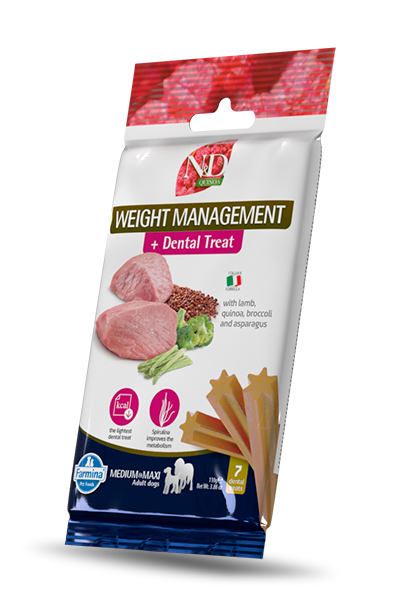
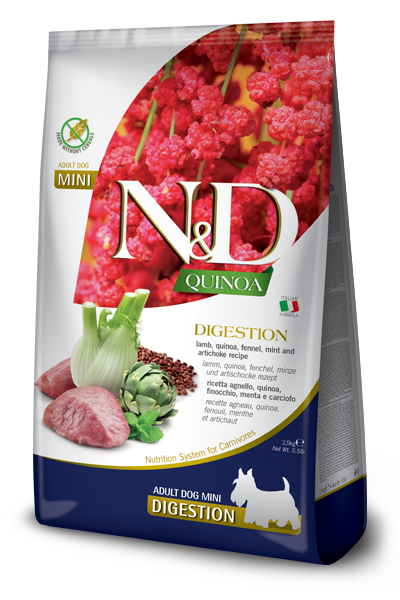
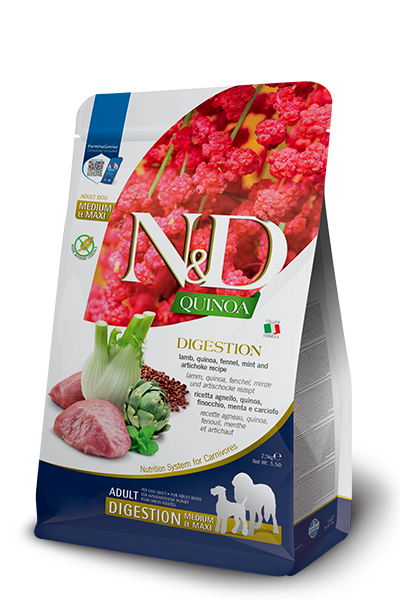
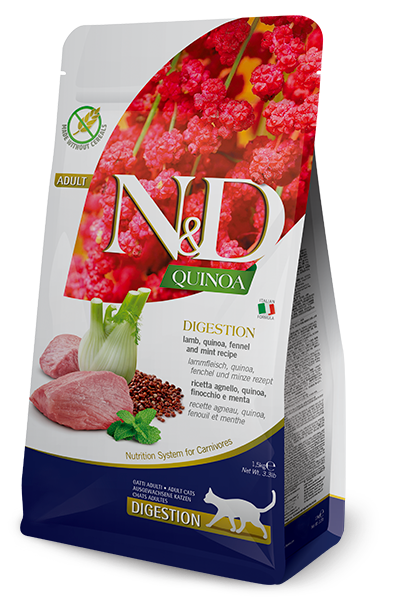
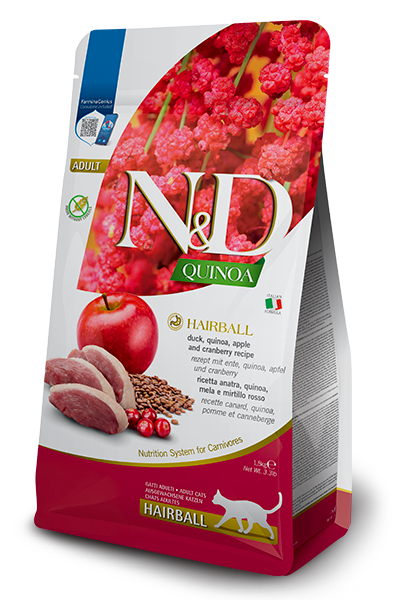
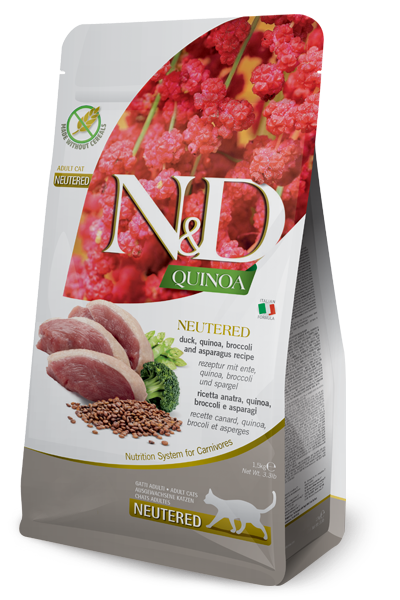
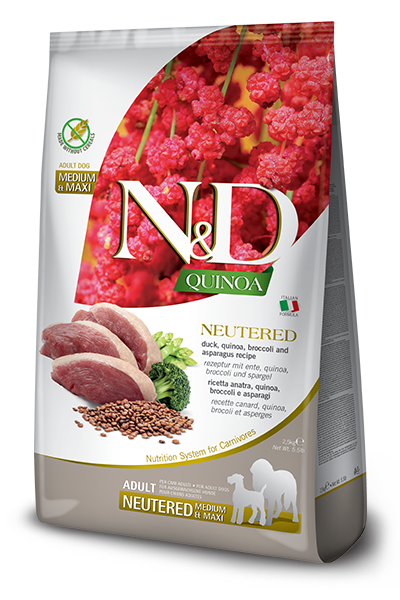
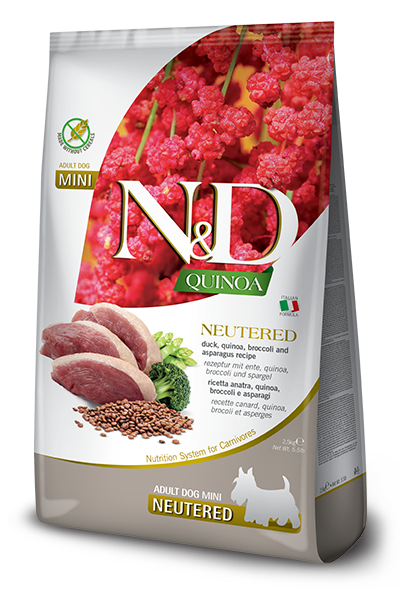
213 foods in the KibbleLab database contain Quinoa, including Farmina.
Foods with Quinoa
Alphabetical by brand. Scores run 0 to 10, higher is better, on published veterinary science.
Find the right food for your pet
Sign in free to sort and filter by score, and avoid or require Quinoa in the Food Finder. Add KL+ to see these foods ranked for your pet's breed, age, and health focus.

 Continue with Google
 Continue with Facebook