Salmon
1,907 foods contain this ingredient
This is an alphabetical list, not a ranking. Add KL+ to rank foods for your pet in the Food Finder.
About Salmon
Salmon shows up on pet food labels as fresh salmon, salmon meal, or salmon oil, forms that differ in moisture and how much omega-3 they contribute.
Salmon is commonly used as a high-quality animal protein and rich source of omega‑3 fatty acids (EPA/DHA) in dog and cat foods, supporting skin and coat condition, joint and cognitive health, and overall muscle maintenance. While very nutritious, salmon can be an allergen for some pets and raw salmon may pose risks from parasites, thiaminase-related thiamine loss, and region-specific pathogens (e.g., salmon poisoning); owners should avoid feeding uncooked bones and consider sourcing to minimize contaminant and sustainability concerns.
Related ingredients
- Derived from
- Cold-water fish (Salmo salar and related species), used as fresh fillet, rendered salmon meal, or extracted salmon oil
- Primary role
- Animal protein source and concentrated source of the long-chain omega-3 fatty acids EPA and DHA
Why it's used
Salmon and salmon oil are used to add EPA and DHA, the long-chain omega-3 fatty acids most associated in veterinary sources with skin barrier support and reduced inflammatory signaling; the Merck Veterinary Manual notes that essential fatty acid supplementation shows measurable improvement in roughly 20% of dogs and 50% of cats with allergic pruritus. Pets convert plant-based omega-3 (ALA) to DHA poorly, so cold-water fish sources like salmon are one of the more direct dietary routes to EPA/DHA.
Common concerns
- Salmon poisoning disease Raw or undercooked salmon and trout from Pacific Northwest coastal waters and rivers can carry a fluke (Nanophyetus salmincola) infected with the bacterium Neorickettsia helminthoeca; dogs that ingest it can develop salmon poisoning disease, with signs appearing roughly a week after ingestion and, per Merck and university veterinary sources, high fatality without treatment. Cooking the fish eliminates this risk.
- Thiaminase in raw fish Raw fish contains thiaminases, enzymes that break down thiamine (vitamin B1) and can contribute to thiamine deficiency with prolonged raw feeding; cooking or canning heat destroys thiaminase, which is why this is specific to raw or undercooked preparations.
- Documented allergen frequency Fish is listed among the more commonly documented food allergens in cats (alongside beef and chicken) in veterinary dermatology reviews, though it is reported less frequently as a primary allergen in dogs.
- Mercury and other contaminants Published testing of commercial pet foods has found fish-based formulas, including those listing salmon among top ingredients, associated with higher mercury levels than non-fish formulas; researchers note no single fish ingredient accounts for all cases, and sourcing and testing practices vary by manufacturer.
Also relevant
Farmed versus wild-caught sourcing can affect the fatty acid profile of salmon used in pet food, which is one reason some formulas specify sourcing on the label.
7 sources cited
- Salmon poisoning disease is caused by Neorickettsia helminthoeca carried by flukes in raw Pacific Northwest salmon/trout, with signs appearing about a week after ingestion and high fatality if untreated
- Salmon poisoning disease clinical course, geographic distribution (Pacific Northwest, Northern California), and prognosis
- Salmon poisoning disease overview and university veterinary hospital guidance
- Thiaminases in raw fish destroy dietary thiamine and are destroyed by cooking/canning heat; thiamine deficiency is most common in cats but reported in dogs
- Essential fatty acid supplementation (EPA/DHA) shows improvement in about 20% of dogs and 50% of cats with allergic pruritus; pets poorly convert ALA to DHA
- Beef, fish, and chicken are the most common documented food allergens in cats
- Fish-based commercial pet foods, including those listing salmon among top ingredients, were associated with higher mercury levels in published testing; no single ingredient was the sole source
Common Questions
What category is Salmon?
Salmon is categorized as a protein ingredient in the KibbleLab database.
Is Salmon part of an allergen group?
Yes. Salmon is grouped under the Fish allergen group in the KibbleLab database.
Which foods contain Salmon?
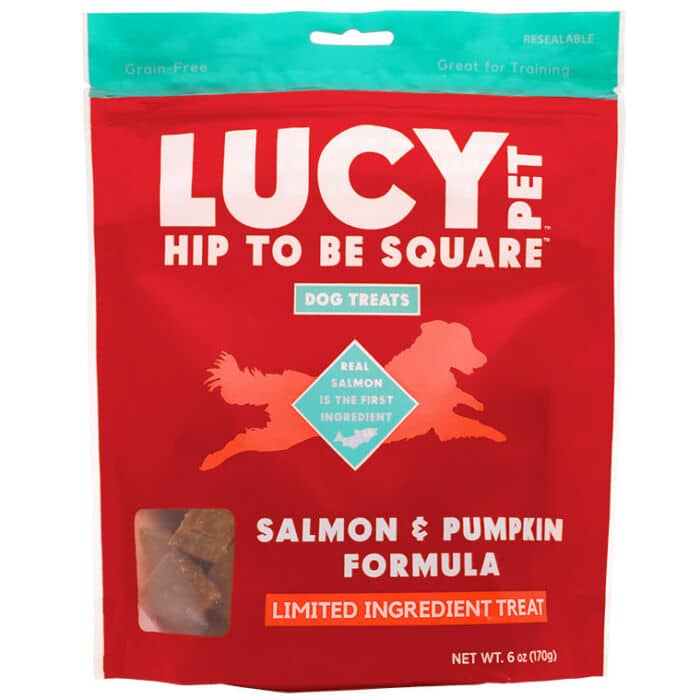
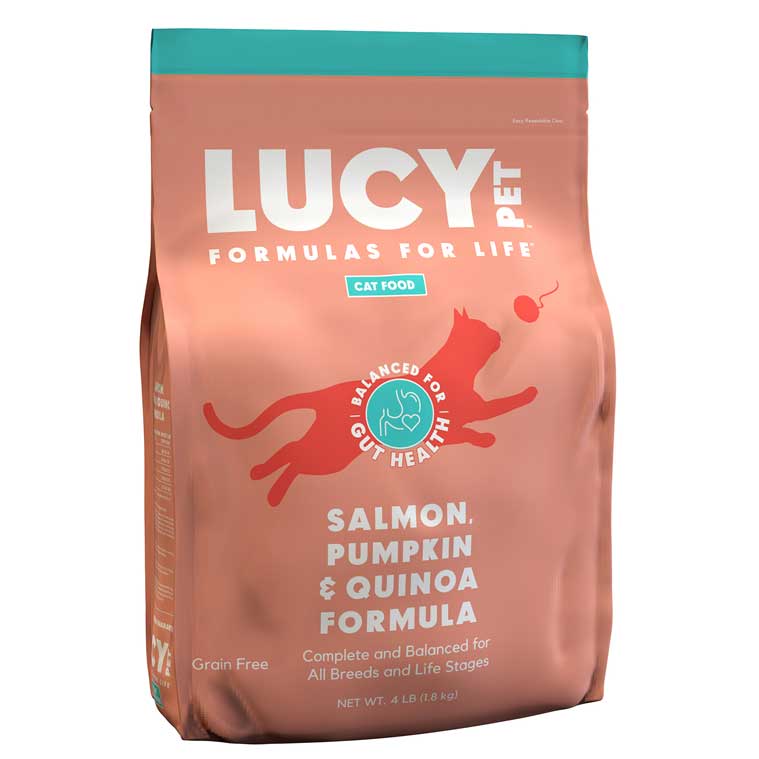
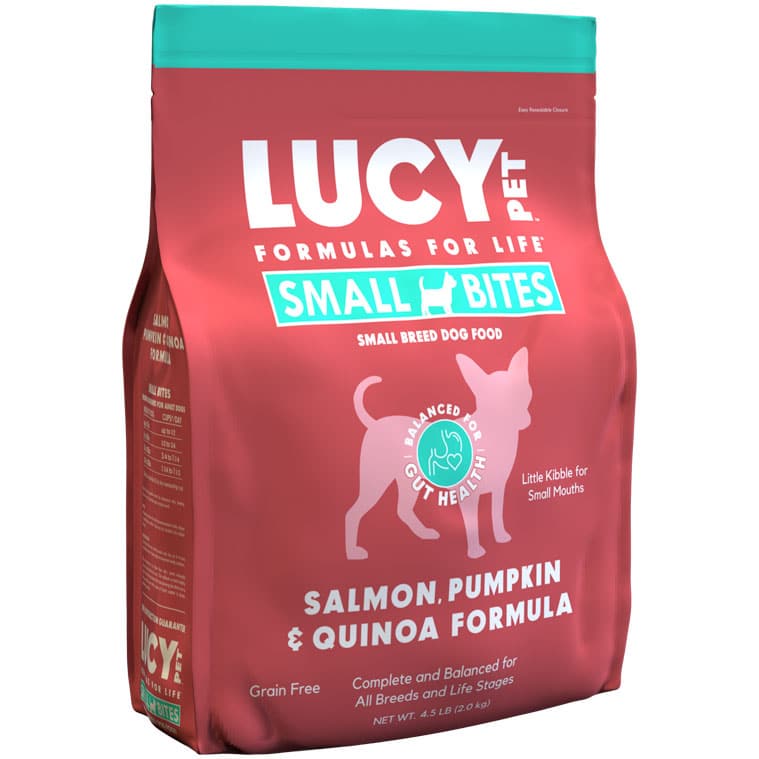
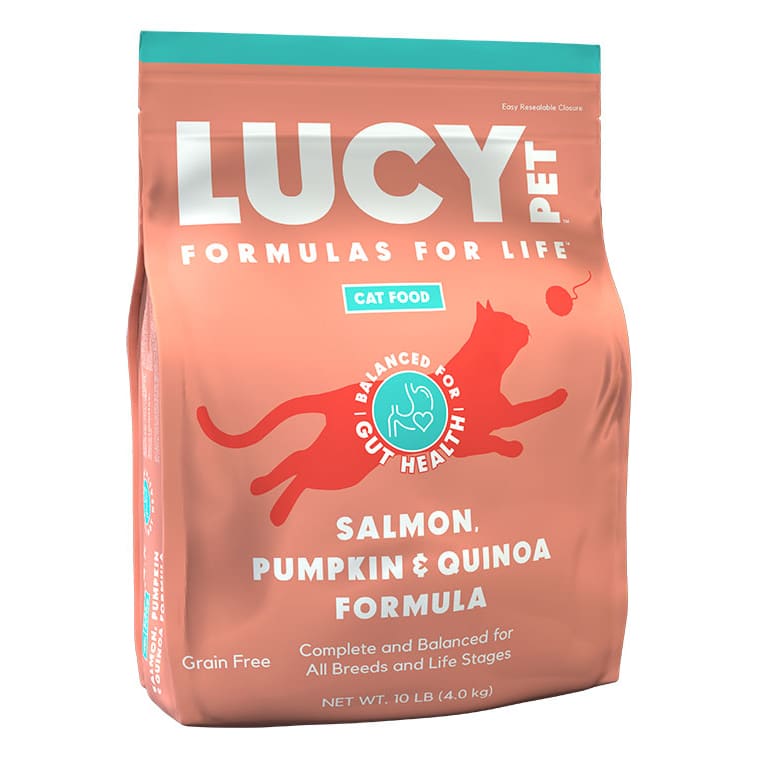
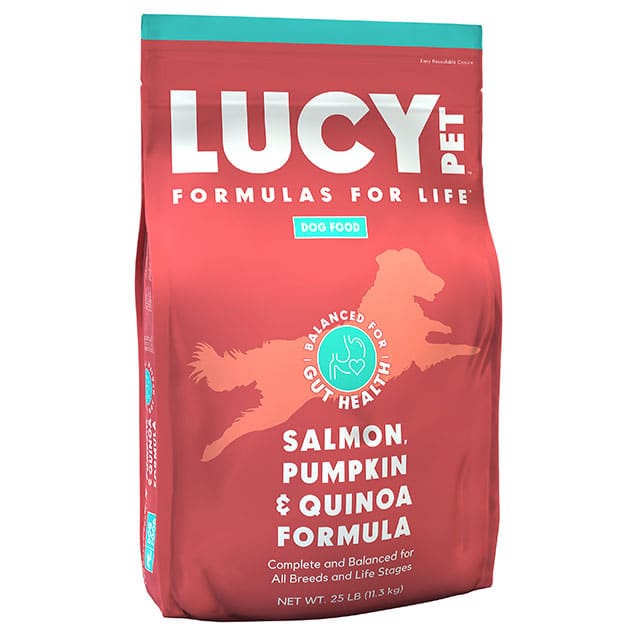
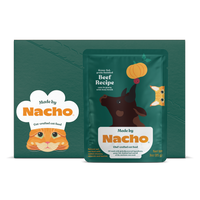
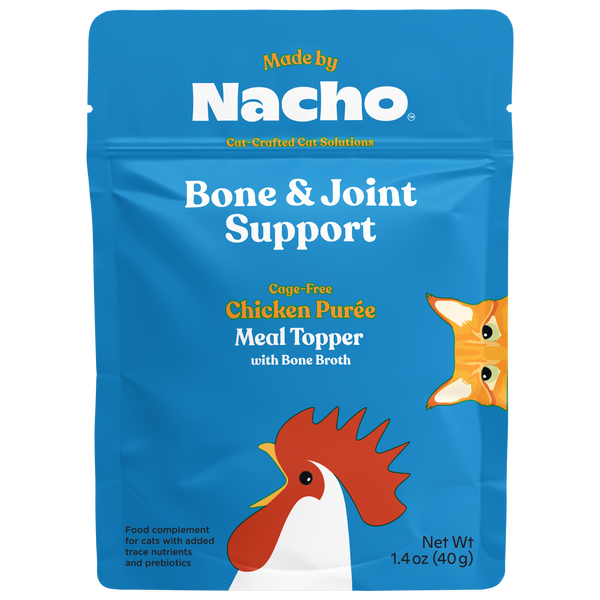
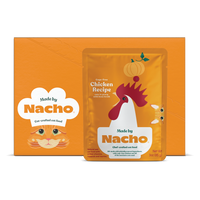
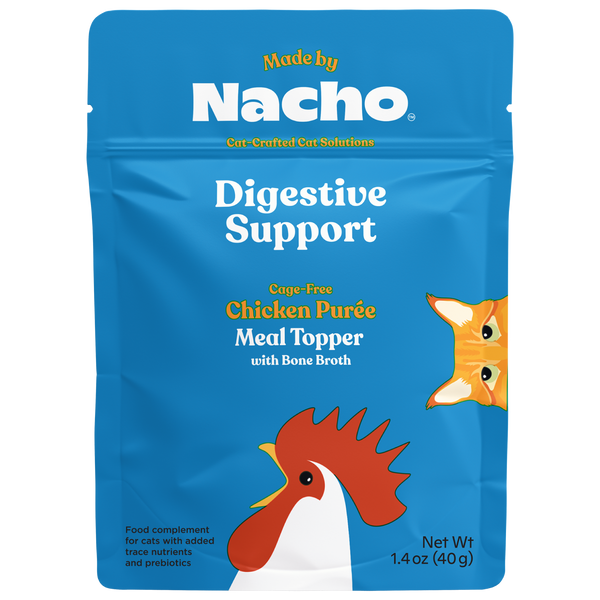
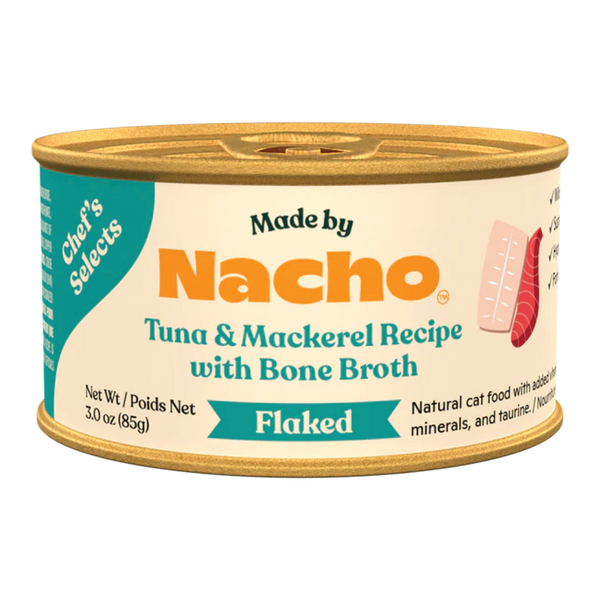
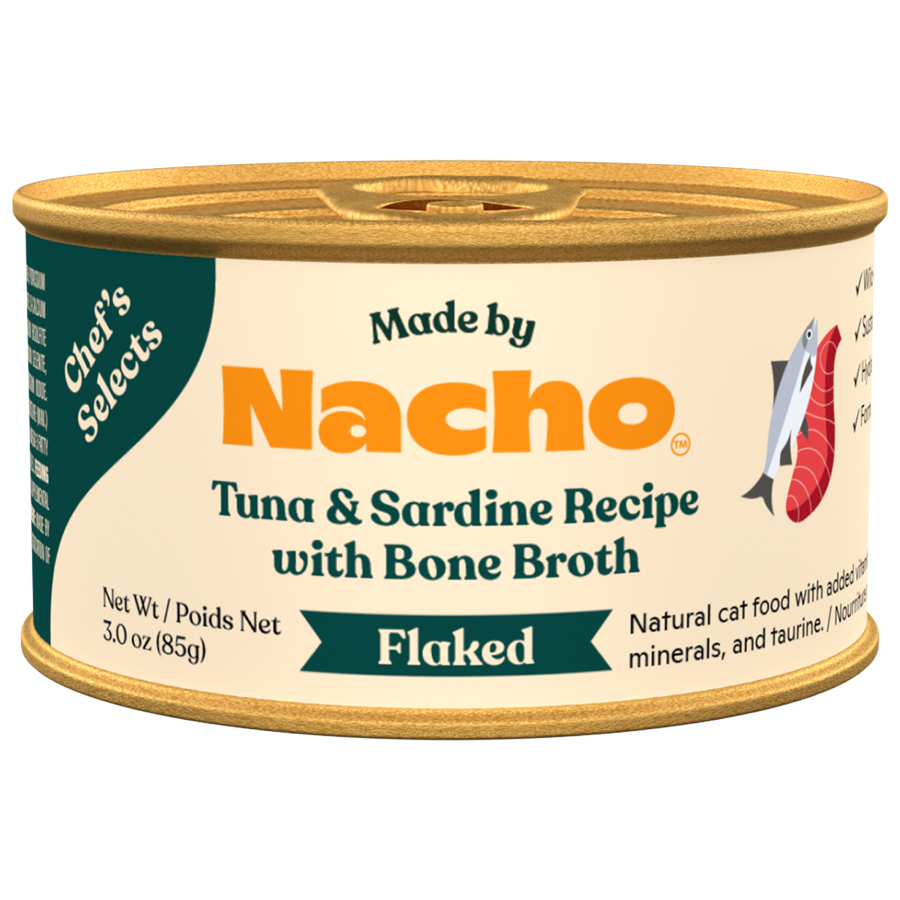
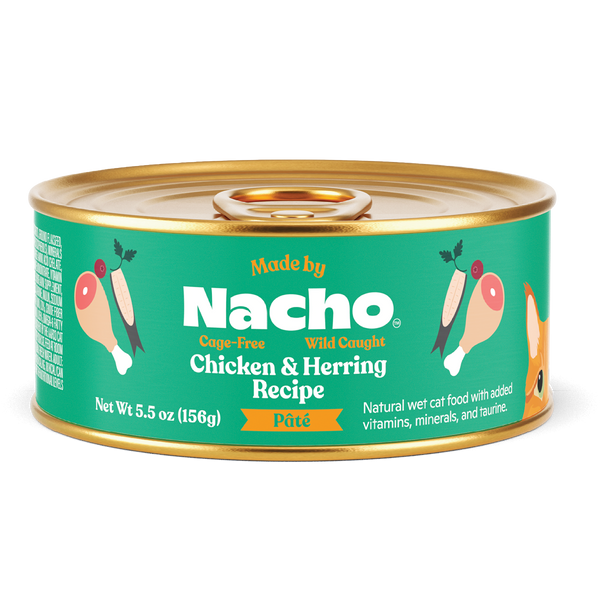
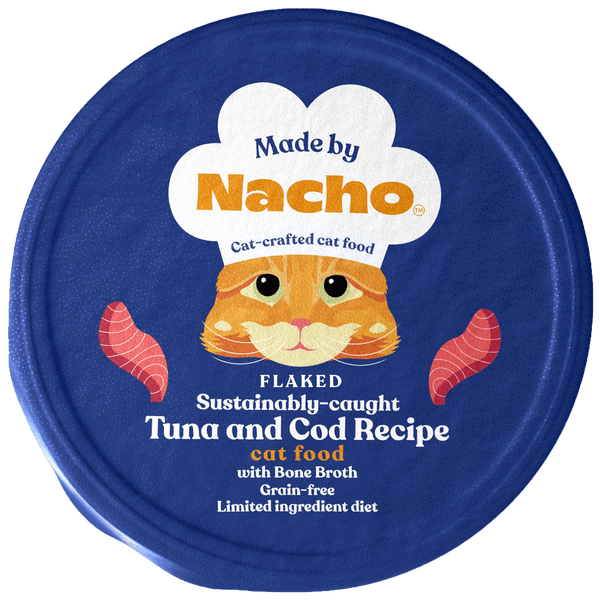
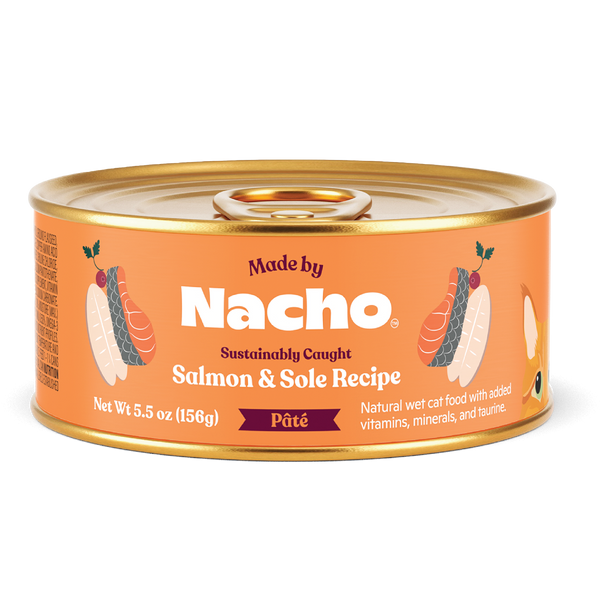
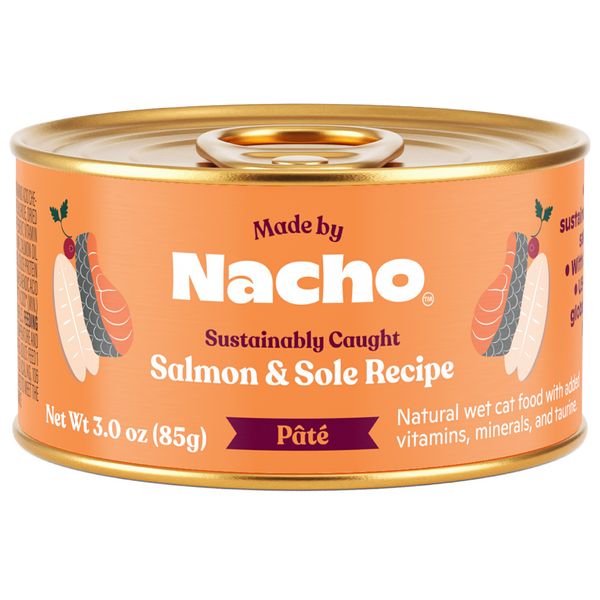
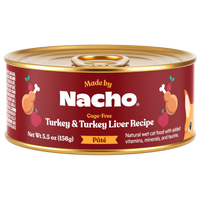
1,907 foods in the KibbleLab database contain Salmon, including Lucy Pet Products, Made by Nacho.
Foods with Salmon
Alphabetical by brand. Scores run 0 to 10, higher is better, on published veterinary science.







Find the right food for your pet
Sign in free to sort and filter by score, and avoid or require Salmon in the Food Finder. Add KL+ to see these foods ranked for your pet's breed, age, and health focus.

 Continue with Google
 Continue with Facebook