Soybean
1,226 foods contain this ingredient
This is an alphabetical list, not a ranking. Add KL+ to rank foods for your pet in the Food Finder.
About Soybean
Soybean appears in pet food as meal, protein concentrate or isolate, or oil, valued as a plant protein supplying all essential amino acids, though it is relatively low in methionine and cysteine.
Soybean is a common plant-based ingredient in pet foods used as a concentrated protein and fat source (in forms such as soybean meal, soy protein concentrate/isolate, and soybean oil) that supplies essential amino acids, calories, and beneficial polyunsaturated fats. It can be a cost-effective, digestible protein for many dogs but is less ideal as the sole protein for obligate carnivores like cats and may trigger allergies or deliver phytoestrogens and antinutritional factors (e.g., trypsin inhibitors, phytates) that are typically reduced by proper processing, so diets using soy should be balanced and monitored.
Related ingredients
- Derived from
- Glycine max seed (processed into meal, protein concentrate/isolate, or oil)
- Primary role
- plant-based protein and fat source
Why it's used
Soy is notable among plant proteins for supplying all of the essential amino acids dogs require, which is part of why it is used as a protein extender alongside animal proteins. Proper heat processing (extrusion or similar high-temperature treatment) inactivates trypsin inhibitors and denatures lectins, and studies report total protein digestibility in the 85 to 90 percent range for properly processed soy-based diets.
Common concerns
- Oligosaccharides and stool quality Beyond trypsin inhibitors, soybean meal contains oligosaccharides that are associated with flatulence and looser stool quality in some animals if not adequately processed or balanced in the formula.
- Bloat (GDV) myth versus evidence A widely cited myth links soy and cereal ingredients to gastric dilatation-volvulus in dogs, but a case-control study on dry dog food ingredients found no significant association between soy or cereal content and GDV risk, while it did find fat-containing ingredients among the first four listed were linked to increased risk.
- Soy as a reported allergen Soy has been identified as an offending allergen in a minority of confirmed canine food-allergy cases, generally cited around six percent of documented cases, making it a less frequent but recognized allergen relative to beef, dairy, chicken, and wheat.
Also relevant
Soybean's fat fraction (soybean oil) is a separate ingredient from soybean meal and does not carry the same protein-related processing concerns, since it contributes primarily polyunsaturated fat rather than protein.
5 sources cited
- Soy supplies all essential amino acids dogs require among plant protein sources
- Properly processed soy-based diets can achieve 85-90% total protein digestibility; high-temperature extrusion inactivates trypsin inhibitors and denatures lectins
- Soybean meal antinutritional factors including oligosaccharides linked to flatulence and stool quality
- Case-control study found no significant GDV risk association with soy/cereal ingredients, but did find increased risk with fat-containing ingredients among first four listed
- Soy reported as an offending food source in approximately 6% of documented canine adverse food reaction cases
Common Questions
What category is Soybean?
Soybean is categorized as a protein ingredient in the KibbleLab database.
Is Soybean part of an allergen group?
Yes. Soybean is grouped under the Legumes, Soy allergen groups in the KibbleLab database.
Which foods contain Soybean?
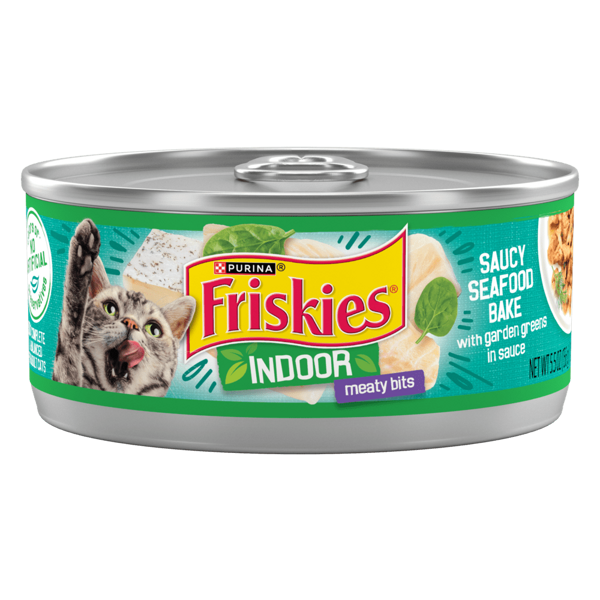
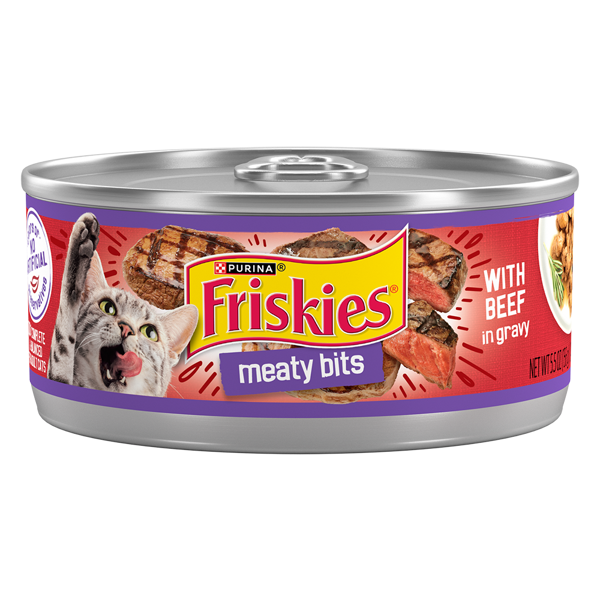
1,226 foods in the KibbleLab database contain Soybean, including Freshpet, Friskies.
Foods with Soybean
Alphabetical by brand. Scores run 0 to 10, higher is better, on published veterinary science.
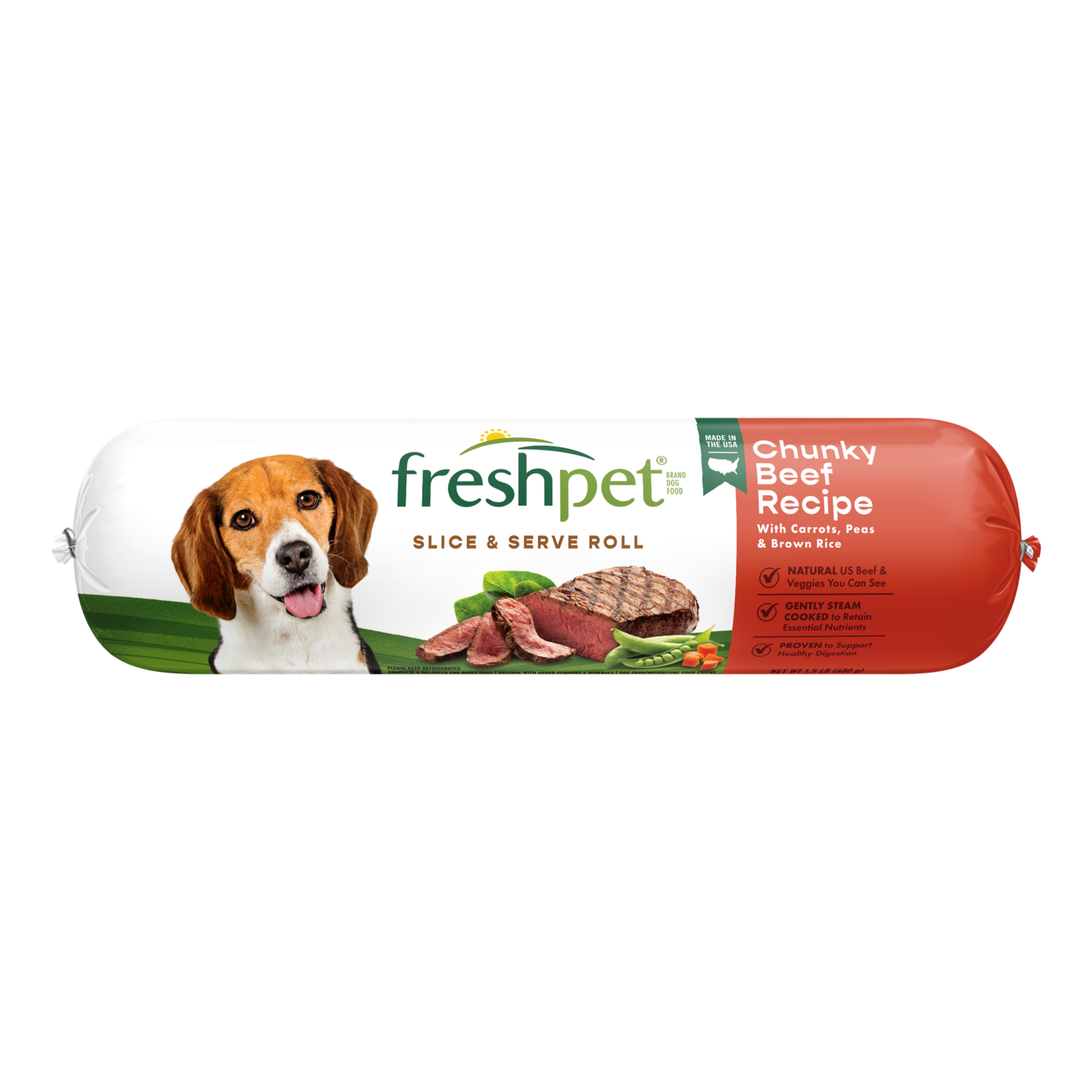



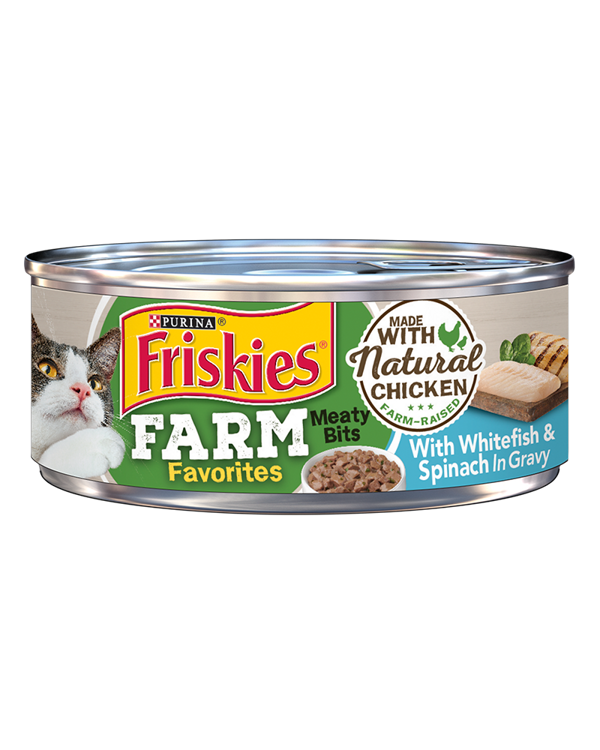
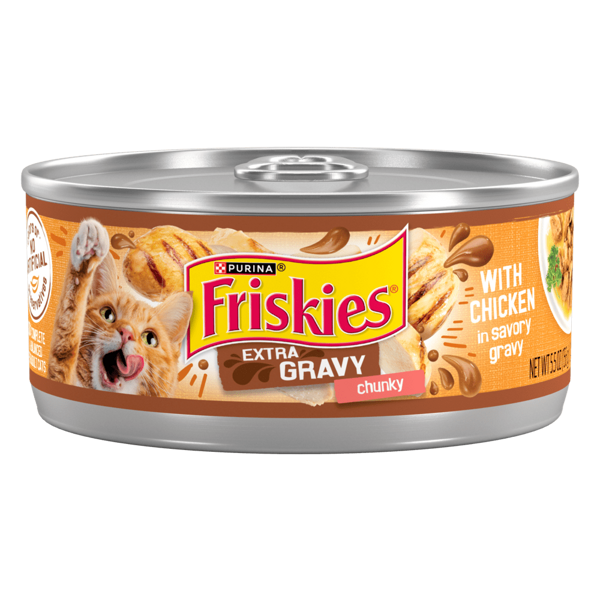


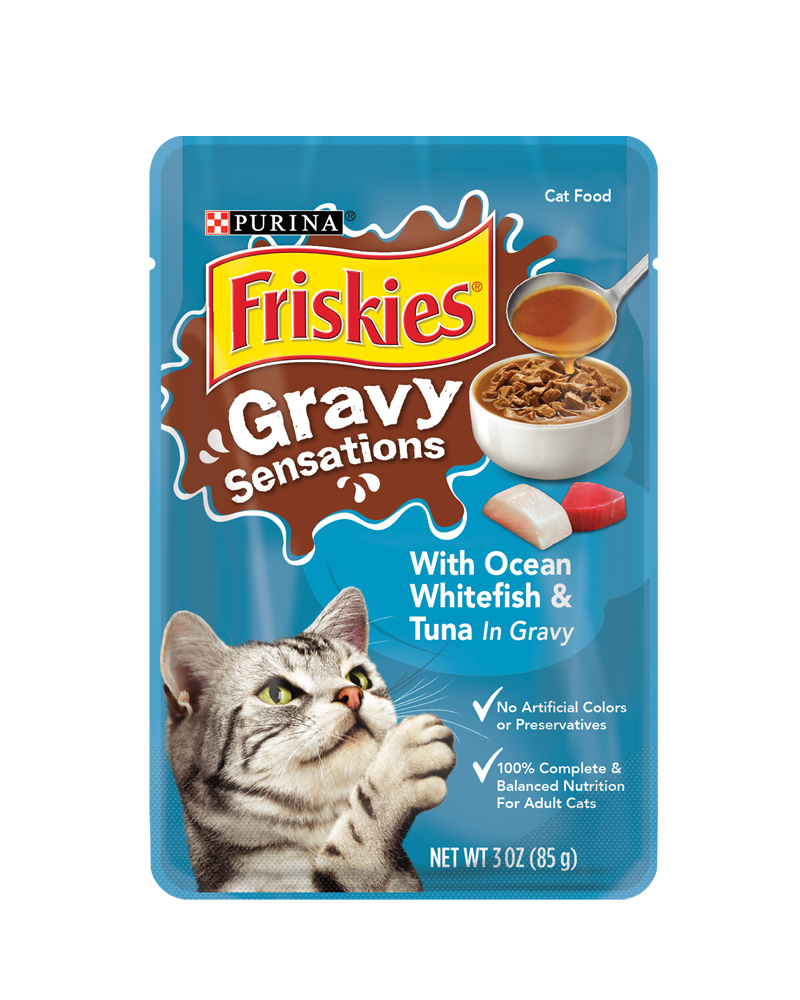
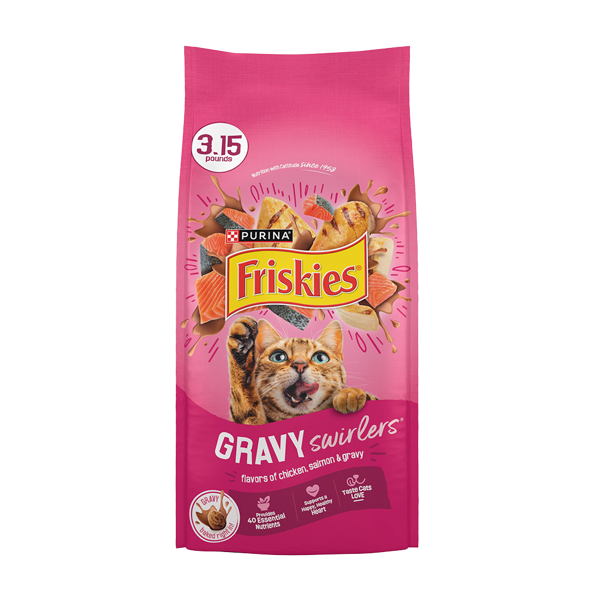

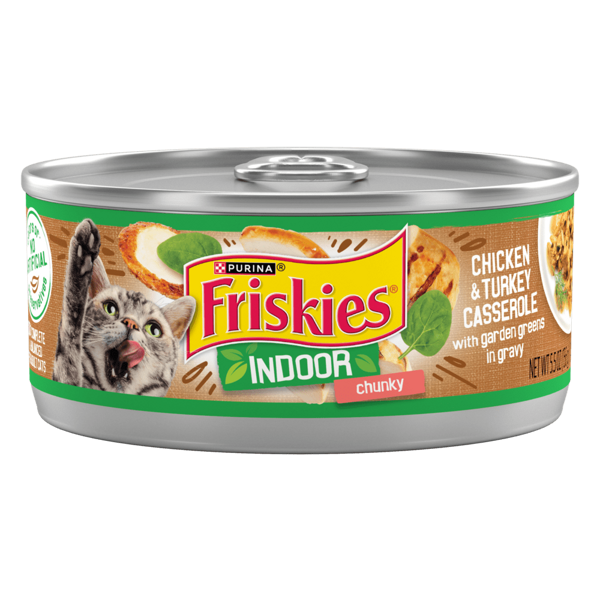

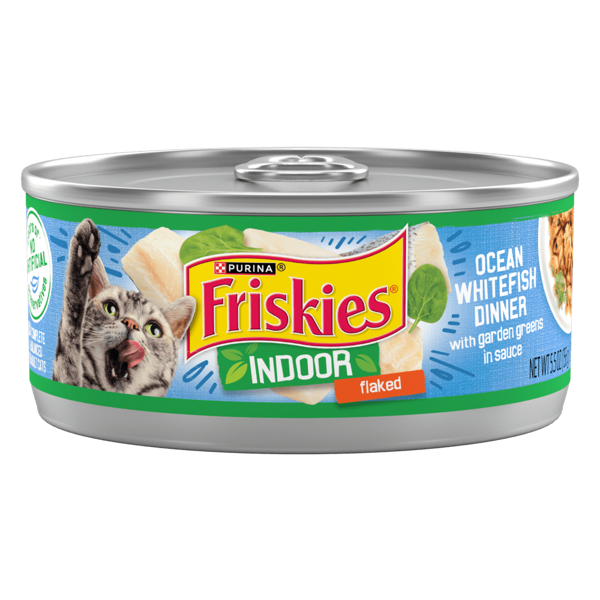
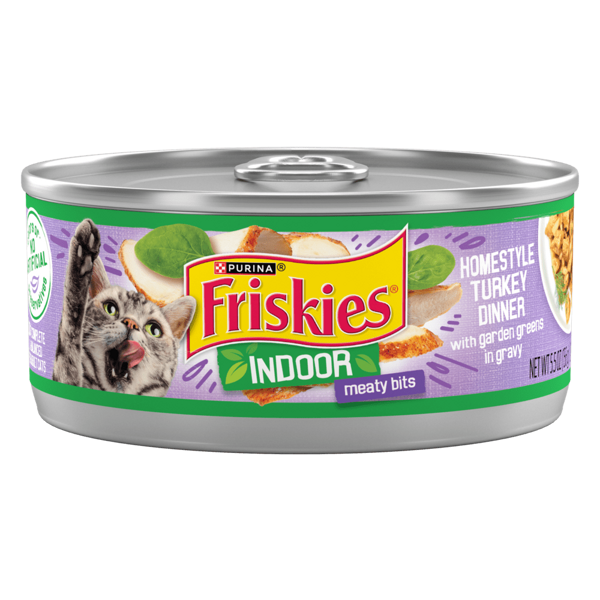




Find the right food for your pet
Sign in free to sort and filter by score, and avoid or require Soybean in the Food Finder. Add KL+ to see these foods ranked for your pet's breed, age, and health focus.

 Continue with Google
 Continue with Facebook