Sunflower
1,646 foods contain this ingredient
This is an alphabetical list, not a ranking. Add KL+ to rank foods for your pet in the Food Finder.
About Sunflower
Sunflower shows up in pet food as seeds, oil, meal, or lecithin, mainly to supply fat and the omega-6 fatty acid linoleic acid.
Sunflower (in the form of seeds, oil, meal or lecithin) is commonly used in pet foods as a source of fats, vitamin E and, depending on the form, fiber and some plant protein; sunflower oil provides linoleic acid (an omega‑6) that helps support skin and coat health. While beneficial in moderation, sunflower ingredients are calorie‑dense and high in omega‑6s so they can promote weight gain or an imbalanced omega‑6:omega‑3 ratio if not balanced with omega‑3 sources, and they are not a complete protein for obligate carnivores like cats and may cause digestive upset in sensitive animals.
Related ingredients
- Derived from
- sunflower seeds (whole, oil-pressed, or meal after oil extraction)
- Primary role
- fat and linoleic acid source, with meal forms contributing plant protein and fiber
Why it's used
Traditional (high-linoleic) sunflower oil is concentrated in linoleic acid, an essential omega-6 fatty acid dogs and cats cannot synthesize and must obtain from the diet, and it is often included to support skin barrier function and coat quality. Sunflower meal, the byproduct left after oil is pressed out, adds plant protein and fiber and is a common ingredient in livestock and pet diets separate from the oil itself.
Common concerns
- Omega-6 to omega-3 ratio Because sunflower ingredients are a concentrated omega-6 source, a formula leaning heavily on them without added omega-3s (such as fish or algae oil) can skew the overall fatty acid ratio, a balance point nutritionists commonly discuss for its effect on inflammatory processes.
- Calorie density Oil-based forms are calorie-dense, so diets high in added sunflower oil contribute meaningfully to total caloric intake and can be a factor in weight gain if portions aren't adjusted.
- Not a complete protein source for cats Sunflower meal supplies plant protein but lacks the full amino acid and nutrient profile obligate carnivores like cats need from animal-based protein.
Also relevant
Processing method affects composition: solvent-extracted sunflower meal tends to be higher in protein and lower in oil and fiber than mechanically pressed meal, so the exact nutrient contribution can vary by supplier.
3 sources cited
- Sunflower oil is a source of linoleic acid, an essential omega-6 fatty acid relevant to skin and coat
- Sunflower meal protein content and processing differences (solvent-extracted vs. mechanically pressed, dehulled vs. hulled)
- Omega-6:omega-3 balance is relevant to inflammatory processes and is a formulation consideration in dog diets
Common Questions
What category is Sunflower?
Sunflower is categorized as a protein ingredient in the KibbleLab database.
Is Sunflower part of an allergen group?
No allergen group is linked to Sunflower in the KibbleLab database.
Which foods contain Sunflower?
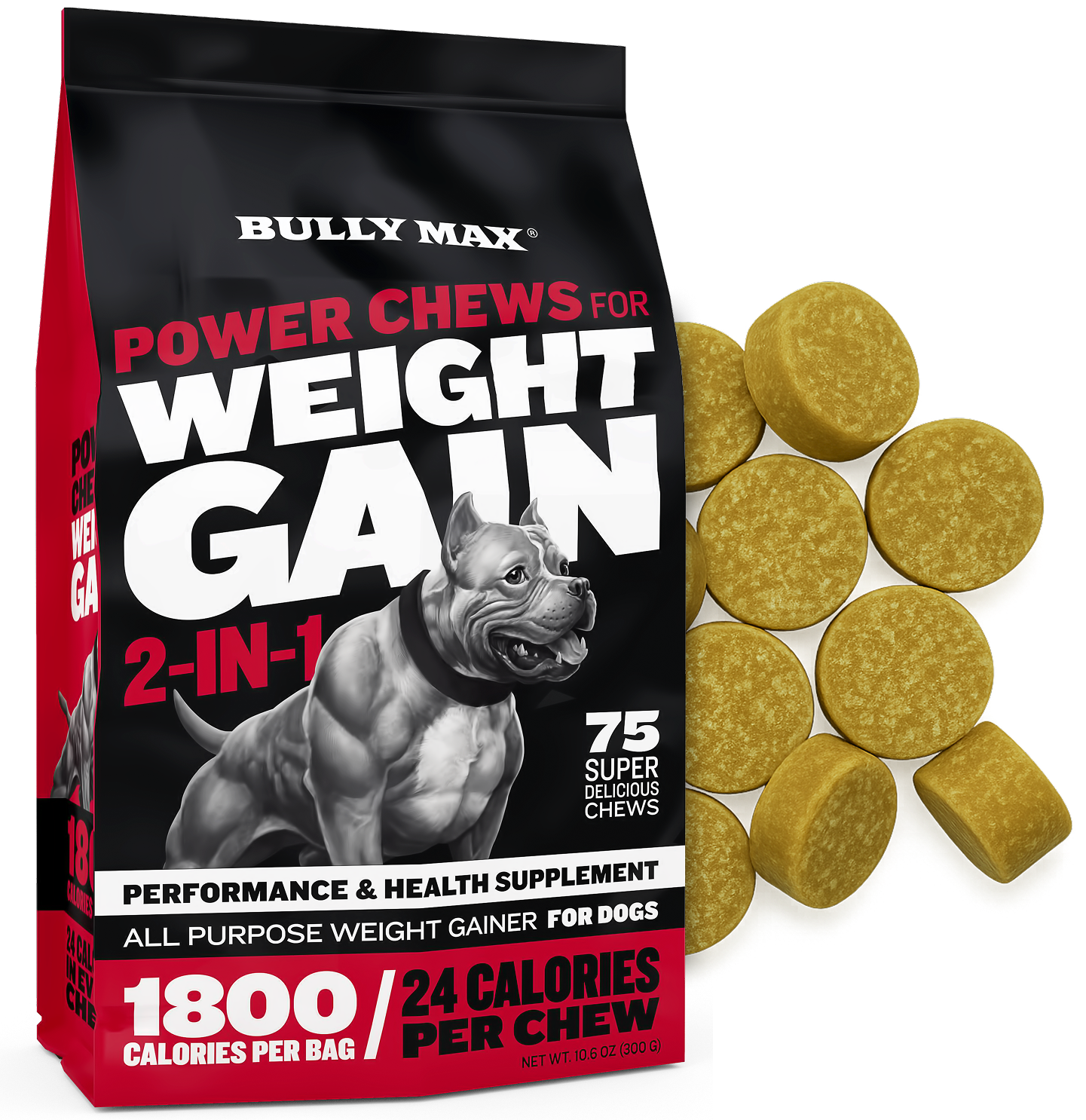
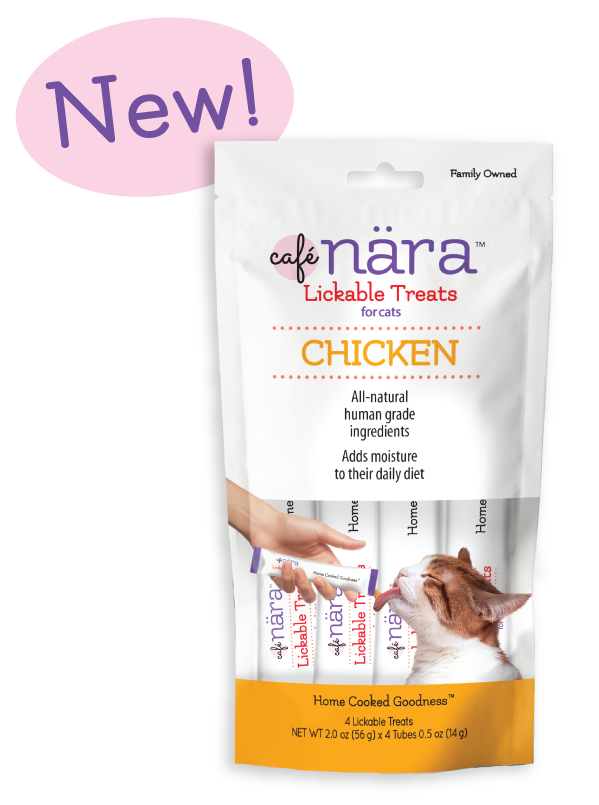
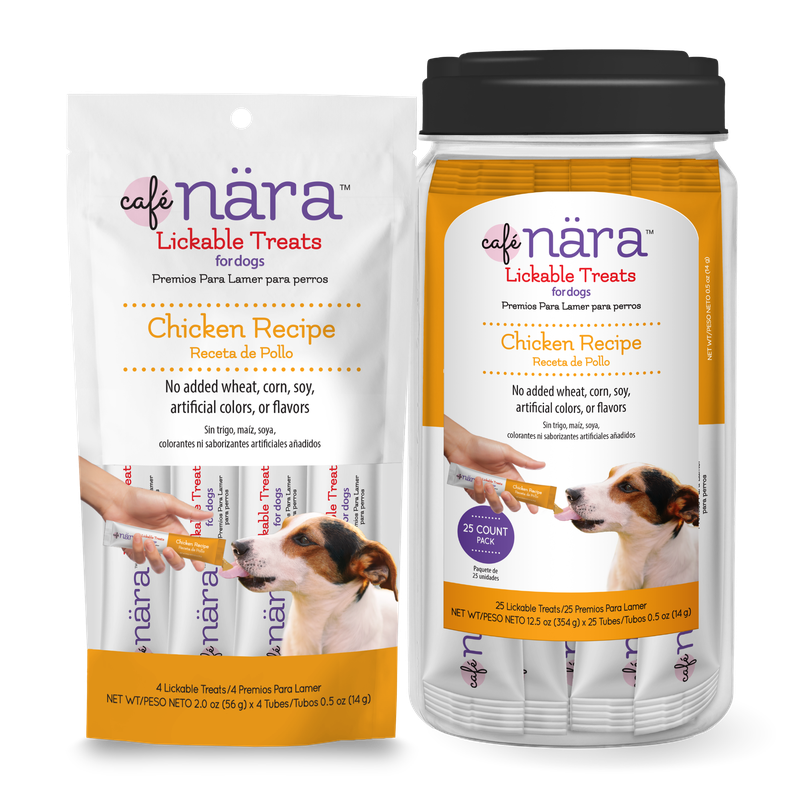
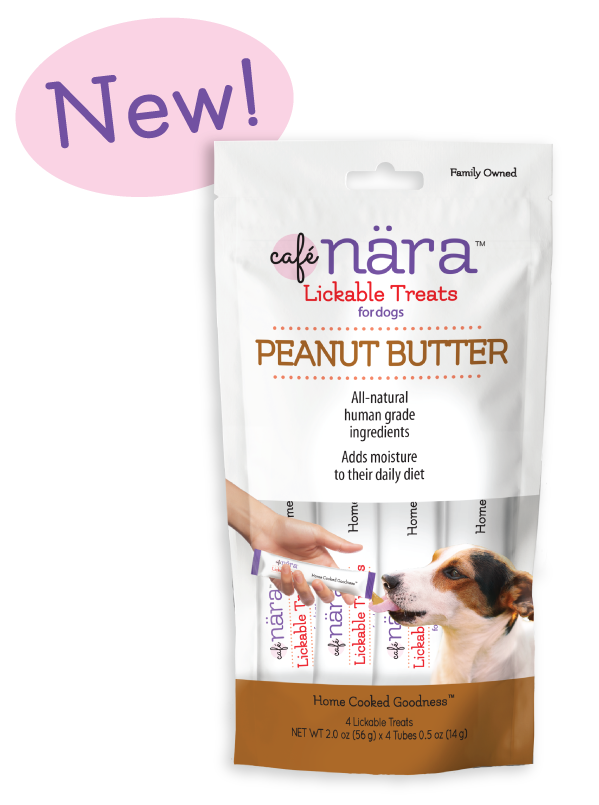
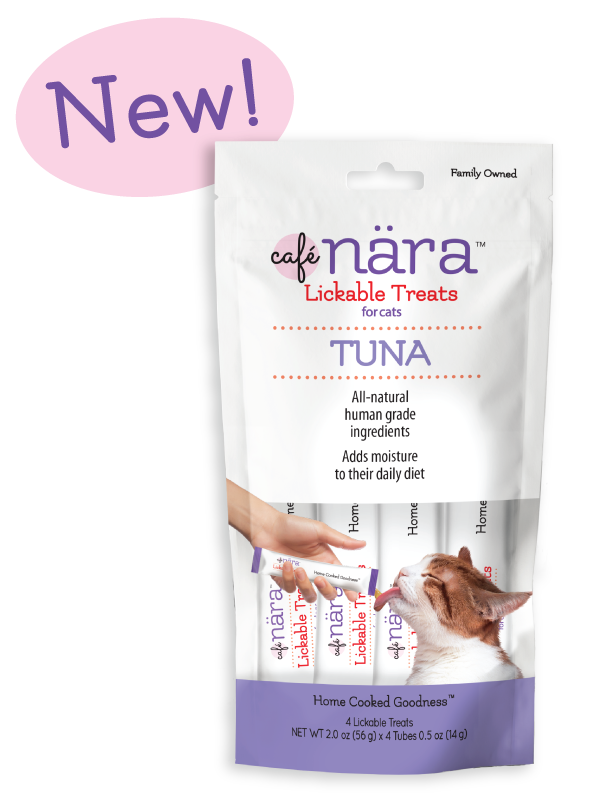
1,646 foods in the KibbleLab database contain Sunflower, including Bully Max, Cafe Nara, Canidae.
Foods with Sunflower
Alphabetical by brand. Scores run 0 to 10, higher is better, on published veterinary science.





Find the right food for your pet
Sign in free to sort and filter by score, and avoid or require Sunflower in the Food Finder. Add KL+ to see these foods ranked for your pet's breed, age, and health focus.

 Continue with Google
 Continue with Facebook