Thyme
134 foods contain this ingredient
This is an alphabetical list, not a ranking. Add KL+ to rank foods for your pet in the Food Finder.
About Thyme
Thyme is a culinary herb added to pet food in small amounts mainly for its aroma and naturally occurring antioxidant compounds.
Thyme is a culinary herb used in pet foods mainly for flavor and as a source of natural antioxidants and antimicrobial compounds (such as thymol), sometimes contributing mild preservative or digestive-support properties. In small culinary amounts it can provide trace vitamins and minerals and may help digestion, but concentrated extracts or essential oils can be toxic—especially to cats—and large doses or topical essential-oil exposure should be avoided unless supervised by a veterinarian.
Related ingredients
- Derived from
- leaves of the Thymus vulgaris plant
- Primary role
- flavoring and natural antioxidant, used in small culinary quantities
Why it's used
Thyme's flavor compounds, including thymol, are documented as having antioxidant and antimicrobial properties, which is why the herb is sometimes included in small amounts in pet food or treats beyond just taste. The ASPCA lists thyme itself as non-toxic to both dogs and cats when encountered as the whole plant or culinary herb.
Common concerns
- Concentrated thymol exposure is a different category than the culinary herb Veterinary poison-control resources distinguish the whole herb from concentrated essential oils; thyme essential oil and other concentrated botanical oils are discussed as a documented risk category for dogs and cats, with cats particularly susceptible because they metabolize certain plant compounds more slowly due to differences in liver enzyme activity.
- Essential oil poisoning signs VCA Animal Hospitals describes signs of essential oil exposure in cats as including drooling, difficulty breathing, tremors, lethargy, and burns to the lips, gums, or skin, and recommends contacting a veterinarian or poison control if exposure occurs.
Also relevant
The amount of thyme used as a flavoring ingredient in commercial pet food is far below the concentration found in essential oil products, so the two forms are not interchangeable when discussing documented concerns.
3 sources cited
- ASPCA lists thyme as non-toxic to dogs and cats
- Thymol has documented antioxidant and antimicrobial properties
- Cats have fewer of certain liver enzymes needed to metabolize essential oil compounds, and essential oil exposure signs include drooling, difficulty breathing, tremors, lethargy, and skin or gum burns
Common Questions
What category is Thyme?
Thyme is categorized as a herb ingredient in the KibbleLab database.
Is Thyme part of an allergen group?
No allergen group is linked to Thyme in the KibbleLab database.
Which foods contain Thyme?
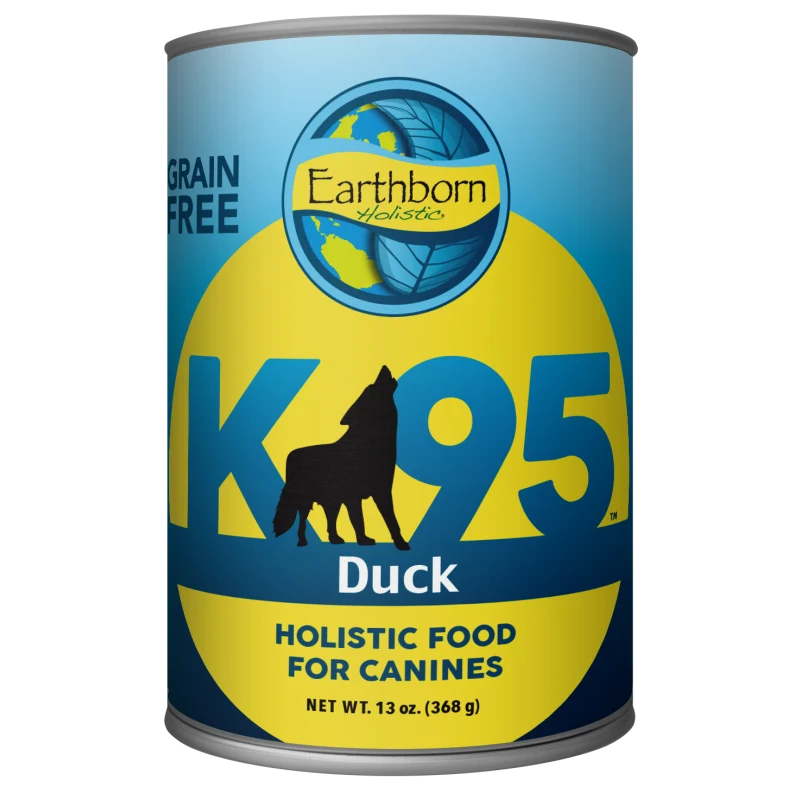
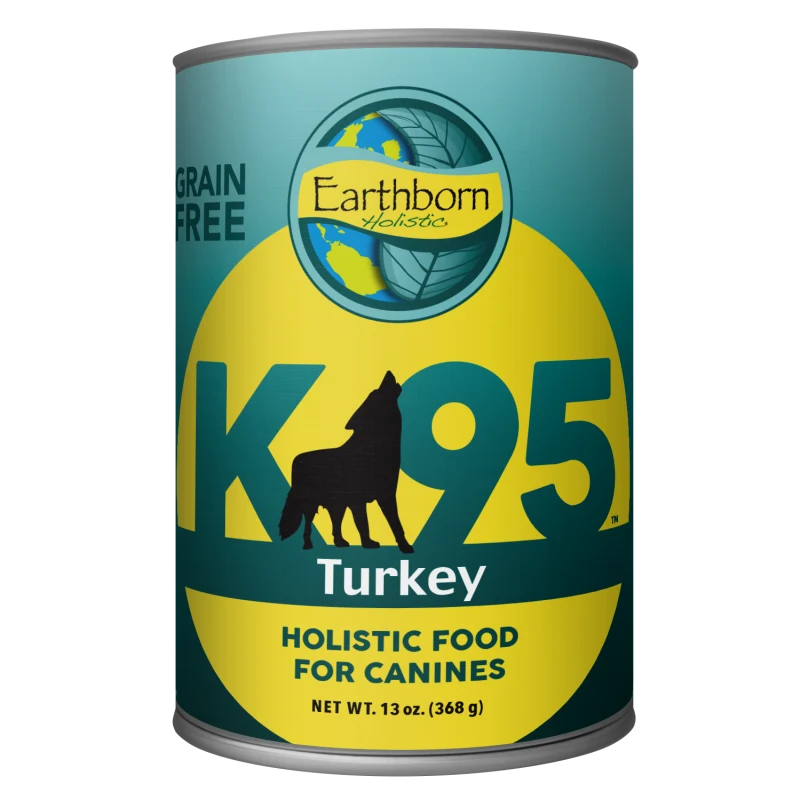
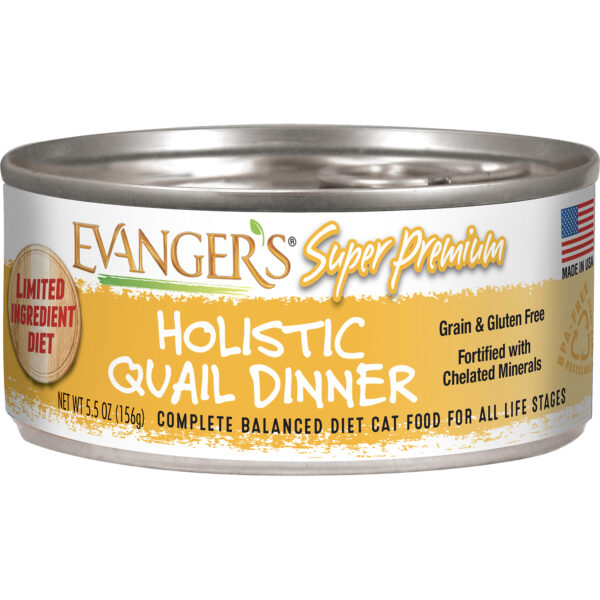
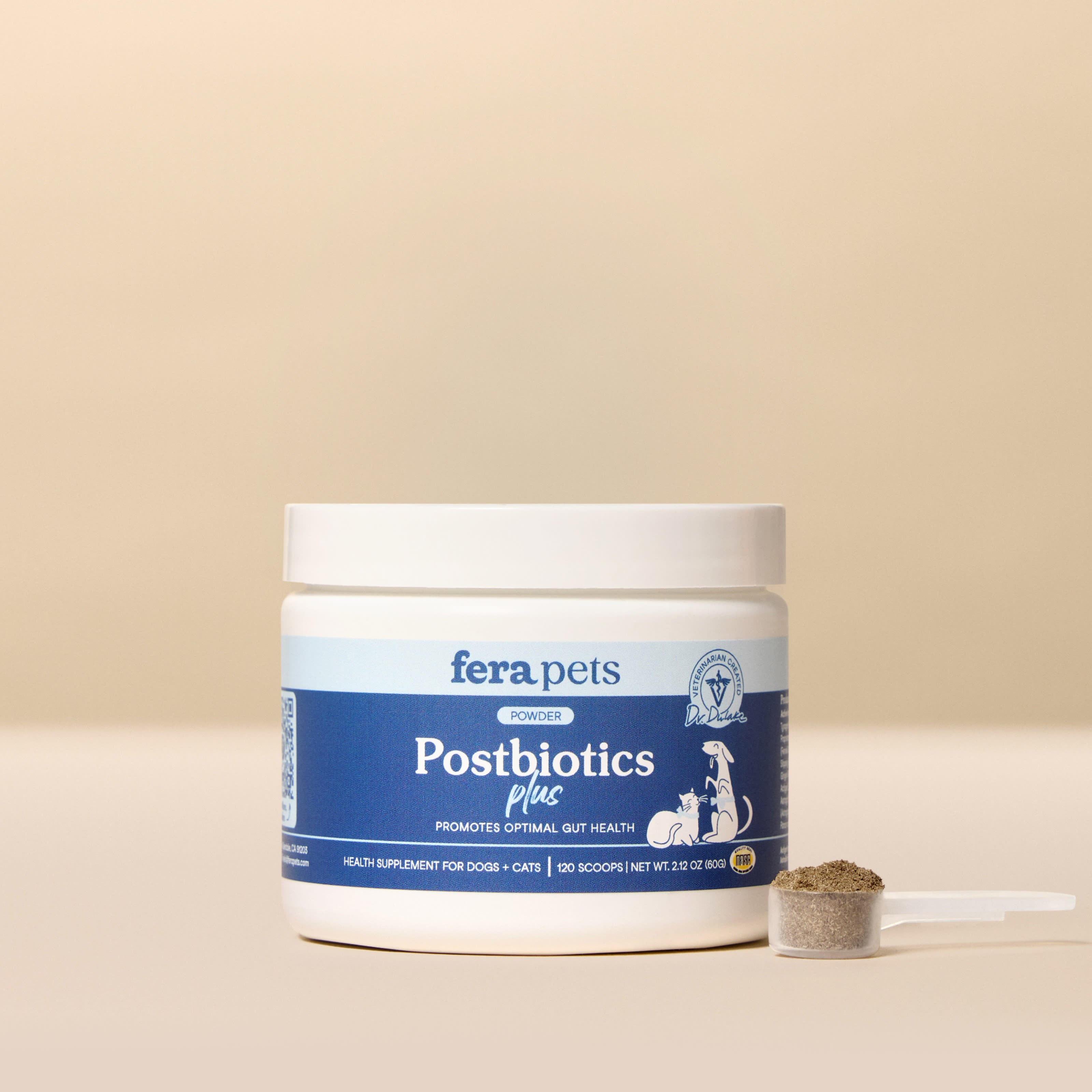
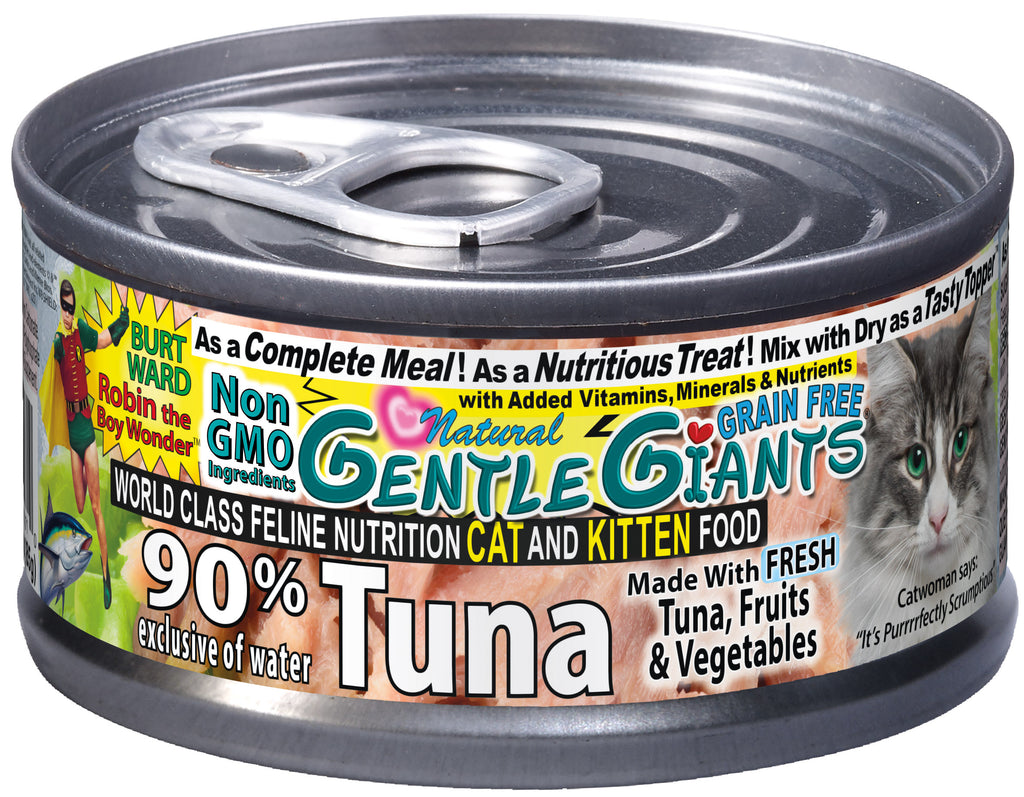
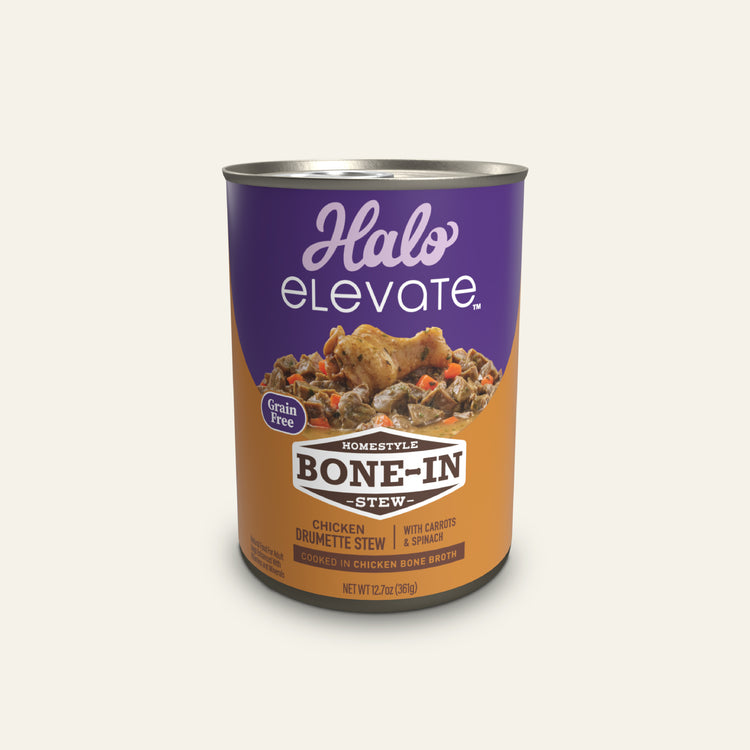
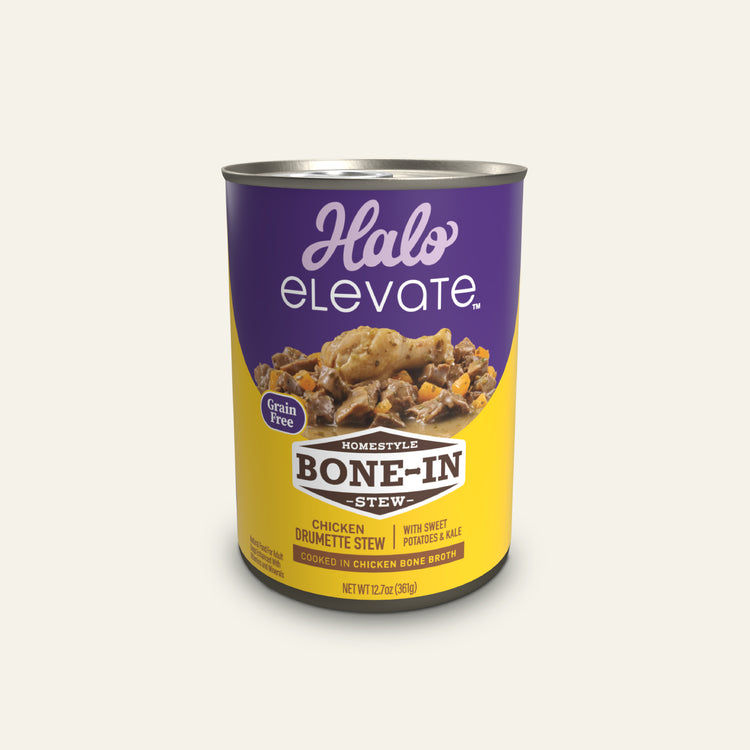
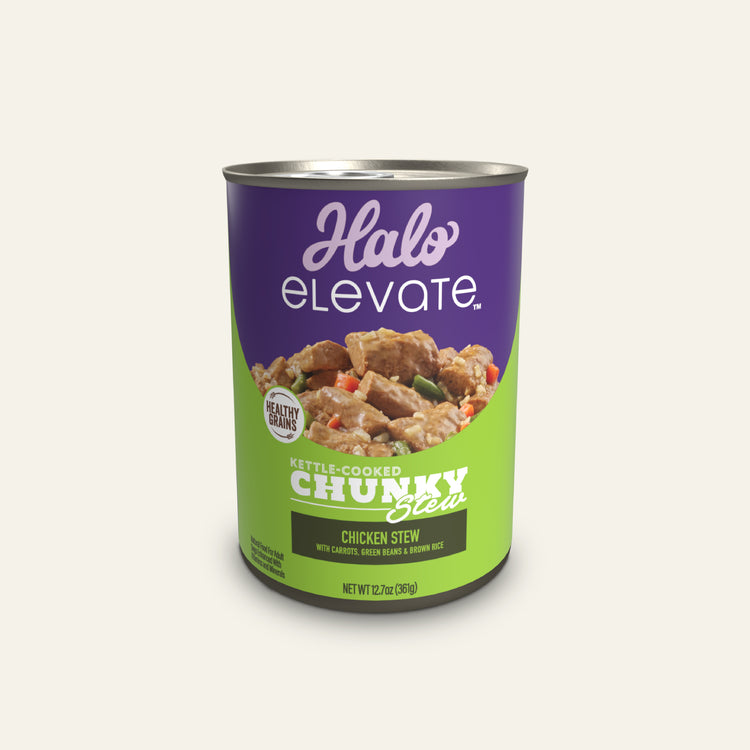
134 foods in the KibbleLab database contain Thyme, including Earthborn Holistic, Evanger's, Fera Pets.
Foods with Thyme
Alphabetical by brand. Scores run 0 to 10, higher is better, on published veterinary science.






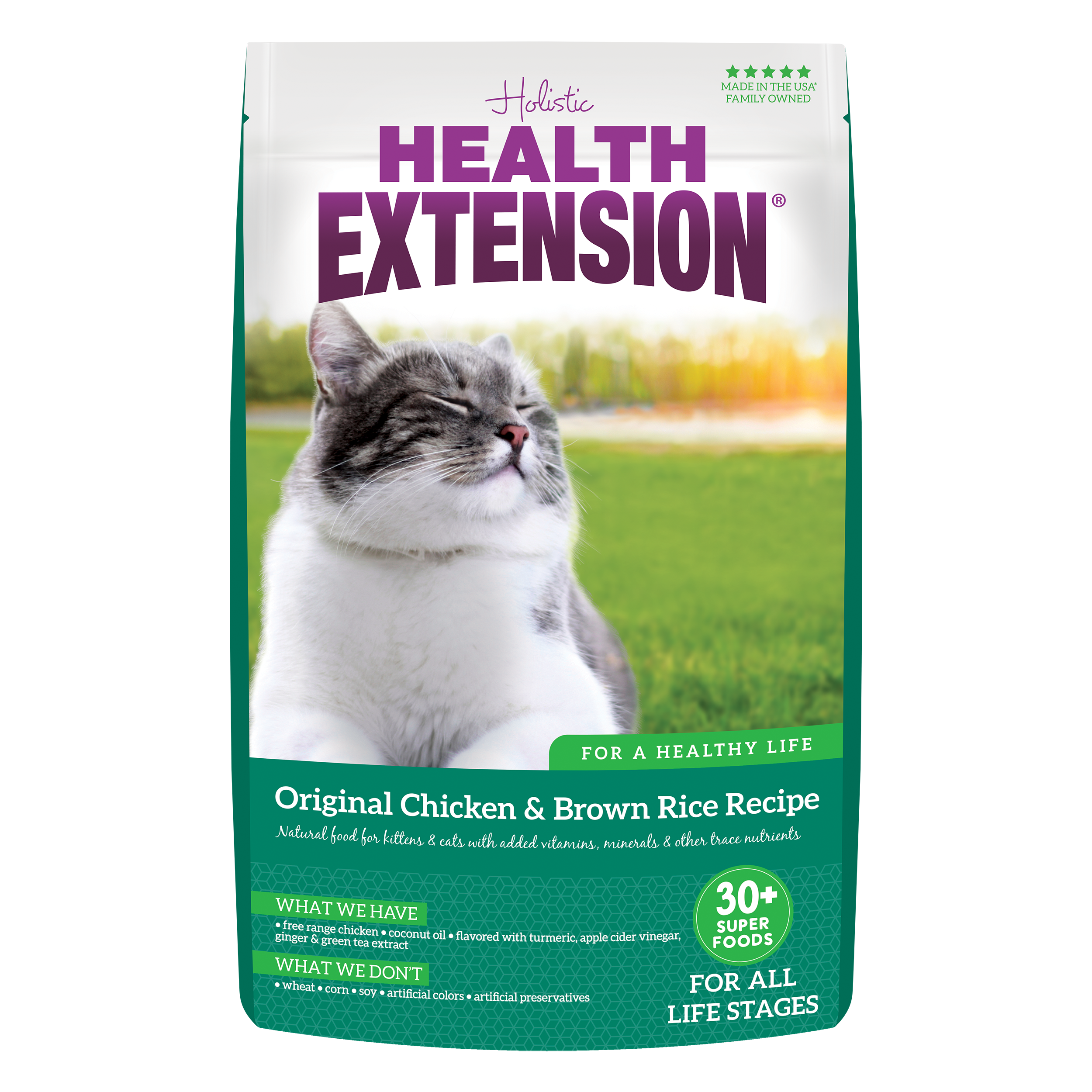



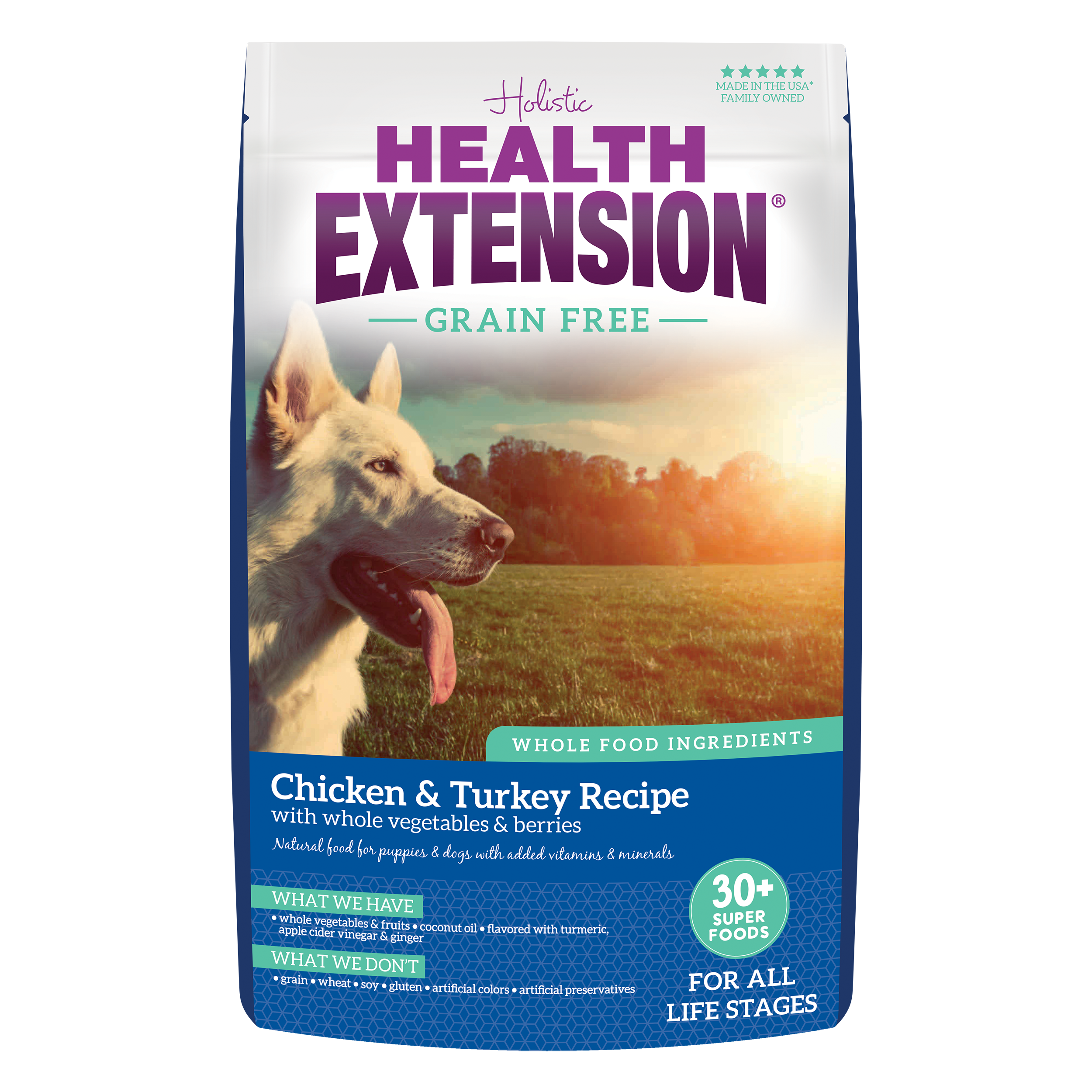
Find the right food for your pet
Sign in free to sort and filter by score, and avoid or require Thyme in the Food Finder. Add KL+ to see these foods ranked for your pet's breed, age, and health focus.

 Continue with Google
 Continue with Facebook