Tuna
867 foods contain this ingredient
This is an alphabetical list, not a ranking. Add KL+ to rank foods for your pet in the Food Finder.
About Tuna
Tuna is an oily saltwater fish added to pet foods and treats mainly for its strong palatability and omega-3 content.
Tuna is commonly used in pet foods as a highly palatable animal protein and flavor enhancer, providing readily digestible protein and omega‑3 fatty acids (EPA/DHA) along with B vitamins for both dogs and cats. While nutritionally beneficial, tuna can be high in mercury or sodium (especially canned), and feeding it exclusively or frequently may cause nutrient imbalances (including risks for thiamine or taurine issues in cats), so it should be offered in moderation as part of a complete, balanced diet.
Related ingredients
- Derived from
- saltwater fish, often canned or meal form
- Primary role
- palatability enhancer and protein source
Why it's used
Cats and dogs are frequently drawn to tuna's strong smell and flavor, which is why it shows up as a topper, flavoring, or primary protein in wet foods and treats even in small quantities. It also contributes readily digestible protein and omega-3 fatty acids.
Common concerns
- Thiamine breakdown from raw fish The Merck Veterinary Manual states that raw fish contain thiaminase, an enzyme that destroys dietary thiamine, and that this is a documented cause of thiamine deficiency in cats causing neurological signs; cooking or canning destroys thiaminase.
- Steatitis (yellow fat disease) A diet heavy in unsaturated fat from fish such as tuna, combined with insufficient vitamin E, has been documented as a cause of steatitis, a painful inflammation of body fat in cats.
- Mercury accumulation Tuna is a larger predatory fish species associated with higher mercury accumulation than smaller fish, which is why veterinary sources generally recommend it not become a frequent or exclusive part of a cat's diet.
- Sodium in canned forms Canned tuna packed in brine or seasoned for human consumption can carry added sodium not present in tuna formulated specifically for pet food.
Also relevant
Commercial cat foods that include tuna are formulated to also supply taurine and vitamin E, nutrients that plain tuna alone does not reliably provide in adequate amounts.
Common Questions
What category is Tuna?
Tuna is categorized as a protein ingredient in the KibbleLab database.
Is Tuna part of an allergen group?
Yes. Tuna is grouped under the Fish allergen group in the KibbleLab database.
Which foods contain Tuna?
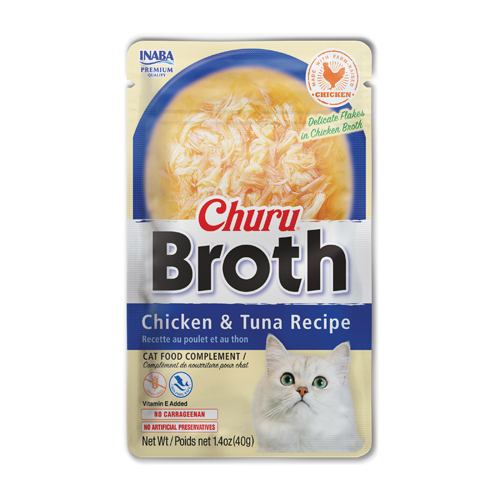
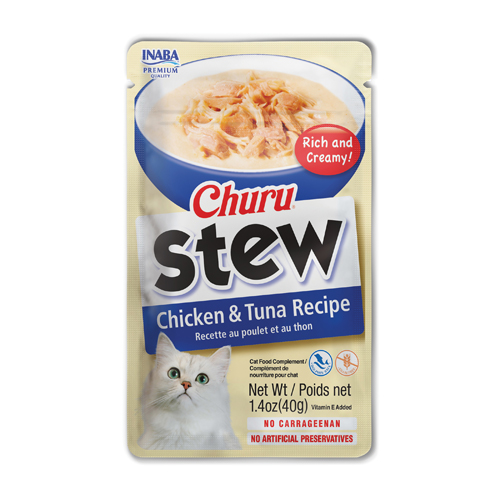
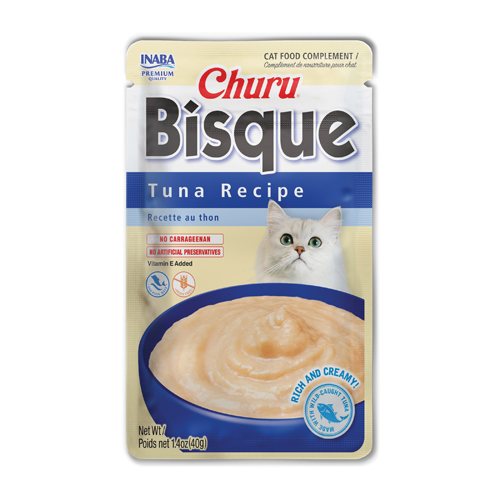
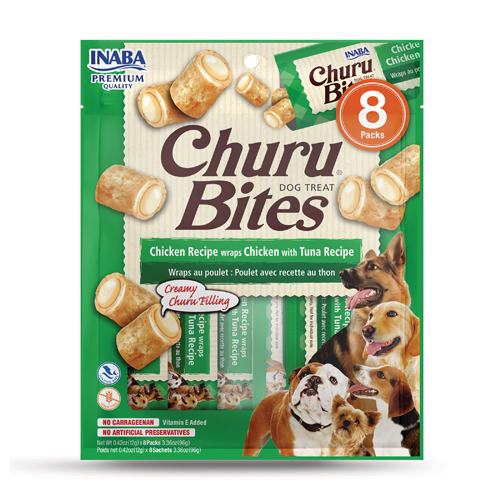
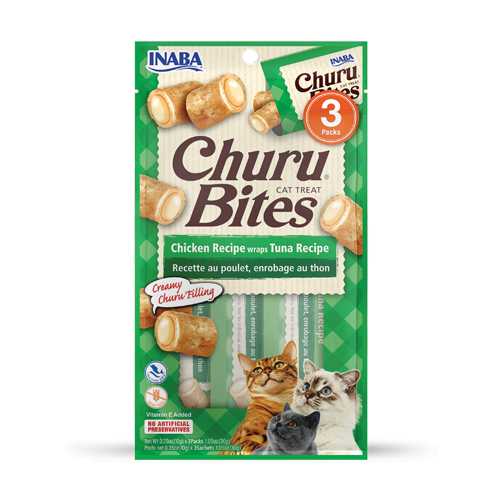
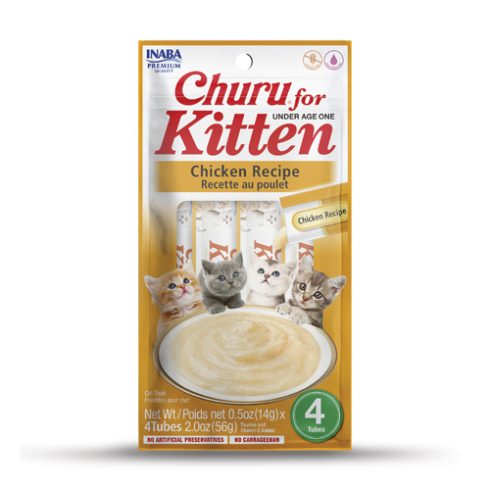
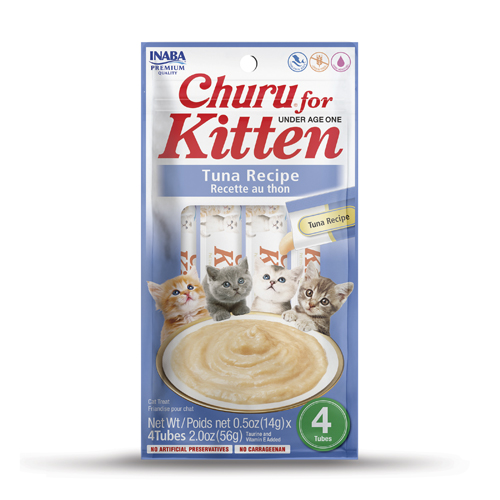
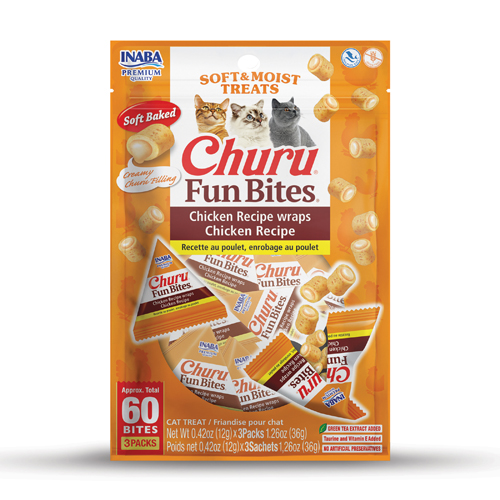
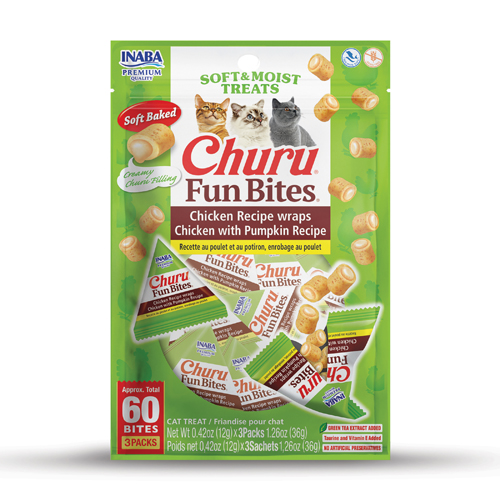
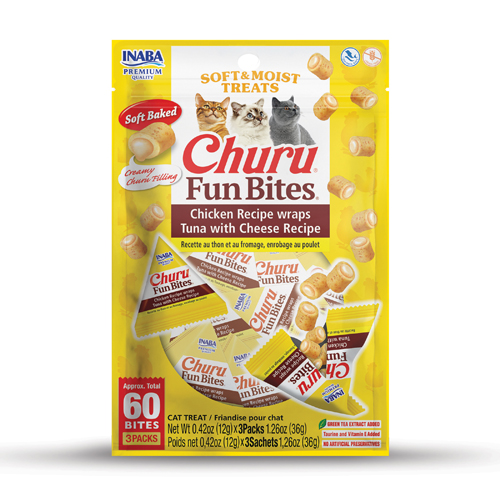
867 foods in the KibbleLab database contain Tuna, including Cats in the Kitchen, Chicken Soup for the Soul Pet Food, Churu.
Foods with Tuna
Alphabetical by brand. Scores run 0 to 10, higher is better, on published veterinary science.







Find the right food for your pet
Sign in free to sort and filter by score, and avoid or require Tuna in the Food Finder. Add KL+ to see these foods ranked for your pet's breed, age, and health focus.

 Continue with Google
 Continue with Facebook