Turkey
1,197 foods contain this ingredient
This is an alphabetical list, not a ranking. Add KL+ to rank foods for your pet in the Food Finder.
About Turkey
Turkey is a lean poultry meat used in dog and cat foods to supply digestible animal protein and essential amino acids.
Turkey is commonly used as a primary animal protein in dog and cat foods, offering highly digestible, high‑quality protein and supplying essential amino acids along with B vitamins, phosphorus and zinc to support muscle maintenance and metabolism. Its fat level varies by cut so products can be lean or richer; some pets may develop allergies to poultry, cooked bones are hazardous, raw meat carries bacterial risk, and owners should rely on balanced commercial formulations (and ensure adequate taurine for cats) if turkey is a main ingredient.
Related ingredients
- Derived from
- Turkey meat, meal, or by-products
- Primary role
- Animal protein source
Why it's used
Turkey is a widely available poultry protein that formulators use to meet AAFCO's essential amino acid minimums for dogs and cats, including lysine, methionine, and tryptophan. It also supplies B vitamins such as B6 and B12, along with zinc and selenium, that support metabolism and immune function.
Common concerns
- Poultry allergy Poultry, including turkey and chicken, is among the protein sources most frequently implicated in cutaneous adverse food reactions in dogs and cats, according to a review in the Journal of the American Veterinary Medical Association.
- Skin and fatty trimmings Veterinary hospital sources note that turkey skin and dark-meat trimmings are high in fat and are commonly discussed as a trigger for pancreatitis flare-ups in dogs when fed in large, unaccustomed amounts.
- Bones Cooked turkey bones can splinter and are commonly cited by veterinary sources as a choking and gastrointestinal perforation hazard, separate from any concerns about the meat itself.
Also relevant
Because AAFCO's nutrient profiles apply to the finished food and not the protein's source or quality, turkey listed as an ingredient does not by itself indicate how much of the food's total protein it contributes.
4 sources cited
- AAFCO nutrient profiles set essential amino acid minimums for dog and cat food and apply to finished nutrient content rather than ingredient source
- Poultry is among the most common food allergens identified in dogs and cats with cutaneous adverse food reactions
- Food allergy overview, elimination diet trials, and hydrolyzed protein diets in dogs and cats
- Turkey skin and fatty trimmings are commonly discussed by veterinary hospitals as a pancreatitis trigger in dogs
Common Questions
What category is Turkey?
Turkey is categorized as a protein ingredient in the KibbleLab database.
Is Turkey part of an allergen group?
Yes. Turkey is grouped under the Poultry allergen group in the KibbleLab database.
Which foods contain Turkey?
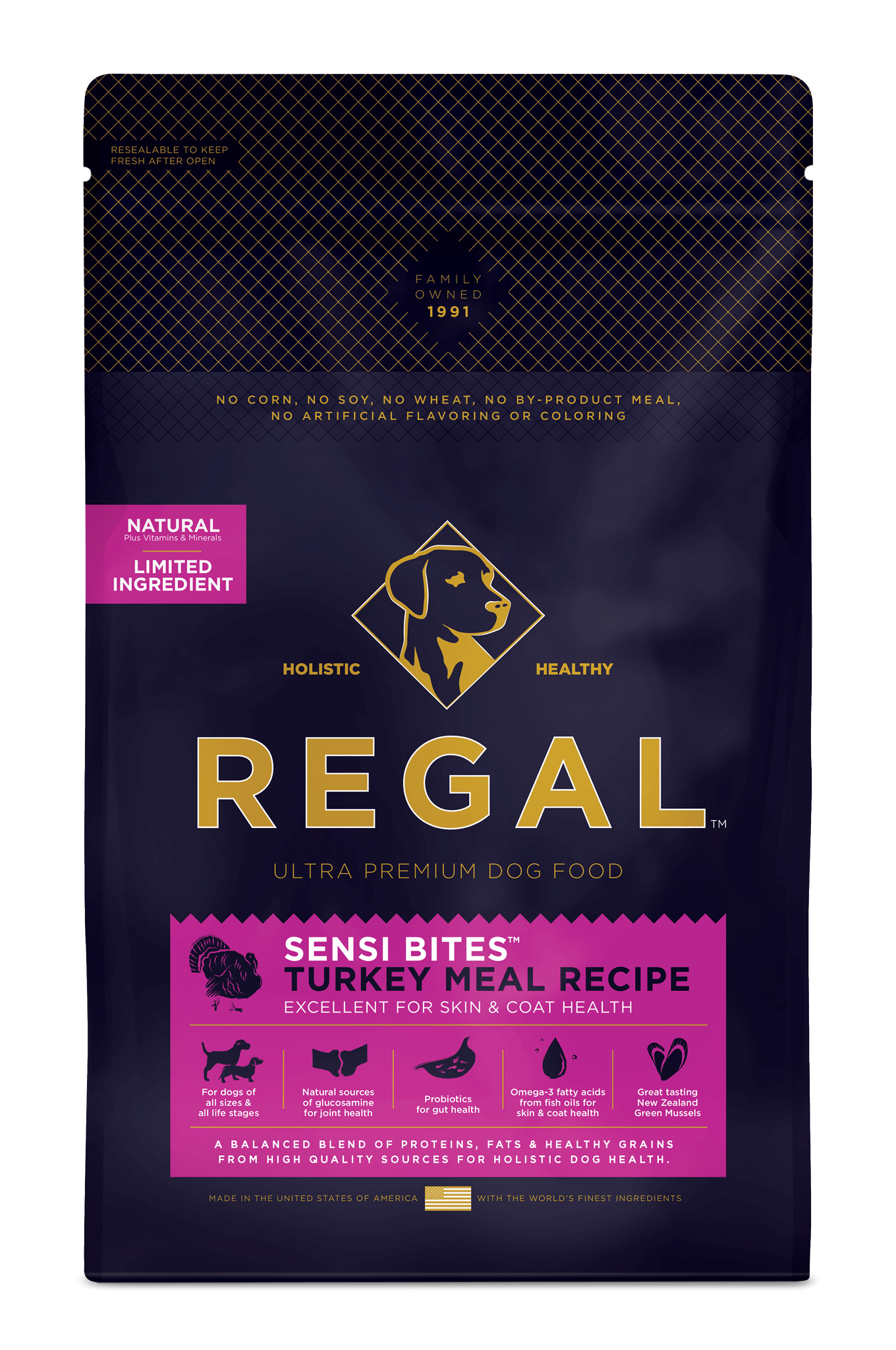
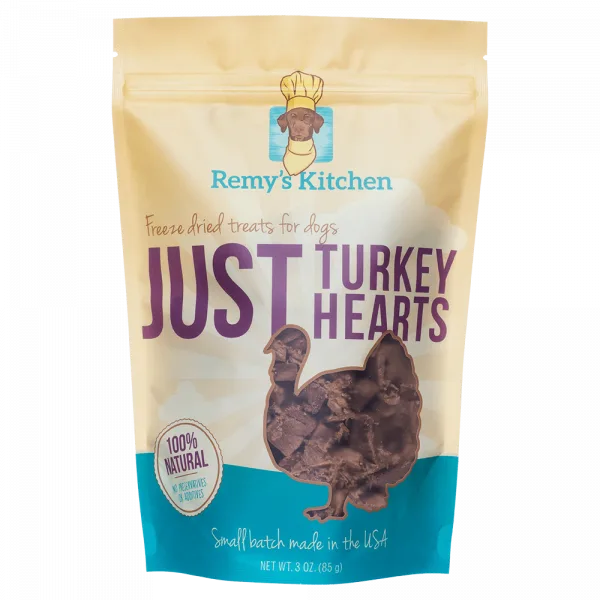
1,197 foods in the KibbleLab database contain Turkey, including Regal, Remy's K9 Kitchen, ROAM Pets.
Foods with Turkey
Alphabetical by brand. Scores run 0 to 10, higher is better, on published veterinary science.









Find the right food for your pet
Sign in free to sort and filter by score, and avoid or require Turkey in the Food Finder. Add KL+ to see these foods ranked for your pet's breed, age, and health focus.

 Continue with Google
 Continue with Facebook