Yam
47 foods contain this ingredient
This is an alphabetical list, not a ranking. Add KL+ to rank foods for your pet in the Food Finder.
About Yam
Yam is a starchy tuber used in some pet foods as a grain-alternative carbohydrate that also supplies fiber and potassium.
Yam is used in pet foods primarily as a digestible carbohydrate and source of fiber, vitamins (notably vitamin C and B6), potassium and antioxidants such as beta‑carotene, contributing texture, energy and digestive support for dogs and, to a lesser extent, cats. While beneficial for moisture, fiber and phytonutrients, yams must be cooked (raw varieties can contain irritants), are not a primary protein source for obligate carnivores like cats, can increase carbohydrate load so should be limited in diabetic pets, and should be introduced gradually to avoid gastrointestinal upset.
- Derived from
- cooked tuber of Dioscorea species, a genus botanically distinct from sweet potato
- Primary role
- carbohydrate and fiber source, often a grain substitute
Why it's used
Yam contributes digestible energy, dietary fiber, and potassium, and formulators lean on it in grain-free recipes to bind kibble and add texture in place of cereal grains. True yam (genus Dioscorea) is a different plant from sweet potato (genus Ipomoea) even though the names are used loosely, and it is typically white or purple fleshed rather than orange, so it is not the same beta-carotene source that sweet potato is.
Common concerns
- Must be cooked Raw yam tubers contain naturally occurring compounds such as dioscorine that are reduced by peeling and cooking, so raw yam is generally avoided in animal feeding.
- Diet-associated DCM investigation The FDA's ongoing inquiry into diet-associated dilated cardiomyopathy in dogs found potatoes or sweet potatoes among the ingredients in a substantial share of reported case foods, most of which were grain-free and pea/lentil-heavy, though the agency describes the link as unresolved and multifactorial.
- Carbohydrate load in diabetic or overweight pets Because yam is starch-dense, veterinary nutrition sources generally recommend moderating or vet-approving starchy tubers for diabetic or weight-managed dogs rather than feeding them freely.
- Not a protein source for cats As a carbohydrate tuber, yam does not supply the animal-based protein and amino acids that cats require as obligate carnivores, so its role in feline diets is limited to a minor textural or fiber ingredient.
Also relevant
Introducing any new starchy ingredient gradually is a common recommendation to avoid transient gastrointestinal upset in pets unaccustomed to it.
4 sources cited
- Raw yam contains compounds like dioscorine that are reduced through cooking
- FDA DCM investigation found potatoes/sweet potatoes and peas/lentils common in reported case foods, with the diet link described as unresolved and multifactorial
- True yam (Dioscorea) is botanically distinct from sweet potato (Ipomoea) and differs in flesh color and family
- Sweet potato/starchy tuber content and general vitamin/fiber/potassium contribution in dog diets, with vet consultation recommended for diabetic dogs
Common Questions
What category is Yam?
Yam is categorized as a vegetable ingredient in the KibbleLab database.
Is Yam part of an allergen group?
No allergen group is linked to Yam in the KibbleLab database.
Which foods contain Yam?
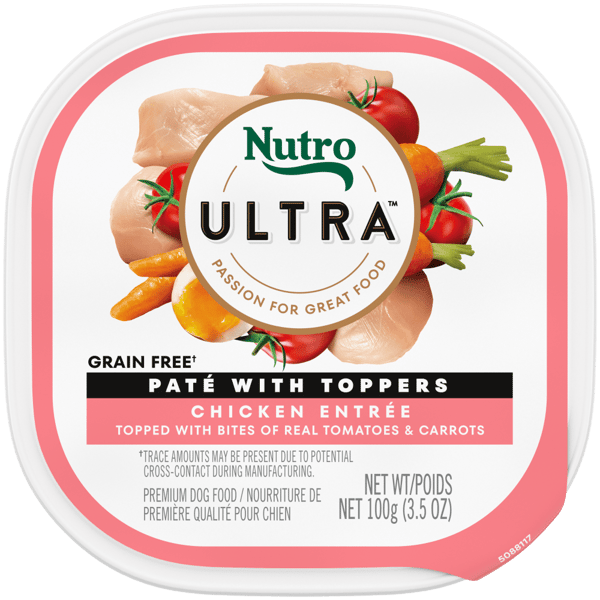
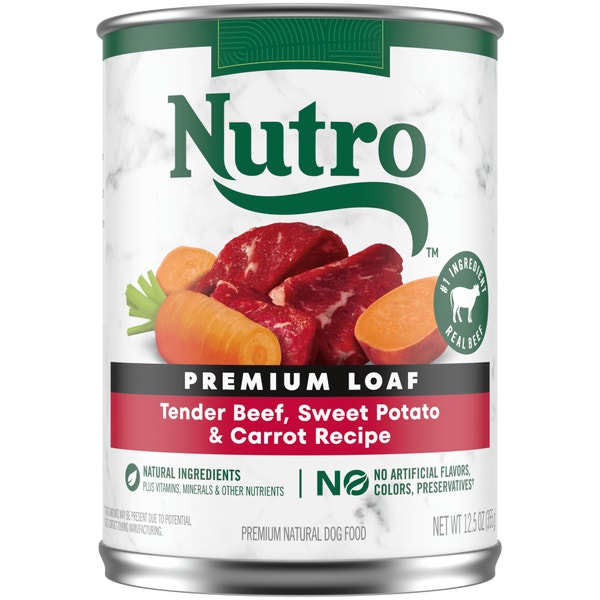
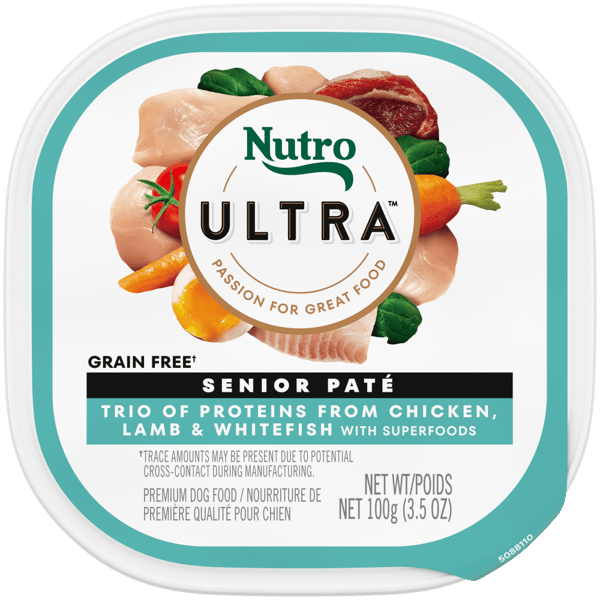
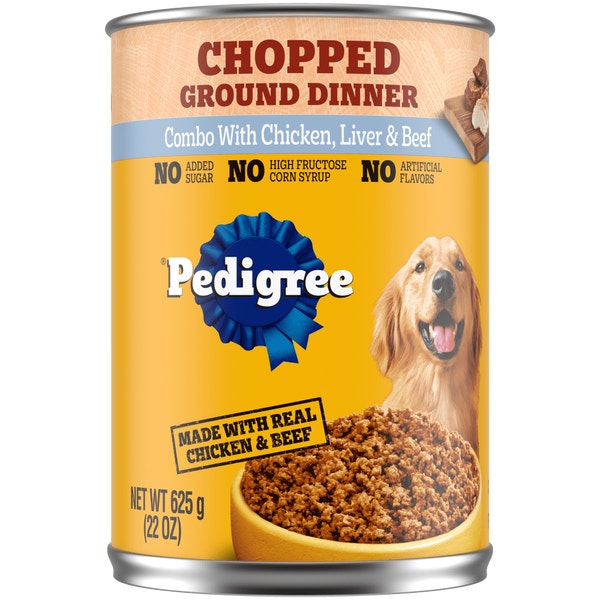
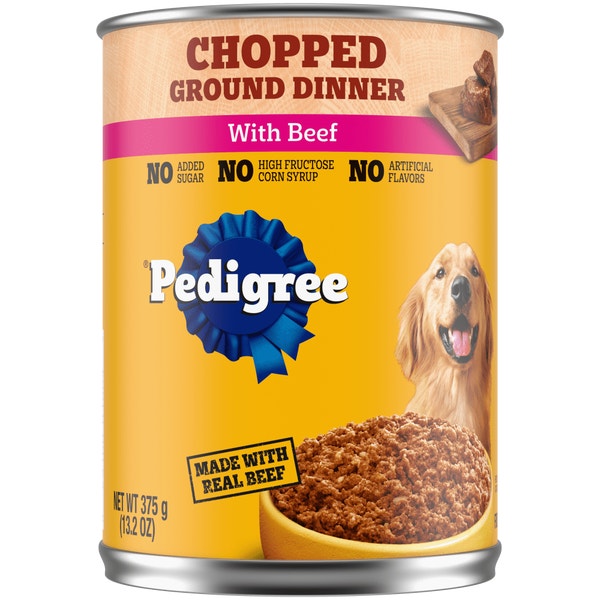
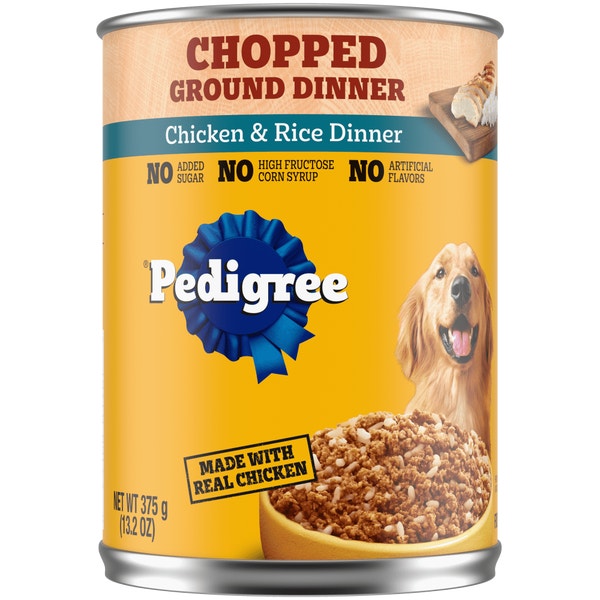
47 foods in the KibbleLab database contain Yam, including Iams, Nutro, Pedigree.
Foods with Yam
Alphabetical by brand. Scores run 0 to 10, higher is better, on published veterinary science.





Find the right food for your pet
Sign in free to sort and filter by score, and avoid or require Yam in the Food Finder. Add KL+ to see these foods ranked for your pet's breed, age, and health focus.

 Continue with Google
 Continue with Facebook