
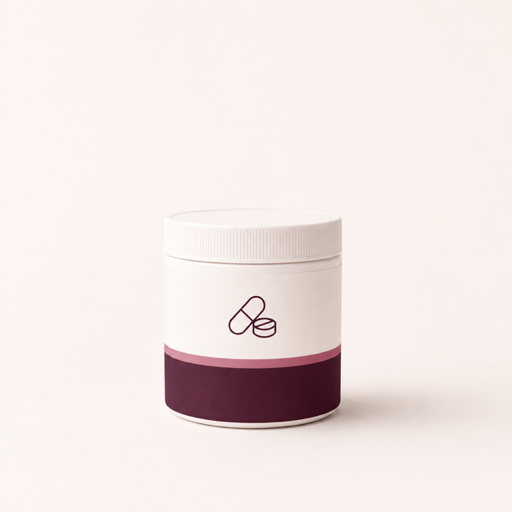
Probiotics For Cats Digestive And Immune Health Powder Supplement
Verified Sep 15, 2026
This is a probiotic powder supplement for cats of any age, providing a specific live yeast strain (Saccharomyces boulardii CNCM I-1079) along with vitamin B12. It’s designed to be sprinkled over your cat’s regular food to help support a healthy gut microbiome and normal digestion. The simple formula uses maltodextrin as a carrier with natural flavors and common natural preservatives.
Jump to ingredientsAffiliate link · may earn a commission at no extra cost to you
Top Pick
This is a well-formulated, targeted probiotic supplement for cats that uses a well-known Saccharomyces boulardii strain at a meaningful colony count per packet, plus added vitamin B12. The ingredient list is short and straightforward, which is helpful for most cats, including those on therapeutic diets, as it’s unlikely to interfere with the main food’s nutrition. It’s best suited for cats who need extra digestive support under the guidance of a veterinarian, rather than as a substitute for a complete and balanced diet.
Computed from 3 of 3 applicable checks. Missing data is skipped, never counted against a food.
The KibbleLab Score (1–10) is assessed from publicly available product data. Our evaluation is science-based, not marketing-based.
KibbleLab may earn an affiliate commission when you buy through a link. No one can pay for a higher score, or to change what we recommend for your pet.
At a Glance
Where these benefits come from
Benefits the manufacturer highlights in its own product marketing. KibbleLab lists them for reference and does not verify these claims.KibbleLab Review
Strengths
- Contains a specific, named Saccharomyces boulardii CNCM I-1079 strain at 250 million CFU per packet, a probiotic yeast commonly used for digestive support.
- Very simple ingredient list with minimal extras, which reduces the chance of unwanted additives or conflicts with a veterinary diet.
- Includes vitamin B12, which can be helpful support in some cats with chronic gastrointestinal issues when used alongside veterinary care.
- Powder format that can be sprinkled onto either wet or dry food, making daily administration easy for most cats.
Considerations
- This is a supplement only and does not provide complete and balanced nutrition, so it must be used alongside a suitable cat food.
- Contains maltodextrins and natural flavors, which are generally well tolerated but may not be ideal for extremely sensitive cats or those with strict ingredient restrictions.
- Although probiotics can be very helpful, individual cats respond differently, so benefits may vary and it’s wise to use under veterinary guidance, especially for cats with underlying disease.
Full Ingredient List
Ingredients and analysis reflect manufacturer data at the time of our last update and can change without notice. Always check the actual product packaging before feeding.
Ingredient filtering helps identify compatible options but is not a substitute for a veterinary elimination diet.
Top 5 Ingredients Explained
01
Saccharomyces Boulardii
Saccharomyces boulardii is a probiotic yeast commonly included in pet supplements or therapeutic diets to support gastrointestinal health, help restore a healthy gut microbiome, and reduce incidences of acute or antibiotic‑associated diarrhea in dogs and cats. It is generally safe and acts as a transient, non‑colonizing microbe with strain‑ and dose‑dependent benefits, but precautions include avoiding use in severely immunocompromised animals or those on systemic antifungals and checking product CFU, strain identity, and storage conditions for effectiveness.
02
Vitamin B12
Vitamin B12 (cobalamin) is an essential water‑soluble vitamin commonly added to pet foods and supplements to support red blood cell production, neurological function, DNA synthesis, and normal energy metabolism in dogs and cats. It helps prevent deficiency signs such as anemia, poor appetite, weight loss and neurologic abnormalities, and is particularly important in diets low in animal ingredients or in pets with gastrointestinal malabsorption—generally safe because excess is excreted, though animals with GI disease may need higher or parenteral dosing under veterinary guidance.
03
Maltodextrin
Maltodextrin is a processed, rapidly digestible carbohydrate commonly used in pet foods and treats as a binder, bulking agent, texture improver and flavor carrier. It supplies easily metabolized calories but offers little in the way of vitamins, minerals or fiber, so excessive inclusion can contribute to weight gain or blood sugar spikes in obese or diabetic dogs and cats, and it may cause digestive upset in sensitive pets; sources can include corn, wheat, potato or rice, so check for potential allergen concerns.
04
Natural Flavor
Natural flavor is used primarily as a palatability enhancer in pet foods to improve taste and aroma and is not intended to provide significant nutrients, typically coming from concentrated extracts of meat, poultry, plant, or fermentation sources. While it can increase acceptance in picky dogs and cats, manufacturers are not required to disclose specific sources so pets with known sensitivities or allergies may react, and presence of natural flavor should not be taken as a guarantee of overall product quality.
05
Citric Acid
Citric acid is commonly used in pet foods as a preservative, pH adjuster and mild flavoring agent that helps inhibit microbial growth and chelate metals to slow fat oxidation and preserve color and freshness. It provides no nutritional value for dogs or cats and is generally safe at the low levels used in commercial diets, though concentrated forms or excessive intake can cause gastrointestinal upset or decreased palatability in sensitive animals.
Product Details & Brand
Product Specs
Brand
Royal Canin is a premium pet food brand offering highly specific diets tailored to different breeds, life stages, sizes, and health conditions of dogs and cats. The brand is known for its science-driven approach and collaboration with veterinarians and pet professionals.
WSAVA publishes criteria for evaluating a manufacturer (qualified nutritionists, feeding trials, published research); it does not certify or endorse brands.
Manufacturer
Royal Canin operates manufacturing facilities globally with strict quality control processes and adheres to ISO certification standards. The company maintains full traceability of ingredients, follows HACCP principles, and complies with local and international pet food safety regulations including EU and FDA requirements.
Manufacturing details are compiled from public sources and not independently verified; they may not reflect contract manufacturing or co-packing.
Recall History
No recall is listed for Royal Canin Probiotics For Cats Digestive And Immune Health Powder Supplement.
Source: FDA animal food recall listings back to January 2019 · Checked daily, last on Oct 16, 2026
Sign up for the full picture
Ingredient Check
We'll check every ingredient against your pet's profile.
Feeding Calculator
Personalized portion sizes based on your pet's weight, age, and activity level.
Side-by-Side Comparison
Compare this food with alternatives to find the best fit.
Similar Foods


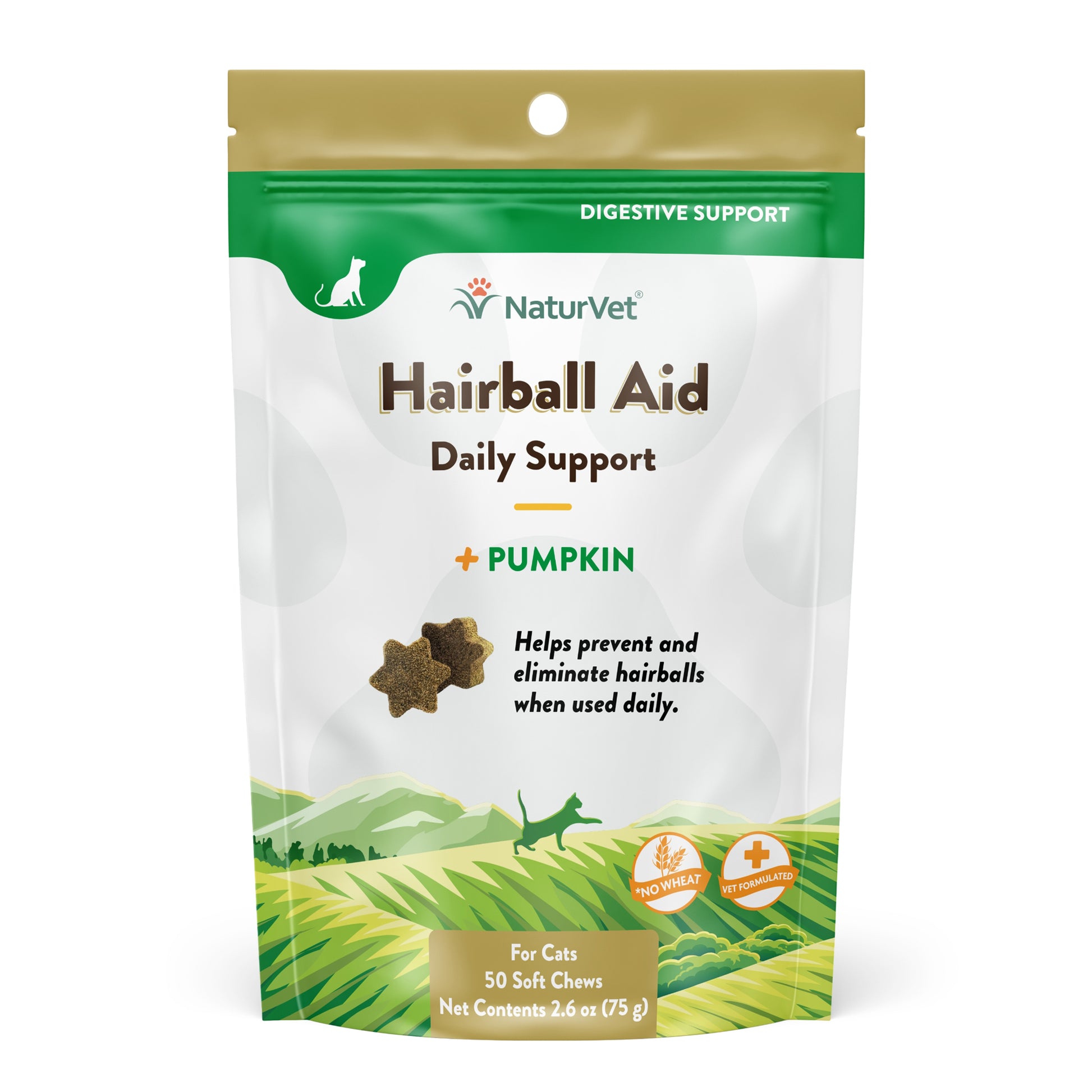
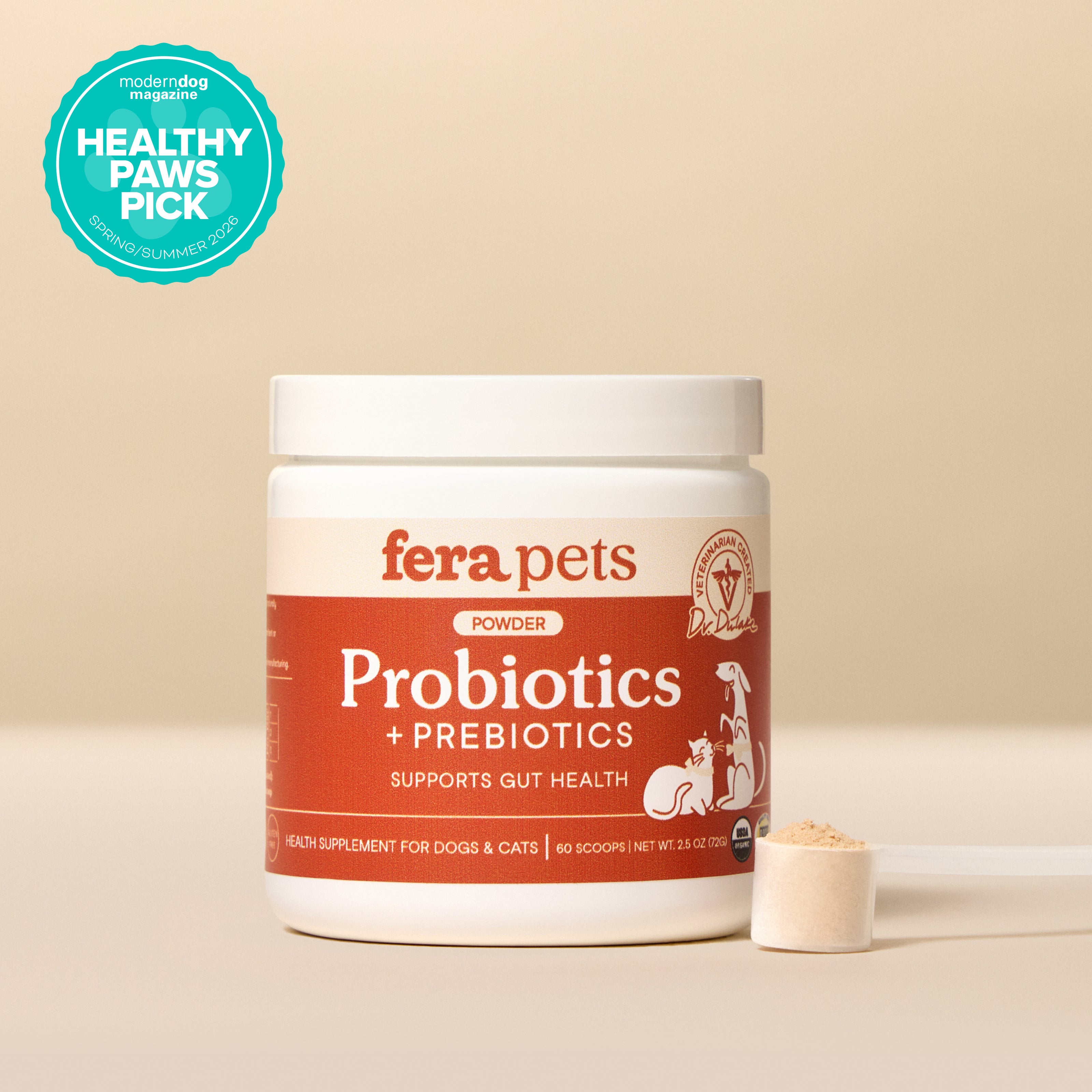

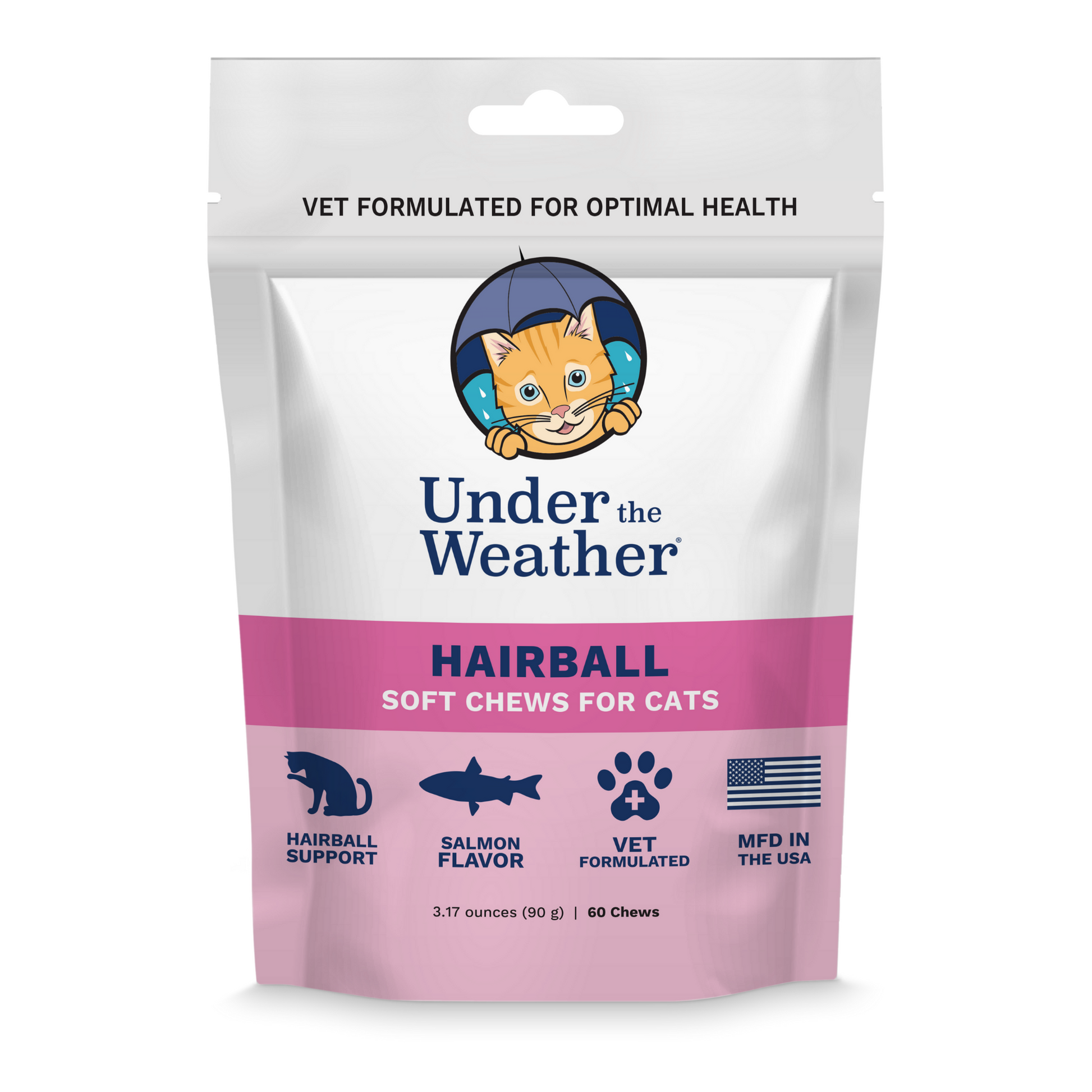

Post your cat's report card and challenge friends to check their food.
Frequently Asked Questions
Has Royal Canin ever been recalled?
We have no recalls on record for Royal Canin. We track the FDA's animal food recall listings back to January 2019 and publish every pet food recall automatically. A filing that isn't pet food may not appear here.
How does KibbleLab rate foods?
Our scores are based on ingredient composition, nutritional profile, AAFCO compliance, and health considerations. We don't penalize by-products, grains, or synthetic preservatives. Brands cannot pay for higher scores.
Is KibbleLab a substitute for veterinary advice?
No. KibbleLab provides data-driven food analysis, not medical advice. Always consult your veterinarian before making dietary changes, especially for pets with health conditions.
KibbleLab provides informational content only. This is not veterinary advice. Always consult a qualified veterinarian before changing your pet's diet.
KibbleLab may earn affiliate commissions through product links. No one can pay for a higher score, or to change what we recommend for your pet.
Product data sourced from manufacturer websites, AAFCO statements, and FDA recall listings. Last verified dates reflect our most recent data check. We track the FDA's animal food recall listings back to January 2019 and publish every pet food recall automatically. A filing that isn't pet food may not appear here.

 Continue with Google
 Continue with Facebook