
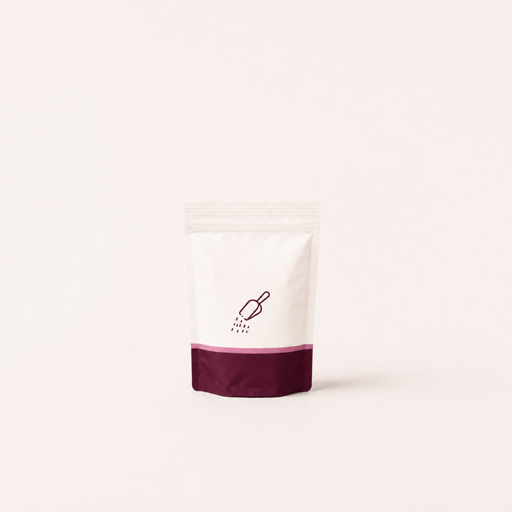
Bone Broth Beef Recipe Topper
Verified Nov 6, 2026
This is a frozen beef bone broth topper for dogs and cats, designed to be poured over their regular food. It’s mostly moisture with a small amount of protein, collagen, and glucosamine from grass-fed beef bones, plus vegetables and herbs like carrots, kale, ginger, and turmeric. It’s meant to complement a complete diet, not replace it, and can add extra hydration and flavor to meals.
Jump to ingredientsAffiliate link · may earn a commission at no extra cost to you
Strong Choice
This beef bone broth is a light, low-calorie topper that can be a nice way to add moisture and flavor to your dog’s or cat’s regular food. The protein level is very low, so it functions more as a hydration and palatability boost rather than a significant nutrient source. It’s suitable for most healthy pets as an add-on to a complete and balanced diet.
Computed from 3 of 3 applicable checks. Missing data is skipped, never counted against a food.
The KibbleLab Score (1–10) is assessed from publicly available product data. Our evaluation is science-based, not marketing-based.
KibbleLab may earn an affiliate commission when you buy through a link. No one can pay for a higher score, or to change what we recommend for your pet.
At a Glance
Where these benefits come from
Benefits the manufacturer highlights in its own product marketing. KibbleLab lists them for reference and does not verify these claims.KibbleLab Review
Strengths
- Very low in calories, so it adds flavor and moisture without significantly affecting daily calorie intake.
- Contains collagen and glucosamine, which are building blocks that can help support joint and connective tissue health.
- Low sodium level is gentle for most pets that need to avoid extra salt in their diet.
- Made with beef bone broth and organic vegetables and herbs, which provide some natural antioxidants and phytonutrients.
Considerations
- This is not a complete and balanced diet and should only be used as a topper alongside a full, nutritionally complete pet food.
- Beef is included, so it is not suitable for pets with known beef allergies or sensitivities.
- The protein content is quite low, so it should not be relied on to meet a pet’s daily protein needs.
Full Ingredient List
Ingredients and analysis reflect manufacturer data at the time of our last update and can change without notice. Always check the actual product packaging before feeding.
Ingredient filtering helps identify compatible options but is not a substitute for a veterinary elimination diet.
Top 5 Ingredients Explained
01
Beef Bone Broth
Beef bone broth is used in pet foods and as a topper to add moisture, savory flavor and small amounts of soluble collagen, gelatin, minerals and amino acids, making it a palatability and hydration enhancer for dogs and cats. It may support hydration and gut or joint comfort through gelatinous proteins, but it should not replace a balanced diet and caregivers should choose low‑sodium, additive‑free pet-safe broths and avoid products with seasonings or bone fragments, especially for pets with beef allergies.
02
Carrot
Carrot is used in pet foods as a vegetable ingredient providing fiber, moisture, texture and antioxidant nutrients such as beta‑carotene (a provitamin A), vitamin K, vitamin C and potassium, contributing to palatability and digestive bulk. Cooked carrots are more digestible and release more beta‑carotene, but cats cannot efficiently convert beta‑carotene to active vitamin A so carrots are more nutritionally useful for dogs than as a primary vitamin A source for cats; they should be fed in moderation due to natural sugars and should be offered in appropriately sized pieces to avoid choking.
View ingredient
03
Butternut Squash
Butternut squash is a cooked vegetable ingredient used in pet foods as a source of soluble and insoluble fiber, complex carbohydrates, and antioxidants (notably beta‑carotene/vitamin A), often included to aid digestion, add moisture, and support healthy weight management. It can benefit dogs and, to a lesser extent, cats by supplying fiber, vitamins A and C, and potassium, but should be cooked and seedless for digestibility, used sparingly in diabetic animals due to carbohydrate content, and treated as a complement to—not a replacement for—animal-based protein.
View ingredient
04
Apple Cider Vinegar
Apple cider vinegar is typically used in pet foods or supplements as a flavoring, acidity regulator and mild preservative rather than a significant source of nutrients, and it is sometimes added in small amounts to treats or diet toppers for palatability or anecdotal digestive support for dogs and cats. Raw, unfiltered varieties contain the “mother” which some claim has beneficial microbes, but evidence is limited, and concentrated vinegar can irritate the mouth, throat or stomach and may be contraindicated for animals with GI, kidney, or metabolic conditions—consult your veterinarian before use.
05
Celery
Celery is typically included as a low-calorie vegetable or crunchy flavor component in pet foods and treats, supplying water, fiber and small amounts of vitamins (A, C, K) and potassium. It can be a hydrating, low-calorie snack for dogs and an occasional garnish for cats, but offers limited nutritional value for obligate carnivores, so it should be fed in moderation, chopped to avoid choking, and thoroughly washed to remove pesticides or contaminants.
View ingredient
Nutritional Breakdown
How to read As Fed versus Dry Matter
As fed shows the numbers straight off the label, water included. Dry matter removes the water so you can compare a wet food and a dry food fairly.What is calorie density
How many calories the food packs per unit. Denser foods mean smaller portions for the same calories.Not sure how much of this to feed?
The right daily portion depends on your dog's weight, age, and activity level. Create a free account, add your dog, and get their daily calories and portion sizes.
Product Details & Brand
Product Specs
Brand
One of the earliest and best-known raw pet food brands, offering frozen raw recipes, freeze-dried raw nuggets and Pronto, Kibble in the Raw, toppers, hydrators (goat milk, bone broth) and treats for dogs and cats. Positioned as super-premium, minimally processed, species-appropriate nutrition with no synthetic vitamins or minerals, responsibly raised proteins and certified organic produce.
Manufacturer
Manufactures in-house at company-owned plants — the SQF-certified Abilene, TX flagship facility and a Montrose, CO raw-bones facility — using high-pressure processing and test-and-hold protocols, plus peer-reviewed digestibility research with the University of Illinois. An FDA warning letter (Feb 2023) cited deficiencies at the since-closed Fairfield, CA plant.
PSC is a nonprofit that Accredits pet companies on their environmental and social impact, through third-party verification. Primal Pet Foods, Inc. is a PSC Accredited business. View profile
Manufacturing details are compiled from public sources and not independently verified; they may not reflect contract manufacturing or co-packing.
Recall History
No recall is listed for Primal Bone Broth Beef Recipe Topper.
Source: FDA animal food recall listings back to January 2019 · Checked daily, last on Nov 22, 2026
Sign up for the full picture
Ingredient Check
We'll check every ingredient against your pet's profile.
Feeding Calculator
Personalized portion sizes based on your pet's weight, age, and activity level.
Side-by-Side Comparison
Compare this food with alternatives to find the best fit.
Similar Foods




Post your dog's report card and challenge friends to check their food.
Frequently Asked Questions
Has Primal ever been recalled?
We have no recalls on record for Primal. We track the FDA's animal food recall listings back to January 2019 and publish every pet food recall automatically. A filing that isn't pet food may not appear here.
How does KibbleLab rate foods?
Our scores are based on ingredient composition, nutritional profile, AAFCO compliance, and health considerations. We don't penalize by-products, grains, or synthetic preservatives. Brands cannot pay for higher scores.
Is KibbleLab a substitute for veterinary advice?
No. KibbleLab provides data-driven food analysis, not medical advice. Always consult your veterinarian before making dietary changes, especially for pets with health conditions.
KibbleLab provides informational content only. This is not veterinary advice. Always consult a qualified veterinarian before changing your pet's diet.
KibbleLab may earn affiliate commissions through product links. No one can pay for a higher score, or to change what we recommend for your pet.
Product data sourced from manufacturer websites, AAFCO statements, and FDA recall listings. Last verified dates reflect our most recent data check. We track the FDA's animal food recall listings back to January 2019 and publish every pet food recall automatically. A filing that isn't pet food may not appear here.

 Continue with Google
 Continue with Facebook