
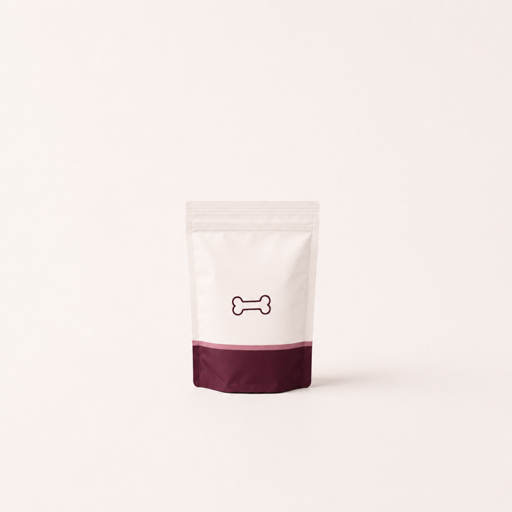
Gimme S'mores Buddy Budder Dog Peanut Butter Treat
Verified Sep 16, 2026
This is a high-fat, peanut-based paste treat for dogs, flavored with carob, honey, and marshmallow root. It’s designed to be used in small amounts for enrichment activities, pill giving, or as a special topper. The simple ingredient list makes it a straightforward option for dogs who tolerate peanuts well.
Jump to ingredientsAffiliate link · may earn a commission at no extra cost to you
Strong Choice
This product is best viewed as a rich, calorie-dense treat rather than a regular food. It offers a short, simple ingredient list centered around unsalted peanuts, which many dogs find very palatable. It can work well for stuffing toys, using on lick mats, or hiding medications when used sparingly.
Computed from 2 of 3 applicable checks. Missing data is skipped, never counted against a food.
The KibbleLab Score (1–10) is assessed from publicly available product data. Our evaluation is science-based, not marketing-based.
KibbleLab may earn an affiliate commission when you buy through a link. No one can pay for a higher score, or to change what we recommend for your pet.
At a Glance
KibbleLab Review
Strengths
- The ingredient list is very simple, with unsalted peanuts as the main component and only three other added ingredients.
- The high fat and protein content can make this helpful for dogs who need extra calories in very small volumes.
- The paste texture makes it practical for use in puzzle toys, lick mats, or as a pill-hiding aid.
- There are no artificial sweeteners like xylitol, which is important for safety in peanut-butter-type dog treats.
Considerations
- This is a very high-fat, calorie-dense treat, so portions need to be kept small, especially for dogs prone to weight gain.
- Peanuts are legumes, so this is not appropriate for dogs with known peanut or legume allergies or sensitivities.
- The added honey contributes extra sugar, so it is best used only occasionally, not as a daily staple treat.
- Because it is a treat and not a complete diet, it should not replace a balanced dog food as the main source of nutrition.
Full Ingredient List
Ingredients and analysis reflect manufacturer data at the time of our last update and can change without notice. Always check the actual product packaging before feeding.
Ingredient filtering helps identify compatible options but is not a substitute for a veterinary elimination diet.
Top 5 Ingredients Explained
01
Peanut
Peanuts are used in pet foods and treats primarily as a palatability enhancer and concentrated source of plant-based protein, fats (mostly monounsaturated), calories, and small amounts of vitamins and minerals such as vitamin E and niacin. They can provide tasty, energy-dense nutrition but should be used sparingly because their high fat content can contribute to pancreatitis in susceptible dogs, they can be contaminated with aflatoxins, may contain added salt or toxic sweeteners like xylitol, and whole nuts or shells can cause choking or gastrointestinal obstruction—peanuts are not appropriate as a staple in cat diets.
View ingredient
02
Marshmallow Root
Marshmallow root is an herbal ingredient sometimes included in pet supplements and foods for its mucilage content, which can soothe irritated mucous membranes and support mild gastrointestinal or respiratory comfort rather than serving as a significant source of nutrients for dogs or cats. It may help calm digestive or urinary irritation, but can slow or reduce absorption of oral medications and should be used under veterinary guidance with attention to dosing, quality, and any pregnancy, metabolic, or drug-interaction concerns.
03
Carob
Carob is a naturally sweet, low‑fat powder used in pet treats and coatings as a chocolate substitute and flavoring that supplies soluble fiber and small amounts of minerals (e.g., calcium, potassium) while being free of theobromine and caffeine that make cocoa toxic to dogs. It is generally safe and palatable for dogs (and occasionally used in cat treats), but is relatively high in sugars and can add calories, contribute to dental issues or cause gastrointestinal upset in large amounts, so it should be used sparingly and avoided in pets with obesity or uncontrolled diabetes.
View ingredient
04
Honey
Honey is used in pet foods and treats primarily as a natural sweetener and binder, supplying simple carbohydrates for quick energy but contributing negligible protein, fiber, or essential vitamins. Raw honey contains antioxidants and may have mild antimicrobial or prebiotic effects, but because it is high in sugar and can worsen obesity, dental disease, or diabetes—and may carry microbial contaminants—use should be limited (and avoided in very young or immunocompromised animals); consult your veterinarian before offering honey to pets, especially cats (which are obligate carnivores and gain little benefit) or diabetic animals.
View ingredient
Nutritional Breakdown
How to read As Fed versus Dry Matter
As fed shows the numbers straight off the label, water included. Dry matter removes the water so you can compare a wet food and a dry food fairly.Product Details & Brand
Product Specs
Brand

Bark Bistro is a premium pet treat brand that produces natural peanut butter dog treats and toppers marketed as safe, healthy, and fun snack options for dogs. Its signature line, Buddy Budder, targets health-conscious pet owners seeking clean, natural ingredients.
Manufacturer
Bark Bistro Company manufactures its products in FDA-registered facilities in the United States and follows good manufacturing practices to ensure product safety and quality. Its peanut butter formulations are made from human-grade ingredients and undergo quality checks for contaminant-free production.
Manufacturing details are compiled from public sources and not independently verified; they may not reflect contract manufacturing or co-packing.
Recall History
No recall is listed for Bark Bistro Gimme S'mores Buddy Budder Dog Peanut Butter Treat.
Source: FDA animal food recall listings back to January 2019 · Checked daily, last on Oct 16, 2026
Sign up for the full picture
Ingredient Check
We'll check every ingredient against your pet's profile.
Feeding Calculator
Personalized portion sizes based on your pet's weight, age, and activity level.
Side-by-Side Comparison
Compare this food with alternatives to find the best fit.
Similar Foods




Post your dog's report card and challenge friends to check their food.
Frequently Asked Questions
Has Bark Bistro ever been recalled?
We have no recalls on record for Bark Bistro. We track the FDA's animal food recall listings back to January 2019 and publish every pet food recall automatically. A filing that isn't pet food may not appear here.
How does KibbleLab rate foods?
Our scores are based on ingredient composition, nutritional profile, AAFCO compliance, and health considerations. We don't penalize by-products, grains, or synthetic preservatives. Brands cannot pay for higher scores.
Is KibbleLab a substitute for veterinary advice?
No. KibbleLab provides data-driven food analysis, not medical advice. Always consult your veterinarian before making dietary changes, especially for pets with health conditions.
KibbleLab provides informational content only. This is not veterinary advice. Always consult a qualified veterinarian before changing your pet's diet.
KibbleLab may earn affiliate commissions through product links. No one can pay for a higher score, or to change what we recommend for your pet.
Product data sourced from manufacturer websites, AAFCO statements, and FDA recall listings. Last verified dates reflect our most recent data check. We track the FDA's animal food recall listings back to January 2019 and publish every pet food recall automatically. A filing that isn't pet food may not appear here.

 Continue with Google
 Continue with Facebook