
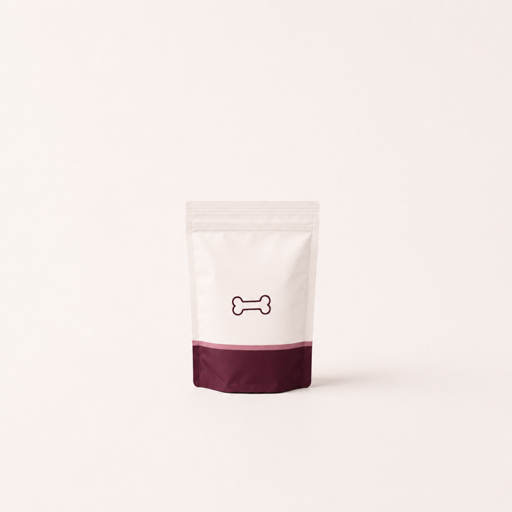
Jughead Classic Insert Cheese Treat
Verified Oct 10, 2026
This is a very hard, high‑protein cheese chew designed as a long-lasting treat for dogs, especially when used inside the Jughead Classic toy. It’s made from skim milk cheese with minimal added ingredients, offering a dense, low-fat chew that can help satisfy chewing needs and support oral wear. Because it’s rich in calories and protein, it’s best used as an occasional chew rather than a daily food source.
Jump to ingredientsAffiliate link · may earn a commission at no extra cost to you
Top Pick
This is a simple, high-protein cheese-based chew that can work well for healthy dogs who enjoy hard chews and don’t have dairy sensitivities. The limited ingredient list and low fat content make it relatively straightforward from a nutritional standpoint, but each chew is quite calorie-dense. It’s best for dogs who can safely handle very hard chews and for owners who can account for the extra calories in their dog’s daily intake.
Computed from 3 of 3 applicable checks. Missing data is skipped, never counted against a food.
The KibbleLab Score (1–10) is assessed from publicly available product data. Our evaluation is science-based, not marketing-based.
KibbleLab may earn an affiliate commission when you buy through a link. No one can pay for a higher score, or to change what we recommend for your pet.
At a Glance
Where these benefits come from
Benefits the manufacturer highlights in its own product marketing. KibbleLab lists them for reference and does not verify these claims.KibbleLab Review
Strengths
- Single main ingredient cheese formula is simple and easy to understand.
- Very high protein and low fat for a chew, which can suit dogs that need to limit dietary fat.
- Hard texture and long-lasting format can help satisfy chewing needs and contribute to mechanical tooth cleaning.
- Free from wheat, corn, soy, and added preservatives, which may suit some sensitive dogs.
Considerations
- Each chew is calorie-dense, so portions of regular food may need to be reduced to prevent weight gain.
- Made from dairy, so it is not a good fit for dogs with milk or dairy protein sensitivities.
- Very hard chews can pose a fracture risk for dogs with dental disease or very aggressive chewing styles.
- This is a treat, not a complete and balanced diet, so it should not replace your dog’s regular food.
Full Ingredient List
Ingredients and analysis reflect manufacturer data at the time of our last update and can change without notice. Always check the actual product packaging before feeding.
Ingredient filtering helps identify compatible options but is not a substitute for a veterinary elimination diet.
Top 5 Ingredients Explained
01
Cheese
Cheese is commonly used in pet foods and treats as a palatable source of animal protein, fat, calcium and flavoring, often incorporated into training treats, toppers, or small reward portions. While it provides protein, calcium and certain vitamins, cheese is calorie- and fat-dense and can be high in sodium and lactose, so use sparingly—choose low‑fat varieties for pets prone to pancreatitis or obesity and avoid cheeses containing toxic additives like garlic or onion; many dogs and some cats may also be lactose intolerant.
View ingredient
02
Skim Milk
Skim milk is a low‑fat dairy ingredient commonly used in pet foods as a source of high‑quality animal protein, calcium and water‑soluble vitamins, and to improve palatability, texture and binding in formulations. While it can provide useful nutrients, many adult dogs and especially cats are partially lactose intolerant and may experience gastrointestinal upset, and it should be used cautiously in pets with lactose sensitivity, milk protein allergies or those needing strict carbohydrate or calorie control.
03
Citrus
Citrus ingredients are most often included in pet foods as natural flavorings, sources of citric acid (used as a preservative), or as fiber and antioxidant-rich pulp or extracts, contributing palatability and flavonoids. While citrus provides antioxidant compounds and trace nutrients, dogs and cats can synthesize vitamin C so it isn’t essential, and concentrated citrus oils or peels can cause gastrointestinal upset, skin irritation or be toxic—particularly to cats—so use in formulations is controlled and limited.
04
Salt
Salt (sodium chloride) is used in pet foods as a flavor enhancer, mild preservative and a source of essential electrolytes (sodium and chloride), and is often provided in iodized form to help meet iodine requirements for thyroid function; these minerals support nerve and muscle function and fluid balance in dogs and cats. Small, controlled amounts are nutritionally important, but excessive salt can cause dehydration, worsen heart or kidney disease and, in extreme cases, lead to salt toxicity, so pet owners should avoid adding extra table salt or high‑sodium human foods and follow veterinary guidance for animals with medical conditions.
05
Enzyme
Enzymes are functional additives in pet foods used to aid digestion and processing — common types include digestive enzymes (protease, lipase, amylase) that help break down protein, fat and starch, and phytase which frees bound phosphorus from plant ingredients to improve nutrient availability and stool quality. They can benefit pets with digestive insufficiencies or help formulations maximize nutrient uptake, but are not a direct nutrient source, may be inactivated by high-heat processing, and should be used and dosed under formulation or veterinary guidance for therapeutic needs.
Nutritional Breakdown
How to read As Fed versus Dry Matter
As fed shows the numbers straight off the label, water included. Dry matter removes the water so you can compare a wet food and a dry food fairly.What is calorie density
How many calories the food packs per unit. Denser foods mean smaller portions for the same calories.Not sure how much of this to feed?
The right daily portion depends on your dog's weight, age, and activity level. Create a free account, add your dog, and get their daily calories and portion sizes.
Product Details & Brand
Product Specs
Brand

Dog chews and treats best known for the Himalayan Dog Chew, a hard cheese chew based on the traditional Nepalese snack churpi. The range also includes the Yaky and yakyCHURRO lines and an UnHide rawhide alternative.
Manufacturer

PSC is a nonprofit that Accredits pet companies on their environmental and social impact, through third-party verification. Himalayan Corp. is a PSC Accredited business. View profile
Manufacturing details are compiled from public sources and not independently verified; they may not reflect contract manufacturing or co-packing.
Recall History
No recall is listed for Himalayan Pet Supply Jughead Classic Insert Cheese Treat.
Source: FDA animal food recall listings back to January 2019 · Checked daily, last on Oct 17, 2026
Sign up for the full picture
Ingredient Check
We'll check every ingredient against your pet's profile.
Feeding Calculator
Personalized portion sizes based on your pet's weight, age, and activity level.
Side-by-Side Comparison
Compare this food with alternatives to find the best fit.
Similar Foods


Post your dog's report card and challenge friends to check their food.
Frequently Asked Questions
Has Himalayan Pet Supply ever been recalled?
We have no recalls on record for Himalayan Pet Supply. We track the FDA's animal food recall listings back to January 2019 and publish every pet food recall automatically. A filing that isn't pet food may not appear here.
How does KibbleLab rate foods?
Our scores are based on ingredient composition, nutritional profile, AAFCO compliance, and health considerations. We don't penalize by-products, grains, or synthetic preservatives. Brands cannot pay for higher scores.
Is KibbleLab a substitute for veterinary advice?
No. KibbleLab provides data-driven food analysis, not medical advice. Always consult your veterinarian before making dietary changes, especially for pets with health conditions.
KibbleLab provides informational content only. This is not veterinary advice. Always consult a qualified veterinarian before changing your pet's diet.
KibbleLab may earn affiliate commissions through product links. No one can pay for a higher score, or to change what we recommend for your pet.
Product data sourced from manufacturer websites, AAFCO statements, and FDA recall listings. Last verified dates reflect our most recent data check. We track the FDA's animal food recall listings back to January 2019 and publish every pet food recall automatically. A filing that isn't pet food may not appear here.

 Continue with Google
 Continue with Facebook