Cheese
201 foods contain this ingredient
This is an alphabetical list, not a ranking. Add KL+ to rank foods for your pet in the Food Finder.
About Cheese
Cheese most often shows up in pet food and treats in small amounts, as a topper or training reward rather than a primary diet component.
Cheese is commonly used in pet foods and treats as a palatable source of animal protein, fat, calcium and flavoring, often incorporated into training treats, toppers, or small reward portions. While it provides protein, calcium and certain vitamins, cheese is calorie- and fat-dense and can be high in sodium and lactose, so use sparingly—choose low‑fat varieties for pets prone to pancreatitis or obesity and avoid cheeses containing toxic additives like garlic or onion; many dogs and some cats may also be lactose intolerant.
Related ingredients
- Derived from
- Cow's or goat's milk (varies by cheese type: mozzarella, cheddar, cottage cheese, cream cheese, and others)
- Primary role
- Palatability enhancer and occasional protein/calcium treat, not a staple diet ingredient
Why it's used
Cheese is added mainly for palatability, its strong smell and taste make it useful for hiding medication, rewarding training, or topping a meal to encourage a picky eater. It also contributes protein, calcium, vitamin A, B-complex vitamins, and essential fatty acids in small quantities.
Common concerns
- Lactose intolerance Many dogs and cats lose much of their lactase enzyme activity after weaning, so dairy can cause diarrhea, bloating, or abdominal discomfort in lactose-intolerant individuals. Cheese generally contains less lactose than milk, but reactions are still documented, especially with larger portions.
- Fat content and pancreatitis discussion Cheese is calorie- and fat-dense. Veterinary sources discuss fatty foods as a potential trigger in some pancreatitis cases in dogs, alongside other contributing factors, which is why low-fat cheese varieties (cottage cheese, mozzarella) are often suggested over higher-fat options.
- Sodium content Many cheeses are relatively high in sodium compared to a pet's typical diet, which is a consideration for portion size and frequency of feeding.
- Additives in flavored or specialty cheeses Some cheese products and cheese-flavored foods incorporate garlic, onion, or chive seasoning, ingredients documented to cause oxidative red blood cell damage in dogs and cats, so plain, unflavored cheese is the relevant comparison point.
Also relevant
Lower-fat options like plain cottage cheese or part-skim mozzarella are frequently discussed as more moderate choices than aged, high-fat cheeses when cheese is offered at all.
4 sources cited
- Lactose intolerance signs in dogs and cats after dairy ingestion (diarrhea, bloating, abdominal discomfort)
- Fatty foods discussed as a possible pancreatitis trigger in dogs
- Cheese nutrient contributions (protein, calcium, vitamin A, B-complex, fatty acids), fat/weight gain and pancreatitis discussion, recommendation of low-fat varieties like mozzarella and cottage cheese, and warning about garlic/onion/chive-containing cheese products
- Guidance on introducing cheese in small amounts and monitoring for reaction, plus advice against large quantities even of lower-lactose cheeses
Common Questions
What category is Cheese?
Cheese is categorized as a protein ingredient in the KibbleLab database.
Is Cheese part of an allergen group?
Yes. Cheese is grouped under the Dairy allergen group in the KibbleLab database.
Which foods contain Cheese?
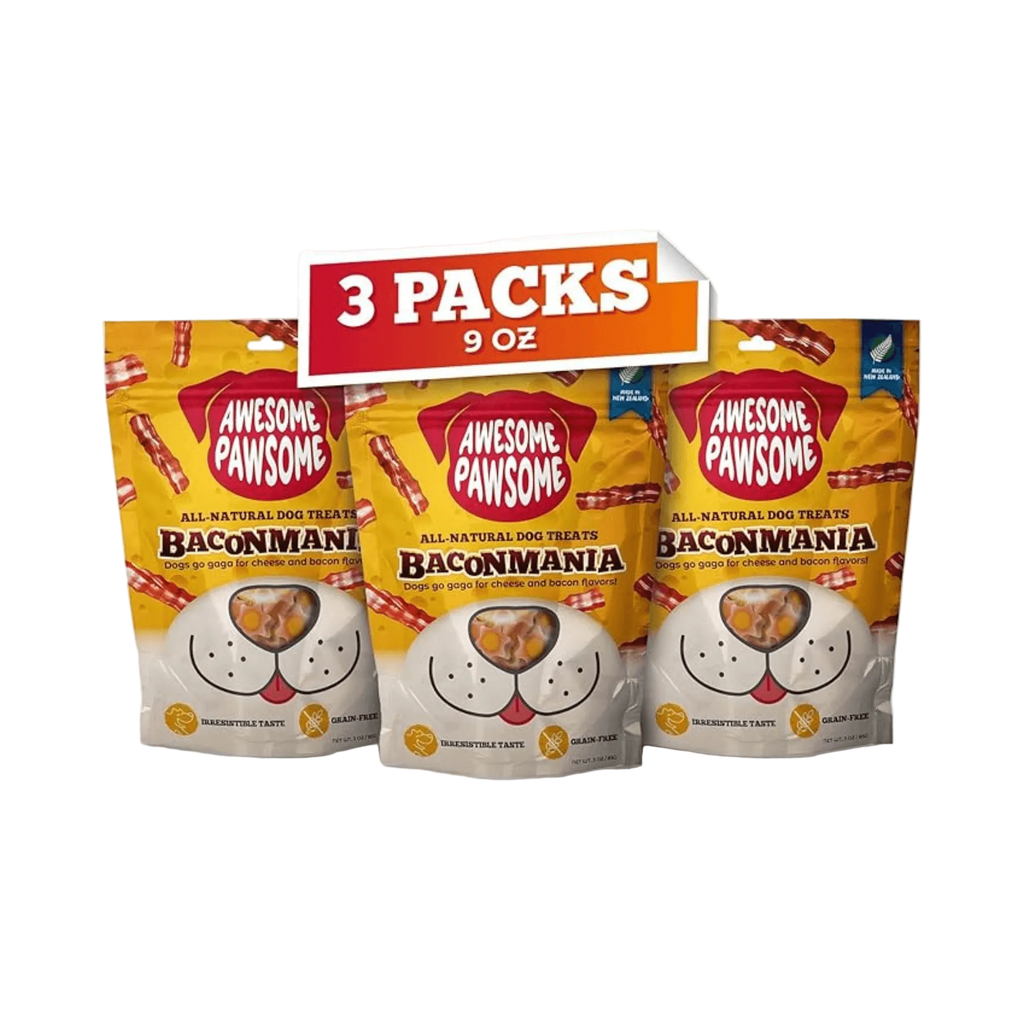
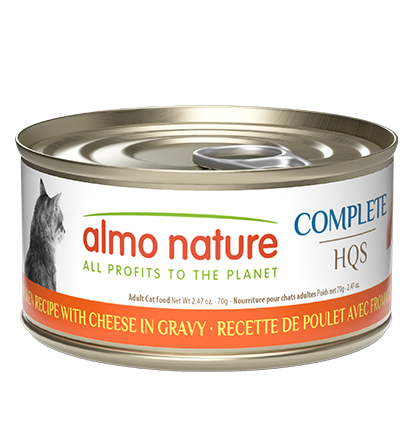
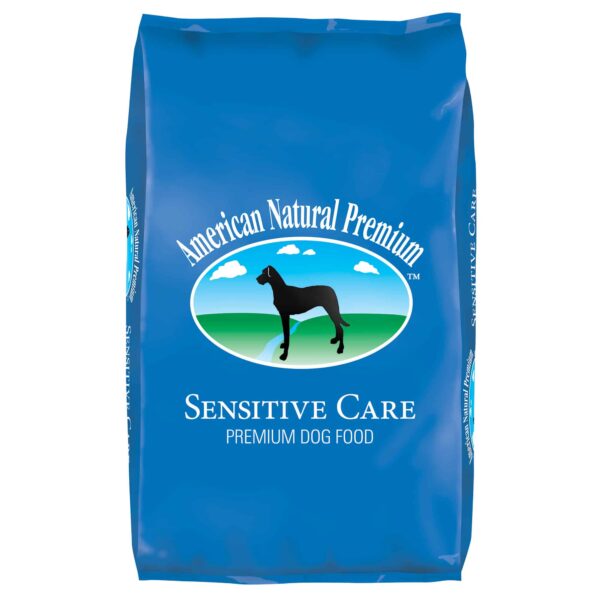
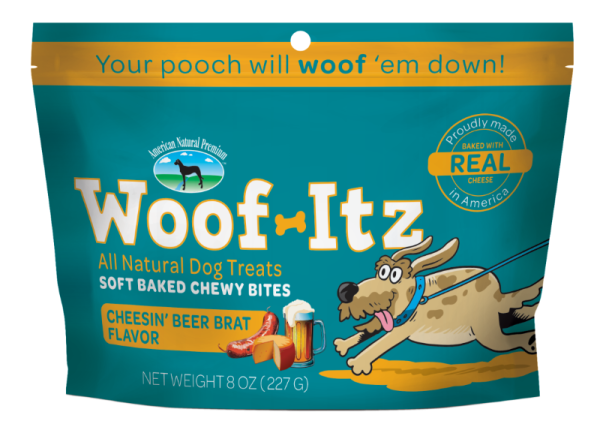
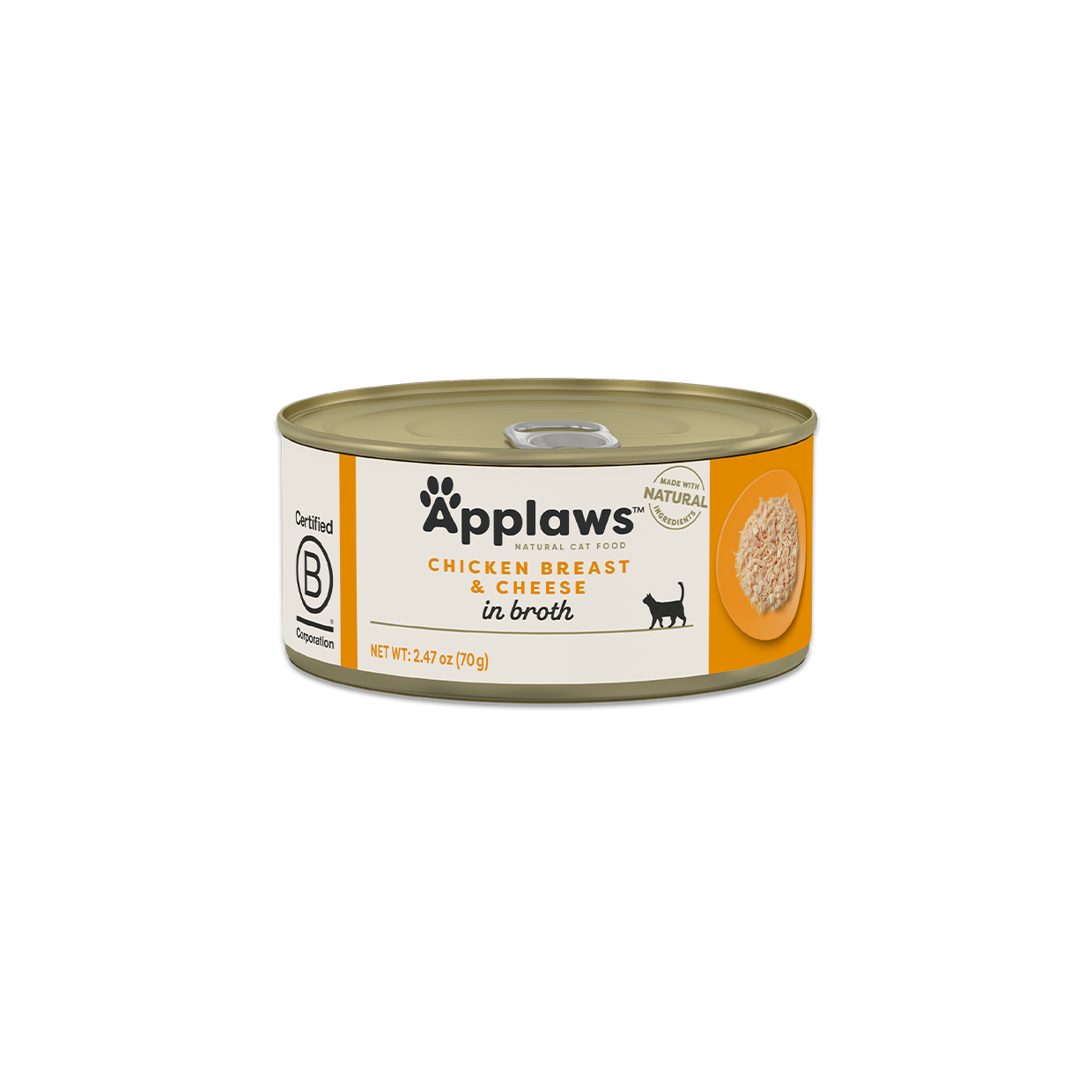
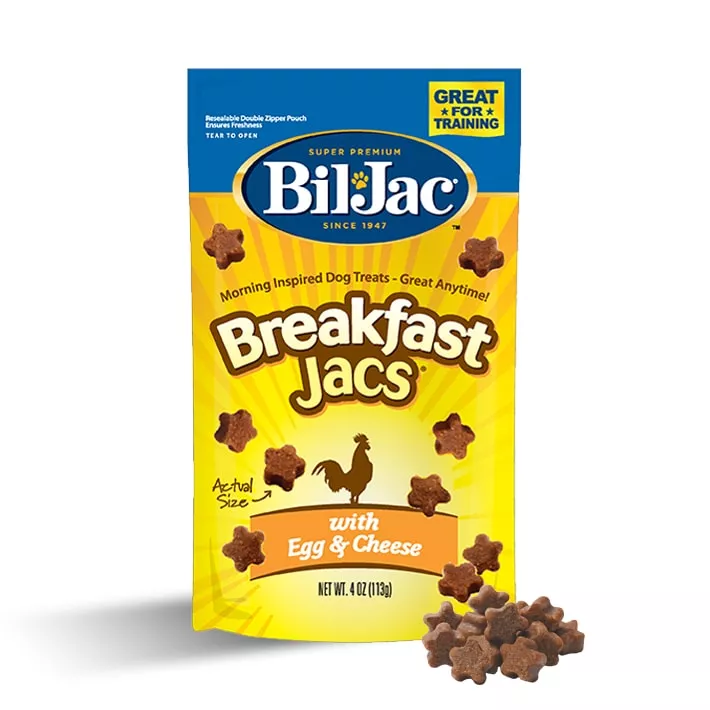
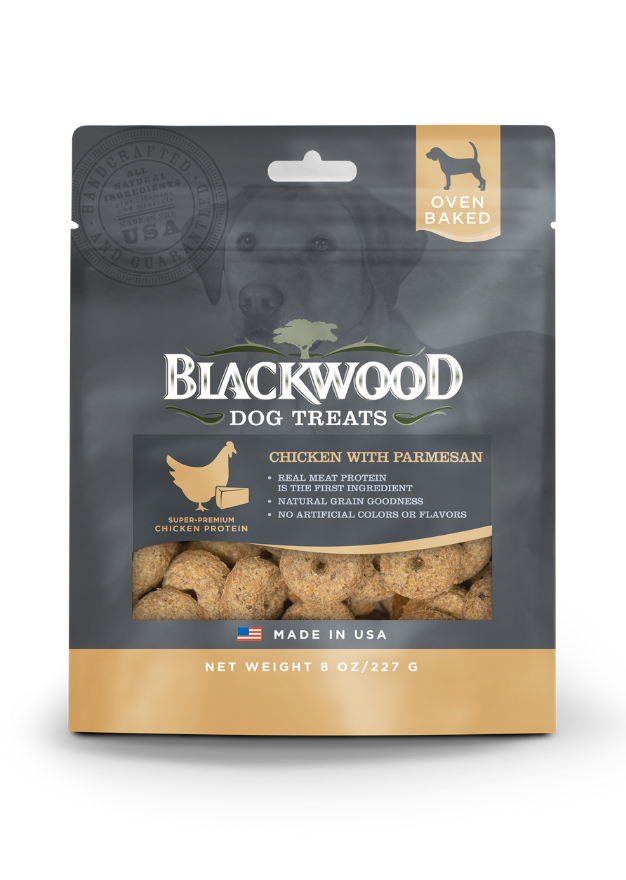
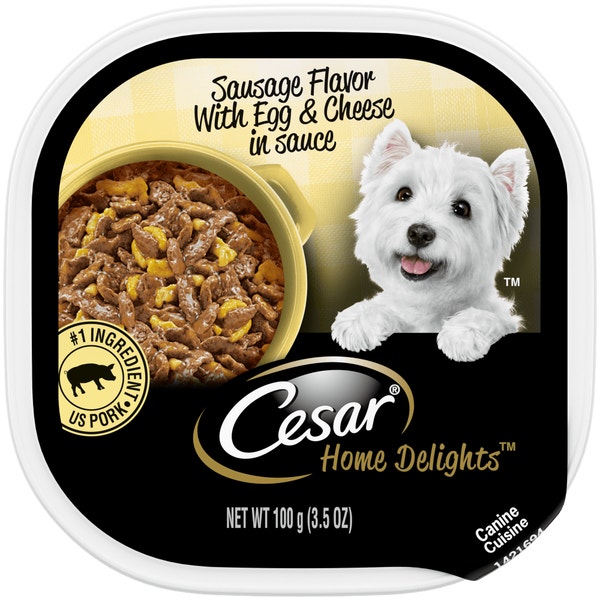
201 foods in the KibbleLab database contain Cheese, including Addiction, Almo Nature, American Natural Premium.
Foods with Cheese
Alphabetical by brand. Scores run 0 to 10, higher is better, on published veterinary science.









Find the right food for your pet
Sign in free to sort and filter by score, and avoid or require Cheese in the Food Finder. Add KL+ to see these foods ranked for your pet's breed, age, and health focus.

 Continue with Google
 Continue with Facebook