Bison
62 foods contain this ingredient
This is an alphabetical list, not a ranking. Add KL+ to rank foods for your pet in the Food Finder.
About Bison
Bison is a red meat sourced from American bison, formulated into pet food primarily as an alternative protein when common meats need to be avoided.
Bison is used as a high-quality animal protein in dog and cat foods, commonly included in limited-ingredient or novel-protein formulas for pets with food sensitivities. It supplies essential amino acids, iron and B vitamins and is typically leaner than beef—making it a lower-fat option that may require added fat or formulation adjustments for energy needs; as with all meats it should be part of a complete, balanced diet (especially for cats who need adequate taurine), be sourced and processed safely, and may still cause allergic reactions in some individual pets.
Related ingredients
- Derived from
- American bison (Bison bison) muscle meat and meat meal
- Primary role
- novel or limited-ingredient protein source
Why it's used
Because bison is used far less often than beef, chicken, or lamb in mainstream pet food, formulators reach for it when building limited-ingredient or elimination diets meant to rule out reactions to more familiar proteins. Independent analyses have also noted bison as comparatively lean relative to conventional beef, which factors into how a formula's fat and calorie content is balanced.
Common concerns
- Cross-reactivity with beef and other ruminant meats Bison is a bovid closely related to cattle, and serum albumin, a documented cross-reactive allergen in meat allergy, shows high sequence similarity across ruminant species (cow, sheep, deer), so a pet with a confirmed beef allergy may not fully avoid reactive proteins by switching to another ruminant meat like bison.
- Mislabeling in commercial novel-protein diets A peer-reviewed microarray analysis of commercial novel and hydrolyzed protein diets found that only a minority of tested products were free of undeclared animal species, with common allergens such as chicken, pork, and beef detected in products not listing them, which can undermine elimination diet trials regardless of which named protein (including bison) is on the label.
- Leaner composition may need formulation adjustment Bison is generally reported as lower in fat than conventional beef, which can mean a bison-based recipe needs added fat or calorie adjustment to meet a pet's energy needs rather than being a direct swap-in.
Also relevant
Sustainability is a commonly cited reason bison appears in premium and novel-protein formulas, since bison ranching is often described as less resource-intensive than conventional cattle production.
4 sources cited
- Bison is used as a novel protein for pets with limited prior exposure, relevant for allergy/sensitivity management
- Commercial novel and hydrolyzed protein elimination diets frequently contain undeclared animal species (pork, chicken, turkey, bovine, sheep among common contaminants), undermining diagnostic elimination trials
- Serum albumin is a cross-reactive panallergen across mammalian meats including beef, lamb, and deer, with sequence identity among mammalian serum albumins commonly exceeding the threshold associated with cross-reactivity
- Beef-lamb cross-reactivity via bovine serum albumin has been documented in a dog with confirmed beef food hypersensitivity
Common Questions
What category is Bison?
Bison is categorized as a protein ingredient in the KibbleLab database.
Is Bison part of an allergen group?
Yes. Bison is grouped under the Red Meat allergen group in the KibbleLab database.
Which foods contain Bison?
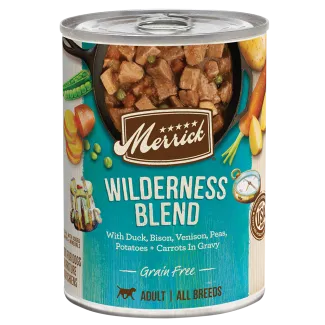
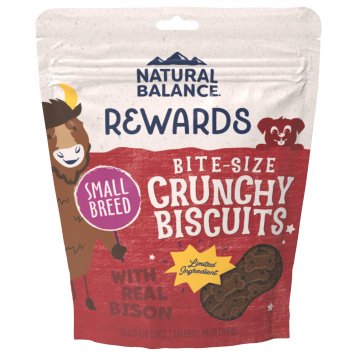
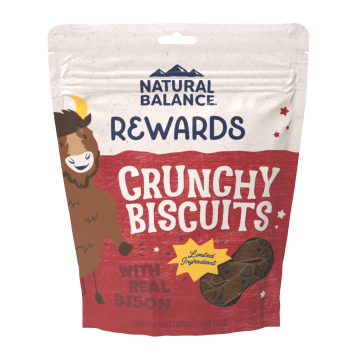
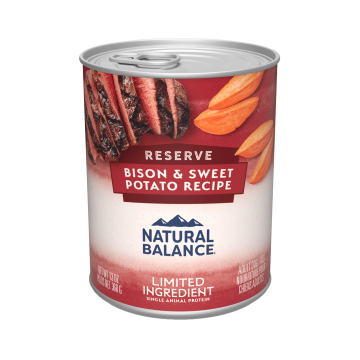
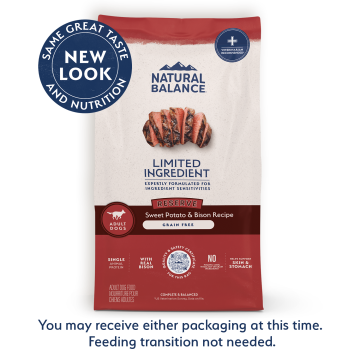
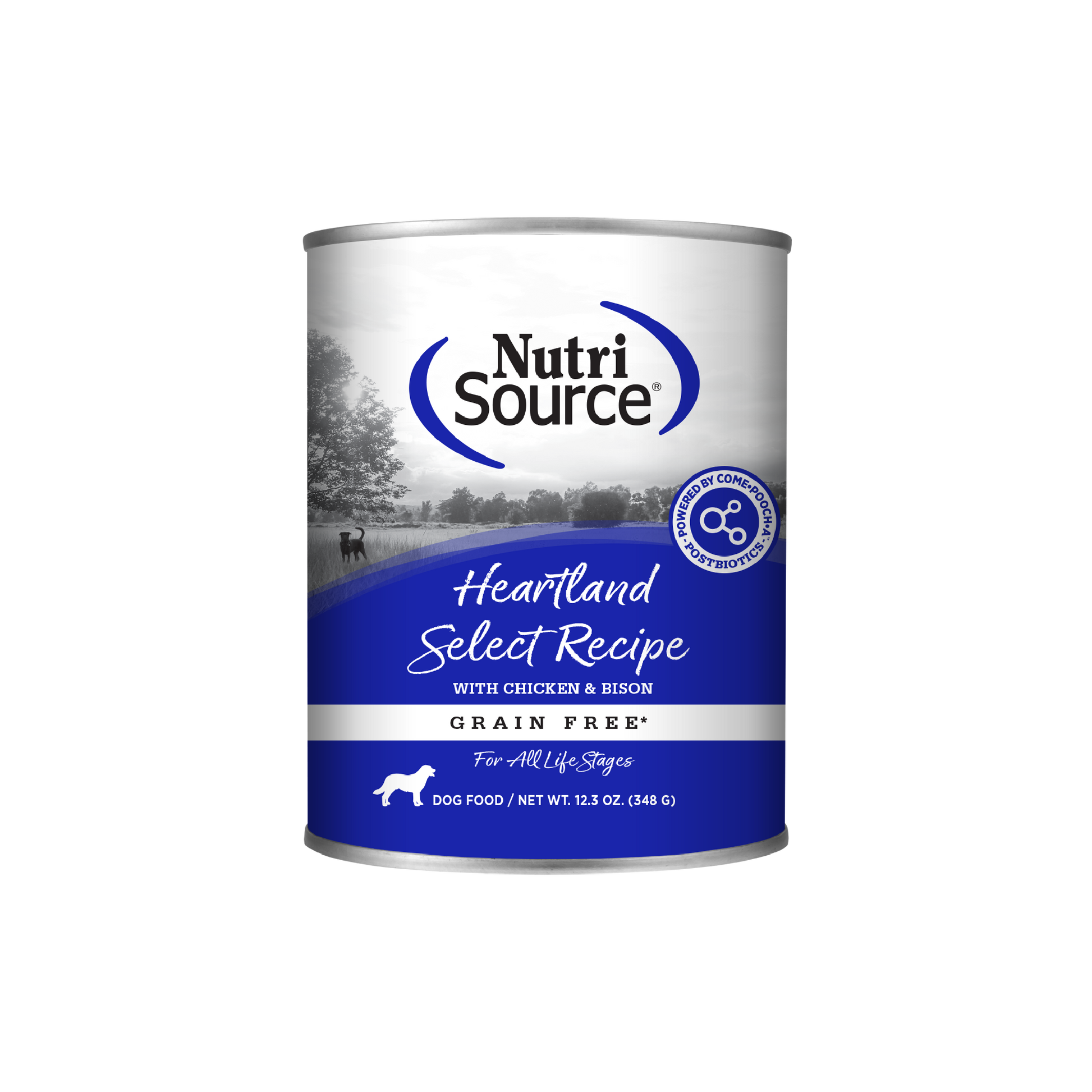
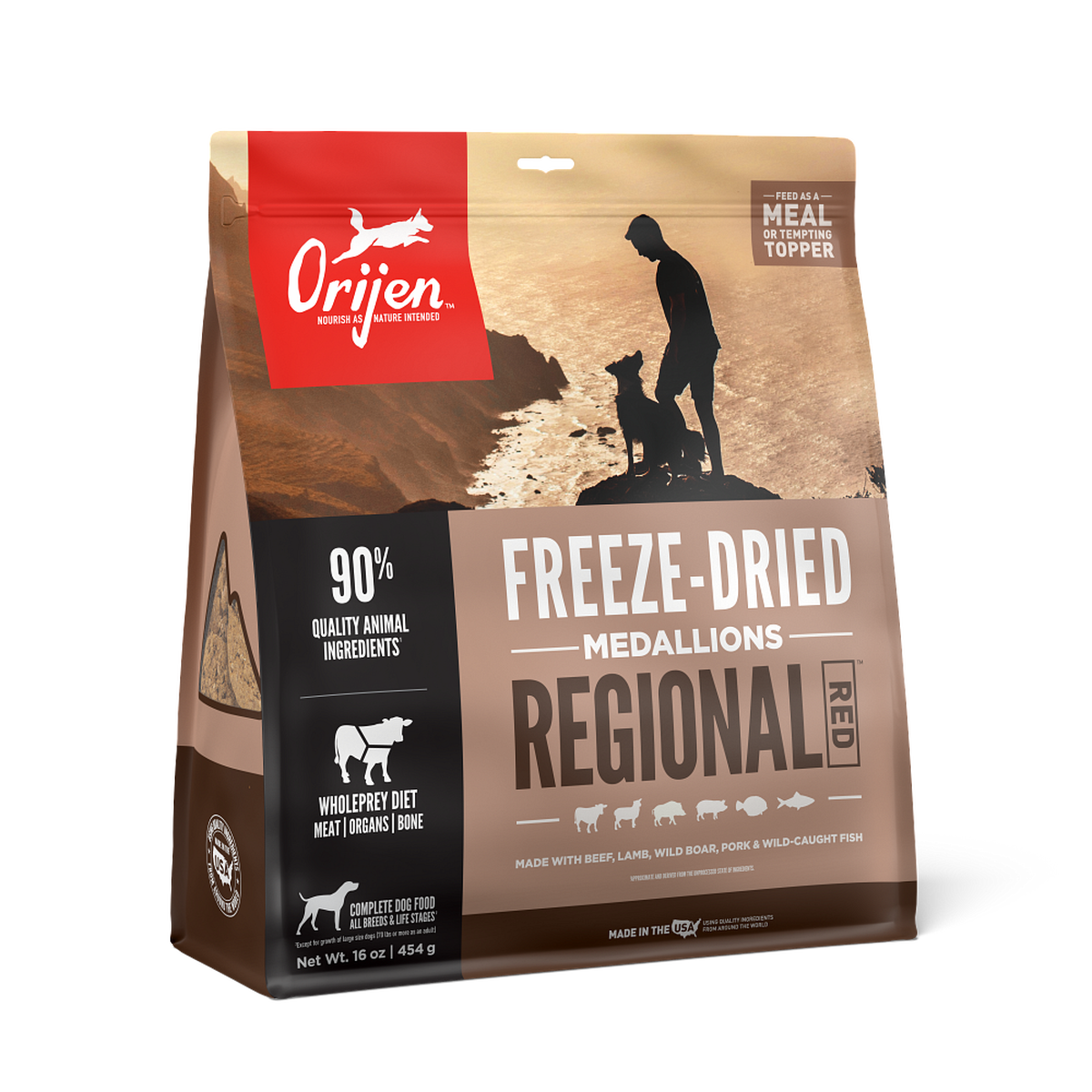
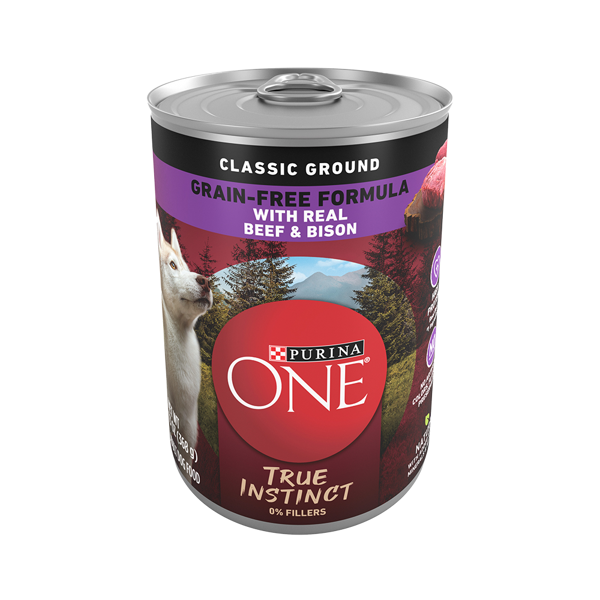
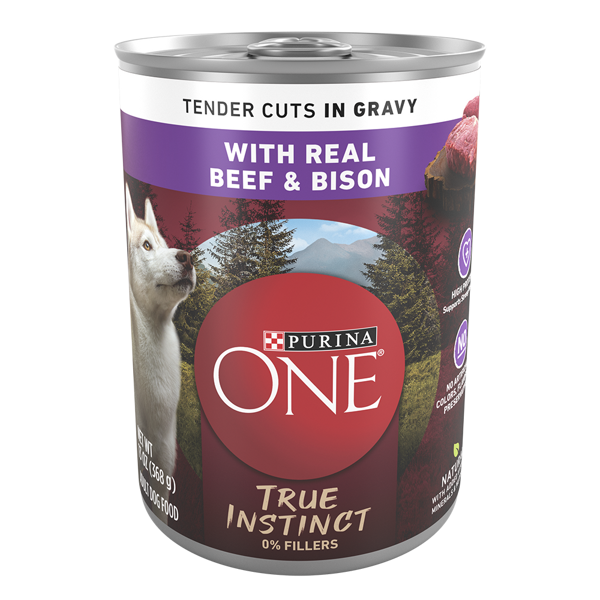
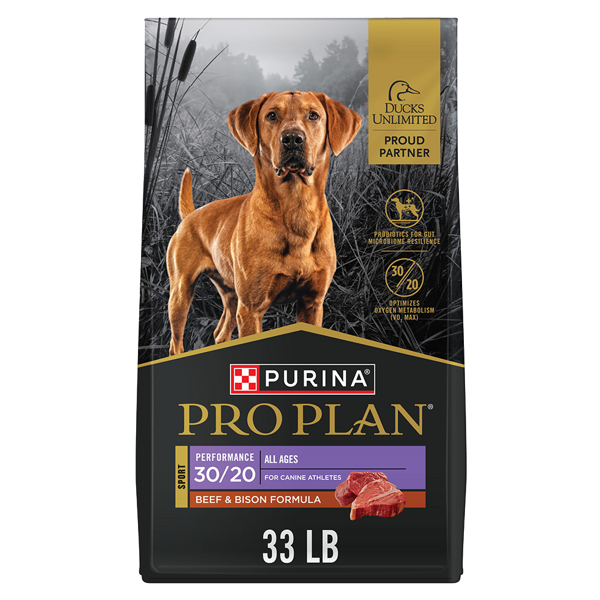
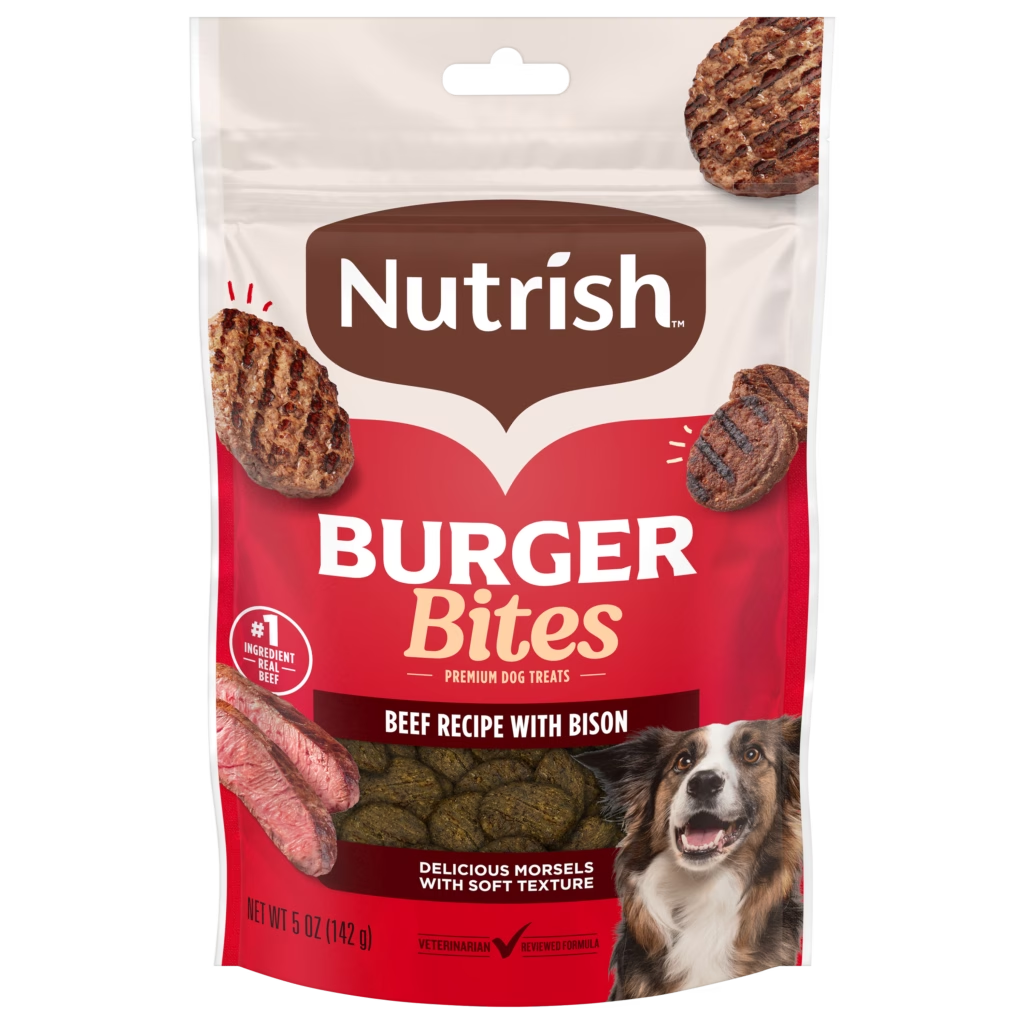
62 foods in the KibbleLab database contain Bison, including Merrick, Natural Balance, NutriSource.
Foods with Bison
Alphabetical by brand. Scores run 0 to 10, higher is better, on published veterinary science.








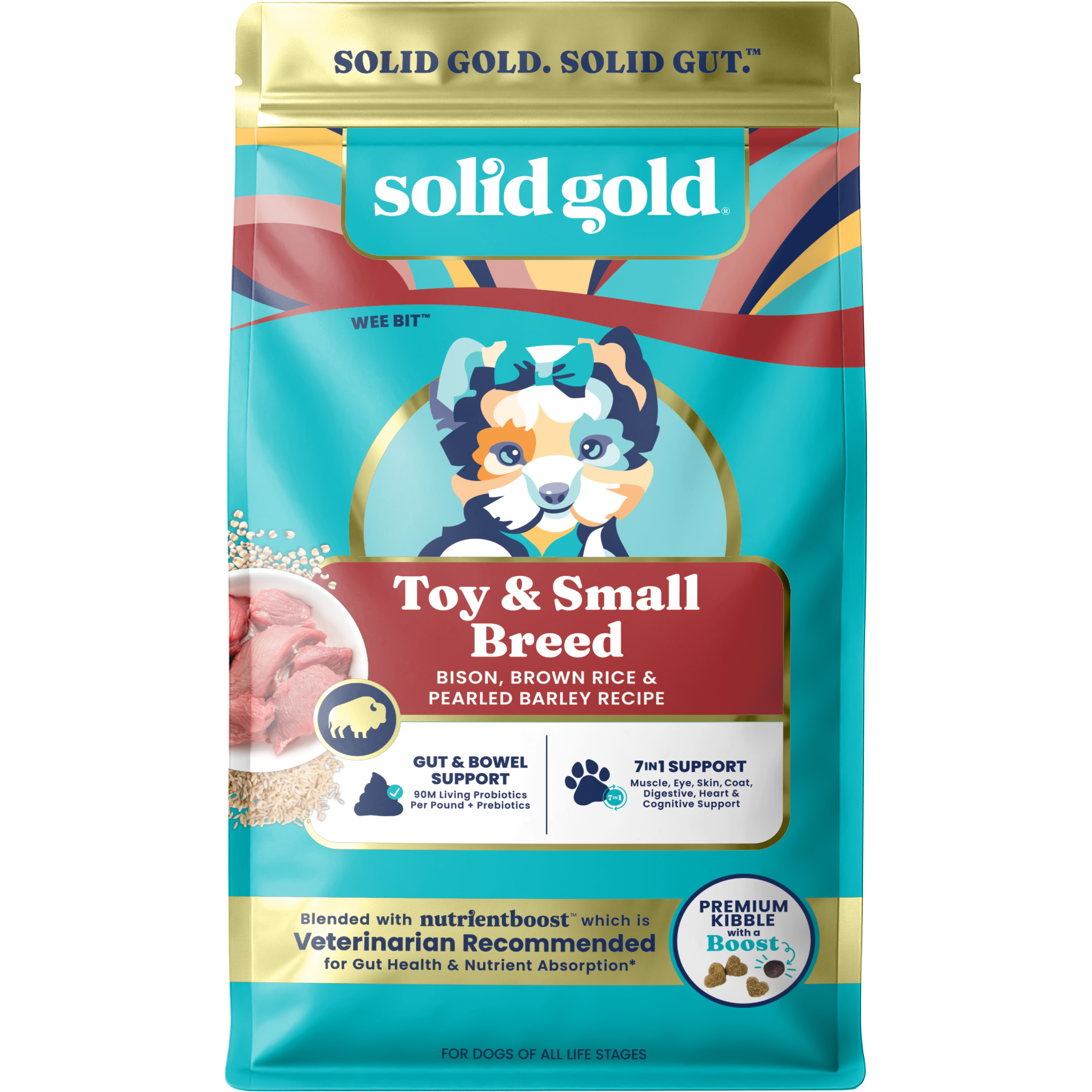

Find the right food for your pet
Sign in free to sort and filter by score, and avoid or require Bison in the Food Finder. Add KL+ to see these foods ranked for your pet's breed, age, and health focus.

 Continue with Google
 Continue with Facebook