Cabbage
28 foods contain this ingredient
This is an alphabetical list, not a ranking. Add KL+ to rank foods for your pet in the Food Finder.
About Cabbage
In pet food and homemade toppers, cabbage is a fibrous, low-calorie brassica vegetable added mainly for its vitamin and antioxidant content.
Cabbage is a low‑calorie cruciferous vegetable used in pet foods and treats primarily as a source of dietary fiber, vitamins (notably C and K) and antioxidant phytonutrients. It can aid digestion and provide micronutrients for dogs (and to a lesser extent cats), but should be offered cooked and in moderation to reduce gas and potential goitrogenic effects, and never served with onions, garlic, or other seasonings that are toxic to pets.
Related ingredients
- Derived from
- leaves of Brassica oleracea (green, red, or savoy cabbage)
- Primary role
- fiber and micronutrient contributor
Why it's used
Cabbage supplies dietary fiber that can support normal digestion, along with vitamin C, vitamin K, and beta-carotene. Its low calorie density also makes it a common choice for bulking up meals or treats without adding much energy.
Common concerns
- Gas and digestive upset Cabbage is well documented to increase flatulence in dogs and can cause loose stool or digestive upset if introduced quickly or fed in large amounts.
- Goitrogenic compounds Cabbage is a documented goitrogenic plant that can interfere with thyroid hormone production, though its goitrogens are considered less potent than those in soybeans and clinical thyroid effects from goitrogenic feeds are mainly a concern in young or growing animals rather than healthy adults.
- Preparation and additives Veterinary nutrition guidance recommends cooked (steamed or boiled) cabbage with stems and cores removed, served plain, since seasonings, butter, or aromatics like onion and garlic are commonly paired with cabbage dishes but are not appropriate for pets.
Also relevant
Cats are obligate carnivores with limited need for plant material, so cabbage functions only as a minor supplemental ingredient for them rather than a nutritional staple.
3 sources cited
- Cabbage is low-calorie, high-fiber, high in vitamins C and K and beta-carotene; causes increased flatulence; should be cooked and served without seasoning, onion, or garlic
- Cabbage is a goitrogenic Brassica plant, less potent than soybean goitrogens; goitrogen effects on the thyroid are mainly clinically significant in neonates/young animals rather than healthy adults
- Cats are obligate carnivores and vegetables like cabbage are, at most, a minor supplemental component of feline diets
Common Questions
What category is Cabbage?
Cabbage is categorized as a vegetable ingredient in the KibbleLab database.
Is Cabbage part of an allergen group?
No allergen group is linked to Cabbage in the KibbleLab database.
Which foods contain Cabbage?
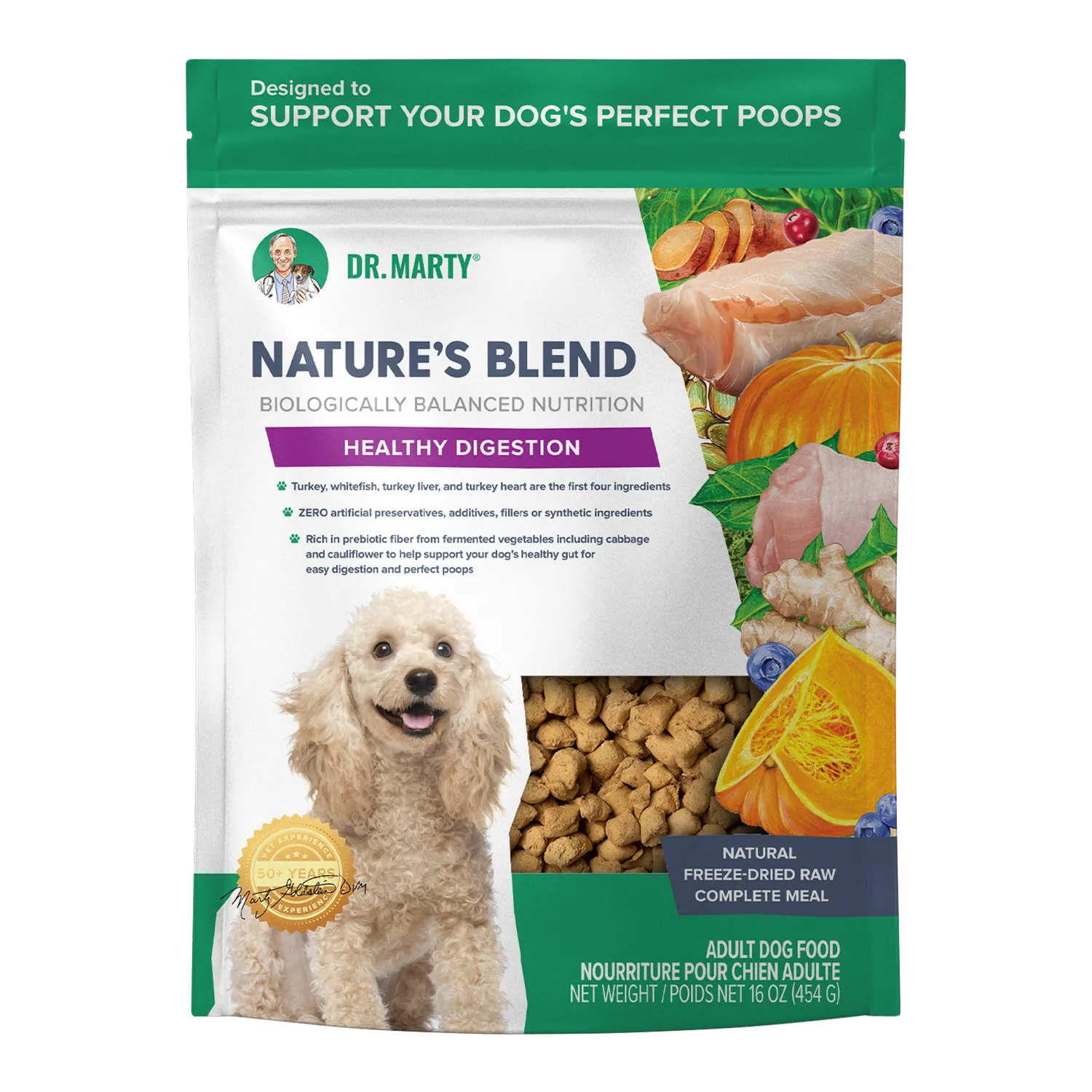
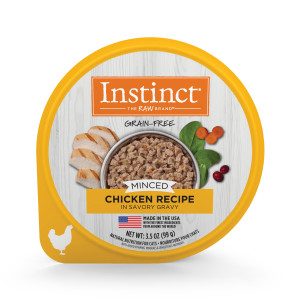
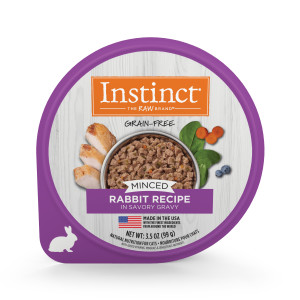
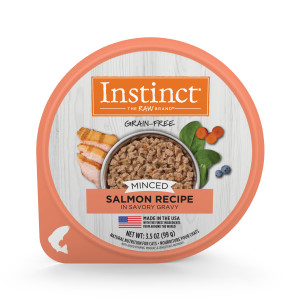
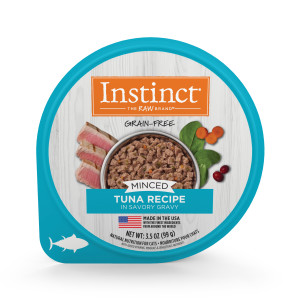
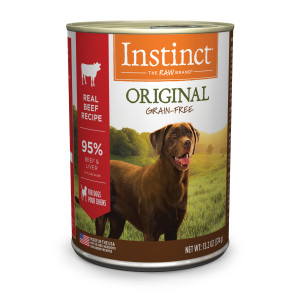
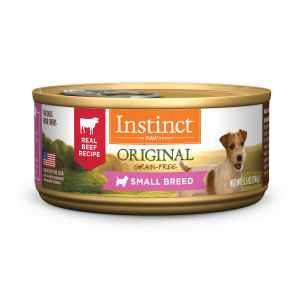
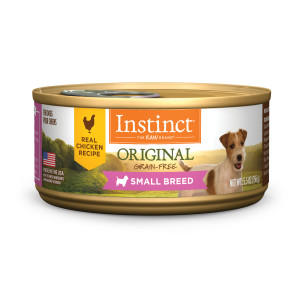
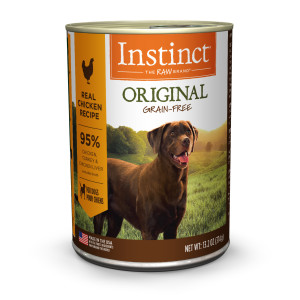
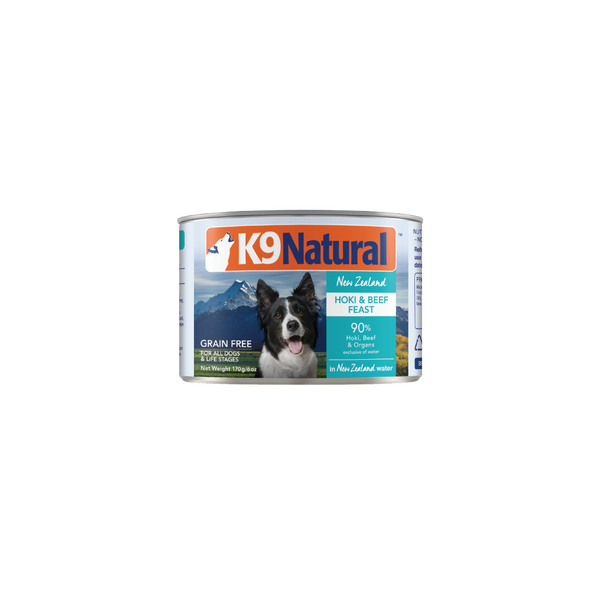
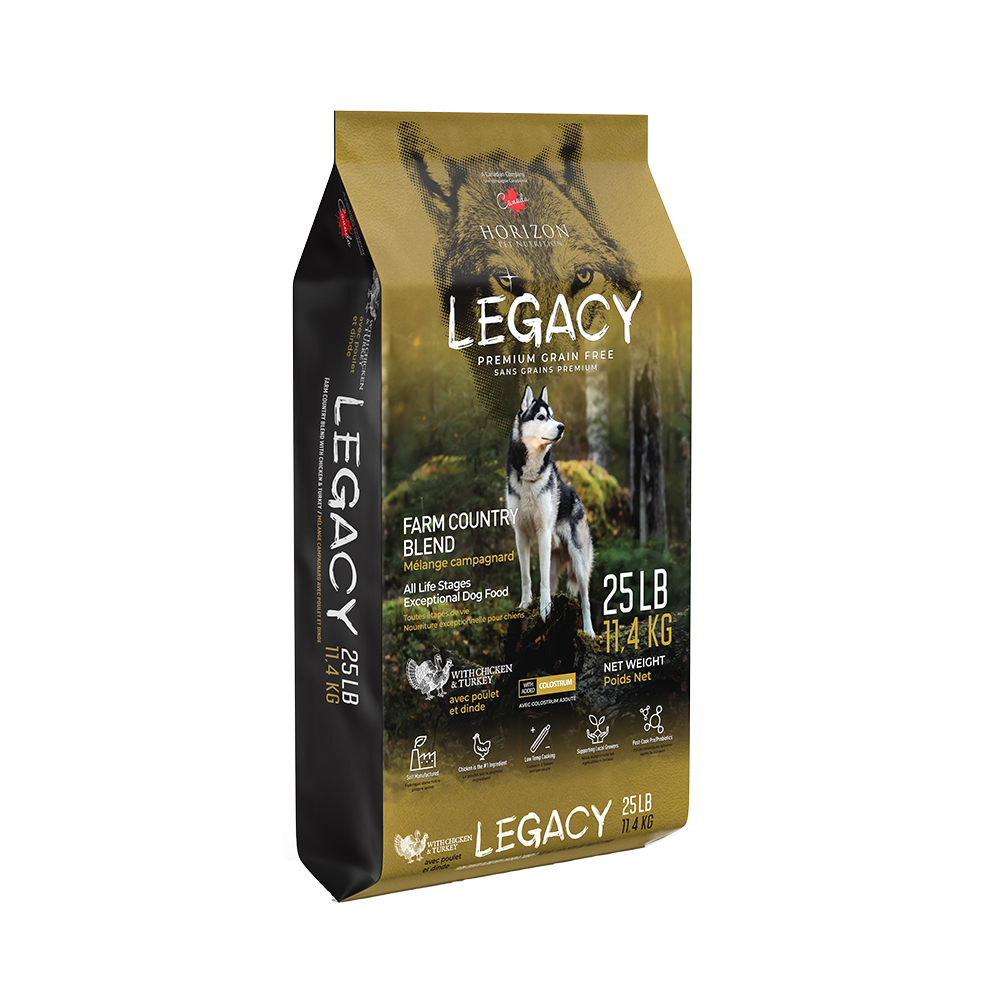
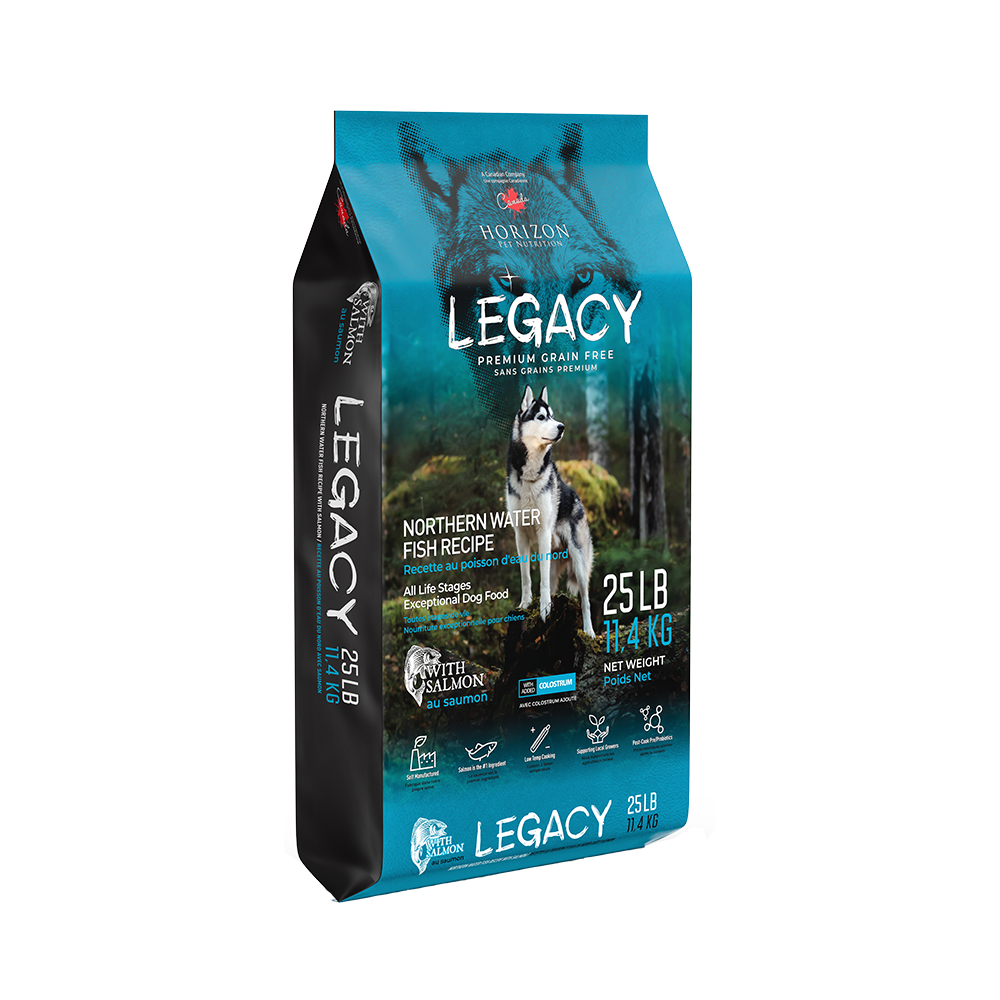
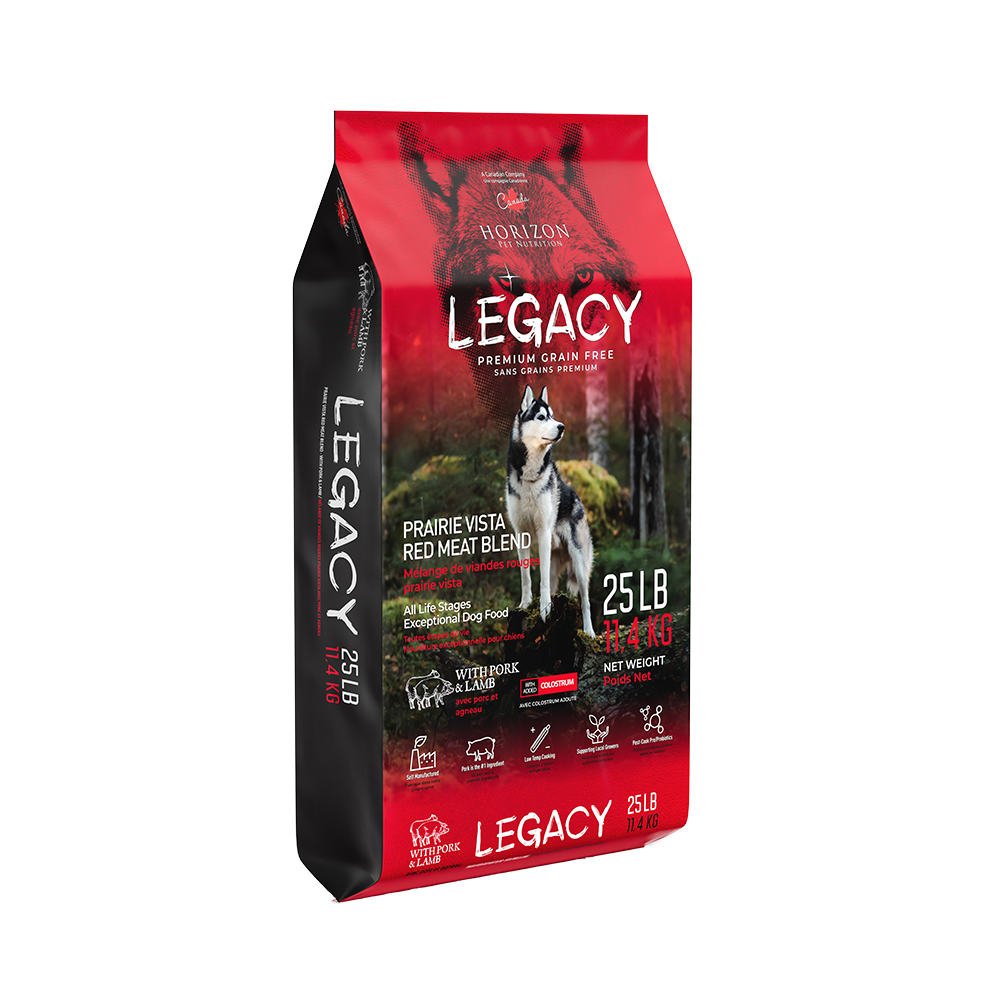
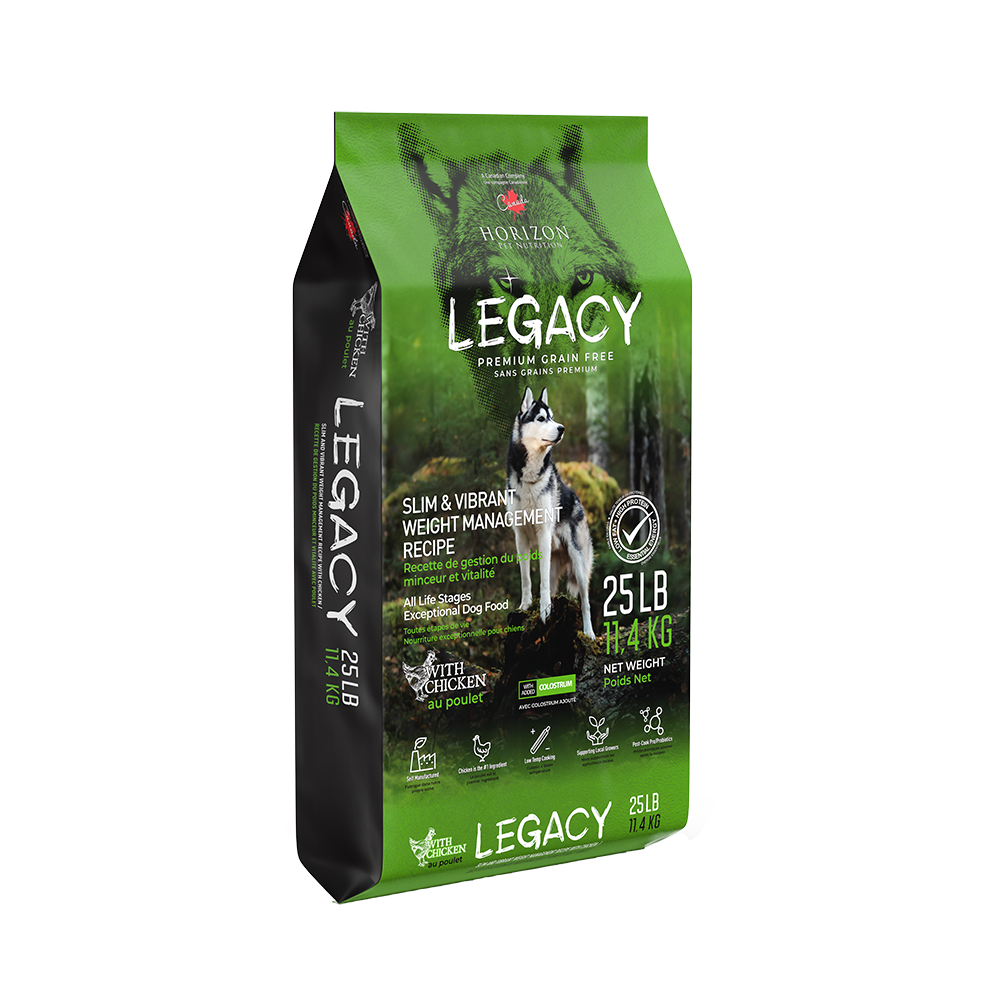
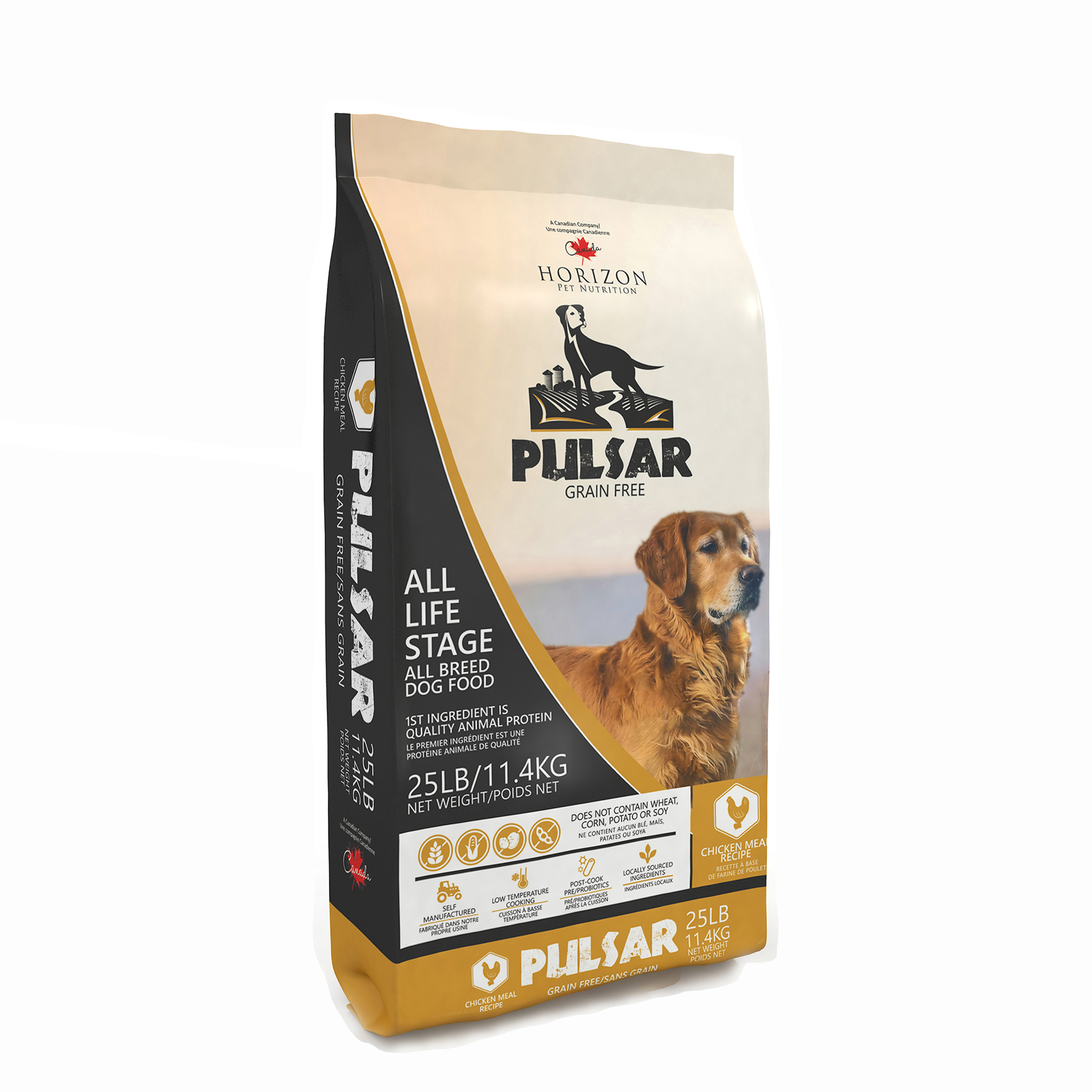
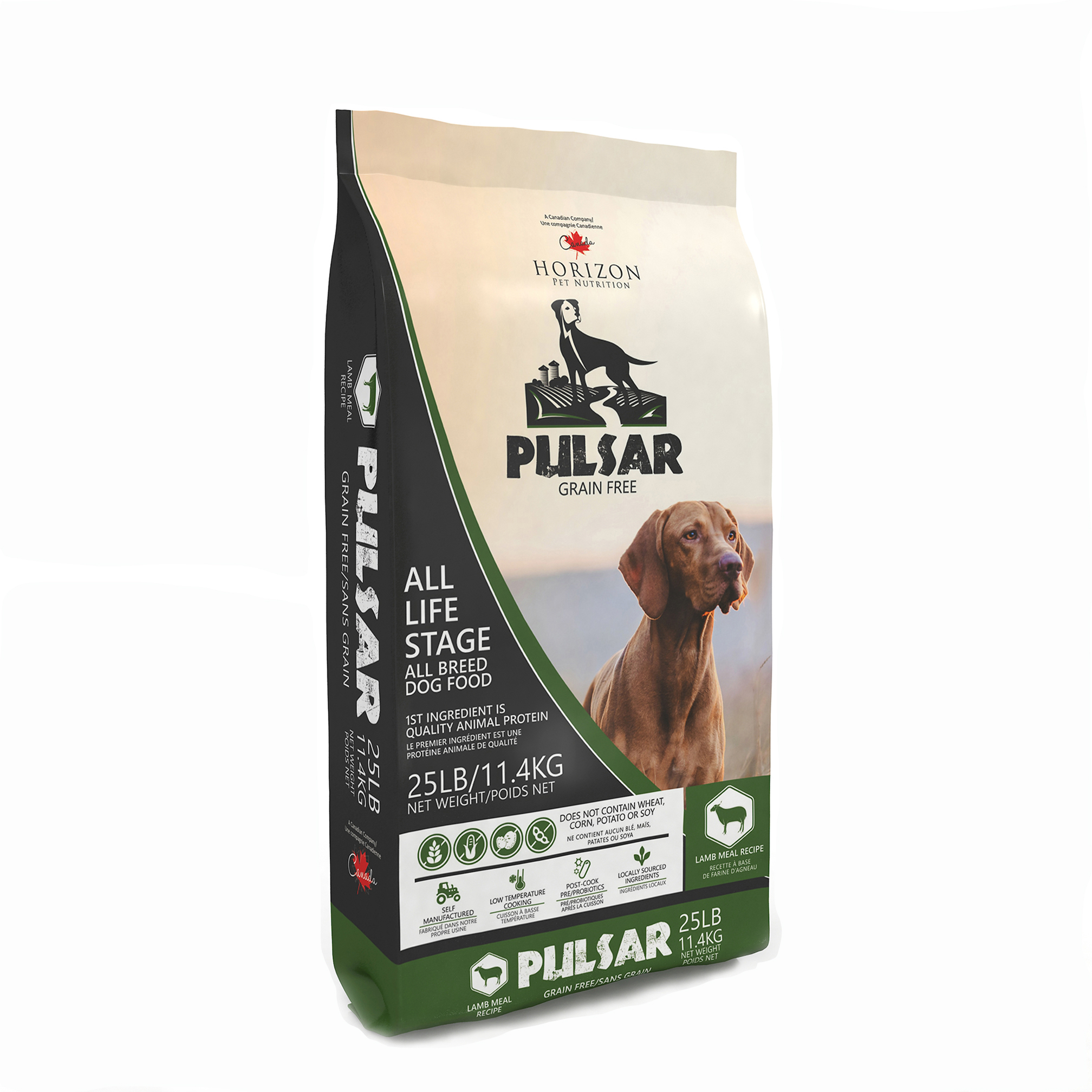
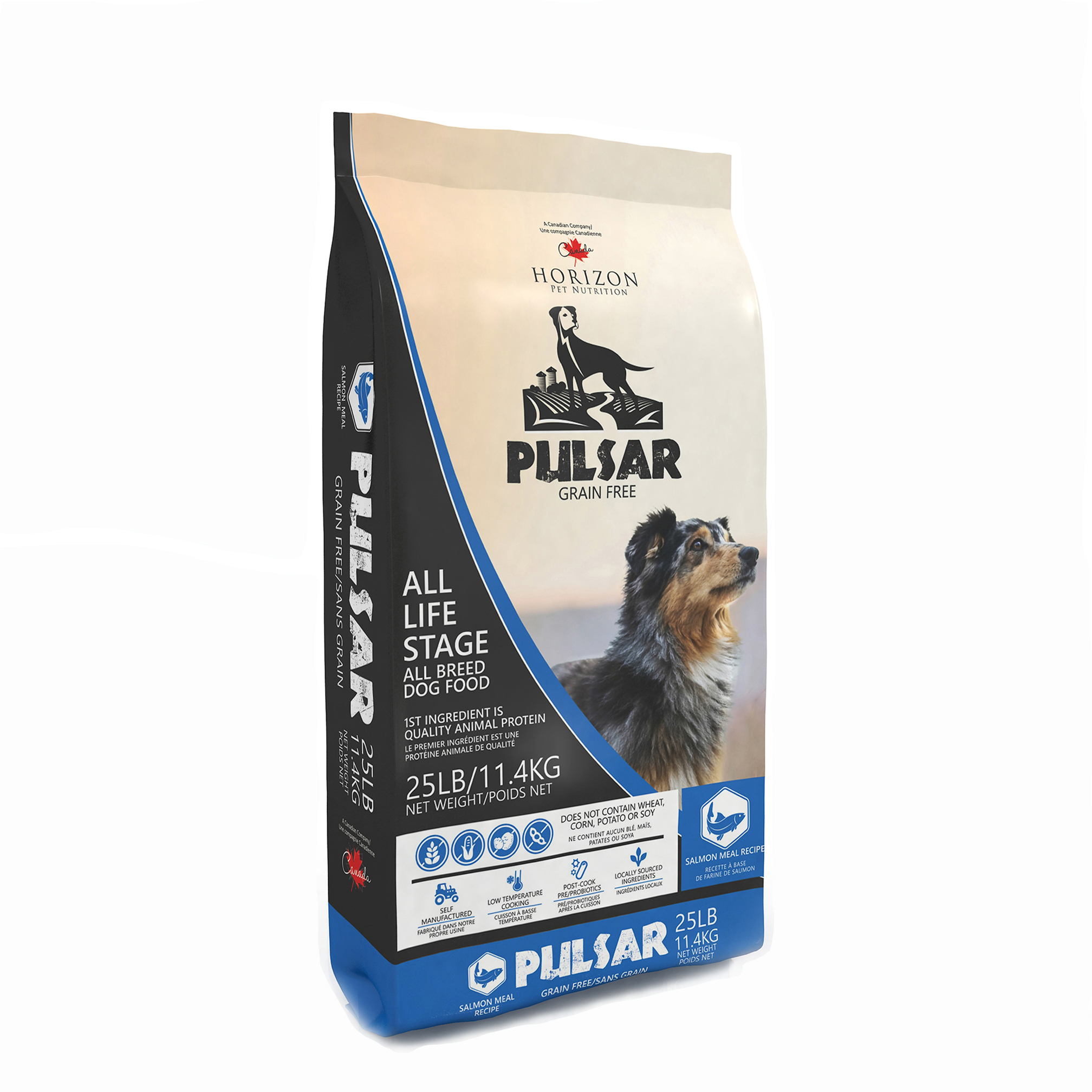
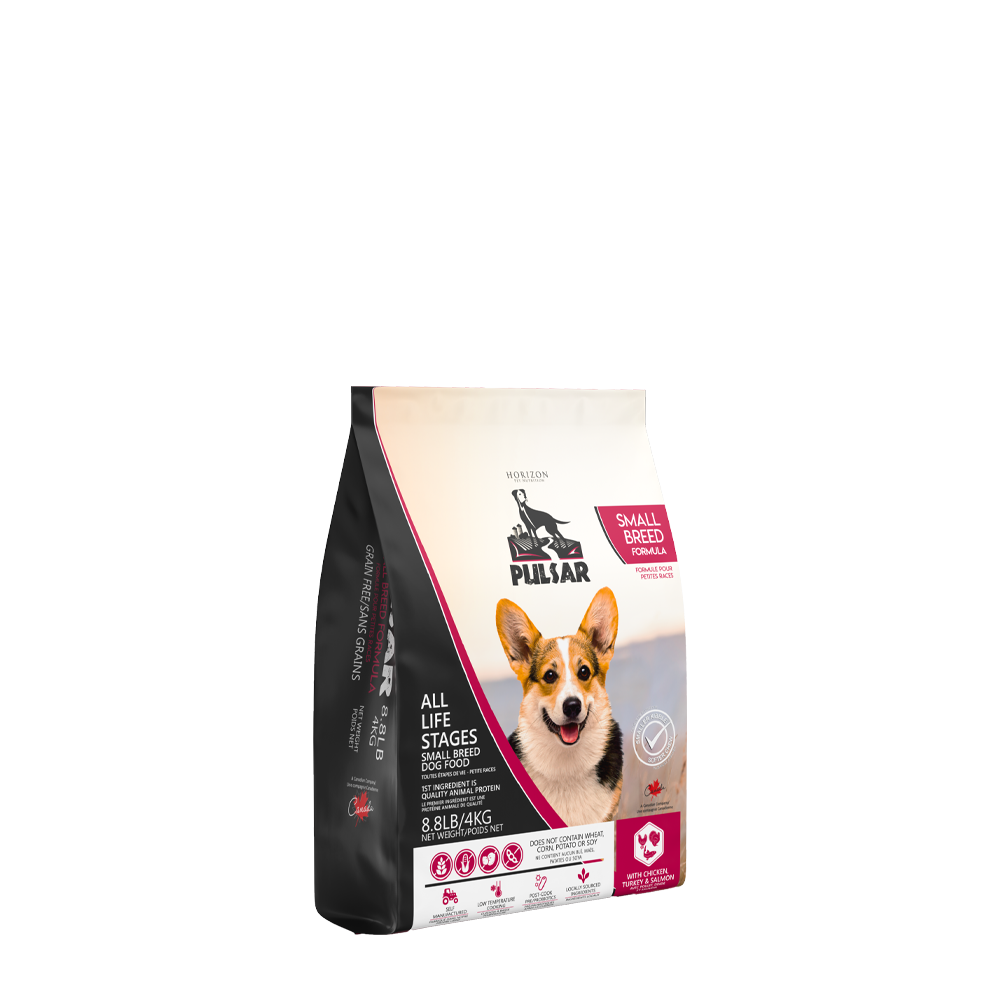
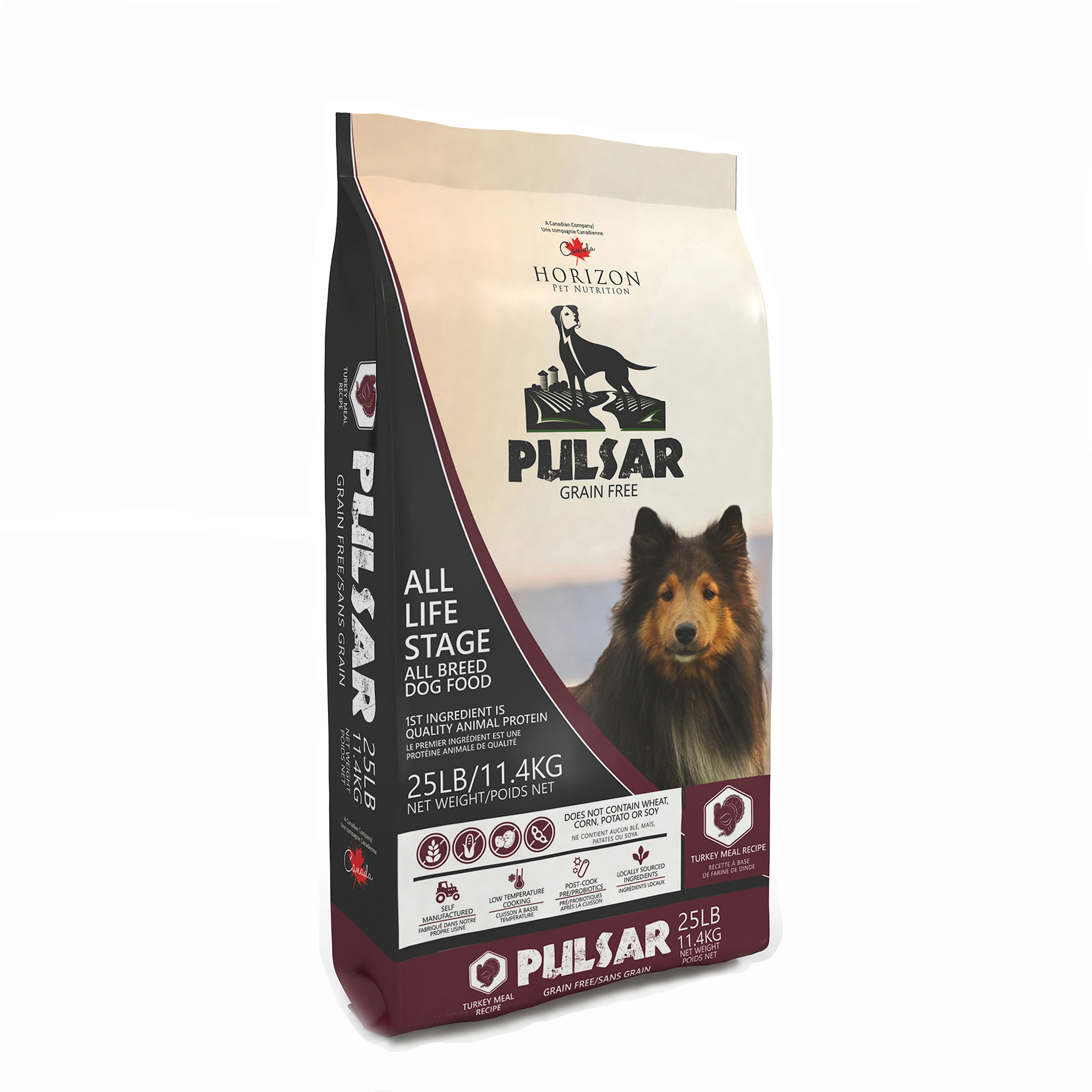
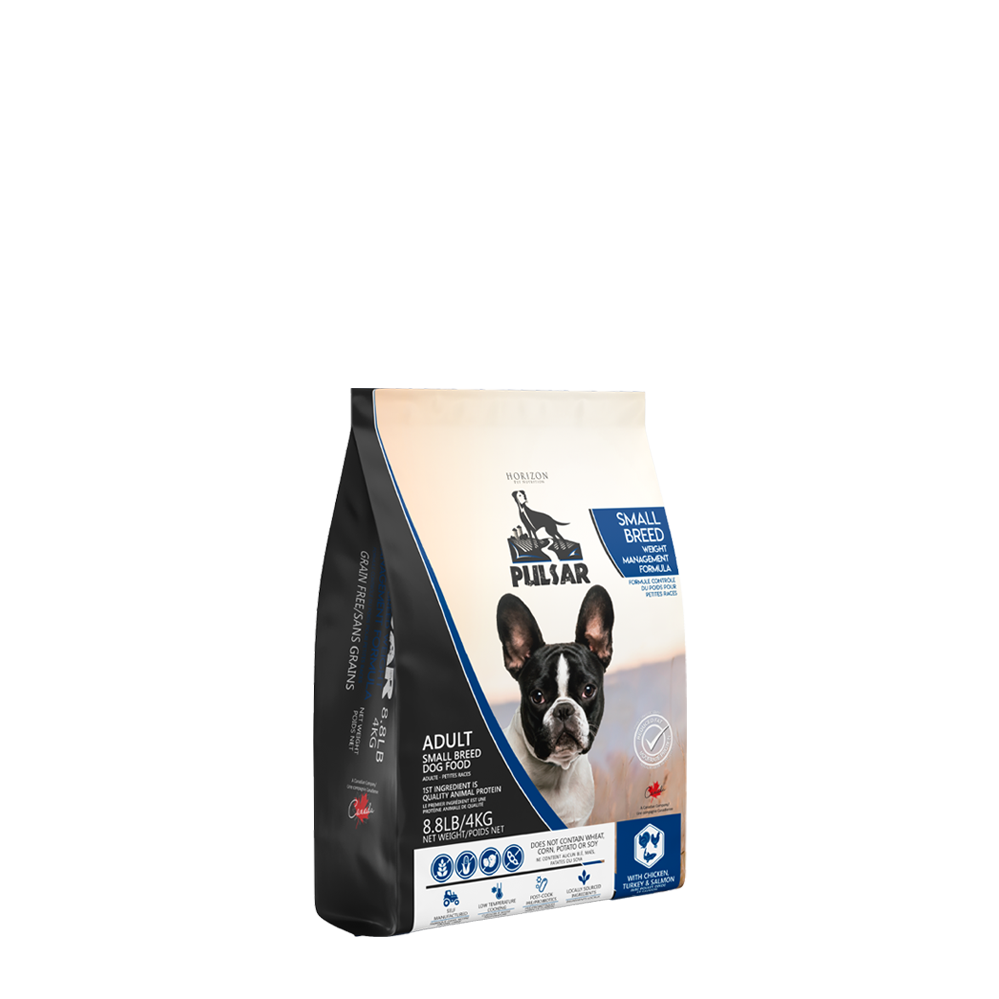
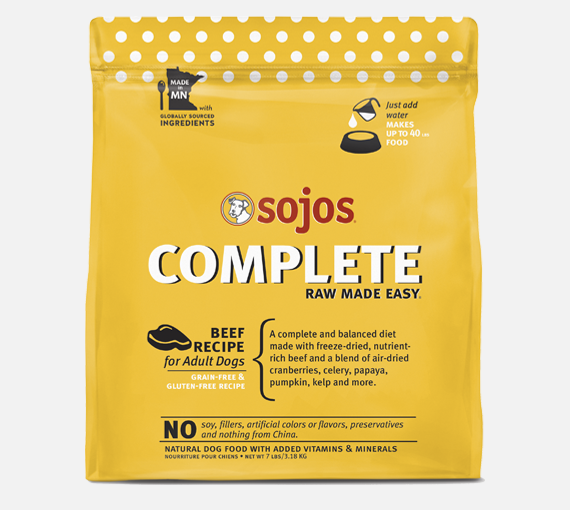
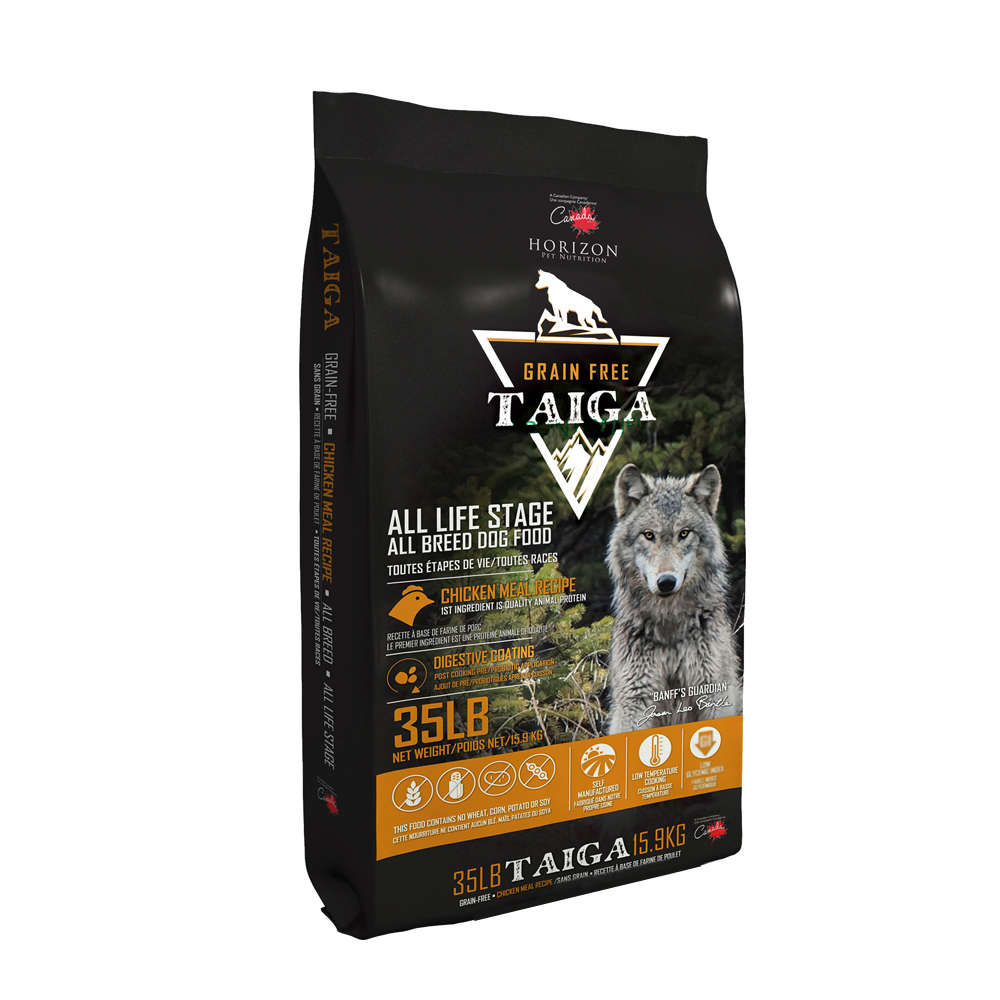
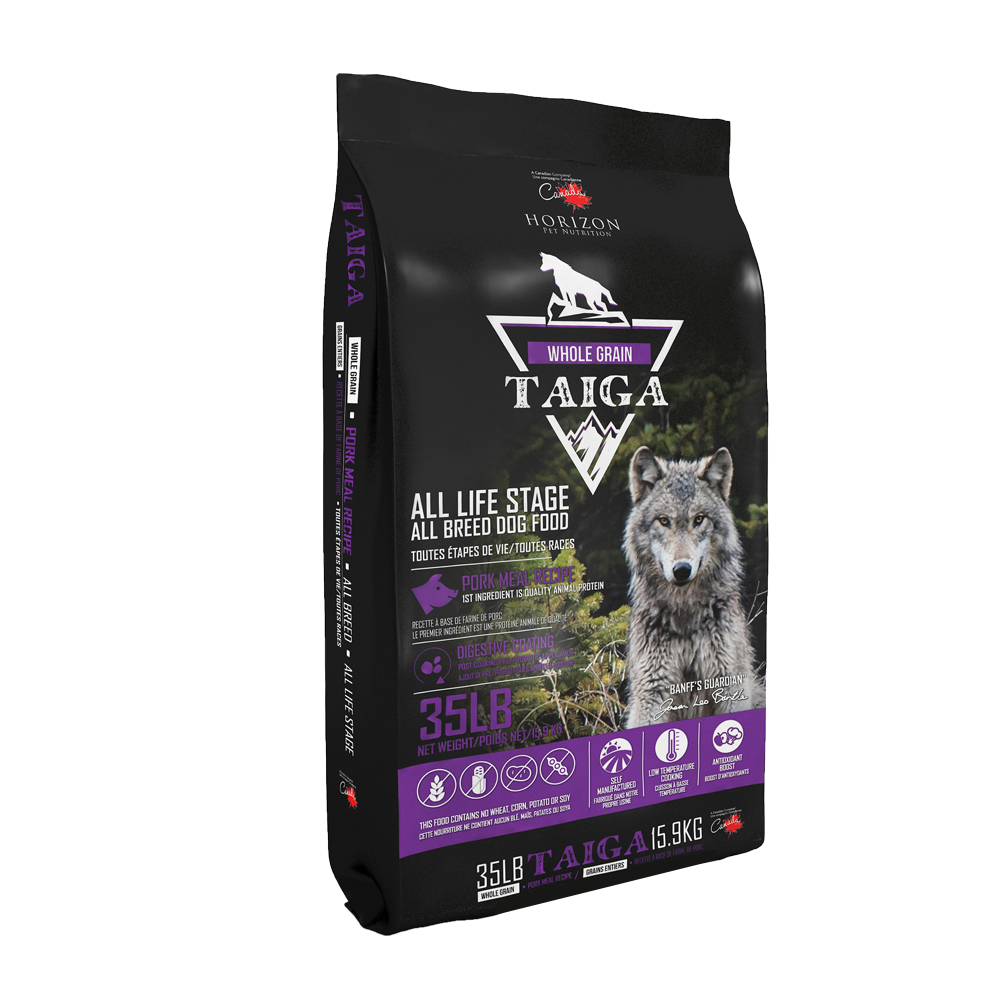
28 foods in the KibbleLab database contain Cabbage, including Dr. Marty, Instinct, K9 Natural.
Foods with Cabbage
Alphabetical by brand. Scores run 0 to 10, higher is better, on published veterinary science.

Find the right food for your pet
Sign in free to sort and filter by score, and avoid or require Cabbage in the Food Finder. Add KL+ to see these foods ranked for your pet's breed, age, and health focus.

 Continue with Google
 Continue with Facebook