Duck
444 foods contain this ingredient
This is an alphabetical list, not a ranking. Add KL+ to rank foods for your pet in the Food Finder.
About Duck
In pet food labeling, duck is typically listed as fresh duck, duck meal, or duck by-product meal, each processed and used differently in a formula.
Duck is used in pet food primarily as a flavorful animal protein and fat source, commonly included in limited-ingredient or novel-protein formulas for dogs and cats. It supplies high-quality amino acids and energy and can help pets with sensitivities to common proteins, but it is relatively rich in fat (so may be unsuitable for low‑fat or pancreatitis-prone animals), can still trigger allergies in some pets, and requires proper cooking/processing and handling to avoid bacterial contamination.
Related ingredients
- Derived from
- Duck (Anas platyrhynchos domesticus), used fresh, as rendered duck meal made from muscle and fat, or as duck by-product meal, which also includes organs and other clean carcass parts
- Primary role
- Animal protein and fat source, often positioned as a limited-ingredient or novel protein option
Why it's used
Duck meal is a concentrated protein ingredient once rendered (cooked, defatted, and dried), and it supplies a full complement of essential amino acids along with dietary fat. Because it appears in commercial diets less often than chicken or beef, it is frequently chosen for limited-ingredient or elimination diets for dogs and cats with suspected food sensitivities to more common proteins.
Common concerns
- Cross-reactivity with other poultry The Merck Veterinary Manual notes documented serological cross-reactivity among poultry and other protein sources, which is a reason veterinary dermatology sources caution that a pet reacting to chicken may not fully tolerate duck as a distinct novel protein without prior diet history review.
- Fat content Duck fat is comparatively rich, contributing energy density and fatty acids like linoleic and oleic acid, which is a consideration for pets on fat-restricted diets or with a history of pancreatitis.
- Handling and processing As with other raw poultry, unprocessed duck can carry bacterial pathogens, so commercial diets rely on cooking or rendering steps to reduce that risk before the ingredient reaches a finished product.
Also relevant
Duck is generally considered a novel protein mainly because it appears less frequently in mainstream commercial diets today, not because it is biochemically unrelated to chicken or turkey; owners using it for an elimination trial should account for a pet's full feeding history.
4 sources cited
- Duck meal is produced by rendering (cooking, defatting, drying to a powder) and functions as a concentrated protein ingredient
- Duck fat's major fatty acids include oleic, stearic, and linoleic acid
- Merck Veterinary Manual documents serological cross-reactivity among poultry and other protein sources when selecting novel-protein diets
- Beef, dairy, chicken, wheat, and lamb are the most commonly documented food allergens in dogs based on a review of 297 confirmed cases
Common Questions
What category is Duck?
Duck is categorized as a protein ingredient in the KibbleLab database.
Is Duck part of an allergen group?
Yes. Duck is grouped under the Poultry allergen group in the KibbleLab database.
Which foods contain Duck?
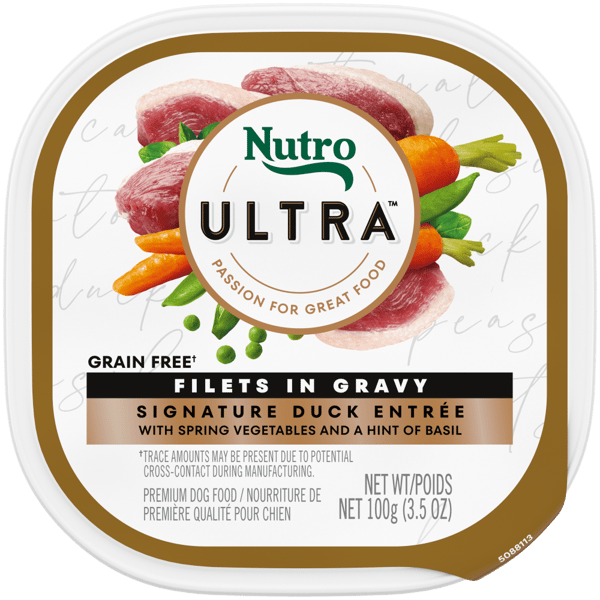
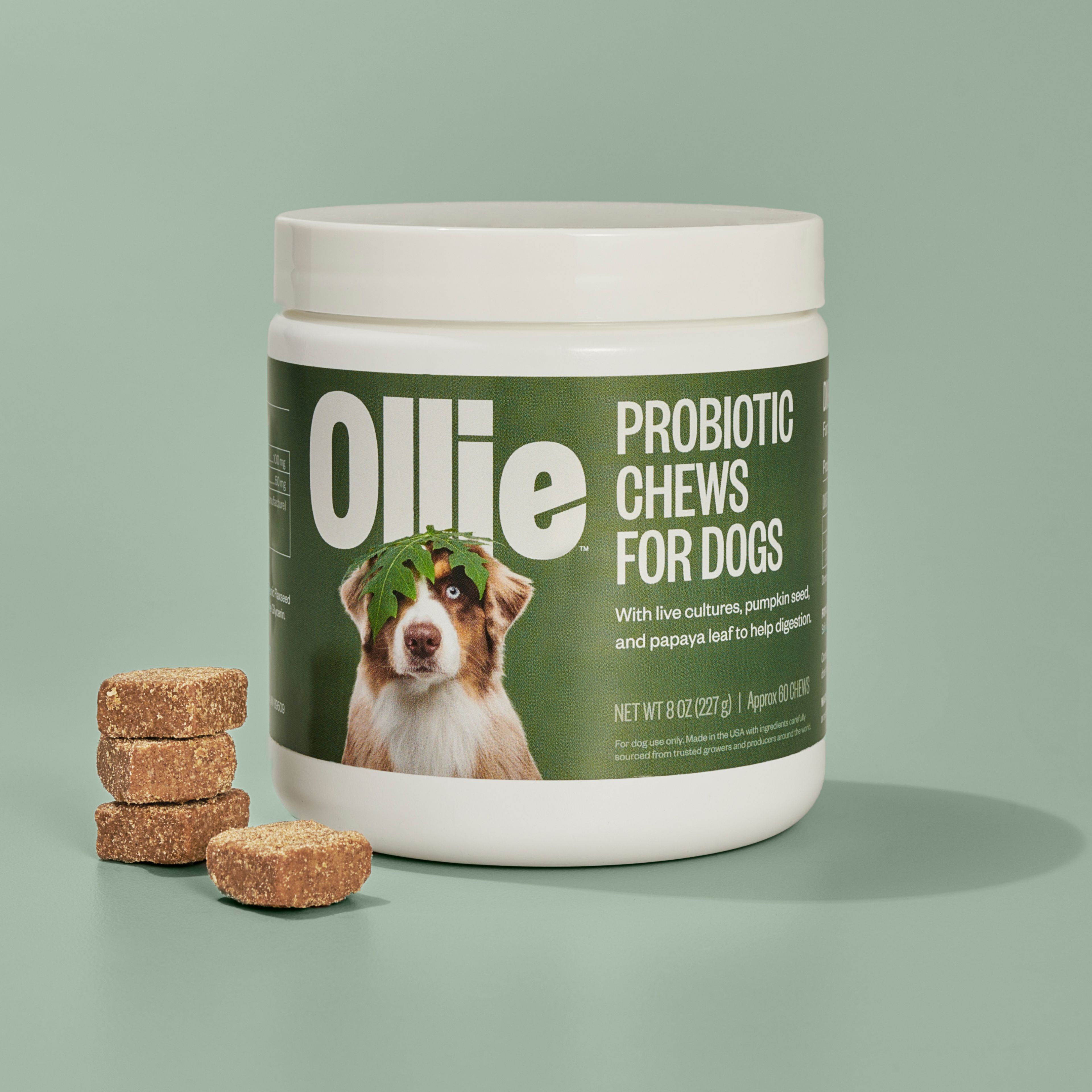
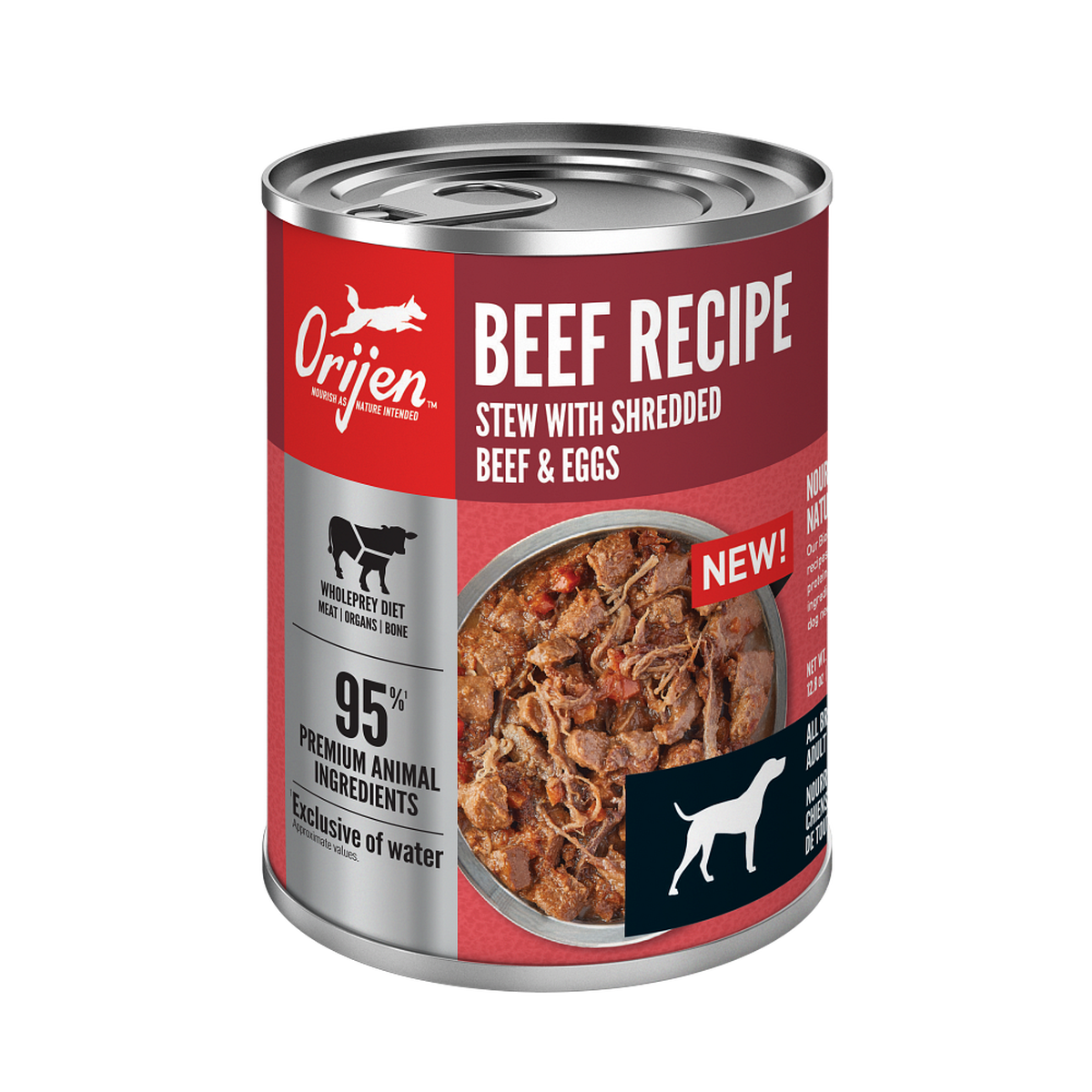
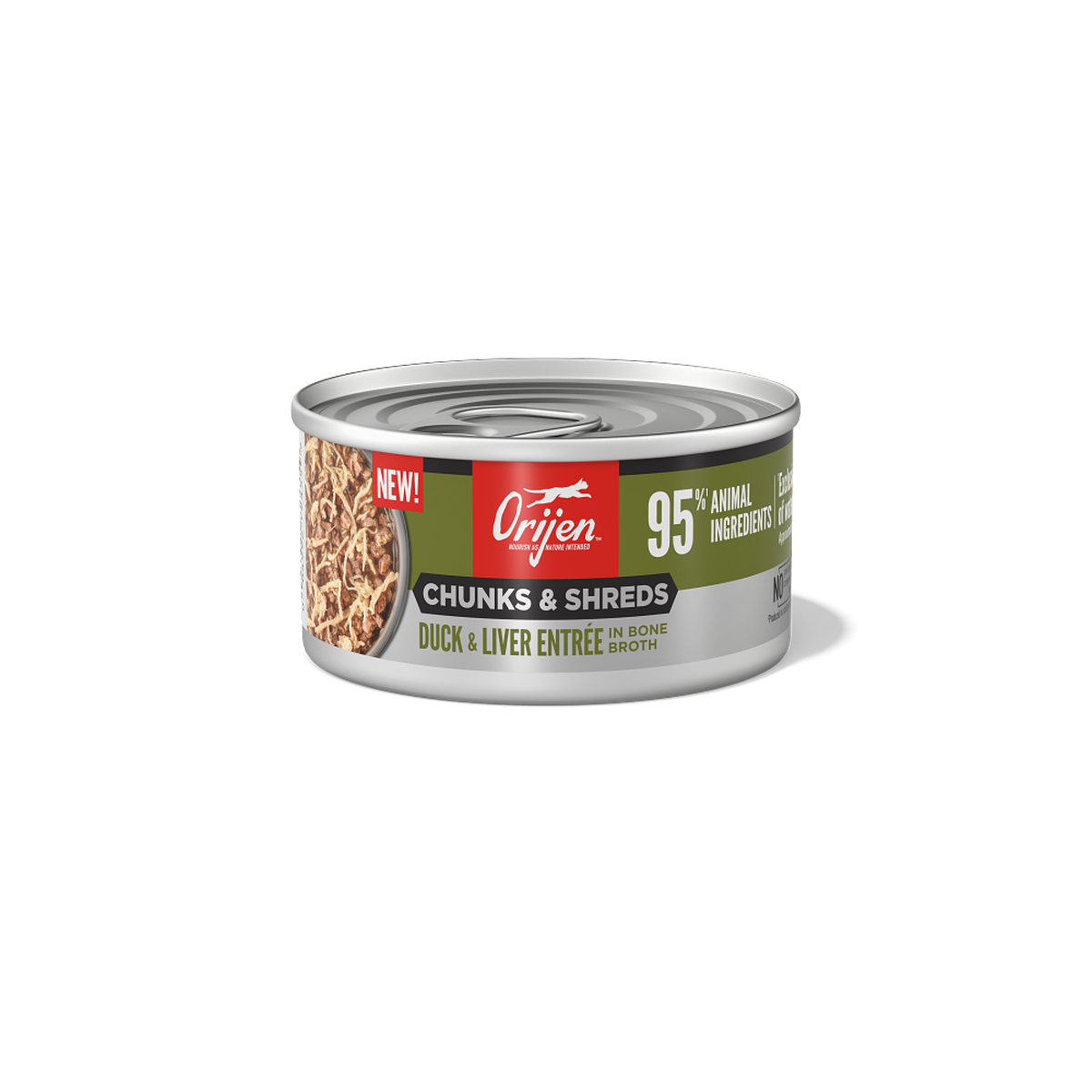
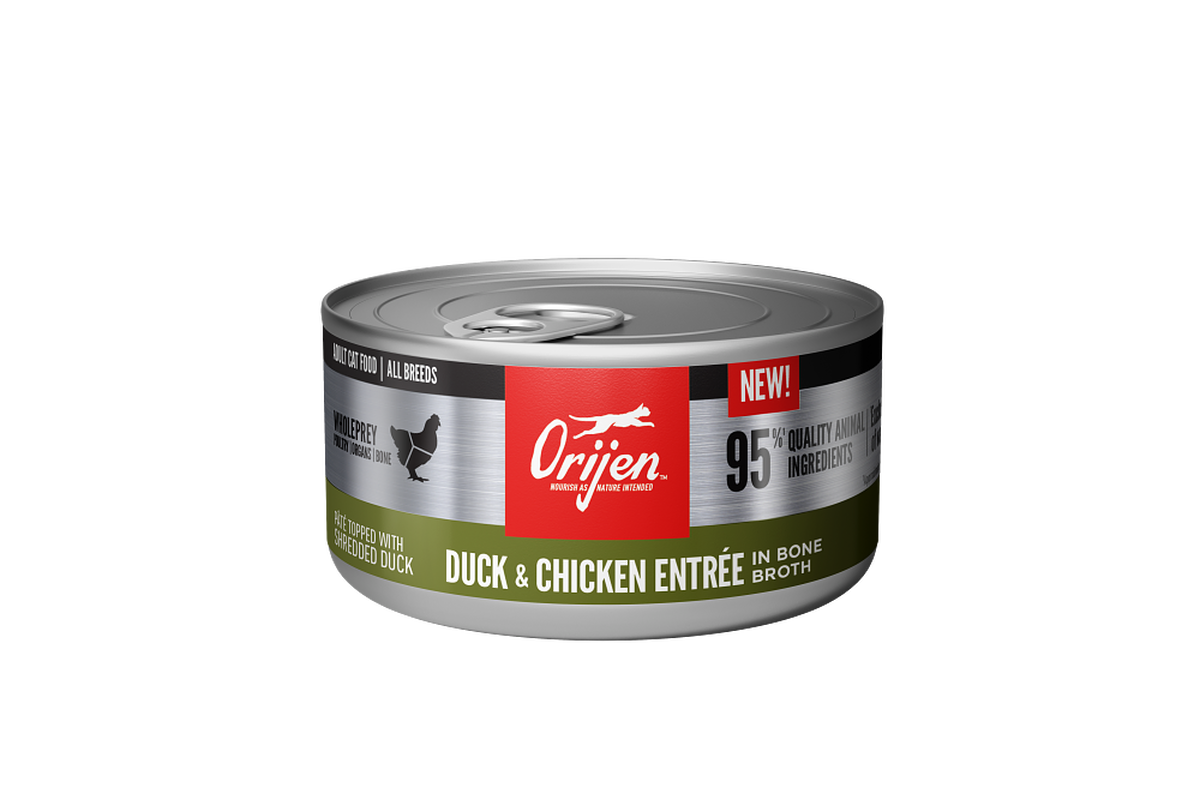
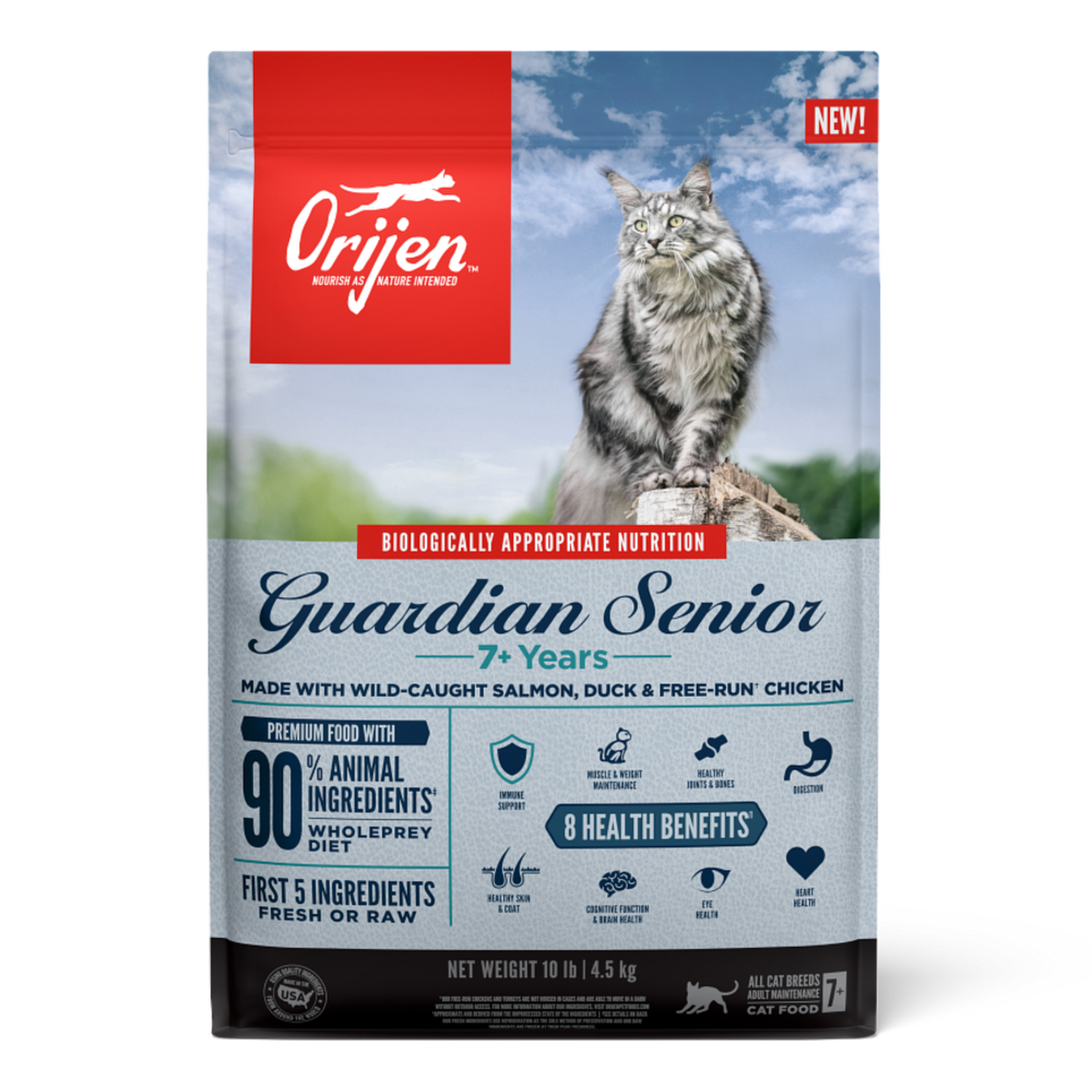
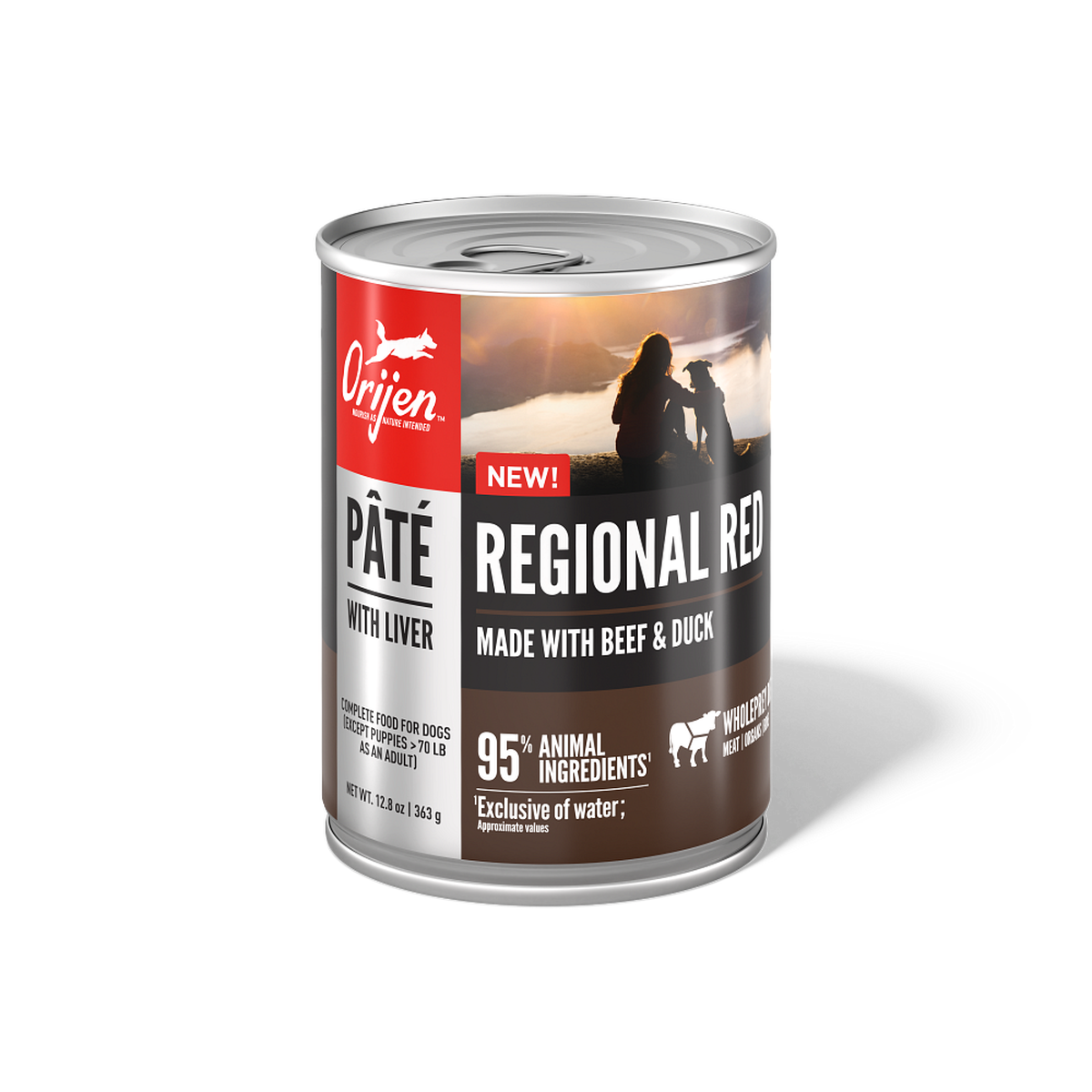
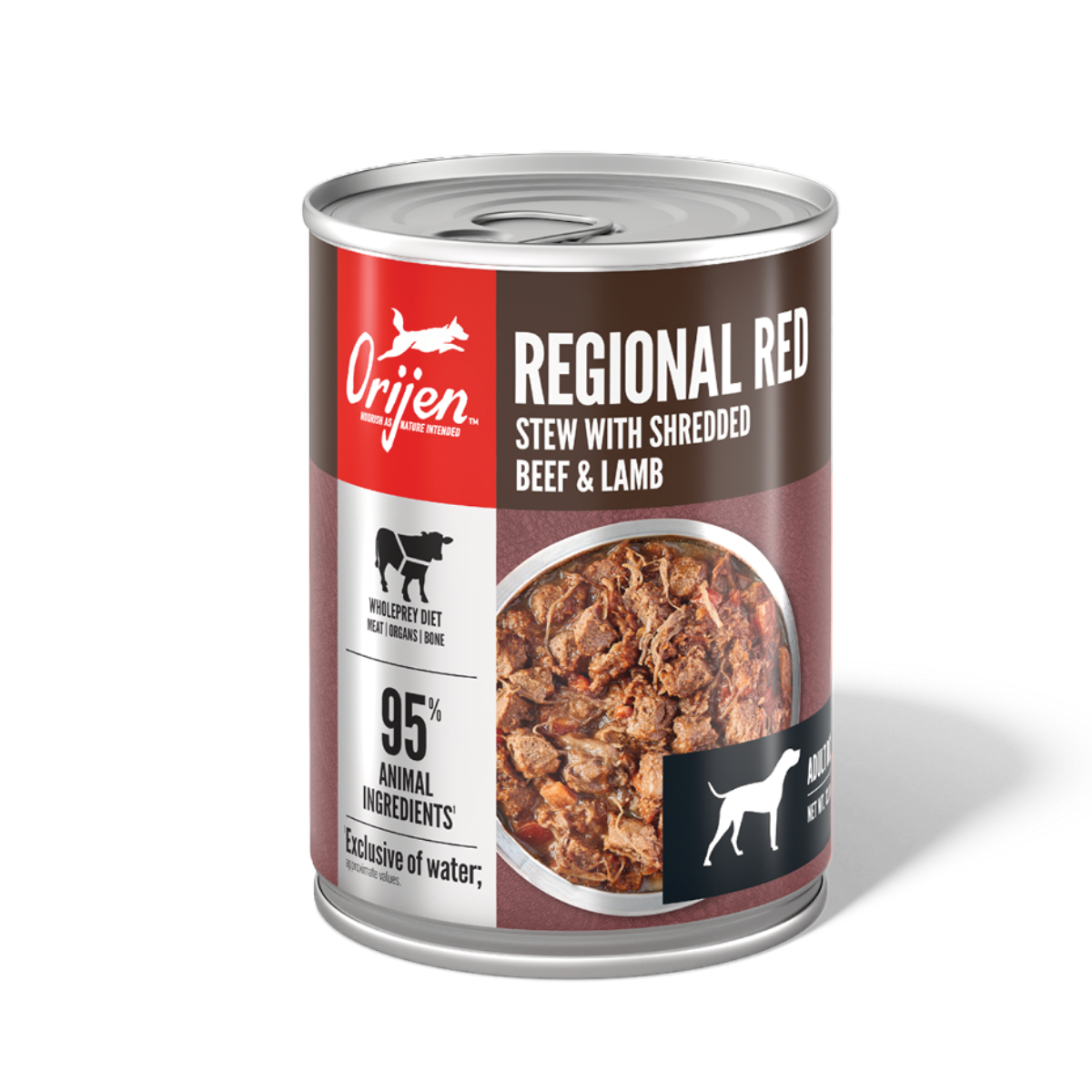
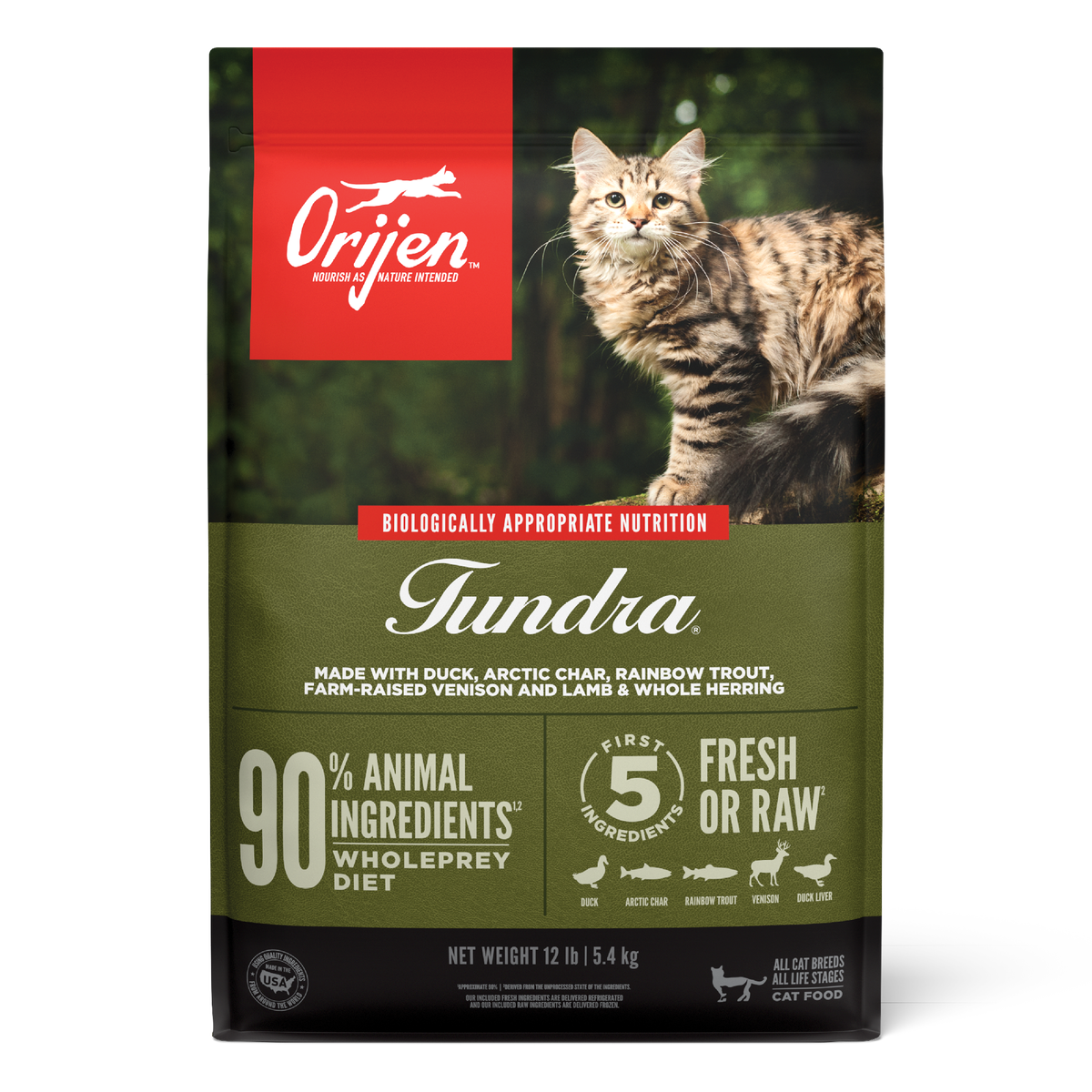
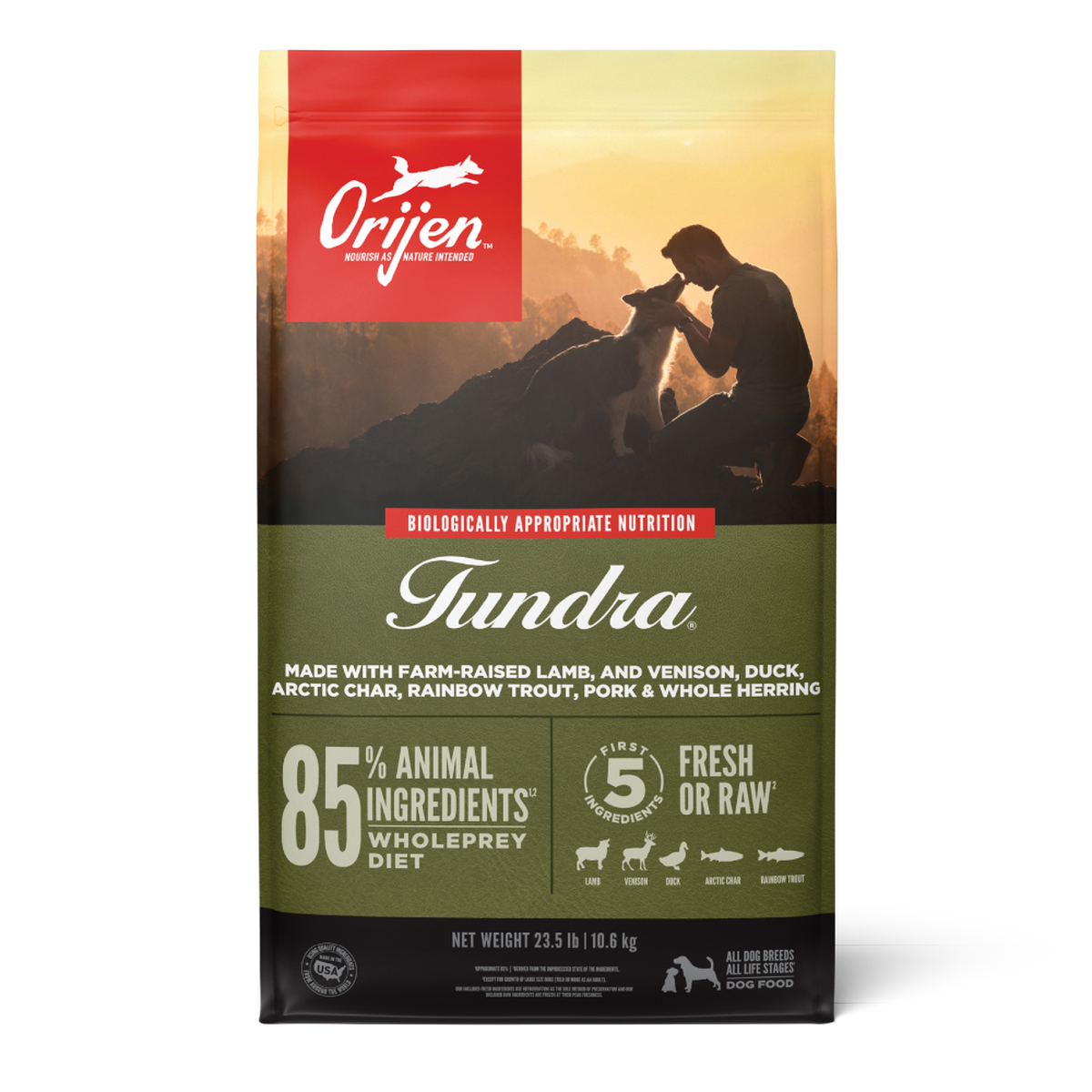
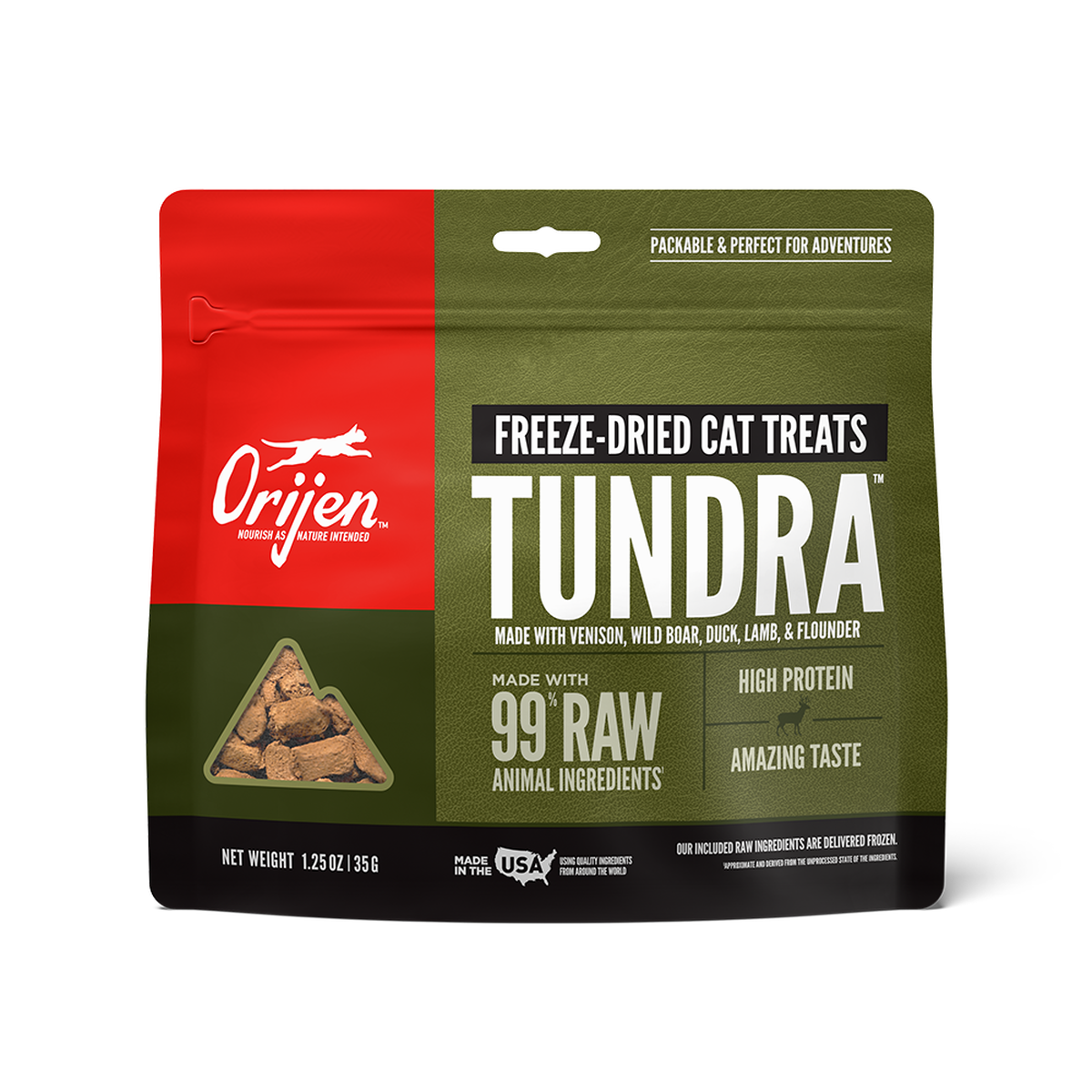
444 foods in the KibbleLab database contain Duck, including NutriSource, Nutro, Ollie.
Foods with Duck
Alphabetical by brand. Scores run 0 to 10, higher is better, on published veterinary science.










.png?sw=1200)

Find the right food for your pet
Sign in free to sort and filter by score, and avoid or require Duck in the Food Finder. Add KL+ to see these foods ranked for your pet's breed, age, and health focus.

 Continue with Google
 Continue with Facebook