Flaxseed
2,376 foods contain this ingredient
This is an alphabetical list, not a ranking. Add KL+ to rank foods for your pet in the Food Finder.
About Flaxseed
Flaxseed is a plant seed milled into pet food to supply omega-3 fatty acids, fiber, and a mucilage-like binder for kibble.
Flaxseed is used in pet foods as a plant-based source of alpha‑linolenic acid (ALA) omega‑3, soluble and insoluble fiber, and modest protein, often added to support skin and coat condition, digestive health, and kibble texture; ground seed or flaxseed oil is more digestible than whole seed. Dogs can partially convert ALA to long‑chain EPA/DHA but cats convert ALA poorly and therefore still need marine sources for essential DHA/EPA; flax is calorie‑dense, prone to oxidation if not stabilized, and contains lignans (phytoestrogens) and trace cyanogenic compounds, so it should be processed and used in moderation.
Related ingredients
- Derived from
- Linum usitatissimum seed
- Primary role
- plant omega-3 and fiber source
Why it's used
Ground flaxseed contributes alpha-linolenic acid (ALA), a plant omega-3, along with soluble and insoluble fiber, and its mucilage content helps bind kibble and treats during processing. It is generally used ground rather than whole, since the seed's outer hull limits how much of its oil and fiber the animal can actually absorb.
Common concerns
- Limited ALA-to-EPA/DHA conversion Dogs have some capacity to convert ALA into the long-chain omega-3s EPA and DHA, but cats have markedly limited conversion enzyme activity, so both species, especially cats, still depend on marine-sourced EPA/DHA for those specific fatty acids.
- Lignans (phytoestrogens) Flaxseed is rich in lignans that gut bacteria convert into enterolignans with hormone-mimicking activity, a documented pharmacological property of the seed.
- Raw cyanogenic compounds Raw flaxseed contains cyanogenic glycosides, but heat processing used in standard pet food manufacturing substantially reduces these compounds in the finished product.
- Oxidation and rancidity Flaxseed oil is highly polyunsaturated and prone to oxidation, which is why manufacturers typically add antioxidants to stabilize flax-containing products through processing and storage.
Also relevant
A peer-reviewed feeding trial found that 2.6 percent dietary ground flaxseed raised serum ALA levels in cats over 28 days without harming nutrient digestibility or stool quality, though the study did not measure whether that translated into higher EPA or DHA.
5 sources cited
- Flaxseed fatty acid, protein, and fiber composition
- Lignans and their conversion to hormone-active enterolignans
- Cyanogenic glycoside content and reduction through heat processing
- Species differences in delta-6-desaturase activity and ALA conversion in dogs versus cats
- Feeding trial showing ground flaxseed raises serum ALA in cats without affecting digestibility
Common Questions
What category is Flaxseed?
Flaxseed is categorized as a fat oil ingredient in the KibbleLab database.
Is Flaxseed part of an allergen group?
No allergen group is linked to Flaxseed in the KibbleLab database.
Which foods contain Flaxseed?
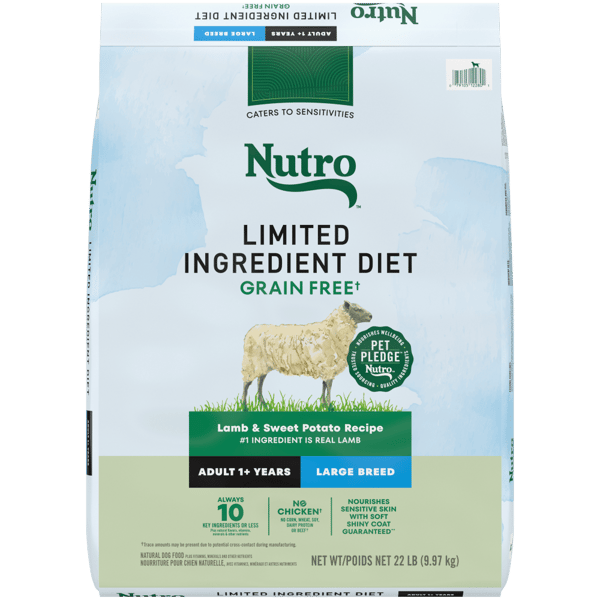
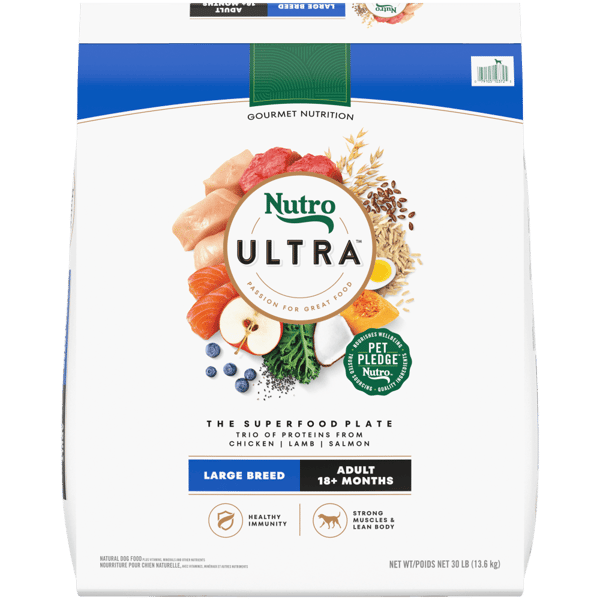
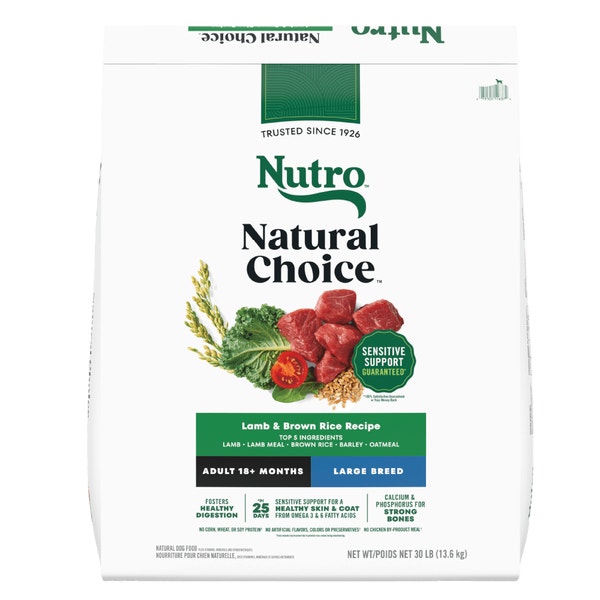
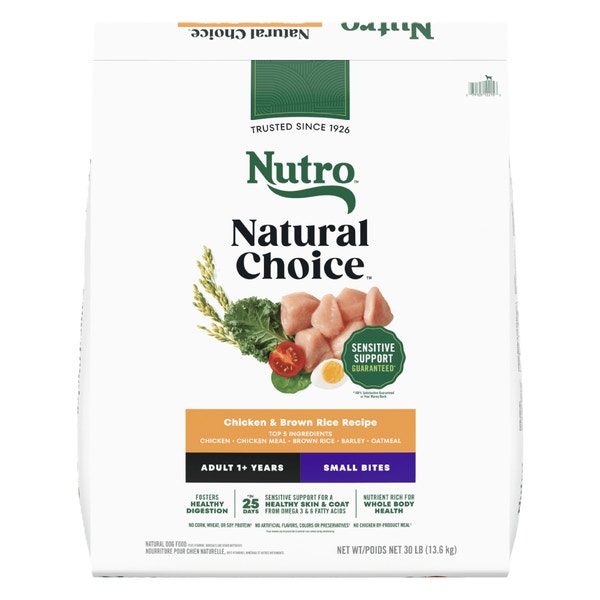
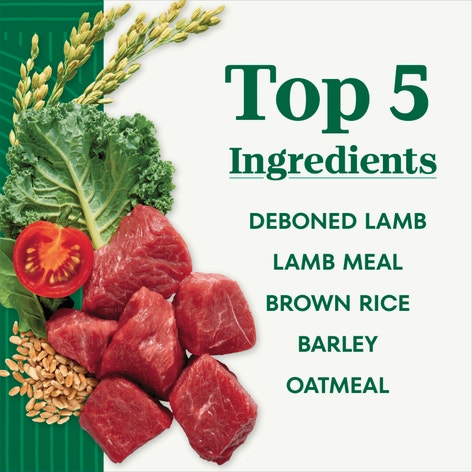
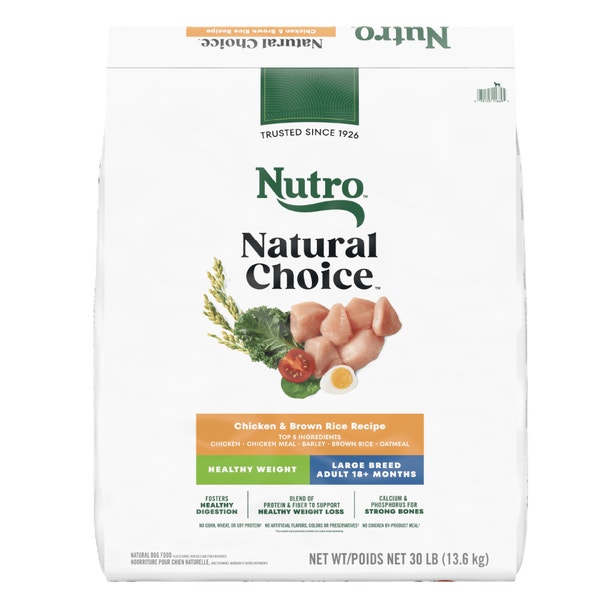
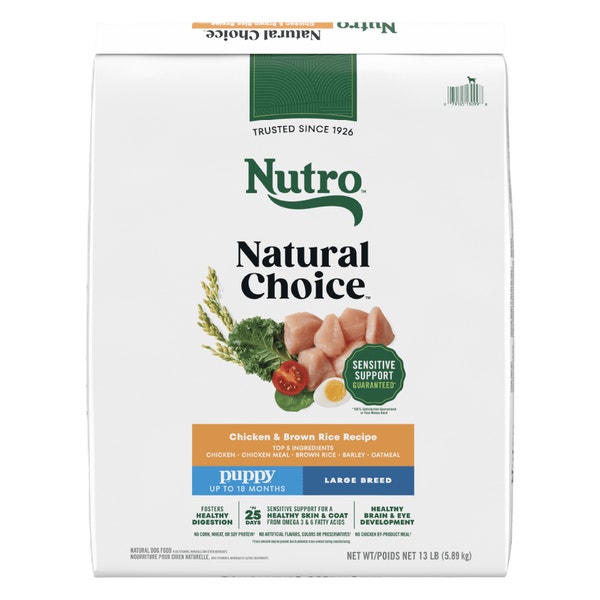
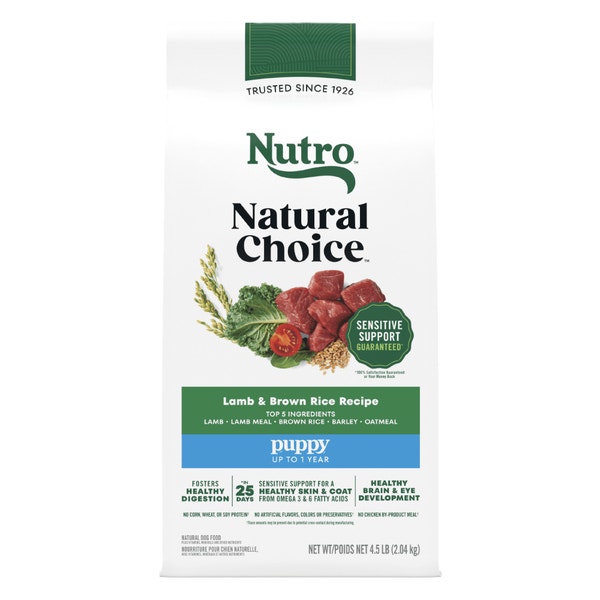
2,376 foods in the KibbleLab database contain Flaxseed, including NutriSource, Nutri-Vet, Nutro.
Foods with Flaxseed
Alphabetical by brand. Scores run 0 to 10, higher is better, on published veterinary science.










Find the right food for your pet
Sign in free to sort and filter by score, and avoid or require Flaxseed in the Food Finder. Add KL+ to see these foods ranked for your pet's breed, age, and health focus.

 Continue with Google
 Continue with Facebook