Goat
89 foods contain this ingredient
This is an alphabetical list, not a ranking. Add KL+ to rank foods for your pet in the Food Finder.
About Goat
Goat meat is a single-source animal protein that shows up in dog and cat diets aimed at pets who haven't eaten it before.
Goat is used in pet foods as a novel animal protein source—lean and digestible meat that provides high-quality protein and nutrients such as iron and B vitamins, and is often chosen for dogs or cats with sensitivities to common proteins. While it can be a useful alternative in elimination diets, pet parents should ensure the product is formulated to be complete and balanced (including adequate taurine for cats), be aware individual animals can still react, and avoid feeding raw goat due to parasite and bacterial risks.
Related ingredients
- Derived from
- Goat meat (muscle meat)
- Primary role
- Novel protein source for elimination diet trials
Why it's used
Because most household pets have little or no prior exposure to goat, veterinary dermatology sources point to it as a candidate novel protein for diet trials used to work up suspected food allergies. Research comparing terrestrial meat sources also notes goat runs comparatively high in iron and zinc relative to some other red meats.
Common concerns
- Cross-reactivity with other red meats Veterinary allergy literature (JAVMA, 2023) documents serological cross-reactivity among ruminant proteins such as beef, lamb, and cow's milk, so a pet reactive to those may still respond to goat given shared protein structures.
- Undeclared ingredients in commercial diets A peer-reviewed microarray analysis (PMC) found that a notable share of commercial novel-protein and hydrolyzed diets contained animal species not listed on the label, which can undermine an elimination trial regardless of which novel protein is chosen.
- Raw preparation and pathogen risk AVMA-published research and surveys of raw pet foods have found Salmonella and other pathogens such as Toxoplasma gondii and Cryptosporidium at meaningfully higher rates than in conventionally processed pet food, which is why raw goat is discouraged.
- Diet trials need veterinary supervision Veterinary dermatology guidance describes elimination trials as needing to run for roughly six to ten (sometimes up to twelve) weeks under a veterinarian's oversight to be diagnostically useful.
Also relevant
Because goat falls in the same broad red meat group as beef, bison, and lamb, owners doing a diet trial for a suspected red meat allergy may want to discuss protein selection with their veterinarian first.
6 sources cited
- Elimination diet trial duration and the need for veterinary oversight
- Undeclared animal species found in commercial novel protein and hydrolyzed diets
- Goat meat's relative iron and zinc content among terrestrial animal source foods
- Cross-reactivity among ruminant meat proteins (beef, lamb, cow's milk) in food-allergic dogs
- Cutaneous food allergy background and novel protein selection considerations
- Salmonella and parasite contamination rates in raw pet food versus conventional pet food
Common Questions
What category is Goat?
Goat is categorized as a protein ingredient in the KibbleLab database.
Is Goat part of an allergen group?
Yes. Goat is grouped under the Red Meat allergen group in the KibbleLab database.
Which foods contain Goat?
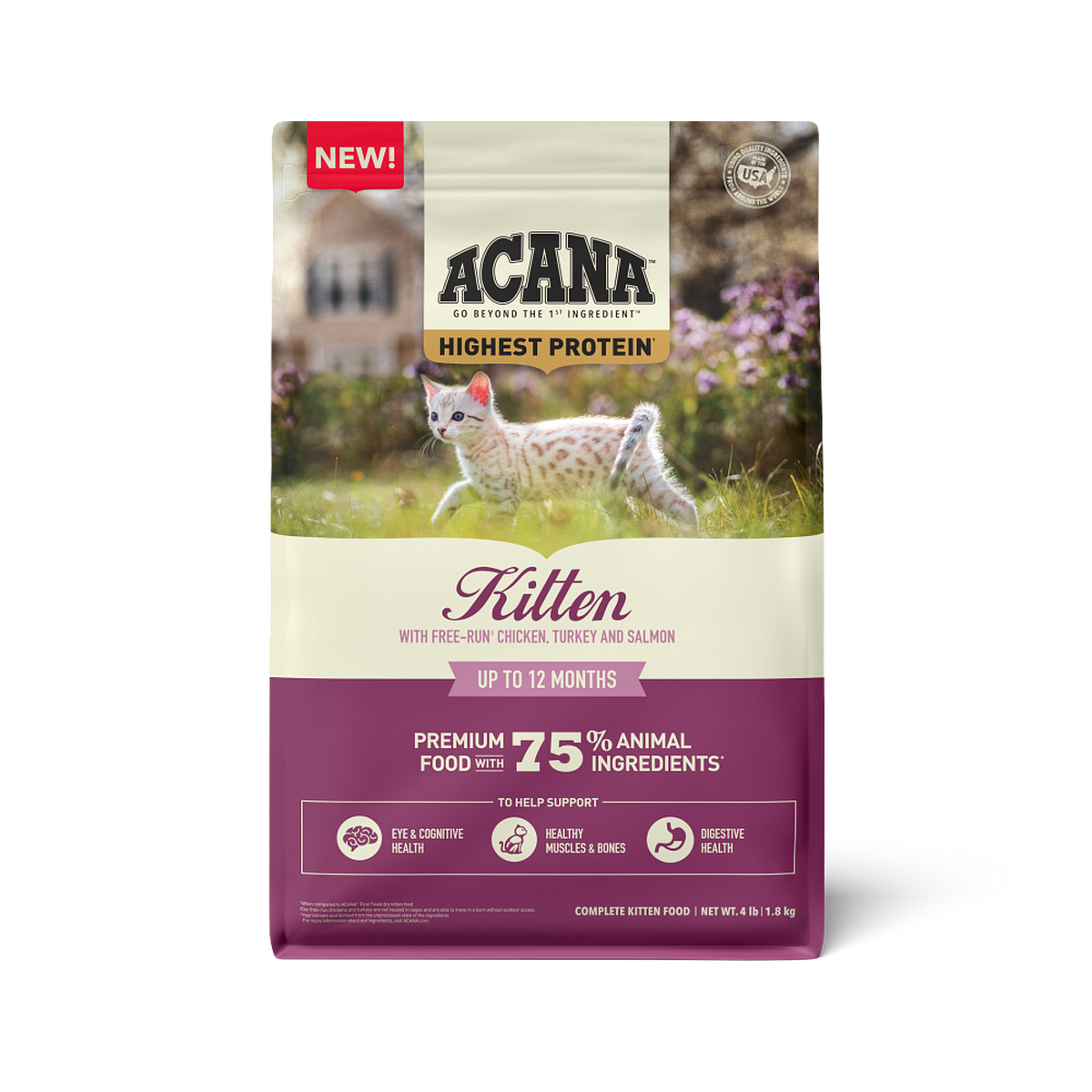
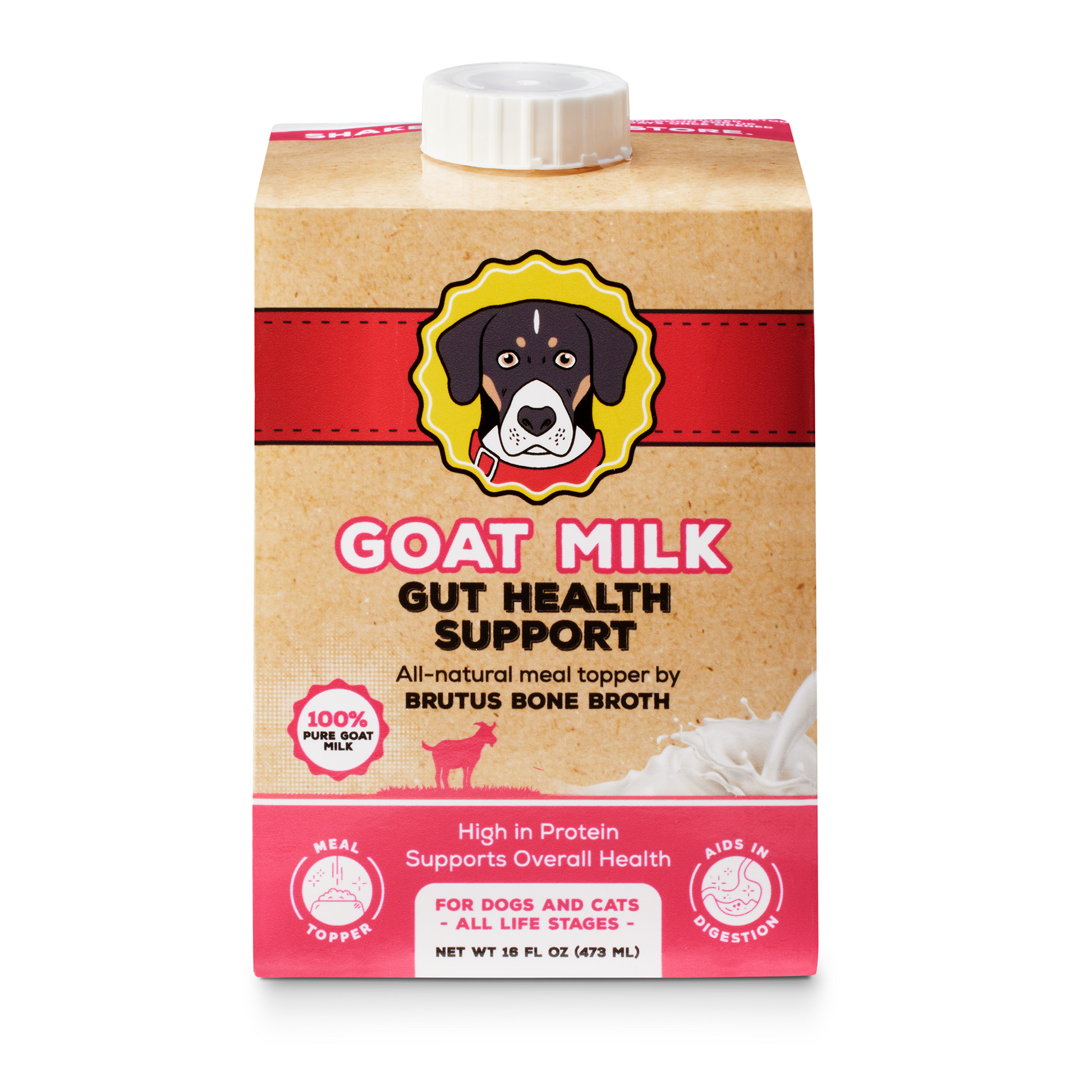
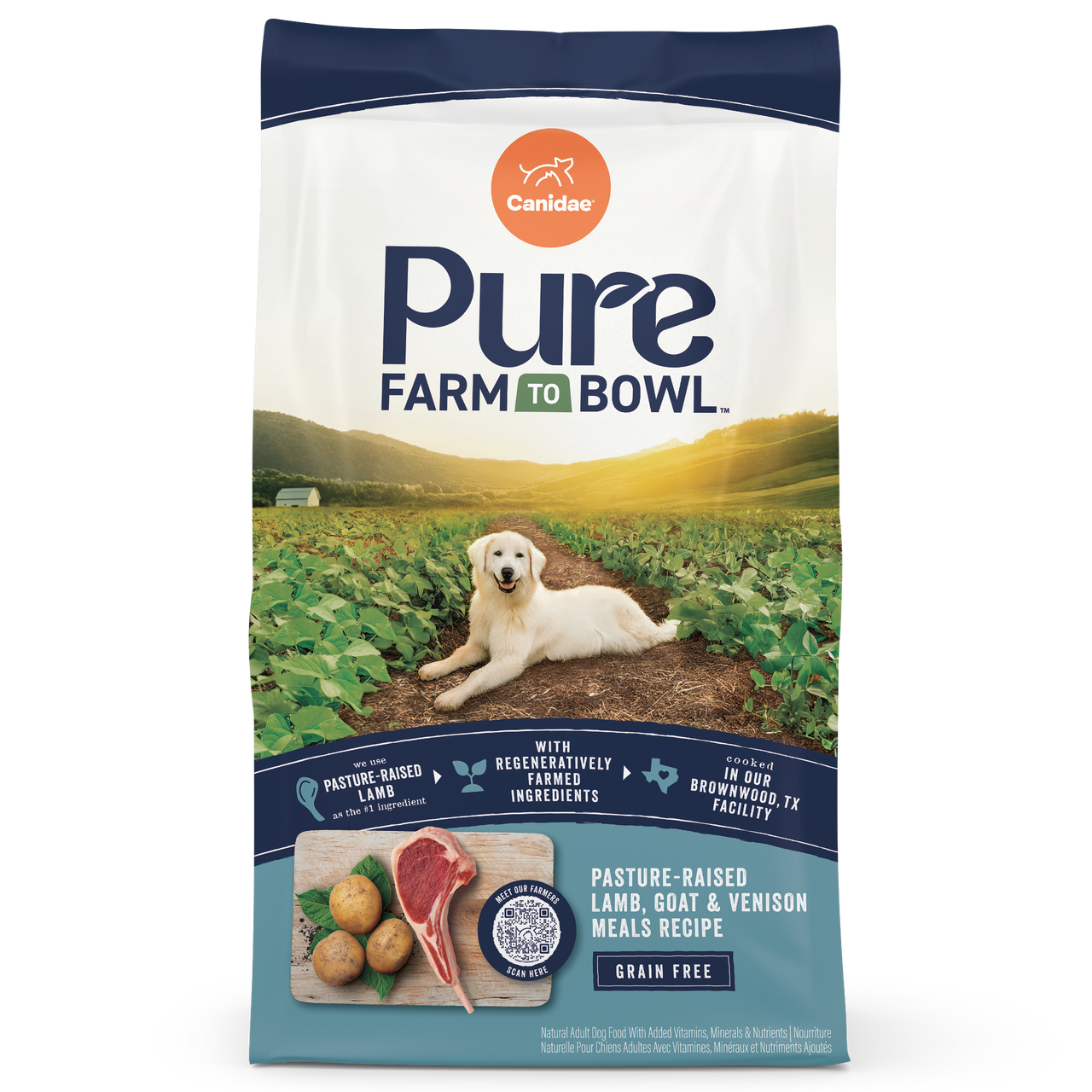
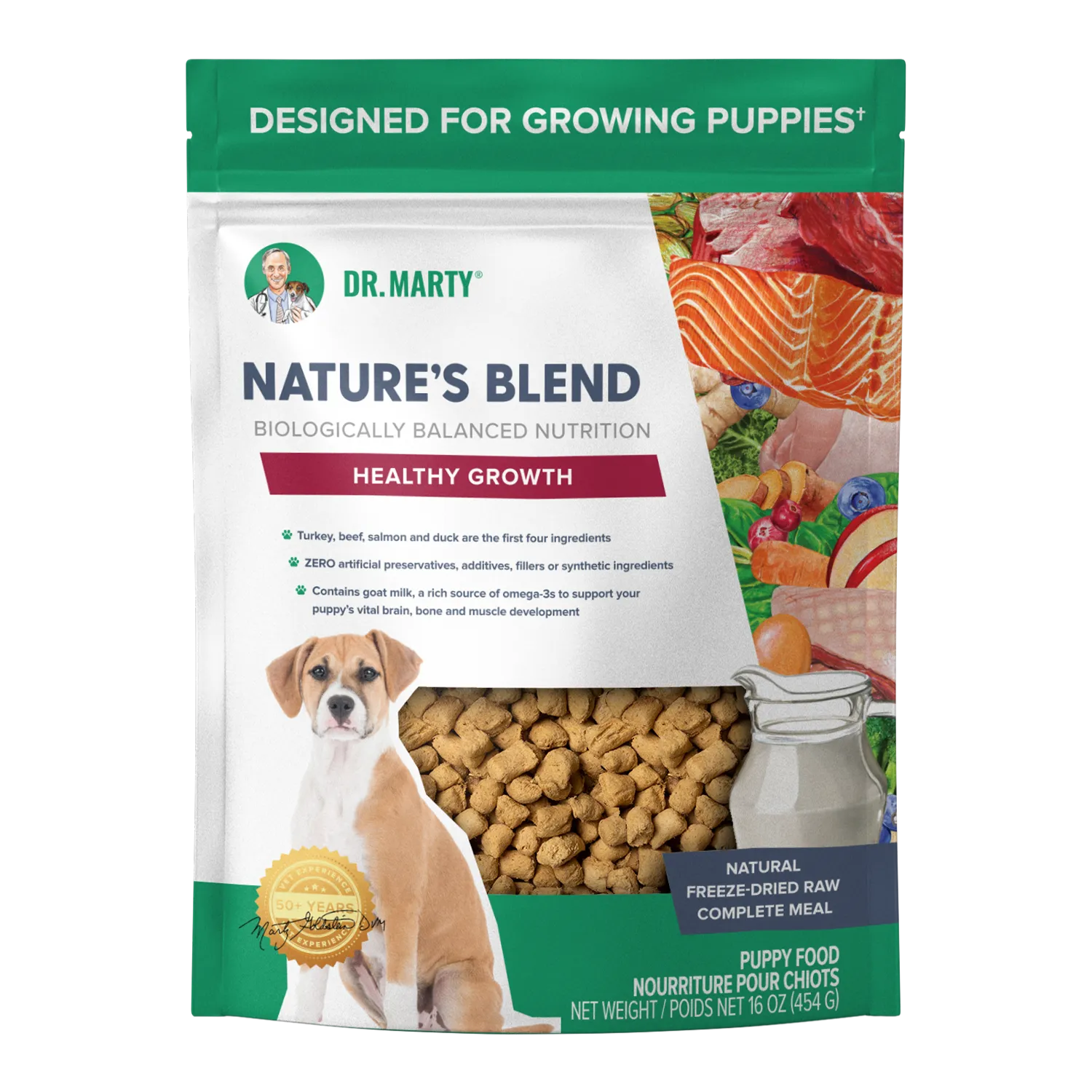
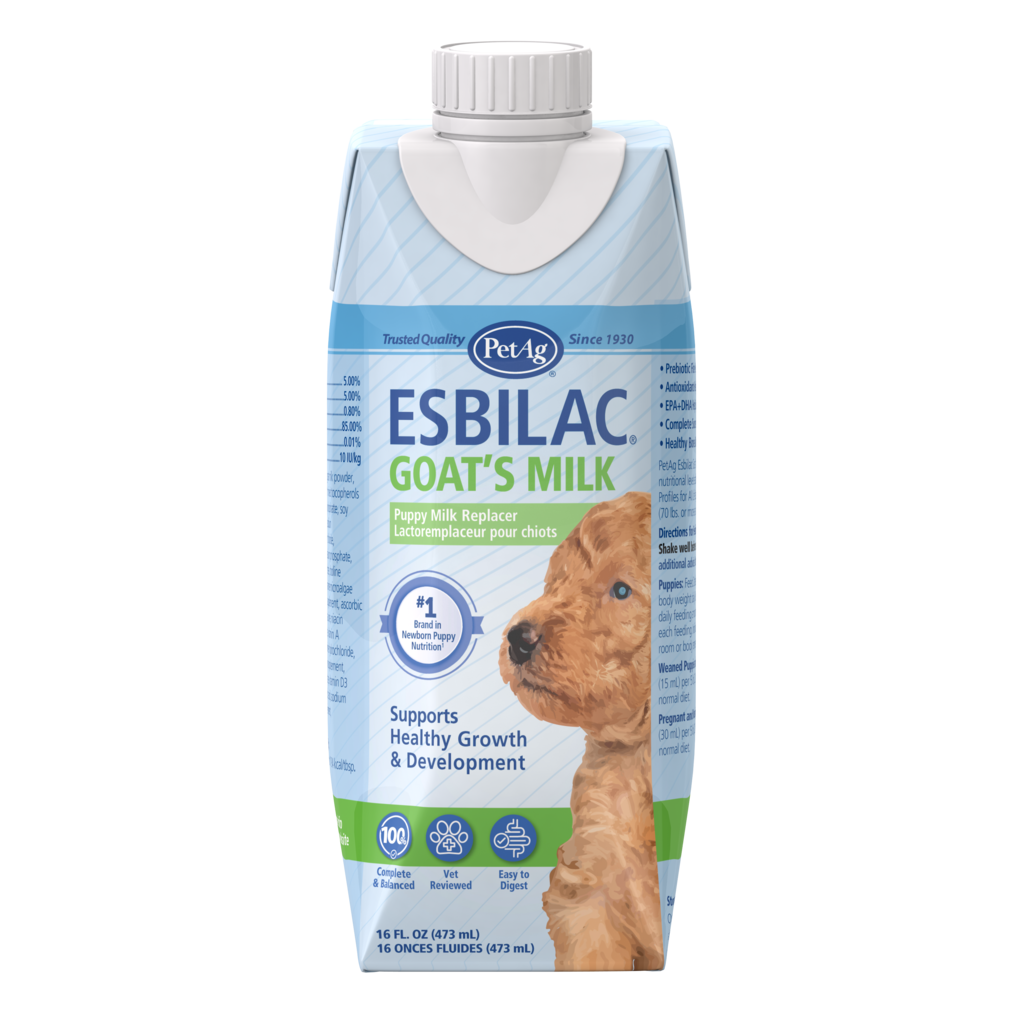
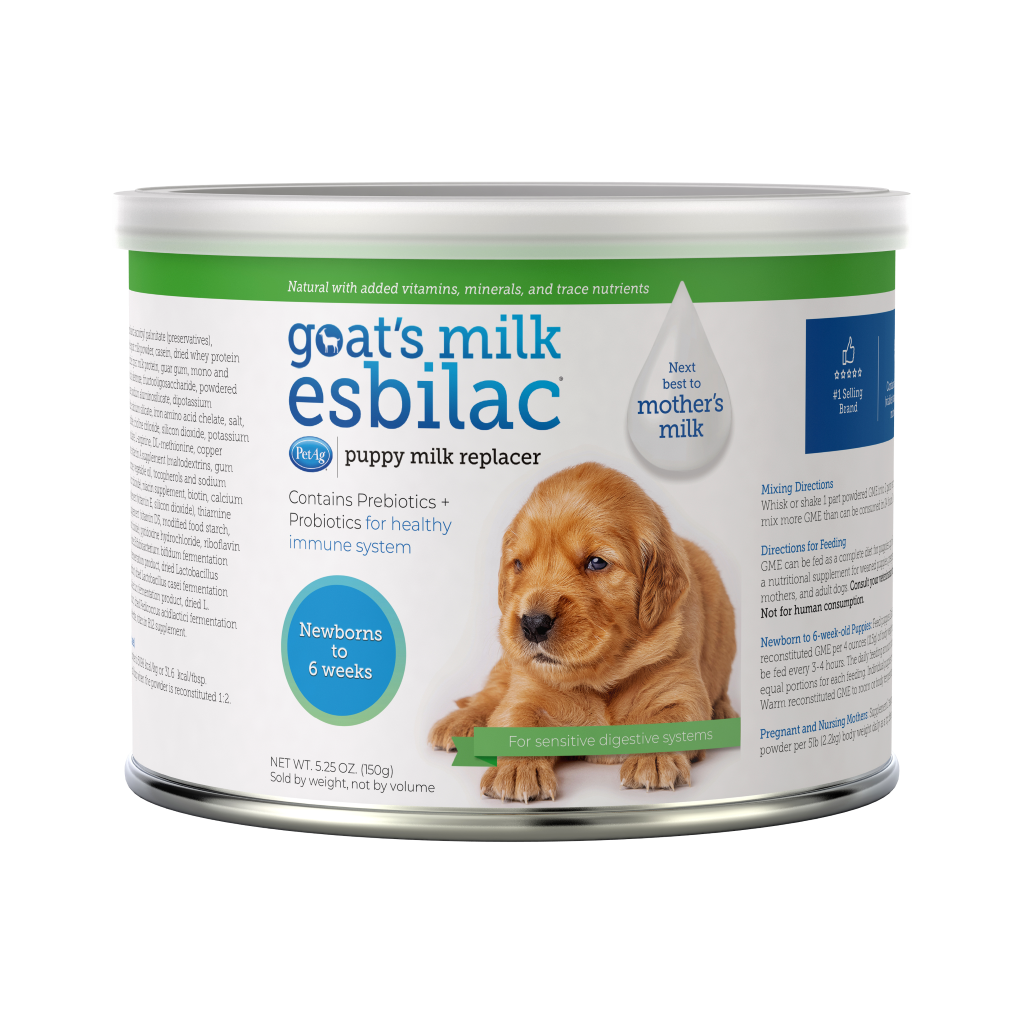
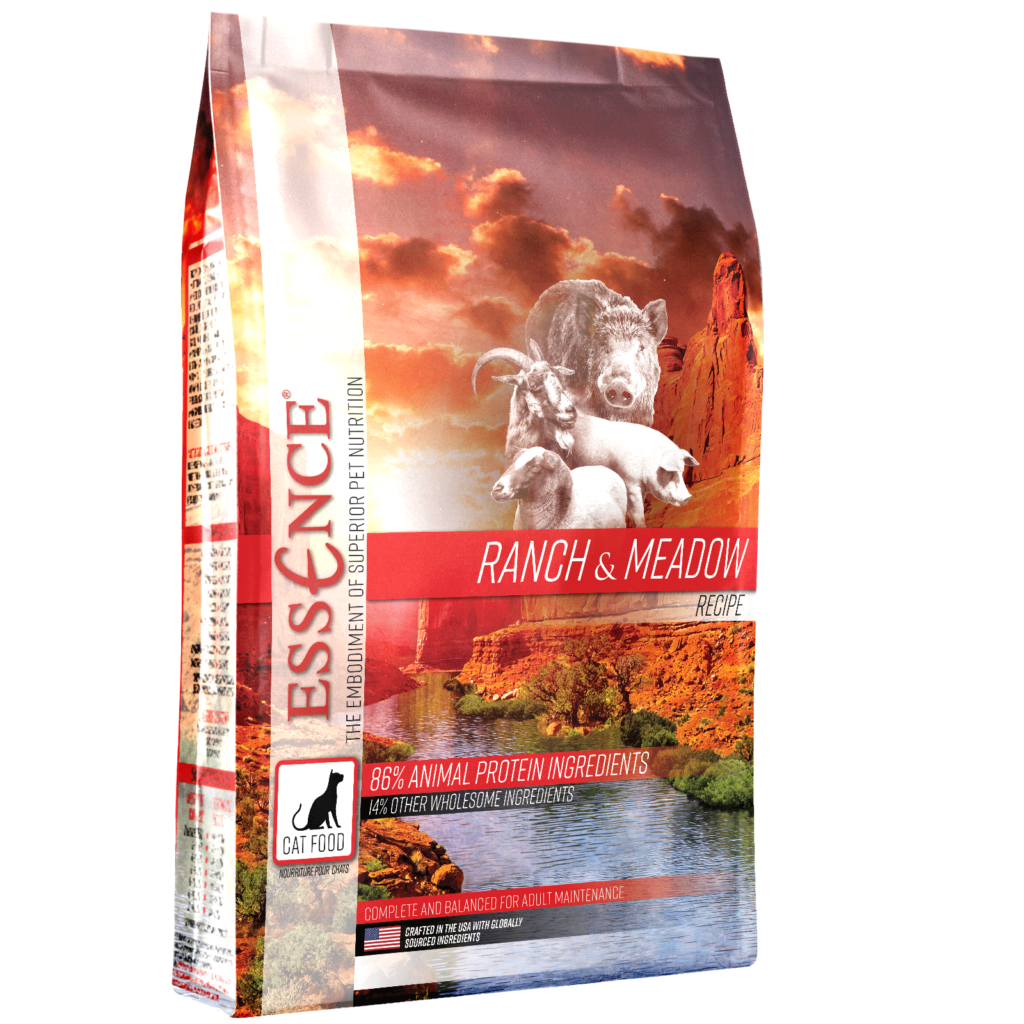
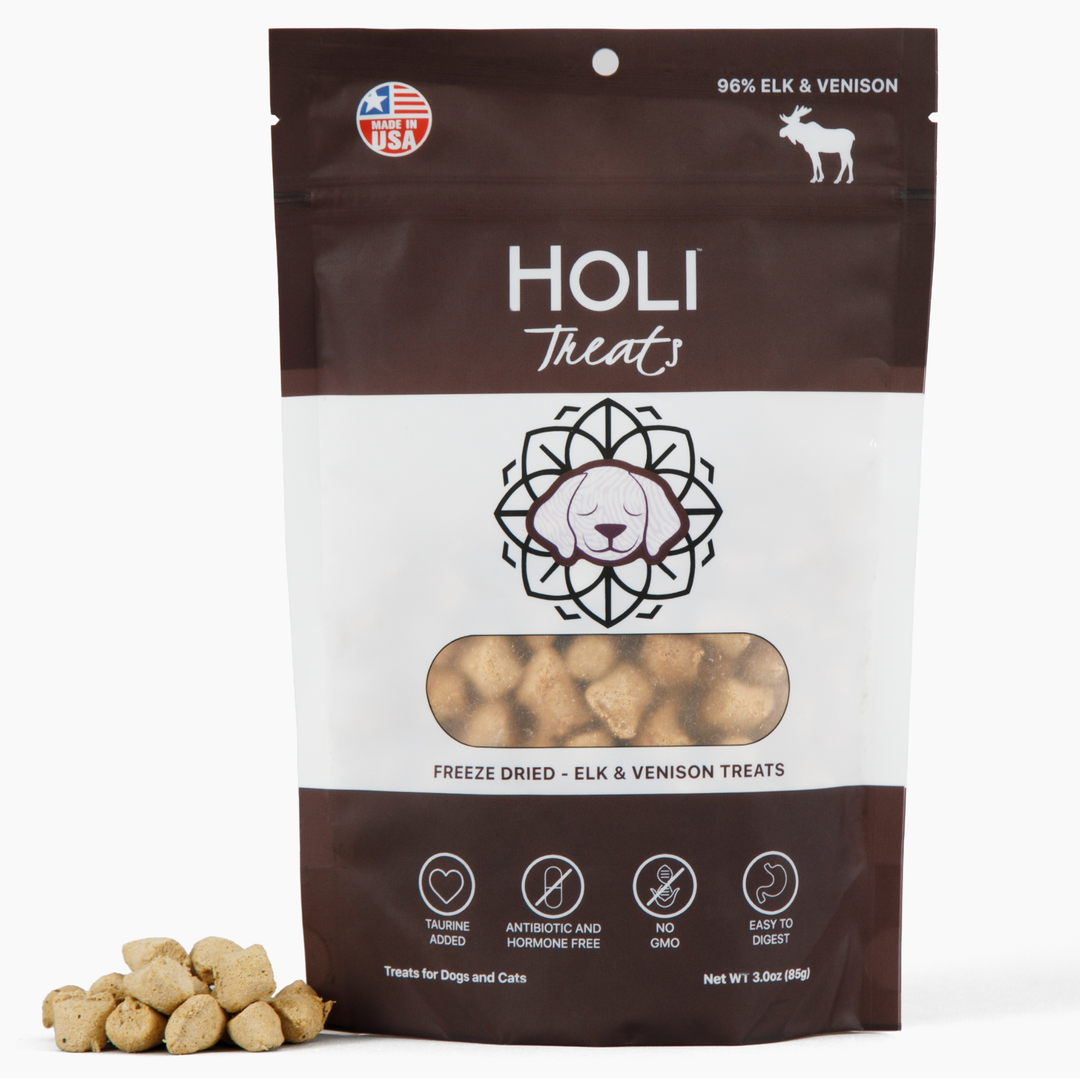
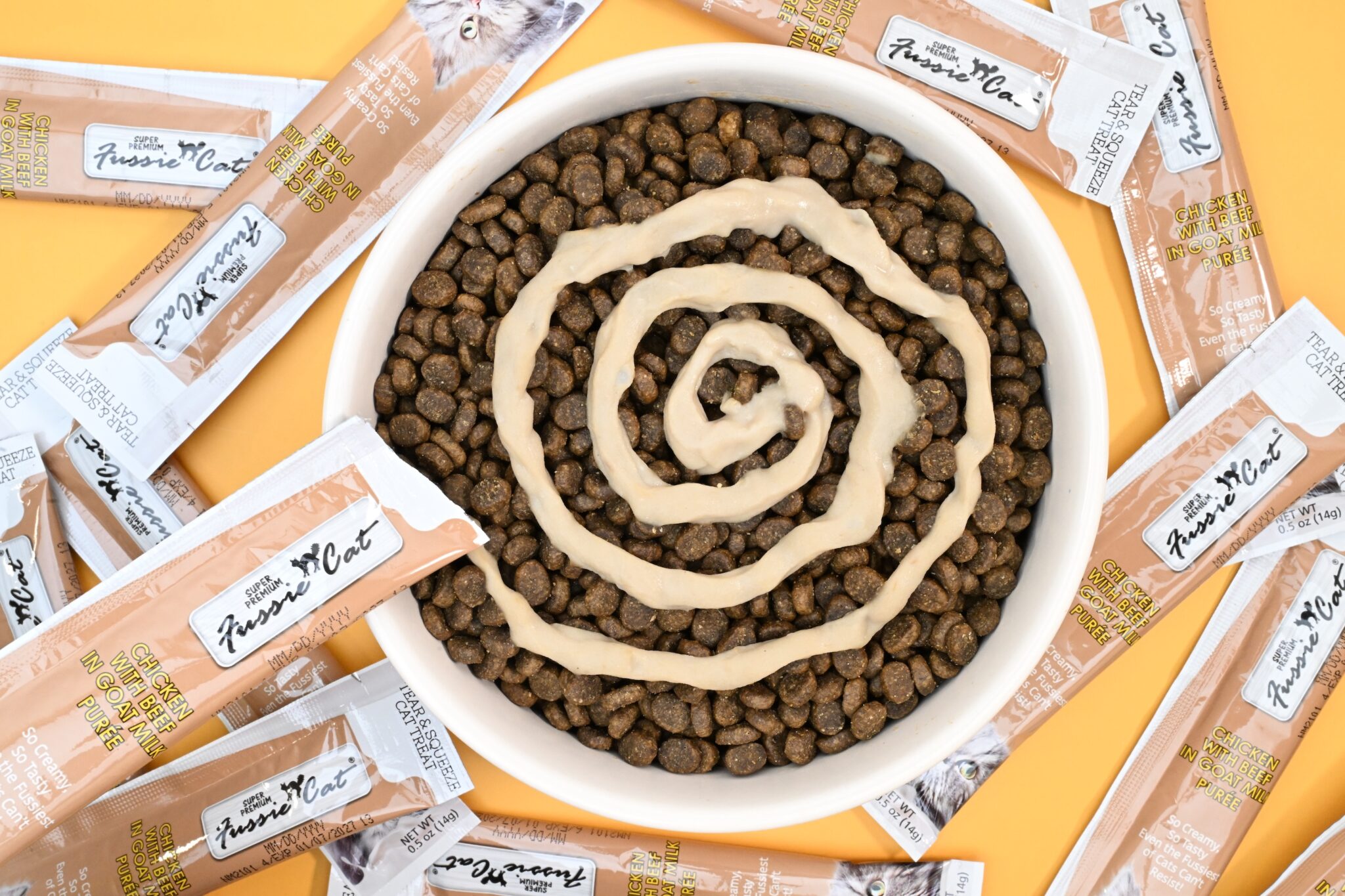
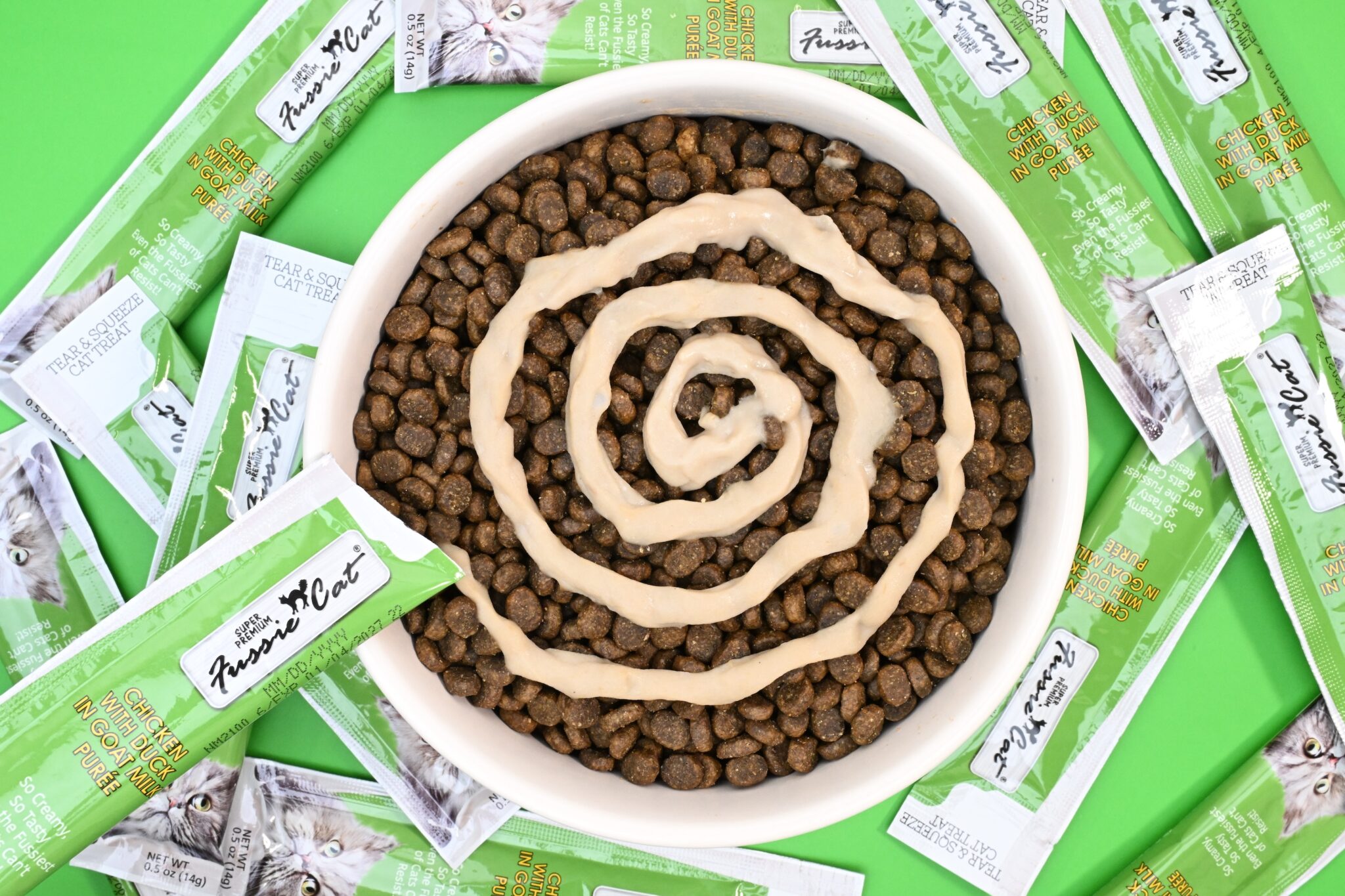
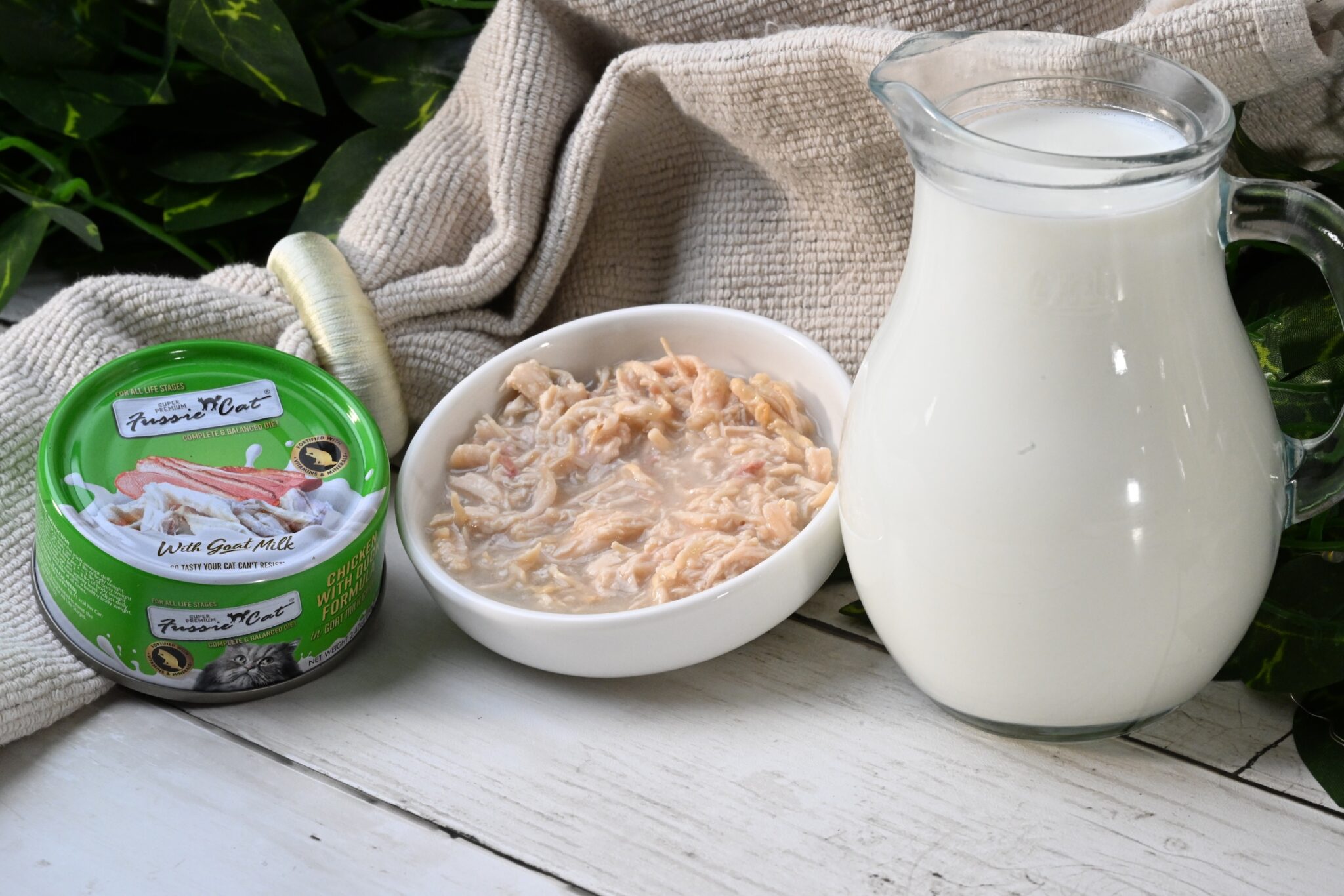
89 foods in the KibbleLab database contain Goat, including Acana, Brutus Broth, Canidae.
Foods with Goat
Alphabetical by brand. Scores run 0 to 10, higher is better, on published veterinary science.






Find the right food for your pet
Sign in free to sort and filter by score, and avoid or require Goat in the Food Finder. Add KL+ to see these foods ranked for your pet's breed, age, and health focus.

 Continue with Google
 Continue with Facebook